Hayward, CA
Fresno, CA
Orange, CA
Sacramento, CA
Phoenix, AZ
Key Takeaways
The monsoon season in Arizona, a key feature of the North American monsoon, brings intense storms that can dramatically alter the landscape and affect subsurface utility locating. During this time, utility locating services face unique challenges that can compromise the accuracy and safety of underground utility detection. Understanding how the season influences soil conditions, weather patterns, and detection methods is essential for any utility locator working in Arizona.
Let’s explore how the monsoon season impacts subsurface utility locating and the methods that can be employed to ensure effective and safe results.
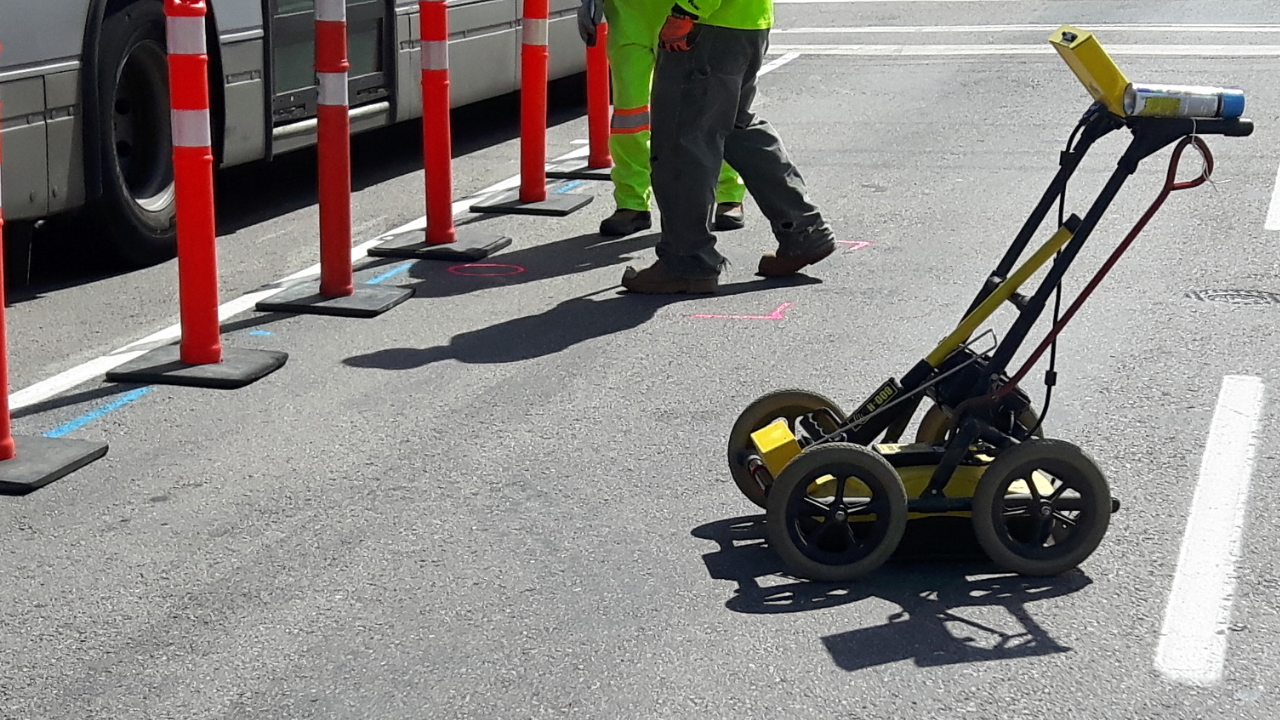
The monsoon season in Arizona, characterized by heavy rainfall and high humidity, creates specific conditions that can impact subsurface utility locating. Wet soil is one of the most significant challenges. The moisture content in the soil increases dramatically, affecting soil properties such as compaction and infiltration rate. These changes can make it difficult to use traditional methods for utility locating, as the moisture can alter the signal readings of electromagnetic locators.
When soil becomes saturated during the monsoon season, it increases the risk of inaccurate readings. Wet soil can cause interference with the electromagnetic signals used in underground utility locating. This may lead to misidentification or incomplete mapping of utility locations. For example, the presence of water infiltration can result in weak signal reflections, making it harder to detect utilities accurately.
Another risk posed by wet soil is the potential for ground subsidence. As soil becomes oversaturated, the structural integrity of the ground can change, which may lead to uneven surfaces or even the development of earth fissures. These fissures can disrupt utility locating efforts, as they often cause the ground to shift unpredictably. The width of these fissures can be unpredictable, complicating the process even further. Such changes can also impact the precision of techniques like vacuum excavation or potholing, which relies on stable soil conditions.
Monsoon storms in Arizona bring unpredictable weather patterns that further complicate utility detection. The intensity of rain can make ground conditions unstable, particularly in areas near the Gulf of California or the Gulf of Mexico, where moisture from these regions plays a significant role in Arizona’s storm patterns. The resulting flooding and water accumulation can also disrupt the integrity of buried utilities, making it more challenging to identify their exact locations. Additionally, water pressure from heavy rains can affect the groundwater table, changing the landscape in ways that may alter the location or depth of utilities.
In this dynamic environment, subsurface utility locating requires precise methods that can adapt to rapid changes in the landscape. Professionals must account for shifts in soil moisture, groundwater recharge, and potential erosion that could influence the positioning of utilities beneath the surface. The effect of groundwater recharge, especially on Tucson Water and other water systems, can dramatically shift utility positions during the monsoon season.
The monsoon season in Arizona presents several unique challenges for underground utility locating. Wet soil and fluctuating moisture levels can distort the accuracy of traditional detection methods. The intense rainfall and potential flooding can lead to rapid changes in the landscape, making it harder to map the location of utilities accurately.
Additionally, weather conditions such as high winds, lightning, and storms can limit the ability of utility locators to work efficiently. Safety becomes a major concern during such extreme conditions, as utility locators must prioritize caution when operating in unpredictable weather. This is particularly important when performing excavation or potholing techniques, such as vacuum excavation, where soil stability is key to the process.
Another challenge that arises during the monsoon season is the risk of earth fissures, which are particularly common in Arizona. These cracks in the earth's surface can occur as a result of soil movement or seismic activity, further complicating the utility locating process. The presence of fissures can lead to ground subsidence and unpredictable shifts in the earth's surface, making it difficult to pinpoint the location of underground utilities accurately. The width of these fissures may vary significantly, requiring a careful approach when planning excavation or utility detection.
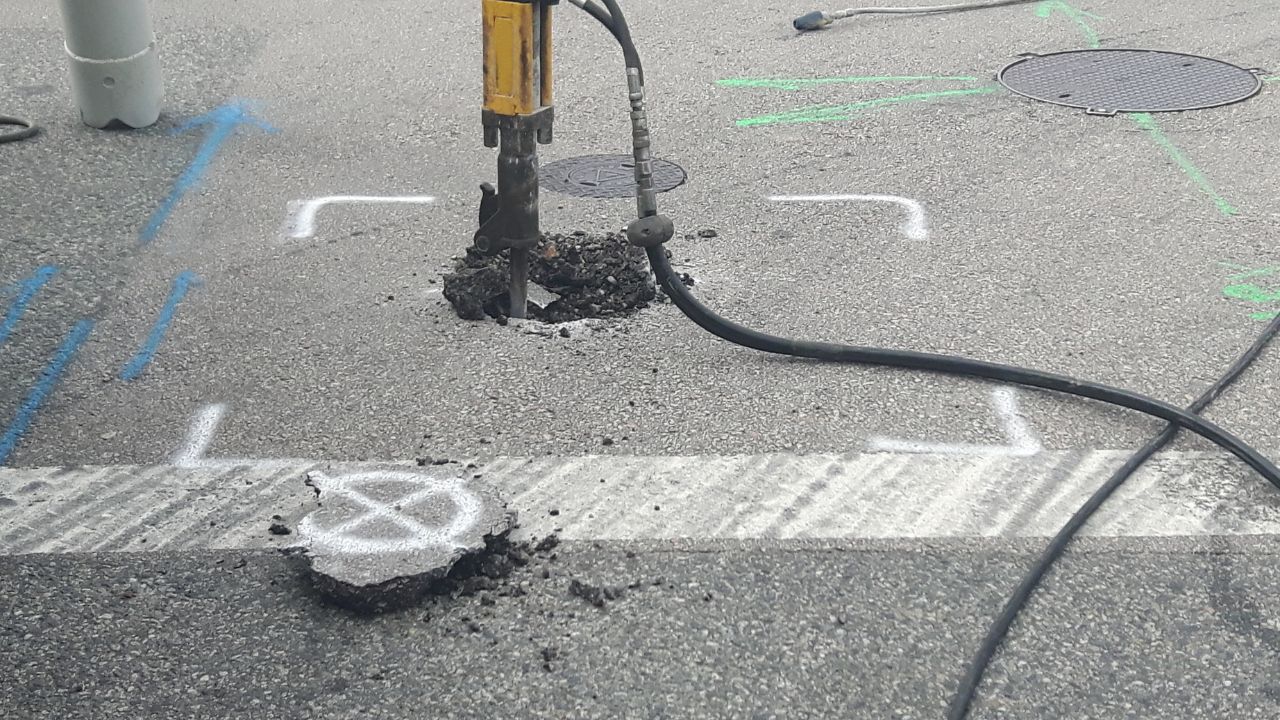
One of the most effective methods for locating utilities during the monsoon season is vacuum excavation or utility potholing. This technique uses high-pressure air or water to expose utilities without causing damage to the surrounding area. It is particularly useful in Arizona’s fluctuating soil conditions, as it allows utility locators to safely dig around sensitive infrastructure without the risk of soil collapse or disturbing utilities.
Vacuum excavation or potholing utilities helps to mitigate the risks posed by wet soil and unstable ground. By carefully excavating small test holes, the method provides accurate, real-time data about the depth and location of utilities, which is critical during the unpredictable monsoon season. This method is also an excellent option when navigating areas with potential earth fissures or flooding, ensuring that utility locators can perform their work safely and with minimal disruption to the environment.
Locating utilities in Arizona is challenging due to the diversity of underground infrastructure and the environmental factors at play. The Sonoran Desert’s unique soil conditions can vary greatly across regions, and the presence of earth fissures or high groundwater levels can affect how utilities are buried and detected.
When it comes to utility locating services in Arizona, professionals must be able to identify and differentiate between various types of underground utilities, including water, gas, and electrical lines. Each of these utilities is located at varying depths and requires different techniques to detect accurately. The challenge becomes even greater during the monsoon season, as fluctuating soil moisture and weather conditions can cause utilities to shift or become misaligned.
In addition, the seasonal changes brought on by monsoon storms may alter the physical landscape, leading to shifting utility locations. Groundwater recharge, for example, can cause the underground water table to rise, potentially affecting the placement of buried pipes or cables. Therefore, utility locators must remain vigilant and adapt their methods to ensure precise and reliable results. Managed aquifer recharge programs, like those overseen by Tucson Water, play a role in controlling the region’s water quality and impact on utility detection.
The monsoon season in Arizona brings unique challenges to subsurface utility locating, but with the right expertise and technology, these obstacles can be overcome. At Bess Utility Solutions, we understand the complexities of working in Arizona’s desert climate. Our mapping team utilizes advanced utility locating services, including vacuum excavation or potholing, to ensure that your underground utility mapping is accurate and reliable, no matter the weather.
If you’re facing challenges with locating utilities during the monsoon season, trust our team to provide effective underground utility solutions. Contact Bess Utility Solutions today and take the next step toward more efficient, safe, and accurate utility detection. Let us help you navigate the risks and ensure your underground utilities are located with precision.