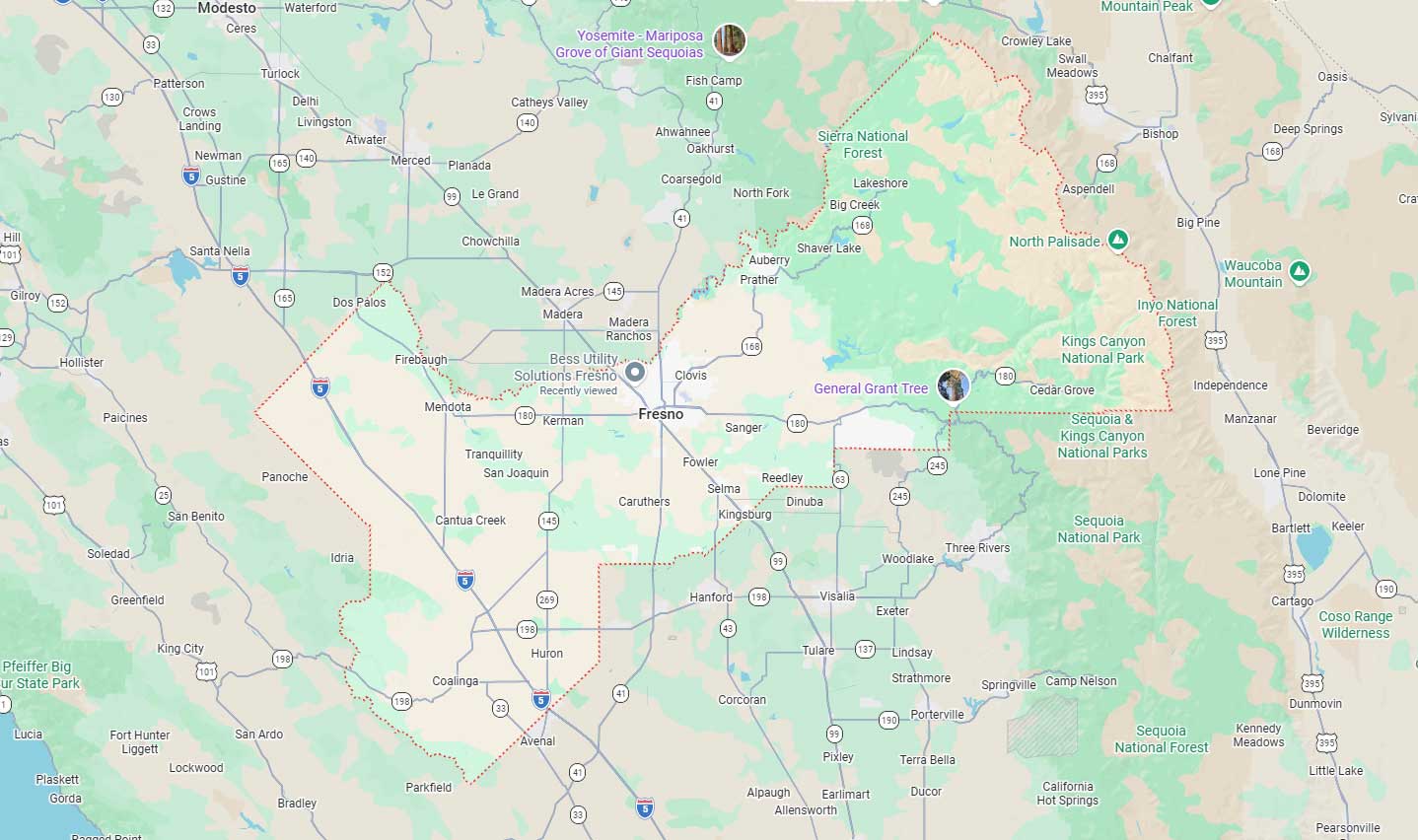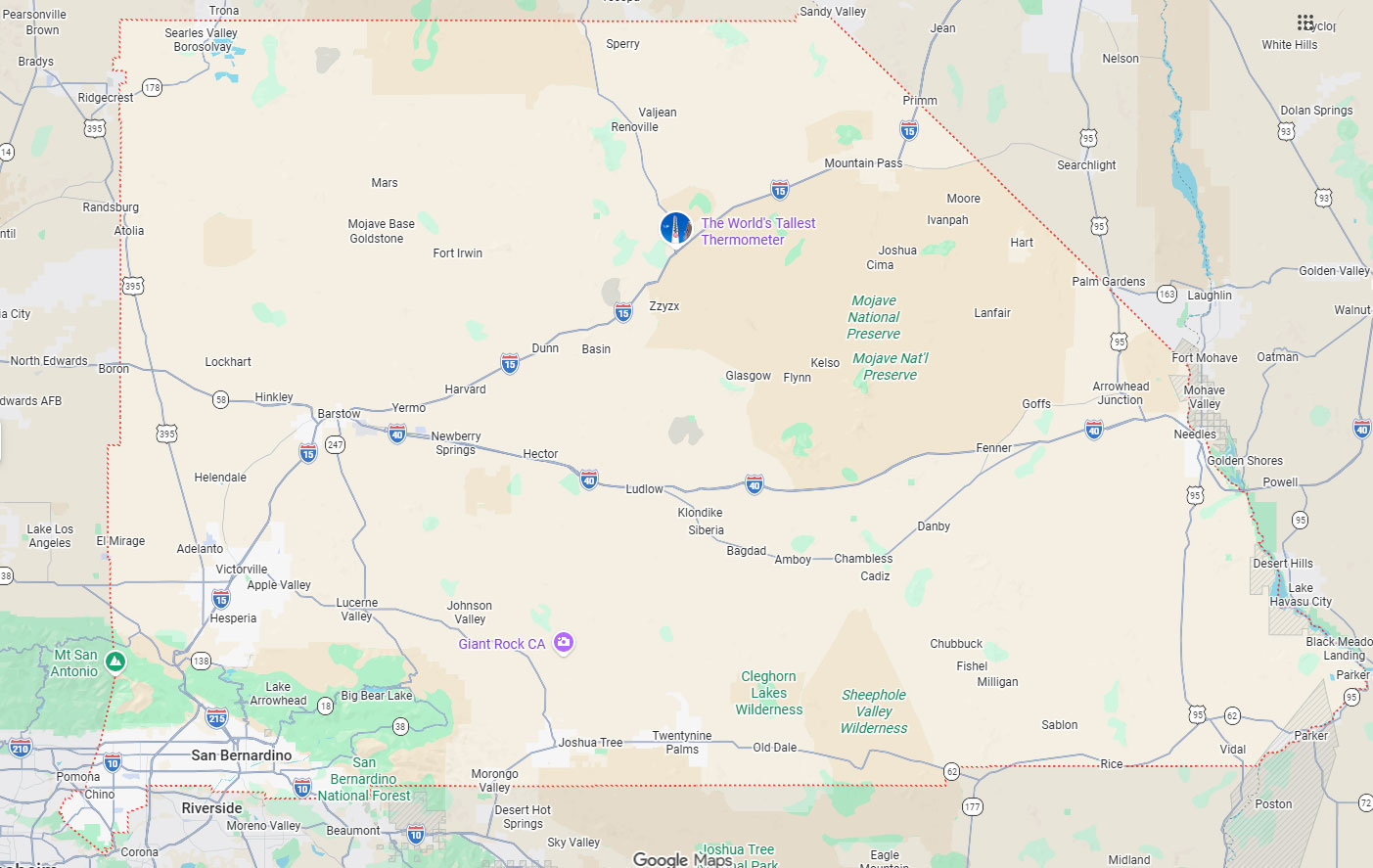
Hayward, CA
Fresno, CA
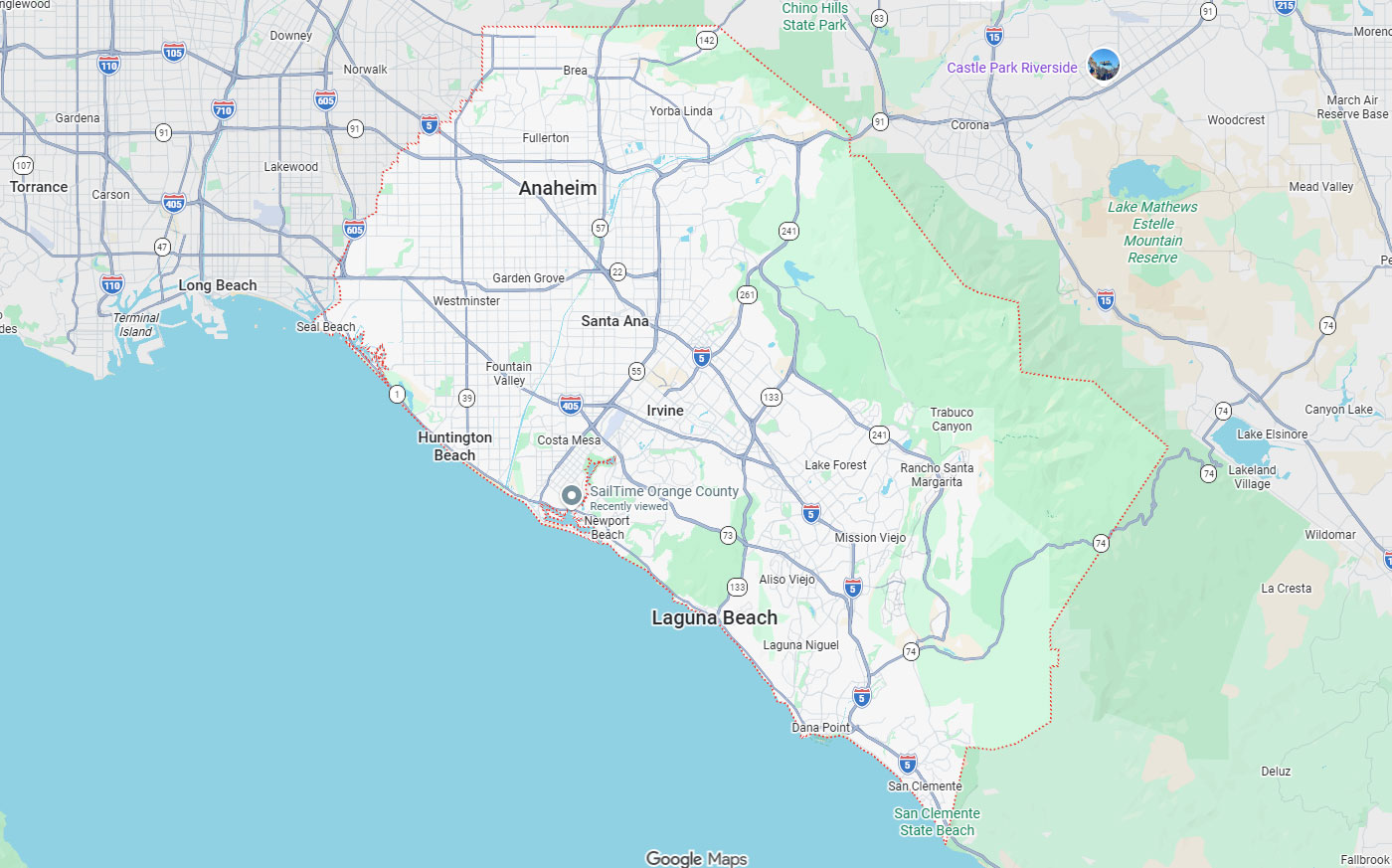
Orange, CA
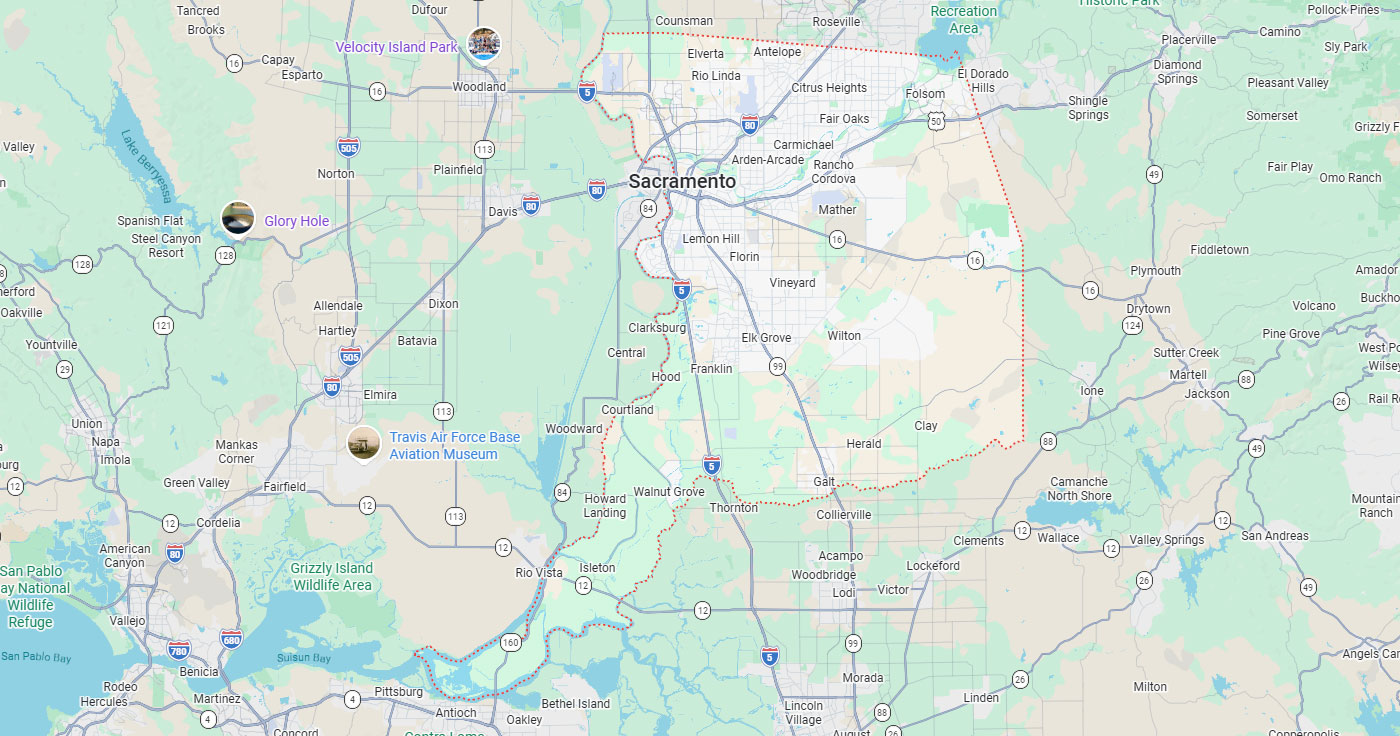
Sacramento, CA
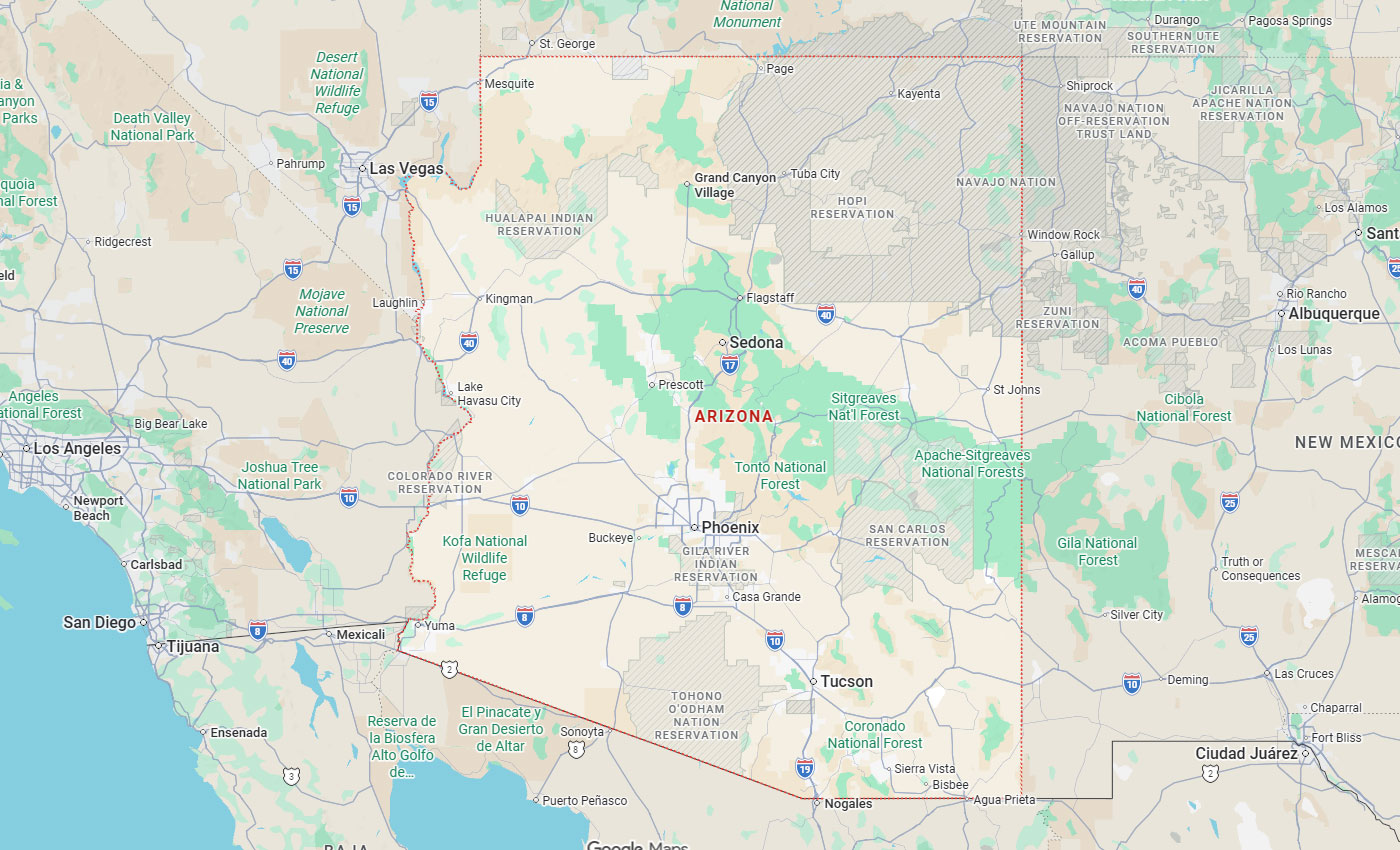
Phoenix, AZ
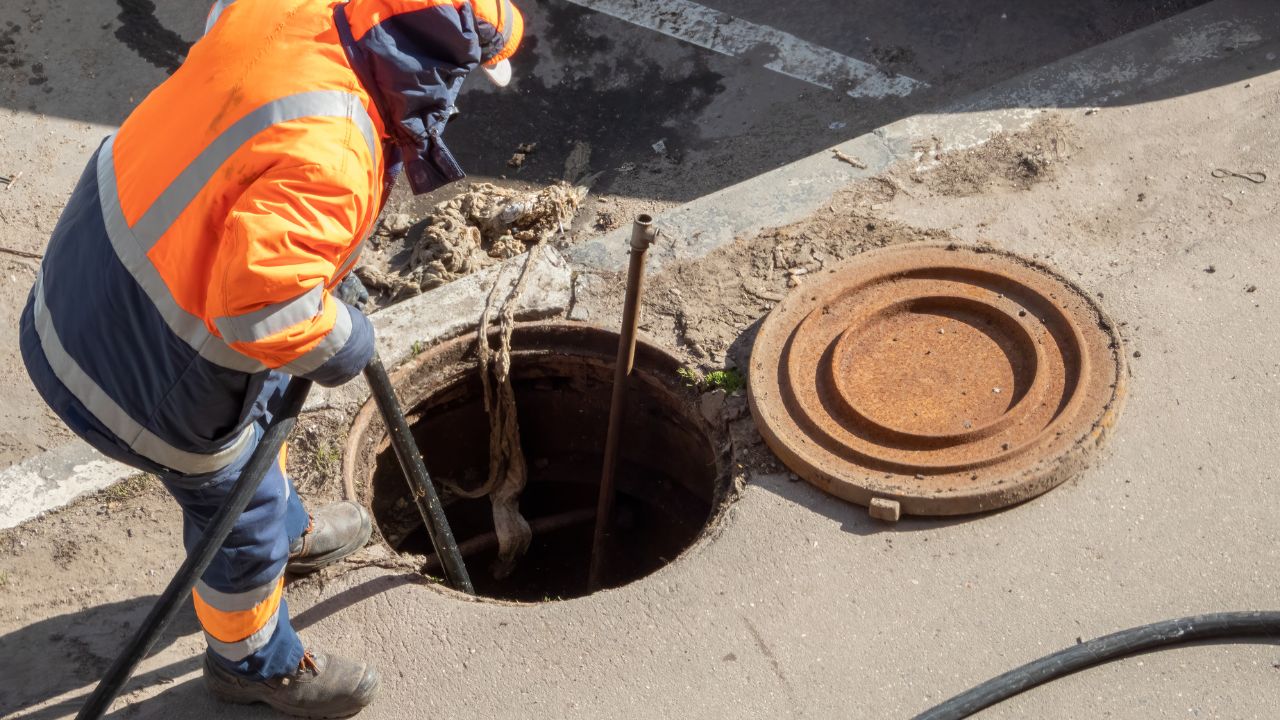
San Francisco and Bay Area contractors work near dense, hidden utility networks where one assumption can cause service disruption or injury. Underground utility risks include construction safety, utility failures, repair costs, fines, and schedule delays that exceed the cost of verification. Contractors must understand that 811 notification is the legal baseline but does not solve every private-utility or depth challenge. Successful projects combine 811 compliance with additional verification methods such as private locating, potholing, and concrete scanning.
Below, you'll find how California notification law sets the floor, why 811 marks miss private and post-meter lines, and which verification services close the gaps. Bess Utility Solutions has served San Francisco and Bay Area contractors for years, and the guidance below reflects what keeps projects safe, compliant, and on schedule.
Key Takeaways
California law requires excavators to contact 811 before digging and wait for positive responses from utility operators. These requirements establish the minimum compliance standard for all excavation projects regardless of size.
811/DigAlert is the free national before-you-dig service for public utility notification in California. Anyone planning to dig must contact 811 or the state 811 center website before excavation begins. Positive response means the excavator has received responses from known owner/operators confirming that marking is complete. Excavation shall not commence until the excavation area has been marked and positive responses are received. Avoiding fines and liability requires understanding the difference between notification and full risk control.
California Title 8 requires the approximate location of subsurface installations to be determined before opening excavation. Excavators must identify expected underground facilities based on available records, 811 responses, and site conditions. Determining approximate locations protects workers and prevents damage to gas and water lines, and helps with detection challenges. This requirement applies to all excavation work where subsurface installations may be present.
Failure to contact DigAlert before digging can result in fines up to $50,000 plus repair costs. These penalties apply when excavators dig without proper notification or ignore 811 marking requirements. Repair costs for damaged underground facilities add to financial exposure and can exceed the original fine. Contractors also face potential liability claims, insurance disputes, and schedule delays after utility strikes.
Utility strikes create immediate safety hazards and long-term liability exposure for contractors and project owners. The consequences extend beyond repair costs to include injuries, service outages, and regulatory scrutiny.
Utility strikes can cause service outages, injuries, deaths, fires, explosions, electrocution, and repair costs. Hitting a buried line can disrupt utility service, cost money to repair, or cause serious injury. Construction safety utility protocols require recognizing that strikes also generate delay claims and insurance exposure. Project teams face downtime while utilities are repaired and regulatory agencies investigate compliance.
High-priority subsurface installations include high-pressure natural gas pipelines over 60 p.s.i.g., petroleum pipelines, and pressurized sewage pipelines. California Title 8 also identifies high-voltage conductors, cables, and hazardous-material pipelines as high-priority facilities. These facilities require extra caution due to pressure, voltage, or hazardous content that increases strike consequences. Contractors must implement additional safety measures when working near high-priority installations regardless of project scope.
Average utility-strike cost claims reach $50,000 to $75,000 when including repair, mobilization, and schedule impacts. Liability exposure increases when strikes cause service outages affecting multiple customers or damage critical infrastructure. Insurance carriers investigate whether contractors followed 811 procedures and used appropriate verification methods before excavation. Inadequate documentation of pre-dig efforts can shift liability fully to the excavating contractor.
| Exposure | What contractors face |
| DigAlert notification failure | Fines up to $50,000 plus repair costs |
| Average utility-strike claim | $50,000 to $75,000 including mobilization and delays |
| Service outages | Gas, water, power, or fiber loss affecting nearby customers |
| Worker safety | Injuries, fires, explosions, or electrocution on site |
| Schedule impact | Stop-work orders while utilities are repaired and agencies investigate |
| Insurance and liability | Carrier review of 811 procedures and pre-dig documentation |
811 marks public utilities but does not provide complete coverage of private systems or depth information. San Francisco projects often involve older infrastructure, dense utility corridors, and private facilities that require additional verification.
811 marks facilities owned and maintained by utility members, usually up to the meter or property line. Private or post-meter utilities are facilities beyond the meter that utility members typically do not own. Non-pressurized sewer lines, storm drains, and other drain lines may not be marked under DigAlert requirements. Private lines on campuses, commercial properties, multifamily sites, and industrial facilities fall outside standard 811 coverage. Understanding the distinction between public and private utility locating helps contractors identify verification gaps.
Approximate marks show general utility location but not exact depth or full private-utility coverage. Locators are unable to determine the depth of underground facilities using surface-marking methods alone. Standard locating responses provide horizontal positioning without vertical certainty required for safe excavation planning. Utility depth uncertainty can lead to mechanical equipment contact with buried lines during grading or trenching. The tolerance zone is 18 to 24 inches on all sides of a marked utility where mechanized equipment is generally prohibited.
Dense urban settings such as San Francisco, Oakland, and San Jose face greater buried-asset congestion than suburban areas. Multiple utility corridors, aging infrastructure, and limited subsurface documentation increase the importance of multi-method scanning for Bay Area projects. Dense pedestrian and traffic environments create tight work windows that increase the cost of shutdowns or rework. Inaccurate as-builts and record gaps are major pain points for engineering and construction teams managing subterranean strike prevention.
| Utility type | Marked by 811? | How to verify |
| Public lines to the meter or property line | Yes | 811/DigAlert notification and positive response |
| Private or post-meter lines | No | Private utility locating |
| Non-pressurized sewer, storm drains, drain lines | Often not | Private locating and CCTV pipeline inspection |
| Campus, commercial, and industrial site lines | No | Private locating and utility mapping |
| Utility depth | No | Potholing or vacuum excavation |
| Lines inside or under concrete | No | GPR concrete scanning |
Contractors combine multiple verification methods to address different types of underground utility risks before excavation. Each service solves specific challenges that 811 notification alone cannot address.
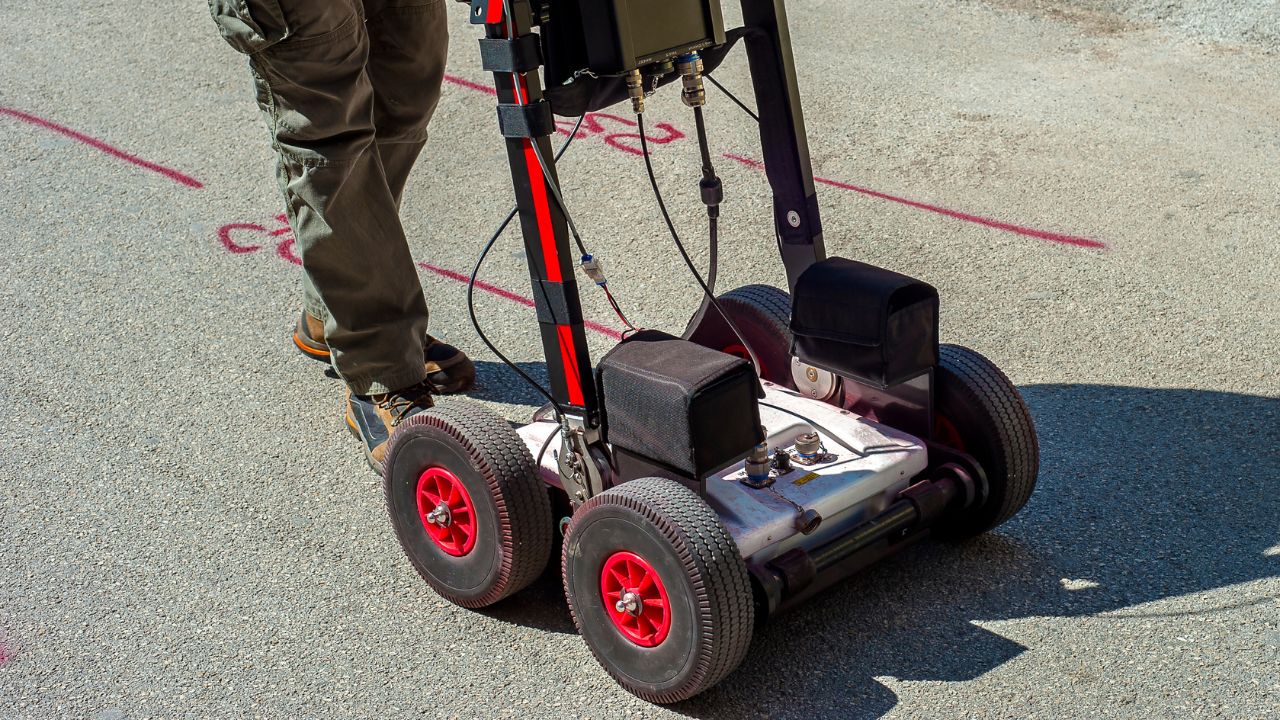
Private utility locating finds utilities that 811 may not mark, especially private lines and recently installed assets. Private locators use electromagnetic and GPR methods to detect metallic and non-metallic utilities beyond public system boundaries. Project-cost examples for private locating range from $300 to $2,500, depending on site size and complexity. This investment reduces strike risk when working near buildings, parking structures, or facilities with internal utility systems.
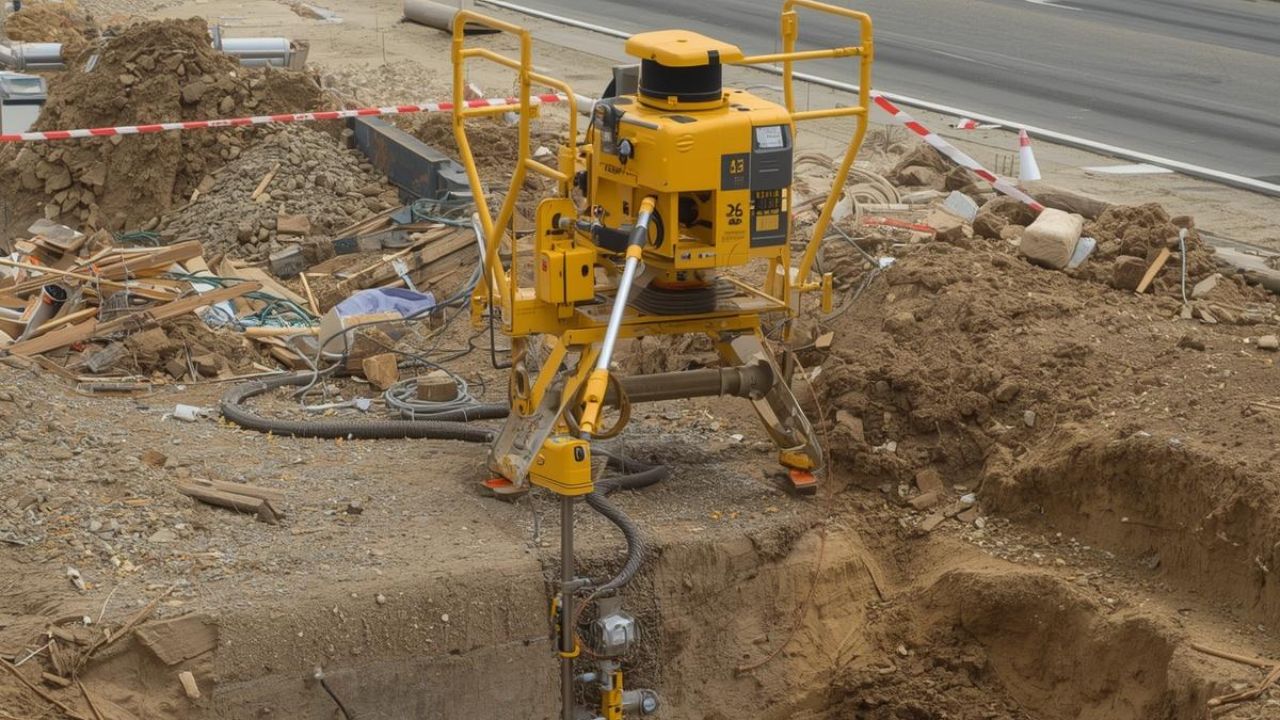
Contractors should hand dig or use vacuum excavation near marks within the 18- to 24-inch tolerance zone. State laws generally prohibit mechanized equipment within this zone to prevent contact with marked utilities. Vacuum excavation exposes utilities safely for visual confirmation of depth, type, and condition before mechanical digging begins. Potholing provides the only definitive method to verify utility depth and eliminate uncertainty and eliminate depth uncertainty before excavation.
Concrete scanning detects rebar, conduits, post-tension cables, and voids before drilling or coring through slabs or walls. Multi-method scanning using GPR and electromagnetic locating improves confidence where one method has limitations due to material or depth. Soil, depth, material, moisture, congestion, and site conditions affect GPR results and require experienced interpretation. Concrete cutting or coring without scanning risks hitting rebar, conduits, post-tension cables, and voids that cause equipment damage.
| Method | What it solves | When to use it |
| Private utility locating | Finds private and post-meter lines 811 misses | Work near buildings, campuses, or parking structures ($300 to $2,500 typical) |
| Vacuum excavation/potholing | Confirms depth, type, and condition | Inside the 18 to 24 inch tolerance zone before mechanical digging |
| GPR and electromagnetic locating | Detects metallic and non-metallic assets | Congested corridors where one method has limits |
| Concrete scanning | Finds rebar, conduit, post-tension cables, and voids | Before cutting or coring slabs or walls |
| CCTV pipeline inspection | Maps and inspects drain and sewer lines | Non-pressurized lines outside 811 scope |
| 3D utility mapping and SUE | Organizes data by ASCE 38-22 quality levels | Design-phase planning and conflict avoidance |
Utility mapping and subsurface utility engineering organize verification data into formats that support design and construction decision-making. These deliverables reduce change orders and conflicts during construction phases.
SUE is subsurface utility engineering that organizes utility data by reliability levels established in industry standards. ASCE 38-22 quality levels structure utility certainty needed for design-phase work and help owners understand data confidence. 3D utility mapping converts field data into CAD and GIS formats that engineers can integrate directly into project plans. Documented utility locations reduce design liability and support accurate cost estimation before bidding.
3D subsurface maps display utility depth, type, and horizontal position in formats compatible with design software and BIM workflows. These maps allow project teams to identify potential conflicts before mobilization and adjust designs to avoid costly rework. Field crews use 3D maps to confirm utility locations during excavation and document as-built conditions for owners. Accurate subsurface data reduces the frequency of change orders caused by unexpected utility encounters.
Traffic control planning keeps urban work zones safer while locating, scanning, and potholing activities occur in rights-of-way. San Francisco and Bay Area projects often require lane closures, pedestrian management, and coordination with municipal agencies. Proper traffic control reduces liability exposure and allows verification work to proceed without interruption or safety incidents. Contractors must account for traffic control costs and permitting time when scheduling underground utility verification activities.
Certain project conditions indicate that 811 notification alone will not provide sufficient risk control for safe excavation. Contractors should evaluate additional verification needs based on site complexity and consequence exposure.
811/DigAlert is not a substitute for visual verification, private locating, or vacuum excavation where project risk requires it. Delays from waiting after a strike often exceed the time needed for planned locating and verification before work begins. Unknown private or post-meter utilities create strike risk when 811 marks are incomplete, or property systems extend into work areas.
Projects involving concrete cutting, deep excavation, or work near critical facilities benefit from GPR, potholing, and utility mapping services.
Successful underground utility risk management combines legal compliance with practical verification methods matched to project conditions. Contractors reduce exposure by treating 811 as the required foundation and adding private locating, potholing, scanning, and mapping where gaps exist. Bay Area density and aging infrastructure make documentation and multi-method verification essential for schedule protection and safety. Project teams that invest in verification before excavation avoid the higher costs of strikes, shutdowns, and liability claims.
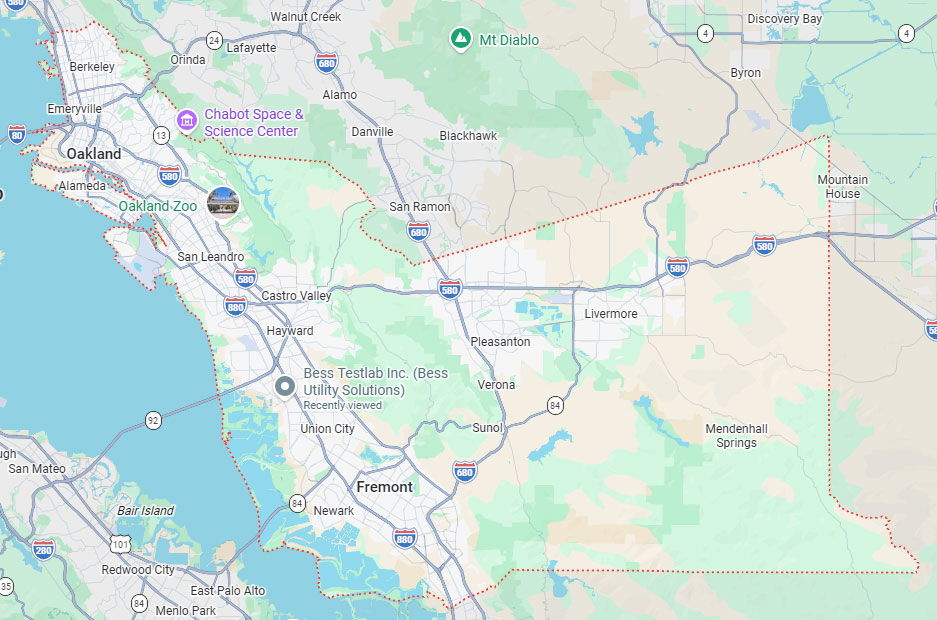
Bess Utility Solutions provides private utility locating, vacuum excavation, GPR, concrete scanning, and 3D utility mapping services throughout the San Francisco Bay Area. Proactive risk management protects budgets, schedules, and worker safety on projects where underground conditions are uncertain. Contractors who document verification efforts and use appropriate methods demonstrate due diligence that reduces liability exposure.
Bess Utility Solutions helps San Francisco and Bay Area contractors verify what is underground before the first cut. As a CPUC-certified MBE/DBE firm, we provide private utility locating, vacuum excavation, GPR, concrete scanning, and 3D utility mapping across the region. Call (408) 988-0101 to talk through your site, or request a free quote, and we will scope the verification your project needs. Plan the locating now and keep your schedule, budget, and crew protected.
A. 811 notification is required by California law, but it marks only public lines up to the meter or property line. Private and post-meter utilities, non-pressurized sewer lines, and storm drains often fall outside that coverage. 811 marks also show horizontal location without confirming depth. Contractors on dense Bay Area sites pair 811 with private locating, potholing, and scanning to close those gaps.
A. The tolerance zone is the 18- to 24-inch band on all sides of a marked utility. State rules generally prohibit mechanized equipment inside that zone to prevent contact with the line. Crews hand dig or use vacuum excavation there to expose the utility safely. Working within the tolerance zone is one of the simplest ways to avoid a strike on a marked line.
A. Private utility locating usually runs from about $300 to $2,500 per project. The range depends on site size, access, utility density, and how much scanning the work requires. That cost is small next to a strike claim, which averages $50,000 to $75,000 once repair, mobilization, and delays are counted. Verification before excavation protects both the budget and the schedule.
A. Failing to contact DigAlert before digging can bring fines up to $50,000 plus the cost of repairs. Damage to a buried line adds repair charges that can exceed the original fine. Contractors also face liability claims, insurance disputes, and stop-work delays after a strike. Documented 811 compliance and verification show due diligence and reduce that exposure.
A. It depends on the site, but most dense projects benefit from private locating plus one confirmation method. Potholing or vacuum excavation confirms depth, GPR and concrete scanning find lines under slabs, and 3D utility mapping organizes the data for design. Sites near high-priority facilities such as high-pressure gas or petroleum pipelines call for extra caution. Bess Utility Solutions matches the methods to each project's conditions.