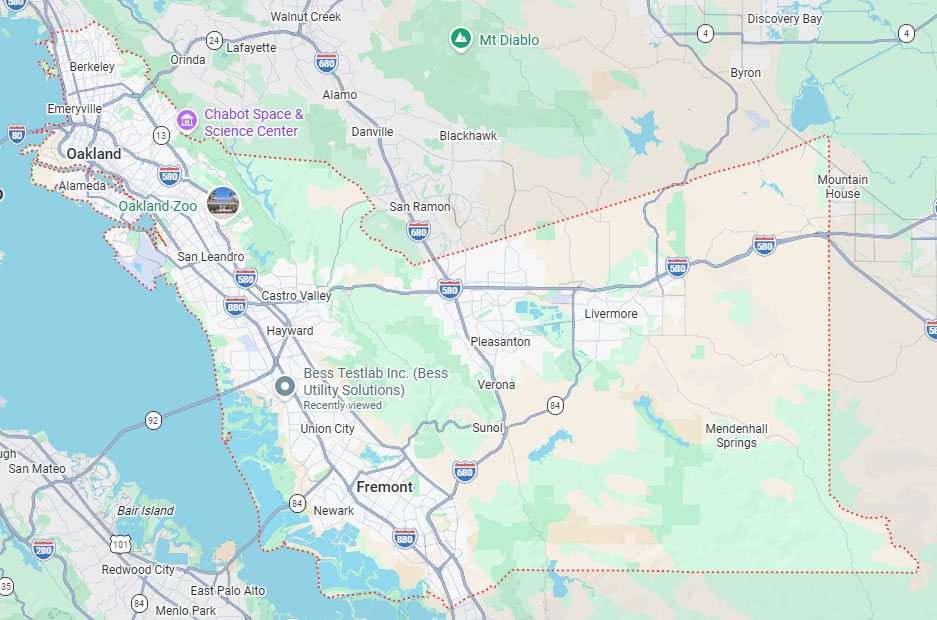
Hayward, CA
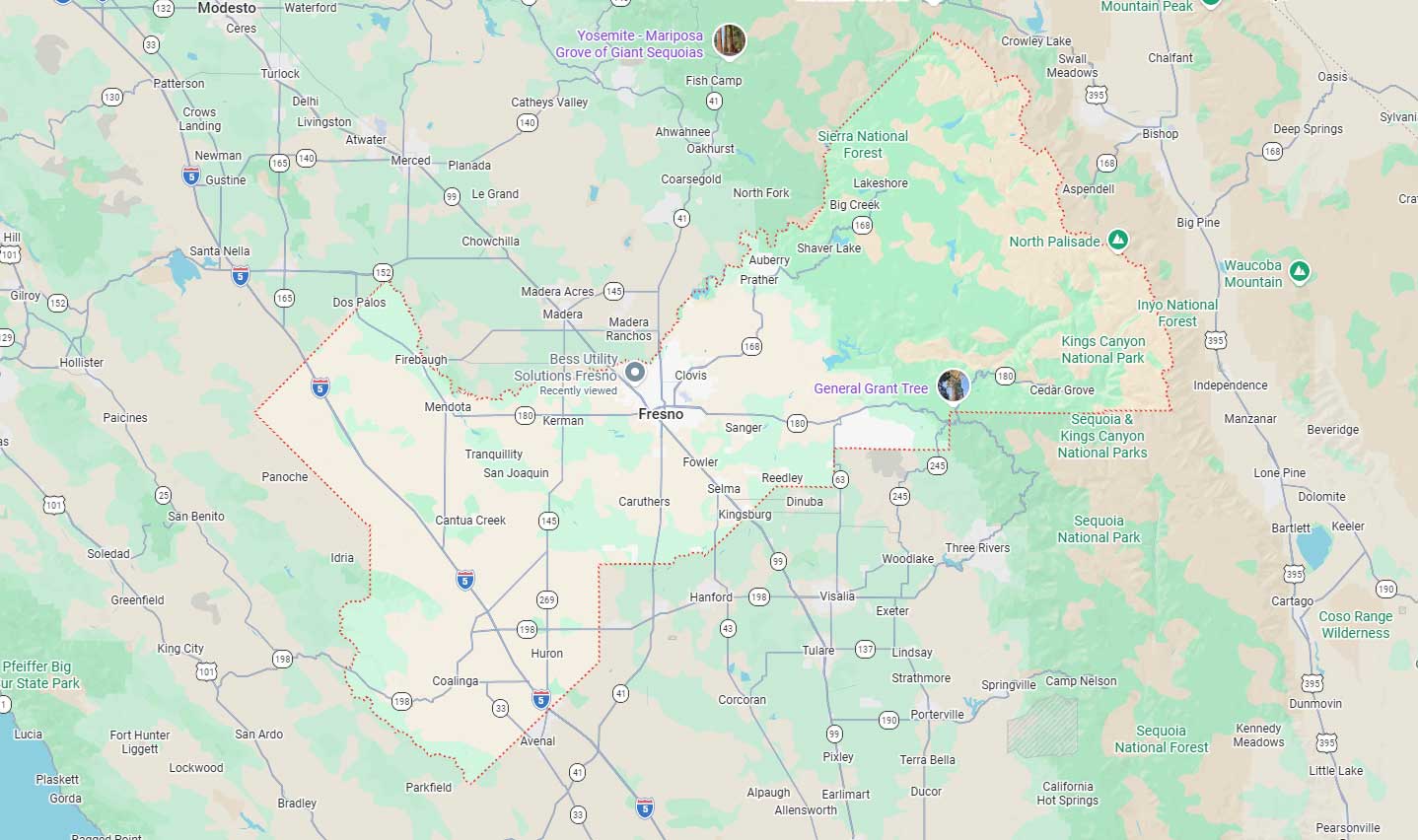
Fresno, CA
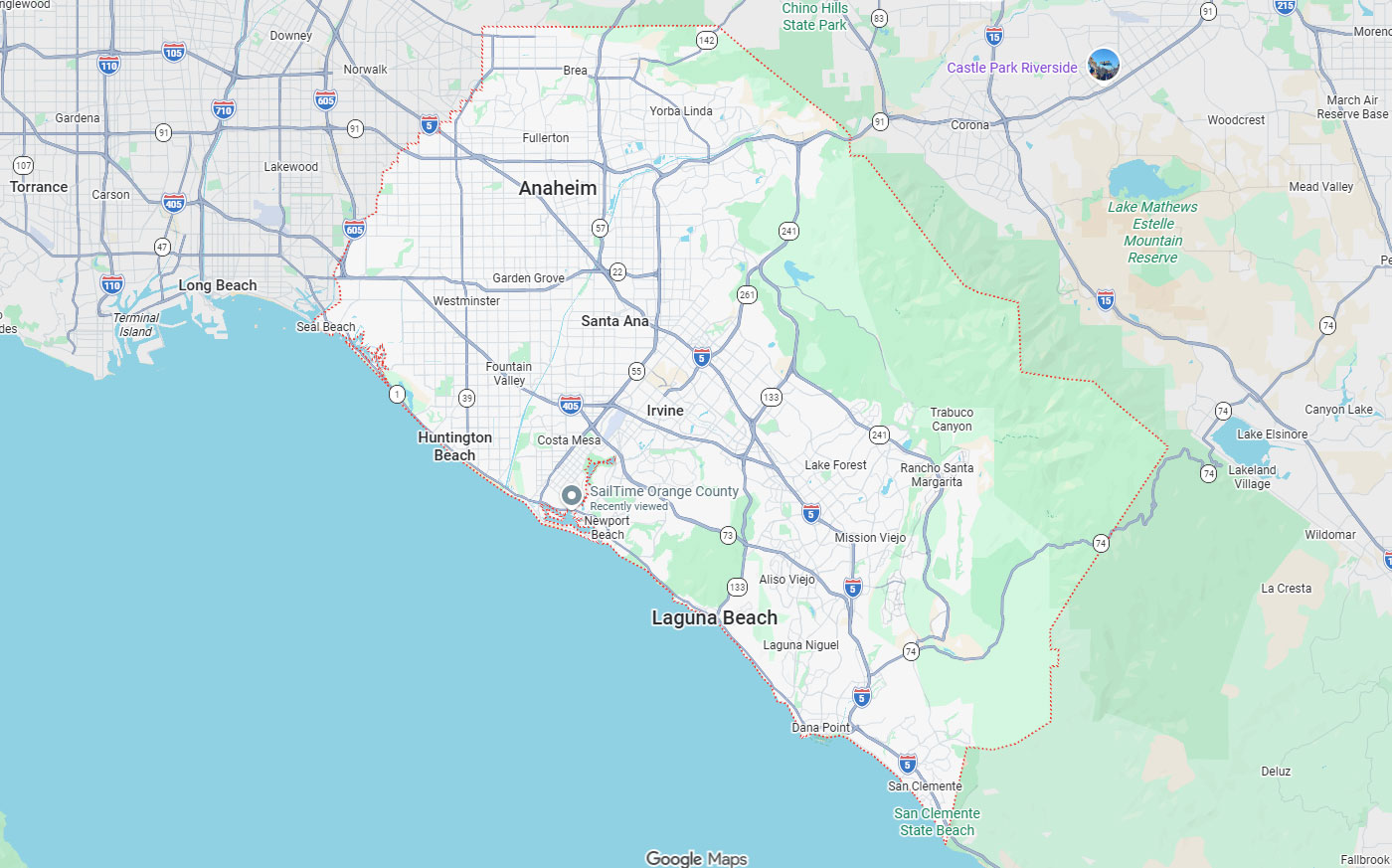
Orange, CA
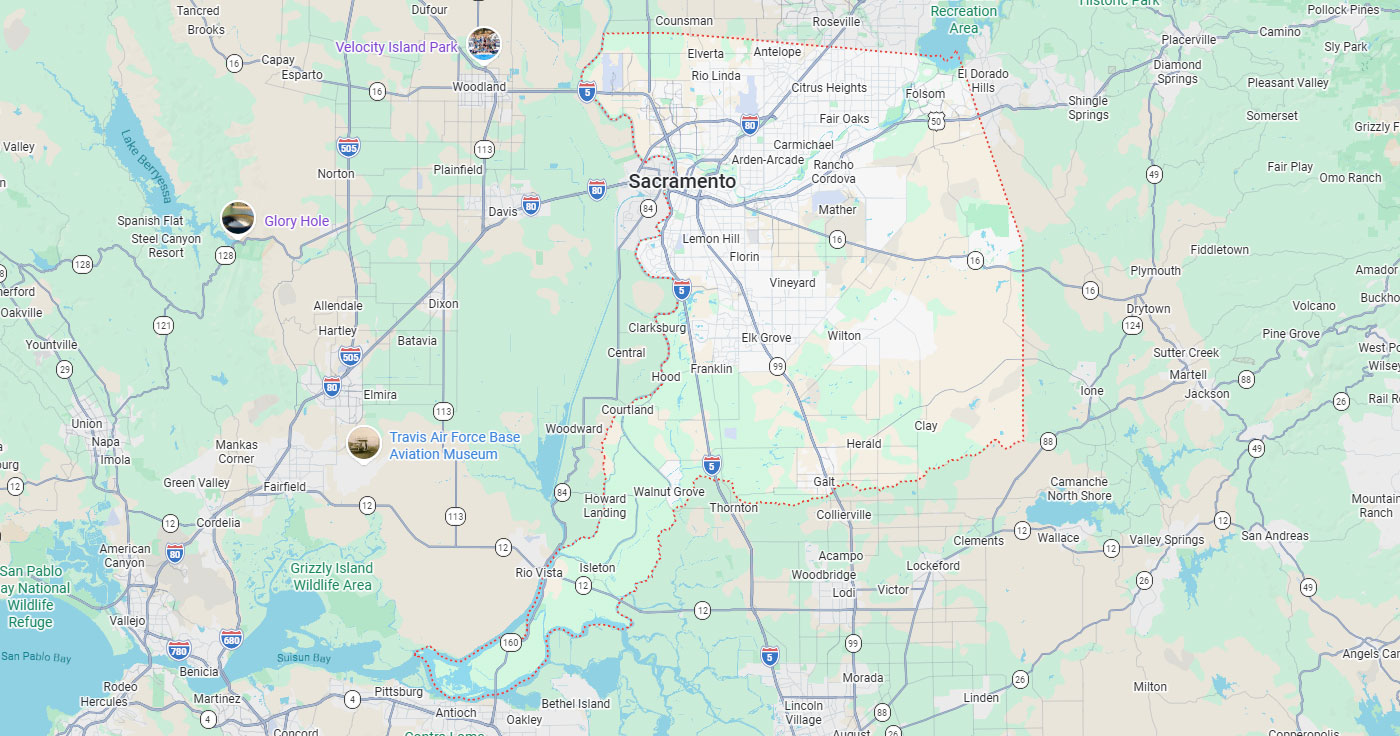
Sacramento, CA
Phoenix, AZ
Key Takeaways
Underground utility strikes cost the U.S. construction industry $30 billion annually, yet most contractors drastically underestimate their exposure. The math is brutal: a $2,000 direct repair routinely escalates into $60,000+ in total losses. Common Ground Alliance research shows indirect costs run up to 30 times the initial repair bill, a multiplier that can erase project margins or bankrupt small firms.
This isn't a theory. The 2014 Asheville gas line explosion, caused by a contractor's 2003 excavation error, cost $836,720 with zero injuries. A single fiber strike can generate $2.5 million in business interruption claims. OSHA willful violations now carry $165,514 fines per occurrence. The liability web extends far beyond the broken pipe: regulatory penalties, third-party lawsuits, insurance premium spikes, lost bonding capacity, and reputational damage that kills future bids.
This guide quantifies what contractors actually face when a bucket hits a line. We'll break down the cost of hitting a utility line by type, map the cascade of direct and hidden losses, and demonstrate the ROI of prevention programs that deliver 680% returns. Understanding true exposure is the first step toward protecting your projects and preventing costly mistakes during site preparation.
Any physical contact with a utility, even without immediate service disruption, triggers liability and costs. A coating scrape that seems minor today can cause catastrophic failure years later, as the Asheville case proved when a 2003 gouge exploded 11 years later.
Damage That Triggers Costs Even Without Service Interruption:
The latent failure risk creates long-tail utility damage liability. Utilities document all contact damage for future failure investigations. Your small mistake becomes evidence in someone else's catastrophic claim.
| Utility Type | Direct Repair Range | Average TOTAL Cost | Why Costs Spike |
| Fiber/Telecom | $781 - $5,000 | $72,781 | Business interruption: $5,600/min for enterprises [Gartner]; outage claims dwarf repair |
| Natural Gas | $2,000 - $25,000 | $65,927 | Evacuation, emergency response, fire/explosion risk; Asheville case: $836,720 with zero injuries |
| Electric | $1,851 - $50,000+ | $43,851 | Arc-flash injuries, equipment damage, wildfire liability (TX/CO billion-dollar suits) |
| Sewer | $800 - $8,000 | $32,378 | Environmental cleanup, strict Clean Water Act liability |
| Water | $600 - $5,000 | $18,102 | Lowest cost but escalates with flooding/erosion |
Key insight: The Asheville 2003 gouge caused a 2014 explosion 11 years later; latent damage creates long-tail liability that outlasts project closeout, insurance policy periods, and statute of limitations assumptions.
A utility strike isn't a single cost event; it's a financial cascade that unfolds over weeks or months. The initial repair represents only 3-10% of the total impact. Project delays utility damage, regulatory scrutiny, and third-party claims compound exponentially while your crew sits idle and overhead burns.
Critical multiplier: A $2,000 direct repair routinely generates $60,000+ in total impact through the 30:1 indirect cost ratio documented in CGA DIRT reports. Understanding this cascade is essential for accurate risk assessment and insurance planning.
| Cost Category | Examples | Typical Range | Who Pays |
| Direct Repair | Labor, materials, emergency response, traffic control, testing | $600 - $50,000+ | Contractor (via backcharge) or insurance |
| Project Delays | Crew idle time, equipment standby, re-sequencing, overtime acceleration, liquidated damages | $10,000 - $500,000+ | Contractor, subs, owner |
| Regulatory Fines | OSHA violations, state 811 penalties | $16,550 (serious) to $165,514 (willful) per violation [OSHA 2025] | Contractor |
| Third-Party Claims | Business interruption, property damage, injury/death | $25,000 - $10,000,000+ | Insurance/contractor |
| Soft Costs | Legal fees, claim admin, insurance premium increases (15-40%), lost bonding capacity | $20,000 - $250,000+ | Contractor |
Why One-Hour Incidents Become Multi-Day Losses:
Your response in the first 60 minutes directly impacts whether costs stay contained or spiral into six figures. Fast, documented action protects workers, limits liability exposure, and preserves insurance coverage. Delays or poor documentation turn defensible incidents into contractor fault.
Critical Actions Checklist:
Key Evidence to Capture:
Liability follows a fault hierarchy, but the excavator bears the heaviest presumption. You're responsible until you prove otherwise, and proof requires ironclad documentation that you followed every protocol. The legal standard isn't "we tried our best"; it's "did you call 811, respect the marks, and pothole in the tolerance zone?" Fail any step, and you own the damage claims excavation generates, even if the locator is mismarked.
Shared fault splits damages proportionally, but doesn't eliminate your exposure. If a locator mismarked 4 feet off (60% fault) but you failed to pothole in the tolerance zone (40% fault), you still pay 40% of a million-dollar claim. The defense that works: valid 811 ticket, documented compliance with marks, vacuum excavation or potholing verification within tolerance zones, and timestamped photos proving you did everything right.
| Party | When They're Liable | Common Defense |
| Excavator | No 811 ticket, machine digging in tolerance zone, ignoring marks | Valid ticket + compliance with marks + potholing in tolerance zone |
| Utility Locator | Mismark, no-mark, delayed response | Contractor must still prove they followed marks and potholed to verify |
| Owner/Designer | Incorrect as-builts, undocumented utilities | Differing site conditions claim (if contract allows) |
Shared fault scenario: Locator mismarked 4 feet (60% fault) + contractor failed to pothole in tolerance zone (40% fault) = damages apportioned proportionally
Standard Commercial General Liability (CGL) policies contain exclusions specifically designed to deny utility strike claims. The three deadliest gaps: underground property damage exclusions, XCU (explosion, collapse, underground) carve-outs, and pollution/contamination denials. Most contractors don't discover these holes until a claim gets rejected.
The fix requires specific endorsements purchased before the loss. An "Underground Property Damage" endorsement costs 2-5% of the premium but covers what standard CGL denies. XCU coverage adds back explosion and collapse risks. Pollution Liability is a separate policy for sewage spills and gas releases. Review your actual policy language; the certificate of insurance doesn't tell you what's excluded.
| Policy Type | What It Covers | Critical Exclusion to Check | Fix |
| CGL | Third-party injury/property damage | Often excludes underground property damage | Add "Underground Property Damage" endorsement |
| CGL | General liability | XCU exclusions (explosion, collapse, underground) | Add "XCU Coverage" endorsement |
| Standard CGL | Basic coverage | Pollution/contamination (sewage, gas spills) | Separate Pollution Liability policy |
Claims impact: Insurance premiums increase 15-40% after a major strike; multiple strikes can trigger non-renewal and destroy bonding capacity.
Prevention isn't a cost, it's the highest-return investment in construction. Spending $2,000 on a private locate and potholing to avoid a $50,000 strike delivers 2,500% ROI. Scale that across 50 annual projects and a $63,000 prevention program saves $430,000 net while avoiding the soft costs that don't show on spreadsheets: lost bonding capacity, insurance non-renewal, and reputation damage that kills future bids.
The math proves what field experience confirms: even one avoided strike pays for an entire year of comprehensive prevention programs. The question isn't whether you can afford prevention, it's whether you can afford not to prevent. Accurate utility locating to avoid damage claims should be the foundation of every excavation project.
| Scenario | Prevention Investment | Expected Strike Cost Avoided | ROI |
| Single high-risk project | $2,000 (private locate + potholing) | $50,000+ (one strike avoided) | 2,500% |
| Annual program (50 projects) | $63,000 (comprehensive SUE/training) | $493,000 (strikes avoided) | 680% / $430,000 net savings |
Critical insight: Even one avoided strike pays for an entire year of prevention programs.
Prevention succeeds when it integrates into the normal workflow rather than adding bureaucratic delays. The highest-value controls take minutes but prevent disasters: daily mark verification, hand-digging in tolerance zones, and potholing perpendicular crossings. These aren't productivity killers; they're insurance policies that cost less than one hour of delay.
The key is front-loading risk management in preconstruction and automating field verification. Identify high-consequence crossings before mobilization, then execute a simple checklist that becomes crew habit. Speed comes from eliminating surprises, not skipping steps. Professional underground locating and detection services provide the foundation for safe excavation.
Every minute after a strike determines whether costs stay contained or explode into six figures. Your immediate response protects workers, preserves evidence, and establishes your defense before lawyers and adjusters arrive. Follow this sequence exactly, skipping steps or admitting fault destroys your legal position and voids insurance coverage.
The goal isn't just safety, it's creating an airtight documentation trail that proves you did everything right. Your photos and witness statements become evidence in disputes over fault, invoice accuracy, and insurance claims.
Real incidents prove the math behind the 30:1 cost multiplier. These aren't theoretical scenarios, they're documented cases showing how minor excavation errors cascade into catastrophic losses. The pattern repeats: small initial damage, massive indirect costs, long-tail liability that extends far beyond the initial utility strike fines and penalties.
Incident: 2003 contractor gouge went undetected; pipe failed 11 years later
Damage: Explosion, 100-foot flames, property destruction, 5.5-mile line shutdown
Total Cost: $836,720
Key lesson: Zero injuries, yet costs approached $1 million, latent damage creates decade-long liability
NO. Stop immediately and notify the utility owner. Coating damage, stress fractures, and gouges aren't always visible. Asheville case: undetected 2003 gouge caused 2014 explosion.
Review first. Paying = potential admission of fault. Notify insurer, document discrepancies, dispute in writing within 30-60 days if charges are inflated or fault is disputed.
In case of Injury or hazardous release, if costs exceed $50,000, for disputed faults (mismarks, conflicting records), when threatened with liquidated damages or for repeat strikes indicating systemic issues.
The math is undeniable; every dollar spent on prevention returns $25+ in avoided losses. Contractors who invest in 811 compliance, potholing, crew training, and documentation don't just avoid fines and delays, they protect profit margins, insurance rates, bonding capacity, and reputations.
Start This Week by enforcing 811 ticket discipline on every dig, define potholing triggers (tolerance zone, congested areas, high-consequence utilities), documenting marks with photos daily and briefing crews on emergency procedures. The true cost of hitting a utility line isn't just the repair bill, it's the project delays, legal battles, insurance hikes, and reputational damage that follow. The solution isn't luck. It's prevention.
Need expert utility locating and damage prevention services? Contact Bess Utility Solutions to protect your projects before the first shovel hits the ground