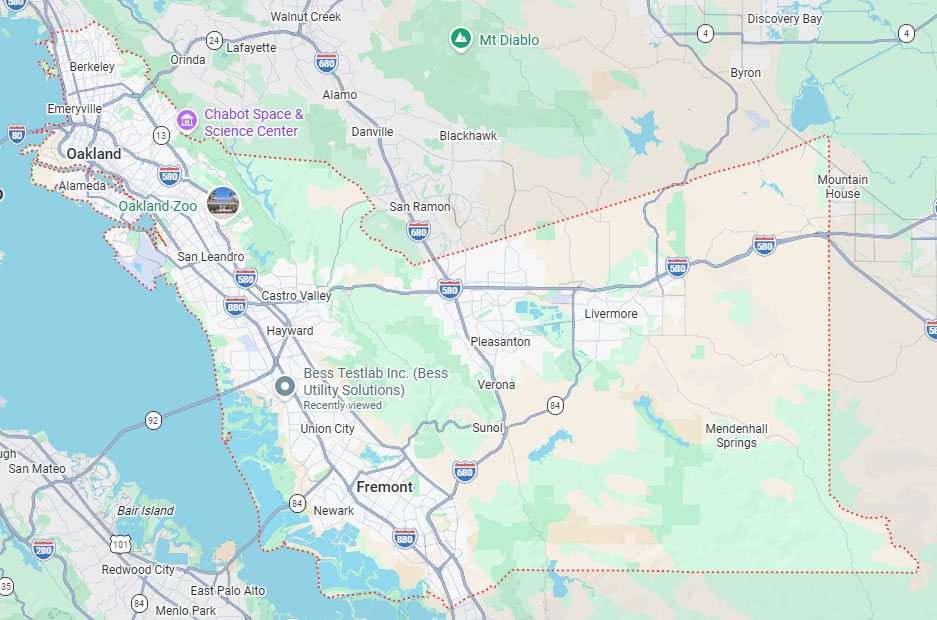
Hayward, CA
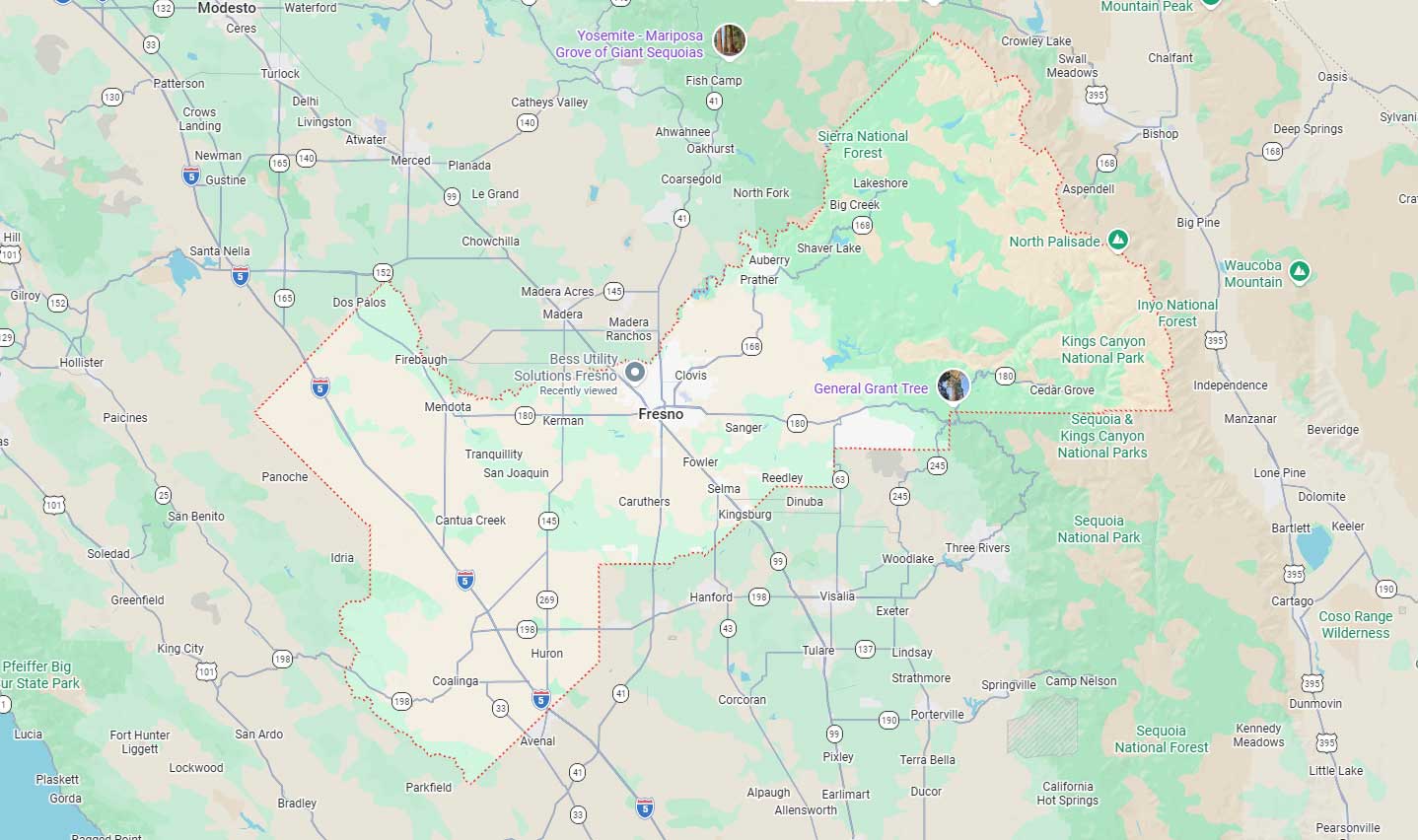
Fresno, CA
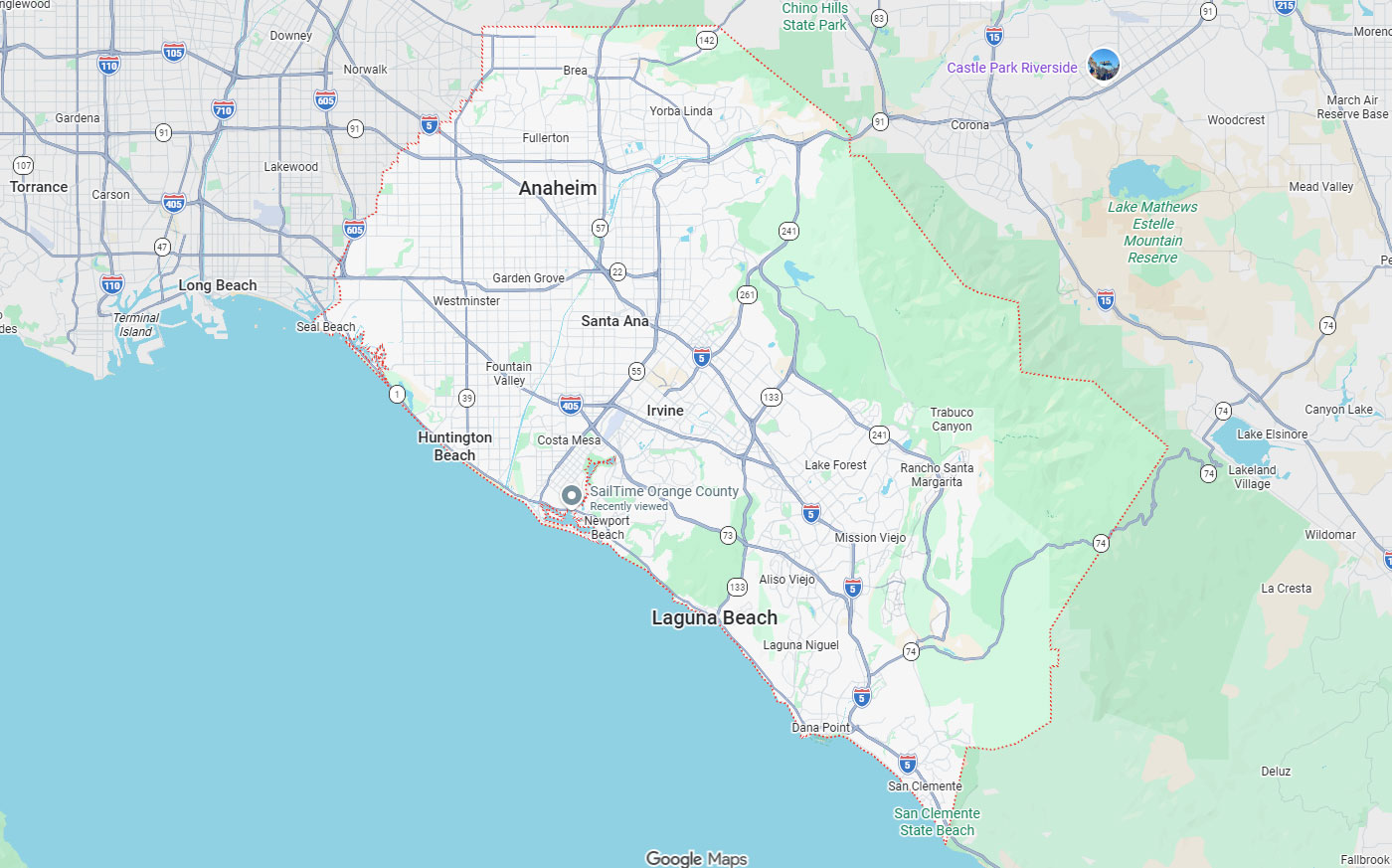
Orange, CA
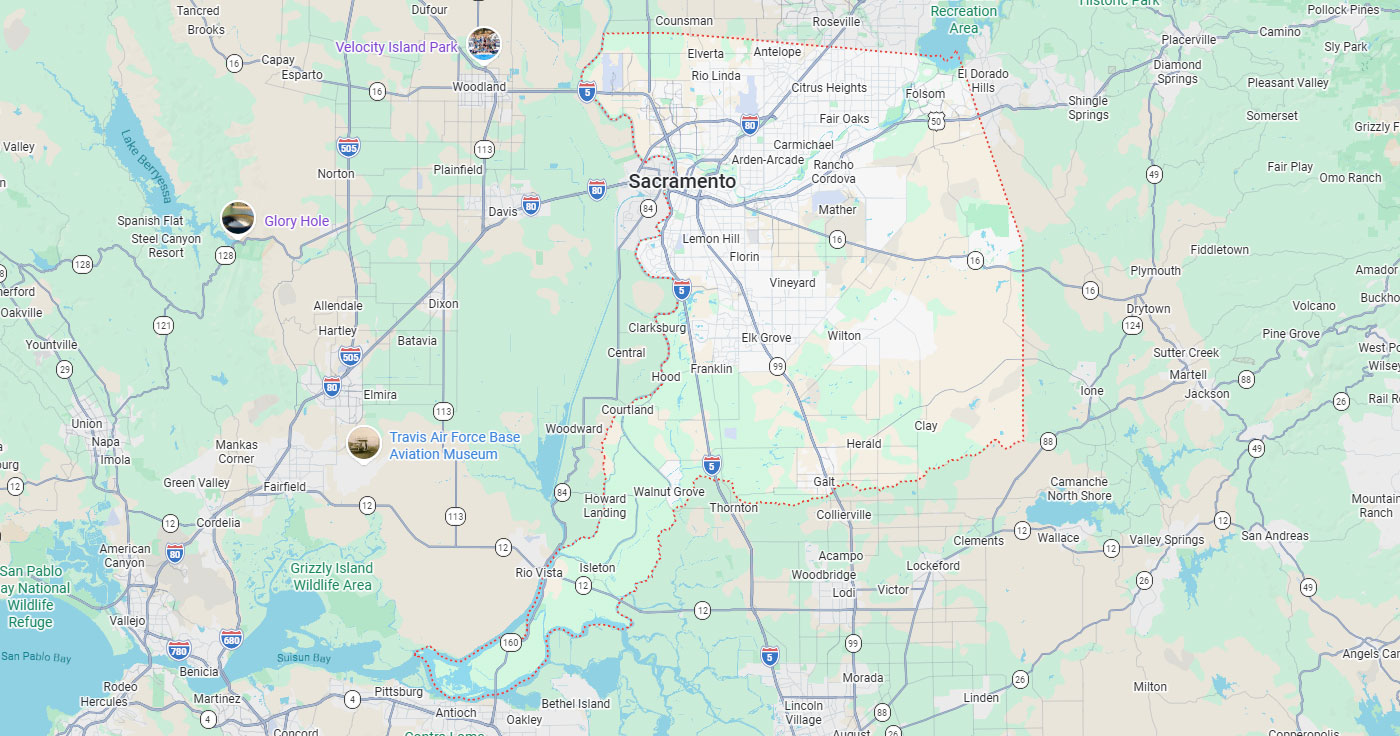
Sacramento, CA
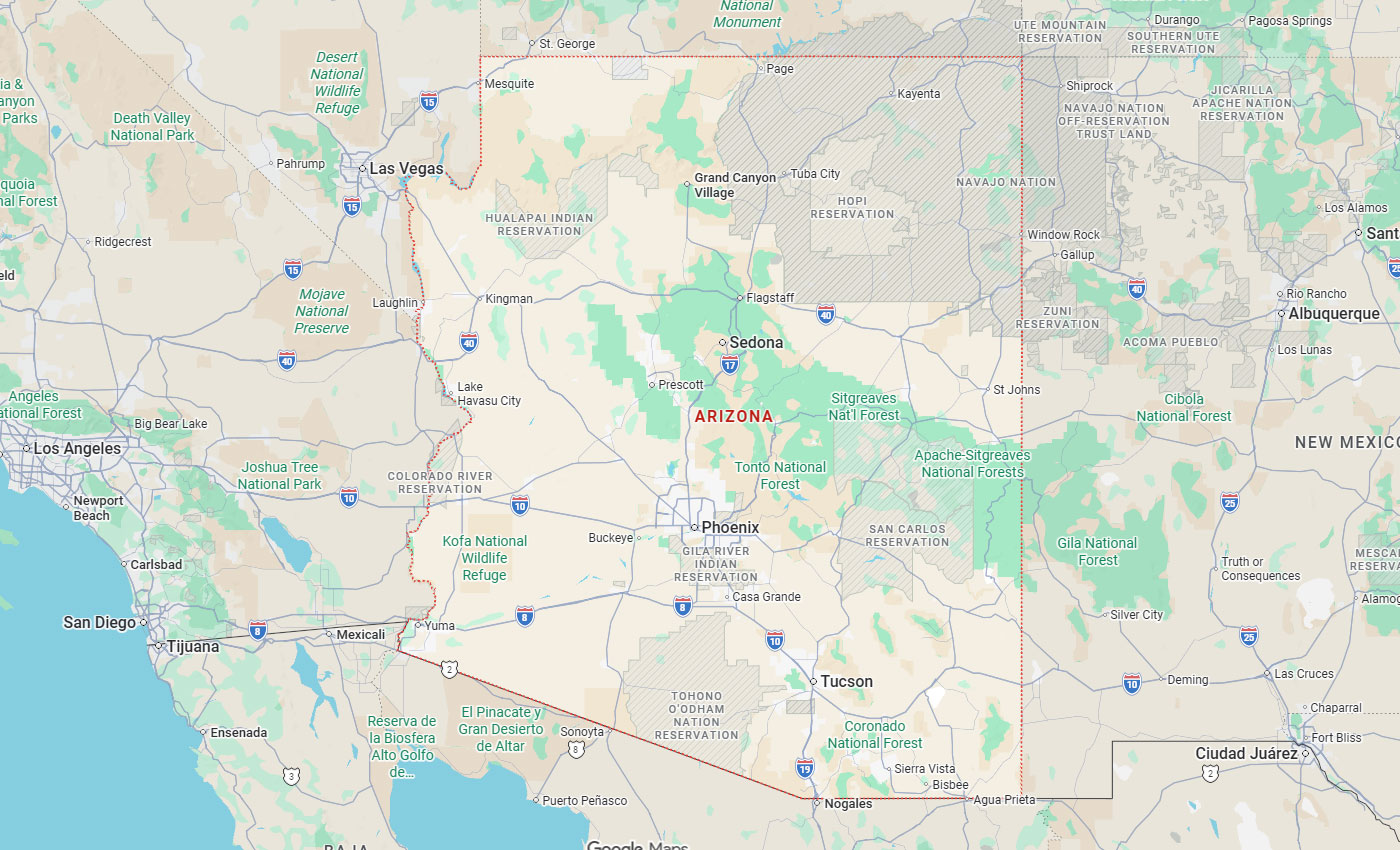
Phoenix, AZ
Key Takeaways
A utility locate is the process of identifying and marking underground utilities before excavation preparation begins. Utility locating services detect buried infrastructure, including power lines, gas lines, water mains, sewer lines, storm drains, and communication cables using specialized equipment like Ground Penetrating Radar and electromagnetic equipment. The locating process protects property and business owners from hitting underground utility lines during construction sites and landscaping projects.
When you request utility locate services through 811 operators or private utility locating contractors, utility companies come out to mark their facilities with paint or flags following Uniform Color Codes. Public utilities—from the street to your meter—are marked free through the Call Before You Dig system across the United States. Private utilities beyond your meter require a private utility locating service. This critical step in safe digging prevents safety hazards, service disruptions, and costly damages to gas mains, water pipes, electrical wires, and other underground utility lines before any site activity begins.
Calling 811 Before You Dig prevents deaths, legal penalties, and financial disasters. Utility locating experts identify underground utilities before excavation preparation, protecting property owners from hitting gas lines, power lines, and water mains. Failure to Call Before You Dig violates utility protection laws across the United States.
What are the Safety Risks of Digging Without a Locate?
Average utility strike: $56,000 to repair. Direct damage costs $5,000-$50,000. Service interruptions cost $10,000-$500,000. Construction delays add $15,000-$100,000 for remobilizing crews. By contrast, utility locating services deliver $4.62 saved for every $1 spent (Purdue University). Calling 811 operators before excavation preparation protects property owners from catastrophic losses.
Request utility locate services before any excavation preparation—regardless of project scope or depth. Utility locating laws across the United States require calling 811 Before You Dig for all ground disturbance, from landscaping projects to construction sites.
Yes. Many underground utilities sit just inches below ground—cable lines at 12 inches or less. Erosion and root structure growth shift water pipes, gas lines, and electrical wires closer to the surface. Call Before You Dig applies to all projects across the United States for safe digging.
No depth exemption exists. You must call 811 operators regardless of excavation depth. Water mains, gas mains, and sewer lines vary in depth, and grade changes alter utility location over time. Alaska law, Florida law, and Miss Utility law require calling before any digging.
Yes—every time you dig. Erosion and previous excavation alter underground utility line positions. Utility companies install new utilities between locates. Utility markings expire after 15-28 days, and paint or flags fade. Request fresh utility locating services before each site activity.
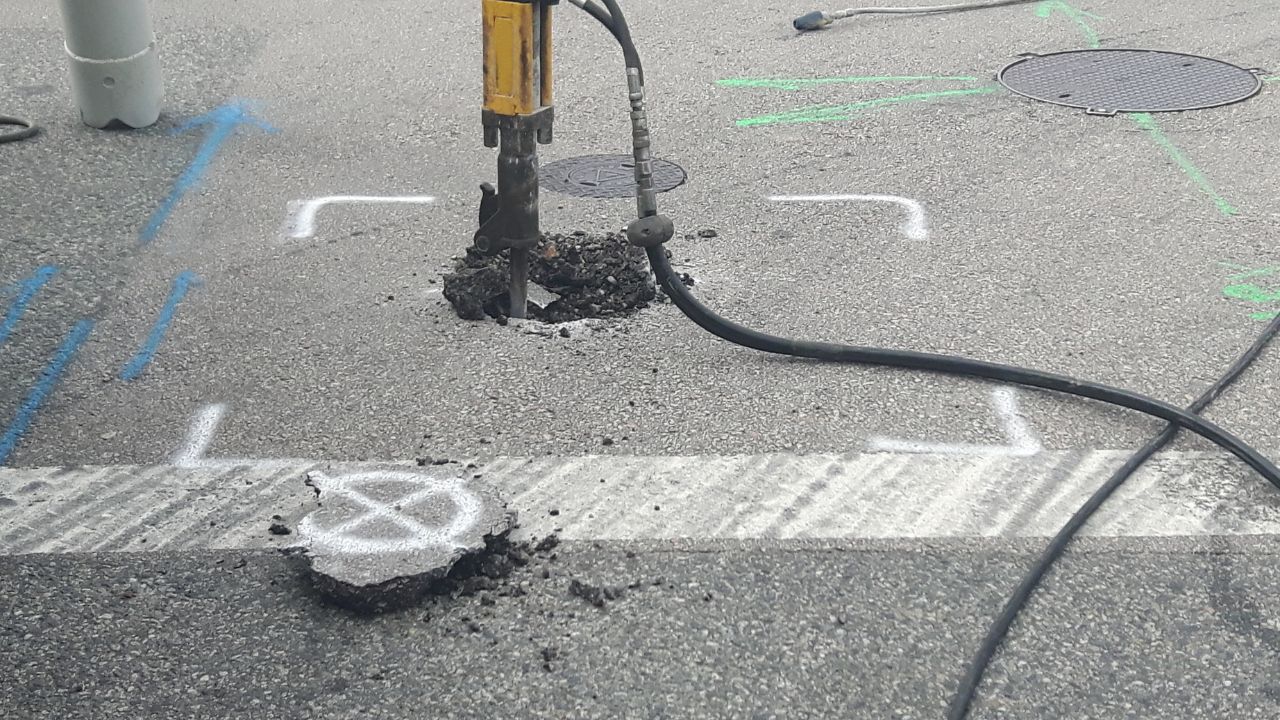
Utility locating services identify multiple types of underground utilities using paint or flags following standardized Uniform Color Codes. Understanding where utility companies will locate helps property owners plan excavation preparation and recognize utility markings at construction sites. The locating process covers public utilities from utility companies, but private utilities beyond your meter require a private utility locating service.
The American Public Works Association established Uniform Color Codes for utility markings across the United States:
| Color | Utility Type | Examples |
| RED | Electric power lines, cables, and conduit | High-voltage electric lines, power lines |
| YELLOW | Gas, oil, steam, petroleum | Natural gas, gas mains, gas pipes |
| ORANGE | Communications, fiber optic | Cable TV, telephone, satellite dish lines |
| BLUE | Potable water | Water mains, water pipes |
| GREEN | Sewers, drain lines | Sewer lines, storm drains |
| PURPLE | Reclaimed water, irrigation | Non-potable water systems |
| PINK | Temporary survey markings | Private utility locating service designation |
| WHITE | Proposed excavation limits | Property owners mark before calling 811 |
| Aspect | Public Utilities | Private Utilities |
| Coverage | Street to service meter | Beyond the meter to the property |
| Marked by 811? | Yes—free public utility locating | No—requires private utility locating service |
| Examples | Gas mains, water mains, power lines, public sewer | Septic pipes, electrical wires to outbuildings, satellite dish lines, pool systems |
| Locating Service | Free through 811 operators | Paid private utility locating contractors |
| Who Maintains | Utility companies (energy cooperatives, Washington Gas, DataNet Systems) | Property owners |
| Equipment | Electromagnetic equipment | Ground Penetrating Radar, RF pipe and cable locating instruments, cameras with sonde trackers |
No. Public utility locating through 811 operators only covers public utilities to the service meter—the utility box where gas mains, water mains, and power lines connect to your property. Property owners must hire a private utility locating service for utilities beyond the meter: septic pipes, electrical wires to outbuildings, pool heating systems, and satellite dish lines. Private utility locating contractors like Mason Private Locating and Utility Partners of America use ground-penetrating radar, electromagnetic equipment, and cameras with sonde trackers to locate utilities and create detailed utility maps with GPS coordinates for safe digging.
Requesting utility locate services is free through 811 across the United States. Mark your dig area with white paint or flags, then contact 811 operators by phone or online before excavation preparation begins.
Dial 811 from anywhere—the national Before You Dig number connects you to your regional local call center (Miss Utility, Alaska Digline, etc.). Available 24/7, 365 days a year. Customer service asks about your project scope and notifies utility companies to mark underground utility lines with paint or flags.
Yes. Indiana uses Exactix Pro, California operates E-Ticket through USA North 811, Tennessee runs Next Gen, and North Carolina provides revision tools. Online portals offer 24/7 access, GPS coordinates entry on site maps, and faster processing than calling 811 operators.
| State | Lead Time | Validity Period |
| Alaska | 2 working days | 15 working days |
| Arizona | 2 working days | 15 working days |
| California | 2 working days | 28 calendar days |
| Florida | 2 business days | 10-14 days |
| Indiana | 2 working days | 20 calendar days |
| Maryland | 3 business days | 15-21 days |
| North Carolina | 3 working days | 14-21 days |
| Tennessee | 3 working days | 15 calendar days |
| Texas | 2 business days | 10-14 days |
Working days exclude weekends and holidays. Tickets after 7:00 AM don't count as Day 1.
White lining means marking your dig area with white paint or flags before calling 811—required by Call Before You Dig laws nationwide. Mark actual excavation limits so utility locating services know where to locate utilities. White follows Uniform Color Codes for "proposed excavation" under American Public Works Association standards. Miss Utility law and utility protection laws enforce this requirement before 811 operators dispatch utility companies.
After submitting to 811 operators, utility companies come out to mark underground utilities with paint or flags following Uniform Color Codes. Understanding response times helps property owners plan excavation preparation.
2 working days standard (Alaska, Arizona, California, Indiana, Texas). 3 working days in North Carolina and Tennessee. Working days exclude weekends and holidays. Multiple utility contractors visit for gas lines, power lines, water mains, sewer lines, and communications. Note: 50% of excavators face delays due to late responses (CGA DIRT 2023). Verify all utility companies have responded before excavation preparation.
Paint or flags in Uniform Color Codes with utility owner name, facility width, and material type (e.g., "6" PLA" = 6-inch plastic). Marks spaced under 50 feet apart. Offset markings show distance/direction when the surface is disturbed. "OK" or "Clear" means no conflict. Some utility contractors document with GPS coordinates and engineering drawings.
Real-time notification when utility companies complete the locating process. Indiana's system (effective January 2025):
Mandatory in Indiana, Georgia, Minnesota, and North Carolina. Reduces non-compliance from 30% to under 5%.
| State | Validity Period |
| Arizona, Tennessee, Alaska | 15 days |
| Indiana | 20 calendar days |
| Maryland | 15-21 days |
| California | 28 calendar days |
| Florida, Texas | 10-14 days |
Paint or flags may fade before expiration. Property owners must monitor visibility.
The tolerance zone is the protected area around marked underground utilities requiring hand digging for safe digging. Utility protection laws mandate special excavation preparation within this zone to prevent damage to gas lines, power lines, and water pipes.
2 feet on either side of utility markings (standard in most states per American Public Works Association). The total protected corridor includes the pipe diameter plus tolerance. Example: 6-inch water pipe = 4 feet 6 inches wide zone. Maryland/DC requires 18 inches (Miss Utility region). Underground utility line exact location varies within the tolerance zone—marks show approximate position.
Required within the tolerance zone (typically 2 feet either side). Must expose underground utilities before using power equipment. Protects gas lines, power lines, water pipes, and sewer lines during excavation preparation. Vacuum excavation is an acceptable alternative. OSHA 29 CFR 1926.651 requires competent supervision for safe digging.
Damaging underground utilities creates immediate safety hazards. Correct emergency response protects lives and ensures compliance with utility protection laws.
Yes—call 911 immediately for gas line strikes or natural gas leaks. Also for high-voltage electric line contact. Clear the area, create a safety perimeter, and avoid sparks. Do not use cell phones near gas leaks. Wait for utility companies and emergency responders. Pipeline Safety regulations require immediate response for gas mains and gas pipes.
Never repair utilities yourself. Contact the utility owner (number on the utility box) and notify 811 operators. Report even minor scrapes to underground utility lines. Utility contractors must inspect and perform emergency repairs. Telecommunications (50%) and natural gas (40%) show the highest damage rates. Failure to report increases Pipeline Safety penalties.
Private utilities beyond your meter require a private utility locating service—811 operators only mark public utilities to the meter.
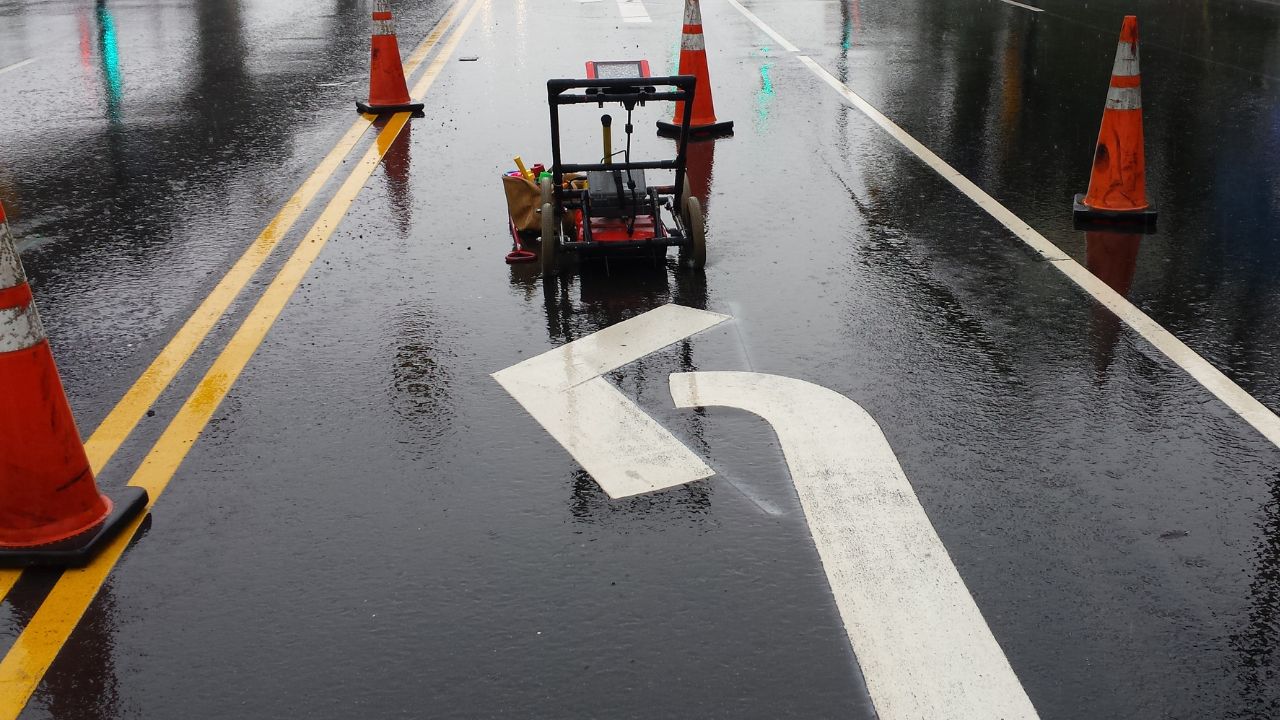
Professional service locating septic pipes, pool systems, electrical wires to outbuildings, and satellite dish lines beyond the meter. Uses Ground Penetrating Radar, electromagnetic equipment, RF pipe and cable locating instruments, and cameras with sonde trackers. Creates utility maps with GPS coordinates and engineering drawings. Companies include Mason Private Locating and Utility Partners of America. Required for complete excavation preparation.
Several hundred to several thousand dollars, depending on site size and project scope. Compared to the average utility strike: $56,000 repair cost plus construction delays ($15,000-$100,000), service interruption ($10,000-$500,000), and emergency repairs. Private utility locating service prevents catastrophic losses for property owners.
Yes—completely free across the United States. No cost for utility locating services through 811 operators. Free marking by utility companies and utility contractors. Available 24/7 through Miss Utility, Alaska Digline, and local call centers. Free re-marks when paint or flags fade. Funded by utility companies through infrastructure maintenance costs.
Note: Private utility locating service beyond the meter requires paid contractors (Mason Private Locating, Utility Partners of America). Ground Penetrating Radar services are separate fees. Investment delivers $4.62 return for every $1 spent (Purdue University). Free 811 protects property owners during landscaping projects, fence projects, and excavation preparation.
Don't risk $56,000+ utility strikes. Bess Utility Solutions provides comprehensive private utility locating service using Ground Penetrating Radar and electromagnetic equipment to locate utilities beyond what 811 marks. We create detailed utility maps with GPS coordinates for safe digging on construction sites, landscaping projects, and excavation preparation.
Contact Bess Utility Solutions today for expert utility location services and protect your project from costly underground utility line damage.