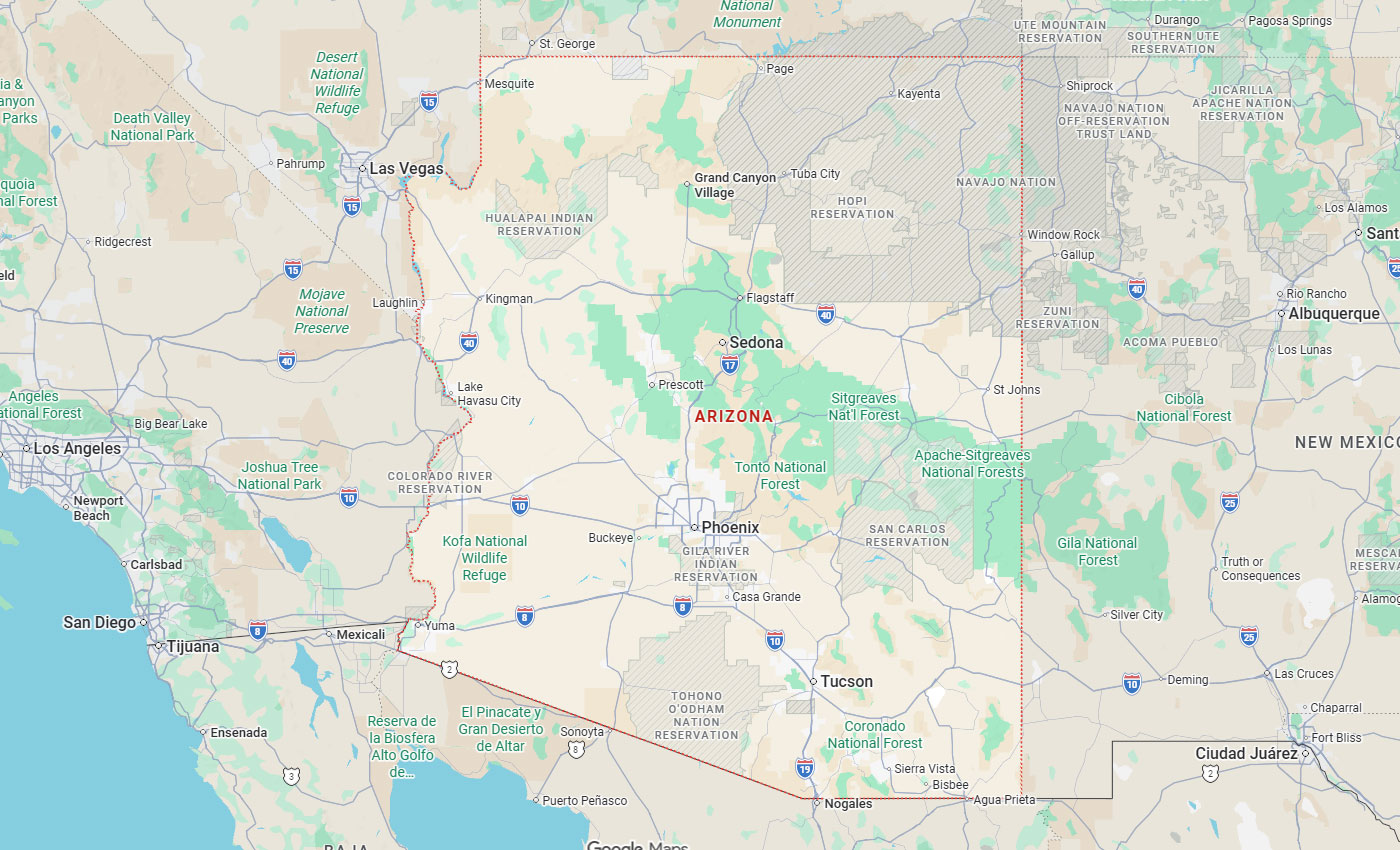
Hayward, CA
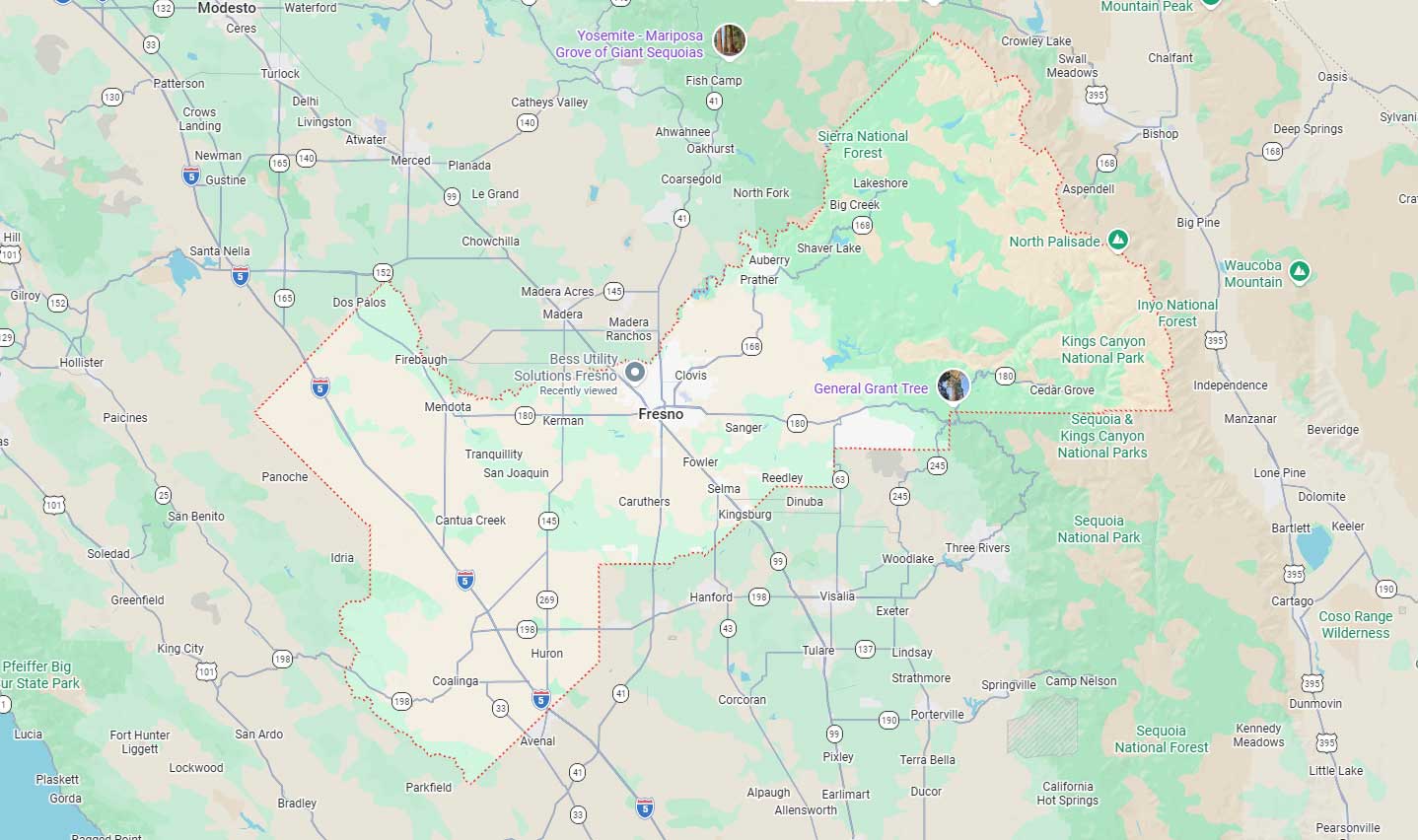
Fresno, CA
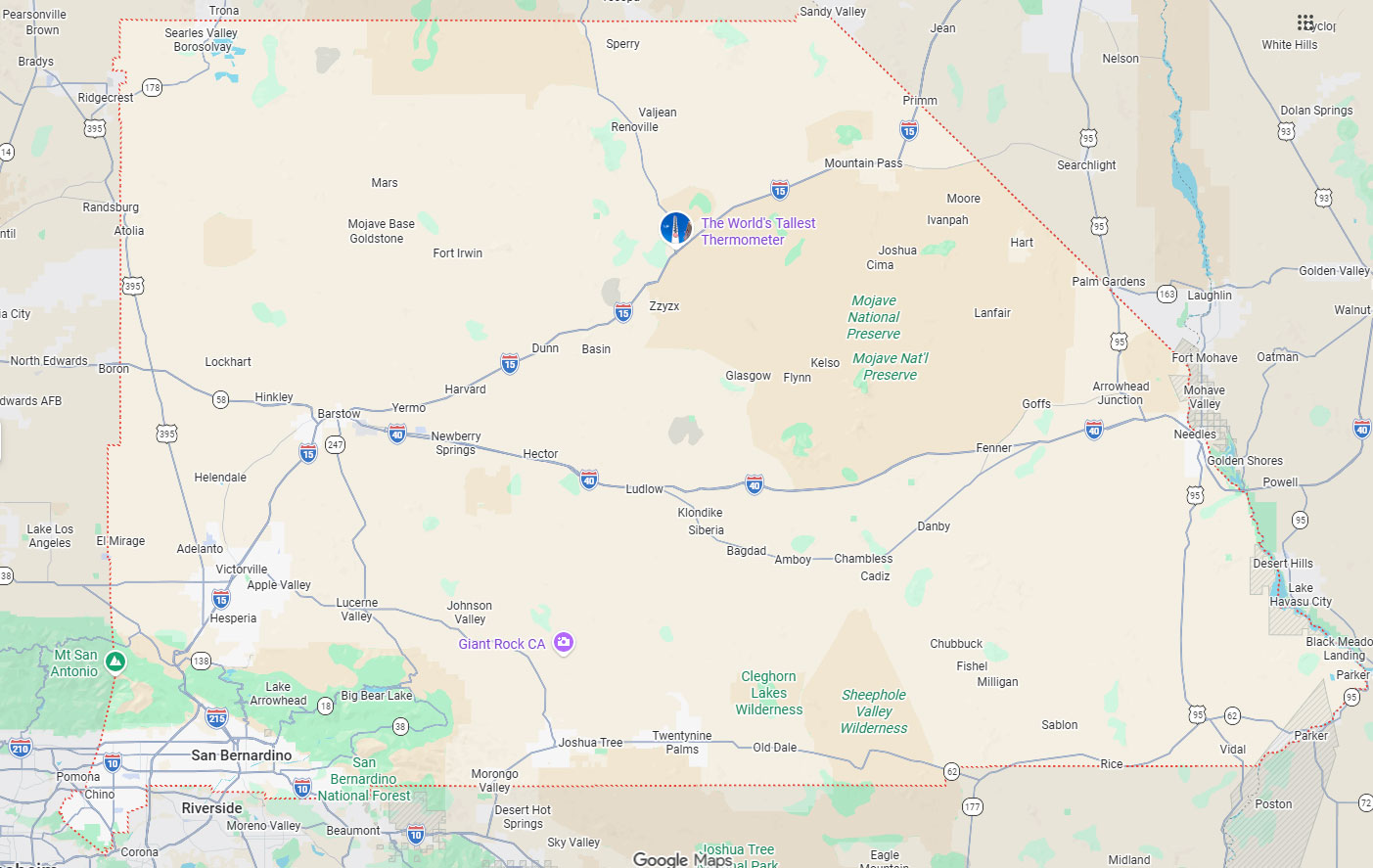
Orange, CA
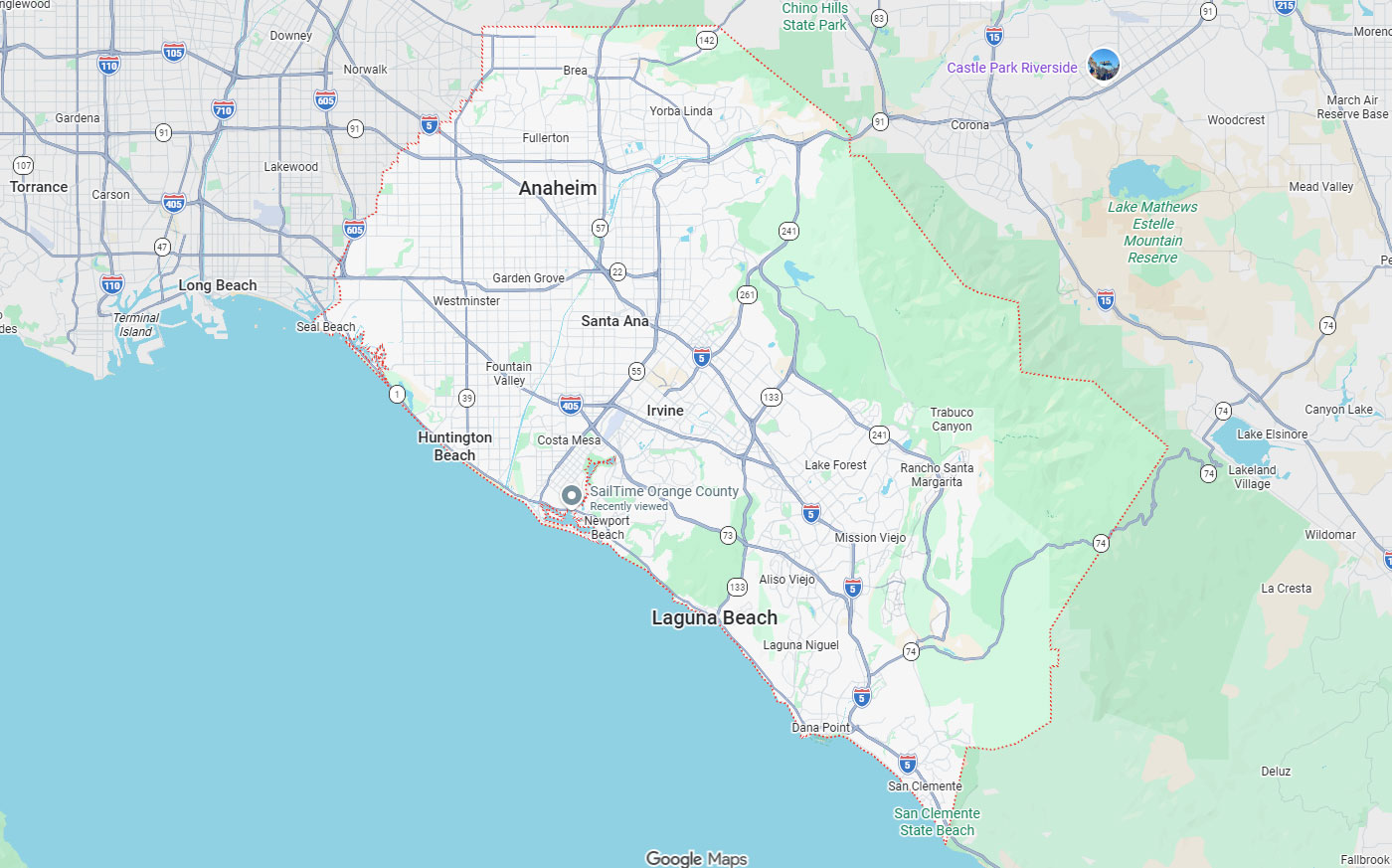
Sacramento, CA
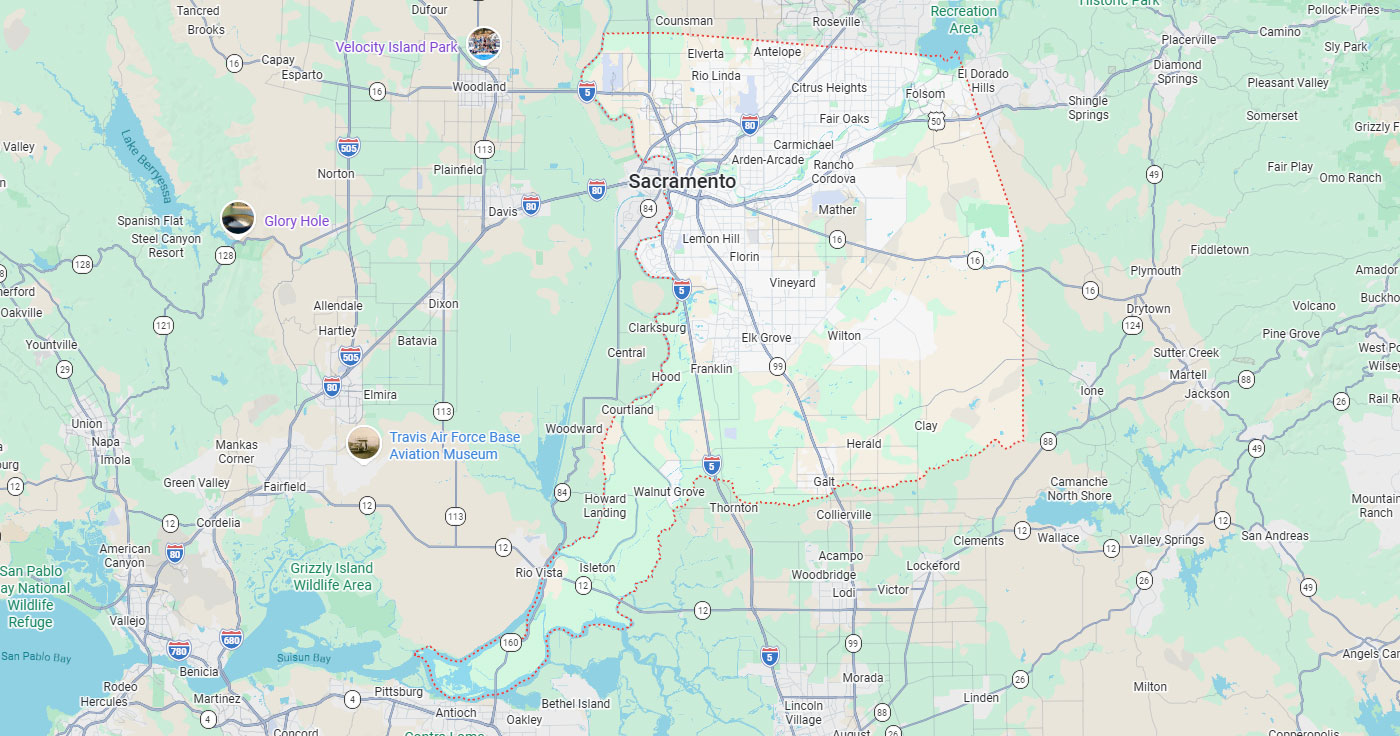
Phoenix, AZ
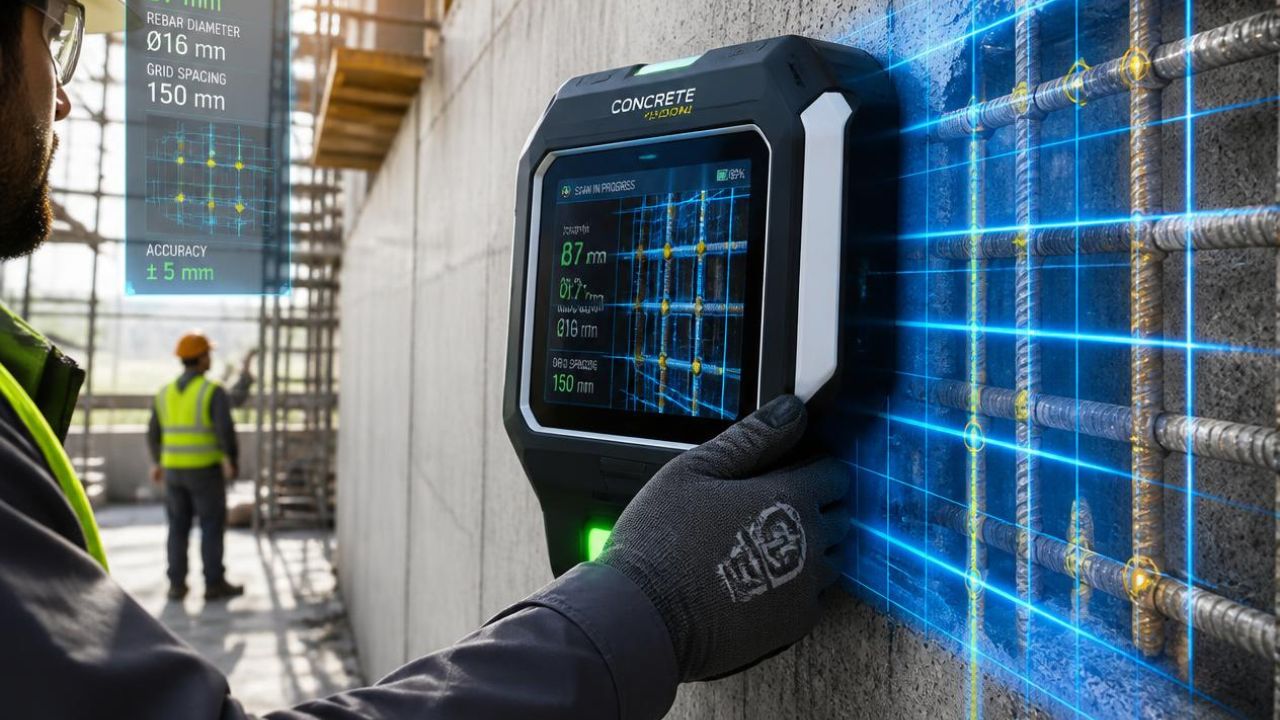
Rebar scanning identifies reinforcing steel, post-tension cables, and embedded utilities within concrete structures before cutting, coring, or drilling operations. This non-destructive testing prevents catastrophic structural failures and utility strikes that result in project delays and repair costs exceeding $56,000 per incident. Advanced imaging technologies provide construction professionals with precise subsurface data, protecting structural integrity and project budgets.
The construction industry experiences over 163,000 utility strikes annually, with total costs exceeding $100 billion when private utilities are included. Structural damage prevention begins with accurate subsurface mapping revealing rebar depth, conduit locations, and corrosion conditions before excavation. Professional scanning services eliminate guesswork and reduce liability for contractors working with reinforced concrete.
Key Takeaways
Rebar scanning employs electromagnetic waves or ultrasonic pulses to create subsurface images of concrete structures. These technologies detect metallic reinforcement, plastic conduits, voids, and deterioration without destructive testing. Technicians interpret reflected signals to determine depth, spacing, and material properties of embedded objects.
Multiple scanning passes across concrete surfaces generate comprehensive maps showing rebar grids and utility paths. GPR concrete scanning data appears as hyperbolic patterns on display screens that trained operators translate into actionable field markings. This process typically takes 30 to 90 minutes, depending on area size and complexity.
Ground Penetrating Radar uses radar pulses to image subsurface conditions and commands 46.7% of global rebar scanner revenue. Electromagnetic locating detects metallic utilities through induced electromagnetic fields in buried conductors. Ultrasonic Pulse Echo technology assesses concrete condition and thickness by measuring sound wave propagation.
3D GPR Arrays combine multiple antennas for large-area subsurface mapping with enhanced data density. These systems cost between $50,000 and $150,000 but deliver rapid coverage across extensive sites. Handheld scanners represent 35.8% market share due to portability and lower investment requirements.
GPR depth capability in concrete reaches 18 to 24 inches using standard frequency antennas. High-frequency GPR antennas operating at 2 GHz provide enhanced resolution for corrosion detection in reinforcing steel. The technology targets all materials, including metal, plastic, and voids, through comprehensive non-destructive imaging.
Wave propagation time serves as a reliable indicator of corrosion progress in embedded reinforcement. Complex interpretation requirements and moisture sensitivity represent the primary limitations of GPR systems. Choosing the right GPR scanning company ensures accurate data interpretation and proper equipment selection for project conditions.
Electromagnetic locating targets metallic utilities exclusively and provides simple operation with fast results. This technology cannot detect PVC pipe or fiber-optic cables embedded in concrete. EM locating equipment costs approximately $5,000, making it accessible for small contractors.
Ultrasonic Pulse Echo excels at detecting delamination and measuring concrete thickness accurately. Limited depth capability and poor rebar detection restrict UPE applications compared to GPR systems. GPR vs. electromagnetic utility locating reveals distinct advantages for each technology depending on project requirements.
Severing reinforcing steel or post-tension cables compromises load-bearing capacity and threatens structural integrity immediately. Undetected embedments create liability exposure for contractors and engineers. Accurate subsurface data eliminates uncertainty during concrete modification work and protects occupant safety.
Project specifications increasingly mandate pre-construction scanning to verify subsurface conditions. Insurance carriers recognize scanning as an essential risk mitigation, reducing claims frequency and severity. Regulatory compliance with safety standards requires documented verification of subsurface conditions in many jurisdictions.
Severing rebar or post-tension cables compromises structural integrity and load-bearing capacity. Damaging a post-tension cable costs upwards of $30,000 to repair due to specialized materials and emergency engineering assessments. Concrete integrity suffers permanent degradation when critical reinforcement is cut during renovation or modification work.
Post-tension cable failures can release sudden forces, causing explosive concrete spalling and worker injuries. Structural engineers must evaluate entire floor systems when single cables are compromised. How GPR scanning prevents costly utility strikes extends beyond utilities to include critical structural elements maintaining building safety.
Corrosion of reinforcing steel leads to cracking, spalling, and eventual structural failure as rust expands. Corroded rebar exerts internal pressure exceeding concrete tensile strength, causing visible deterioration. Early detection through high-frequency GPR enables targeted intervention before widespread damage occurs.
Wave amplitude dispersion in GPR signals indicates corrosion progress and helps prioritize repair locations. Concrete condition assessment prevents catastrophic failures in bridges, parking structures, and building foundations subjected to moisture exposure. Scanning programs identify deterioration patterns, guiding long-term maintenance planning and capital investment decisions.
Approximately 1,100 utility damage events occur daily in the United States, totaling over 163,000 strikes annually. Average cost of a single utility strike reaches $56,000, including repairs, delays, fines, and liability expenses. Severing a single conduit averages $12,000 in direct repair costs before considering project schedule impacts.
Total annual cost of utility strikes to the construction industry exceeds $100 billion when private utilities are included. Private utilities account for an estimated 60% of all lines and are not covered by public 811 locating services. Utility locating in construction requires comprehensive approaches addressing both public and privately owned infrastructure.
Table 1: Utility Strike Cost Reference
| Cost Category | Typical Financial Impact |
| Average utility strike (all-in) | $56,000 per incident |
| Post-tension cable damage | $30,000 and up per incident |
| Severed conduit | $12,000 per incident |
| Work stoppage (indirect costs) | $185,000 per incident |
| Comprehensive scanning service | $2,500, delivering an estimated 22.4x ROI |
Large contractors and utility companies exhibit the highest adoption rates for premium GPR systems compared to smaller firms. Small and medium contractors favor cost-effective handheld scanners and basic EM locating services. Municipal agencies prioritize accuracy and compliance with standards while cost-driven contractors balance capability against project margins.
Decision factors vary by organization size, with established firms valuing comprehensive data over initial investment. Availability ranks second after cost because project schedules require immediate scanning support. Quality and accuracy influence long-term adoption as firms experience reduced liability claims and smoother project execution.
Large contractors prioritize comprehensive risk mitigation through advanced GPR systems delivering complete subsurface intelligence. Municipal agencies require documented compliance with industry standards and prefer established service providers with proven track records. Cost-conscious small contractors select basic handheld equipment adequate for limited-scope projects.
Technology selection reflects organizational risk tolerance and project complexity. Premium scanning services include liability guarantees shifting risk away from project owners during concrete modification work. Budget constraints force smaller firms toward basic capabilities despite recognizing value in more sophisticated approaches.
Handheld scanners represent 35.8% market share due to portability and immediate field deployment capability. GPR equipment costs range from $14,000 to $100,000 depending on antenna frequency, data processing features, and durability specifications. Municipal infrastructure projects increasingly specify 3D GPR Arrays for comprehensive mapping of aging underground networks.
Large-scale renovation and infrastructure modernization drive demand for advanced multi-channel systems. Equipment investment decisions balance acquisition costs against potential liability exposure from subsurface conflicts. Technology preferences evolve as buyers gain experience with different systems and recognize operational efficiency gains.
3D GPR Arrays cost between $50,000 and $150,000, limiting adoption to large contractors and specialized service providers. Equipment expense deters small firms despite recognizing the scanning value for project risk reduction. Rental programs and service outsourcing enable access to premium technology without capital investment barriers.
Accuracy requirements increase with project complexity and the potential consequences of subsurface conflicts. Budget allocations for scanning remain small relative to total project costs, yet deliver disproportionate value through delay prevention. Reducing project delays justifies scanning investment across all project scales and contractor categories.
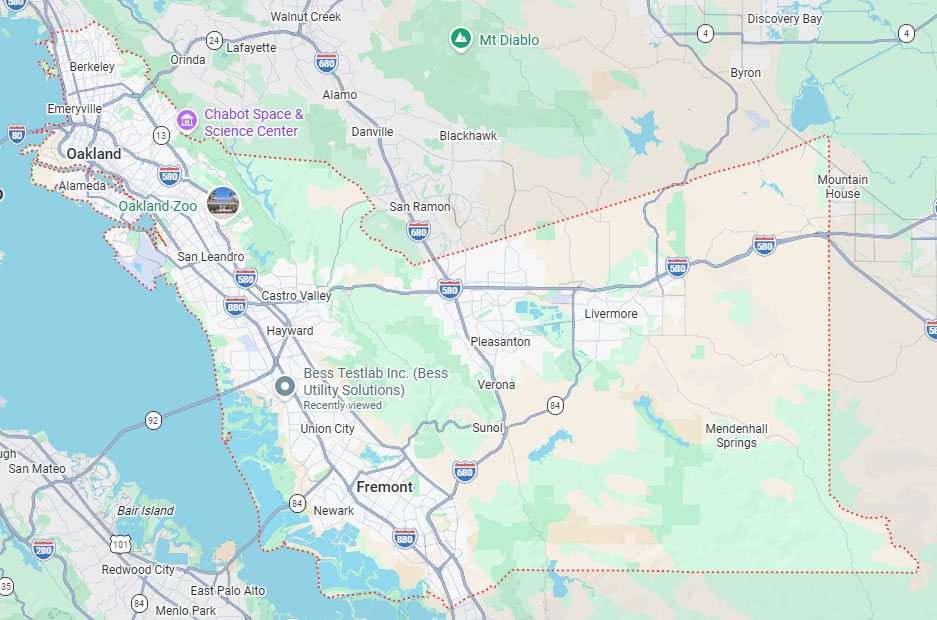
Commercial renovations in urban markets like Hayward, California benefit from scanning due to dense utility networks. Educational campuses undergoing modernization require comprehensive mapping across privately owned infrastructure not covered by public locating services. Healthcare facilities demand zero-tolerance approaches to prevent disruptions to critical life-safety and medical systems during renovation work.
Project environments with outdated documentation increase scanning value as historical drawings prove unreliable. Tenant improvement work in occupied buildings requires precise utility mapping to avoid service interruptions. Infrastructure replacement projects rely on scanning to verify existing conditions before design completion and construction mobilization.
Hayward, California, exemplifies active urban commercial renovation markets with complex subsurface conditions requiring precise mapping. Inaccurate historical as-built drawings in urban commercial properties create uncertainty that scanning resolves through direct verification. Project delays in commercial renovations result in revenue loss for tenants unable to occupy space according to lease schedules.
Tenant improvement contractors use scanning to protect existing systems serving adjacent occupied spaces. Hybrid approaches combining GPR and EM locating identify both metallic and non-metallic embedments. Green Box Guarantees shifts liability risk away from project owners when scanning services certify marked areas as obstruction-free.
K-12 and higher education campuses undergoing renovations operate on private property beyond public 811 service coverage. Hospital renovation projects include installing new medical imaging suites or upgrading operating rooms within active clinical environments. Disrupting life-safety systems, medical gas lines, or backup power networks in hospitals during renovation creates patient safety risks.
Public 811 services are insufficient for campuses operating entirely on private property with extensive underground utilities. Vacuum excavation or potholing complements scanning by providing direct visual verification of utility depth and condition before excavation. Why potholing is critical becomes evident when protecting mission-critical infrastructure in sensitive institutional environments.
Municipal buildings and transportation infrastructure applications require advanced scanning for long-term asset management programs. Bridge deck assessments identify reinforcement corrosion before visible deterioration threatens structural capacity. Roadway reconstruction projects map buried utilities to coordinate new construction with existing infrastructure networks.
Transportation agencies integrate scanning data with pavement condition surveys for comprehensive infrastructure evaluation. Water and wastewater utilities use scanning to locate buried valves and pipe connections lacking accurate record drawings. Public infrastructure scanning supports capital improvement planning through condition documentation and remaining service life estimation.
Budget-tier scanning services cost $250 to $800 and include basic field markouts using handheld equipment. Mid-range scanning services cost $800 to $2,500 and provide multi-line surveys with digital reporting and basic CAD drawings. Premium scanning services cost $2,500 to $5,000 and deliver comprehensive grid surveys, 3D modeling, and BIM integration.
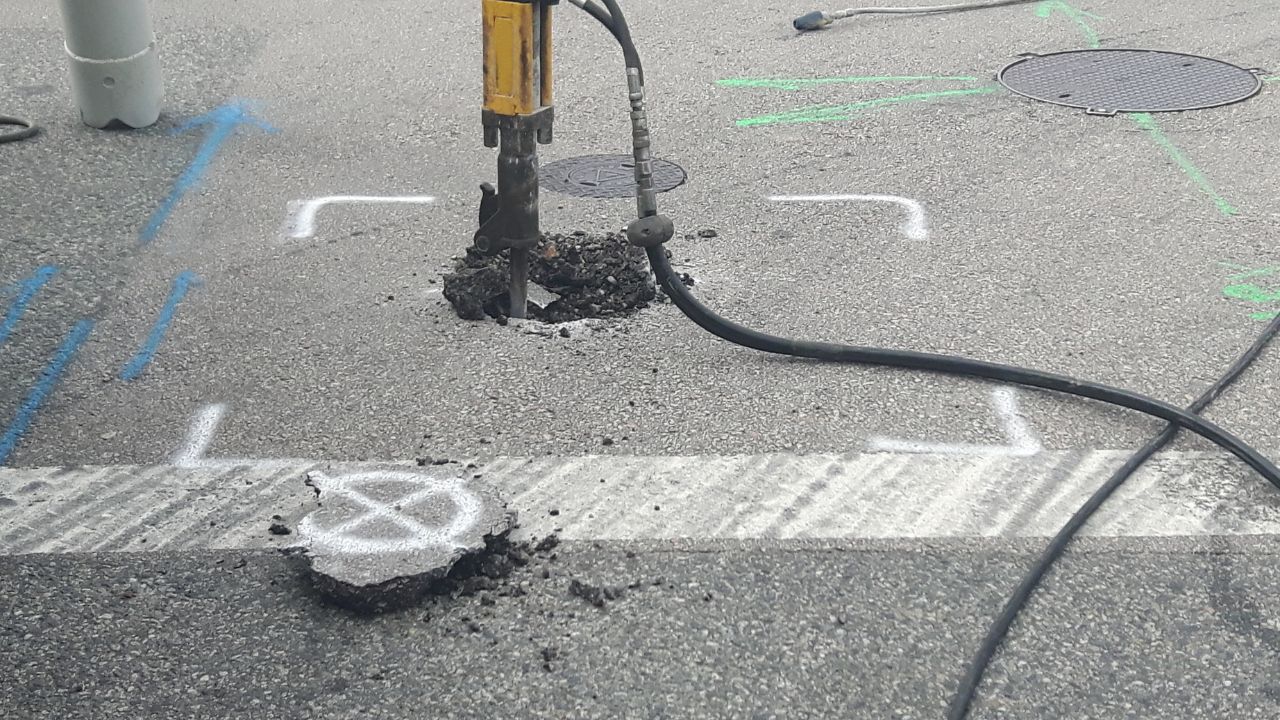
Service packages scale with project complexity, required deliverables, and turnaround time expectations. Field technicians mark detected objects using spray paint or chalk while digital reports document exact locations and depths. Comprehensive packages include detailed interpretation notes and recommendations for safe cutting or coring operations.
Budget-tier services provide essential field verification adequate for straightforward projects with limited subsurface complexity. Mid-range packages add digital documentation supporting project records and coordination with other trades. Premium services include engineering-grade deliverables integrating with sophisticated project management and design platforms.
Green Box Guarantees from scanning services provide assurance that marked areas are free of obstructions, shifting liability to protect project owners and contractors from unforeseen subsurface conflicts. Service selection depends on project risk profile, documentation requirements, and contractual obligation standards.
Table 2: Rebar Scanning Service Tiers
| Service Tier | Price Range | What's Included |
| Budget | $250 – $800 | Basic field markouts with handheld equipment |
| Mid-Range | $800 – $2,500 | Multi-line surveys, digital reporting, and basic CAD drawings |
| Premium | $2,500 – $5,000 | Comprehensive grid surveys, 3D modeling, and BIM integration |
Building Information Modeling systems accept scanning data as verified subsurface conditions for clash detection analysis. Integrating GPR data with 3D laser scanning creates millimeter-accurate point clouds, resulting in comprehensive BIM models. Digital workflows eliminate manual transcription errors and accelerate information transfer between field operations and office design teams.
Cloud-based platforms enable real-time access to scanning results across distributed project teams. Model coordination identifies conflicts between proposed work and existing conditions before mobilization. Advanced integration supports facility management applications beyond initial construction through permanent digital asset records.
Best practices dictate a hybrid scanning approach utilizing both GPR and EM locating to identify metallic and non-metallic embedments. Expert recommendations universally advise the implementation of institutional ground disturbance plans mandating both public 811 locating and private utility scanning. Verification of utility depth through test excavations confirms scanning results before full-scale concrete cutting operations.
Field markings should include directional indicators showing utility path orientation and distance to the nearest access points. Documentation protocols require photographs of marked areas with context showing building features for future reference. Quality assurance procedures include independent review of scanning results by qualified personnel before authorizing destructive operations.
Average cost of a single utility strike reaches $56,000, including direct repairs and indirect project impacts. Damaging a post-tension cable costs upwards of $30,000 to repair through specialized structural interventions and engineering assessments. Severing a single conduit averages $12,000 in immediate repair expenses before considering schedule delays and potential liability claims.
The estimated crew cost of $96 per hour multiplied across work stoppage periods generates substantial indirect expenses. Work stoppage adds $185,000 in indirect costs per incident when factoring in crew idle time and schedule compression activities. A typical comprehensive scanning service costing $2,500 provides 22.4x ROI if preventing single average utility strike during project execution.
Direct repair costs include emergency engineering assessments, specialized materials, and expedited contractor mobilization. Indirect costs encompass schedule delays, liquidated damages, insurance deductibles, and potential litigation expenses. Average utility strike causes 8 to 12 weeks of downtime, severely impacting critical path activities and project completion dates.
Reputation damage from utility strikes affects contractor prequalification scores and future bidding opportunities. Worker safety incidents resulting from unexpected utility contact generate OSHA penalties and increased insurance premiums. Financial impact calculations must include opportunity costs from delayed project closeout and payment milestone achievements.
Average utility strike causes 8 to 12 weeks of downtime, requiring schedule recovery efforts and resource reallocation. 48% of all rework is attributed to poor communication and poor project data, according to industry surveys. The average professional loses 14 hours weekly to avoidable issues that proper planning and verification would eliminate.
Scanning eliminates uncertainty, causing conservative work practices to slow production rates. Verified subsurface conditions enable confident execution without constant interruptions for additional investigation. Schedule compression becomes unnecessary when projects proceed without unexpected conflicts requiring emergency response.
Typical comprehensive scanning service costing $2,500 provides 22.4x ROI if preventing a single average utility strike. Insurance carriers may offer premium reductions for contractors implementing documented scanning programs demonstrating proactive risk management. Contract negotiations benefit from scanning data, eliminating contingency allowances based on subsurface uncertainty.
Owner confidence increases when contractors demonstrate commitment to safe practices through scanning investment. Repeat business opportunities expand as clients recognize the value delivered through incident-free project execution. Competitive advantages emerge for firms marketing scanning capabilities as standard practice, differentiating their approach from competitors.
The global rebar scanner market, valued at $9.44 billion in 2025, is projected to reach $17.13 billion by 2033. Market growth reflects a CAGR of 7.73%, driven by infrastructure investment and safety regulation adoption worldwide. U.S. Bipartisan Infrastructure Law worth $1.2 trillion accelerates scanning demand across transportation and utility modernization programs.
2020 to 2024 market maintained steady year-over-year growth of approximately 7.7% before accelerating in 2025. Technology advancement continues through enhanced automation, artificial intelligence interpretation, and cloud integration. Market expansion creates opportunities for specialized service providers addressing niche applications and geographic regions.
Infrastructure funding programs mandate subsurface verification before construction, reducing risk in publicly funded projects. Federal requirements for project documentation and quality assurance drive scanning adoption across municipal and state transportation agencies. Aging infrastructure replacement needs increase as post-World War II construction reaches the end of its design service life, requiring extensive modernization.
Bridge rehabilitation programs require a comprehensive condition assessment, including reinforcement corrosion mapping. Water system upgrades rely on scanning to coordinate new installations with existing underground networks lacking accurate records. Transportation electrification initiatives for electric vehicle charging infrastructure require utility mapping to protect existing services.
North America holds 37% revenue share in the utility locator segment and 32.4% share in the broader rebar scanner market. Asia Pacific is projected to have a CAGR of 8.03% from 2025 to 2032, reflecting rapid urbanization and infrastructure development. The utility locator market, valued at $913.78 million in 2024, is forecast to reach $1.48 billion by 2032 globally.
Developing markets adopt scanning technology as construction sophistication increases and safety awareness improves. Mature markets focus on the replacement and modernization of aging infrastructure, requiring detailed condition documentation. Regulatory harmonization across regions creates standardized requirements, accelerating technology deployment and operator training program development.
Artificial intelligence interpretation will reduce the technical expertise required for field operators, expanding scanning accessibility. Cloud connectivity enables immediate data sharing with remote engineering teams, supporting real-time decision making. Mobile device integration transforms smartphones into scanning displays, eliminating dedicated hardware requirements.
Automated reporting generates standardized deliverables, reducing manual processing time and improving consistency. Predictive analytics will identify patterns suggesting subsurface conditions based on building age, construction type, and location. Integration with autonomous construction equipment enables real-time obstacle detection, protecting both operators and buried infrastructure during excavation.
Structural damage prevention requires comprehensive verification of subsurface conditions before any cutting, coring, or drilling operations. Rebar scanning eliminates uncertainty, causing project delays, cost overruns, and safety incidents threatening worker welfare and public infrastructure. Technology advancement continues to improve accessibility while reducing costs, making scanning practical for projects of all sizes.
Industry adoption accelerates as contractors recognize rebar scanning as essential risk management rather than optional verification. The regulatory environment increasingly mandates documented subsurface verification to protect public safety and infrastructure investment. Organizations implementing systematic scanning programs demonstrate commitment to excellence, differentiating their approach in competitive construction markets.
Bess Utility Solutions brings 29 years of subsurface engineering experience to rebar scanning projects across California, Arizona, and Nevada. Our CPUC-certified MBE/DBE team pairs Ground Penetrating Radar with electromagnetic locating to verify what is inside your concrete before you cut, core, or drill.
Protect your budget, your schedule, and your crew. Contact Bess Utility Solutions today at (408) 988-0101 or request a free quote to schedule certified rebar scanning for your next project.
A. Most rebar scanning appointments take 30 to 90 minutes, depending on the area size and the complexity of the embedded reinforcement. Larger commercial slabs or multi-line surveys with digital reporting can extend the visit. Technicians confirm an estimated timeframe once they review the scope of the concrete area to be scanned.
A. Ground Penetrating Radar detects metal, plastic, and voids, which allows it to locate PVC conduit and fiber-optic lines in addition to steel reinforcement. Electromagnetic locating, by comparison, targets metallic utilities exclusively and will not identify non-metallic conduit. A hybrid approach combining GPR and EM locating is recommended when both material types may be present.
A. Many project specifications and insurance carriers now require documented subsurface scanning before any cutting, coring, or drilling operation. Regulatory compliance with safety standards in many jurisdictions calls for verified subsurface conditions on file. Skipping this verification step increases liability exposure for contractors and engineers if reinforcement or utilities are damaged.
A. A rebar scanning report documents the depth, spacing, and material properties of detected reinforcement, conduits, and voids. Mid-range and premium packages add digital reporting and CAD or BIM-ready deliverables that integrate with project design platforms. Field technicians also mark detected objects directly on the concrete surface using spray paint or chalk.
A. Rebar scanning services generally range from $250 for budget-tier field markouts to $5,000 for premium grid surveys with 3D modeling and BIM integration. Pricing depends on area size, required deliverables, and turnaround time. Given that a single utility strike averages $56,000 in repair and delay costs, scanning investment typically delivers a strong return.