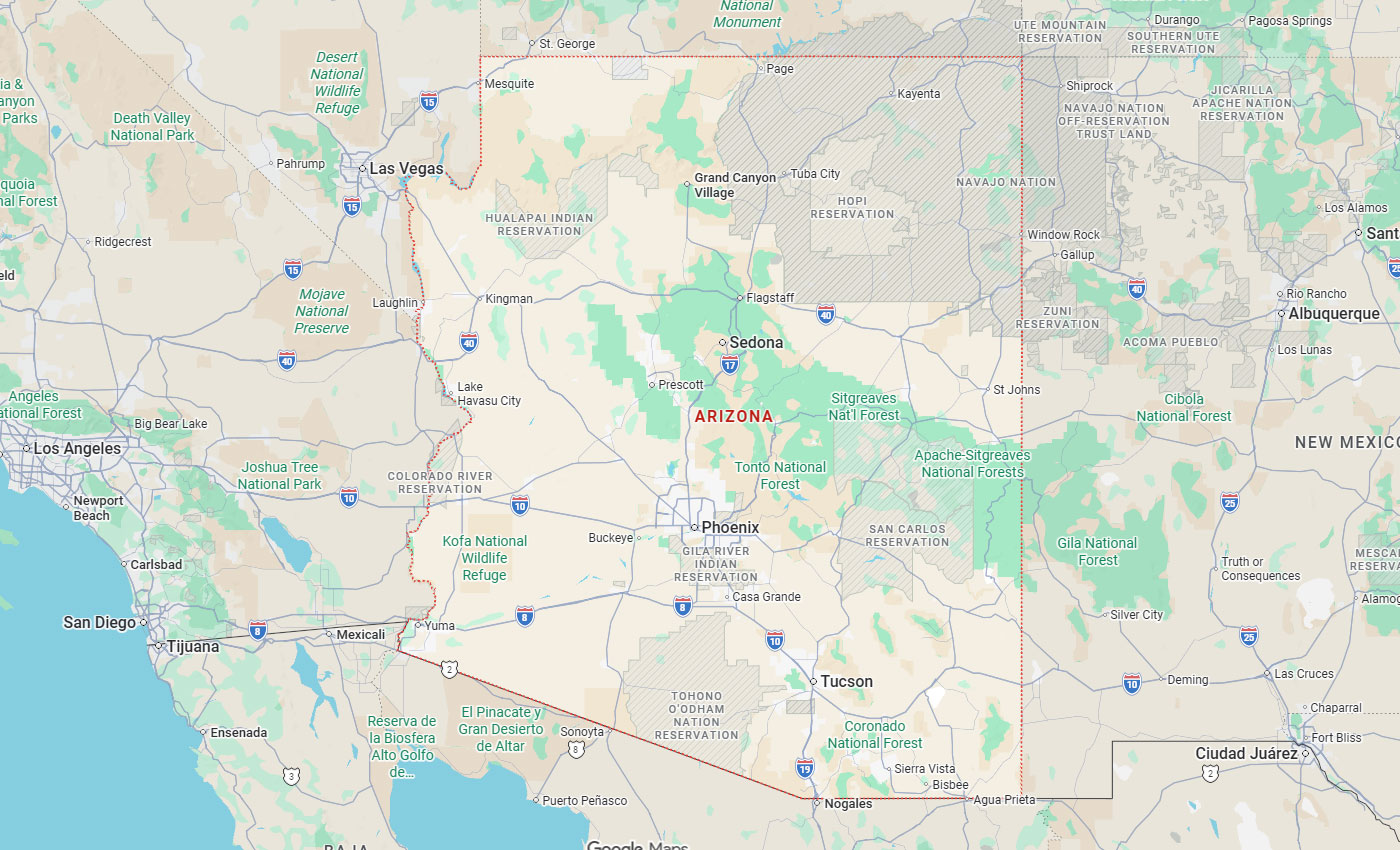
Hayward, CA
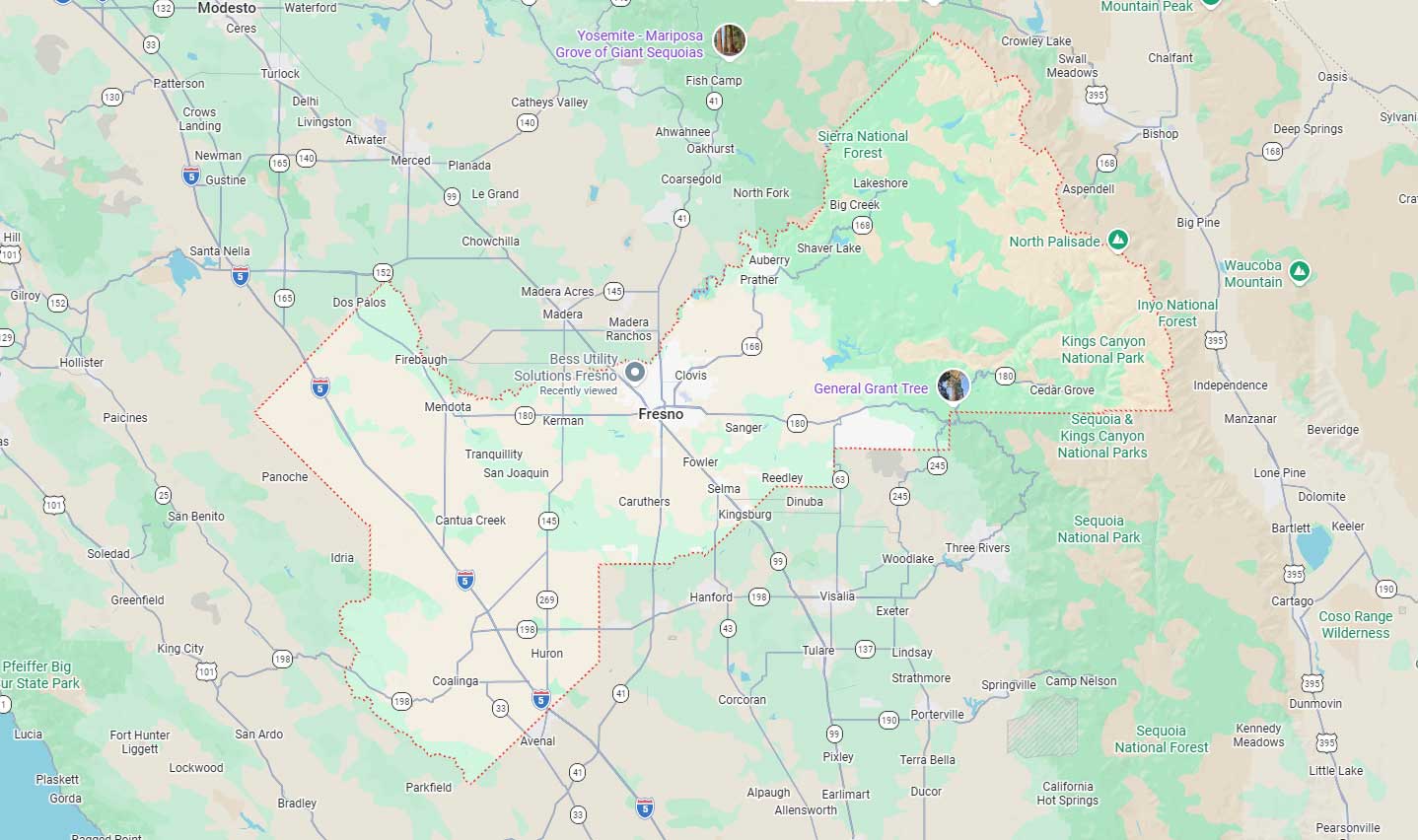
Fresno, CA
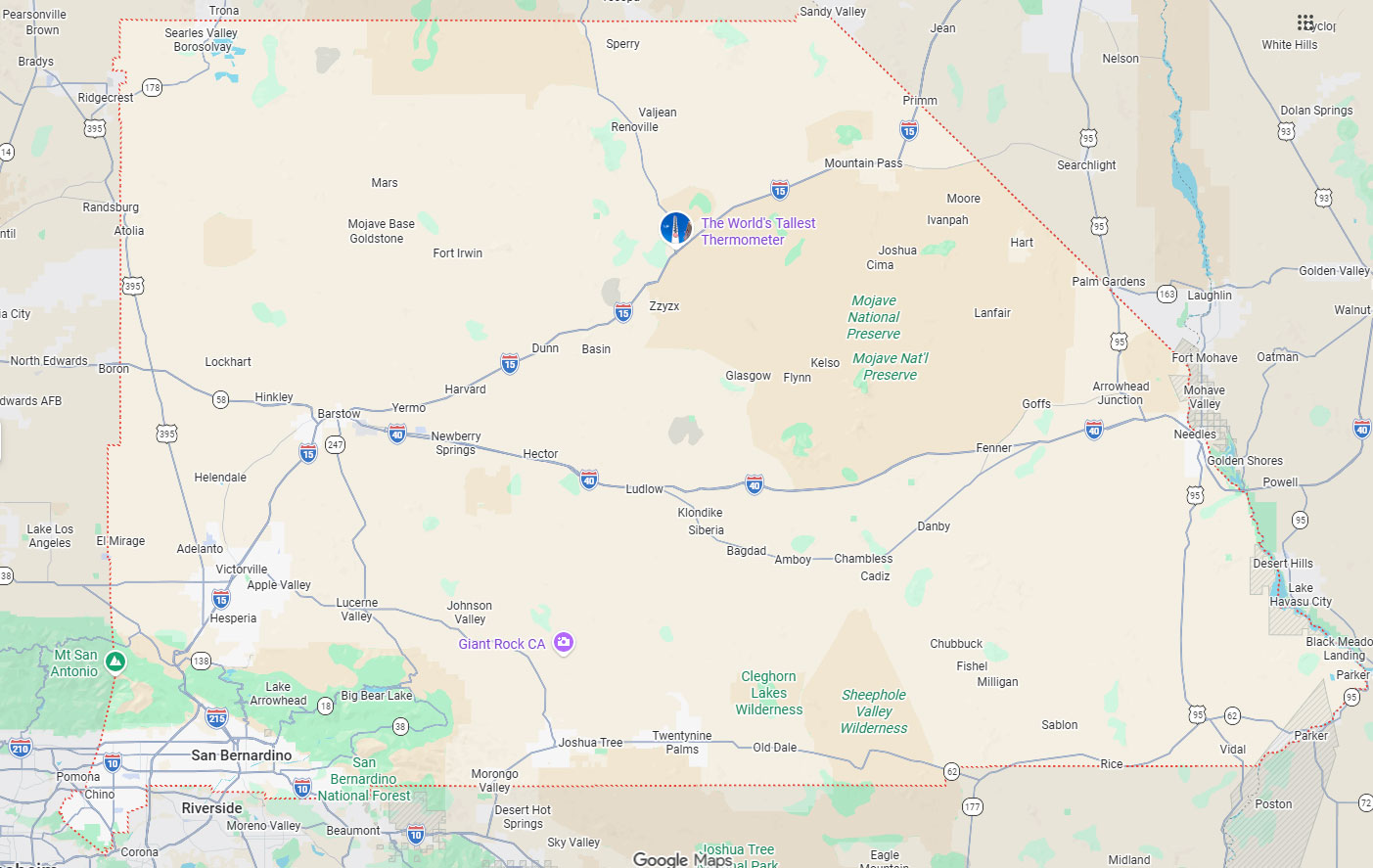
Orange, CA
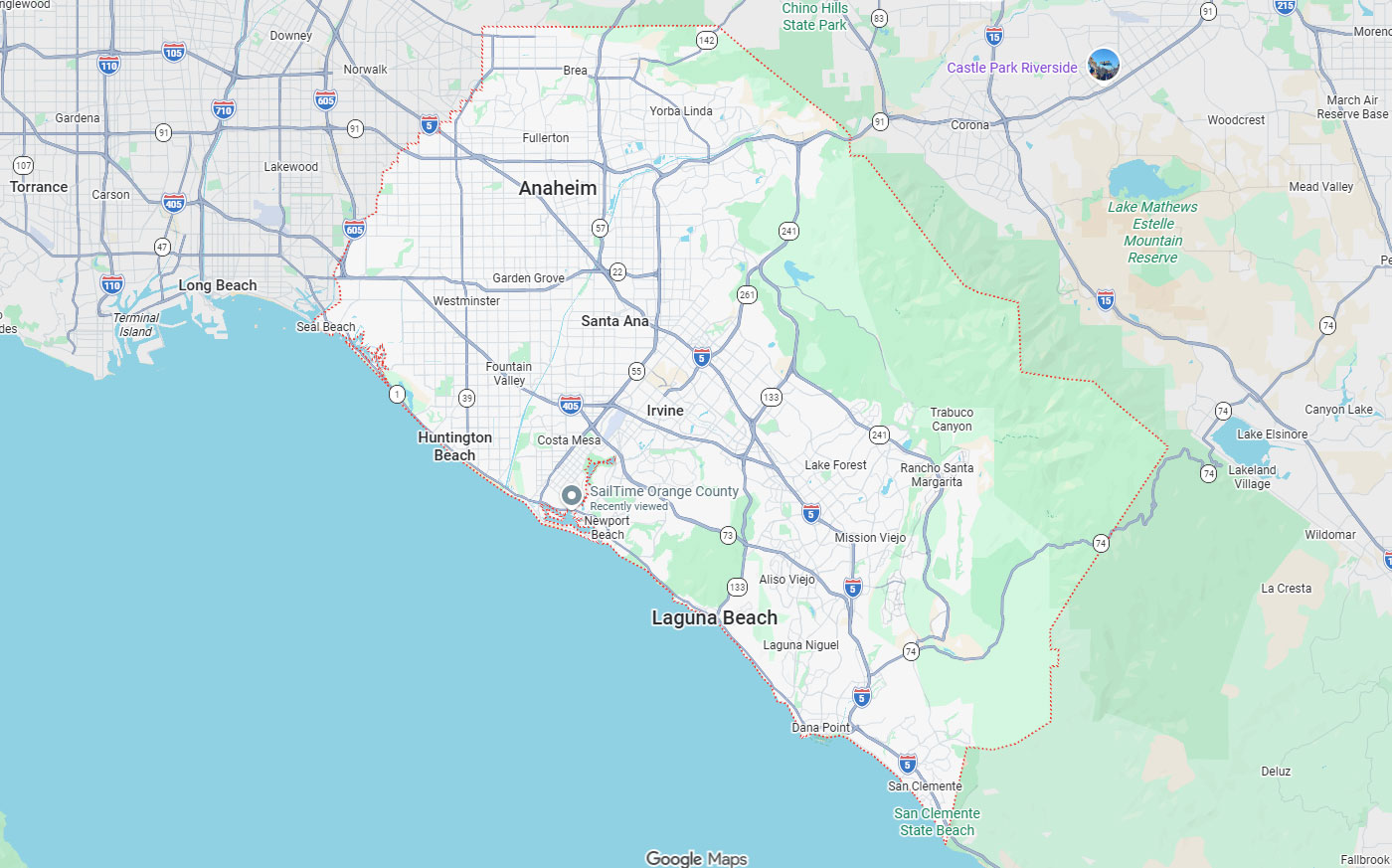
Sacramento, CA
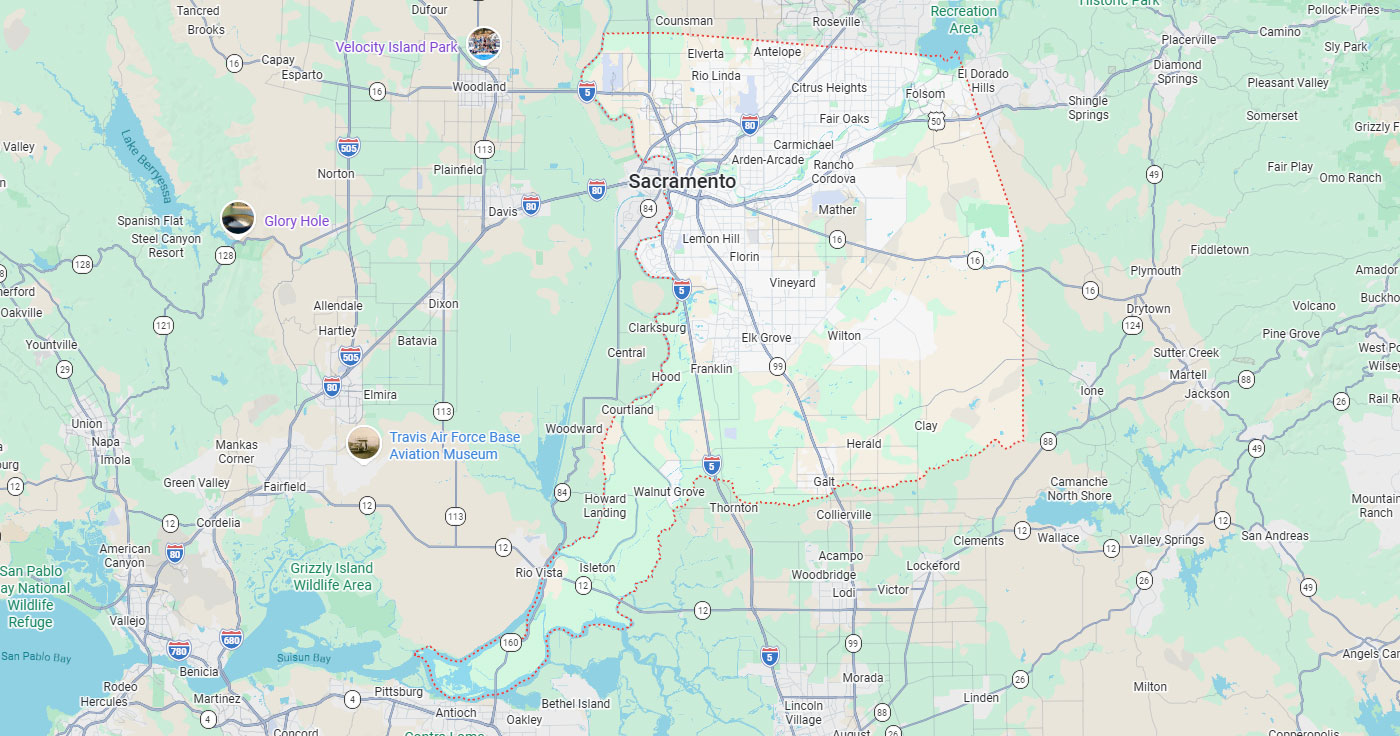
Phoenix, AZ
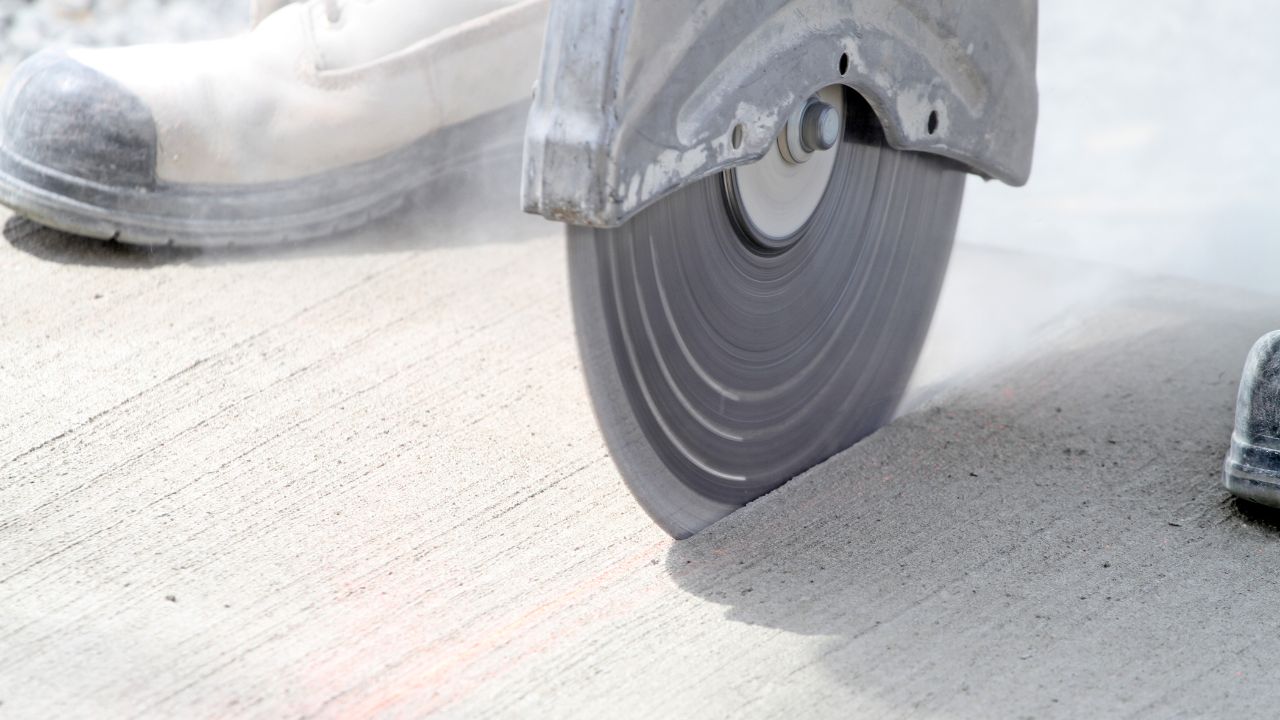
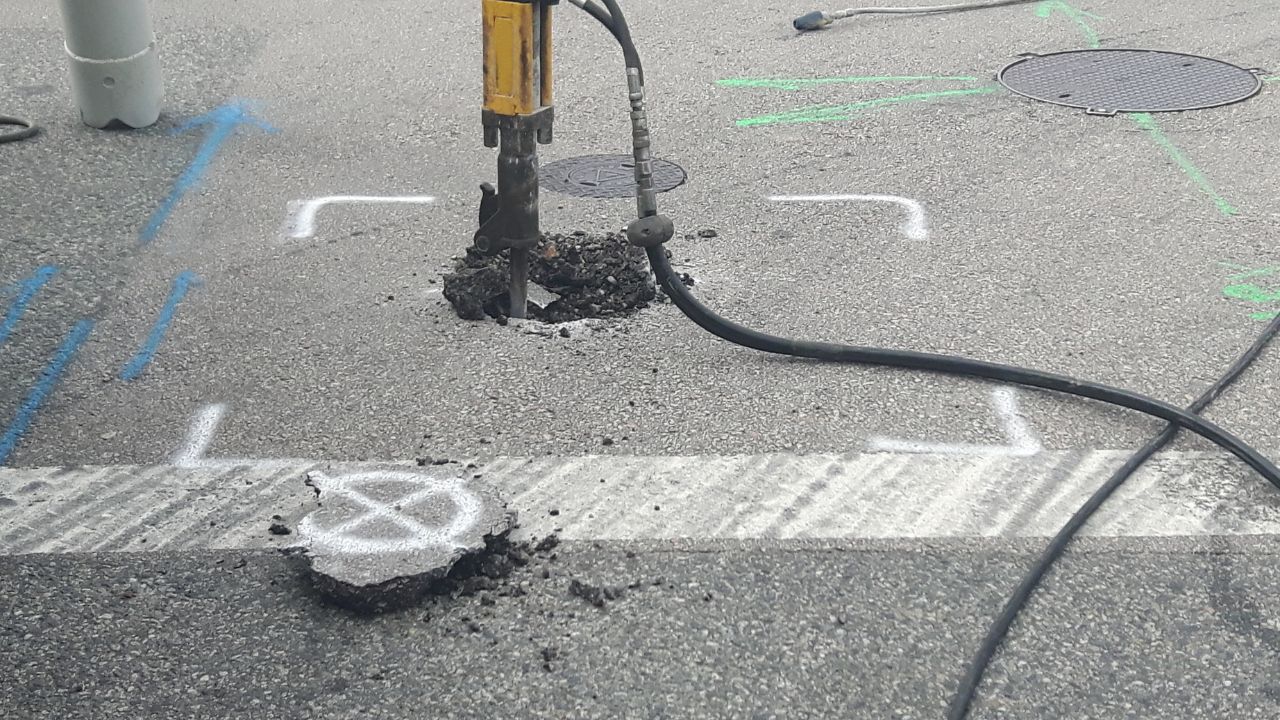
Cutting concrete without proper subsurface investigation exposes contractors to catastrophic structural failures and costly utility strikes. Professional scanning technology identifies hidden post-tension cables, rebar, and embedded utilities before any cut begins.
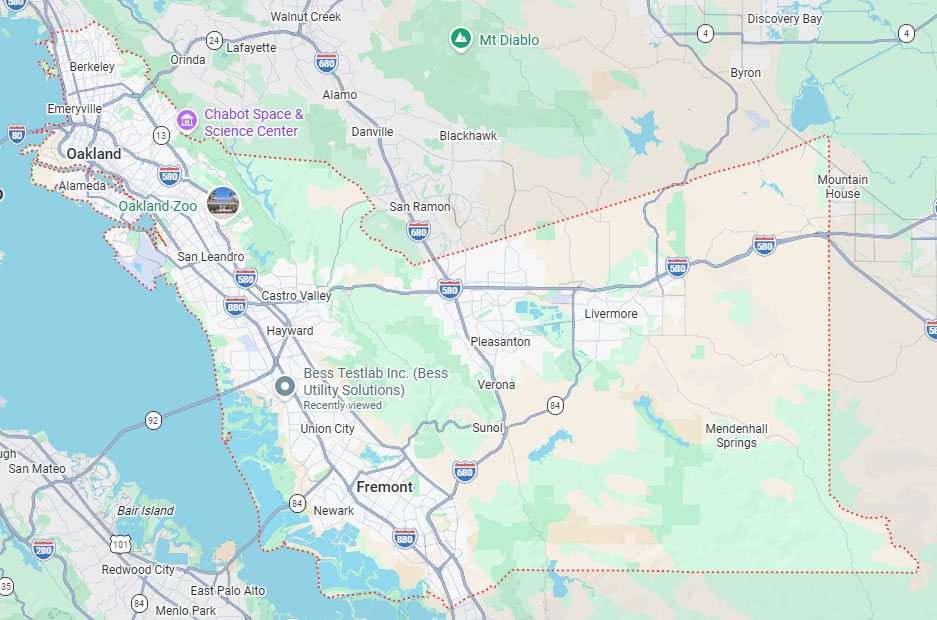
Hayward's dense urban infrastructure contains multiple underground systems requiring precise detection before any concrete cutting or coring operation. Professional pre-cutting assessment eliminates guesswork and protects workers, budgets, and project timelines.
Key Takeaways
Concrete scanning uses specialized technology to detect embedded objects before drilling or cutting operations. This process identifies rebar, post-tension cables, electrical conduits, and voids inside concrete structures.
The technology prevents utility strikes that cause project delays and safety incidents. Professional scanning services maintain accuracy rates exceeding 99.8% when detecting subsurface hazards.
Ground Penetrating Radar utilizes electromagnetic waves between 1 and 1000 MHz to locate objects. This technology detects both metallic materials like rebar and non-metallic elements, including PVC pipes.
Electromagnetic locators trace conductive materials using specialized electromagnetic detection technology. X-ray scanning produces photographic images of concrete interiors using high-frequency wave technology.
Ground Penetrating Radar holds approximately 40% of the concrete scanners market. This dominance reflects GPR's ability to detect diverse materials in real-time conditions.
Electromagnetic technology commands 44.5% of the utility locator market. EM locators excel at tracing metallic utilities with speed and cost efficiency.
Professional scanning services maintain 99.8% accuracy ratings when identifying subsurface hazards. This precision level prevents catastrophic failures and protects contractor liability.
The United States experiences between 400,000 and 800,000 utility strikes annually. Each strike costs an average of $4,000 in damages, with industry-wide impact totaling $30 billion.
Cutting concrete in Hayward requires understanding the region's complex underground infrastructure and embedded utility networks. Dense urban development increases the probability of encountering multiple utilities in every concrete slab.
The Bureau of Labor Statistics recorded 174,100 non-fatal construction injuries in 2023. Proper Hayward underground utility locating services prevent the majority of these preventable incidents.
Urban California areas demonstrate 72% adoption rates for advanced scanning technologies. This high adoption reflects the density and complexity of underground utility networks.
Hayward's infrastructure contains overlapping utility systems installed across multiple decades. Aging documentation frequently fails to match actual subsurface conditions.
Severing post-tension cables causes catastrophic structural failure requiring immediate emergency stabilization. Live electrical conduits create electrocution risks when struck during cutting operations.
Embedded utilities sustain damage that triggers costly repairs and project delays. A Washington bank renovation was prevented from structural collapse after GPR concrete scanning identified banded post-tension cables directly in the planned cut path.
The median age of construction workers is 42 years old nationwide. Workers aged 55 and older comprise over 22% of the construction workforce.
Hispanic workers represent over 31% of the national construction labor force. This demographic diversity requires clear safety protocols that protect all workers equally.
OSHA regulations mandate subsurface investigation before demolition or cutting operations begin. Subsurface Investigation Methodology certification establishes professional standards for scanning technicians.
SIM certification requires 320 hours of field training and 80 hours of classroom instruction. National ASNT standards require only 8 hours of classroom and 60 hours of practical training.
OSHA 1926 Subpart K addresses electrical safety during construction and demolition operations. Subpart Q establishes concrete and masonry construction safety requirements.
These regulations require contractors to identify subsurface hazards before cutting or drilling. Compliance with the importance of utility locating in construction projects satisfies federal and regional safety codes.
Scanning before cutting reduces unplanned repair costs by up to 80%. This cost reduction eliminates expensive emergency repairs and project delays.
Utility strikes cause life-altering injuries ranging from electrical shocks to structural collapse injuries. Project delays from utility damage trigger contract penalties and extended labor costs.
Professional pre-cutting assessment must occur before any saw or drill contacts concrete. Technicians should document all findings using detailed reporting formats with precise measurements.
Site teams require briefings explaining identified hazards and adjusted cutting paths. Real-time data access enables immediate project adjustments when unexpected conditions emerge.
Each scanning technology offers distinct capabilities suited to specific project requirements. Ground Penetrating Radar provides comprehensive detection while electromagnetic locators excel at metallic utility tracing.
Understanding technology limitations prevents reliance on inadequate scanning methods. Professional services often deploy multiple technologies to ensure complete subsurface mapping.
GPR provides real-time results, enabling immediate operational decisions during scanning operations. The technology requires access to only one side of concrete slabs.
GPR detects non-metallic objects, including PVC pipes and voids that other technologies miss. Penetration depth reaches 36 inches in concrete, though image clarity remains less precise than X-ray.
EM locators provide fast and cost-effective detection for metallic utilities and live electrical lines. This technology traces conductive materials with excellent speed and maneuverability.
These devices cannot detect non-metallic pipes like PVC or identify voids in concrete. Electromagnetic locators to find buried pipes and cables provide accuracy ranges rather than exact depth measurements.
X-ray technology cannot determine the depth of detected objects within concrete structures. The process requires access to both sides of the concrete slab being scanned.
Site evacuation becomes mandatory during X-ray scanning due to radiation safety protocols. Film development slows the scanning process, though image clarity and precise object sizing remain exceptional.
| Technology | Suited For | What It Detects | Main Limitation |
| Ground Penetrating Radar (GPR) | Real-time scanning from one side of a slab | Rebar, post-tension cables, conduits, PVC pipe, voids | Image clarity is lower than X-ray at depth |
| Electromagnetic (EM) Locators | Fast tracing of live and metallic utilities | Metallic conduits and conductive lines | Cannot detect non-metallic pipe or voids |
| X-Ray Scanning | Precise object sizing where access allows | Rebar, cables, and embedded objects in photographic detail | Requires two-sided access and site evacuation |
Project managers weigh multiple factors when selecting professional scanning providers for concrete operations. Safety considerations dominate decision-making while accuracy and cost remain important secondary factors.
Understanding these priority rankings helps contractors align service selection with project requirements. Professional expertise consistently outweighs equipment ownership in achieving reliable results.
Safety accounts for 42.5% of consumer priorities when selecting scanning services. Accuracy represents 27.5% of decision factors, reflecting demand for 99.8% detection reliability.
Cost considerations comprise 17.5% of priorities, balancing service pricing against project budgets. Convenience factors, including speed and real-time reporting, account for 12.5% of selection criteria.
| Selection Factor | Share of Decision Weight |
| Safety | 42.5% |
| Accuracy | 27.5% |
| Cost | 17.5% |
| Convenience | 12.5% |
Average concrete scanning services cost between $500 and $2,000 per project. Repairing severed post-tension cables or live conduits ranges from $2,000 to $5,000 per incident.
Scanning before coring and cutting reduces unplanned repair costs by up to 80%. Hourly rates range from $250 to $300, while daily rates span $1,000 to $5,000.
| Item | Typical Cost Range |
| Concrete scanning per project | $500 – $2,000 |
| Hourly scanning rate | $250 – $300 |
| Daily scanning rate | $1,000 – $5,000 |
| Repairing a severed post-tension cable or live conduit | $2,000 – $5,000 |
| Handheld GPR unit purchase | $11,000 – $17,000 |
| Monthly GPR rental | $1,000 – $4,000 |
Professional scanning services maintain 99.8% accuracy ratings through certified training and experience. Owning GPR equipment does not guarantee accurate data interpretation without proper training.
Handheld GPR units cost $11,000 to $17,000 to purchase outright. Monthly rental costs range from $1,000 to $4,000, with minimum service fees between $250 and $500.
Operational preparation begins with comprehensive pre-cut scanning surveys covering all planned cutting zones. Documentation must include precise measurements and clear marking systems visible to all site personnel.
Real-time reporting enables project teams to adjust operations immediately when scanning reveals unexpected conditions. Understanding choosing the right GPR scanning company in California ensures contractors select qualified service providers.
Professional scanning surveys begin with reviewing existing utility documentation and construction drawings. Technicians then systematically scan all areas scheduled for cutting or drilling operations.
A Washington bank renovation demonstrated proper survey procedures when rescanning identified banded post-tension cables. This discovery prevented catastrophic structural failure that would have occurred without thorough investigation.
Ground Penetrating Radar provides immediate results, enabling instant operational adjustments during scanning operations. Real-time data access eliminates delays associated with film development or laboratory analysis.
Project managers receive precise subsurface information before cutting equipment arrives on site. This timing prevents costly demobilization and remobilization cycles when hazards require cutting path adjustments.
Tool kickbacks from unexpected contact with embedded materials cause serious operator injuries. Electrical shocks occur when cutting equipment strikes hidden live conduits without warning.
Rebar scanning for cuts must cover the entire cutting path, including edges and corners. Incomplete scanning leaves hazardous blind spots that compromise worker safety and project integrity.
Regional adoption of advanced scanning technologies directly affects project risk profiles and insurance requirements. High adoption rates in urban California demonstrate industry recognition of scanning's essential role.
Market growth projections indicate expanding demand for professional scanning services across construction sectors. Understanding how GPR improves safety in excavation construction guides contractors toward proven risk reduction strategies.
Urban California areas demonstrate 72% adoption rates for advanced scanning technologies. North America held 36.8% of the global market share in 2023.
The United States dominates the concrete scanners segment with 78% regional market share. This dominance reflects stringent OSHA compliance requirements and aging infrastructure renovation demands.
The global concrete scanners market reached $1.6 billion in 2023. Projections estimate market growth to $2.29 billion by 2032, representing 4.1% compound annual growth.
The utility locator market, valued at $842.5 million in 2023, will reach $1.25 billion by 2030. This growth reflects increasing recognition of utility locating before cutting as standard practice.
California's WERK initiative processed over 100 million acres of LIDAR data statewide. This $30 million initiative demonstrates institutional commitment to technology-enabled risk reduction.
State-level infrastructure mapping provides baseline data supporting private sector scanning operations. These initiatives create frameworks why Hayward contractors choose professional utility locating in operational terms.
Professional concrete scanning represents non-negotiable due diligence in modern construction operations. The technology prevents utility strikes, protects workers, and eliminates costly project disruptions.
Hayward's dense infrastructure requires comprehensive scanning before every cutting or drilling operation. Contractors who integrate professional scanning into standard protocols reduce liability and maintain project schedules.
A pre-cutting scan takes a fraction of the time a utility strike costs in repairs, delays, and liability. Bess Utility Solutions has performed subsurface scanning across California for 29 years, holds CPUC-certified MBE/DBE status, and equips every Hayward crew with GPR technology rated at 99.8% detection accuracy.
Contact Bess Utility Solutions at (408) 988-0101 or request a free quote to schedule a pre-cutting scan for your next Hayward project. Our technicians document every finding before your crew mobilizes, so you can cut with confidence.
A. Professional concrete scanning services typically cost between $500 and $2,000 per project, depending on slab size and scope. Hourly rates range from $250 to $300, while full-day rates span $1,000 to $5,000. This cost is minor compared to the $2,000 to $5,000 needed to repair a severed post-tension cable or live conduit. Scanning before cutting reduces unplanned repair costs by up to 80%.
A. Ground Penetrating Radar delivers results in real time, so technicians can mark cutting paths during the same site visit. Scan duration depends on the size of the area and the density of embedded utilities, but most Hayward slab sections are cleared within a few hours. Unlike X-ray scanning, GPR requires no film development or site evacuation, which keeps the survey moving. Real-time data lets your crew begin cutting the same day scanning finishes.
A. Ground Penetrating Radar detects both metallic materials like rebar and non-metallic elements, including PVC pipe and voids inside concrete. Electromagnetic locators, by contrast, only trace conductive materials and cannot identify non-metallic pipe or voids. Because Hayward’s utility corridors mix material types, professional services often deploy GPR alongside electromagnetic detection for complete coverage. This combination closes the blind spots that either technology leaves on its own.
A. OSHA 1926 Subpart K addresses electrical safety during construction and demolition, and Subpart Q sets concrete and masonry construction safety requirements. Together, these regulations require contractors to identify subsurface hazards before cutting or drilling begins. Compliance also supports Subsurface Investigation Methodology standards, which call for extensive field and classroom training for scanning technicians. Skipping this step increases both injury risk and liability exposure on the job site.
Cutting into a live electrical conduit creates an electrocution risk, while severing a post-tension cable can trigger catastrophic structural failure requiring emergency stabilization. The United States records between 400,000 and 800,000 utility strikes each year, with an average cost of $4,000 per incident and $30 billion in industry-wide impact. Beyond the immediate repair bill, a strike halts the project, invites regulatory scrutiny, and can trigger contract penalties for missed deadlines. A short pre-cutting scan prevents all of these outcomes.