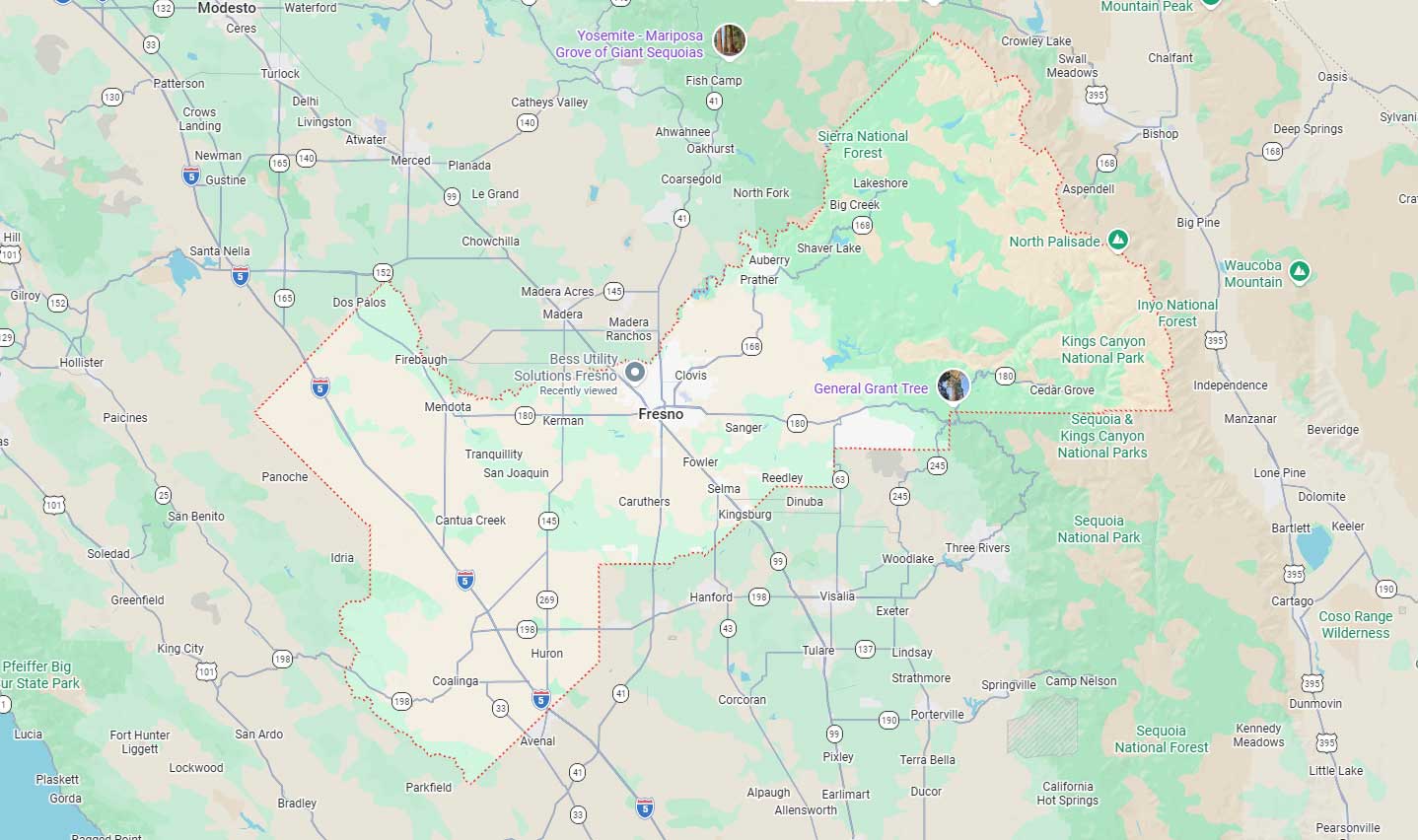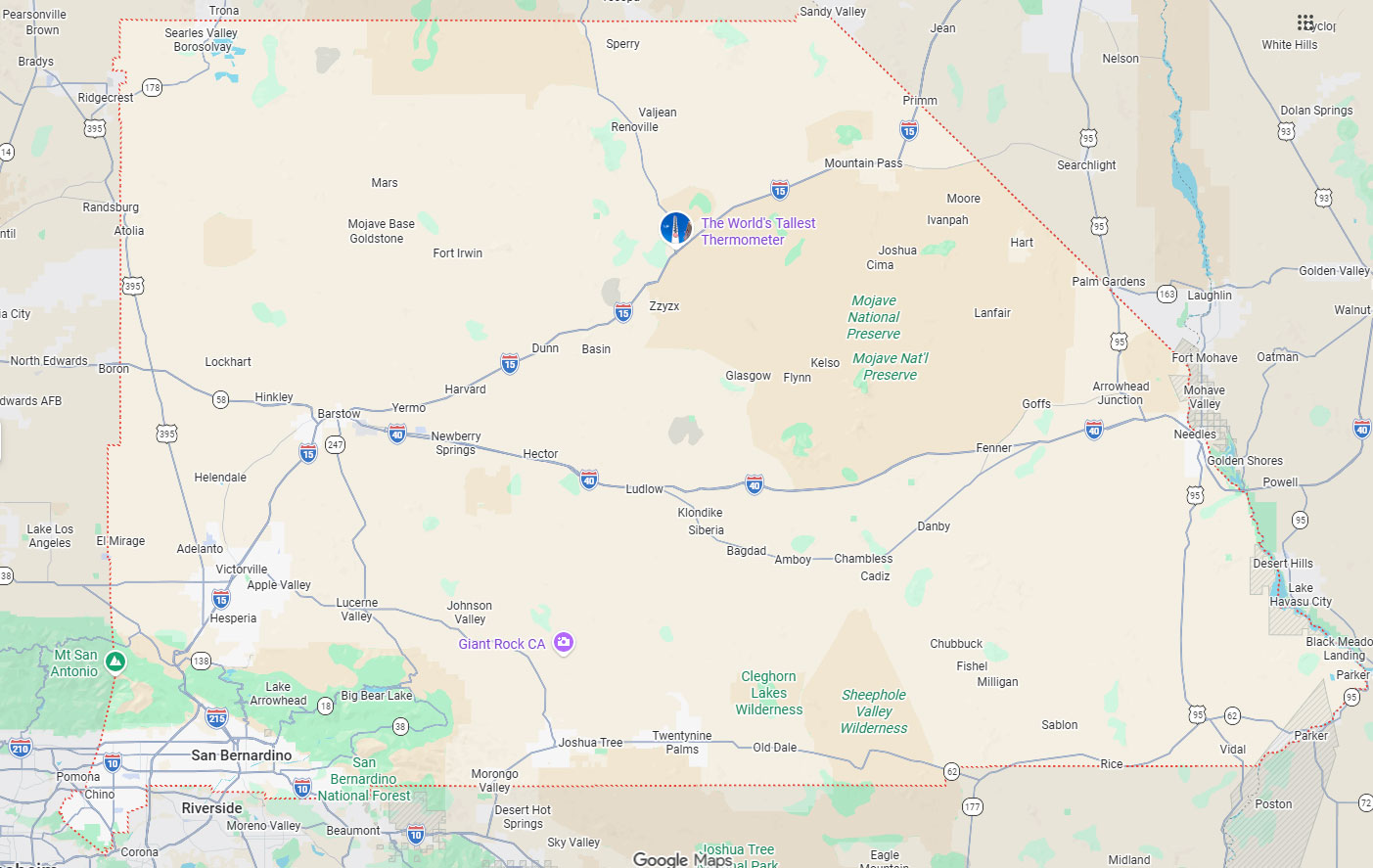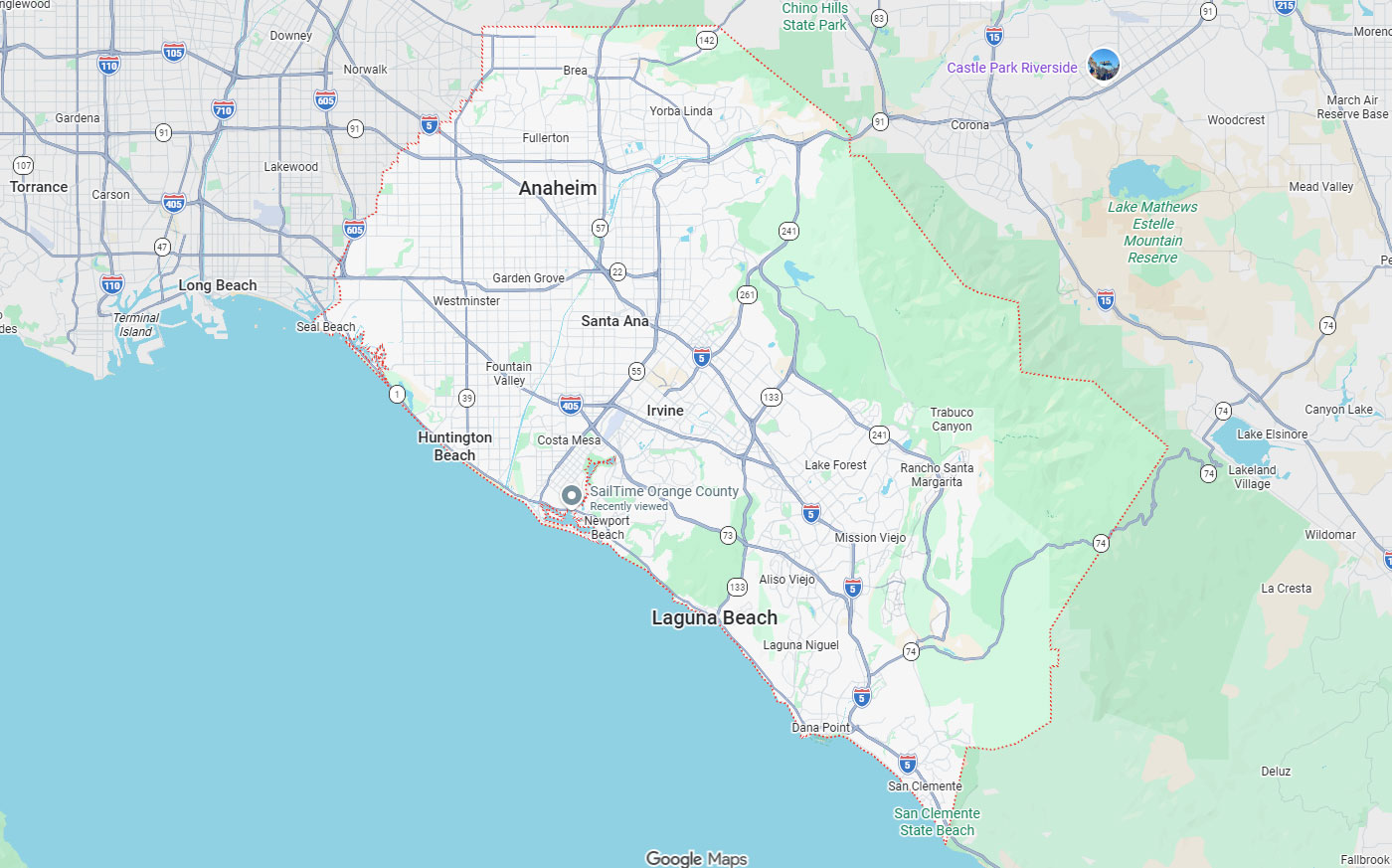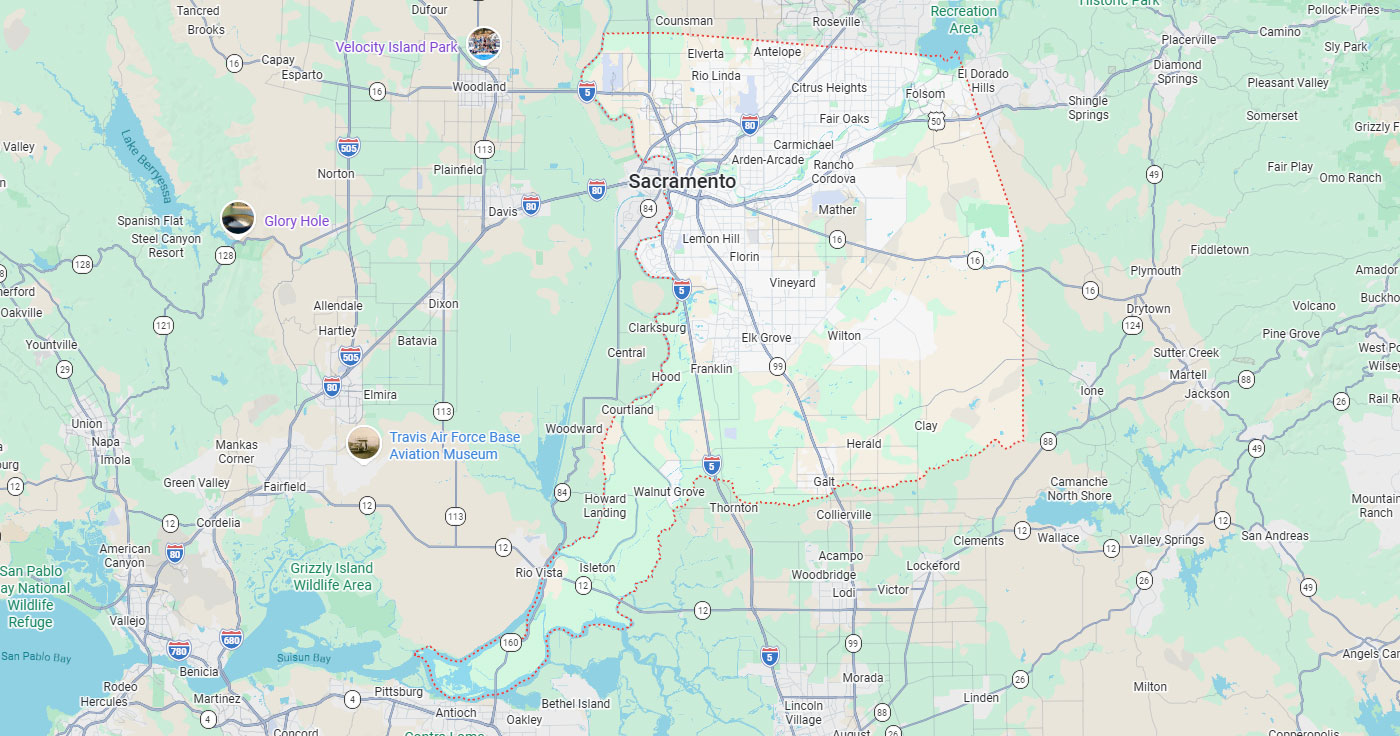
Hayward, CA
Fresno, CA
Orange, CA
Sacramento, CA
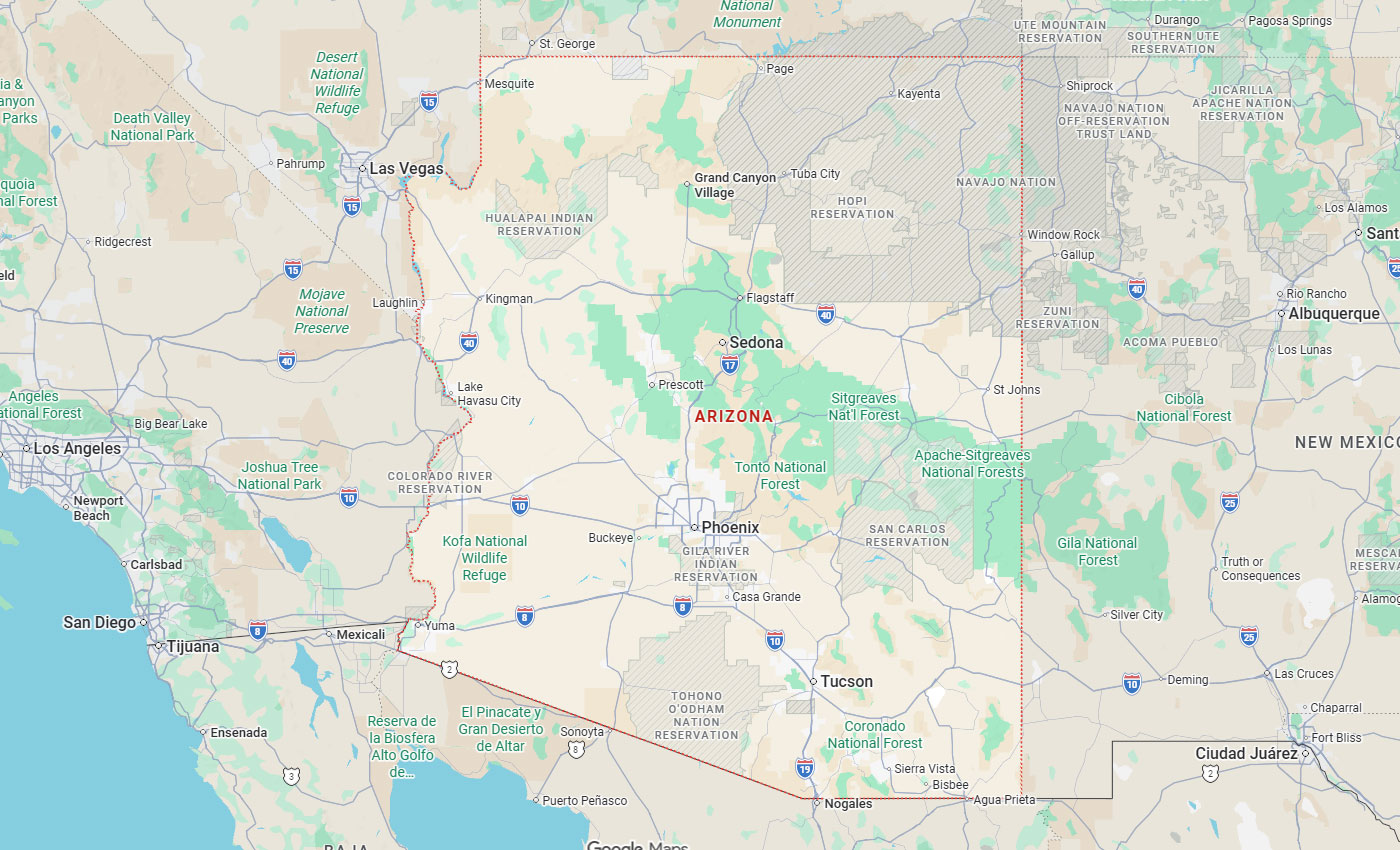
Phoenix, AZ
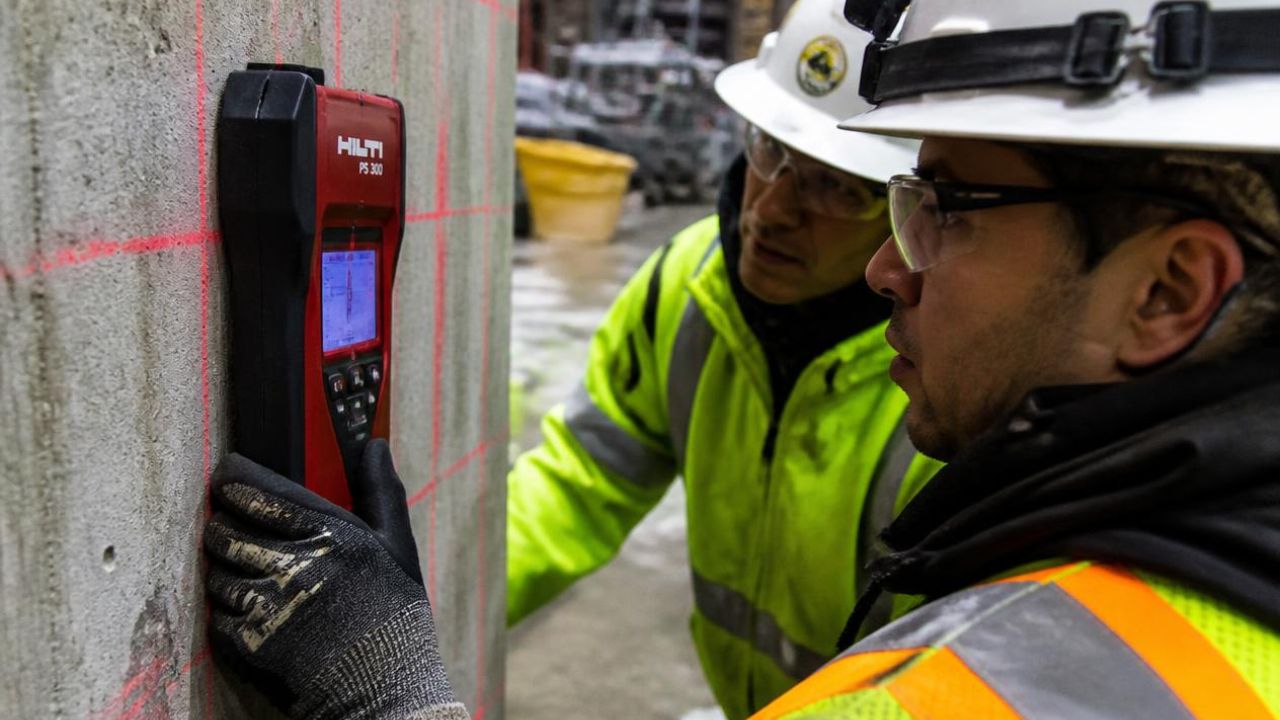
Concrete scanning services provide subsurface imaging to identify rebar, post-tension cables, conduits, and utilities before cutting or drilling. These technologies prevent structural damage, utility strikes, and project delays during commercial renovations. Hayward's commercial properties often contain complex utility networks and outdated as-built drawings, making accurate subsurface mapping essential. Professional scanning protects structural integrity and reduces liability for contractors and property owners.
Key Takeaways
Concrete scanning services use non-destructive technologies to locate embedded objects and utilities within concrete slabs, walls, and foundations. These services identify rebar, post-tension cables, electrical conduits, water lines, and voids before invasive work begins. The primary purpose is to prevent accidental damage to structural elements and utilities during renovations, expansions, or installations. Scanning also verifies structural conditions and provides accurate data for project planning.
Ground Penetrating Radar uses electromagnetic waves to detect subsurface objects and commands 48.5% of the concrete scanners market. GPR also commands 46.7% of global rebar scanner revenue due to its comprehensive imaging capabilities. Electromagnetic locating identifies metallic utilities by inducing and detecting electromagnetic fields in conductive materials. Ultrasonic Pulse Echo measures concrete thickness and detects internal delamination using sound wave propagation.
Approximately 1,100 utility damage events occur per day in the United States, totaling over 163,000 utility strikes annually. Private utilities account for 60% of all lines and are not covered by public 811 services. Poor communication and inadequate project data cause 48% of all rework in construction projects. The average professional loses 14 hours weekly to avoidable issues caused by incomplete subsurface information.
Utility strikes result in repair costs, project downtime, liability exposure, and regulatory fines for contractors and property owners. Severing rebar or post-tension cables compromises structural integrity and reduces the load-bearing capacity of concrete elements. Steel corrosion expands inside concrete, creating internal stresses that lead to cracking, spalling, and structural failure. Unexpected utility strikes cause revenue loss for commercial tenants who cannot occupy space during extended repairs.
Different scanning technologies serve specific detection needs based on target materials, depth requirements, and site conditions. GPR services target all materials, including metal, plastic, and voids, while Electromagnetic locating identifies only metallic utilities. Ground Penetrating Radar provides comprehensive imaging but requires skilled interpretation and is sensitive to moisture conditions. Electromagnetic locating offers simple operation and fast results, but cannot detect PVC pipes or fiber-optic cables.
Ground Penetrating Radar detects all subsurface materials, including metal, plastic, voids, and changes in concrete density. GPR provides comprehensive imaging with a depth capability of 18-24 inches in concrete and deeper penetration in soil. Complex data interpretation and moisture sensitivity represent the primary limitations of GPR technology. High-frequency GPR antennas operating at 2 GHz enable precise detection of rebar corrosion and structural deterioration.
Electromagnetic locating targets metallic utilities exclusively and provides simple operation with fast field results. EM locating equipment costs approximately $5,000, making it accessible for budget-conscious contractors and small renovation projects. EM technology cannot detect PVC pipes, fiber-optic cables, or non-metallic utilities embedded in concrete. A hybrid scanning approach combining both GPR and EM locating delivers optimal results for commercial renovations.
GPR equipment costs range from $14,000 to over $100,000, depending on antenna configurations and processing capabilities. EM locating equipment costs approximately $5,000 for basic units suitable for metallic utility detection. 3D GPR Arrays cost between $50,000 and $150,000 but provide rapid coverage for large commercial sites. Budget-tier scanning services cost $250-$800 for basic field markouts, while mid-range services cost $800-$2,500 for multi-line scanning.
| Technology | Materials Detected | Equipment Cost | Typical Service Cost |
| Ground Penetrating Radar | Metal, plastic, voids, density changes | $14,000 – $100,000+ | $800 – $2,500 |
| Electromagnetic Locating | Metallic utilities only | ~$5,000 | $250 – $800 |
| 3D GPR Arrays | All materials, large-area coverage | $50,000 – $150,000 | $2,500 – $5,000 |
| Hybrid (GPR + EM) | Metallic and non-metallic utilities | Combined GPR + EM units | $800 – $2,500 |
Large contractors adopt premium GPR systems to minimize risk and ensure comprehensive subsurface mapping on high-value projects. Small contractors favor handheld scanners and budget-tier services to control costs while meeting basic safety requirements. Municipal agencies prioritize accuracy and regulatory compliance over cost due to public safety obligations and liability concerns. Property owners commissioning commercial renovation scanning seek to protect tenant operations and avoid project delays.
Large contractors prioritize comprehensive data and risk mitigation, while small contractors prioritize cost control and project speed. Handheld scanners represent 35.8% of the market and appeal to contractors requiring portable equipment for quick assessments. Basic handheld scanners are limited to quick surface assessments and cannot provide the detailed imaging required for complex renovations. Comprehensive grid surveys represent premium-tier services and deliver detailed subsurface maps for critical infrastructure work.
Institutional clients implement ground disturbance plans prior to excavation or concrete cutting to ensure worker safety and compliance. These plans mandate both public 811 locating and private utility scanning before any subsurface work begins. K-12 and higher education campuses undergoing renovations require specialized scanning because they operate entirely on private property. Public 811 services are insufficient for campuses and institutional facilities that maintain extensive private utility networks.
Concrete scanning Hayward clients balance cost, accuracy, and availability based on project complexity and risk tolerance. Commercial property owners prioritize scanning services that provide Green Box Guarantees to shift liability away from contractors. Urban renovation projects require Hayward underground utility locating services that account for dense, overlapping infrastructure networks. Service selection depends on building age, documentation quality, and the presence of critical systems that cannot tolerate disruption.
Best practices mandate both public 811 locating and private utility scanning before excavation or concrete cutting begins. Private utilities account for 60% of all lines and require specialized detection beyond public utility locating services. Public 811 services locate utilities in public rights-of-way but do not cover private property infrastructure. Inaccurate historical as-built drawings pose significant challenges in urban renovations where utility networks have evolved over decades.
Urban markets require systematic scanning that addresses both public utilities and extensive private infrastructure networks on commercial properties. Private utilities include on-site electrical distribution, water lines, gas services, telecommunications, and storm drainage systems not covered by 811. Professional technicians use subsurface 3D mapping to create accurate records of embedded utilities and structural elements. Similar protocols apply across diverse markets, from major metropolitan areas to utility locating in Adelanto, CA, and other regional locations.
A hybrid scanning approach combines GPR and EM locating to ensure detection of all utility types during commercial renovations. Integrating GPR data with 3D laser scanning creates millimeter-accurate point clouds for comprehensive project documentation. 3D GPR Arrays provide rapid coverage of large areas but require extensive post-processing to generate usable data. 3D GPR Arrays cost between $50,000 and $150,000, making them suitable for large-scale institutional and commercial projects.
Building Information Modeling represents a digital framework for organizing and visualizing subsurface data within project documentation. Creating comprehensive BIM models provides permanent records for future maintenance, expansions, and infrastructure management. Geographic Information Systems enable spatial analysis and integration of scanning data with existing utility maps and site plans. Poor communication and inadequate project data cause 48% of all rework, making accurate scanning integration essential.
High-frequency GPR antennas operating at 2 GHz detect early-stage rebar corrosion before visible surface damage appears. Steel corrosion expands inside concrete, creating internal stresses that lead to cracking, spalling, and eventual structural failure. Identifying corrosion early enables targeted interventions that extend structural lifespan and prevent catastrophic failures. Severing rebar or post-tension cables during cutting or drilling compromises structural integrity and eliminates load-bearing capacity.
Corrosion detection uses wave propagation time as a reliable indicator of reinforcement deterioration within concrete structures. Steel rust expands up to ten times its original volume, generating internal pressure that fractures concrete from within. Targeted interventions after early corrosion identification include cathodic protection, concrete repair, and protective coatings. Damaging a post-tension cable during renovation costs upwards of $30,000 to repair and requires immediate structural engineering intervention.
The average cost of a single utility strike is $56,000, encompassing direct repairs, project downtime, liability, and fines. Damaging a post-tension cable costs upwards of $30,000 to repair and may require extensive structural remediation. Severing a single electrical conduit averages $12,000 in direct repair costs before accounting for project delays. Total annual cost of utility strikes to the construction industry exceeds $100 billion across all project types.
A typical comprehensive scanning service costs $2,500 and provides 22.4x ROI by preventing a single average utility strike. The average utility strike causes 8 to 12 weeks of downtime, halting progress and extending project timelines significantly. Estimated crew cost of $96.00 per hour accumulates quickly during work stoppages caused by unexpected subsurface obstructions. Premium scanning services cost $2,500-$5,000 but deliver detailed subsurface mapping that eliminates surprises and protects project schedules.
K-12 and higher education campuses undergoing renovations require specialized scanning to protect students and maintain academic schedules. Public 811 services are insufficient for campuses operating entirely on private property with extensive underground utility networks. Institutional ground disturbance plans require mandatory scanning prior to excavation or concrete cutting to ensure safety and compliance. Private utilities account for 60% of all lines on institutional campuses and require comprehensive detection protocols.
Educational facilities must maintain continuous operations during renovation projects to minimize disruption to academic programs and student safety. Campus infrastructure includes electrical distribution, telecommunications, steam tunnels, chilled water lines, and fiber-optic networks, requiring precise mapping. Why Hayward contractors choose professional utility locating relates directly to liability protection and schedule certainty on institutional projects. Both public 811 locating and private utility scanning are mandatory before work begins on educational campuses.
Hospital renovation projects include medical imaging suites and operating room upgrades that require precise coordination around critical systems. Disrupting life-safety systems, medical gas lines, or backup power networks creates immediate patient safety risks and regulatory violations. Healthcare facilities execute phased renovations to maintain continuous operations while construction progresses in occupied buildings. Mechanical, Electrical, and Plumbing systems in hospitals contain redundant emergency infrastructure that requires expert mapping and protection.
Comprehensive BIM models serve as permanent records for future maintenance, capital planning, and infrastructure management decisions. Municipal buildings and transportation infrastructure represent public infrastructure examples that benefit from long-term digital asset management. Geographic Information Systems enable spatial analysis and tracking of subsurface infrastructure across entire municipal portfolios. Building Information Modeling integrates scanning data with architectural, structural, and MEP design information for complete facility documentation.
Hayward, California, exemplifies urban commercial renovation markets where aging infrastructure and incomplete documentation create subsurface uncertainty. Inaccurate historical as-built drawings pose significant challenges in urban renovations where utilities have been modified repeatedly over decades. Private utilities account for 60% of all lines on commercial properties and require detection beyond public 811 services. Professional utility locating for renovations identifies these hidden systems before invasive work begins.
Urban commercial properties in Hayward contain layered utility installations spanning multiple construction eras with incomplete documentation. Dense infrastructure networks include overlapping electrical, telecommunications, water, gas, and storm drainage systems requiring systematic scanning. How GPR scanning prevents costly utility strikes becomes critical in environments where multiple utilities occupy limited subsurface space. Aging concrete structures also present corrosion risks that require assessment before renovation work begins.
Green Box Guarantees assure contractors that marked areas are free of obstructions and shift liability away from excavation crews. Utility strikes result in repair costs, project downtime, liability exposure, and regulatory fines that can exceed $56,000 per incident. Professional scanning providers issue guarantees after a comprehensive field investigation using multiple detection technologies and systematic grid scanning. These guarantees provide legal protection and insurance compliance for contractors performing subsurface work.
Mechanical, Electrical, and Plumbing systems require precise routing through existing structures without damaging embedded utilities or structural elements. Disrupting life-safety systems, medical gas lines, or backup power networks creates immediate safety hazards and regulatory violations. Hydro vacuum excavation and potholing utilities provide non-destructive methods for verifying utility locations after scanning identifies target zones. MEP contractors rely on accurate scanning data to plan installation routes that avoid existing infrastructure.
The global rebar scanner market reached USD 9.44 billion in 2025 and is projected to grow to USD 17.13 billion by 2033. Market growth reflects a CAGR of 7.73% from 2025 to 2033, driven by infrastructure modernization and safety awareness. The utility locator market was valued at USD 913.78 million in 2024 and is forecast to reach USD 1.48 billion by 2032. These projections indicate accelerating adoption of scanning technologies across all construction sectors and geographic markets.
Commercial renovation projects increasingly integrate scanning data with Building Information Modeling and Geographic Information Systems for comprehensive documentation. Accurate subsurface information prevents the costly rework and project delays that affect 48% of construction projects. Professional scanning services deliver ROI exceeding 22x by preventing utility strikes that average $56,000 in direct costs. Technology adoption continues accelerating as contractors recognize that scanning costs represent minimal investments compared to potential losses.
Unmarked utilities and undocumented rebar turn a routine cut, core, or drill into a six-figure liability on any commercial renovation site. Contact Bess Utility Solutions to schedule concrete scanning services backed by 29 years of experience, CPUC-certified MBE/DBE status, and hybrid GPR and EM technology built for Hayward's dense, layered utility corridors.
Call the Hayward office at (408) 988-0101 or request a free quote to get your renovation project scanned, marked, and cleared before the next phase of work begins.
A. Pricing depends on scope and technology. Basic field markouts using electromagnetic locating start around $250 to $800, while multi-line GPR scanning for commercial sites typically runs $800 to $2,500. Premium or hybrid scanning for large or complex renovations can reach $2,500 to $5,000. Most contractors recoup this cost many times over by avoiding a single utility strike.
A. A single-room or small-footprint scan for slab penetrations often takes a few hours, while a full commercial building survey spans one to several days depending on square footage and utility density. Scheduling scanning ahead of the cutting or coring phase keeps it from delaying the broader renovation timeline. Hayward's older commercial buildings with layered utility installations generally need additional time for thorough coverage.
A. Ground Penetrating Radar detects PVC pipes, fiber-optic lines, voids, and metallic objects because it responds to changes in material density rather than conductivity alone. Electromagnetic locating, by contrast, only identifies metallic utilities and misses non-conductive materials. A hybrid approach combining both technologies gives the most complete picture for renovation projects with mixed utility types.
A. Public 811 locating does not cover private property, so it does not extend to utilities running through interior slabs, walls, or foundations on commercial sites. Ground disturbance plans on institutional and many commercial projects mandate private utility scanning in addition to 811 locating. Skipping this step on private property leaves contractors and property owners exposed to the full cost of any utility strike or structural damage.
A. 811 locating identifies utilities in public rights-of-way using paint and flags at the surface, but it does not cover private infrastructure or anything embedded inside a concrete structure. Concrete scanning uses GPR and electromagnetic technology to see inside slabs, walls, and foundations, identifying rebar, conduits, and pipes before any cutting or drilling. Commercial renovations typically require both: 811 locating for the surrounding site and concrete scanning for the structure itself.