Hayward, CA
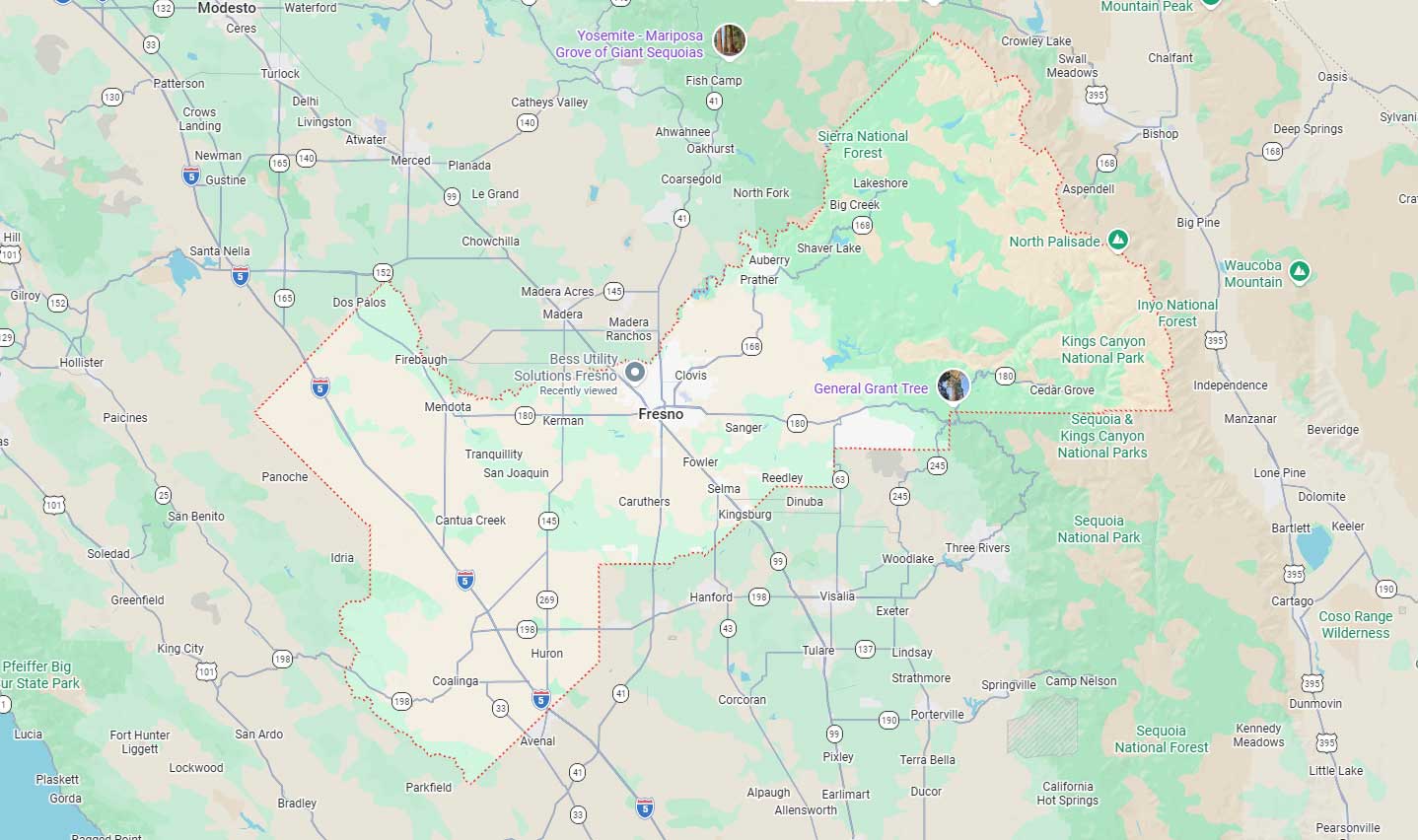
Fresno, CA
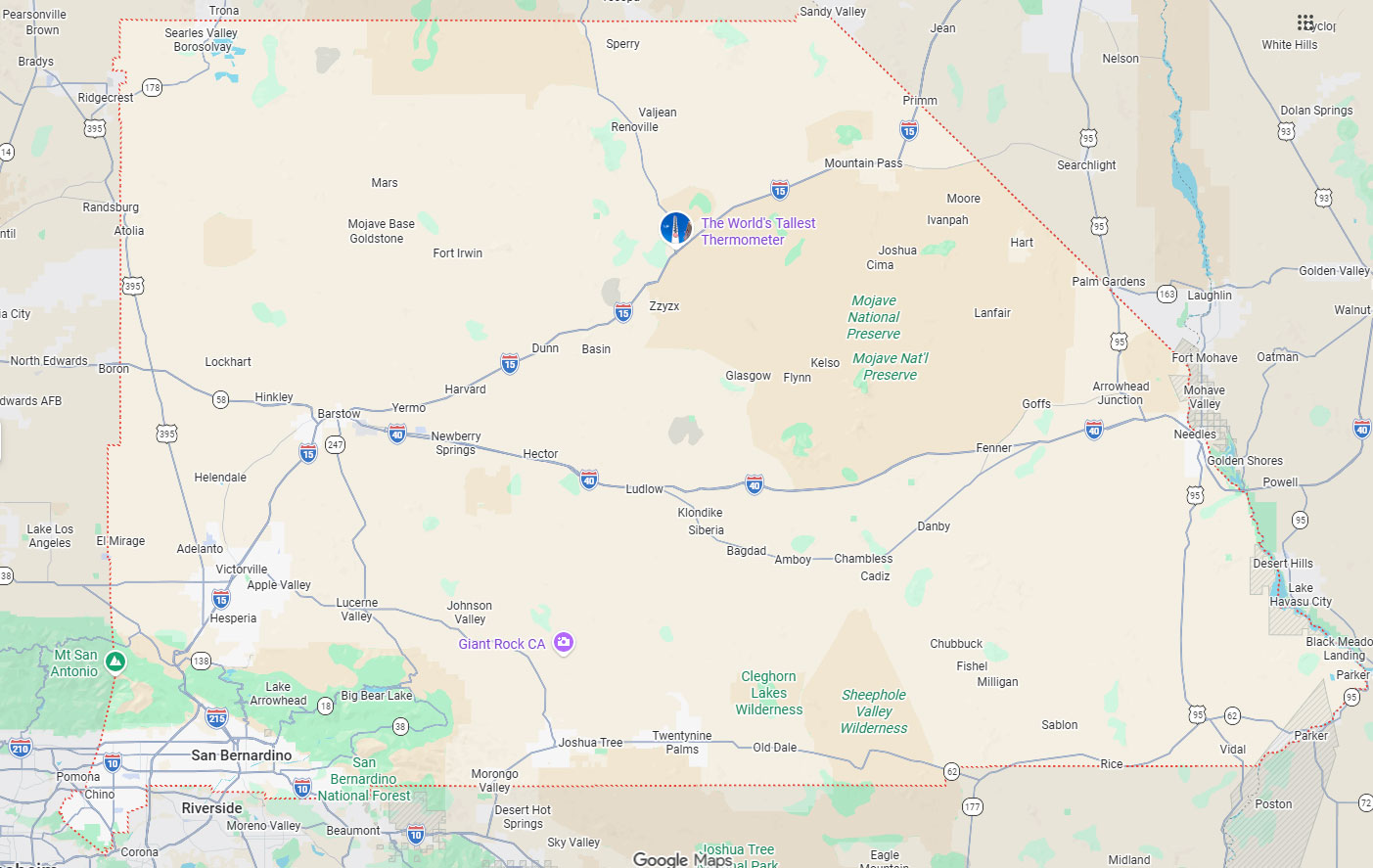
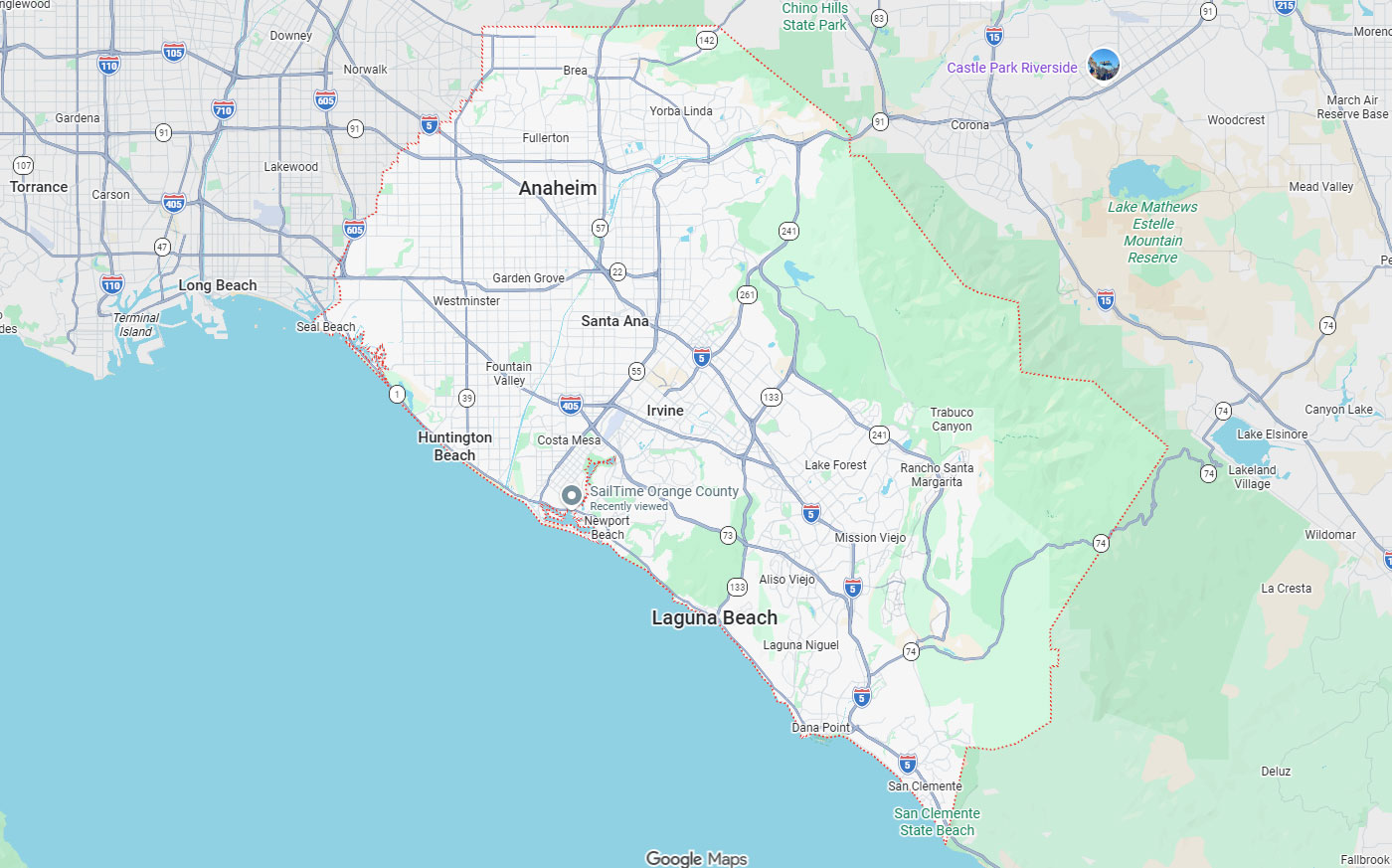
Orange, CA
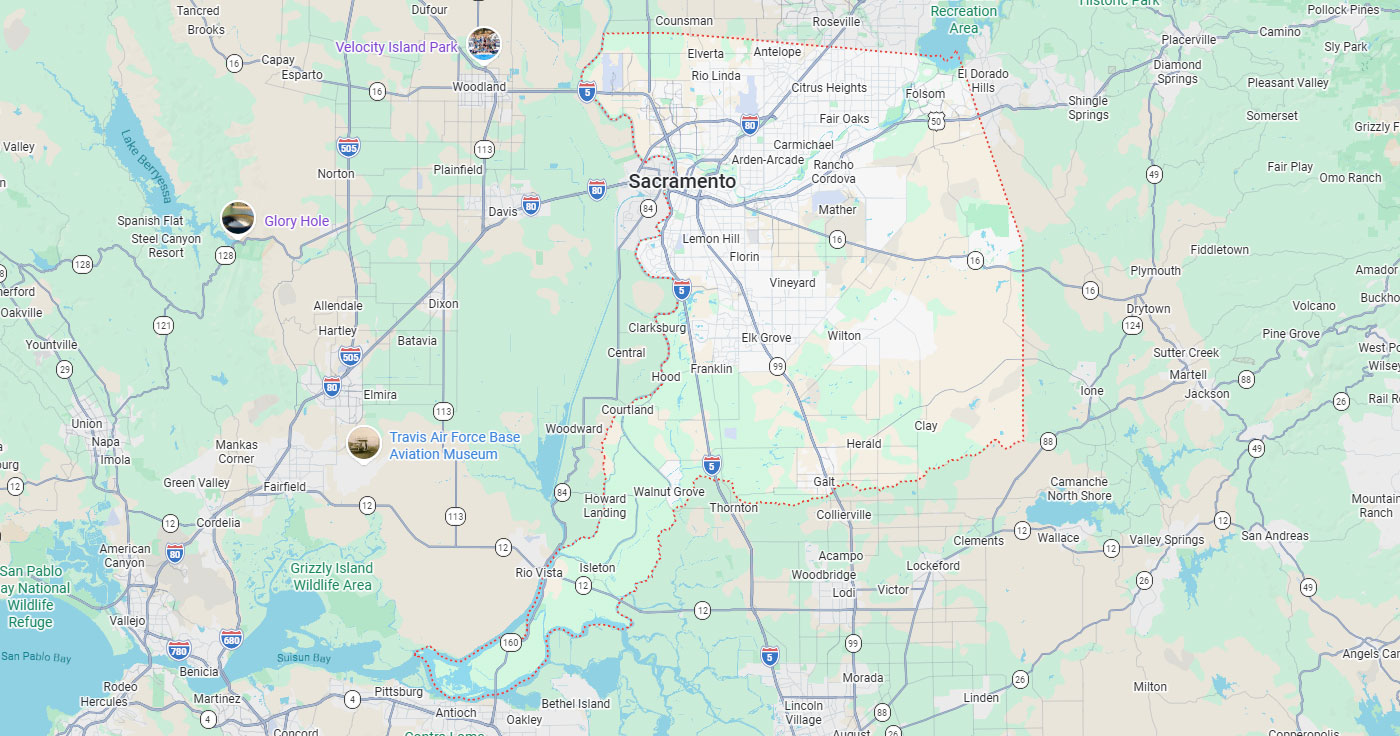
Sacramento, CA
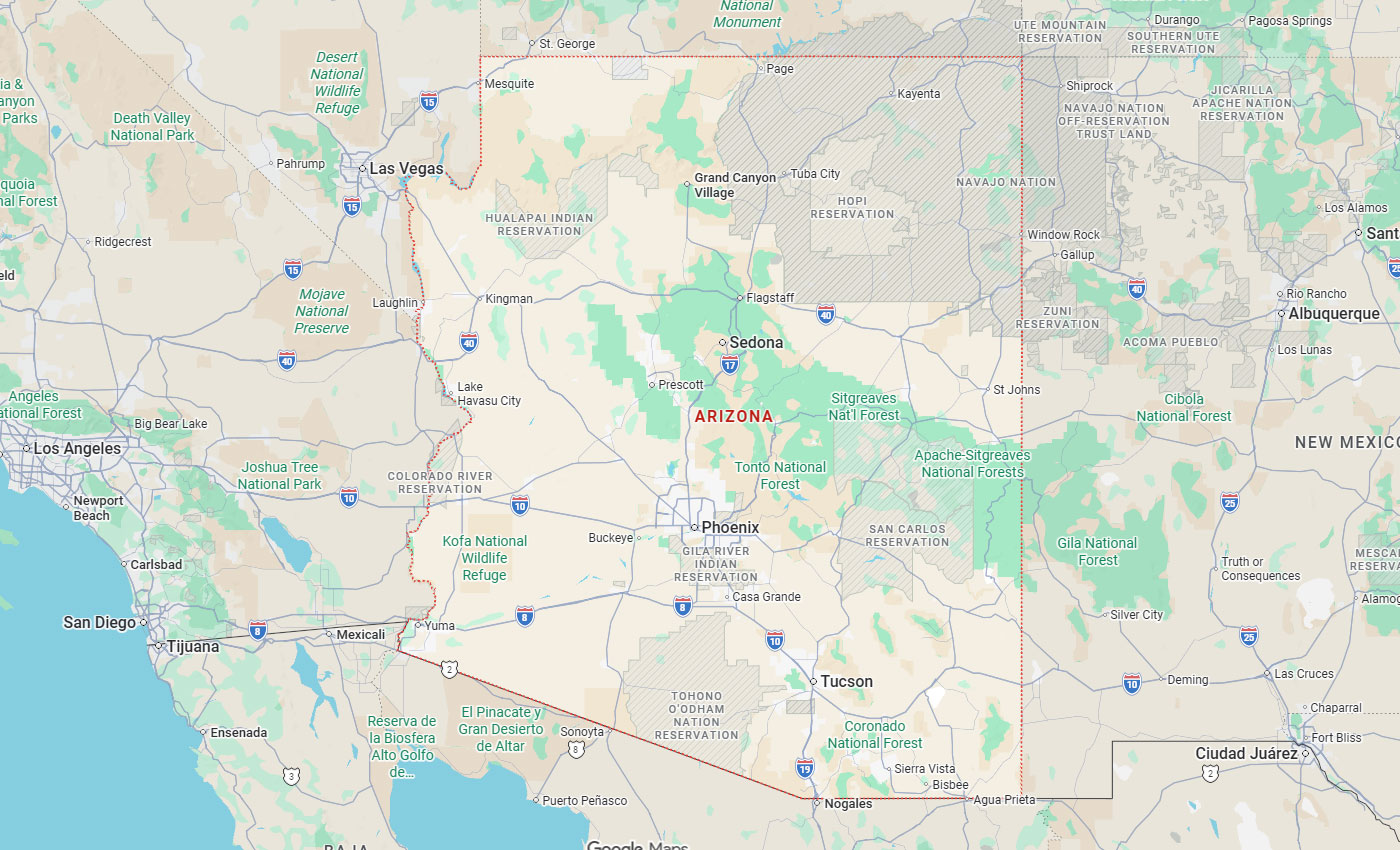
Phoenix, AZ

Selecting the appropriate excavation method directly impacts project safety, accuracy, and cost outcomes. The choice between a vac truck vs. excavation methods depends on utility proximity, soil conditions, and site constraints.
Traditional mechanical excavation remains effective for open ground with minimal subsurface infrastructure. However, vacuum truck usage has become essential in urban environments where utility damage risks outweigh speed advantages.
Key Takeaways
Vacuum excavation uses pressurized water and suction to remove soil without mechanical force. Traditional excavation relies on heavy equipment to physically break and move earth materials.
These methods serve different purposes based on site conditions and project requirements. Understanding their operational mechanisms helps determine the optimal approach for specific excavation needs.
Hydrovac systems utilize high-pressure water ranging from 1000 to 4000 PSI to cut soil. The water liquefies earth materials while a high-volume vacuum simultaneously extracts the resulting slurry.
The extracted material is collected in a truck-mounted debris tank for transport to disposal sites. This air vacuum excavation process allows operators to work within inches of buried utilities.
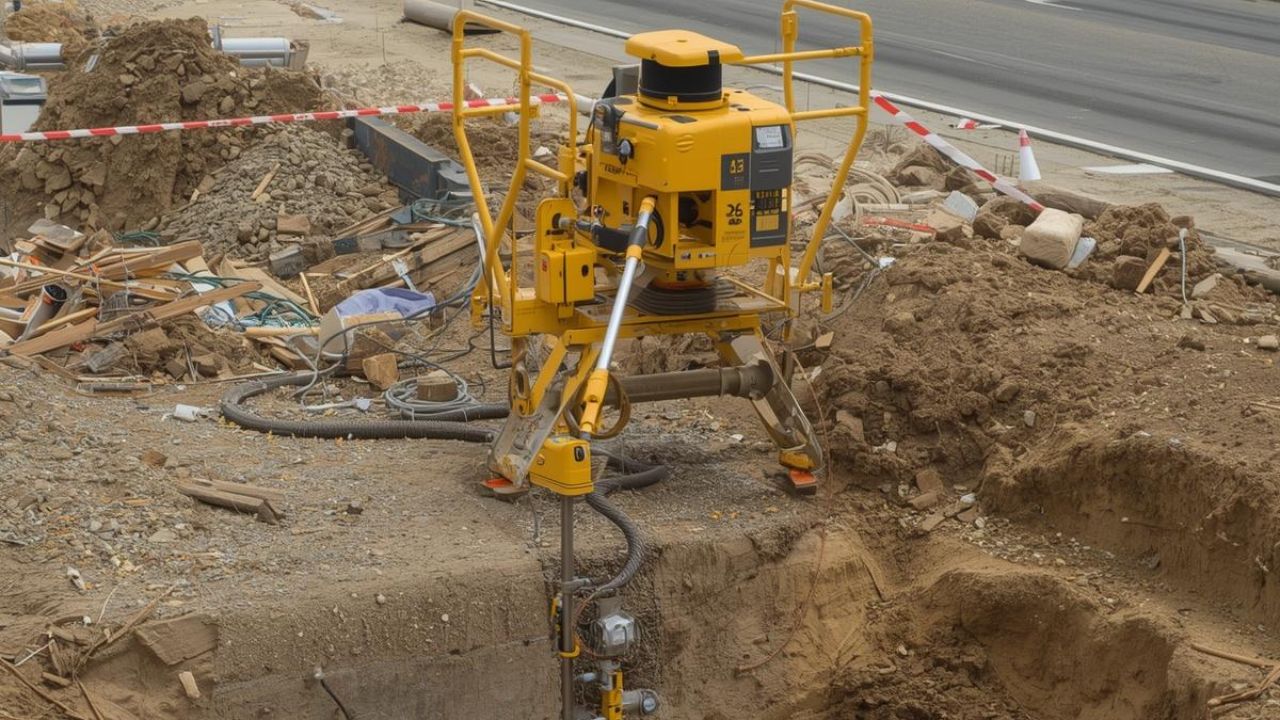
Traditional mechanical excavation physically removes soil using heavy equipment like backhoes and excavators. These machines apply direct mechanical force to break through the earth and load material.
Operators control the equipment to dig trenches, excavate foundations, and grade surfaces. The method excels at high-volume earthmoving but lacks precision around sensitive infrastructure.
Traditional excavation removes 10 to 50 cubic yards per hour compared to 2 to 8 cubic yards for hydrovac. Hydrovac provides precision within 1 to 2 inches while mechanical methods create larger excavation footprints.
Traditional excavation costs $110 to $325 per hour versus $150 to $475 for hydrovac services. Native soil from traditional excavation can be immediately reused, while hydrovac slurry requires designated disposal facilities.
| Factor | Traditional Excavation | Vacuum Excavation (Hydrovac) |
| Removal rate | 10 to 50 cubic yards per hour | 2 to 8 cubic yards per hour |
| Precision | Larger excavation footprint | Within 1 to 2 inches of target |
| Hourly cost | $110 to $325 | $150 to $475 |
| Material handling | Native soil can be reused immediately | Slurry requires designated disposal |
| Utility strike risk | Accounts for about 75% of incidents | Reduces risk by up to 95% |
Vacuum excavation prevents utility strikes and reduces damage incidents by up to 95 percent. The method provides visual confirmation of underground infrastructure without applying mechanical force to sensitive lines.
Project managers prioritize safety and accuracy when working near telecommunications, gas, and water utilities. These priorities make vacuum excavation the preferred choice despite higher hourly operational costs.
Hydrovac reduces utility strike risk by up to 95 percent compared to mechanical excavation. Traditional excavation accounts for 75 percent of utility damage incidents during construction activities.
Average utility strike costs range from $4,000 to $50,000 per incident. Gas or fiber optic strikes frequently exceed $100,000 when including emergency response and service restoration.
Hydrovac provides precision within 1 to 2 inches of target utility locations. This accuracy enables operators to expose infrastructure without damaging protective coatings or surrounding materials.
The advantages of using vacuum excavation include visual verification of utility depth and horizontal positioning. Engineers use this verified data to adjust design plans before committing to full-scale excavation.
Vacuum excavation minimizes surface disturbance compared to traditional excavation alternatives that create large trenches. The contained slurry prevents sediment runoff and groundwater contamination during excavation activities.
Hydrovac slurry must be transported to designated disposal sites that meet environmental regulations. This controlled waste management process ensures compliance with local and federal environmental standards.
Vacuum excavation becomes essential when working within three feet of known utilities. The method is preferred in congested urban corridors where multiple utility lines run parallel.
Projects requiring minimal surface disruption also benefit from vacuum excavation precision. Municipal regulations increasingly mandate non-destructive methods in historic districts and high-traffic areas.
Congested utility corridors with limited clearance between underground infrastructure require vacuum excavation. Frozen ground conditions also favor vacuum methods using heated water to penetrate solid earth.
Sites with restricted access prevent large excavator deployment, making compact vacuum trucks practical. The comparison of vacuum excavation vs traditional digging shows vacuum methods excel in confined workspaces.
Urban environments contain multiple utility layers, including telecommunications, gas, water, and electrical infrastructure. Traditional mechanical excavation creates unacceptable risk levels in these high-density utility corridors.
Cities experience higher utility strike frequencies due to aging infrastructure and incomplete record drawings. Vacuum excavation provides the only viable method for safely exposing utilities without service disruptions.
Regulations require non-destructive methods within designated tolerance zones around marked utilities. When you should use vacuum excavation in a utility location depends on proximity and utility type.
Gas lines and fiber optic cables require vacuum excavation to prevent catastrophic damage. Even minor nicks to protective coatings can lead to long-term infrastructure failure.
Traditional excavation costs $110 to $325 per hour, while vacuum excavation ranges from $150 to $475. However, hourly rates alone do not reflect total project costs, including damage risk.
Utility strikes add $4,000 to $100,000 in unexpected expenses per incident. Total project costs often decrease by 20 to 40 percent when vacuum methods prevent damage.
Hydrovac budget services range from $150 to $250 per hour for standard applications. Mid-range vacuum excavation costs $250 to $375 per hour with enhanced capabilities.
Premium vacuum excavation services charge $375 to $475 per hour for specialized conditions. Traditional excavation averages $110 to $325 per hour nationally and $275 to $287.50 in Texas.
| Service Tier | Hourly Rate | Typical Use Case |
| Vacuum excavation, budget | $150 to $250 | Standard applications |
| Vacuum excavation, mid-range | $250 to $375 | Enhanced capabilities |
| Vacuum excavation, premium | $375 to $475 | Specialized conditions |
| Traditional excavation, national average | $110 to $325 | Open-ground earthmoving |
| Traditional excavation, Texas average | $275 to $287.50 | Regional benchmark |
Initial hourly rates favor traditional mechanical excavation for cost-conscious project managers. Total project cost calculations must include damage repair, service restoration, and project delay expenses.
Projects near utilities experience 20 to 40 percent lower total costs using vacuum methods. The calculation shifts decisively when factoring in avoided utility strikes and reduced restoration work.
Ground Penetrating Radar delivers an ROI of up to $21 for every dollar invested in detection. GPR combined with electromagnetic utility locating methods provides ROI ranging from $4.62 to $22.21 per dollar.
Hydrovac delivers 20 to 40 percent lower total project costs for utility-adjacent work. Understanding how GPR improves safety in excavation construction helps justify upfront detection investments.
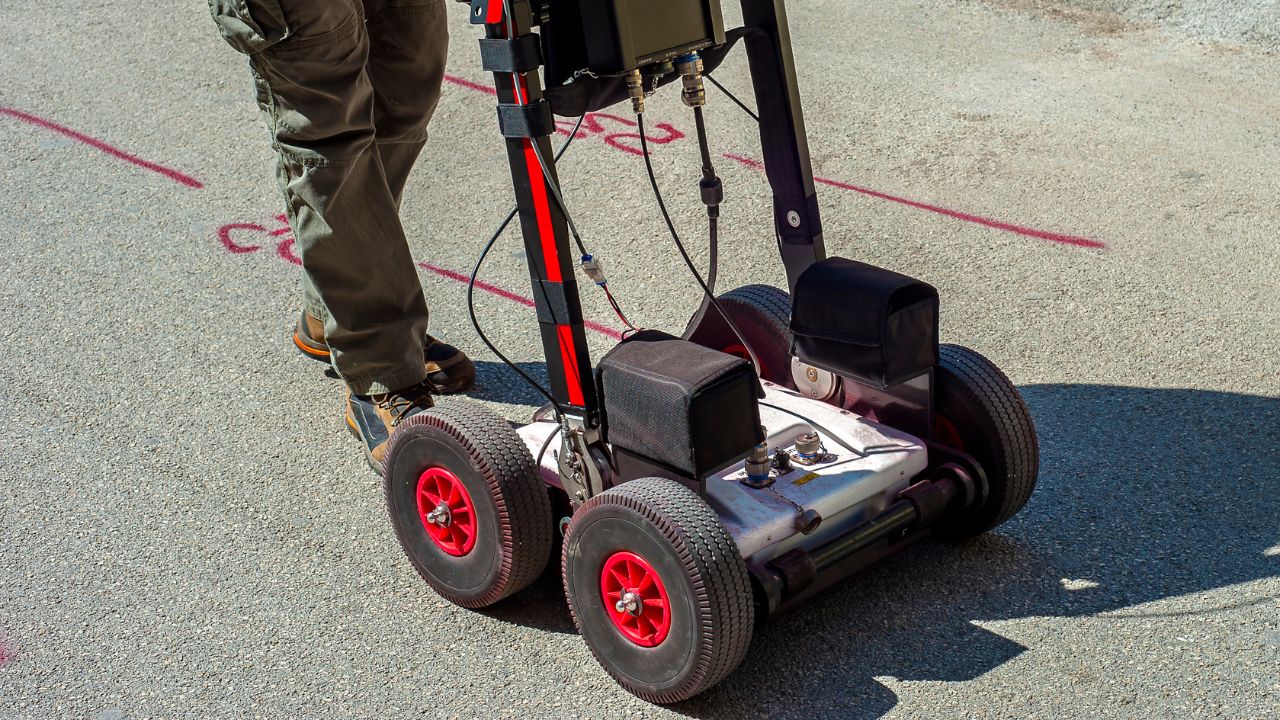
GPR detects subsurface utilities before excavation begins, providing location data for precise digging. Vacuum excavation then exposes the detected utilities without causing damage to infrastructure.
This combined approach represents industry best practice for utility-dense construction projects. The integration of detection and excavation technologies minimizes risk while maintaining project efficiency.
Utility detection holds 23 percent of the GPR market share for construction applications. GPR depth penetration becomes severely limited in highly conductive soils like wet clay.
GPR cannot determine the exact material composition of targets, only their contrast with the surrounding soil. Despite limitations, GPR remains essential for mapping non-metallic utilities before excavation activities.
GPR operates by transmitting high-frequency radio waves from 10 MHz to 2.6 GHz into the ground. Waves reflect back when encountering objects or boundaries between materials with different dielectric properties.
The reflected data displays as radargrams showing subsurface anomalies and utility locations. Industry adoption of vacuum excavation is becoming the industry standard when paired with GPR detection.
GPR detects non-metallic objects, including PVC pipes that electromagnetic locators cannot identify. This detection capability, combined with vacuum excavation, creates comprehensive utility verification systems.
The integration prevents utility strikes while providing survey-grade accuracy for design documentation. Modern vacuum excavation technology for underground utility locating relies on this complementary approach.
Vacuum excavation addresses specific challenges in urban infrastructure maintenance and new construction. Real-world applications demonstrate measurable improvements in safety outcomes and project completion rates.
Market data shows vacuum excavation services growing from $1.8 billion in 2025 to $3.1 billion by 2034. This growth reflects increasing adoption across construction, telecommunications, and municipal infrastructure sectors.
Urban utility daylighting projects use hydrovac to expose critical fiber optic lines with a minimal footprint. Traditional excavation alternatives would require large trenches, causing significant traffic disruption.
Hydrovac completed the exposure with zero damage to sensitive telecommunications infrastructure. Vacuum excavation or potholing enables visual inspection without service interruption.
Data center renovation projects used GPR to identify undocumented utilities before trenching commenced. The design team altered trenching paths before construction, preventing costly operational disruptions.
A $3 billion water treatment plant expansion combined 3D laser scanning with GPR verification. The comprehensive approach provided accurate as-built documentation and 3D Revit models, preventing utility strikes.
The vacuum excavation market reached $1.8 billion in 2025 and is projected to reach $3.1 billion by 2034. Construction excavation accounts for 36.1 percent of the hydro vacuum excavation market.
Millennials and Generation X comprise 71 percent of the construction workforce. North America holds 38.31 percent of the GPR market share in 2025.
Site conditions, including utility density and soil type, determine appropriate excavation methods. Projects near telecommunications, gas, or water infrastructure require vacuum excavation regardless of cost differences.
Budget considerations must account for total project costs rather than hourly operational rates. Damage avoidance and reduced restoration work typically justify vacuum excavation investments in utility-adjacent projects.
Selecting appropriate excavation methods requires balancing safety, precision, cost, and environmental factors simultaneously. Vacuum excavation excels when utility proximity creates unacceptable strike risks or municipal regulations mandate non-destructive methods.
Traditional mechanical excavation remains suitable for open-ground projects without subsurface infrastructure constraints. The decision framework prioritizes safety first, followed by accuracy requirements and total project cost analysis.
Successful project outcomes depend on matching excavation technology to specific site conditions. Utility locating methods, including GPR detection paired with vacuum excavation, represent best practices for infrastructure projects.
Site conditions, utility density, and budget constraints all factor into the excavation decision. A brief conversation with a subsurface utility engineer can confirm which method fits your project before crews mobilize.
Contact Bess Utility Solutions at (408) 988-0101 or request a free quote to review your project conditions and get a recommendation backed by 29 years of subsurface engineering experience across California, Arizona, and Nevada.
A. Vacuum excavation typically costs $150 to $475 per hour, compared to $110 to $325 per hour for traditional mechanical excavation. Hourly rates alone rarely reflect the full financial picture, since utility strikes commonly add $4,000 to $100,000 in unplanned repair and restoration costs. When a project factors in the risk of hitting a gas line, fiber cable, or water main, total costs with vacuum excavation frequently come in 20 to 40 percent lower than traditional digging. Bess Utility Solutions provides upfront pricing so project teams can compare true project costs before work begins.
A. Many municipalities now require non-destructive methods within designated tolerance zones around marked utilities, particularly near gas and fiber optic lines. Even where regulations do not mandate it, vacuum excavation is standard practice within three feet of a known utility because it reduces strike risk by up to 95 percent. Traditional mechanical excavation accounts for roughly 75 percent of utility damage incidents on construction sites. Projects in congested corridors or historic districts should plan for vacuum excavation from the start rather than treating it as a contingency.
A. Yes, traditional excavation remains appropriate for open ground with no subsurface infrastructure nearby, and it moves far more material per hour than vacuum methods. Crews can use mechanical equipment for bulk earthmoving and switch to vacuum excavation only when they approach utility corridors identified through GPR or record drawings. This combined approach keeps larger projects on schedule while still protecting sensitive lines at the points of highest risk. A subsurface utility engineer can help define exactly where the transition between methods should happen.
A. No, GPR and vacuum excavation serve different purposes and work together as a two-step verification process. GPR identifies the likely location, depth, and material composition contrast of subsurface utilities before digging starts, while vacuum excavation physically exposes those utilities for visual confirmation. GPR alone cannot confirm exact utility depth or condition, and its accuracy drops in highly conductive soils like wet clay. Pairing GPR detection with vacuum excavation delivers a documented ROI of up to $21 for every dollar invested and gives project teams verified data before committing to full-scale construction.
A. Vacuum excavation minimizes surface disturbance compared to open trenching, which helps limit sediment runoff and protects nearby groundwater during construction. The extracted soil and water slurry is contained in a truck-mounted tank and transported to a designated disposal facility that meets local and federal environmental standards, rather than being left exposed on site. This controlled process also reduces the restoration work needed after excavation, since crews are not repairing large trenches or disturbed landscaping. Municipalities increasingly favor vacuum excavation for projects in historic districts and high-traffic areas for this reason.