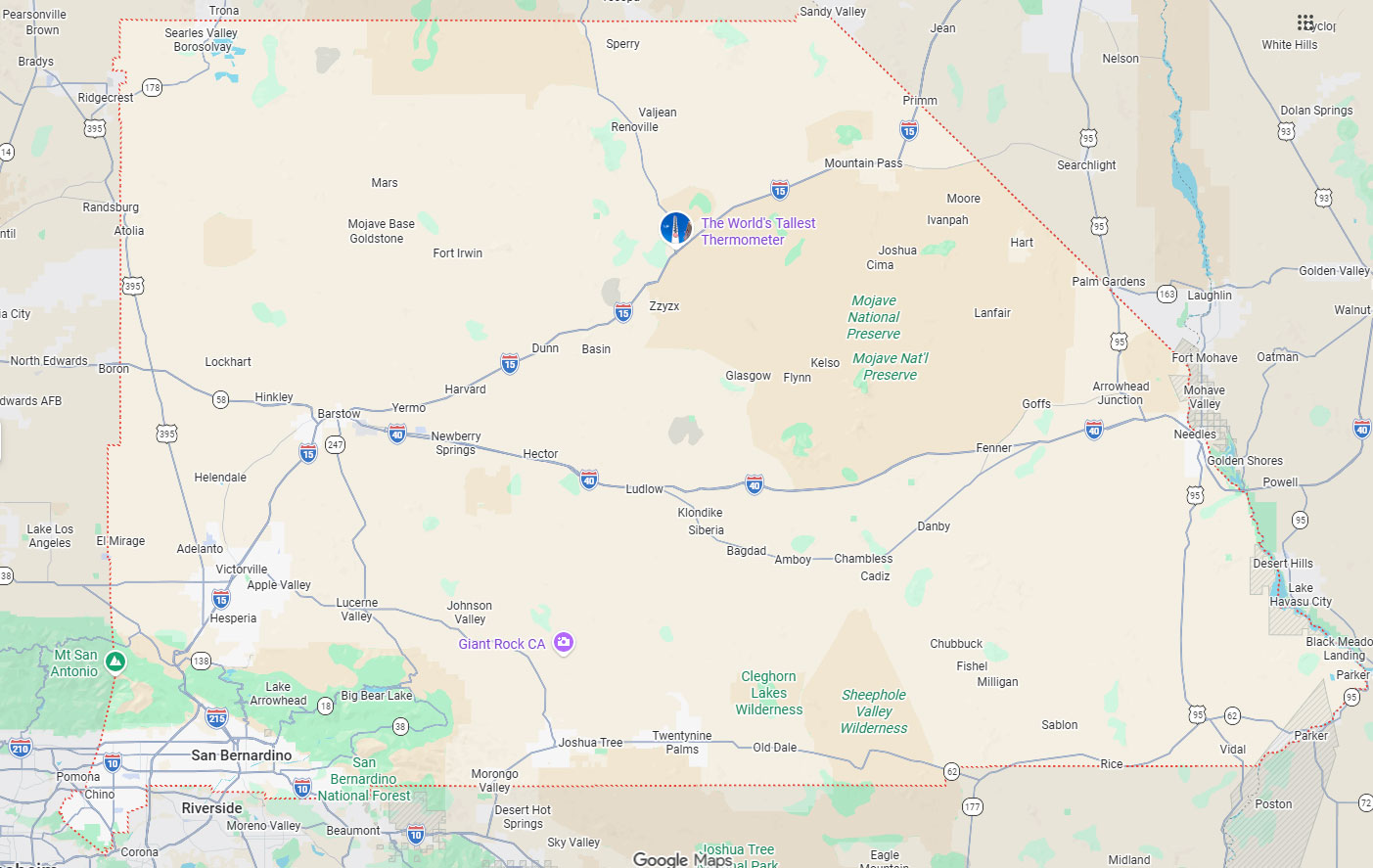
Hayward, CA
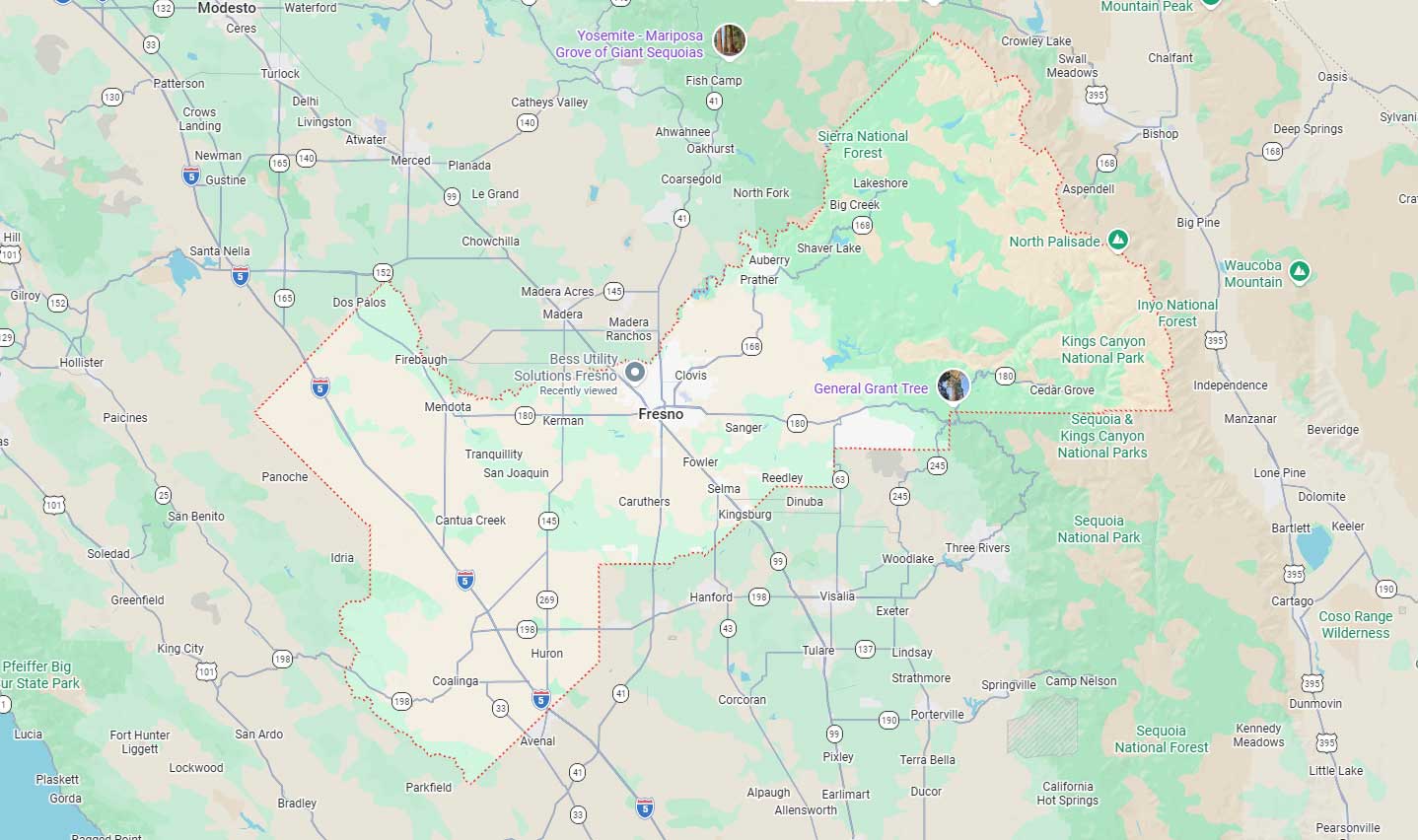
Fresno, CA
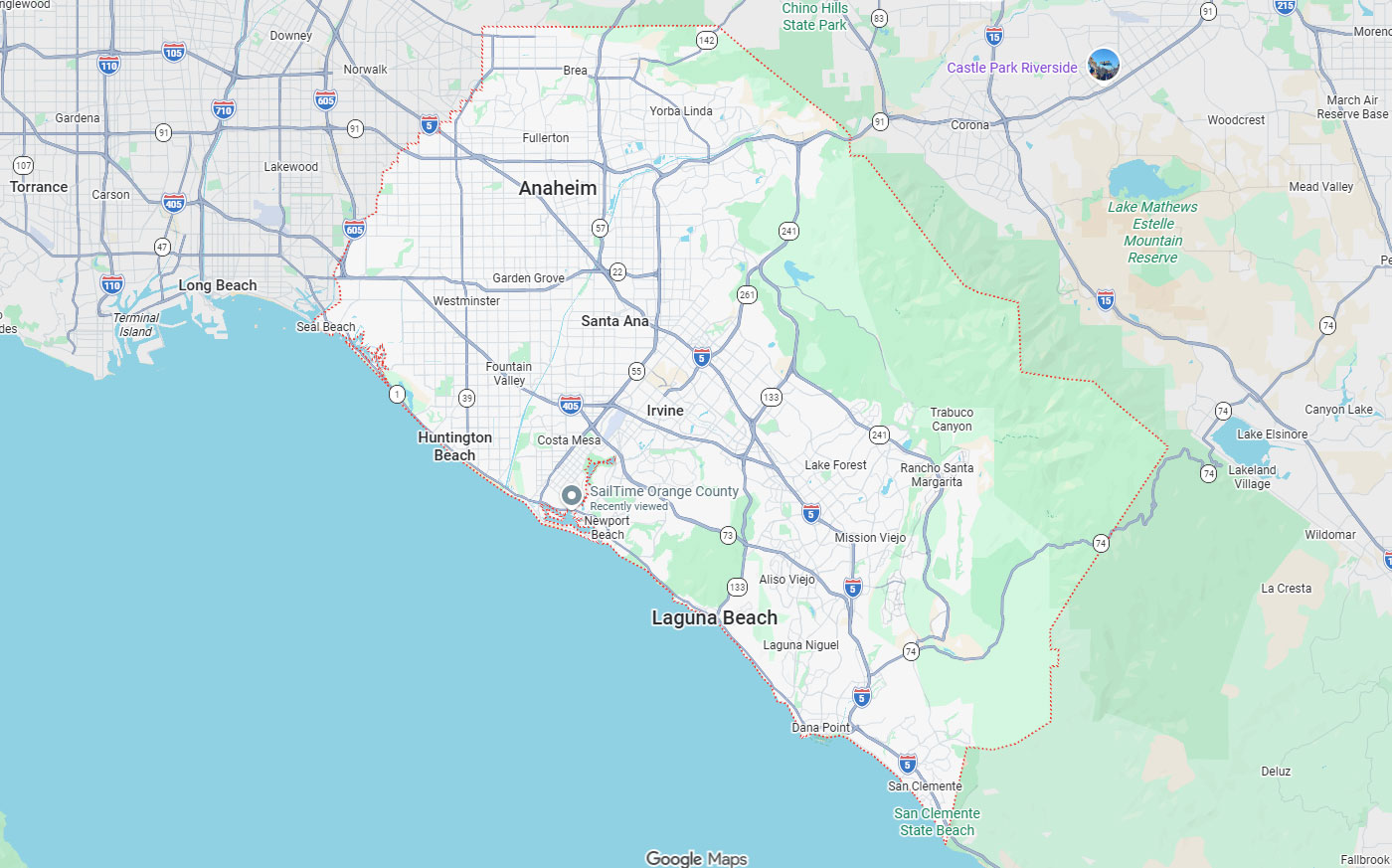
Orange, CA
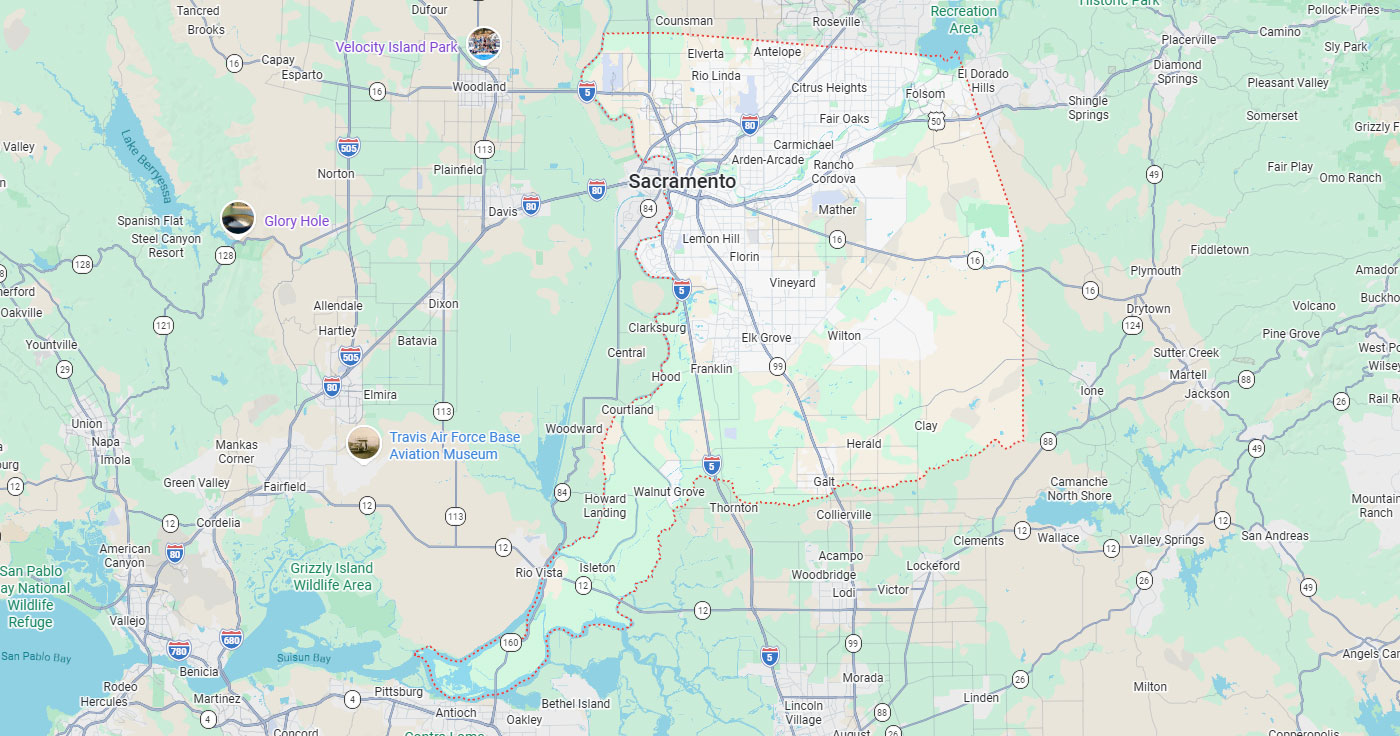
Sacramento, CA
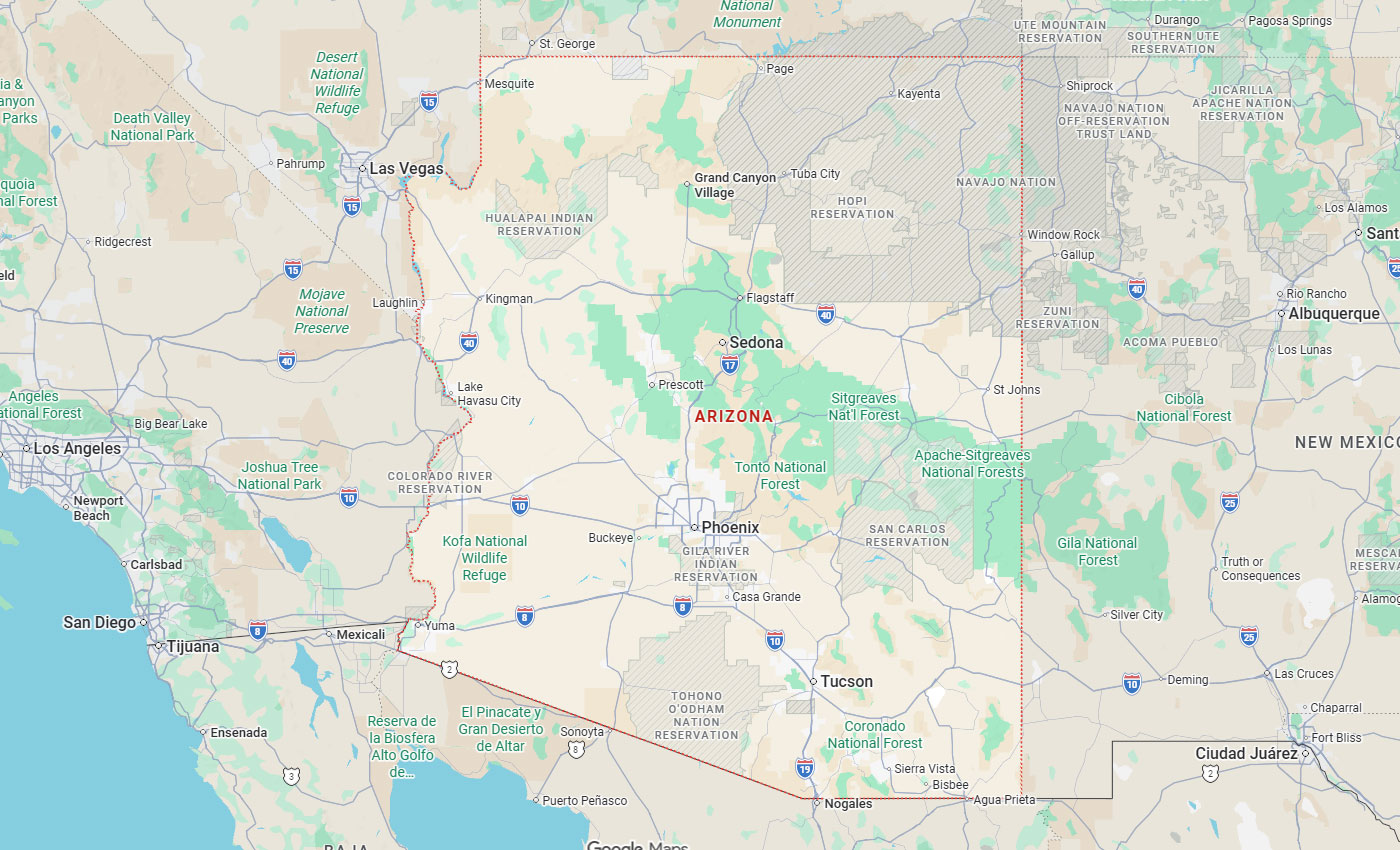
Phoenix, AZ
Key Takeaways
Underground utilities grow denser every year. Gas lines, fiber optics, and water mains crisscross beneath cities in congested corridors. Traditional backhoes and hand digging can't keep pace with the precision modern projects demand. Vacuum excavation, using pressurized water and powerful suction to remove soil without damaging buried infrastructure, has emerged as the solution.
This article examines the vacuum excavation trend reshaping how contractors approach underground work. The drivers are clear: fewer utility strikes, faster project completion, lower costs, and regulatory compliance that increasingly mandates non-destructive methods.
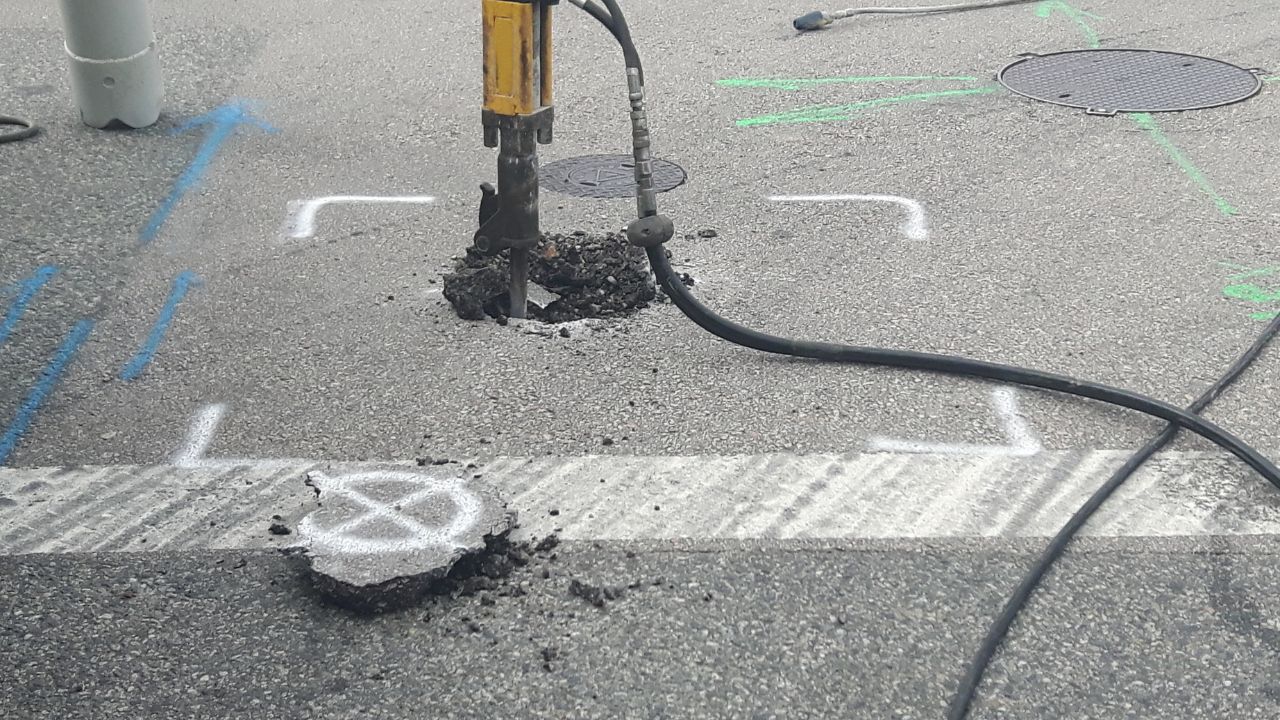
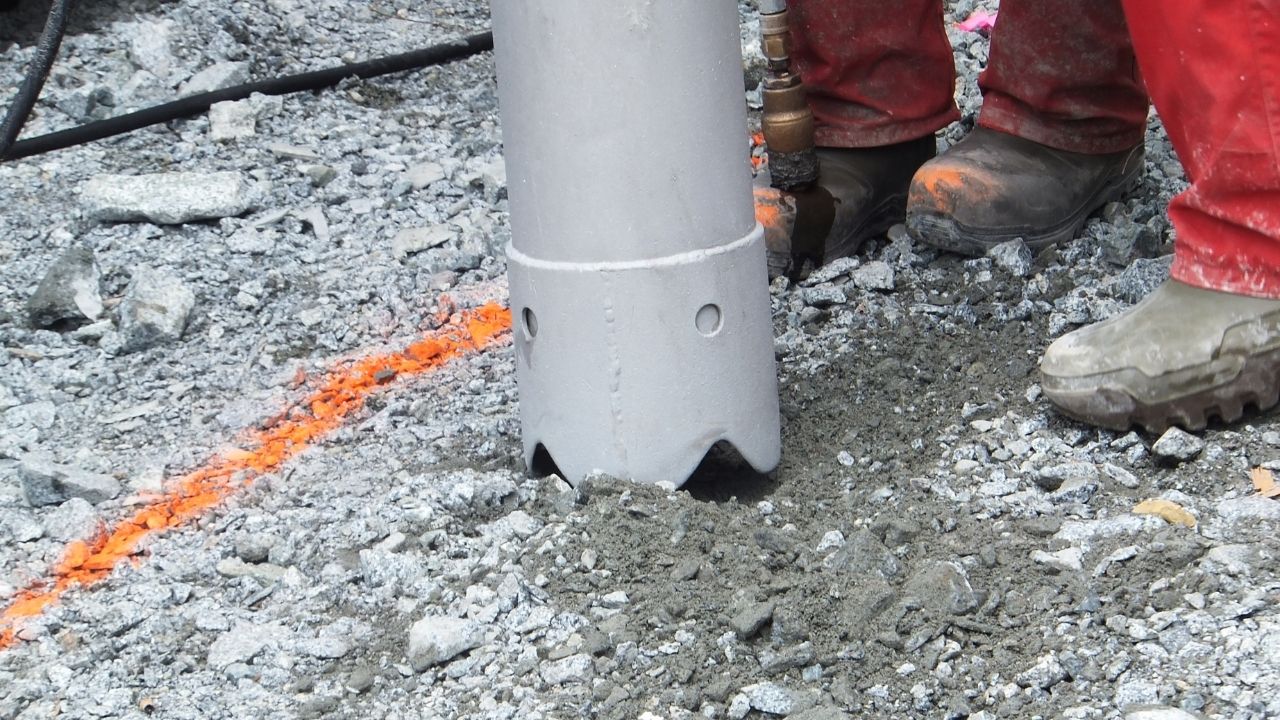
Vacuum excavation combines two simple forces: high-pressure water and industrial-strength suction. Pressurized water jets break up soil into slurry. A powerful vacuum immediately extracts the loosened material into an onboard debris tank. No metal blades contact buried utilities. No manual digging risks striking a gas line. The result is precise, controlled excavation that exposes underground infrastructure safely.
Modern hydrovac trucks integrate these systems into self-contained mobile units. Operators control water pressure to match soil conditions, higher for clay, lower near fragile utilities. Extended hoses reach excavation points up to 300 feet from the truck, enabling work in tight spaces or difficult terrain. Heated water systems allow year-round operation, even in frozen ground. This is why vacuum excavation and potholing services have become essential for modern utility projects.
| Component | Role/Function |
| Water Pump | Delivers 10–20 GPM at pressures up to 3,000 PSI for optimal soil cutting |
| Vacuum System (Blower) | Roots-style blowers rated at 3,000–6,000 CFM for debris extraction |
| Debris Tank | Stores displaced material; 3–16 cubic yard capacity with hydraulic doors |
| Water Storage Tank | Holds 650–1,650 gallons; dual-tank models carry 1,200 gallons |
| Heating System | Boilers up to 750,000 BTU enable frozen ground excavation |
| Excavation Hose | Extends up to 300 feet for operational flexibility |
| Type | Capacity | Applications | Advantages |
| Truck-Mounted | 8–12 cu yd debris; 5,000–12,000 lb payload | Large utility projects, pipelines, municipal work | Highest capacity, year-round operation, self-contained |
| Trailer-Mounted | 3–6 cu yd | Residential, light commercial, tight urban sites | Lower cost, easier maneuverability |
| Skid-Mounted | Compact | Remote sites, indoor, specialized industrial | Flatbed transport, access-restricted site capability |
The vacuum excavation advantages over traditional methods rest on three pillars: safety, environmental responsibility, and cost efficiency. Each delivers measurable returns that compound across project portfolios.
Utility strikes remain an industry-wide problem with serious consequences. In 2022, over 160,000 utility damage events occurred in the U.S., many preventable with non-destructive methods. Understanding why utility locating is essential for construction helps contractors avoid these costly incidents.
Traditional excavation disturbs soil structure and creates contamination risks. Vacuum excavation minimizes ecological impact.
| Cost Factor | Vacuum Excavation | Traditional Excavation |
| Labor Costs | 2 operators typical | Larger crews required |
| Speed | 10× faster; 4× cheaper documented | Extended timelines |
| Equipment Damage | Virtually eliminates utility strikes | Strikes cost thousands to millions |
| Insurance Rates | Lower premiums | Higher due to elevated risk |
| Contractor Claims | 51% of savings from reduced claims | Significant claim exposure |
| Utility Strike Costs | 31% of savings from strike prevention | Each strike: tens to hundreds of thousands |
Hydrovac excavation adoption spans construction, utilities, oil and gas, municipal works, and specialized applications. Each industry benefits from the same core advantages applied to distinct operational challenges.
Construction drives the largest demand segment. The sector held 36.1% market share in 2023. Infrastructure investment accelerates adoption.
Precision excavation protects existing vegetation and historical sites while minimizing surface disruption.
The oil and gas sector demands safe, industry standard excavation around pressurized infrastructure. Mining represents 14.4% of the market share.
Project efficiency determines profitability. Vacuum excavation delivers gains across three dimensions: faster completion, reduced infrastructure disruption, and lower labor requirements. These advantages compound on complex projects where traditional methods create cascading delays.
Traditional excavation requires separate equipment for digging, loading, and hauling debris. Hydrovac consolidates these functions into one unit.
Utility strikes derail schedules and budgets. Non-destructive excavation keeps projects on track.
Labor costs drive project budgets. Vacuum excavation cuts crew size while boosting output.
Equipment capabilities have advanced rapidly. Modern hydrovac units outperform older models across every metric, power, precision, capacity, and intelligence. These improvements expand the range of viable applications while reducing operational costs.
| Feature | Modern Models | Older Models |
| Vacuum Power | Up to 6,000 CFM with Roots-style blowers | Lower CFM, less efficient extraction |
| Water Pressure Control | Adjustable; 10–20 GPM at 3,000 PSI | Fixed settings, limited adaptability |
| Debris Capacity | Up to 16 cu yd with hydraulic doors | Smaller tanks, frequent disposal trips |
| Cold Weather Capability | 750,000 BTU heating for frozen ground | Limited or no heating |
| Remote Operation | 300+ feet range with reliable connectivity | Manual operation requiring proximity |
| Maintenance | Predictive AI scheduling | Reactive maintenance after breakdowns |
Manufacturers continue refining systems for efficiency and environmental performance.
Automation and AI integration represent the next performance frontier. These technologies reduce human error and optimize operations in real time.
No technology solves every problem. Vacuum excavation has constraints related to terrain, cost, and soil conditions. Understanding these limitations helps contractors select the right method for each project.
Site conditions affect vacuum excavation effectiveness. Some environments require specialized equipment or techniques.
| Cost Category | Estimated Range | Notes |
| Purchase Price | Can exceed $450,000 | Capital barrier for smaller contractors |
| Fuel Costs | Variable | Hybrid systems reducing consumption |
| Water Supply | Ongoing expense | Recycling systems lower usage |
| Maintenance | Preventive/predictive schedules | AI-driven scheduling reduces downtime |
| Labor | 2 operators typical | Lower than traditional crew requirements |
| Training | Specialized certification required | Essential for safety and efficiency |
Soil composition directly impacts excavation performance. Operators must adapt techniques to local conditions.
Vacuum excavation excels in many applications, but it isn't universal. Project requirements, site conditions, and budget constraints determine whether hydrovac or traditional methods make more sense. Smart contractors evaluate each job individually. Request a quote to determine the best approach for your specific project needs.
Project selection requires weighing multiple variables against vacuum excavation's strengths.
Site characteristics often dictate method selection. The vacuum excavation industry standard's advantages multiply in complex environments.
Some projects don't require vacuum excavation's precision. Traditional methods remain appropriate in specific scenarios.
The industry of underground utility locating continues evolving. Automation, sustainability requirements, and market expansion shape vacuum excavation's trajectory. These trends will accelerate adoption and expand applications over the coming decade.
Technology integration transforms operational capabilities. Next-generation systems reduce human error and enhance safety.
Environmental mandates and corporate sustainability goals drive adoption. Vacuum excavation aligns with green construction practices.
Market growth expands service availability. Entry barriers continue falling for contractors of all sizes.
Vacuum excavation is quickly becoming the industry standard for a reason, with data showing it outperforms traditional excavation methods across critical areas such as speed, safety, cost, environmental impact, and regulatory compliance. As infrastructure ages and underground utility networks become more complex, precision excavation is increasingly essential.
Vacuum excavation, particularly hydrovac technology, offers unmatched efficiency, completing projects up to 10 times faster, cutting down project timelines by a third, and significantly reducing safety risks by virtually eliminating utility strikes. Its non-destructive, water-based process minimizes environmental impact, with contained debris and reduced soil disturbance. Additionally, it offers a notable cost advantage, being four times cheaper with documented savings, and it meets essential regulatory requirements like DOT mandates and OSHA standards.
As the global market for vacuum excavation continues to grow, reaching an expected $641.32 million by 2028, contractors who embrace this technology are positioning themselves for greater success, while those who stick to traditional methods will face increasing competition and risks. The shift to vacuum excavation isn't just a trend; it's a transformative change that offers significant advantages for contractors in terms of speed, safety, cost-effectiveness, and regulatory compliance.
Ready to bring vacuum excavation efficiency to your next project? Contact Bess Utility Solutions to discuss your excavation needs.