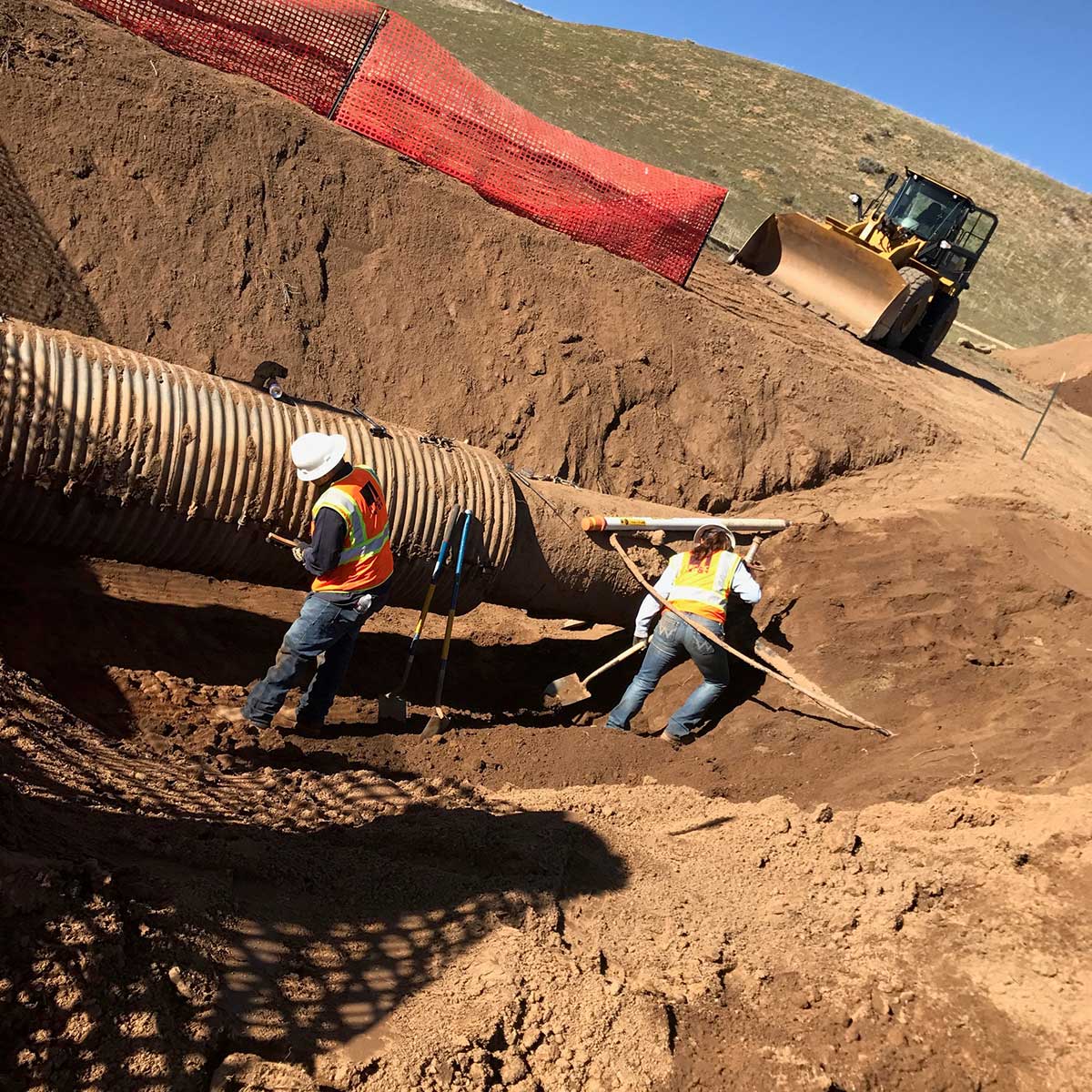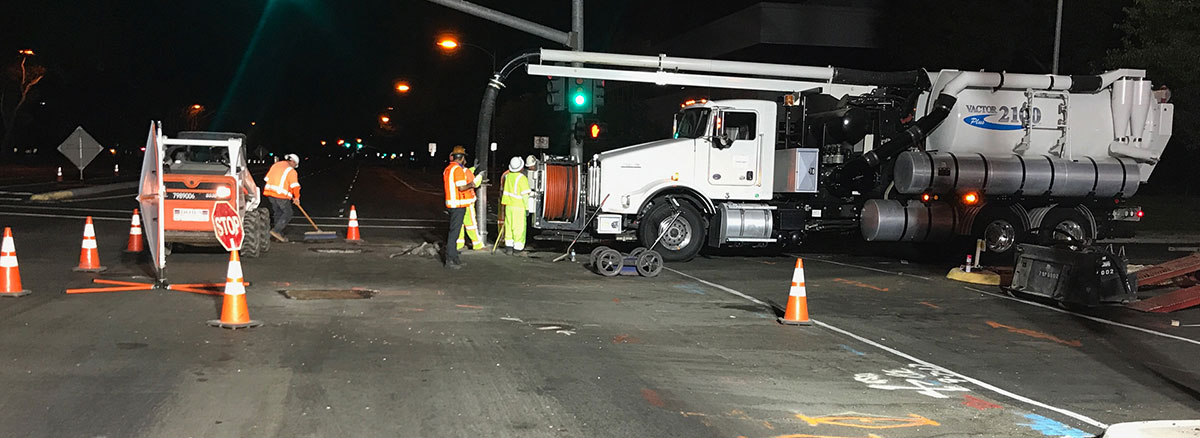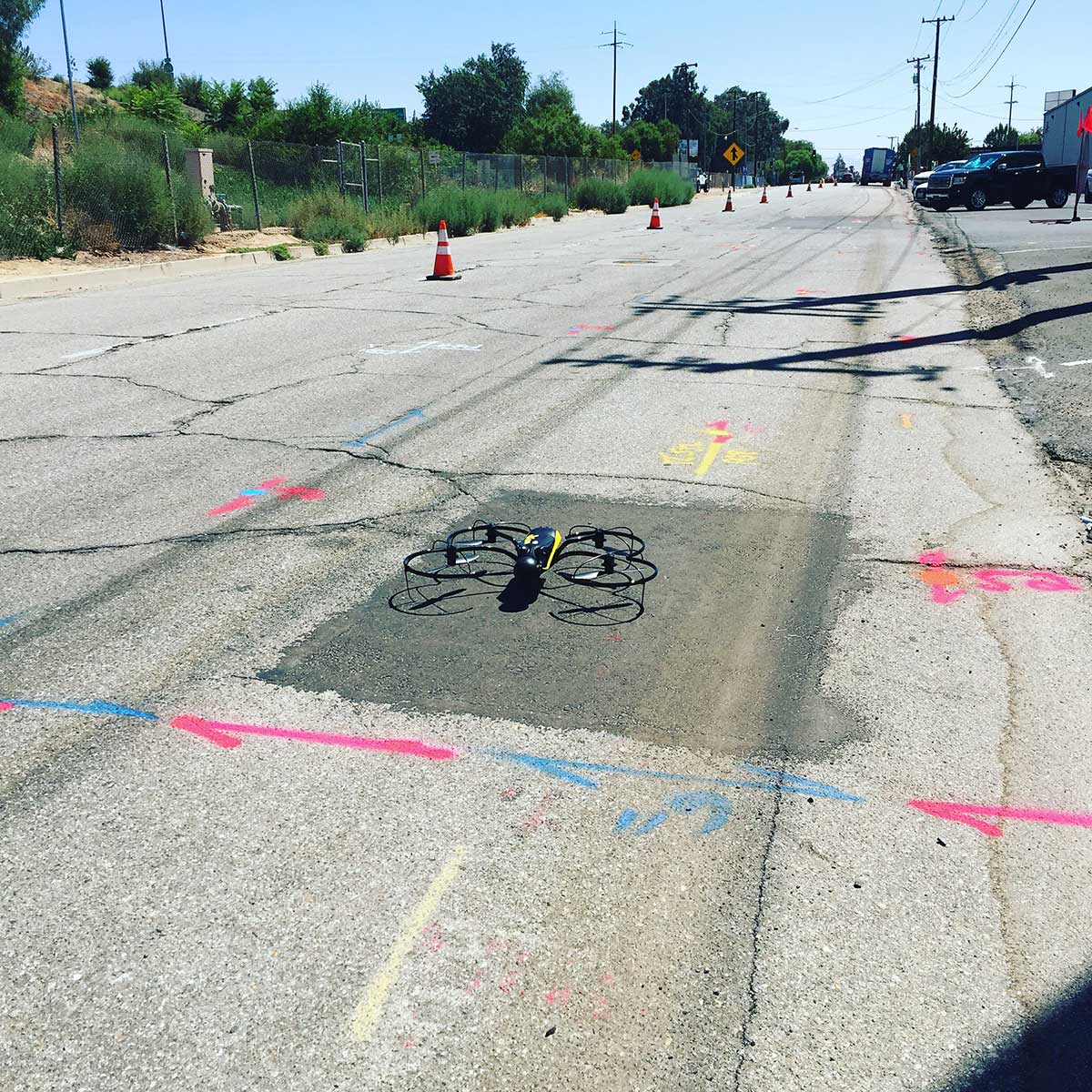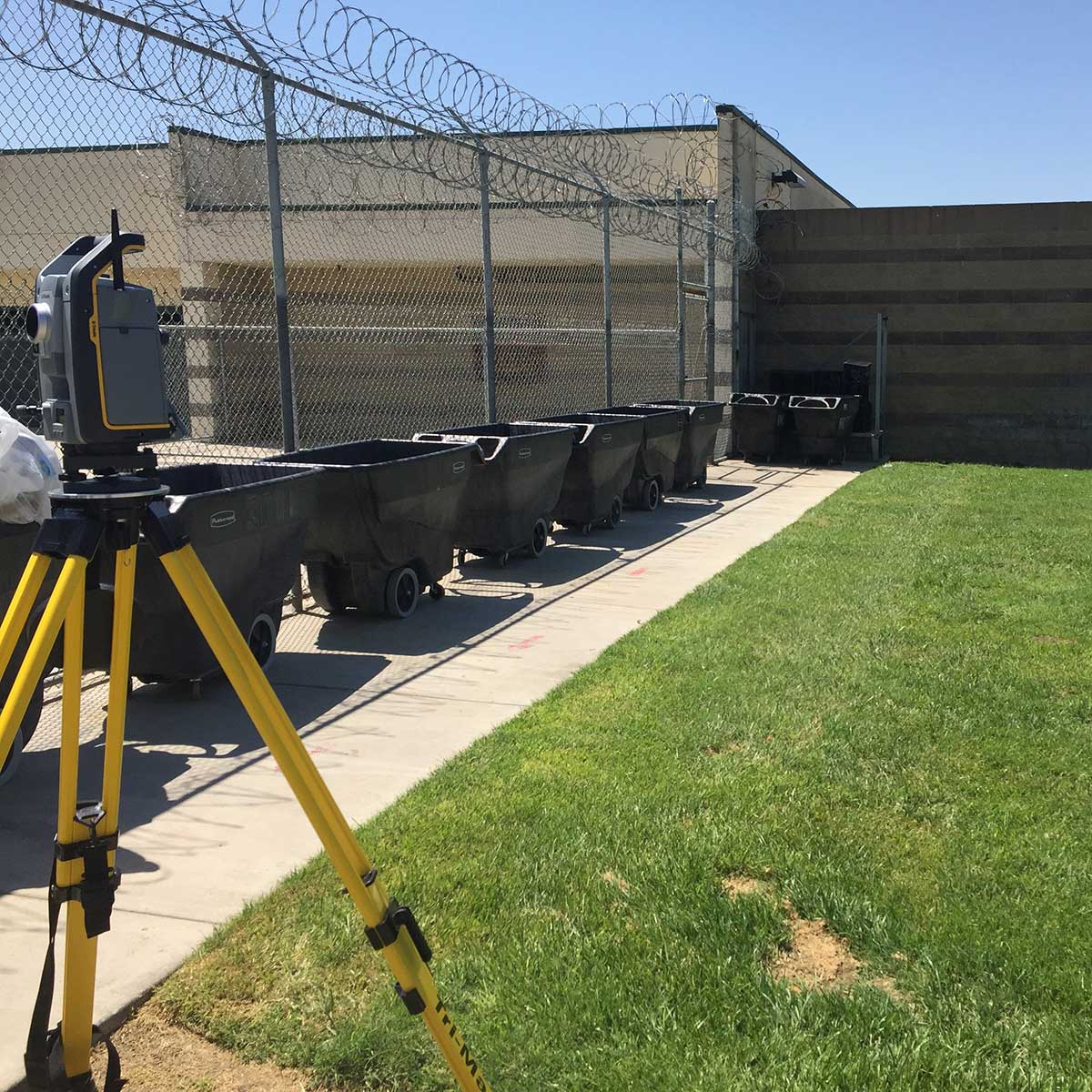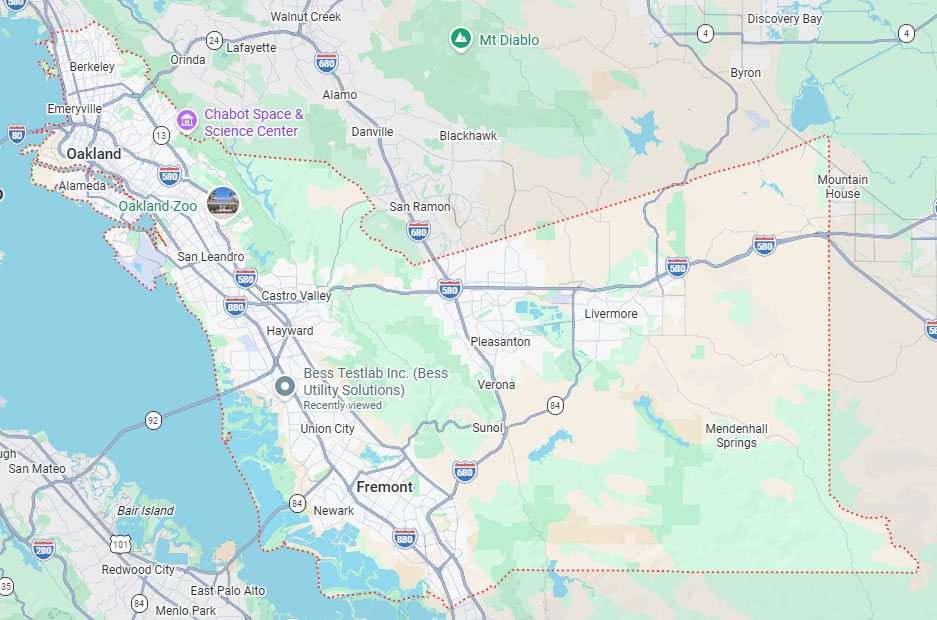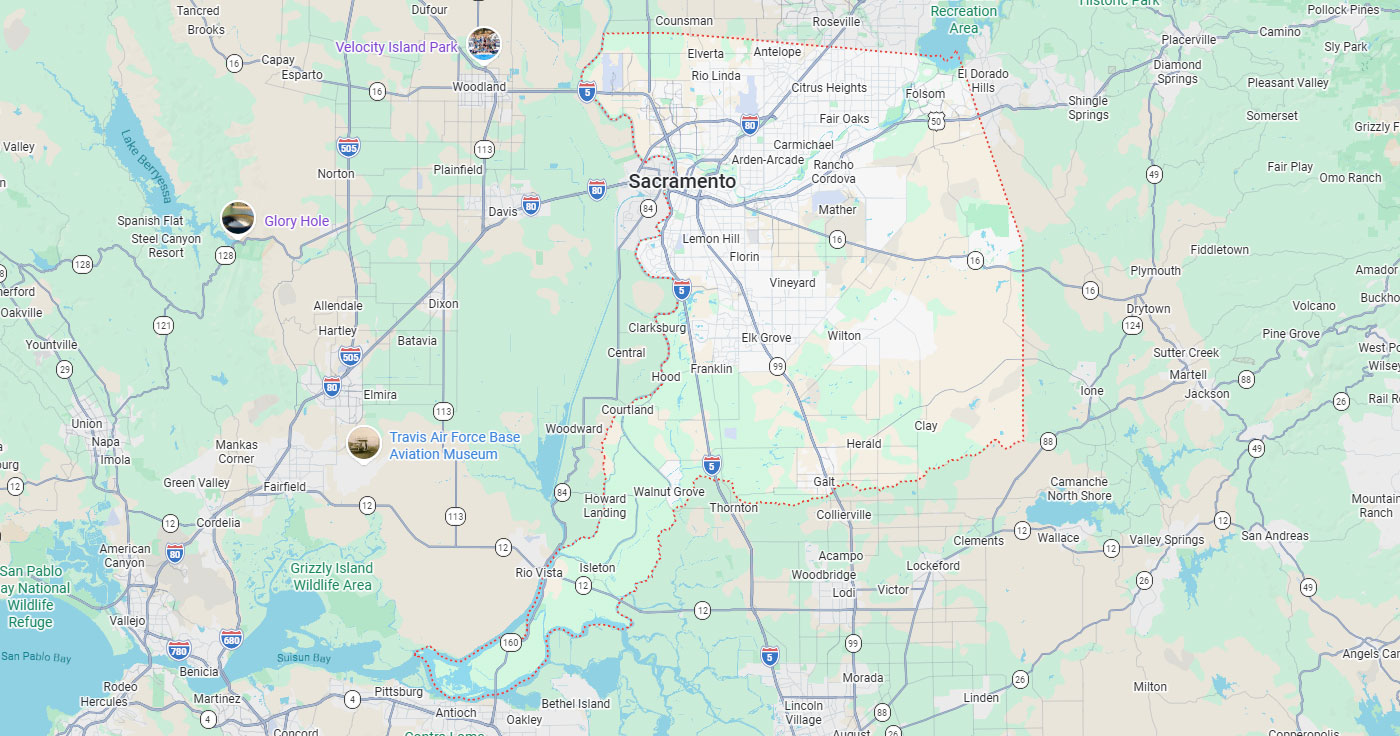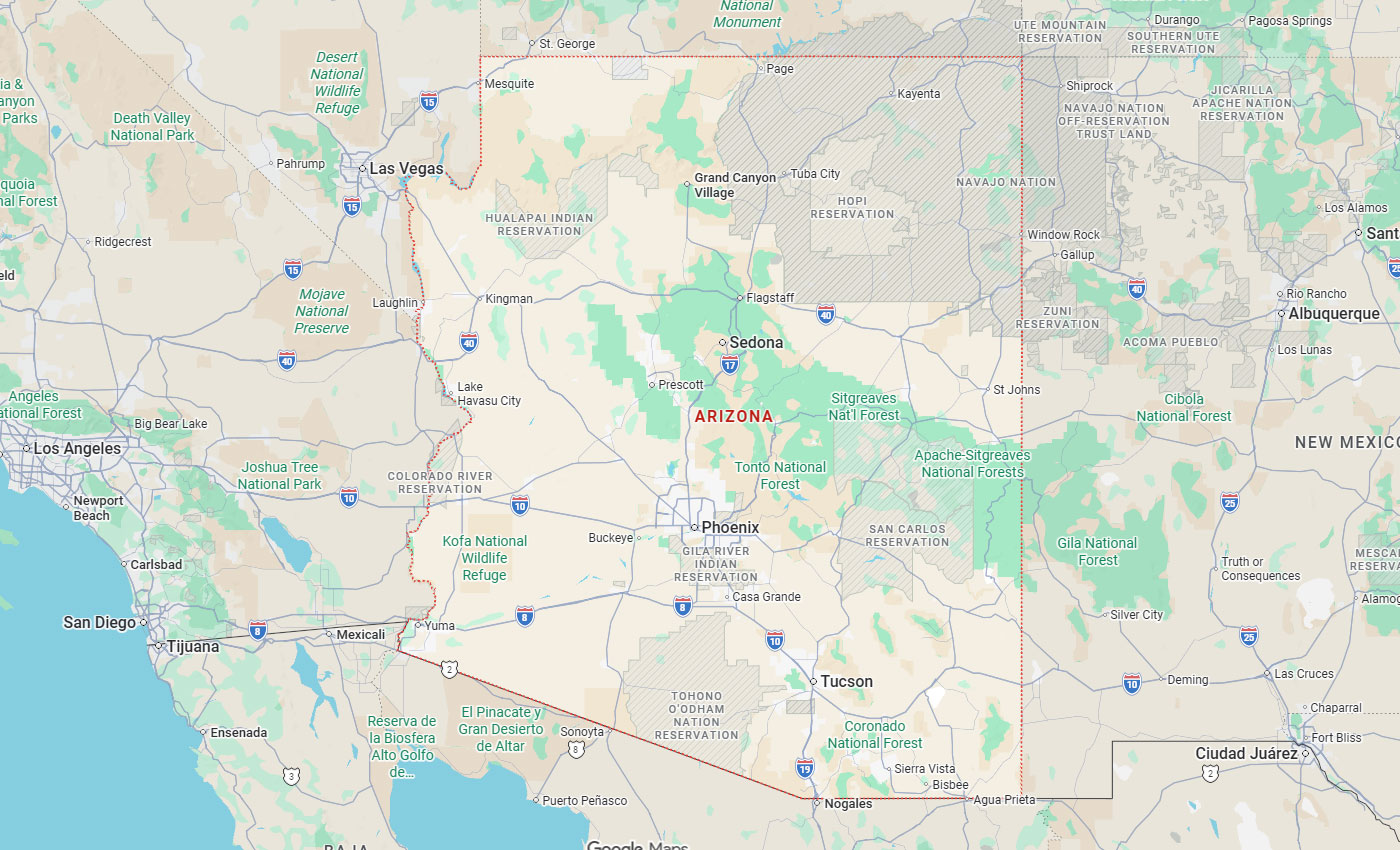
Hayward, CA
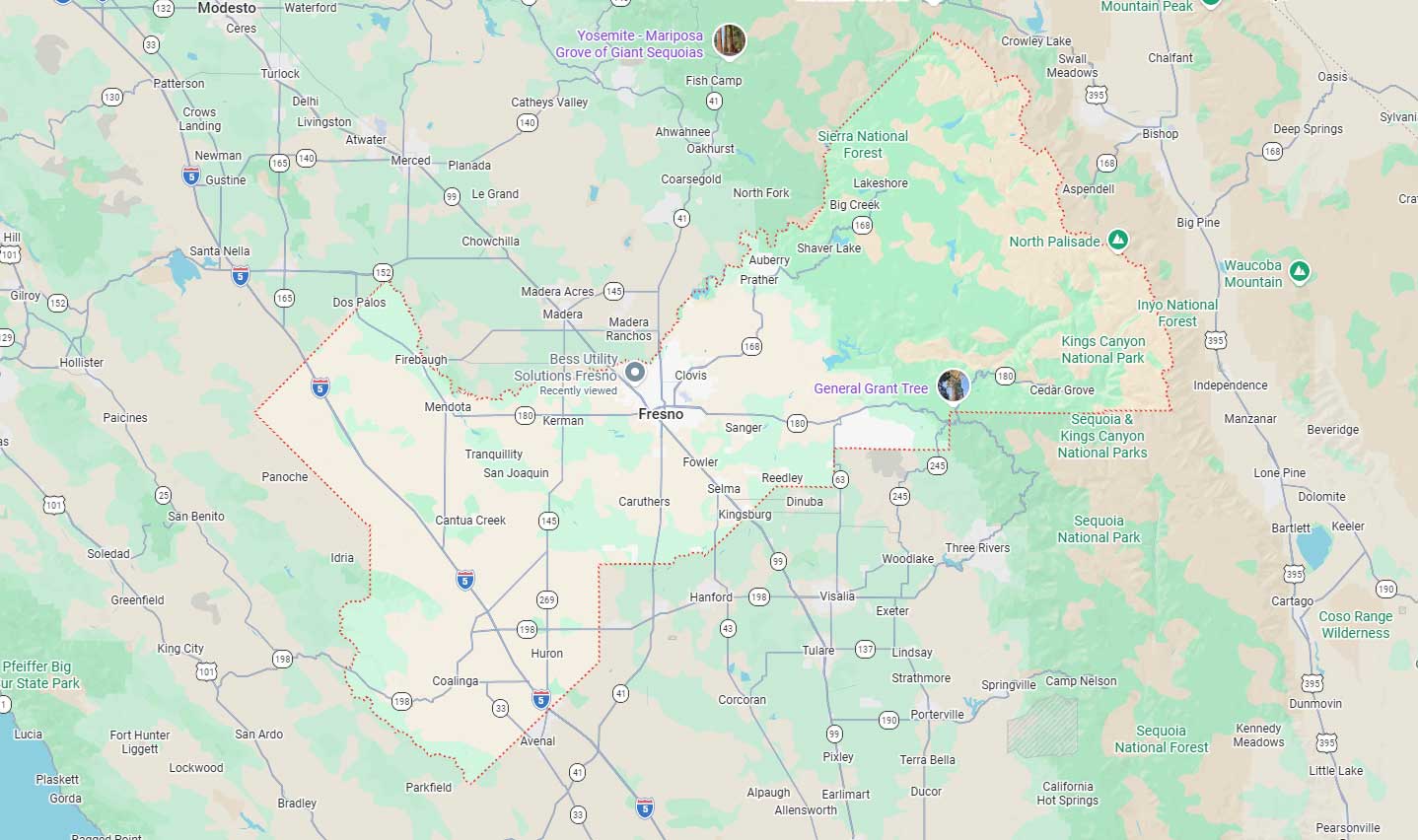
Fresno, CA
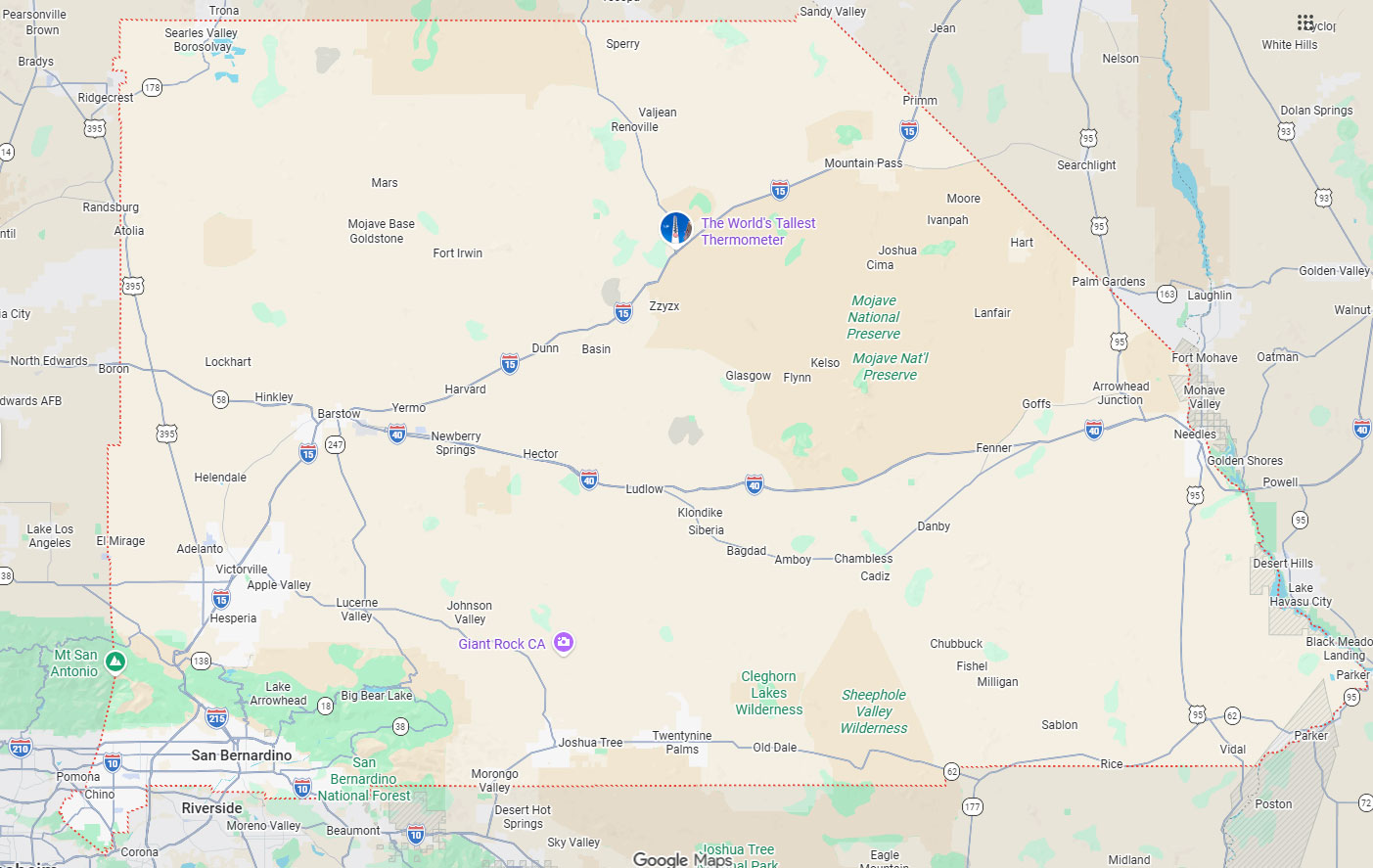
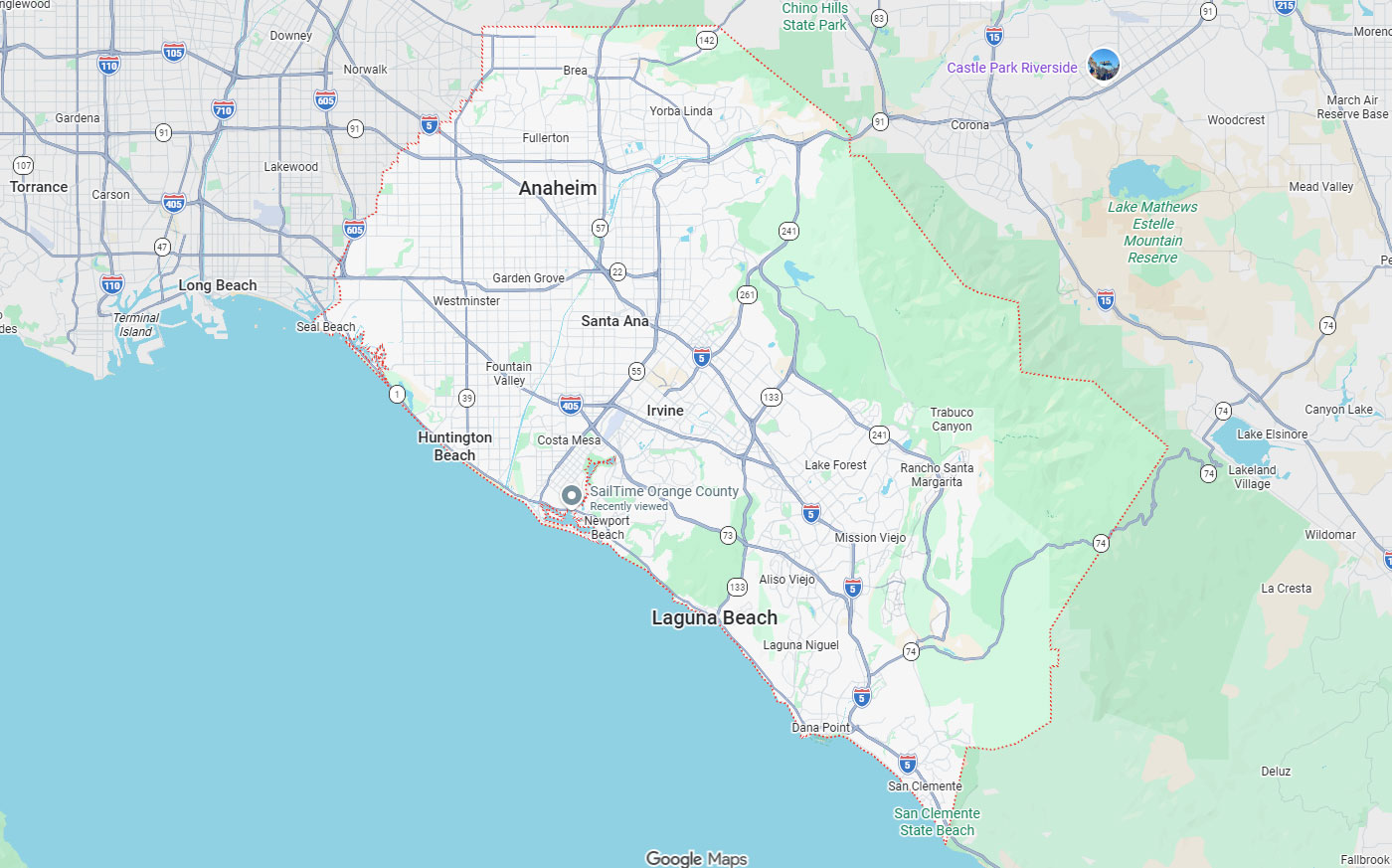
Orange, CA
Sacramento, CA
Phoenix, AZ
Utility potholing delivers measurable advantages for any excavation project:
The primary purpose of utility potholing services is to obtain accurate, verified data about underground infrastructure before excavation begins. While utility maps and electronic locating tools provide valuable initial information, these methods cannot confirm the exact depth or condition of buried utilities. Potholing bridges this gap by creating direct visual access to subsurface infrastructure.
Bess Utility Solutions uses vacuum excavation potholing to achieve ASCE 38-02 Quality Level A certification—the highest standard of data reliability for underground utility locating. This verification process helps construction teams avoid utility strikes that cause project delays, budget overruns, and potential injuries on the job site.
When heavy equipment operates near unmarked or inaccurately mapped utility lines, the consequences can be severe. A single strike on a gas line or buried electrical line can halt operations, trigger costly repairs, and create dangerous conditions for workers and the surrounding community.
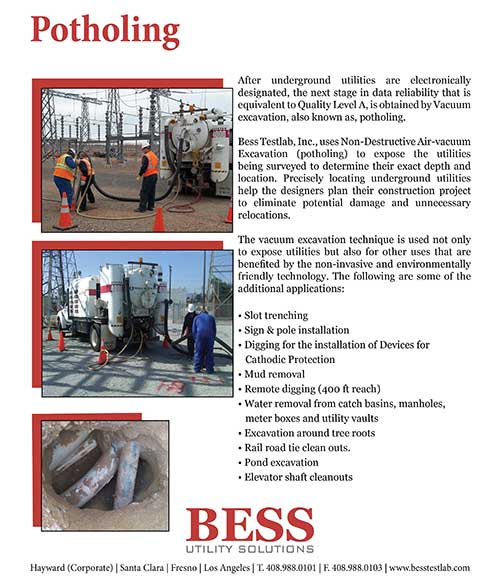
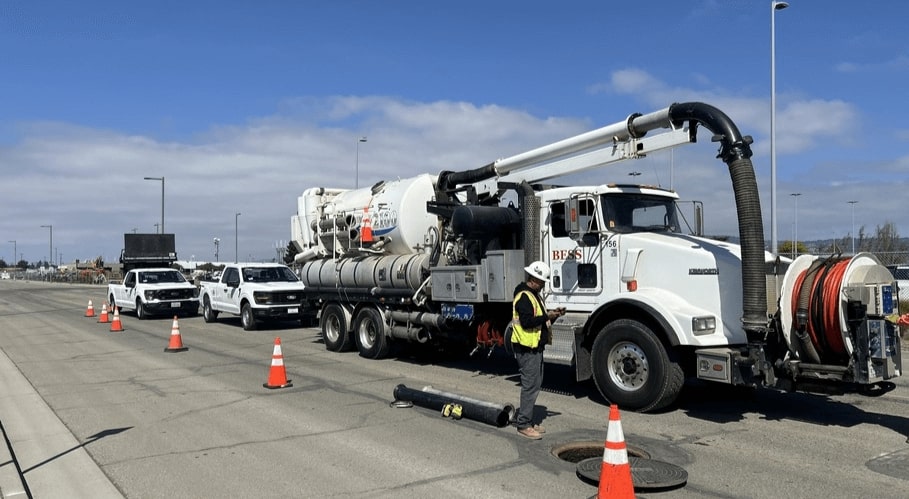
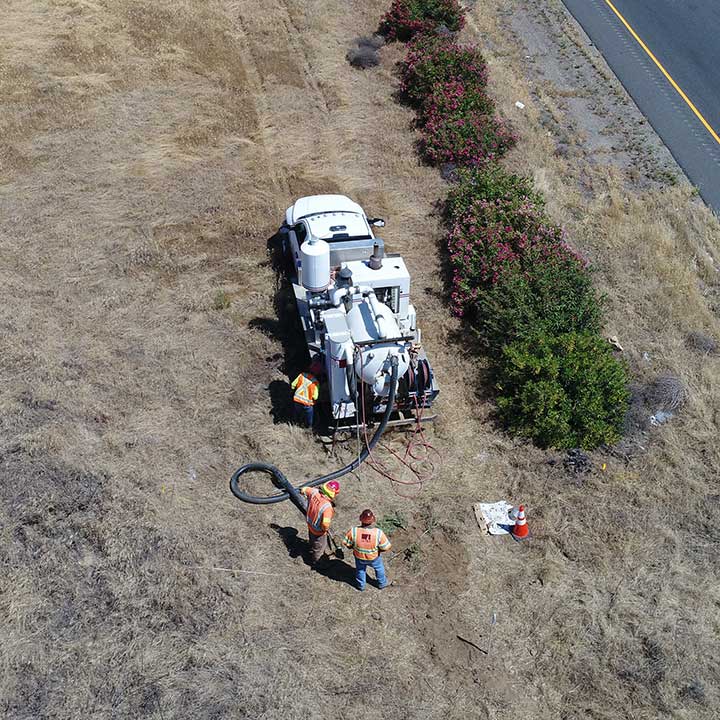
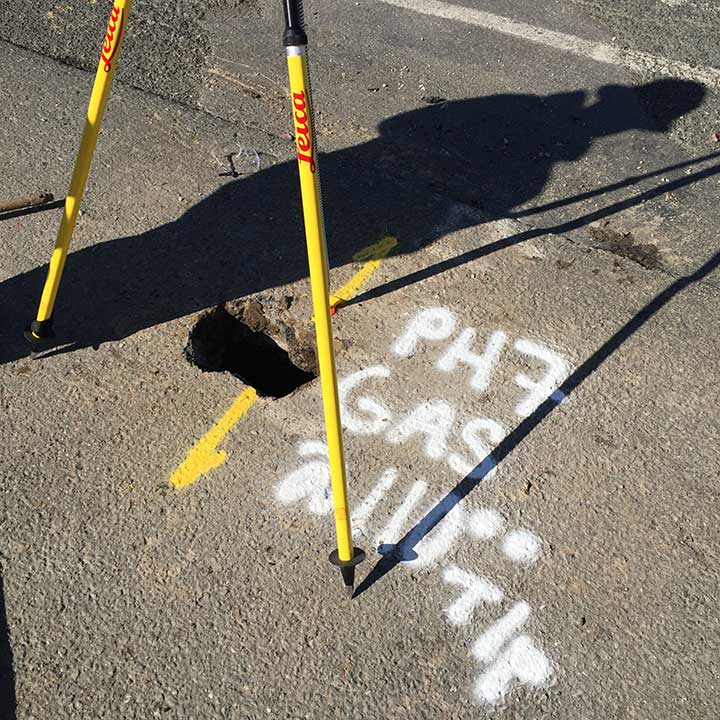
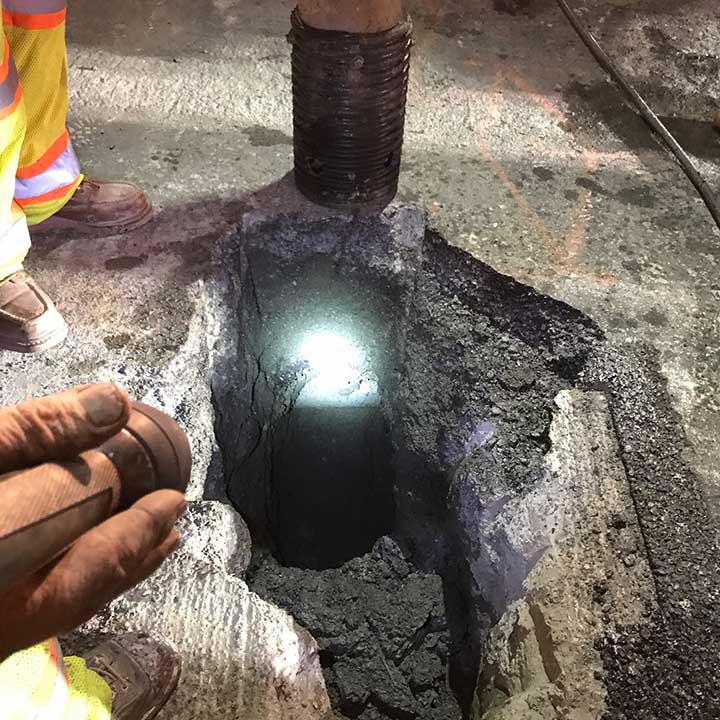
Air Vacuum: Bess Utility Solutions uses non-destructive air-vacuum excavation (potholing) to expose the utilities being surveyed to determine their exact depth and location. Precisely locating underground utilities helps the designers plan their construction project to eliminate potential damage and unnecessary relocations.
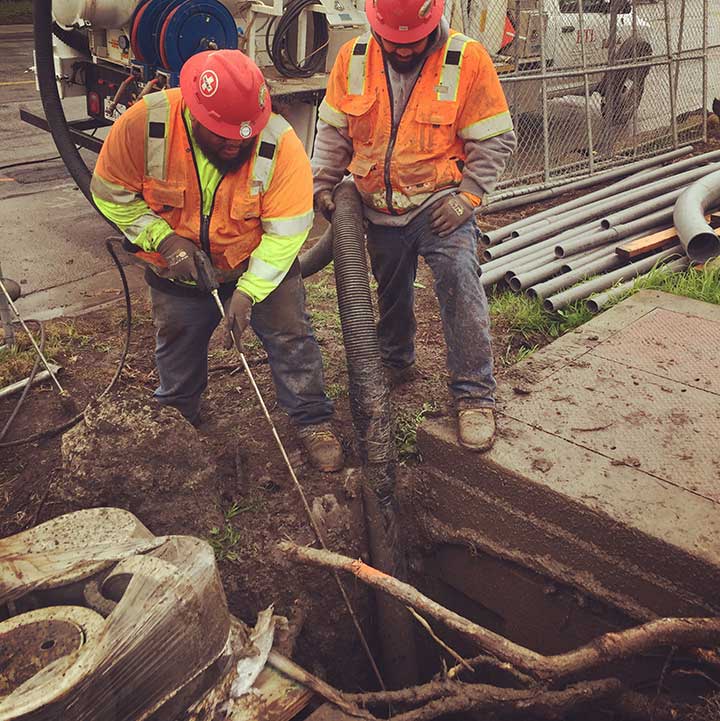
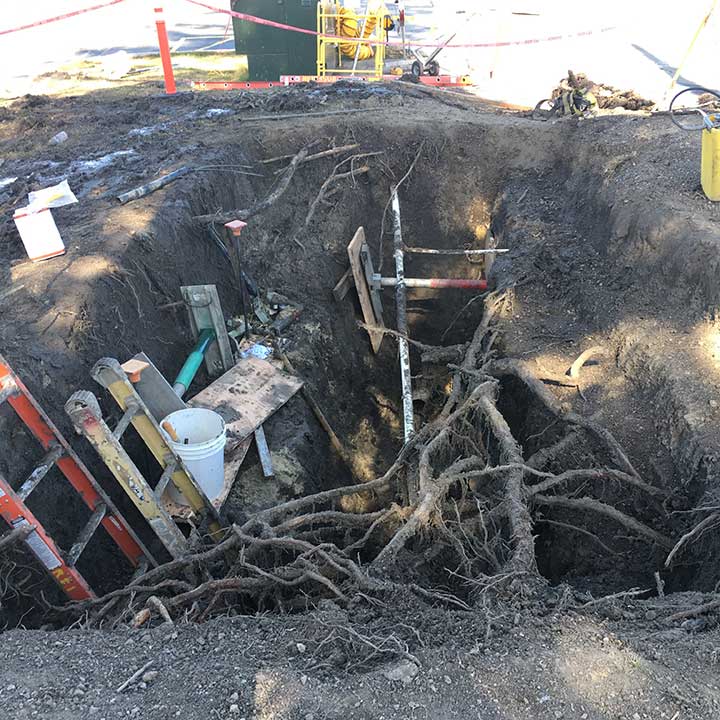
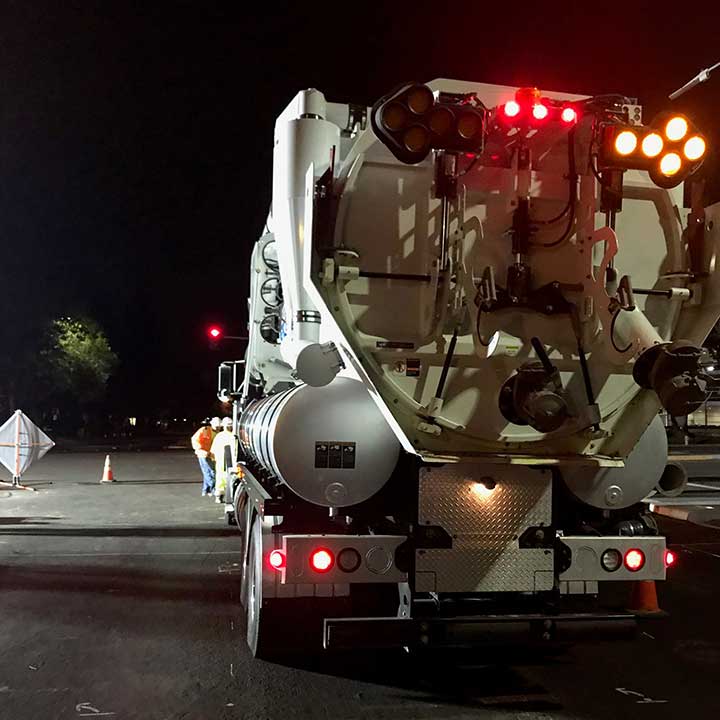
Hydrovac: Bess Utility Solutions also extends to larger excavations using trucks with 10 and 12 Y tank capacities, and we support the hauling off and disposal of wet and dry spoils. We leave the guesswork out of the equation for our clients in their projects using our hydro vacuum excavation. With Bess Utility Solutions, which has the most versatile fleet of vac trucks, no excavation job is too big or too small.
Bess Utility Solutions provides the safest and most efficient methods of air and hydro vacuum excavation for safe digging. We expose utilities being surveyed and provide solutions to mitigate underground utility-related risks prior to excavation.
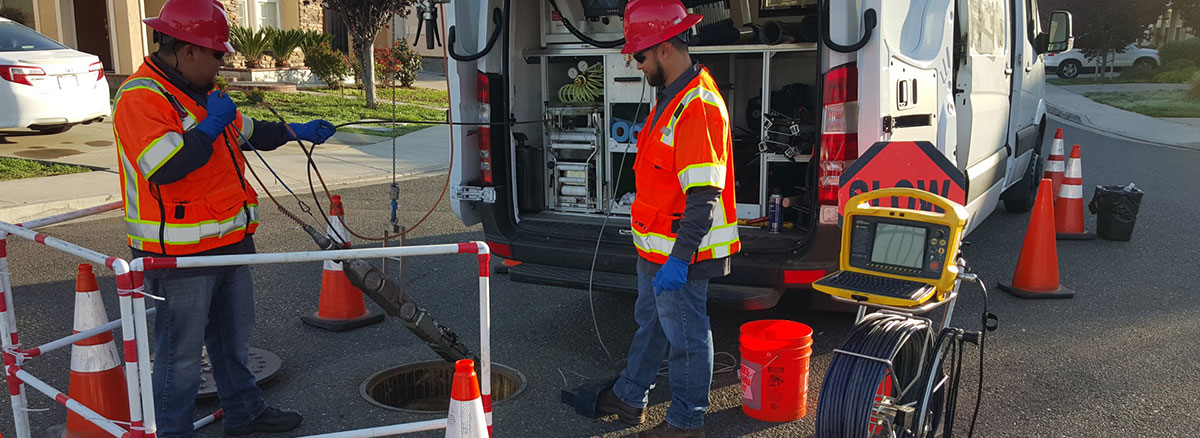
Our highly-trained field associates precisely locate underground utilities to help designers plan their construction projects and eliminate potential damage. We begin by securing all required permits and conducting safety meetings and traffic control prior to any field work being performed.
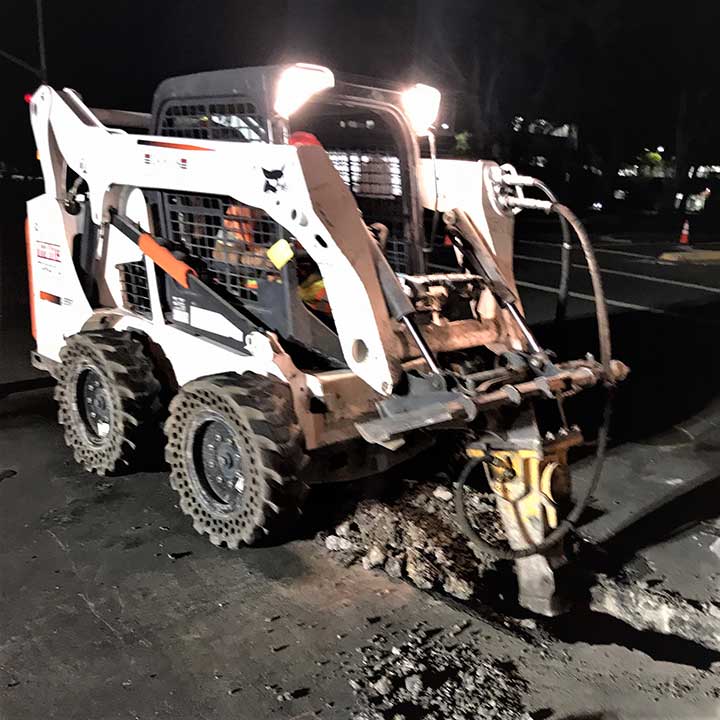
To ensure superior performance, we will use a combination of air and hydro vac trucks to collect critical utility data. Once we have located and identified critical subsurface utilities for your project, our restoration crew members will perform surface restoration per city and county standards using one of the following methods:
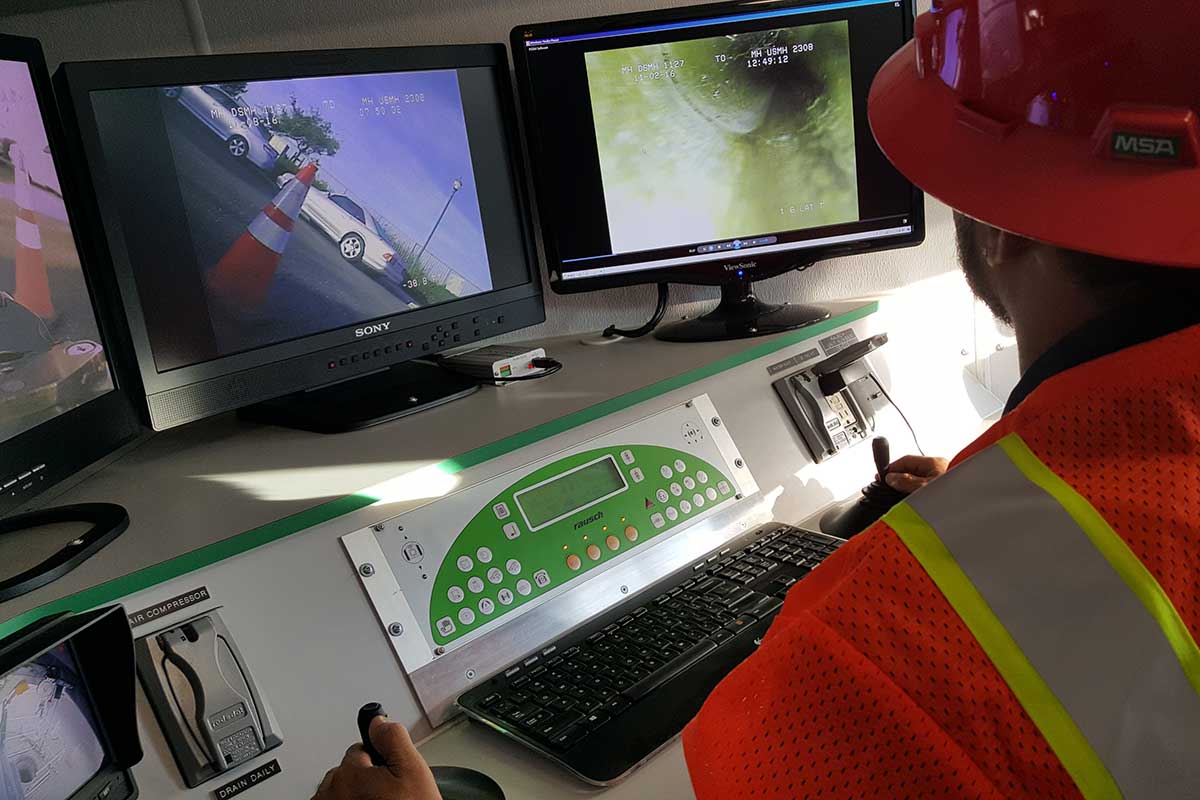
Our deliverables range from a basic picture report with a tabulation of utility data to a survey-grade shape file or AutoCAD drawing.
Consider us your one-stop shop for all your utility solutions in California. Our professional team takes pride in our work, taking extra measures to exceed the expectations of our clients. We strive to protect the integrity of all underground utilities and to ensure the safety of our community.
Understanding the differences between potholing, trenching, and excavation helps project managers select the appropriate method for their specific requirements. Each technique serves distinct purposes and carries different implications for cost, safety, and site disturbance.
Potholing and trenching serve fundamentally different purposes in construction and utility management.
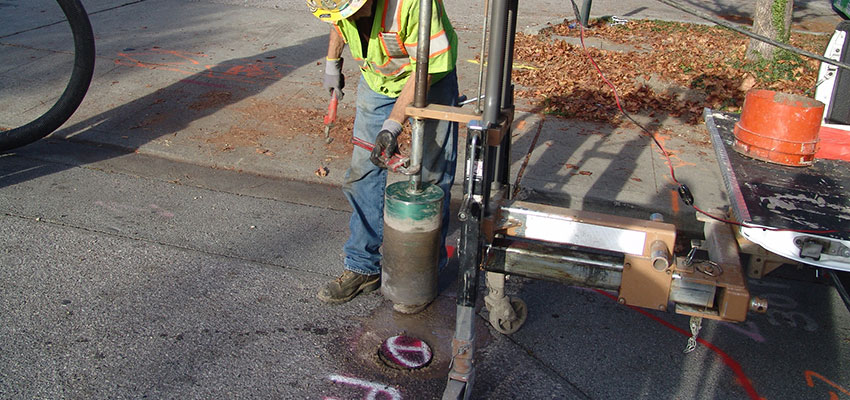
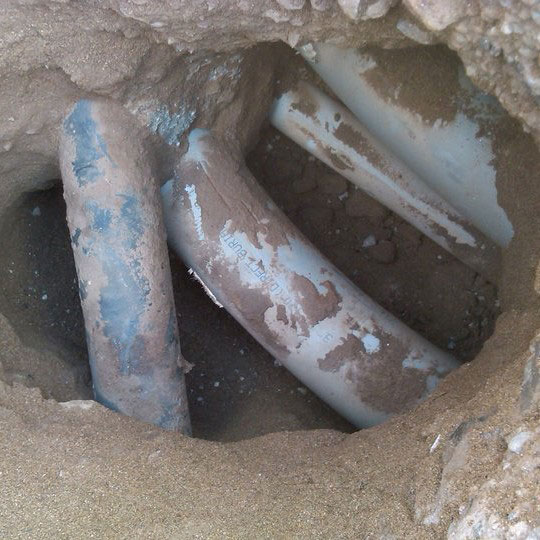
Vacuum excavation potholing is designed for precision verification. When underground utility locating identifies potential conflicts, potholing creates targeted openings—typically 12 to 18 inches in diameter—to confirm exact utility positions. This non-destructive excavation method exposes only what is necessary, leaving surrounding soil conditions intact.
Trenching excavates continuous channels that may extend hundreds of feet. While effective for installing new utility lines or exposing long runs of existing infrastructure, trenching creates significant surface disruption. The method requires more extensive restoration work and increases the risk of encountering unmarked utilities along the trench path.
From a cost perspective, potholing typically requires less equipment time, reduced labor, and minimal surface restoration. Trenching projects involve greater material handling, longer timelines, and more extensive site repair.
Traditional excavation and potholing represent opposite ends of the disturbance spectrum.
Large-scale excavation removes substantial soil volumes using heavy equipment such as backhoes, excavators, and construction lifts. This approach is necessary for foundation work, basement construction, and major infrastructure projects. However, traditional excavation carries elevated risks when underground infrastructure is present. Striking a gas line or water main with heavy equipment can cause catastrophic damage, power and utility disruption, and serious injuries.
Hydrovac excavation and vacuum excavation potholing offer a safer alternative for utility verification. These methods use pressurized water or compressed air to loosen soil, which is then removed by powerful vacuum systems. The process is precise, controlled, and incapable of damaging underground lines the way mechanical excavation can.
Selecting the right excavation method depends on project scope, utility complexity, and site conditions.
Choose potholing when:
Choose trenching when:
Choose traditional excavation when:
Bess Utility Solutions recommends potholing as the first step for any project involving underground infrastructure. Verifying utility locations before committing to larger excavation methods prevents costly repairs and protects project timelines.
Utility potholing services provide critical safety benefits that protect workers, infrastructure, and surrounding communities. When construction crews operate without verified utility data, they risk striking gas lines, water pipes, or buried electrical lines—incidents that can cause explosions, flooding, electrocution, and life-threatening accidents.
Non-destructive excavation eliminates these hazards by exposing utilities before mechanical digging begins. Hydro excavation and air vacuum systems cannot cut through pipes or cables the way backhoe buckets and trencher blades can. This fundamental safety feature makes vacuum excavation potholing the preferred method for projects near known or suspected underground infrastructure.
Bess Utility Solutions prioritizes project safety on every job site. Our trained technicians follow strict protocols for utility exposure, ensuring that all underground lines are properly identified and marked before excavation proceeds. This approach minimizes human error and prevents the accidents that occur when crews rely solely on utility maps or surface markings.
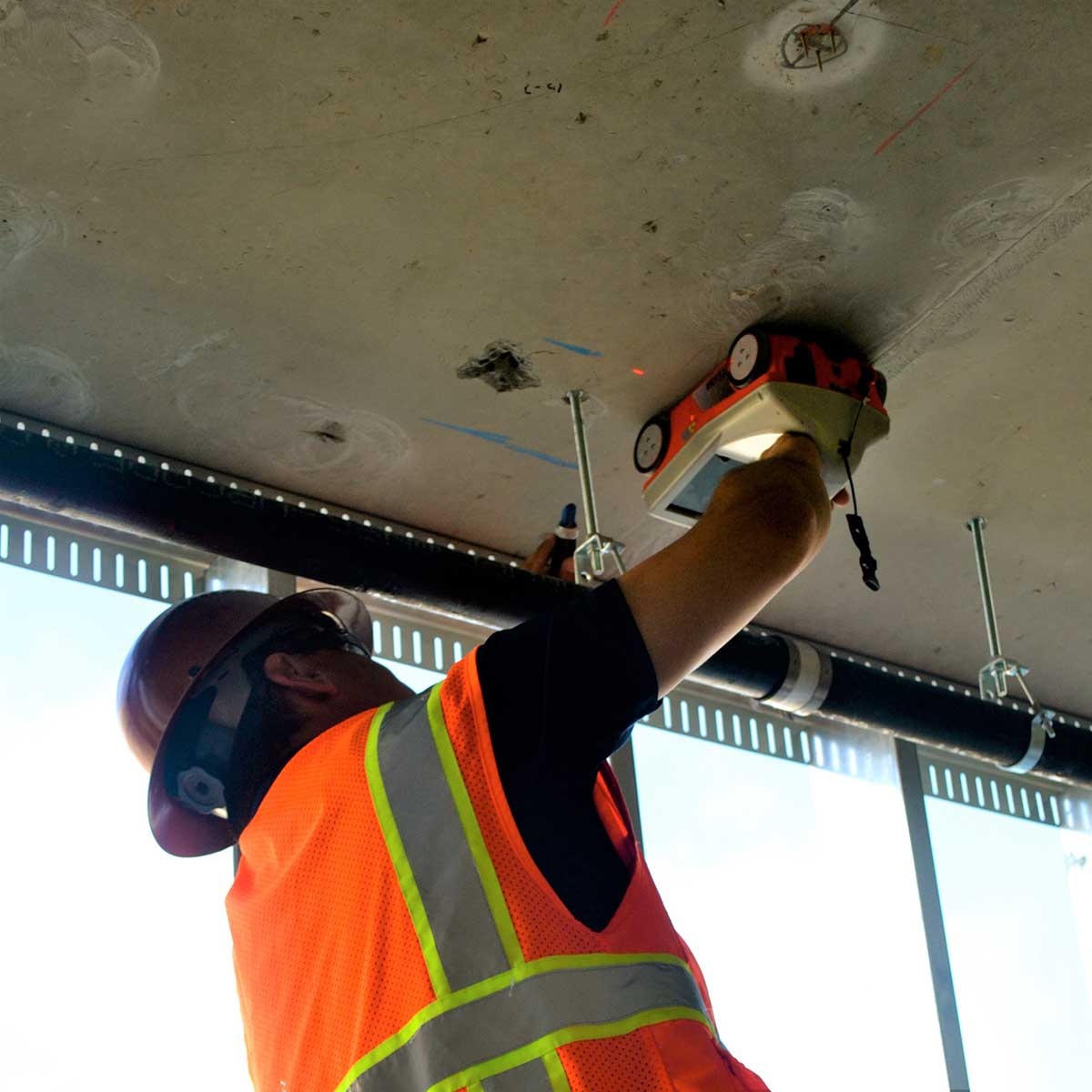
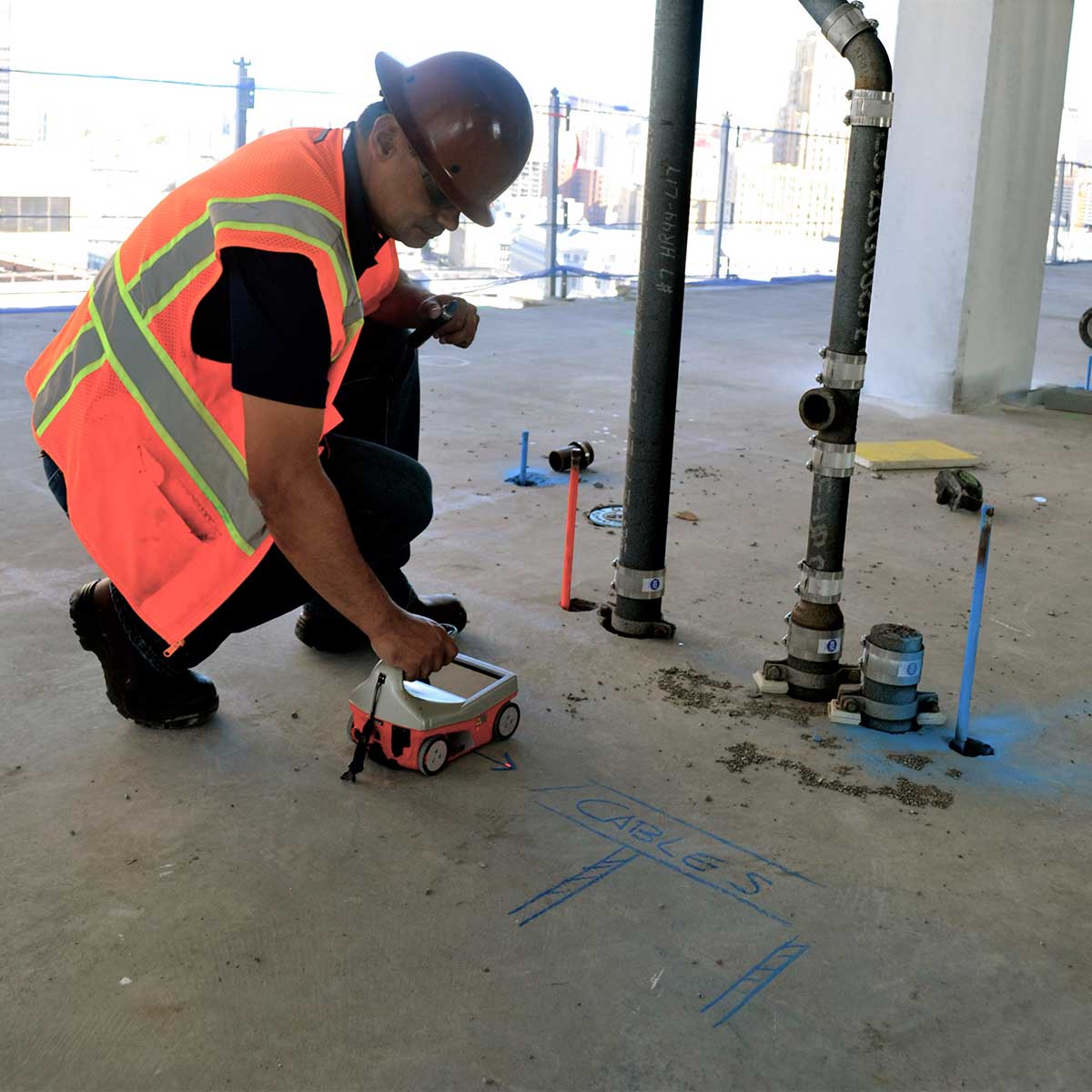
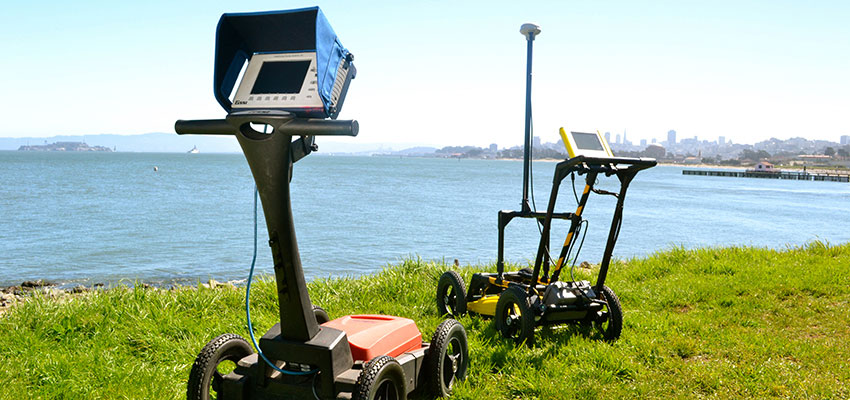
Potholing delivers precise data that surface-detection methods cannot match. While ground-penetrating radar and electromagnetic locators identify approximate utility positions, potholing provides exact depth measurements, material identification, and visual confirmation of utility condition.
This verified data supports accurate utility maps for future construction and maintenance projects. Engineering teams use potholing results to design around existing infrastructure, preventing conflicts that would otherwise require costly redesigns during construction.
Accurate utility information upfront accelerates the entire construction process. When project managers know exactly where underground infrastructure is located, they can plan excavation activities with confidence, schedule work efficiently, and avoid the delays caused by unexpected utility encounters.
Potholing prevents rework by identifying potential issues before construction begins. Rather than discovering conflicts mid-project—when changes are expensive and time-consuming—construction companies can address utility considerations during the planning phase.
Bess Utility Solutions delivers the reliable subsurface data that keeps projects on schedule and within budget.
Vacuum potholing, a non-destructive excavation technique, serves as a critical preparatory step for any construction project. Hiring a private utility locator like Bess Utility Solutions serves as damage prevention to accurately detect underground infrastructure.
Our commitment is to provide high-quality, reliable vacuum potholing excavation services that meet the stringent demands of modern construction and utility maintenance.
Equipped with the latest technology, we stand ready to ensure your projects proceed safely and efficiently, with minimal risk to underground utility lines. Specializing in precision-based underground utility detection services, we ensure the safety and efficiency of your construction and maintenance projects with our state-of-the-art technology and experienced team.
Bess Utility Solutions uses non-destructive air-vacuum excavation (potholing) to expose the utilities being surveyed to determine their exact depth and location. Precisely locating underground facilities and utilities helps the designers plan their construction projects to eliminate potential damage and unnecessary relocations.
Our vacuum excavation process begins with a detailed assessment of the project site. Using state-of-the-art vacuum excavators, our trained technicians first identify the exact location of underground utilities.
Once these areas are marked, our vacuum excavators utilize high-pressure water or air to loosen the soil. This non-invasive method allows us to get visual confirmation of gas lines, underground pipes, utility poles, and more, significantly minimizing the risk of damaging these critical infrastructures.
The excavated soil is then removed using a powerful vacuum system, transporting it to a debris tank for safe disposal or reuse. This process provides a clear view of the underground utilities, allowing for accurate mapping, inspection, and planning of further construction or maintenance activities.
The vacuum excavation technique is used not only to expose utilities but also for other applications that benefit from non-invasive and environmentally friendly technology. The following are some of the additional applications:
Our vacuum excavation technique is designed with safety at its core. By avoiding mechanical digging methods, we significantly reduce the risk of accidentally striking utility lines, which can lead to costly repairs, project delays, and potentially hazardous situations. Our technicians are trained in the latest safety protocols, ensuring a secure work environment for everyone involved.
Our client’s success is our top priority. Our approach to vacuum excavation potholing is a reflection of our dedication to delivering services that not only meet but exceed expectations. From initial consultation to project completion, we work closely with our clients, ensuring transparency, reliability, and unmatched quality.
Don’t leave your project to chance. Ensure accuracy from the start with our state-of-the-art vacuum excavation service. Our expert team is ready to provide you with a comprehensive solution that meets your specific needs, all while safeguarding your project against unforeseen complications.
Discover how our vacuum excavation and potholing services can add value to your project, save you time, and reduce costs in the long run. Contact Bess Utility Solutions today or request a free quote!