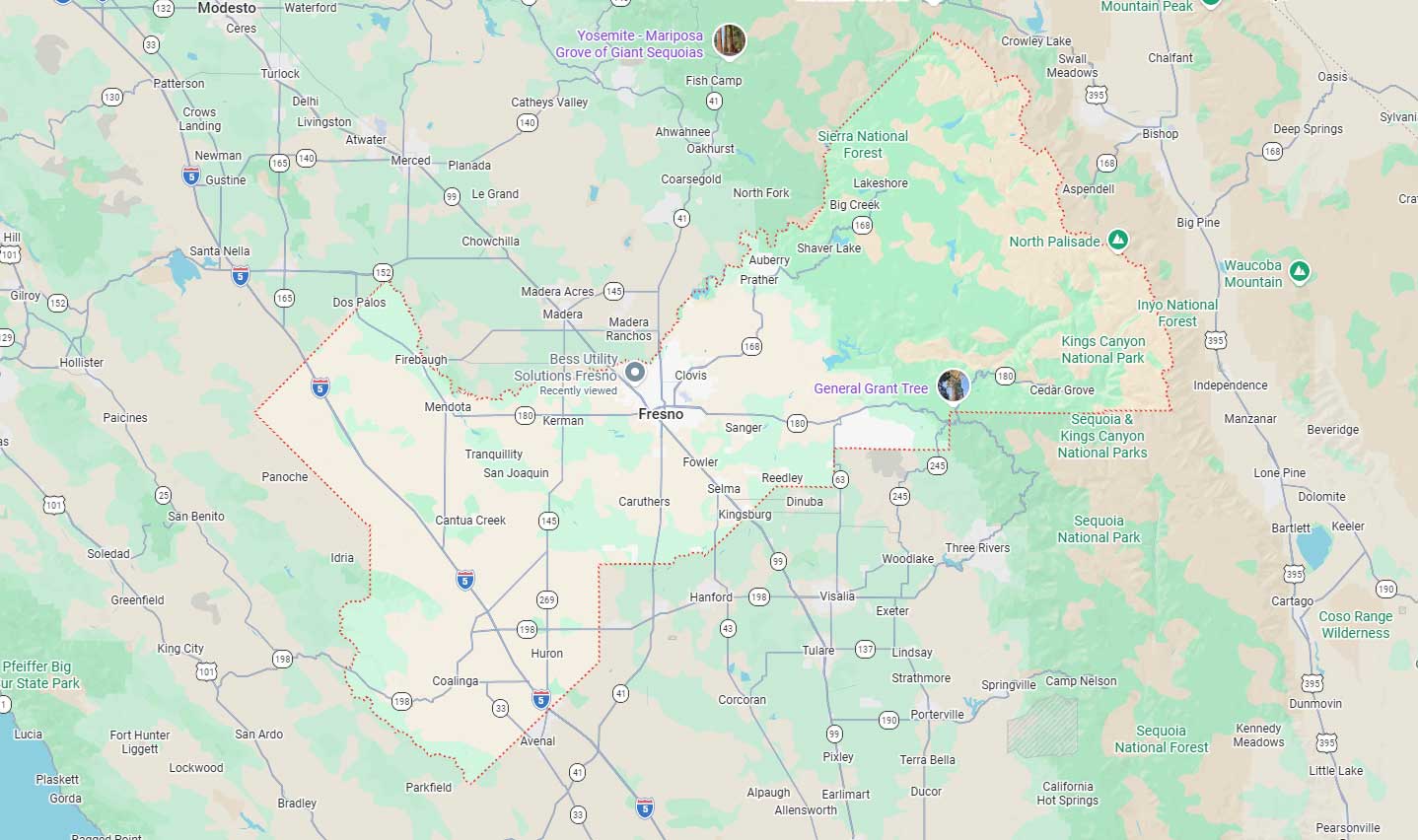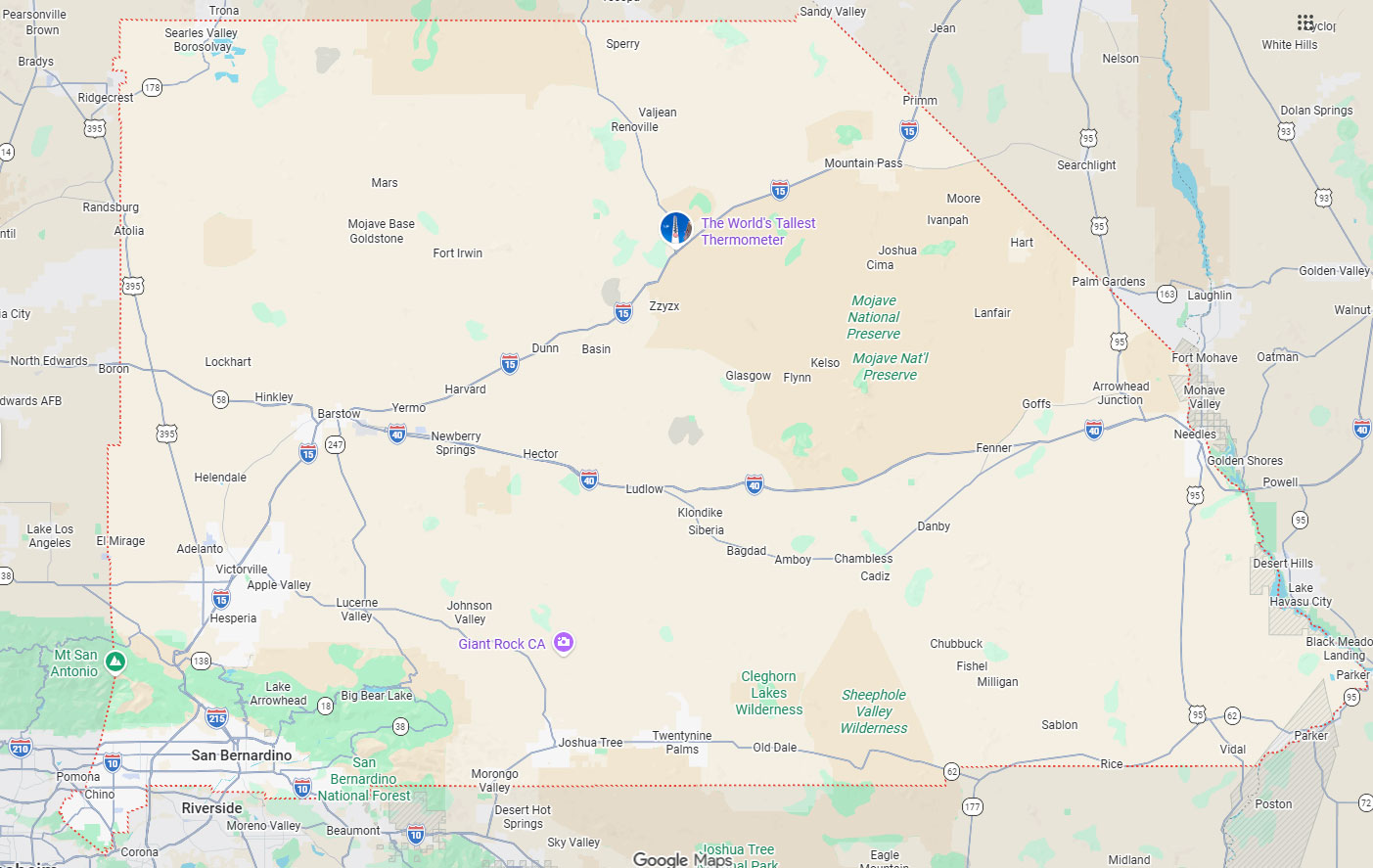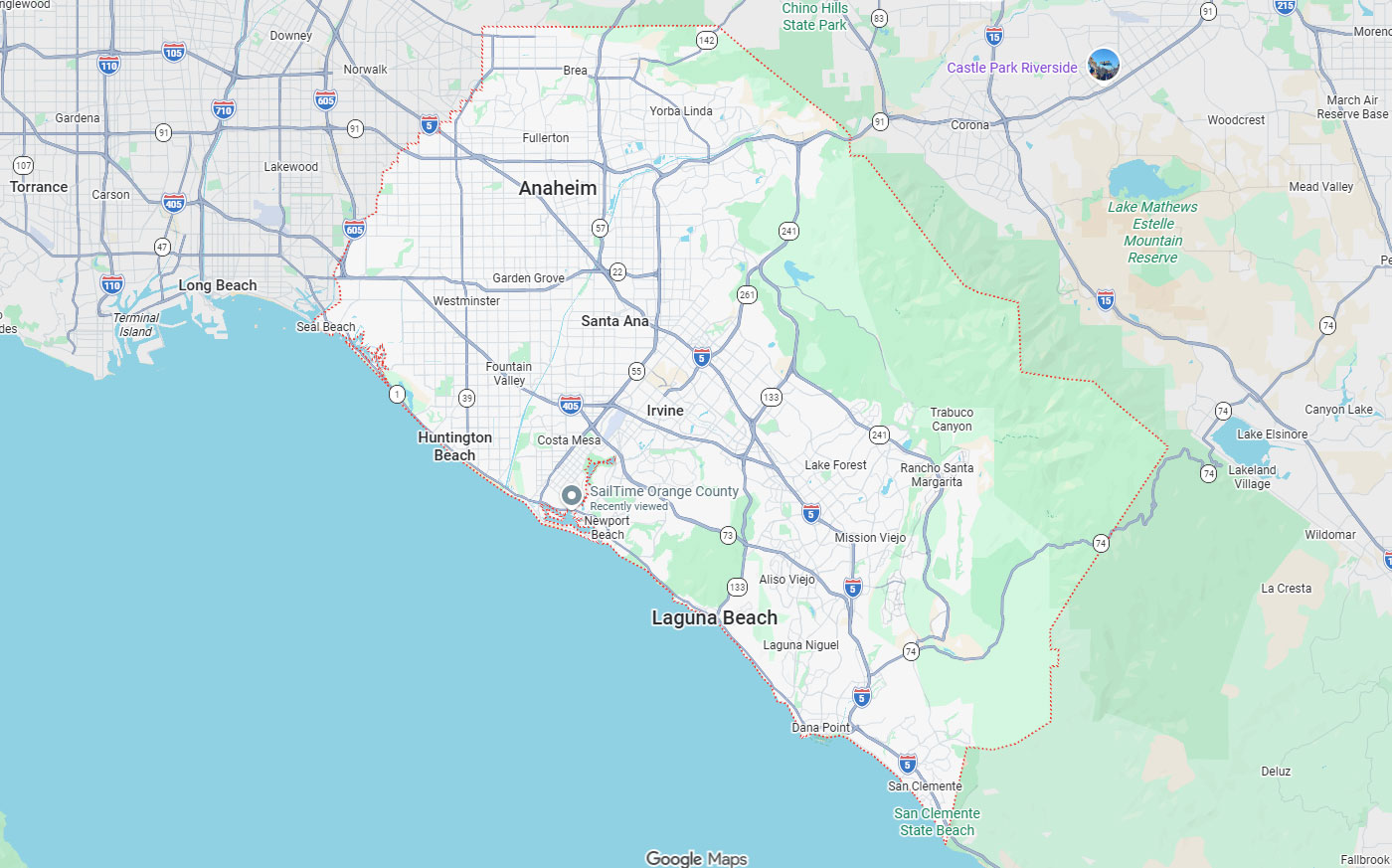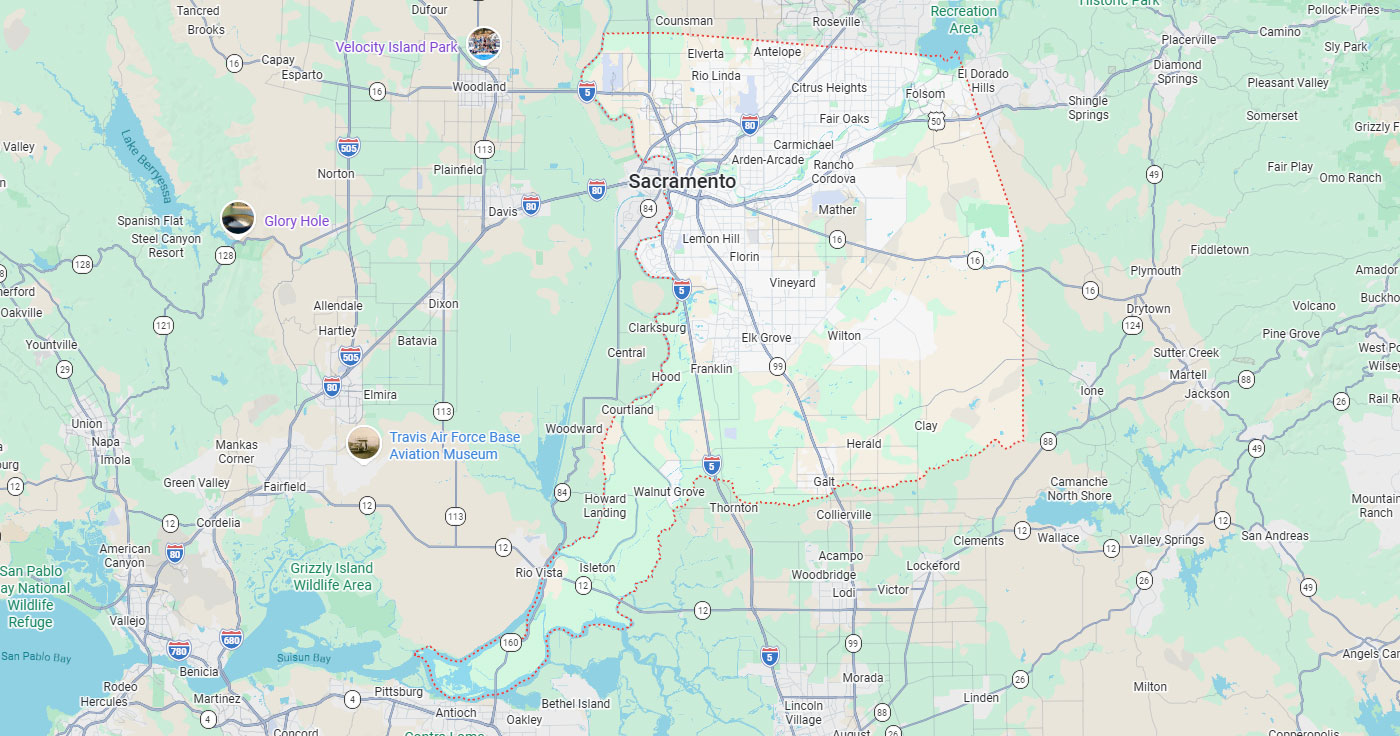
Hayward, CA
Fresno, CA
Orange, CA
Sacramento, CA
Phoenix, AZ

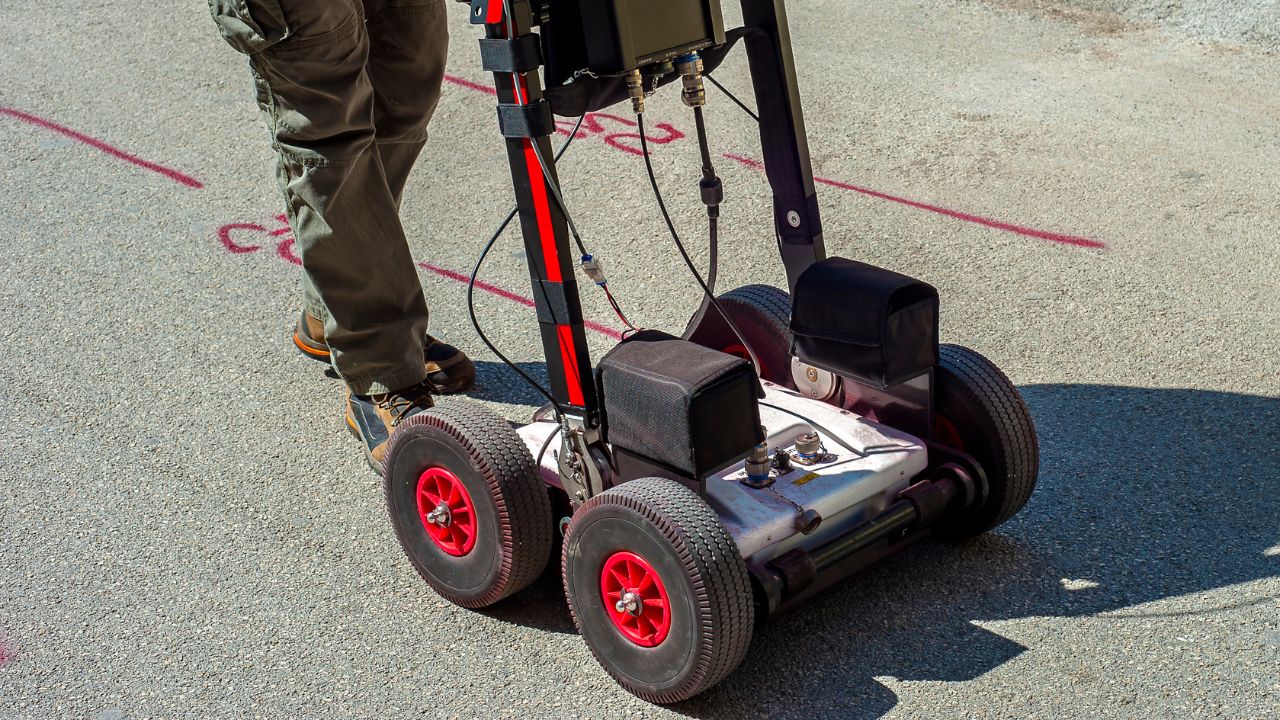
Hidden hazards concrete scanning identifies embedded utilities and structural elements before cutting or coring begins. Professional scanning services use Ground Penetrating Radar and electromagnetic locators to map rebar, post-tension cables, and live conduits with precision. These technologies prevent catastrophic failures that result from striking hidden elements during construction or renovation projects. Accurate detection protects workers and eliminates costly project delays caused by utility strikes.
Key Takeaways
Professional scanning services use specialized equipment to detect subsurface objects before drilling or cutting concrete. These services operate within a market valued at $1.6 billion in 2023 and projected to reach $2.29 billion by 2032. The concrete scanners market demonstrates steady growth with a CAGR of 4.1%, driven by infrastructure modernization and safety regulations. The broader utility locator market reached $842.5 million in 2023 and is projected to grow to $1.25 billion by 2030.
Ground Penetrating Radar uses high-frequency electromagnetic waves between 1 and 1000 MHz to detect metallic and non-metallic objects. Electromagnetic locators trace conductive materials using electromagnetic technology that identifies live electrical lines and metallic pipes. X-Ray radiography uses high-frequency waves to produce photographic images of concrete's interior for precise visualization. GPR holds approximately 40% of the concrete scanners market, while EM technology commands 44.5% of the utility locator market.
GPR concrete scanning provides real-time results without film development, while X-ray requires extended processing time. GPR requires access to only one side of the slab, whereas X-ray demands both sides for accurate imaging. GPR detects non-metallic objects, including PVC pipes and voids, while EM locators cannot identify these non-conductive materials. X-ray delivers exceptional image clarity, but GPR offers deeper penetration for underground utilities detection needs. EM locators operate faster and cost less than GPR systems for tracing known conductive lines.
Table: GPR vs. EM vs. X-Ray at a Glance
| Factor | GPR | EM Locators | X-Ray |
|---|---|---|---|
| Access needed | One side of the slab | One side, along the line path | Both sides of the slab |
| Detects non-metallic materials | Yes, including PVC pipes and voids | No | Yes, with clear image detail |
| Result speed | Real-time, no processing wait | Real-time, fast tracing | Requires extended processing time |
| Site disruption | Minimal, safe around occupied spaces | Minimal | Evacuation required for radiation exposure |
| Penetration in concrete | Up to 36 inches | Traces known conductive lines | Depth cannot be determined |
| Ideal for | Deep, mixed metallic and non-metallic detection | Fast tracing of live electrical and metal lines | Precise sizing of embedded objects |
Technicians deploy EM locators first to quickly trace conductive lines and metallic utilities along the project path. GPR is used to capture non-conductive targets, including PVC pipes and structural voids that EM cannot detect. Professional services rescan questionable areas when initial data shows inconsistencies or when additional verification becomes necessary for safety confirmation.
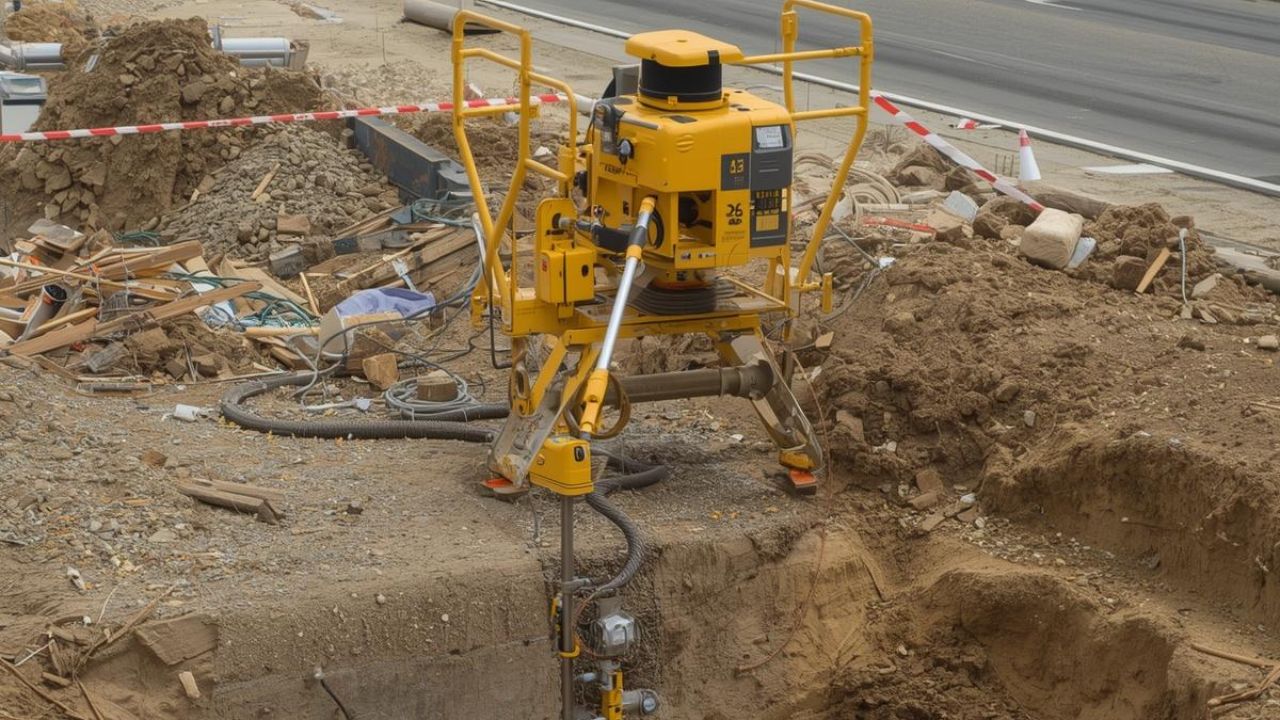
The United States experiences between 400,000 and 800,000 utility strikes annually, with devastating financial consequences. Each utility strike incident costs an average of $4,000 in direct damages and repairs. The total industry impact reaches $30 billion annually from combined damages, project delays, and liability claims. These strikes result in life-altering injuries, electrical hazards, and catastrophic structural failures that proper scanning prevents.
Workers face life-altering injuries from striking embedded utilities during cutting or coring operations without proper detection. Electrical hazards emerge when drill bits contact live conduits carrying high-voltage power throughout commercial structures. Structural damage occurs when crews sever post-tension cables that maintain concrete integrity in multi-story buildings. Contact injuries result from tool kickbacks when blades strike unexpected reinforcement or embedded conduit. Catastrophic structural failure follows when cutting compromises post-tensioned slabs supporting heavy loads above occupied spaces.
Scanning before coring and cutting operations reduces unplanned repair costs by up to 80% compared to reactive approaches. Repairing severed post-tension cables or damaged live conduits ranges from $2,000 to $5,000 per incident. Project delays from utility strikes extend schedules by days or weeks, depending on damage severity and repair complexity. Liability exposure increases when accidents harm workers or damage neighboring properties during undetected utility strikes. Electrical shocks occur when crews strike hidden elements without proper identification through professional locators, who save time and money.
Subsurface Investigation Methodology represents the certification standard for concrete scanning professionals, ensuring consistent quality. This certification requires extensive training and field experience to maintain industry-recognized competency levels. OSHA mandates due diligence before demolition or retrofitting work under Subpart K and Subpart Q regulations. Compliance protects contractors from regulatory penalties and demonstrates commitment to worker safety in construction environments.
Consumer priorities drive service delivery models and technology selection in the concrete scanning industry. Project managers balance multiple factors when selecting scanning providers for critical infrastructure work. Safety concerns dominate decision-making processes, followed by accuracy requirements and cost considerations. Understanding why utility locating is essential for construction helps shape service expectations.
Safety accounts for 42.5% of consumer priorities when evaluating concrete scanning service providers. Accuracy represents 27.5% of decision factors as project managers demand reliable detection of embedded hazards. Cost considerations comprise 17.5% of priorities as budgets constrain technology choices on many projects. Convenience factors, including speed and minimal disruption, account for 12.5% of selection criteria in service evaluation.
Average concrete scanning service costs range from $500 to $2,000 per project, depending on scope and complexity. Professional scanning services maintain 99.8% accuracy ratings through rigorous training and equipment calibration protocols. Budget scanning providers may deliver inaccurate data that creates false confidence and increases strike risk during operations.
Urban areas in California demonstrate 72% adoption rates for advanced scanning technologies due to infrastructure density. The Bay Area, including Hayward, operates as a high-density urban region requiring mandatory scanning for most drilling projects. North America held 36.8% of the global market share in 2023, with concentrated demand in aging infrastructure zones. The United States dominates the concrete scanners segment with 78% regional share, driven by strict regulatory compliance requirements.
Scanning integration must occur during project planning before any cutting or coring operations begin on site. Choosing the right GPR scanning company in California ensures accurate results and regulatory compliance. Proper timing prevents work stoppages and eliminates the need for emergency rescans after unexpected subsurface conditions.
A multi-story bank renovation in Washington demonstrates the value of professional scanning when budget providers fail. GPR identified banded post-tension cables directly in the planned cut path after initial scans missed these critical elements. This detection prevented catastrophic structural failure that would have compromised the entire building's load-bearing capacity. Professional rescanning saved tens of thousands of dollars in structural repairs and potential liability from collapse.
The median age of construction workers is 42 years, requiring enhanced safety measures for aging crews. Workers aged 55 and older comprise over 22% of the construction workforce, facing increased injury risk. The BLS recorded 174,100 non-fatal injuries in construction during 2023, including concrete-related incidents and utility strikes. How GPR improves safety in excavation construction demonstrates the technology's role in modern safety protocols.
Renovation projects in older buildings frequently encounter undocumented utilities and outdated as-built drawings requiring verification. Infrastructure upgrades demand the precise location of existing utilities to avoid service disruptions during installation work. Commercial tenant improvements require rebar location safety confirmation before mounting heavy equipment or installing fixtures through slabs.
Technology selection depends on project requirements, access limitations, and the types of embedded objects requiring detection. Each method offers distinct advantages for specific applications while presenting limitations contractors must understand. Reducing utility strikes through accurate buried line detection requires matching technology to project conditions.
GPR penetrates up to 36 inches in concrete to detect embedded utilities and structural reinforcement. The GPR segment is forecasted to grow from $723.63 million in 2024 to $1.52 billion by 2035. This technology demonstrates a CAGR of 7.04%, reflecting increased adoption in construction and infrastructure sectors. GPR penetrates deeper than X-ray while providing real-time results for immediate decision-making during scanning operations.
EM locators cannot detect non-metallic pipes, including PVC, or identify voids within concrete structures. These devices provide a range of accuracy rather than exact depth imaging for detected conductive elements. EM technology excels at tracing metallic utilities and live electrical lines when speed matters more than precision. Cost-effectiveness makes EM locators valuable for preliminary surveys before deploying more sophisticated GPR systems.
X-ray provides precise sizing of embedded objects but cannot determine object depth within concrete slabs. X-ray requires access to both sides of the slab, limiting its use in many construction scenarios. Site evacuation becomes necessary due to radiation exposure, whereas GPR operates safely around occupied spaces. X-ray creates project disruption through evacuation requirements and represents a slower process than real-time GPR scanning.
Equipment alone cannot guarantee accurate results without proper training and interpretation skills from certified technicians. Professional expertise transforms raw scanning data into actionable information that prevents costly mistakes during construction operations. The utility locating workflow of locate, mark, verify, and excavate requires skilled execution at every stage.
SIM certification requires a minimum of 320 hours of field training to develop competency in scanning interpretation. Technicians complete 80 hours of classroom training covering theory, equipment operation, and data analysis before field deployment. The national ASNT standard requires only 8 hours of classroom instruction and 60 hours of practical training. This substantial difference demonstrates SIM certification's superior preparation for complex scanning scenarios requiring expert interpretation.
Owning GPR equipment costing thousands of dollars does not guarantee an accurate interpretation of subsurface scan data. Improper scanning causes tens of thousands of dollars in damage from missed utilities and structural elements. GPR produces less precise image clarity compared to X-ray, requiring trained eyes to identify embedded objects correctly.
Multi-technology approaches use EM locators for rapid conductive tracing followed by GPR for comprehensive non-metallic detection. This combination ensures detection of all embedded hazards regardless of material composition or depth within concrete. Cross-verification between technologies increases confidence levels and reduces the probability of missed utilities during scanning operations.
Service pricing reflects equipment costs, technician expertise, and project complexity, requiring transparent cost structures for budgeting. Understanding pricing models helps project managers allocate appropriate resources for proper scanning before construction begins. Vacuum excavation or utility potholing often supplements scanning services for physical verification of detected utilities.
Hourly rates for concrete scanning range from $250 to $300 per hour for limited-scope projects. Daily rates span $1,000 to $5,000 per day for extensive commercial mapping requiring full-day technician deployment. Minimum service fees range between $250 and $500, covering mobilization costs and basic equipment setup time.
Handheld GPR units cost $11,000 to $17,000 to purchase for contractors considering equipment ownership. Monthly rental fees for handheld GPR range from $1,000 to $4,000, depending on model capabilities and features. Vehicle-mounted GPR systems cost $14,000 to $100,000 to purchase for large-scale utility mapping applications. Vehicle-mounted GPR rentals range from $400 to $1,750 monthly based on system specifications and rental duration. EM locators cost $800 to $5,000 to purchase, representing the most affordable equipment option for basic metallic utility tracing.
GPR carries higher equipment costs than EM locators but provides superior detection capabilities for non-metallic objects. Service costs remain lower than repair expenses from utility strikes, making professional scanning a cost-effective risk mitigation strategy. Equipment rental allows occasional users to access advanced technology without capital investment, while frequent users benefit from ownership.
Table: Concrete Scanning Pricing Snapshot
| Cost Item | Typical Price Range |
|---|---|
| Hourly rate (limited-scope project) | $250 – $300 per hour |
| Daily rate (full commercial mapping) | $1,000 – $5,000 per day |
| Minimum service fee | $250 – $500 |
| Handheld GPR unit (purchase) | $11,000 – $17,000 |
| Handheld GPR unit (monthly rental) | $1,000 – $4,000 |
| Vehicle-mounted GPR system (purchase) | $14,000 – $100,000 |
| Vehicle-mounted GPR system (monthly rental) | $400 – $1,750 |
| EM locator (purchase) | $800 – $5,000 |
Professional concrete scanning has evolved from an optional precaution to an operational necessity in modern construction environments. The combination of advanced detection technologies and certified expertise prevents utility strikes that cost billions annually across the construction industry. Safety regulations and liability concerns drive adoption rates, particularly in dense urban areas where subsurface infrastructure complexity increases strike probability.
Bess Utility Solutions delivers precision concrete scanning services that eliminate guesswork and protect critical infrastructure across California and neighboring states. With 29 years of continuous operation and ASCE 38- to 02-compliant processes, the company serves civil engineering project managers and construction superintendents managing high-stakes infrastructure projects. Their comprehensive service suite addresses subsurface unknowns that create risk for workers and budgets on complex construction sites.
Rebar, post-tension cables, and live conduits stay invisible until a blade or drill bit finds them the hard way. Contact Bess Utility Solutions to schedule GPR concrete scanning before cutting, coring, or drilling begins on your next project. With 29 years of experience and ASCE 38- to 02-compliant processes, our licensed and insured technicians serve construction superintendents, project engineers, and public works teams across California, Arizona, and Nevada. Call (408) 988-0101 to speak with a scanning specialist or request a free quote, and we will build a scope around your project timeline, access requirements, and drilling plan.
A. Concrete scanning services typically run $250 to $300 per hour for limited-scope work, with daily rates between $1,000 and $5,000 for full commercial mapping. Minimum service fees range from $250 to $500 and cover mobilization and basic equipment setup. Actual cost depends on slab size, access conditions, and how many areas need verification. Comparing this against the average $4,000 cost of a single utility strike makes scanning a cost-effective step rather than an added expense.
A. GPR concrete scanning operates safely around occupied spaces and requires no site evacuation, unlike X-ray methods that demand radiation clearance. Technicians only need access to one side of the slab, which limits disruption to tenants, staff, or ongoing operations. This makes GPR the preferred method for renovations, tenant improvements, and facility upgrades in active buildings. Electromagnetic locators offer a similarly low-disruption option when tracing known conductive lines.
A. Standard utility locating identifies buried utilities in soil across a job site, typically using 811 calls combined with GPR or electromagnetic locators. Concrete scanning applies the same detection principles directly to slabs, walls, and structural concrete before cutting, coring, or drilling. Both services rely on trained technicians to interpret subsurface data, but concrete scanning focuses on embedded rebar, post-tension cables, and conduits inside the structure itself. Many projects require both services at different phases of construction.
A. Scanning should be scheduled during project planning, before any cutting, coring, or drilling dates are locked into the construction timeline. Booking early gives technicians time to review drawings, confirm access requirements, and coordinate with other trades working in the same area. Waiting until the day of cutting increases the risk of delays if rescanning becomes necessary after unclear or inconsistent results. Projects with post-tension slabs or complex existing conditions benefit most from scheduling scans well ahead of demolition or renovation work.
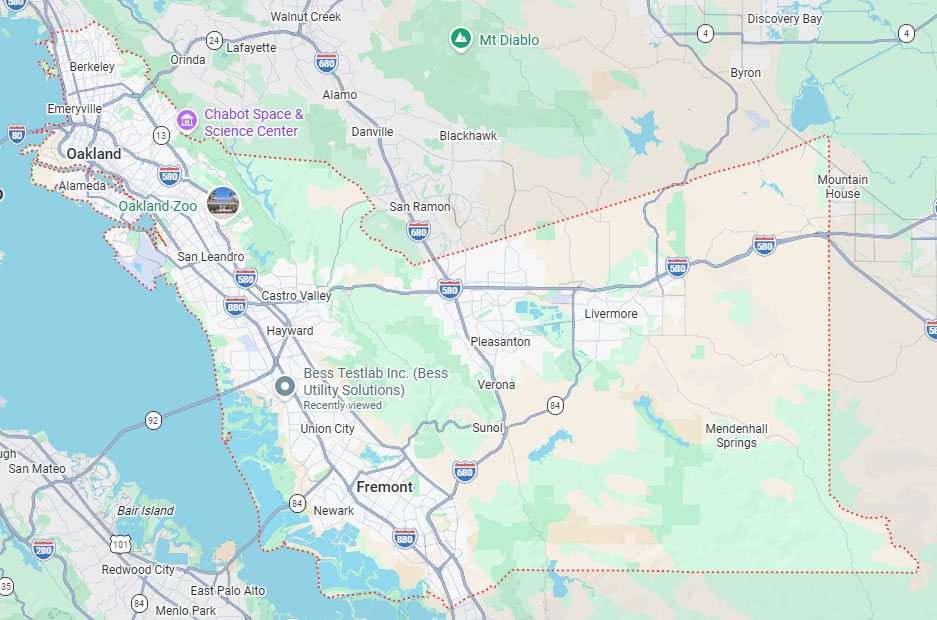
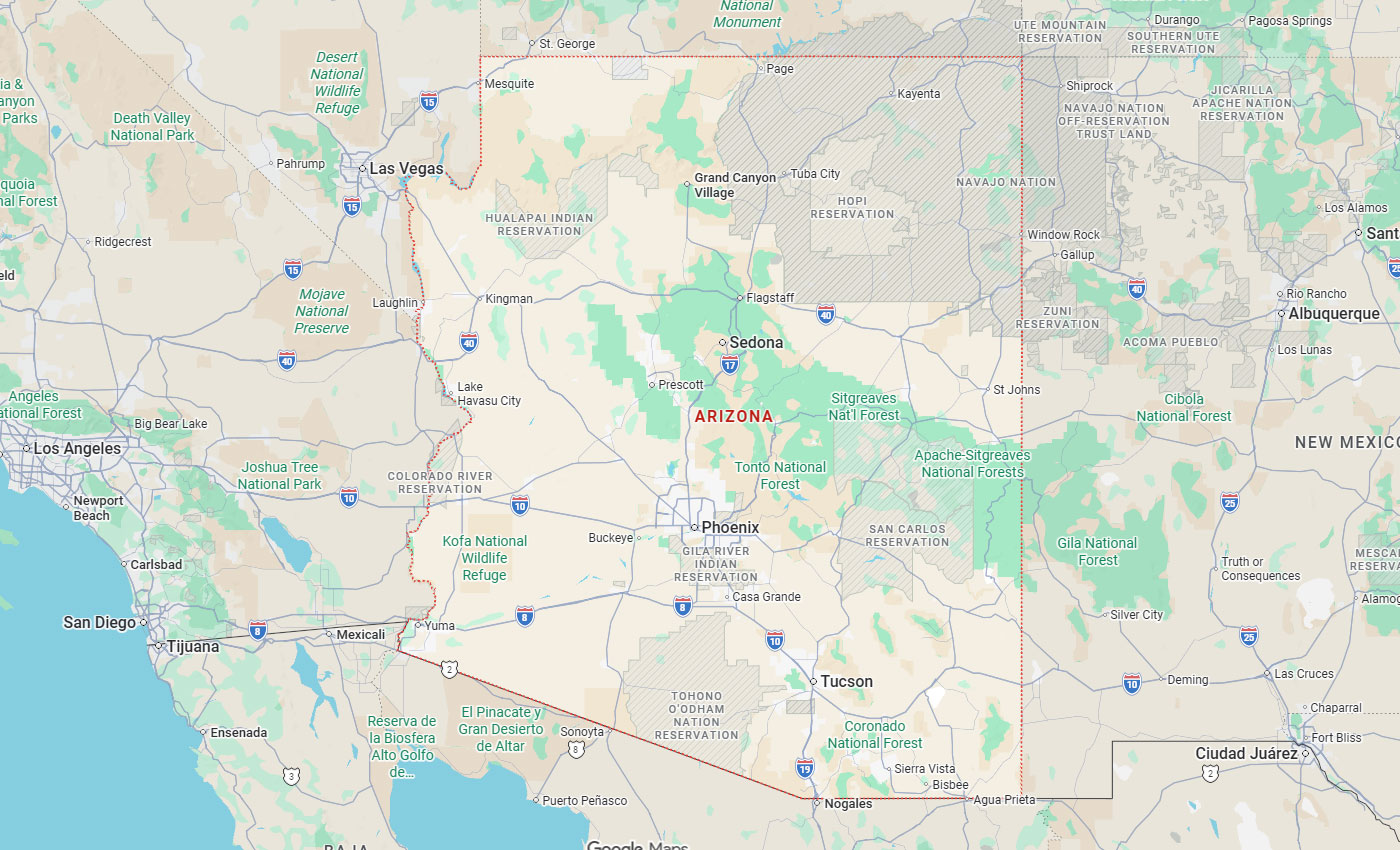
A. Bess Utility Solutions operates regional offices in Hayward, Fresno, Ontario, Orange, and Sacramento, California, along with Phoenix, Arizona, and serves clients across Nevada as well. This regional footprint supports contractors, municipalities, and engineering firms managing projects throughout the western United States, not just in dense urban markets like the Bay Area. Every office follows the same ASCE 38- to 02-compliant scanning process, so accuracy standards stay consistent regardless of project location. Contact the office nearest your project site to confirm scheduling and turnaround time.