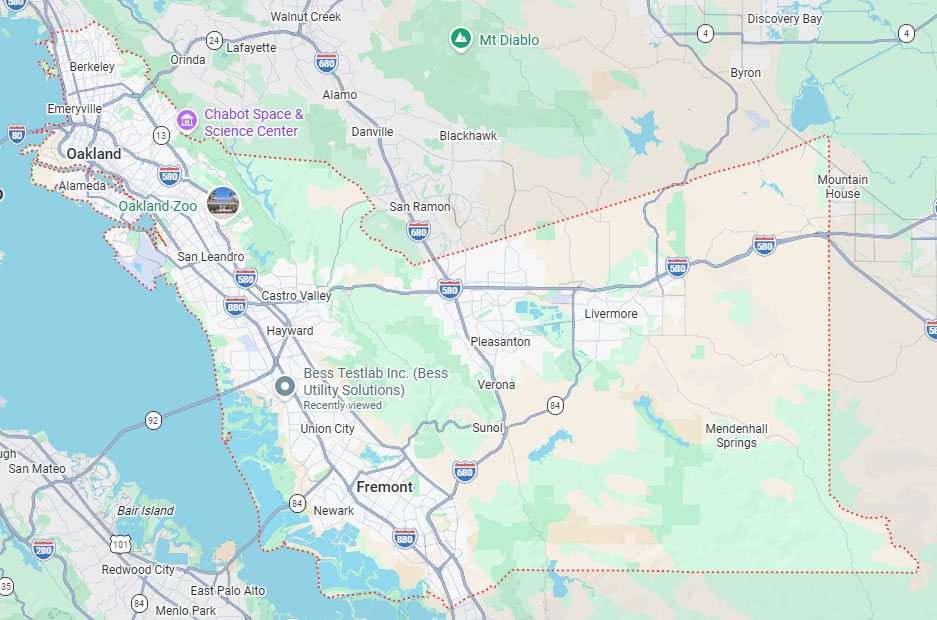
Hayward, CA
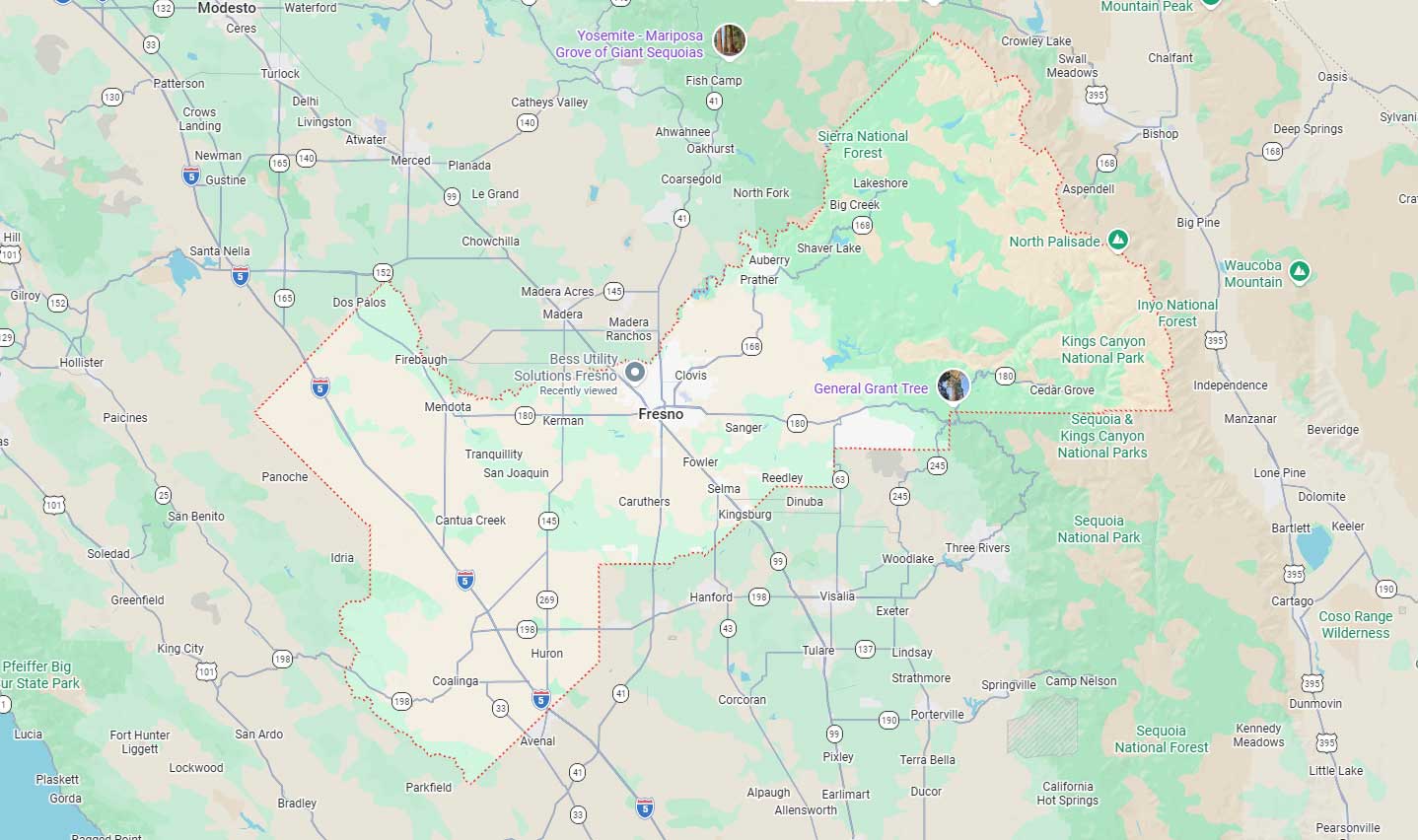
Fresno, CA
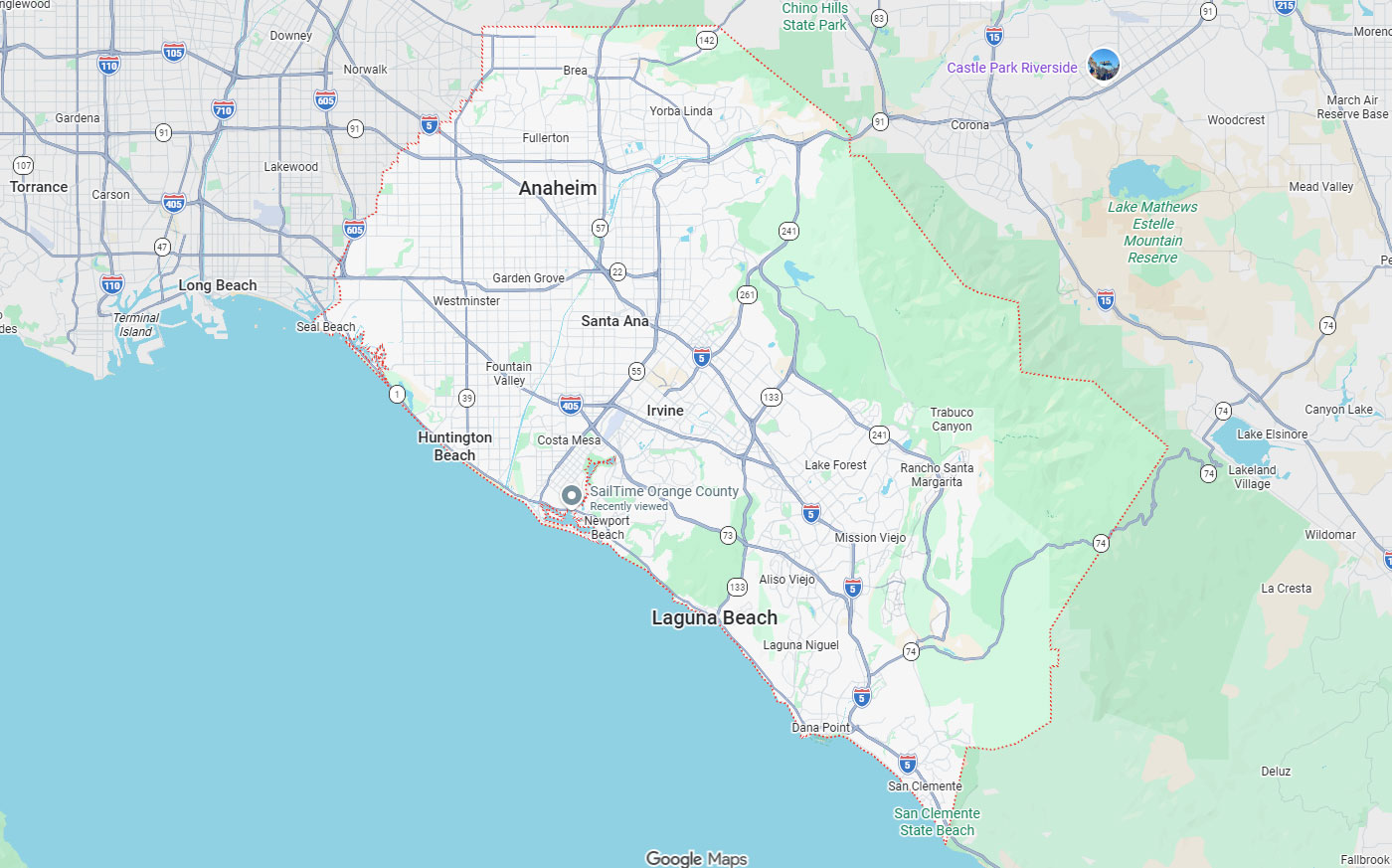
Orange, CA
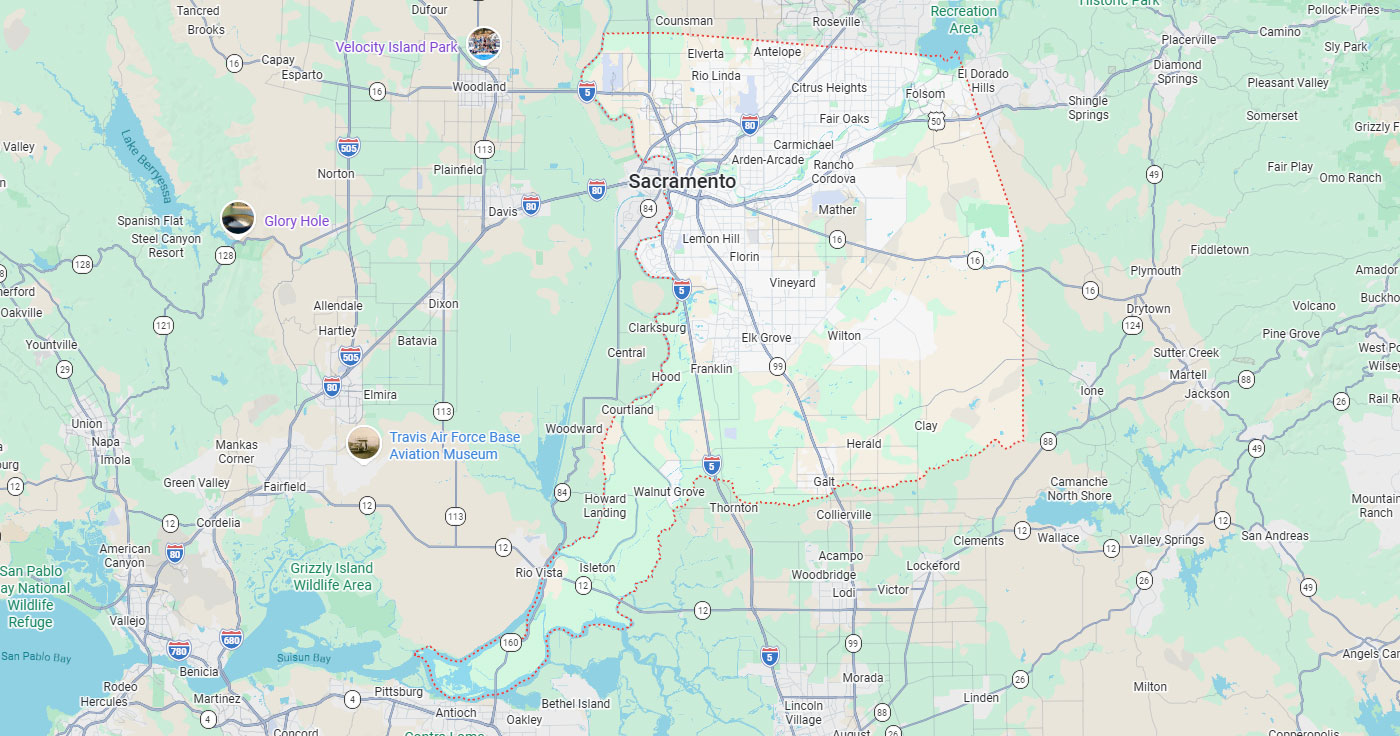
Sacramento, CA
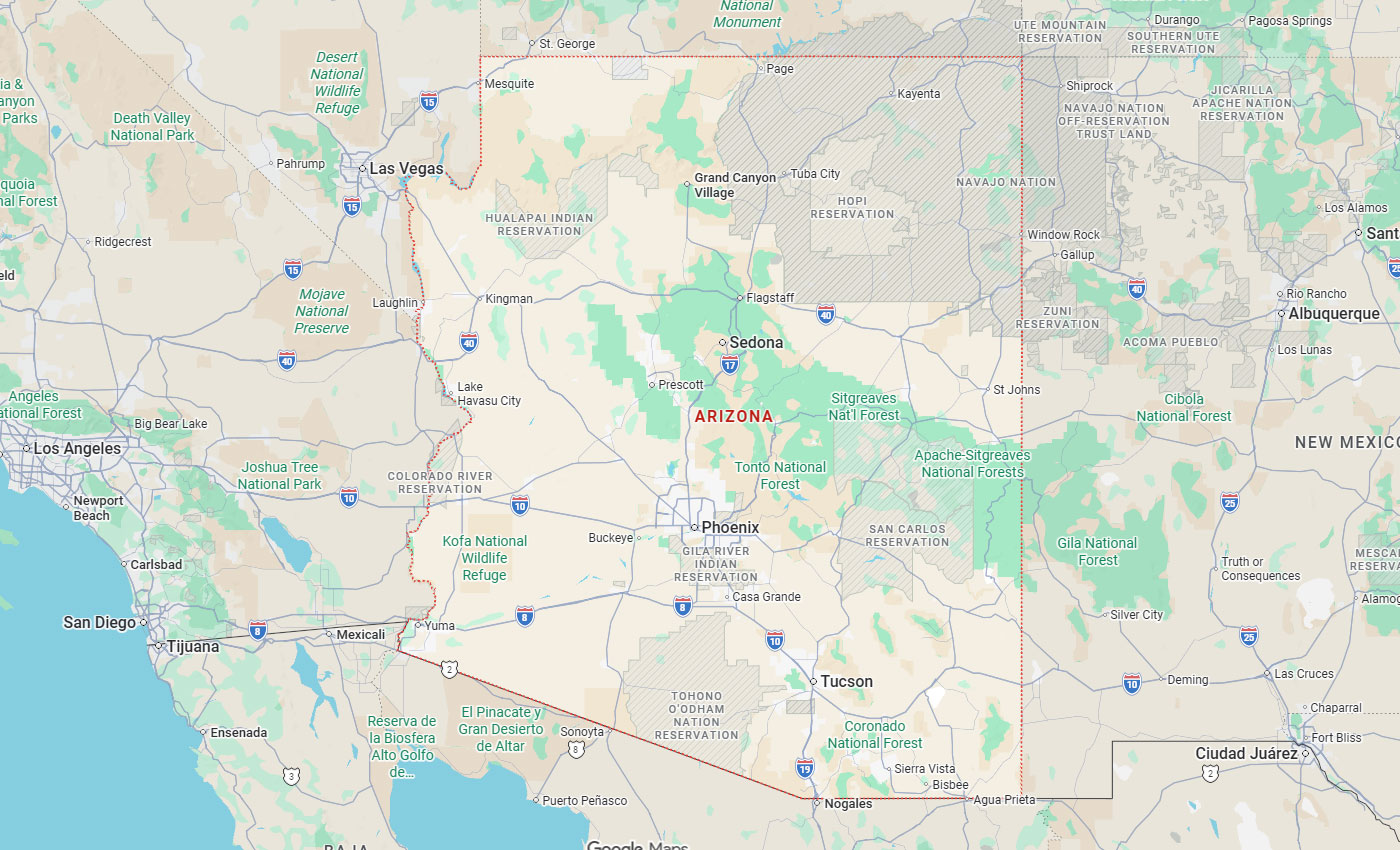
Phoenix, AZ
Underground utility networks form the invisible infrastructure supporting modern civilization, delivering power, water, communications, and gas to millions. Yet this hidden complexity creates substantial risks during excavation projects. Each year, utility strikes cause explosions, electrocutions, service disruptions, and millions in damages, with most incidents traced to failures in the excavation workflow.
The difference between safe, efficient projects and catastrophic failures lies in systematic adherence to proven protocols. This comprehensive guide details the locate-mark-verify-excavate workflow that transforms excavation from high-risk guesswork into controlled operations. Whether you're managing projects in congested urban corridors or suburban developments, understanding these protocols protects workers, prevents costly strikes, and ensures regulatory compliance.
Key Takeaways
The optimal sequence follows four mandatory phases: (1) Comprehensive locating using 811 plus private locators 2-3 days pre-excavation, (2) APWA color-coded marking with photographic documentation, (3) Potholing verification at strategic locations to confirm depths and positions, (4) Controlled excavation with mechanical equipment outside tolerance zones and hand tools within 18-24 inches of utilities. Each phase verifies the previous one, catching errors when they're inexpensive to fix rather than during excavation when resolution causes costly delays.
The excavation workflow is a systematic four-phase process designed to prevent utility strikes and ensure worker safety. Each phase builds verification checkpoints that catch location errors before they become costly emergencies.
The locate workflow begins a minimum 2-3 business days before excavation. A single 811 call notifies all public utility owners, electric, gas, water, sewer, but excludes private utilities. Sprinkler systems, private fiber optics, and septic systems require separate private locators hired by the excavator.
Tools Used to Locate Excavation Sites
| Tool Name | Purpose | Key Usage Instructions |
| 811 One-Call Service | Notifies all public utility owners | Contact 2-3 business days before excavation; free service mandated by law; does not include private utilities |
| Electromagnetic (EM) Locating | Detects metallic pipes and cables | Transmitter induces current onto metallic pipe, receiver detects signal; most common method for gas, electric, water |
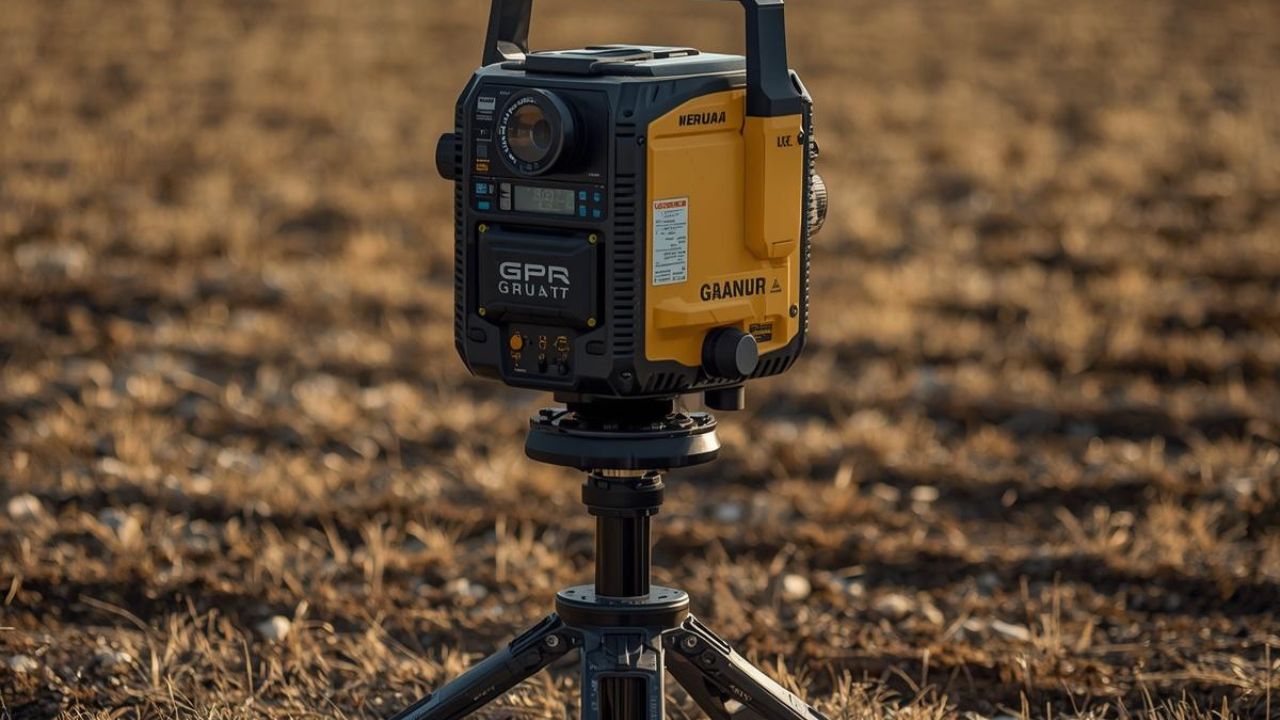
| Ground Penetrating Radar (GPR) | Images subsurface to locate non-metallic utilities | Essential for plastic pipes, concrete structures; provides depth and position data |
| Vacuum Excavation (Potholing) | Non-destructive excavation for visual verification | Uses pressurized water/air and vacuum; exposes utilities for precise confirmation |
Marking transforms invisible underground hazards into visible boundaries using the APWA uniform color code. Each color identifies specific utility types, preventing catastrophic errors like striking a gas line while targeting a water main.
Marking Tools and Methods:
Color-Coded Spray Paint
Marking Flags
Wooden Stakes
APWA Color Code:
Verification through vacuum excavation and potholing provides definitive visual confirmation before excavation begins. This step exposes utilities at planned depths, eliminating guesswork about exact positions.
Verification Steps:
Within the 18-24 inch tolerance zone, mechanized equipment is prohibited. Hand tools with non-conductive handles are mandatory within 12 inches of energized electrical lines.
Excavation proceeds in controlled lifts with depth verification at each stage. The OSHA competent person monitors for unexpected resistance, triggering immediate stop-work if encountered. Protective shoring systems prevent cave-ins from damaging nearby infrastructure, especially critical in deep excavations or unstable soil. If excavation extends beyond utility marking validity (typically 14-30 days by state), re-notification to 811 is required.
An accurate location combines mandatory 811 notification with advanced detection technologies. Multi-method verification catches utilities that single-method approaches miss, establishing project efficiency from the start.
Excavation Site Location Tools
| Tool Name | Purpose | Typical Use in Excavation Projects |
| 811 One-Call System | Free public utility notification | Mandatory 2-3 days before excavation; notifies electric, gas, water, sewer, telecom |
| Private Utility Locators | Professional locating for private utilities | Required for sprinklers, private power, septic, security systems |
| Electromagnetic Locators | Detects metallic utilities | Standard for gas, water, electric; requires conductive path |
| Ground Penetrating Radar | Subsurface imaging | Essential for non-metallic pipes, validation of EM results |
| Hydrovac/Vacuum Excavation | Visual confirmation through potholing | Exposes utilities for precise measurement |
Location accuracy determines equipment selection, excavation method, and worker safety protocols. In congested corridors, areas with utilities within 24 inches of each other, location errors compound rapidly.
Federal Highway Administration data shows most utility strikes occur because excavators skipped locating, didn't wait for marks, or proceeded despite discrepancies between marks and site plans. Equipment selection depends on accurate location: utilities confirmed more than 24 inches from excavation allow mechanical excavators; utilities within the tolerance zone require hand tools or vacuum excavation only.
OSHA 29 CFR 1926 Subpart P requires a competent person to classify soil type (Type A, B, or C) based on stability. This determines slope angles and shoring requirements.
Rain-saturated soil loses stability rapidly; the competent person must inspect excavations after every rainstorm. Older urban areas contain brittle utilities (cast iron, clay) that can fracture from excavation vibration even without direct contact, requiring wider protection zones.
Marking creates visible proof that underground utilities exist before equipment enters the site. The marking process using APWA color codes translates subsurface complexity into actionable surface indicators.
Marking Methods and Applications:
Utility Strike Consequences:
In congested corridors, striking one utility often damages adjacent facilities, creating multi-utility emergencies. The Common Ground Alliance estimates that average utility strike costs exceed $75,000 in direct and indirect expenses.
Marking provides visible proof of regulatory compliance. Federal regulation 23 CFR 645 mandates utility accommodation policies, including location verification. The Manual on Uniform Traffic Control Devices (MUTCD) requires marked work zones following APWA standards.
State laws impose fines up to $10,000 per violation for excavating without proper marking. Photographic documentation creates a defensible record protecting against liability claims.
Site verification is the critical checkpoint between marking and excavation. These verification steps expose utilities through controlled potholing, confirm positions against markings, and establish final tolerance zones before mechanical equipment enters the site.
Site readiness requires verifying all utility owners responded to the 811 ticket, inspecting marks for completeness and APWA color code accuracy, and comparing field marks against as-built drawings. The competent person must confirm that excavation equipment, vacuum excavators for potholing, hand tools, protective shoring, and emergency response equipment are on-site before work begins.
Establishing clearly marked 18-24-inch tolerance zones around each utility creates visible boundaries that equipment operators cannot cross. These zones must be marked with highly visible paint or flagging before any digging occurs.
Verification Steps to Prevent Errors:
Verification frontloads problem discovery when they're inexpensive to solve. Potholing typically costs 4-8 hours but prevents delays measured in days or weeks.
Verified utility positions enable accurate scheduling of hand-dig versus mechanical excavation, preventing mid-project discoveries that double time estimates. Complete verification documentation satisfies inspectors immediately, avoiding hold notices requiring additional investigation.
Efficient excavation balances speed with safety through proper equipment selection and staged progression. The transition from mechanical to hand excavation occurs at precisely defined boundaries based on verified utility positions.
Excavation Equipment Selection
| Equipment Type | Primary Use Case | Ideal Scenarios |
| Compact Hydrovac Trucks | Non-destructive vacuum excavation | Tolerance zone exposure, fiber optic proximity, potholing verification |
| Backhoes | General excavation outside tolerance zones | Bulk earthwork, areas with verified clearance from utilities |
| Hand Tools (Shovels, Spades) | Final utility exposure | Mandatory within 12 inches of marked utilities |
| Trench Boxes/Shoring | Worker protection in deep excavations | All excavations deeper than 5 feet, unstable soil conditions |
Staged excavation proceeds in controlled 12-24 inch vertical lifts. At each lift, the competent person verifies depth and authorizes the next increment.
As excavation approaches the 24-inch tolerance zone, equipment transitions from full-power mechanical to reduced-power operation, then complete shutdown at the boundary, with hand tools or vacuum excavation for the final approach. OSHA standards require continuous visual contact with exposed utilities. Once visible, utilities must remain in sight throughout nearby excavation.
If unmarked utilities appear, all work stops immediately. Do not assume abandonment. Contact 811 to report discovery and identify the owner before resuming.
Per OSHA 29 CFR 1926.651(h)(2), competent persons must monitor water removal to prevent undermining adjacent utilities. When excavation reveals deteriorated utilities (corroded pipes, cracked concrete), install protective measures immediately and notify the utility owner, deteriorated sections may require replacement before excavation can safely continue.
Safety in excavation requires identifying hazards before they cause incidents. OSHA's competent person requirement transforms excavation from a reactive emergency response to proactive hazard elimination.
Excavation Risks:
Mitigation Strategies:
The OSHA competent person inspects excavations daily before work, after rainstorms, and when conditions change. This individual verifies protective system integrity, reclassifies soil conditions if weather changes stability, and has authority per OSHA 29 CFR 1926.651(k)(2) to immediately remove workers from hazards without management approval.
Without competent person oversight, excavation becomes reactive rather than proactive, and hazards cause incidents instead of being identified and eliminated first.
Effective excavation project management integrates timeline planning, resource allocation, and cost control around the verification-centered workflow. Proper excavation planning prevents the reactive crisis mode that multiplies costs and delays.
Timeline development must account for the mandatory 2-3 business day 811 notification period, plus additional time for private utility locators. In congested corridors, utility owners may request extended locate times for complex facilities.
Schedule potholing after all marks are complete. Best practice includes 20-30% contingency time for unmarked utilities, conflicts requiring design modifications, and utility owner delays.
Resource Management Tips:
Thorough potholing costs 5-10% of excavation budget but prevents 25-40% cost overruns when conflicts are found during excavation. Common Ground Alliance data shows that comprehensive verification reduces project costs 10-20% through conflict prevention.
Verified utility positions enable precise calculation of hand excavation (3-5 times more expensive than mechanical) versus mechanical volumes. Average utility strike costs exceed $75,000; a single avoided strike pays for extensive potholing programs.
Excavation mistakes follow predictable patterns. Understanding these failure modes enables targeted prevention rather than hoping errors won't occur.
Skipping verification is the most common factor in utility strikes. Verification costs 5-10 hours; strike response costs days or weeks.
Without verification, crews assume marks are accurate, all utilities are marked, and depths match plans. Each assumption multiplies the error probability. Inspectors reviewing strikes examine verification documentation; absence establishes negligence. Liability insurance policies require industry best practices; skipping verification can void coverage, making contractors personally liable for damages reaching millions for fiber optic strikes.
Immediate Actions:
Document the scene with photos before cleanup. Preserve 811 tickets, potholing records, and inspection logs. Most states require strike reporting within 24 hours. Only utility owners determine repair procedures; contractors cannot attempt repairs. Conduct root cause analysis to prevent recurrence, implementing corrective actions before resuming similar work.
The locate-mark-verify-excavate workflow transforms excavation from high-risk uncertainty into controlled, predictable operations. Each verification phase eliminates assumptions that cause utility strikes, creating multiple safety barriers between planning and execution.
Maintain metrics on verification accuracy, time per workflow phase, and near-miss frequency; analyze quarterly to identify trends. Regular meetings with utility owners, regulators, and field crews provide diverse improvement perspectives.
Annual competent person retraining, quarterly protocol refreshers, and case study analysis of industry incidents keep skills current.
The locate-mark-verify-excavate workflow exists because decades of utility strike data demonstrate systematic processes prevent incidents while ad hoc approaches create them. Each workflow phase catches errors from previous phases, marking verifies locating, potholing verifies marking, and controlled excavation verifies potholing.
This redundancy means no single error causes strikes; multiple verification failures must occur simultaneously, which proper workflows prevent. The workflow represents the industry standard of care; courts compare actual practices against it when evaluating contractor negligence.
Need expert underground locating and detection services?
Contact Bess Utility Solutions for comprehensive support that prioritizes safety and compliance.