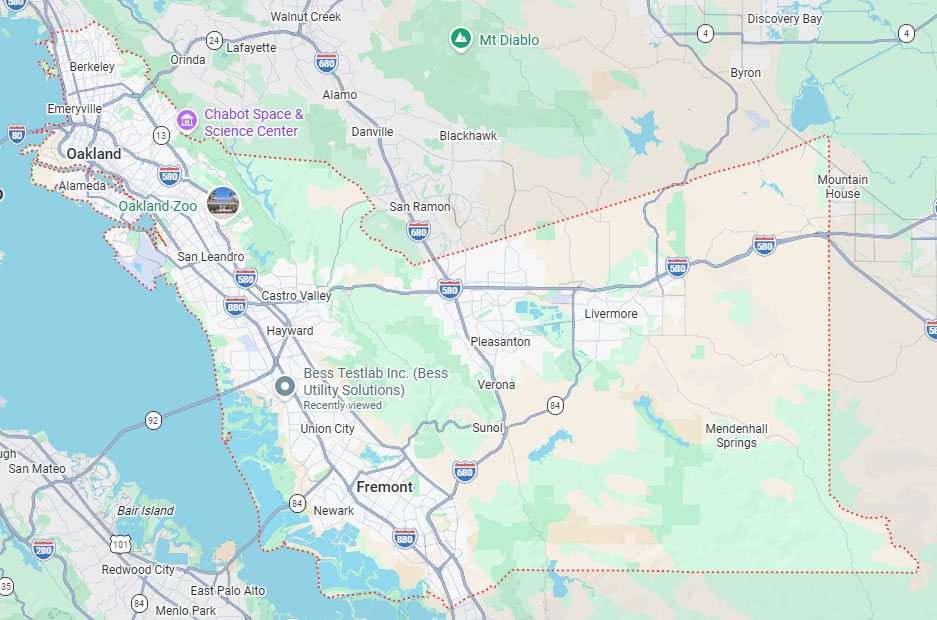
Hayward, CA
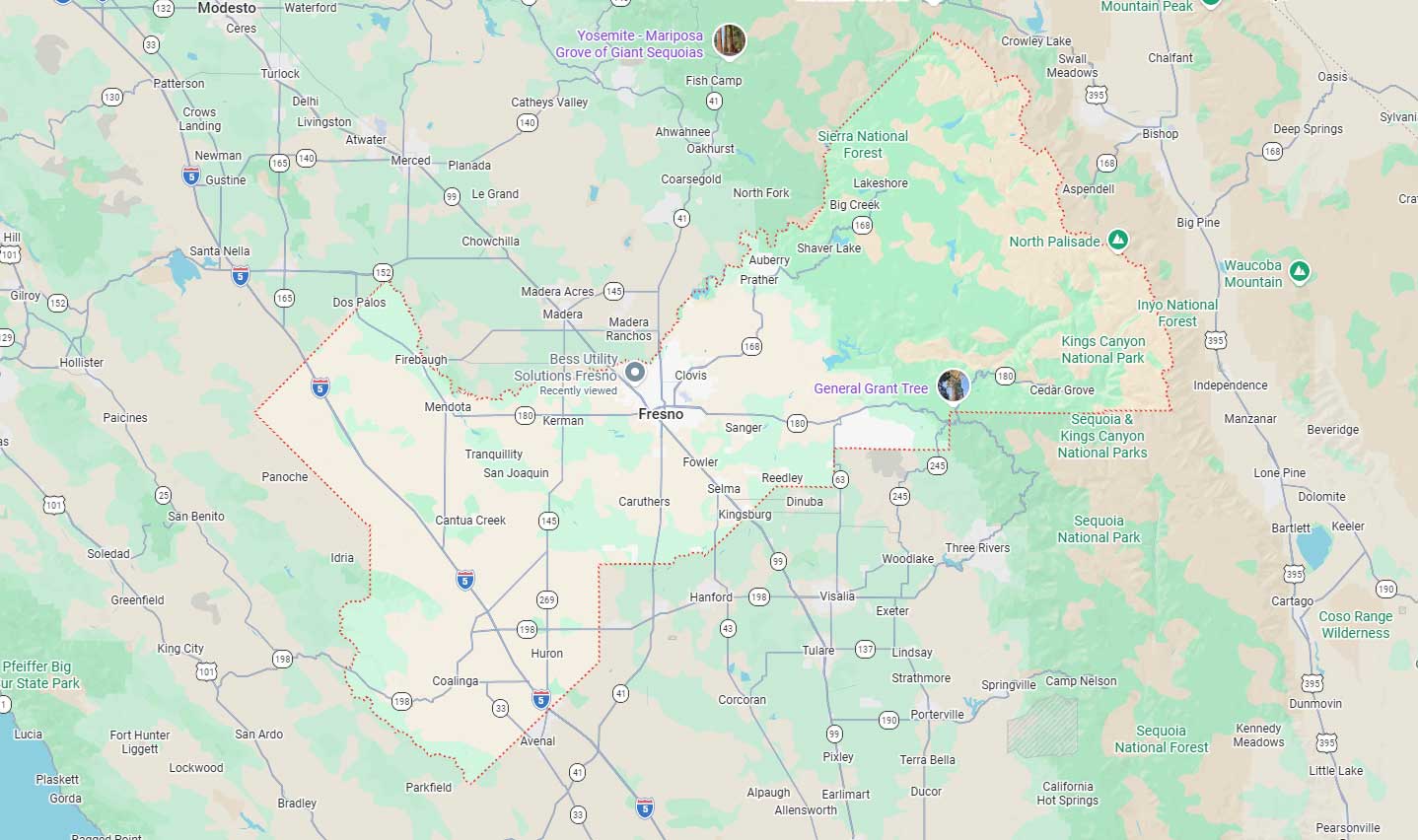
Fresno, CA
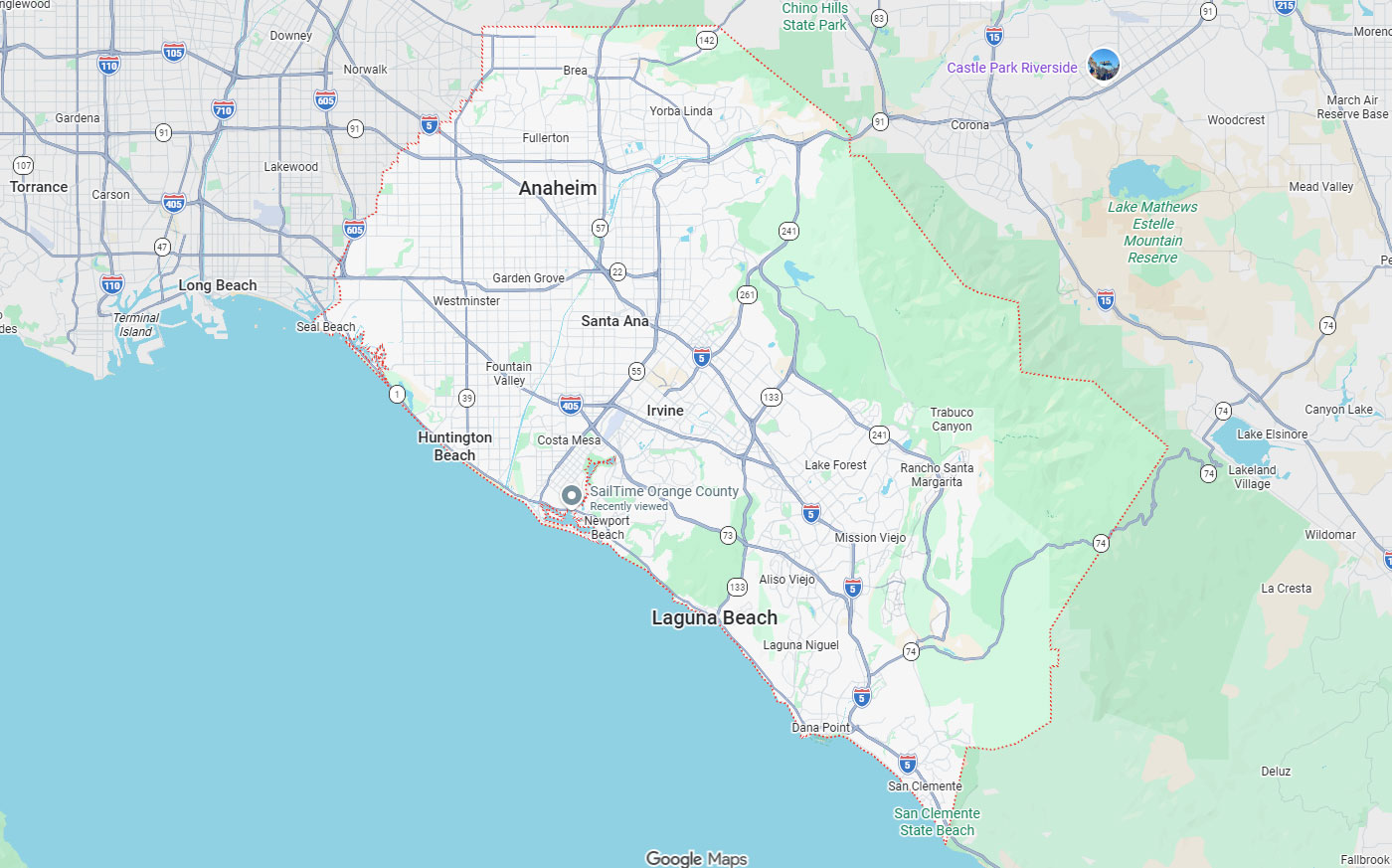
Orange, CA
Sacramento, CA
Phoenix, AZ
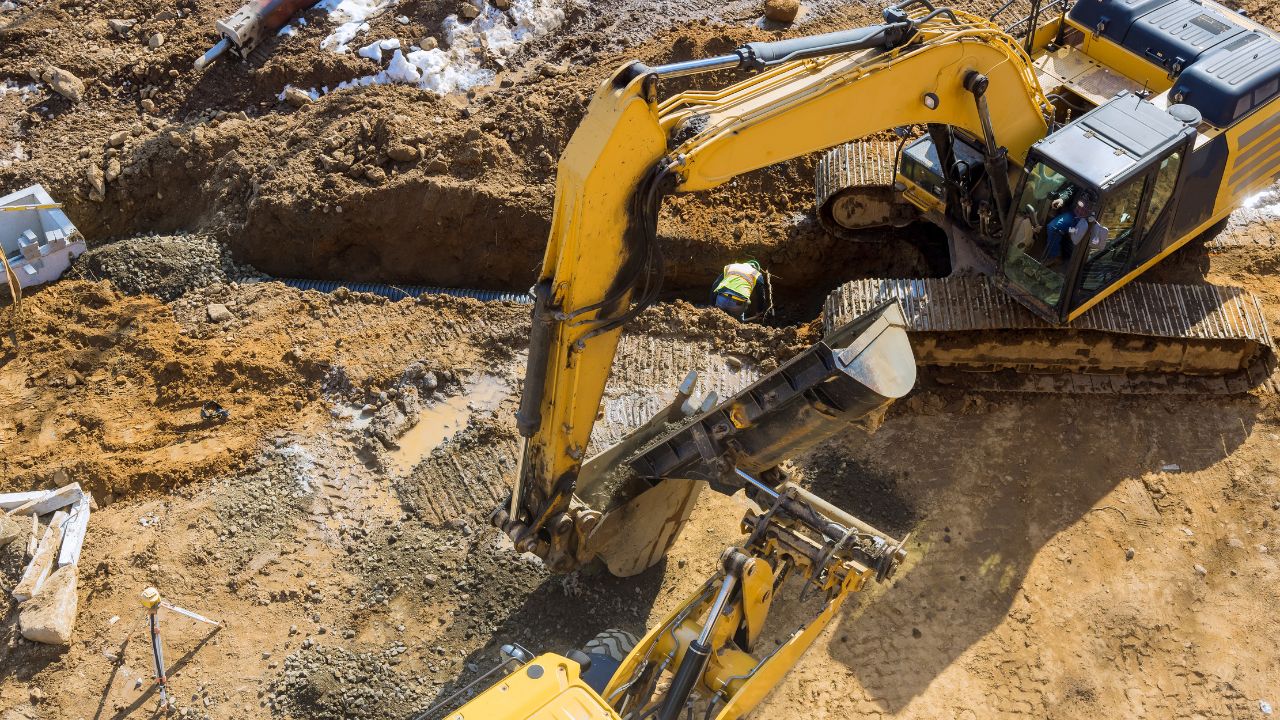
Utility strikes during construction projects create devastating financial consequences and serious safety hazards for development teams. Professional utility locating services use advanced detection technologies to identify underground infrastructure before excavation begins, preventing damage to pipes, cables, and fiber optic networks. Hayward developers operating in dense urban environments face particular challenges due to aging infrastructure, incomplete utility records, and the presence of both public and private underground systems. Comprehensive subsurface mapping reduces project delays, eliminates unexpected change orders, and protects workers from life-threatening accidents.
Key Takeaways
Utility locating services identify the precise position and depth of underground infrastructure using specialized detection equipment. These services combine electromagnetic technology, ground-penetrating radar, and physical excavation methods to create accurate subsurface maps before construction activities begin.
EM locating uses electromagnetic induction to detect conductive utilities like metal pipes and cables beneath the surface. GPR uses radar pulses to create subsurface images, detecting both metallic and non-metallic objects with accurate depth measurements. Vacuum excavation uses high-pressure water or air to safely expose underground utilities for visual verification without causing damage. Professional full-service locating combines multiple detection methods, including EM, GPR, and vacuum techniques, with advanced GPS mapping and engineering analysis. EM locating holds the largest market revenue share at 44.5% in 2023 due to its cost-effectiveness and widespread adoption.
GPR detects both metallic and non-metallic utilities, while EM only detects metallic infrastructure. EM locating cannot detect non-metallic utilities, including PVC pipes, concrete conduits, and fiberglass installations. EM locating has limited depth accuracy compared to GPR's precise subsurface imaging capabilities. GPR performance is affected by certain soil conditions, including high moisture content and clay-heavy compositions. GPR requires specialized training to interpret radar data and distinguish utilities from natural subsurface features.
Vacuum excavation requires specialized heavy equipment, including hydrovac trucks and high-pressure air systems. Vacuum excavation is slower than non-destructive scanning methods, but it provides absolute certainty about utility locations. Professional full-service locating requires advanced scheduling to coordinate field teams and deploy multiple detection technologies. These comprehensive services deliver survey-grade documentation that meets regulatory standards and supports liability protection. Full-service providers produce CAD deliverables and GPS-referenced maps that integrate with project management systems.
Utility strikes create catastrophic financial losses, project delays, and life-threatening safety hazards for construction teams. Hayward's dense urban infrastructure and aging utility networks increase the risk of accidental damage during excavation activities.
Utility strikes cost the U.S. economy approximately $30 billion annually in direct damages from infrastructure repairs. The average cost per strike incident reaches $4,000 before accounting for project delays and regulatory penalties. Over 400 fatalities have occurred since 2000 related to underground utility strikes nationally. Over 2,000 injuries since 2000 resulted from underground utility strikes during construction and maintenance operations. A home was leveled by an explosion in Hayward, California, after contractors allegedly damaged an underground gas line during excavation work.
California law requires contractors to call 811 before excavation to request public utility location services. Tolerance Zone Rules require excavators to use hand tools only if digging within 24 inches of the outside diameter of any utility line. If damage is caused or discovered during excavation, the excavator must file a report immediately per California Code of Regulations Section 4100. Federal OSHA maximum penalties for excavation safety violations can reach $165,514 for serious or repeated infractions.
The 811 service only locates public utilities and typically stops at the property line or meter connection. 811 does not provide the depth information required for precise excavation planning and horizontal directional drilling operations. Private utility detection services are necessary because 811 will not locate private infrastructure, including sewer laterals, landscape lighting, and septic systems. More than 60% of all utility lines are private and fall outside the scope of 811 services. Private utilities include irrigation systems, security conduits, telecommunications infrastructure, and electrical service laterals installed by property owners.
Hayward developers evaluate utility locating services based on multiple factors, including safety records, technological capabilities, and regulatory compliance. Cost ranks as a lower priority than safety, compliance, accuracy, reliability, experience, and technology for contractors selecting professional services.
Safety performance and regulatory compliance represent the highest priority for contractors managing excavation projects. Accuracy, reliability, and proven experience with similar project types outweigh cost considerations in contractor decision-making processes. Technology capabilities, including GPR deployment and survey-grade documentation, influence service selection for complex urban projects. Contractors prioritize vendors with responsive field teams and clear communication protocols that minimize project disruptions. Insurance coverage, licensing credentials, and established track records reduce liability exposure for development teams.
EM locating is the most affordable detection method, while GPR equipment represents a higher cost investment. EM locating provides fast turnaround times compared to vacuum excavation, which requires slower, more methodical operations. GPR equipment costs range from $14,000 to $100,000, depending on antenna configurations and imaging capabilities. Higher equipment costs translate to higher service fees but deliver superior accuracy for non-metallic utility detection. Developers balance immediate service costs against potential strike damages and project delay expenses when selecting detection technologies.
Urban areas show a 72% adoption rate for professional utility locating services compared to lower rural adoption. Urban areas demonstrate a 65% adoption rate for GPR technology driven by complex infrastructure and regulatory requirements. Younger contractors aged 18-35 show higher adoption rates for GPR and professional full-service solutions than older demographics. Older professionals lean more heavily on traditional EM locating methods based on familiarity and established workflows. The average age of construction workers is 38 years old, with 71% of the construction labor force consisting of Millennials and Gen-Xers.
Professional utility locating delivers substantial financial returns by preventing expensive infrastructure damage and project disruptions. The cost of prevention through professional services is significantly lower than repair expenses and regulatory penalties.
The ROI for professional utility locating reaches $4.62 saved for every $1 spent on detection services. Total economic impact, including system inefficiencies and project downtime, reaches up to $91 billion annually across the construction industry. Professional locating eliminates emergency repair costs, change order expenses, and extended labor costs from project delays. Preventing utility strikes protects contractors from regulatory fines and maintains positive relationships with utility owners and municipal authorities.
Residential simple projects requiring 1-2 hours of work on up to 0.5 acres cost $150-$400. Residential complex projects requiring 2-4 hours of work on up to 0.5 acres cost $400-$800. Commercial projects requiring a half to full day on 1-5 acres cost $800-$2,500, depending on utility density. Municipal and right-of-way projects priced per linear foot for 100-2,000+ LF cost $1,500-$5,000 or more. Industrial and campus projects requiring multi-day operations on 5+ acres cost $3,000-$10,000 or more.
The 2024 DIRT Report documented 196,977 unique reported damages to buried utilities during construction activities. Nearly 50% of incidents occur because locating services were not called or because detection efforts proved inadequate. Telecommunications infrastructure is most frequently damaged at 49% of all reported utility strike incidents. Each strike creates direct repair costs, project delays, potential injury claims, and regulatory reporting requirements. Avoiding a single utility strike through professional locating services typically saves more than the cost of detection for entire project sites.
Professional utility locating services protect construction teams from legal liability and prevent life-threatening accidents during excavation. Comprehensive subsurface documentation demonstrates due diligence and regulatory compliance when incidents occur.
Research shows that 49% of U.S. homeowners plan to dig without contacting 811 before excavation begins. Skipping proper utility detection creates immediate liability exposure and violates California excavation safety regulations. Gas line strikes create explosion risks that can level structures and cause fatalities within populated areas. Electrical cable strikes expose workers to electrocution hazards and create power outages affecting nearby businesses and residences. Fiber optic damage disrupts telecommunications networks and triggers contractual penalties from utility owners.
California's Dig Safe Act of 2016 created the Underground Facilities Safe Excavation Board to enforce safety standards. The Tolerance Zone Rules mandate hand tool excavation within 24 inches of any marked utility location. California requires immediate damage reporting through specified regulatory channels regardless of severity or visible impact. CPUC regulations establish clear liability frameworks that hold excavators responsible for inadequate detection efforts. Municipal authorities in Hayward enforce additional safety requirements for work in public rights-of-way and near critical infrastructure.
California Code of Regulations Section 4100 requires excavators to file immediate reports when damage occurs or is discovered. OSHA penalties for excavation safety violations reach maximum amounts of $165,514 for serious or willful violations. Utility owners pursue damage recovery costs plus service interruption penalties through civil litigation when strikes occur. Repeated violations trigger escalating penalties and potential license suspensions for contractors and excavation companies. Risk mitigation in Hayward requires comprehensive documentation proving reasonable detection efforts before excavation activities begin.
Successful integration of utility locating services requires advance planning and coordination between detection teams and construction schedules. Early subsurface investigation during project design phases identifies conflicts before construction mobilization.
Developers should schedule utility locating services during project planning phases before finalizing excavation plans and equipment deployment. Call 811 at least two business days before digging to allow adequate time for public utility marking. Request private utility location services separately because 811 does not cover privately owned infrastructure. Maintain continuous communication between detection teams and excavation crews to address unexpected findings during operations. Implement physical markings and barrier systems around identified utilities to prevent accidental contact during digging activities.
Survey-grade subsurface maps create permanent records demonstrating compliance with detection requirements before excavation begins. GPS-referenced utility locations integrate with project CAD files and support coordination with other infrastructure systems. Detailed documentation establishes clear timelines proving adequate detection efforts were completed before incidents occurred. Photographic evidence and field reports verify surface marking conditions and detection technology deployment at project sites. Comprehensive records satisfy regulatory reporting requirements and support legal defense if utility damage claims arise.
EM locating provides initial identification of metallic utilities and establishes baseline infrastructure mapping. GPR scanning fills detection gaps by identifying non-metallic utilities that EM technology cannot detect. Vacuum excavation verification provides physical confirmation of utility depth and condition at critical excavation points. Multi-method approaches reduce false negatives and increase confidence in subsurface maps before heavy equipment deployment. Combined detection technologies deliver comprehensive coverage across diverse utility materials and installation depths.
Market growth trends and technological advancements directly impact service quality and availability for Hayward developers. Industry evolution creates expanding options for comprehensive subsurface detection services.
The global utility locator market was valued at USD 878.8 million in 2024, with continued growth expected. Market projections indicate the industry will reach USD 1.25 billion by 2030 through expanding infrastructure development. Market growth occurs at a CAGR of 6.1%, driven by urbanization and regulatory enforcement. North America dominates the global market with 36.8% revenue share due to stringent safety requirements. The U.S. market alone is estimated at USD 1.40 billion in 2024, reflecting strong domestic demand.
GPR is the fastest-growing technology segment, while EM holds the largest current market share. The services segment is anticipated to exhibit the fastest CAGR as companies increasingly outsource specialized detection work. Advanced GPS integration improves mapping accuracy and creates digital asset management systems for utility owners. Multi-frequency GPR antennas expand detection capabilities across varying depths and utility types. Technology advancement enables faster field operations and higher-quality deliverables that support construction cost savings through improved planning.
Contractors prioritize accuracy and liability protection over cost reduction when selecting utility locating services. Demand for comprehensive documentation drives adoption of survey-grade detection methods and CAD deliverables. Professional service providers respond to market preferences by deploying multiple detection technologies on a single project. Industry innovation focuses on faster turnaround times without sacrificing accuracy or regulatory compliance. Contractor feedback shapes service offerings toward single-source accountability for all subsurface detection needs.
Utility locating services transform excavation safety from reactive damage control into proactive risk management for development teams. Professional detection combines electromagnetic technology, ground-penetrating radar, and vacuum excavation to deliver comprehensive subsurface documentation before digging begins. The proven 4.62:1 return on investment demonstrates that prevention costs significantly less than repair expenses and project delays.
Hayward developers working in dense urban environments benefit from multi-method detection approaches that identify both public and private utilities across diverse material types. Advanced mapping capabilities satisfy regulatory requirements while protecting workers and maintaining project schedules.
Utility strikes don't just cost money — they stop projects, injure workers, and trigger regulatory penalties. Bess Utility Solutions brings 29 years of subsurface expertise, CPUC-certified precision, and a full suite of detection technologies to every site. From electromagnetic locating and GPR scanning to vacuum excavation and utility mapping, our team gives Hayward developers the verified subsurface data they need to dig with confidence. Contact Bess Utility Solutions today to schedule your pre-excavation utility locating services.