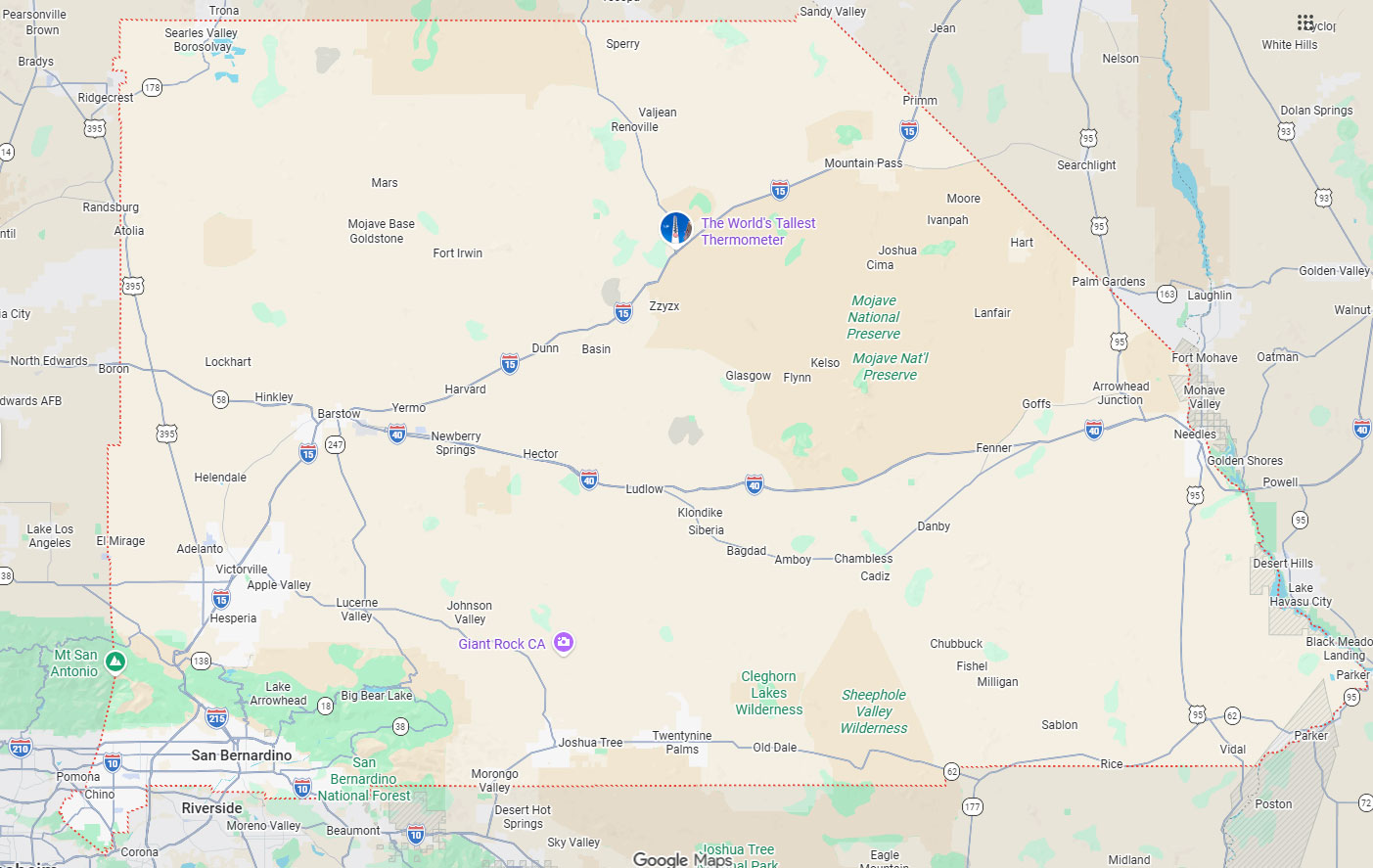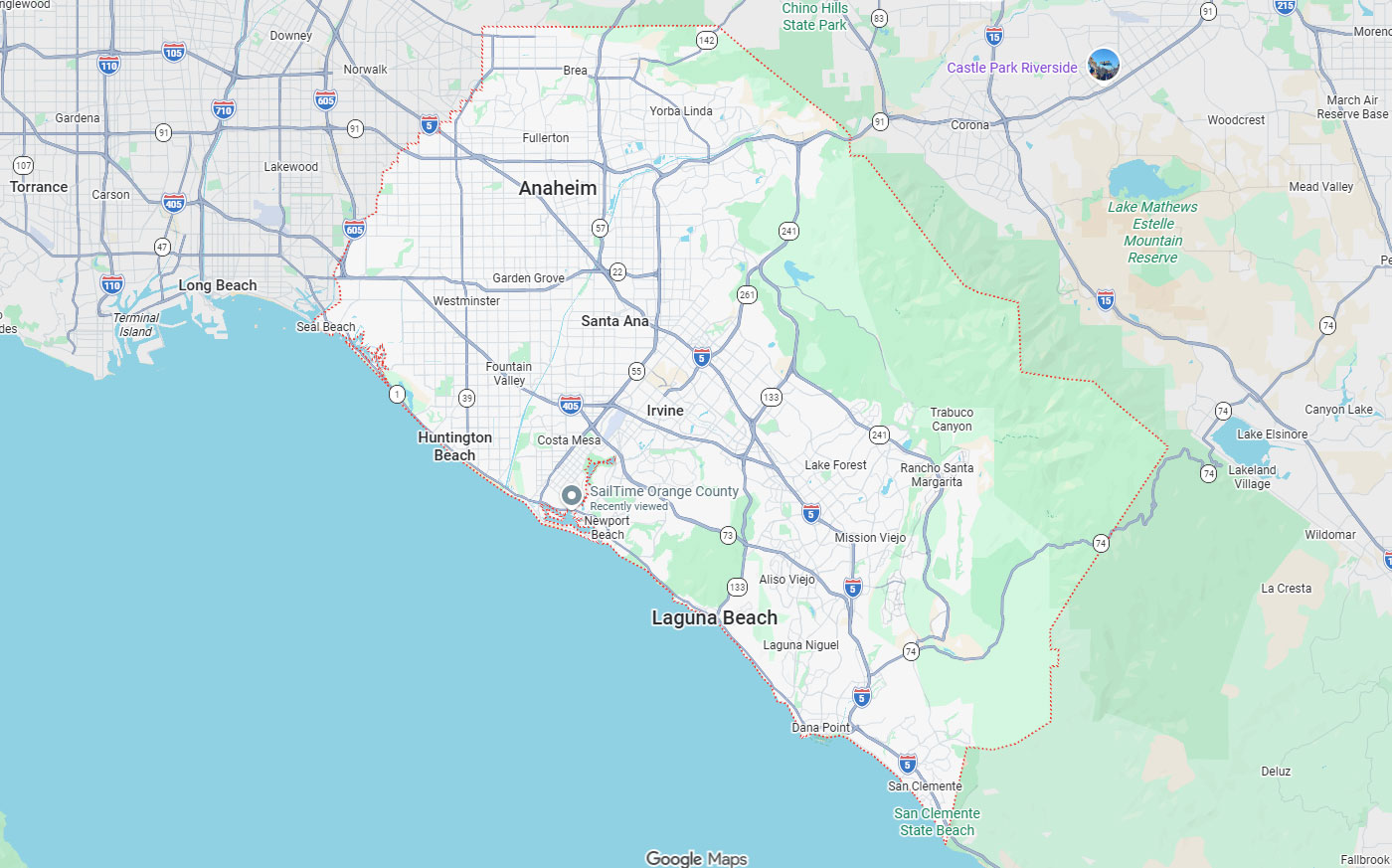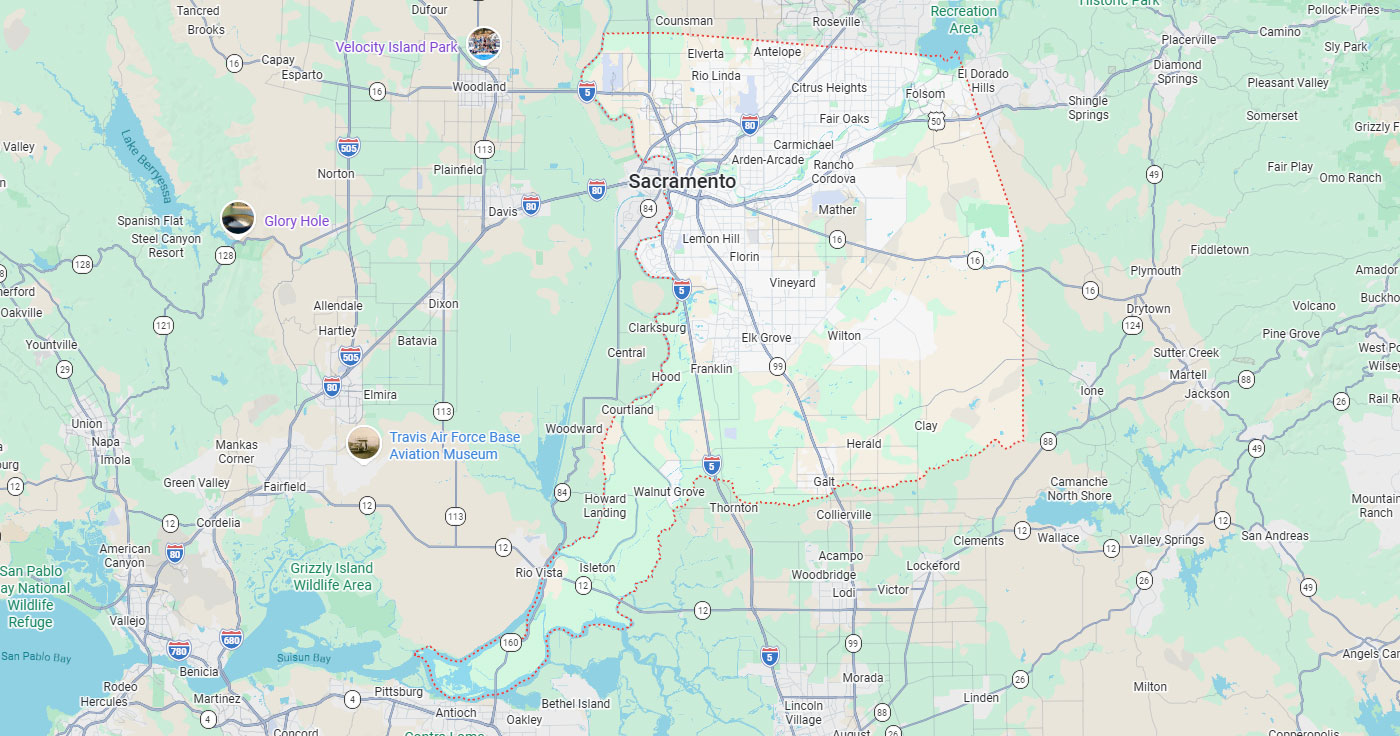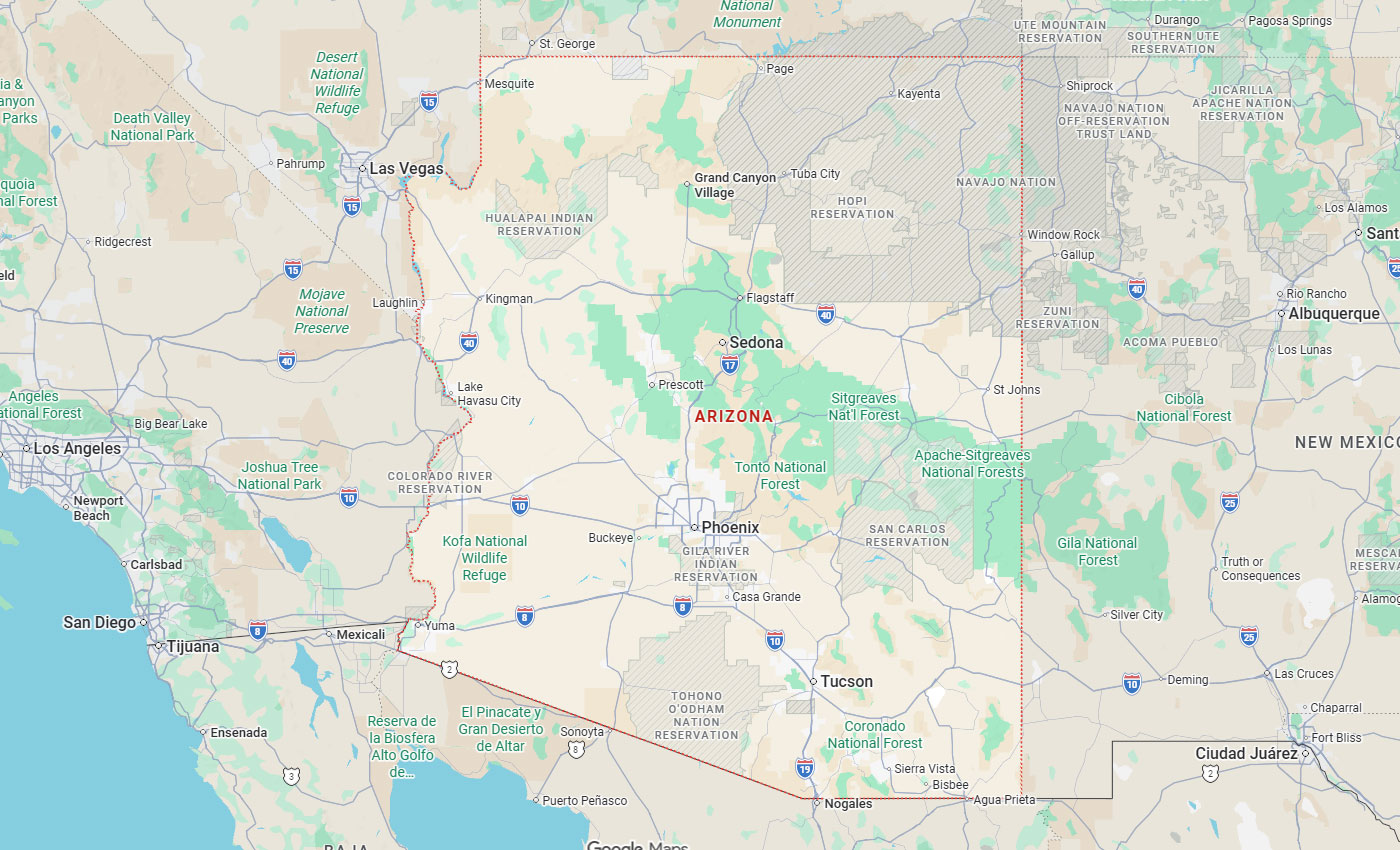
Hayward, CA
Fresno, CA
Orange, CA
Sacramento, CA
Phoenix, AZ
Key Takeaways
Utility strikes cost the United States $30 billion annually. In 2022 alone, 39 workers died in trenching and excavation incidents, a 160% increase from the prior year. Behind these numbers lies a stark truth: 76% of utility strikes are preventable when proper locating procedures are followed.
The problem isn't technology. Its execution. Contractors skip the 811 call. Crews ignore tolerance zones. Operators assume depth. Each shortcut multiplies risk.
This section explains what professional underground utility detection means, why gas, fiber, and electrical utilities present the highest-consequence strike risks, and what causes failures in the field.
Proper locating is a layered defense system. The foundation is legal compliance, but protection requires going beyond minimum requirements.
The Legal Foundation:
Call 811 at least 48-72 hours before any excavation. OSHA standard 29 CFR 1926.651(b) mandates that employers determine the estimated location of all underground utilities before opening an excavation. The tolerance zone, 18 to 24 inches on either side of the marked line, restricts mechanical equipment. Only hand tools or vacuum excavation are permitted.
But 811 marks show approximate horizontal location only, typically within 18-24 inches of actual position. Marks do not indicate depth. Only potholing, physically exposing the utility through vacuum excavation, confirms the exact three-dimensional location. Additionally, 811 only covers public utilities. Private facilities won't appear on public locate tickets.
| Aspect | 811 Public Locates | Private Locating |
| Scope | Only public utilities (member companies) | Public + private utilities (service lines, lighting, irrigation) |
| Limitations | Doesn't mark customer-owned facilities | May miss abandoned/unrecorded lines |
| When Needed | Every excavation (legally required) | Sites with private utilities, commercial properties |
| Common Failures | Outdated records, signal interference, non-metallic pipes | Skipped due to cost-cutting |
What "Approximate Location" Means:
Tolerance zone rules exist because locating equipment has inherent limitations. Electromagnetic signals shift due to interference. Non-metallic pipes require tracer wires that may be damaged. The result: marks indicate where a utility should be, within a defined margin. Mechanical excavation is prohibited inside this zone.
Gas, electrical, and fiber optic strikes create disproportionate consequences, immediate life safety hazards, catastrophic economic impacts, and cascading infrastructure failures.
Natural gas is explosively flammable at concentrations between 5-15% in air. A strike creates immediate risk. Even minor damage to the protective coating can lead to corrosion and eventual failure months later.
In 2010, a natural gas pipeline explosion in San Bruno, California killed eight people and destroyed 38 homes. The NTSB found that inaccurate utility records and failure to follow proper procedures contributed to the disaster. Professional gas line locating services prevent these tragedies by accurately identifying buried gas infrastructure before excavation begins.
Response requirement: If you strike a gas line, evacuate 300+ feet upwind. Remove all ignition sources. Call 911 and the gas utility emergency line. Do not attempt repairs.
Contact with high-voltage electrical lines is often instantly fatal. Underground electrical systems carry thousands of volts. The hazard extends beyond direct contact: step potential, the voltage gradient created in the ground, can electrify an area 30 feet or more from the strike point, causing cardiac arrest.
Metal excavation equipment becomes a conductor on contact. Arc flash, the explosive release of energy during a short circuit, can cause severe burns, blindness, and equipment destruction in milliseconds. Accurate electric line locating is essential to identify these hazards before equipment enters the excavation zone.
Fiber optic cables carry no voltage, but their economic impact is staggering. Modern infrastructure, data centers, cloud computing, financial networks, and healthcare systems depend on uninterrupted fiber connectivity.
In 2022, a fiber optic cable strike in Ashburn, Virginia, caused widespread internet outages for a major cloud provider, affecting businesses across the East Coast. The direct repair cost was minor. The economic loss from service disruption ran into millions per hour. For every $1 in direct repair costs, studies estimate $29 in indirect and social costs. That's a 29:1 multiplier.
Repair timelines vary by cable complexity. A 288-strand backbone cable requires days of precision fusion splicing. Professional fiber optic cable locating services help operators avoid these costly disruptions.
The Common Ground Alliance tracks utility damage caused through its DIRT Report. The data shows the vast majority of strikes stem from preventable human failures. Understanding these failure modes and implementing controls to prevent utility strikes is the difference between safe projects and catastrophic incidents.
| Cause | What It Looks Like | Why It Happens | Prevention Controls |
| Failure to notify 811 | No marks present; crew starts digging | "Too small" assumption; schedule pressure | Mandatory 811 policy, no exceptions |
| Excavation clearance failures | Mechanical equipment within tolerance zone | Misunderstanding rules; rushing | Hand-dig or vacuum excavation ONLY within 18-24" |
| Locator error | Utility present but not marked | Signal interference; non-metallic pipes | Pothole to verify; use private locating |
| Inadequate verification | Crew assumes depth without potholing | Cost/time pressure | Mandate potholing in high-risk zones |
| Damaged marks | Paint faded; flags removed | Weather; traffic; time elapsed | Photo marks; re-mark every 2-4 weeks |
Strike Reduction Impact:
When proper procedures are followed, CGA DIRT data shows:
Why Strikes Happen After Marking:
Clearance discipline fails, operators work "too close", believing they can "be careful." Depth assumptions, excavators assume standard burial depth, and encounter utilities shallower than expected. Mark maintenance, paint fades, flags disappear, and crews proceed without re-verification. Changed conditions, grading, or paving invalidate original marks.
A repeatable workflow eliminates variability and closes gaps where strikes occur.
White paint or flags mark excavation boundaries before calling 811. For linear work, mark start and stop points. Include planned excavation depth in the ticket.
Timing: Minimum 48-72 hours before excavation. Scope clarity: Detailed work description. Correct location: Verify address/GPS coordinates. On-site contact: Provide a responsive phone number.
Every utility must respond with physical marks or documented clearance. If there is no response, do not dig. Document ticket numbers and photograph all mark locations immediately.
| Method | Best For | Speed | When Required |
| Hand Digging | Shallow utilities (<4 ft), soft soil | 2-4 locations/day | Within tolerance zone (18-24 inches) |
| Vacuum Excavation | Any depth, all soil types | 5-15+ locations/day | Gas, electric, fiber; congested corridors |
Verification is mandatory for: All gas, electric, and fiber lines before mechanical excavation; any marked utility within tolerance zone; congested corridors; when marks conflict with records.
Hand-digging or vacuum excavation ONLY within 18-24 inches of marks. Transition to hand tools 2-3 feet away from marks. Support and protect exposed utilities immediately. Assign a spotter when mechanical equipment operates near exposed utilities.
Re-locate triggers: Marks fade (>25% missing = stop and re-mark); site grading/paving after original marking; project duration exceeds 14-28 day validity; work area expands beyond original scope.
Multiple utilities run parallel or stacked vertically. Electromagnetic signals interfere; locators mark one facility and miss another beneath it.
Solution: Mandatory potholing. Phase work to expose the utilities segment-by-segment. In extreme congestion, vacuum excavation along the entire trench line may be the only safe approach.
Boring creates a blind pathway underground.
Critical controls: Pre-bore potholing at planned crossings before drill enters ground; real-time tracking of bore tool; stop immediately if deviation occurs toward marked utilities.
Small jobs are most likely to skip the 811 process.
Reality check: A $500 fence repair that strikes a gas line creates $50,000 in emergency response and repair costs. Solution: Enforce "no exceptions" policy for 811 calls.
Decision checklist: Stop work immediately if marks don't match expectations; request a field meeting with the locator; document discrepancy with photos; escalate to utility operator if unresolved; pothole to verify ALL utilities before resuming.
Stop work immediately. Evacuate 300+ feet upwind. Remove ALL ignition sources. Call 911 and the gas utility emergency line. Never attempt repair. Secure perimeter.
Keep clear, assume a 30-foot energized perimeter. The operator stays in the cab if safe; if must exit, jump clear and shuffle away. Call 911 and the electric utility emergency line. Do not enter until the utility confirms de-energization.
Record time/location, 811 ticket number, photos of strike location and mark condition, crew statements, depth/material notes, and log of all notifications (who, when, what info provided).
The data proves proper locating works. 99% protection is achievable through systematic compliance. 76% of strikes are preventable. The $30 billion annual cost is driven by compliance gaps, not technical limitations.
Three actions eliminate the majority of risk:
Utility strikes are not accidents; they're compliance failures. The gap between what's possible (99% protection) and what's practiced is the difference between safe excavation and preventable tragedy.
Need expert utility locating services to protect your next project? Contact Bess Utility Solutions for professional locating, verification, and damage prevention support.