Hayward, CA
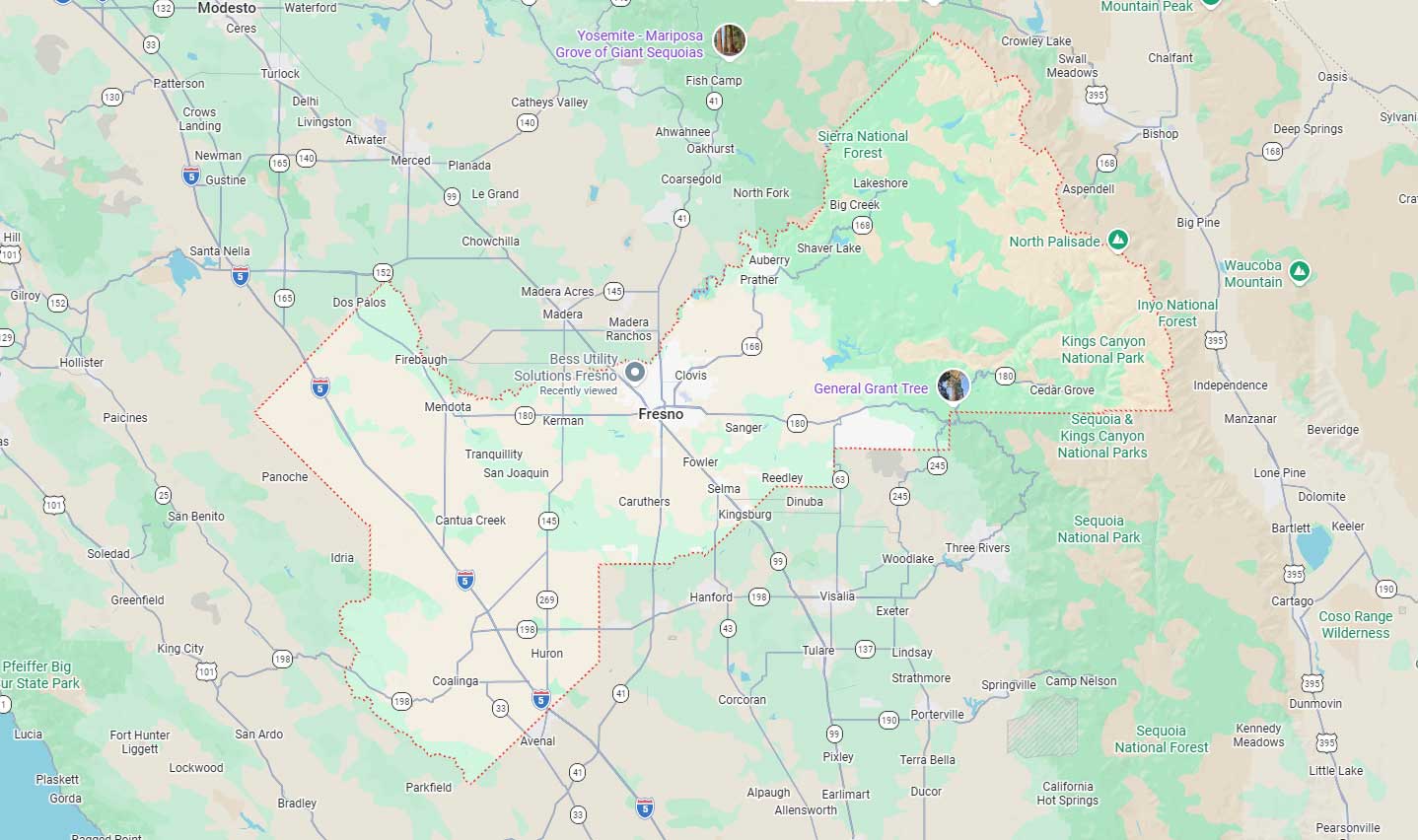
Fresno, CA
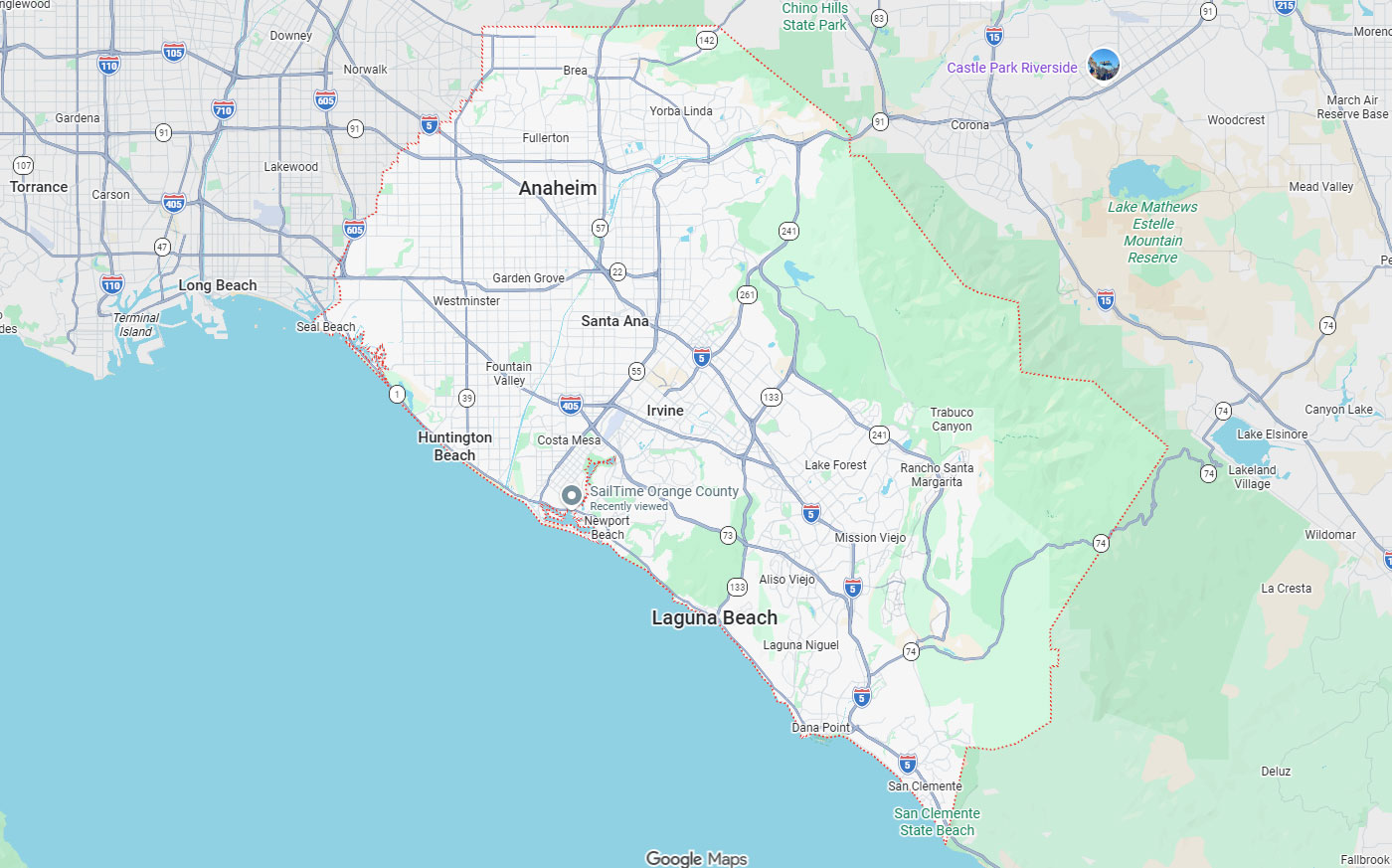
Orange, CA
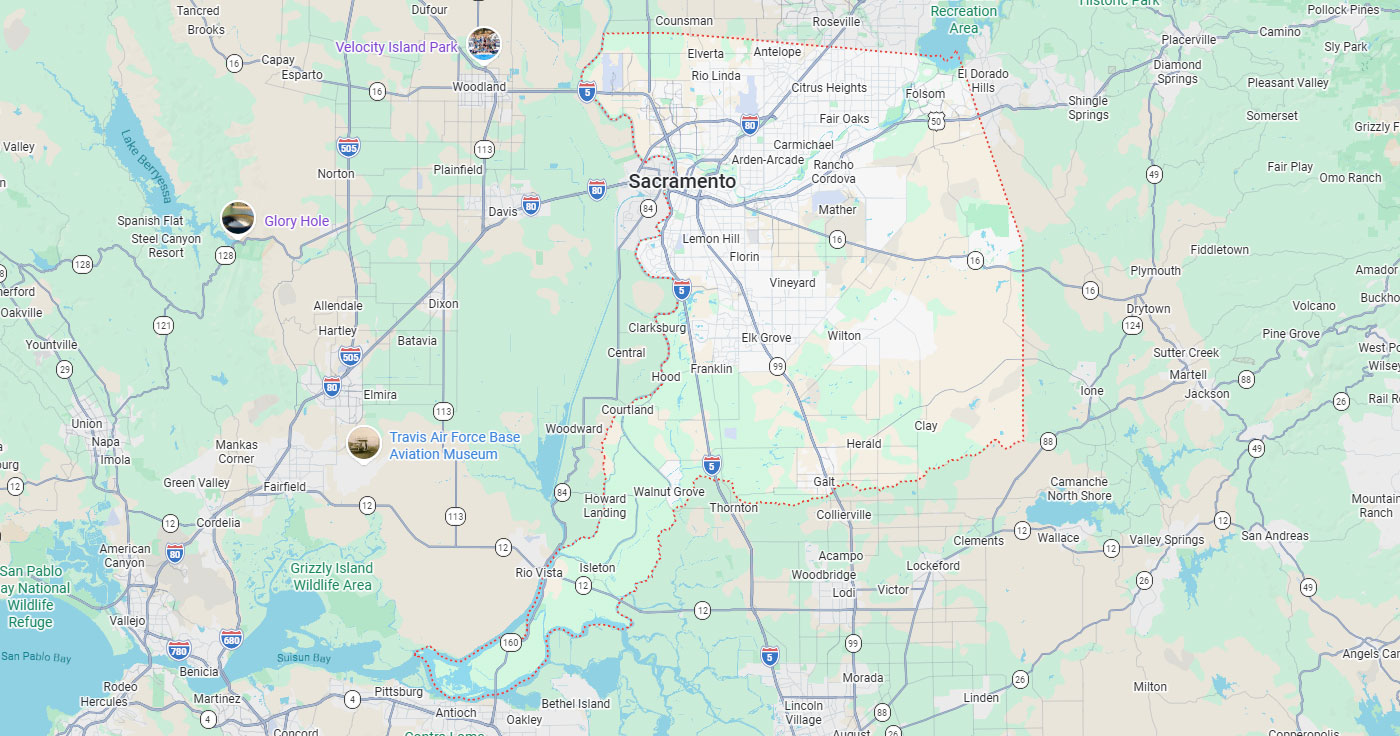
Sacramento, CA
Phoenix, AZ

Key Takeaways
Utility strikes kill workers, destroy property, and bankrupt contractors. The numbers are stark: $30 billion in annual U.S. damages, 39 worker fatalities in 2022 alone, a 160% spike from the prior year, and economic losses that dwarf repair bills by a factor of 29 to 1. Yet 76% of these strikes are preventable through adherence to basic locating protocols.
The pattern is consistent: excavators who skip the 811 call, ignore tolerance zones, or assume depths pay catastrophic prices. Gas explosions incinerate neighborhoods. Electrical contact kills instantly. Fiber cuts halt commerce. Even "minor" coating damage creates delayed-failure liability that surfaces years later in litigation. Understanding the risks of excavation without utility mapping is fundamental to preventing these disasters.
Utility locating isn't a regulatory theater. It's the primary control that stands between routine excavation and mass-casualty events. This section quantifies the real-world injury pathways, defines what locating actually delivers versus common misconceptions, and details the specific behaviors that convert compliance into survivability. Understanding these mechanisms transforms locating from a checkbox into the foundation of every safe dig.
Utility strikes are routine industrial events, not rare accidents. Telecommunications facilities alone sustain 49,000 strikes annually under current practices, a number that drops to 11,760 when proper damage prevention utility locating protocols are followed. Natural gas sees 39,000 strikes reduced to 9,360 with compliance.
The financial multiplier is brutal: for every $1 spent on direct repairs, $29 vanishes into indirect costs, project delays, legal settlements, regulatory fines, medical expenses, and reputational damage that erodes future bid competitiveness.
Most Common Strike Scenarios
| Work Activity | Why Strikes Happen | Prevention Control |
| Excavation/Trenching | Depth uncertainty, tolerance zone violation | 811 + potholing + hand exposure |
| Boring/Directional Drilling | Subsurface path deviation, no visual confirmation | Pre-bore potholing + verification points |
| Fence/Sign Posts | Perceived as minor, no 811 call | Mandatory 811 for all penetrations |
Strike energy releases follow predictable physics. Severed gas lines create explosive mixtures measured in city blocks. Electrical contact delivers 35,000°F arc flash that vaporizes metal and carbonizes flesh. Even "clean" fiber cuts trigger cascading failures: emergency response delays when 911 systems fail, medical device shutdowns, financial transaction halts. This is where worker injury prevention excavation programs prove their value.
Primary Injury Mechanisms:
The legal exposure extends decades. A nick today becomes a rupture in 2035, triggering wrongful death litigation that traces back to inadequate locate verification. Documentation gaps that seem trivial during construction become indefensible in depositions.
Utility locating is a risk-control process that provides approximate horizontal position, not exact location, not guaranteed depth, and not abandoned line detection. Operators mark surface projections of buried facilities using electromagnetic detection, ground-penetrating radar, and utility records. Accuracy depends on signal quality, equipment calibration, and record completeness. Professional underground locating and detection services employ multiple technologies to maximize reliability.
Key regulatory requirements: OSHA 29 CFR 1926.651(b) mandates determining utility locations before excavation. All 50 states require 811 notification 48-72 hours ' notice before digging. The tolerance zone, 18 to 24 inches either side of marks, permits only hand-digging or vacuum excavation. Calling 811 and following procedures provides 99% protection when executed correctly, demonstrating how utility locating reduces liability exposure across the industry.
What 811 Covers vs. What It Doesn't
| 811 One-Call System | Limitations | When to Add Private Locating/SUE |
| Public utilities only (gas, electric, water, telecom) | No private/customer-owned lines; depth not guaranteed; marks can fade | Sites with irrigation, outdoor lighting, detached buildings, high-consequence utilities, congested corridors, directional drilling |
What Marks Mean vs. Don't Mean:
Excavators who treat marks as definitive rather than advisory create the conditions for strikes. The tolerance zone exists because locating technology has inherent limitations; signal distortion, congested corridors, and non-conductive materials all introduce uncertainty that only physical verification resolves.
Utility locating eliminates blind digging, the single highest-risk excavation practice. When crews know what's beneath the surface, behavior changes fundamentally. Route adjustments avoid conflicts entirely. Dig speeds are slow to allow operator reaction time. Hand tools replace mechanical equipment within tolerance zones. Spotters monitor real-time hazards instead of discovering them through contact.
This behavioral shift creates layered defenses. Excavators stay outside energy-release zones during initial approach. Potholing confirms depth before mechanical equipment commits to depth. Exclusion perimeters around high-pressure gas or primary electrical systems prevent simultaneous exposure of multiple workers. Each verification step narrows the uncertainty envelope until contact becomes statistically implausible. This systematic approach to excavation safety has proven effective across thousands of projects.
The transformation is measurable: projects that implement comprehensive locate-verify-expose protocols achieve 99%+ damage-free rates. The 1% residual risk concentrates in scenarios where unknown facilities exist (abandoned lines, private utilities) or where marks have degraded between placement and excavation.
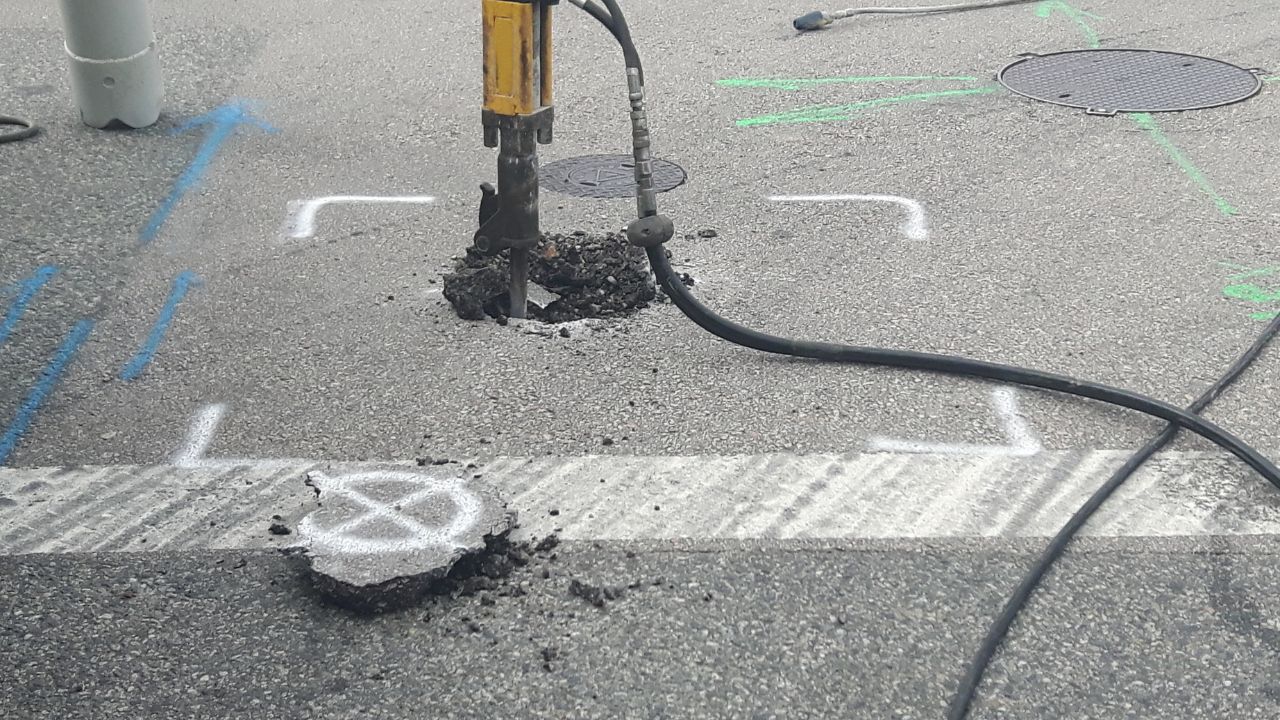
Potholing isn't a fallback; it's the verification standard that closes the gap between approximate marks and confirmed reality. Hand-digging or vacuum excavation within the tolerance zone exposes facilities without damage risk, allowing crews to proceed with certainty rather than hope. This single practice accounts for the majority of strike prevention in high-risk scenarios, as detailed in our guide on accurate utility locating to avoid damage claims.
Utility locating transforms liability exposure from indefensible contractor negligence to shared responsibility with documentable care standards. Courts and insurers evaluate excavation incidents through a "reasonable care" lens, did the contractor follow industry best practices? Proper locating creates traceable evidence that shifts fault allocation and eliminates the catastrophic "we didn't know" defense gap.
Documentation converts compliance from verbal claims into courtroom evidence. When strikes occur despite proper 811 calls, potholing verification, and tolerance zone protocols, liability focus shifts to utility operator record accuracy, marking precision, or unforeseen conditions. Contractors with complete records demonstrate reasonable care, the legal threshold that separates recoverable incidents from career-ending negligence verdicts.
This evidence chain matters most when memories fade and depositions begin 18-36 months post-incident. Contemporaneous photographs, signed crew briefings, and measurement logs withstand cross-examination far better than reconstructed testimony. The difference between "I think we called 811" and "Here's the ticket number, response confirmation, and site photos timestamped 72 hours before excavation" determines whether your insurance covers the claim or you're writing personal checks.
| Record Type | Retention Period | Why It Matters |
| 811 tickets/photos | 7-10 years | Statutory compliance proof; corrosion failures can surface years later |
| Potholing logs | 10 years | Proves verification occurred; critical for delayed-failure litigation |
| Daily safety briefs | 7 years | Demonstrates crew training; counters "inadequate supervision" claims |
Record retention outlasts project completion because liability follows the same timeline. A coating nick in 2025 becomes a rupture in 2032, your documentation is the only witness that survives the gap.
Effective utility locating follows a sequential workflow where each step validates the prior and enables the next. Skipping steps compounds risk exponentially; following them creates redundant verification that catches errors before metal meets pipe. This eight-step process represents industry consensus from CGA, OSHA, and contractor best practices.
Marks on the ground don't prevent strikes, competent interpretation and stop-work authority do. Operator competency gaps account for strikes even when proper marks exist. The excavator who can't read offset indicators, doesn't understand tolerance zones, or lacks the authority to halt work, creates the conditions for preventable contact.
Operator Competency Essentials:
Training converts compliance from a procedural checkbox to a behavioral norm. The difference between knowing tolerance zones exist and actually stopping the backhoe at the 24-inch boundary is the difference between safety culture and safety theater.
Strike response in the first 10 minutes determines casualty count and litigation trajectory. Panic and evidence destruction compound initial damage; disciplined protocols contain harm and preserve defensibility. Every contractor needs a rehearsed strike response plan that crew members can execute under stress.
The immediate response hierarchy prioritizes life safety, then scene control, then evidence preservation. Gas leaks demand evacuation and 911, waiting to "assess" the situation, risks explosive atmospheres reaching ignition sources. Electrical contact requires de-energization confirmation before approaching victims. Secondary collapses and traffic hazards kill rescuers; secure the perimeter before attempting recovery.
Post-strike chaos creates documentation gaps that become permanent. Supervisors who arrive 30 minutes after contact find disturbed scenes, moved equipment, and conflicting witness accounts. The excavator who photographs the strike before moving the backhoe preserves evidence that determines whether insurance covers the incident or litigation bankrupts the company.
Liability typically shifts to the utility operator when marks are demonstrably inaccurate, but contractors retain a duty to use reasonable care. Courts evaluate whether your behavior was prudent given that marks are approximate by design. The key distinction: did you treat marks as approximate guidance requiring verification, or as definitive locations justifying aggressive excavation?
Private utilities, irrigation, outdoor lighting, service laterals to detached structures, aren't marked by 811 responses because they're customer-owned, not public infrastructure. Contractors who observe site indicators (sprinkler heads, external building power, landscape lighting) and fail to hire private underground utility locating services face "should have known" liability.
Seven to ten years minimum, matching statute of limitations periods across most states. Your 811 ticket, photos, and potholing logs are the only witnesses that survive the gap between incident and litigation.
Comprehensive damage prevention programs require sustained investment, but basic protection is achievable immediately with three workflow changes: mandatory documentation, crew training, and escalation criteria for complex sites.
SUE delivers Quality Level B (surface geophysics) or A (test holes with surveyed positions) certainty that converts approximate marks into engineered deliverables. The investment, typically $3,000-$15,000 for moderate projects, is negligible compared to strike costs averaging $75,000 direct plus $2.2 million indirect.
Utility locating isn't project overhead; it's the foundation that makes safe excavation possible. Contractors who reduce injuries and liability are those who treat locating as the critical risk control it is, not a preliminary formality to satisfy regulators. The workflow is straightforward: call 811, verify responses, pothole at crossings, respect tolerance zones, and document everything.
Most strikes are preventable with proper procedures. The question isn't whether you can afford to invest in comprehensive locating, it's whether you can afford not to. Every strike carries $75,000 in direct costs, $2.2 million in indirect losses, and catastrophic injury risk. Every proper locate request costs $0 to the excavator and reduces strike probability by 76%.
Your workers return home safely. Your projects finish on schedule. Your insurance premiums stay manageable. Your reputation remains intact. That's the return on treating utility locating as non-negotiable.
Ready to eliminate excavation risk from your projects? Contact Bess Utility Solutions for professional utility locating services that protect your crew, your schedule, and your bottom line.