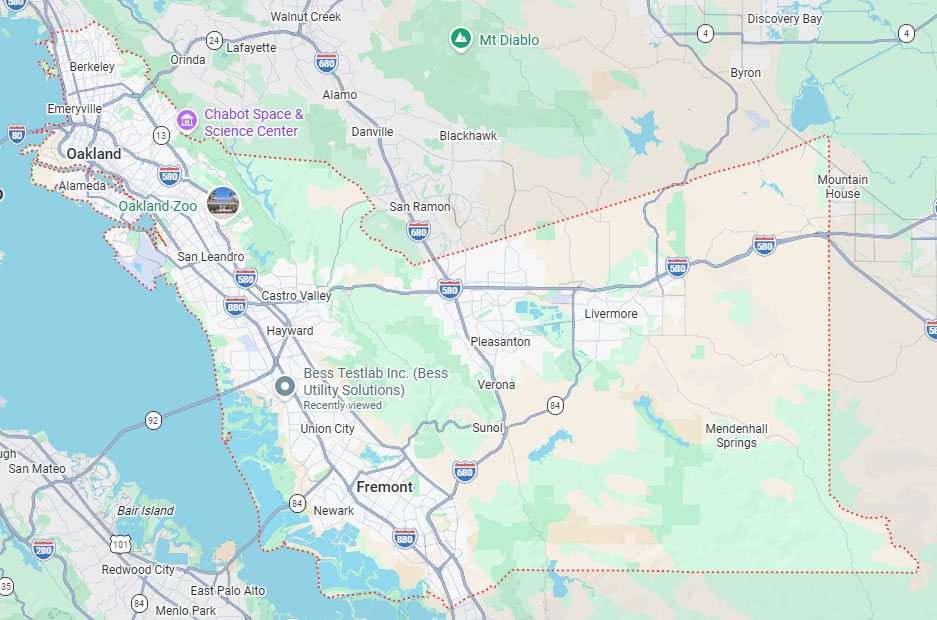
Hayward, CA
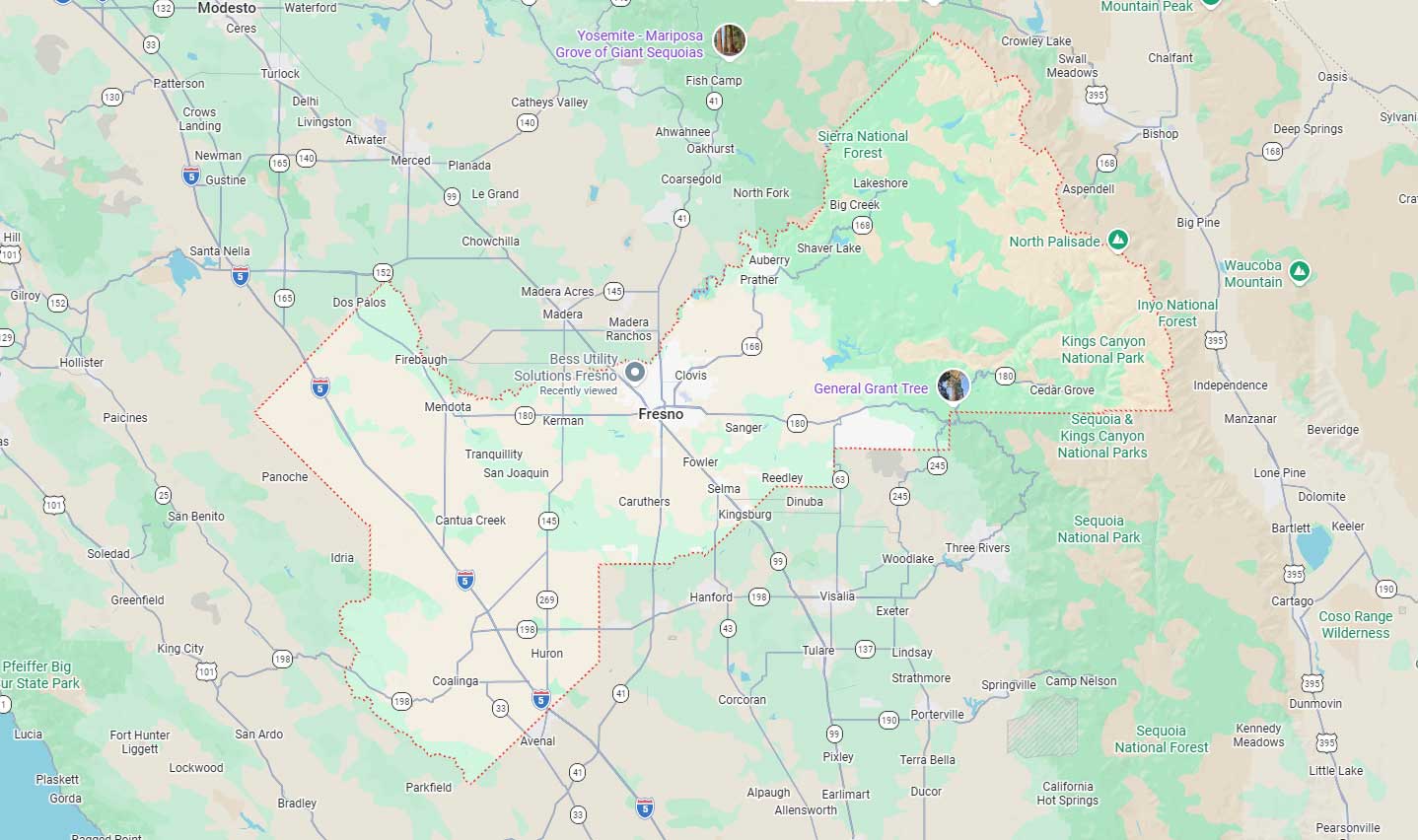
Fresno, CA
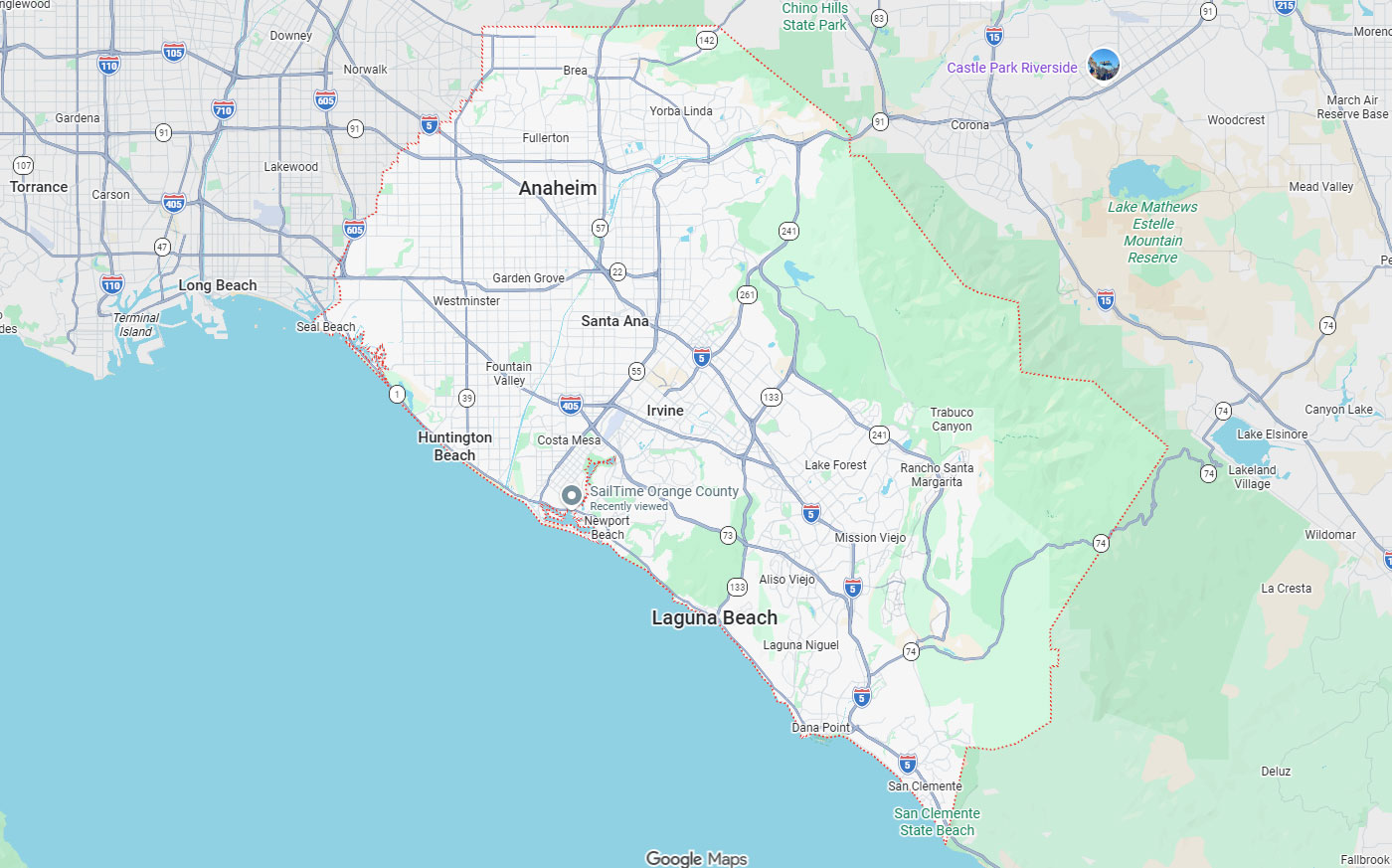
Orange, CA
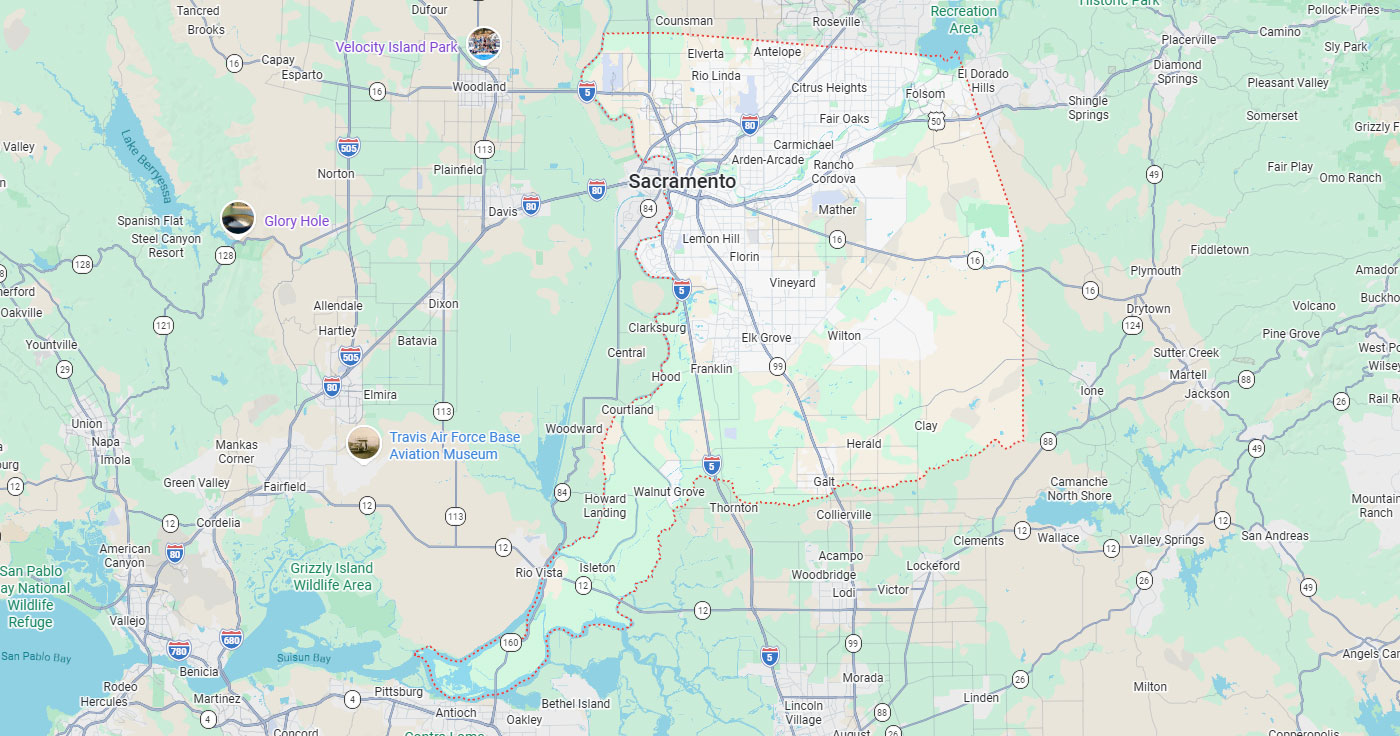
Sacramento, CA
Phoenix, AZ

Key Takeaways
Every day, excavation crews across the United States face a hidden danger lurking beneath the surface: unmarked underground utilities. A single shovel strike can trigger catastrophic consequences—from electrocution and gas explosions to project delays costing thousands of dollars. Yet despite federal mandates and free locating services, hundreds of thousands of utility strikes occur annually, resulting in injuries, fatalities, and billions in economic losses.
The solution is deceptively simple: dial 811 before you dig. This three-digit number connects you to a nationwide service that marks underground utilities with a 99% success rate in preventing accidents. Whether you're a homeowner installing a fence or a contractor managing a major construction project, understanding utility locating requirements isn't just about compliance—it's about protecting lives, your budget, and your reputation. Here's everything you need to know about why skipping utility locates is a risk no one can afford to take.
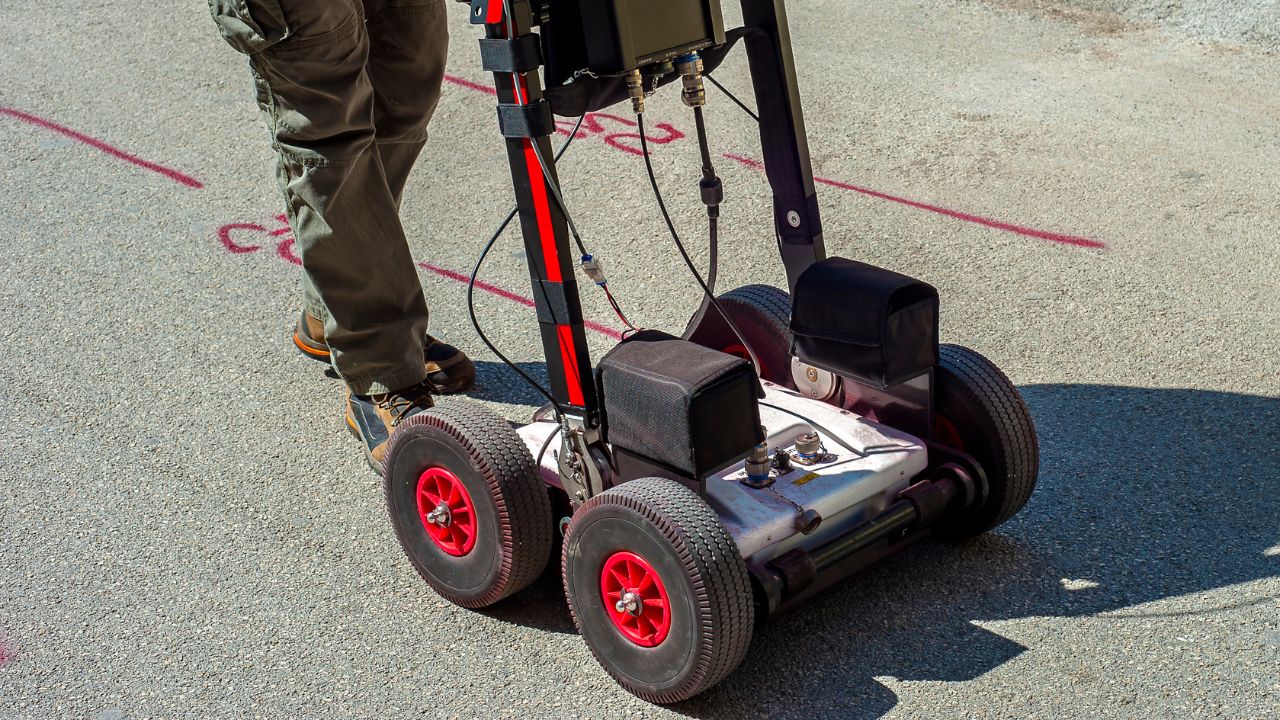
Utility locating services identify and mark underground utilities before excavation to prevent catastrophic accidents and costly damage. Professional utility locators use advanced technology like Ground Penetrating Radar and electromagnetic locating equipment to map underground infrastructure, including natural gas lines, fiber optics, sewer mains, and power cables. The 811 services (also known as Dig Safe or "Call before you dig 811") connect excavators with public utility locating services and private utility locating providers to ensure excavation safety across all projects.
The stakes are enormous. Between 400,000-800,000 utility strikes occur annually in the U.S., resulting in 1,906 injuries and 400 fatalities from 2000-2020 alone. Nearly 197,000 damages were reported in 2024, with the CGA Index rising 2.7% year-over-year. Each utility strike costs an average of $4,000, but major incidents involving critical infrastructure can reach hundreds of thousands—creating tens of billions in annual U.S. economic impact. OSHA 29 CFR 1926.651 mandates calling 2-3 business days before any excavation, making utility location a legal requirement for public utilities, private onsite utilities, and all underground infrastructure projects. When used properly, the 811 process delivers a 99% success rate in damage prevention, protecting both public safety and project budgets.
Skipping utility locates puts lives at immediate risk and threatens community safety on multiple levels. When excavation equipment strikes unmarked underground utilities without proper utility locating services, the consequences range from instant fatalities to long-term public health crises. Damage prevention isn't just about protecting underground infrastructure—it's about preventing catastrophic events that endanger workers, residents, and first responders.
The dangers include:
Electrocution: Direct contact with high-voltage electrical cables kills workers instantly. Underground utilities carry thousands of volts, and a single utility strike from unmarked power lines creates deadly conditions that spread through conductive soil and equipment. Professional utility locators using electromagnetic locating equipment prevent these fatal accidents.
Explosions and fires: Natural gas facilities account for 39% of all utility damages. Ruptured gas lines ignite instantly, triggering explosions that require emergency evacuations of entire neighborhoods. These incidents destroy critical infrastructure and create blast zones affecting hundreds of people beyond the immediate excavation site.
Secondary victims: Nearby residents and first responders face exposure to hazardous conditions when underground utilities rupture. Emergency personnel responding to utility strikes encounter toxic gases, live electrical hazards, and unstable ground conditions—turning damage prevention failures into multi-casualty events.
Environmental contamination: Severed sewer mains and chemical pipelines release toxic materials into soil and groundwater, creating long-term health risks. Environmental cleanup from utility strikes can take years and cost millions, affecting public safety far beyond the initial incident.
Community disruptions: Telecommunications systems (49% of all damages) and water/sewer infrastructure (24%) failures paralyze communities. Power outages shut down hospitals, traffic systems, and emergency services. Fiber optics damage disrupts 911 systems and critical communications networks that public utilities and private businesses depend on for operations.
Utility strikes create immediate repair costs and cascading financial losses that destroy project budgets and business reputations. Without proper utility locating services and damage prevention protocols, a single excavation error triggers expenses across multiple categories—from emergency repairs and regulatory penalties to long-term insurance and licensing consequences.
| Cost Category | Impact | Key Data |
| Emergency repairs | $4,000 average per strike | Hundreds of thousands for major incidents involving underground infrastructure |
| Project delays | 38% chance of work delays | Increased labor costs, idle equipment, missed milestones |
| Legal/Insurance | Premium increases, coverage loss | Attorney fees, administrative costs for utility strike claims |
| Regulatory fines | $125 to $5,000+ | Varies by state agency and violation severity |
| Reputation | Lost contracts and business | Licensing consequences, bidding restrictions for future work |
| Total annual U.S. cost | Tens of billions | Based on 400,000-800,000 annual strikes across all sectors |
State penalty examples from state agencies: Arizona ($250-$2,000), Florida ($500), Kansas (up to $5,000), Montana ($125-$1,000). Investing in professional utility locating services and private utility locating providers costs far less than a single utility strike—proving excavation safety and damage prevention delivers measurable ROI on every project.
Federal and state laws mandate utility locating for all excavation projects—no exceptions exist for project size or property type. Whether you're a homeowner installing fence posts or a commercial contractor managing critical infrastructure, damage prevention regulations require calling 811 services before any ground disturbance. These laws protect underground utilities, public safety, and the 3.3 million miles of natural gas pipeline infrastructure across the U.S.
OSHA 29 CFR 1926.651: Applies to all excavations regardless of size—including landscaping, fence posts, and small residential projects. No exemptions exist. Employers must contact utility locating services 2-3 business days before breaking ground to identify underground utilities and ensure excavation safety.
PHMSA Pipeline Safety: Federal regulations protect 3.3 million miles of pipeline infrastructure carrying natural gas and hazardous materials. Pipeline operators must implement damage prevention programs, and excavators must use 811 services before digging near underground infrastructure.
Federal 811 Initiative (Call before you dig 811): Mandatory for homeowners, contractors, and all excavators. Dig Safe laws require contacting public utilities and private utility locating services through the nationwide 811 system before any excavation work begins.
State laws: All 50 states enforce damage prevention laws requiring a 2-3 business-day advance notice through their state agency before excavation. Private onsite utilities and public utility networks both fall under these regulations, ensuring comprehensive protection of underground infrastructure.
Penalties apply equally: Homeowners face identical fines, liability, and legal risks as commercial contractors. State agencies enforce penalties ranging from $125 to $5,000+ for violations, with no exemptions based on project size or excavator type.
Common misconceptions about utility locating services drive dangerous shortcuts that lead to preventable utility strikes. Despite federal mandates and proven damage prevention benefits, excavators skip the 811 process based on false assumptions about cost, delays, project requirements, and awareness gaps. Understanding these misconceptions reveals why education and enforcement remain critical for excavation safety.
Cost misconception: Many believe underground utility locating services are expensive, but 811 services (Call before you dig 811) are typically free for excavators. Public utility locating services cost nothing to requestors, and private utility locating providers charge far less than the utility strike consequences. The ROI proves compelling—every $1 spent on damage prevention returns $4.62 in avoided costs, making professional utility locators the most cost-effective excavation safety investment available.
Delay misconception: Excavators assume locate services slow project schedules, but the standard 2-3 business day turnaround for utility location requests integrates seamlessly with proper planning. The real delays occur when utility strikes shut down projects—excavators face a 38% chance of work stoppages from hitting unmarked underground utilities, far exceeding any scheduling impact from calling 811.
Project size misconception: Homeowners and contractors wrongly believe small projects don't require utility locating. Federal law contains no minimum threshold—all excavation requires contacting locate services, whether installing fence posts, planting trees, or managing major underground infrastructure projects. Private onsite utilities and public utility networks both demand protection regardless of dig depth or scope.
Awareness gaps: Data reveals systemic failures across the damage prevention chain. Notification failures cause 26% of utility strikes, locating practices issues account for 34%, and excavation practices problems create 33% of damages. The top 10 root causes represent 85% of all incidents, demonstrating how consistent education about utility location requirements and proper use of utility locating services could eliminate the majority of preventable accidents.
Comprehensive damage prevention combines mandatory 811 services with advanced technology, professional training, and systematic best practices. Effective excavation safety requires multiple layers of protection—from initial utility location requests through on-site monitoring with modern technology. Professional utility locating services and subsurface utility engineers use proven methods to locate underground lines and protect underground infrastructure across all project phases.
Call 811 (Dig Safe): Contact Call before you dig 811 at least 2-3 business days before any ground disturbance. The 811 process connects you with public utility locating services and coordinates private utility locating for onsite utilities. In 2024, 45.9 million tickets were processed nationwide, demonstrating the system's capacity to handle requests from homeowners, contractors, and facility management teams through the standard scheduling process.
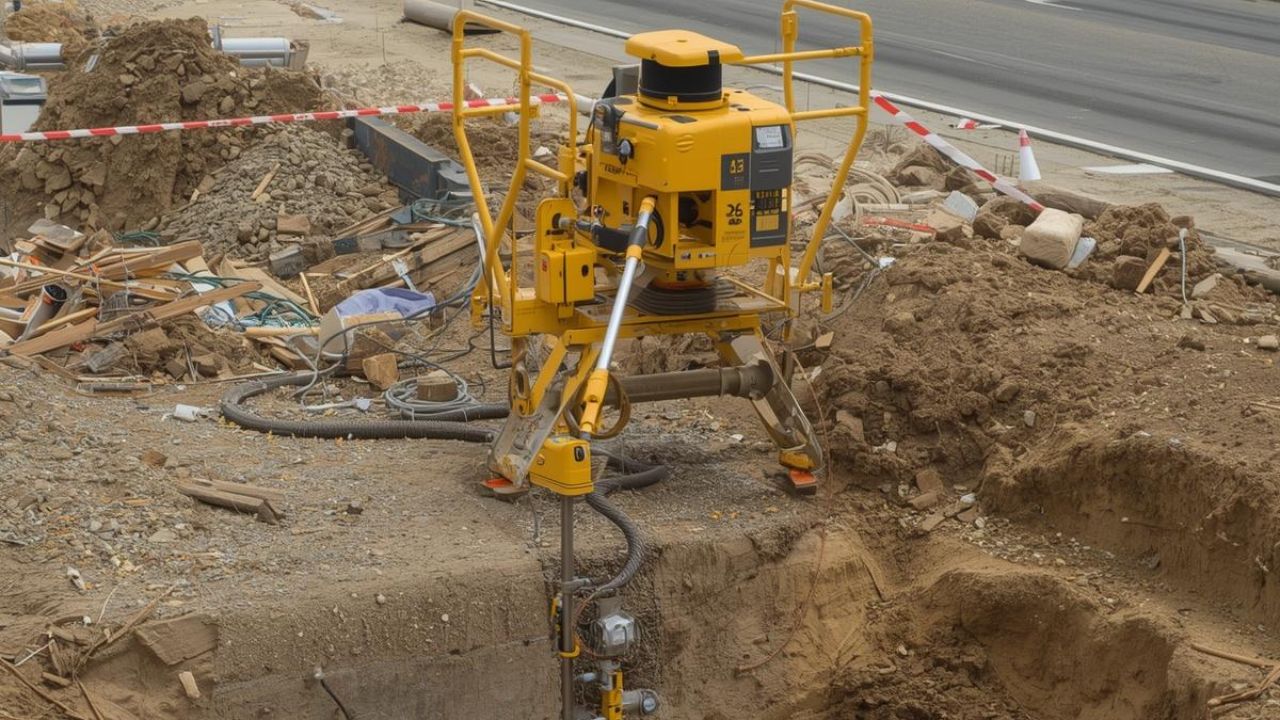
Advanced technology: Professional utility locators deploy Ground Penetrating Radar (GPR services), electromagnetic locating equipment, and vacuum excavation to achieve highest accuracy (<±0.15m horizontal). GPR services detect non-metallic underground utilities like fiber optics and sewer mains, while electromagnetic locating identifies energized cables and metallic infrastructure. Vacuum excavation (potholing) provides visual confirmation of utility location with minimal risk, and modern technology, including Real-Time Kinematic Positioning, enables precise infrastructure mapping and CAD drawings for facility documentation.
Quality levels: The ASCE 38-22 standard defines utility mapping accuracy from QL-D (records research) to QL-A (physical exposure). Subsurface utility engineers apply appropriate quality levels based on project risk assessment—QL-A vacuum excavation at critical conflict points, QL-B GPR services for design-level utility mapping, and comprehensive infrastructure mapping using 3D BIM models for facility management and long-term utility protection.
Training programs: Damage Prevention Specialists and accredited locating companies maintain higher performance standards. DPI-accredited contractors averaged 76 Data Quality Index versus 71.7 overall, proving that professional training and quality audit programs reduce utility strikes. Enhanced Positive Response systems, safety techniques from programs like Headway® safety program, and standardized competency requirements ensure utility locators deliver consistent accuracy.
Best practices: Implement QA/QC programs with quality audit programs, proper ticket timing through the scheduling process, and pre-construction coordination meetings with the engineer and site planners. On-site monitoring, standby services during excavation, and Enhanced Positive Response protocols ensure continuous utility protection. Facility documentation, including CAD drawings and 3D BIM models, enables accurate utility networks mapping for future projects, while risk assessment identifies high-conflict zones requiring private locate services or specialized inspection services.
The choice between calling 811 and skipping utility locating services determines whether your project succeeds safely or triggers catastrophic consequences. Every excavation decision carries life-or-death stakes—for workers, communities, and businesses. The data proves that damage prevention through professional utility locators and the 811 process delivers measurable protection across every metric that matters.
Calling 811 (Call before you dig 811) provides: A 99% success rate in preventing utility strikes, $4,000+ savings per prevented incident, enhanced excavation safety for workers and public safety for communities, protected business reputation with contractors and facility management clients, and avoided regulatory fines from state agencies. Professional utility locating services identify underground utilities before excavation begins, protecting critical infrastructure, including natural gas lines, fiber optics, sewer mains, and power networks. The Purdue University study confirms the financial imperative—every $1 spent on damage prevention returns $4.62 in savings, making investment in locate services and advanced technology like Ground Penetrating Radar the smartest business decision for any project.
Not calling risks catastrophic consequences: 1,906 injuries and 400 fatalities from 2000-2020, criminal and civil penalties from multiple jurisdictions, 38% chance of project delays that cascade across schedules, loss of contractor licensing and insurance coverage that ends businesses, environmental contamination requiring years of remediation, and community service disruptions affecting hospitals, emergency services, and critical infrastructure. A single utility strike destroys more than underground utilities—it ends careers, bankrupts companies, and takes lives. The underground infrastructure beneath every project site demands respect, professional utility location, and adherence to Dig Safe laws that protect everyone.
Don't risk lives and budgets on unmarked underground utilities. Bess Utility Solution delivers professional utility locating services using Ground Penetrating Radar, electromagnetic locating, and vacuum excavation for maximum excavation safety. Our subsurface utility engineers provide accurate utility location, infrastructure mapping, and damage prevention that keep projects on schedule and workers safe.
Contact Bess Utility Solution for a risk assessment. Before you dig, call the experts who prevent utility strikes with precision and reliability.