Hayward, CA
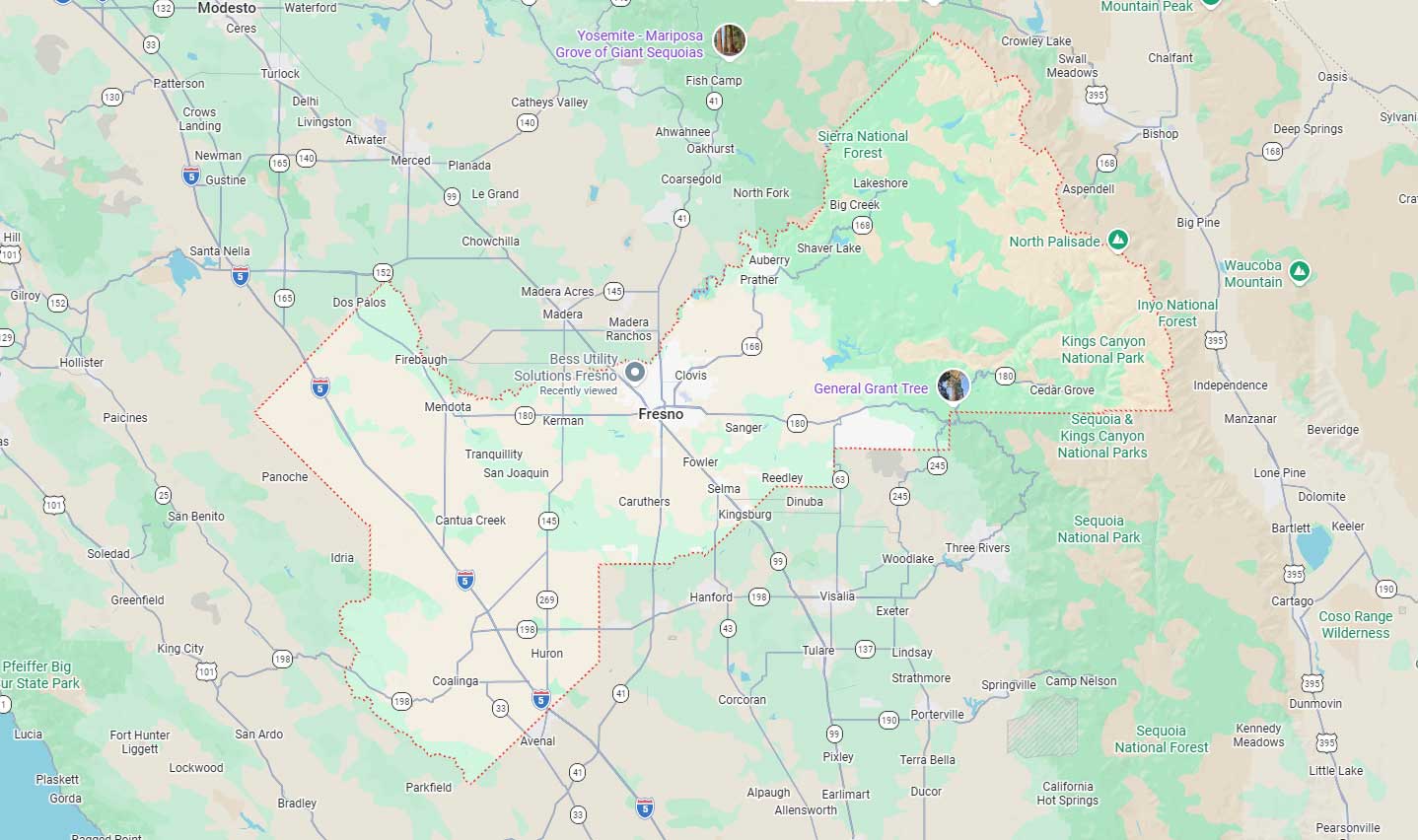
Fresno, CA
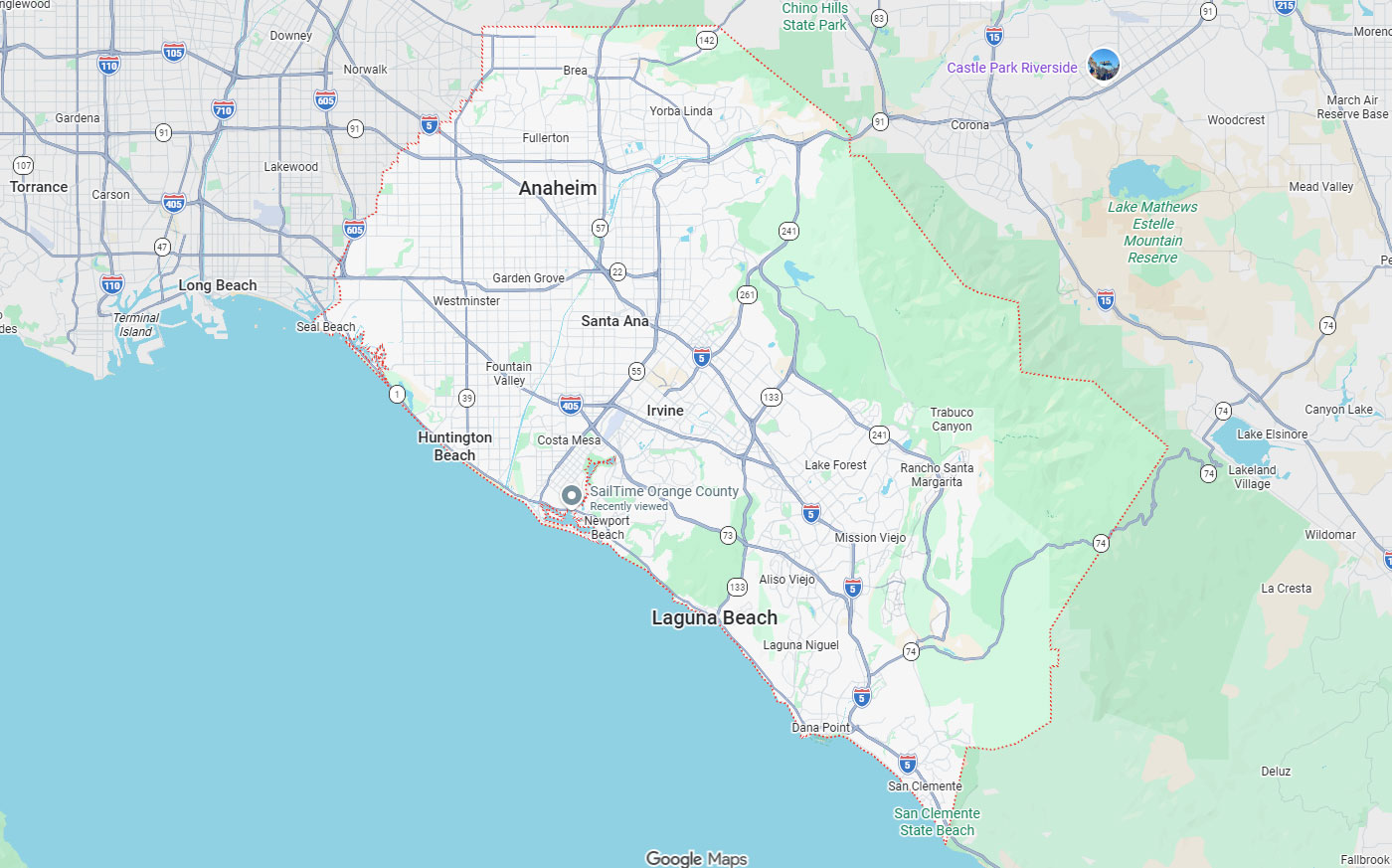
Orange, CA
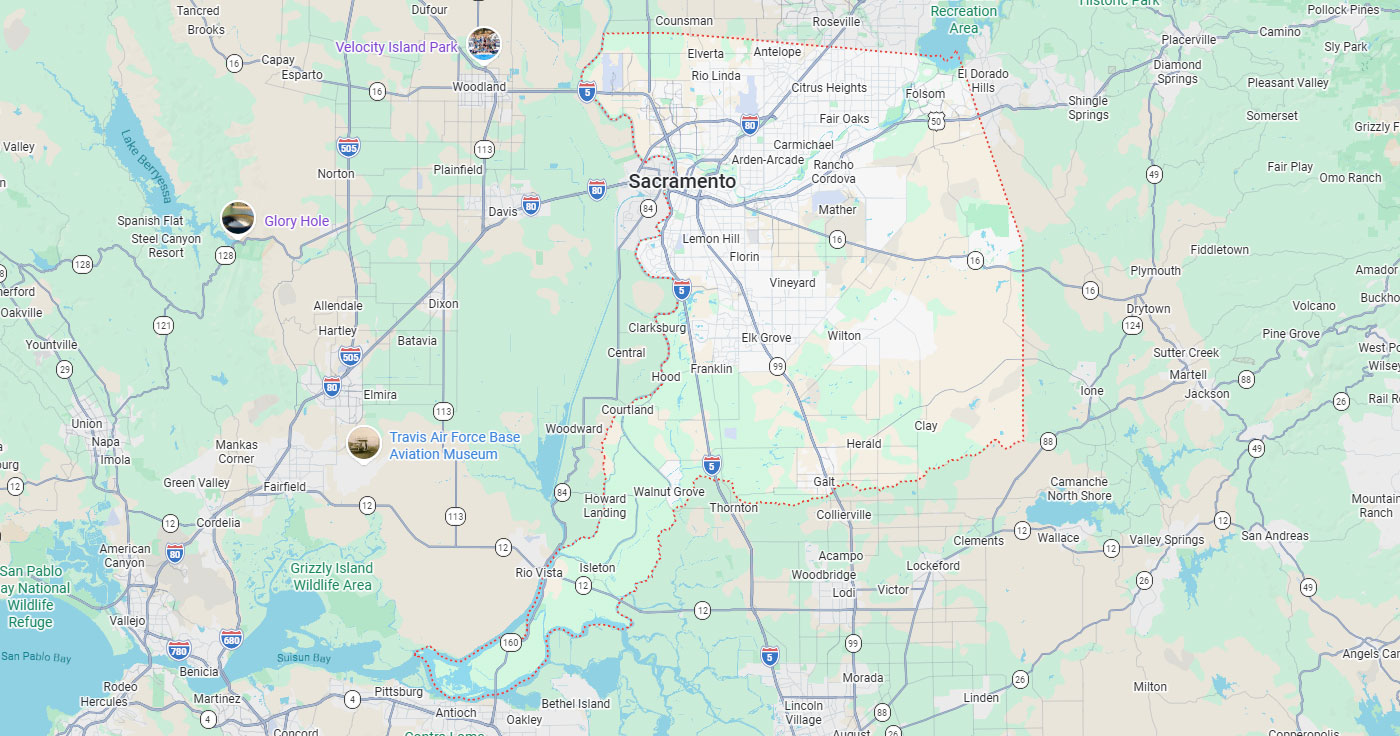
Sacramento, CA
Phoenix, AZ
Key Takeaways:
Ever tried finding something buried in your backyard as a kid? Maybe a toy or a time capsule? Now imagine trying to find water lines, gas pipes, or electrical cables hidden under streets, buildings, or even your own yard. That’s the daily challenge of underground utility locating—and it’s way harder than it looks.
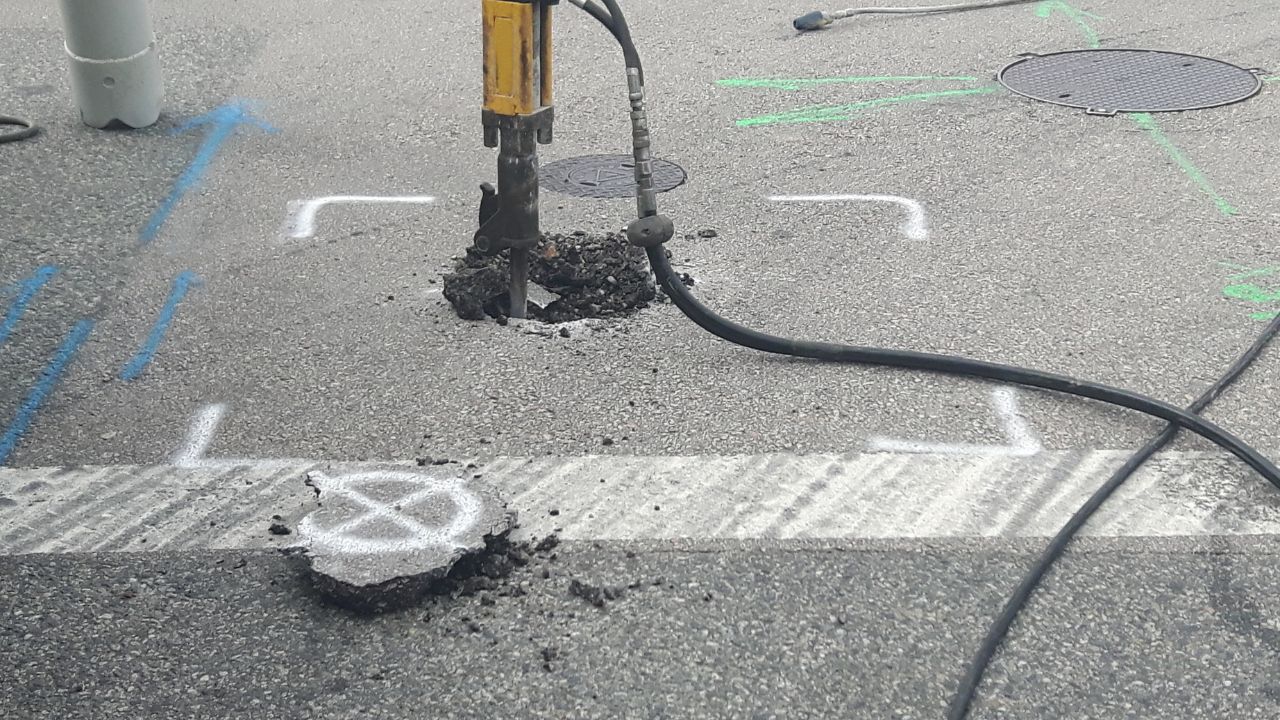
It sounds obvious, but the biggest hurdle with underground utilities is simple: they’re invisible. Unlike roads or power poles, you can’t just glance at the ground and know where everything is. That’s why utility locating services exist—they help uncover what’s beneath before digging begins.
But even with today’s advanced technology, professionals face some stubborn challenges.
You’d think utility companies would have perfect records of where everything’s buried, right? Not always. Older neighborhoods might rely on hand-drawn maps from decades ago. Some private utilities were installed without any maps at all.
Without accurate utility maps, even the best utility locator services have to play detective.
Metal pipes and cables are easier to find with electromagnetic tools. But what about plastic water pipes, concrete sewer lines, or fiber optic cables? These non-metallic utilities don’t conduct electricity, making them nearly invisible to basic equipment.
That’s where advanced tools like ground-penetrating radar come in. They “see” underground by sending radar waves through soil, but even then, soil conditions can mess with the results.
In cities, the ground beneath your feet is packed like a subway at rush hour. Gas lines, electrical cables, and water pipes often share tight spaces, sometimes crossing over or running parallel to each other.
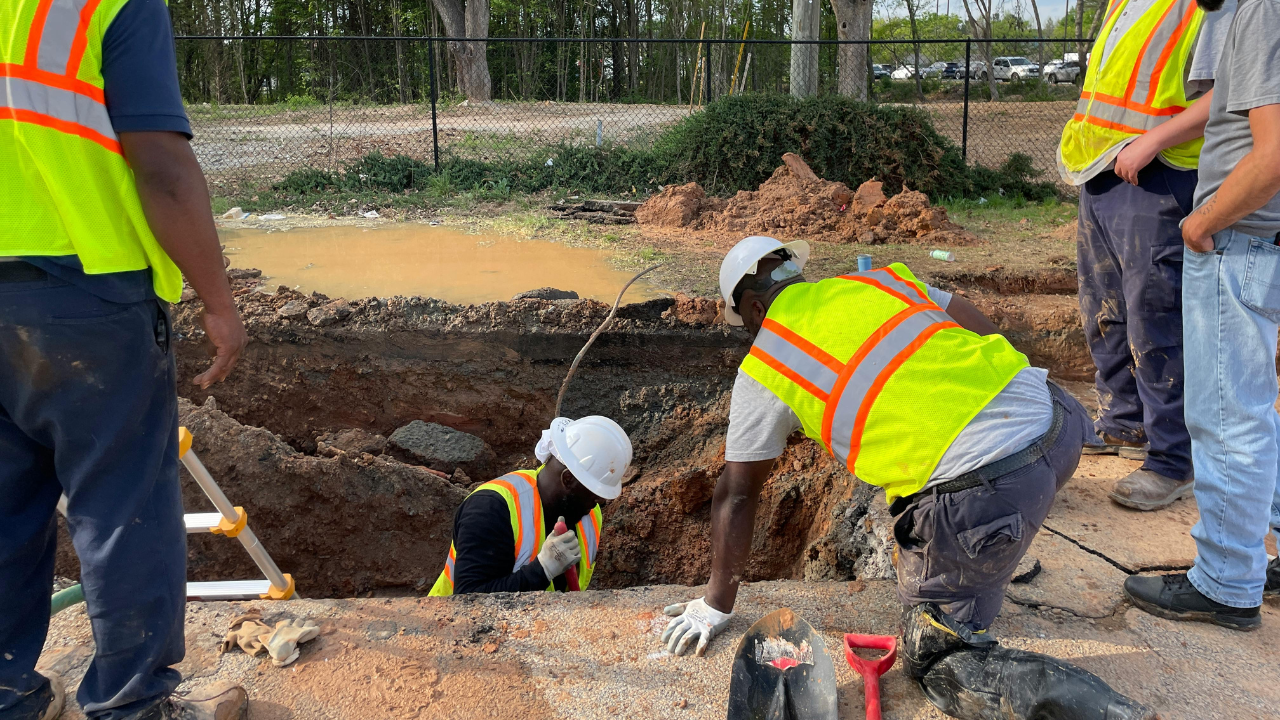
One wrong move during an excavation project could mean cutting through a gas pipe or severing a fiber optic line—both costly mistakes with serious safety risks.
Here’s a headache many property owners don’t expect: Public utilities (like city water mains) are usually mapped, but private utility lines (like the pipe from your meter to your house) often aren’t.
That’s why private underground utility locating services are crucial. They fill the gaps that 811’s free services don’t cover—like finding your septic system or buried electrical cables in the backyard.
Ever tried digging in wet clay versus dry sand? Soil changes how tools work. Rocky ground scatters radar signals, while wet soil can hide underground lines entirely. Even the seasons affect accuracy—frozen ground in winter makes detection tougher.
Skipping proper utility locating isn’t just risky—it’s expensive. Here’s what often happens:
A good utility locating process isn’t just about avoiding costly damages—it’s about keeping people safe.
So, how do utility locators tackle these problems? With a mix of edge technology and old-school know-how:
At Bess Utility Solutions, we’ve dealt with every scenario—from tangled underground infrastructure in downtown projects to rural properties with forgotten storage tanks.
Some folks try to save money by skipping professional utility locator services. Big mistake. Without the right tools and training, you might:
Accurate utility location isn’t just about gadgets—it’s about knowing how to use them.
Not sure if you need underground utility locating services? Call the experts if you’re:
We get it—underground utility locating sounds technical, but it doesn’t have to be confusing. Here’s how we make it simple:
Whether you’re a property owner or a contractor, our private utility locating service gives you peace of mind.
Next time you plan to break ground—whether it’s for a patio or a high-rise—remember: What you don’t know underground can hurt your project (and your wallet).
Ready to ditch the guesswork? Contact Bess Utility Solutions for reliable underground utility locating services. We’ll find what’s below so you can build above—safely and on budget.
Because in the world of digging, “oops” isn’t just embarrassing—it’s expensive.