Hayward, CA
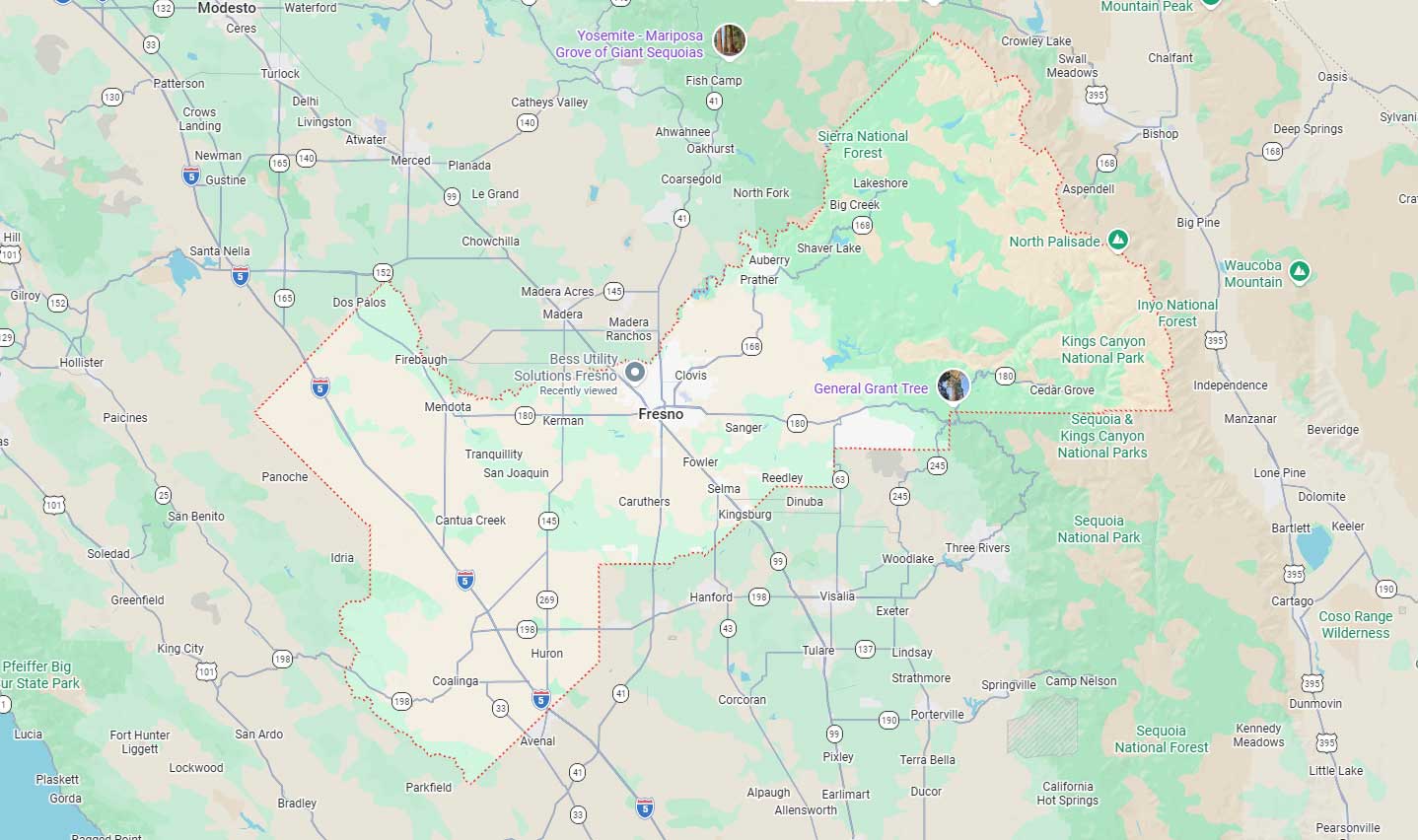
Fresno, CA
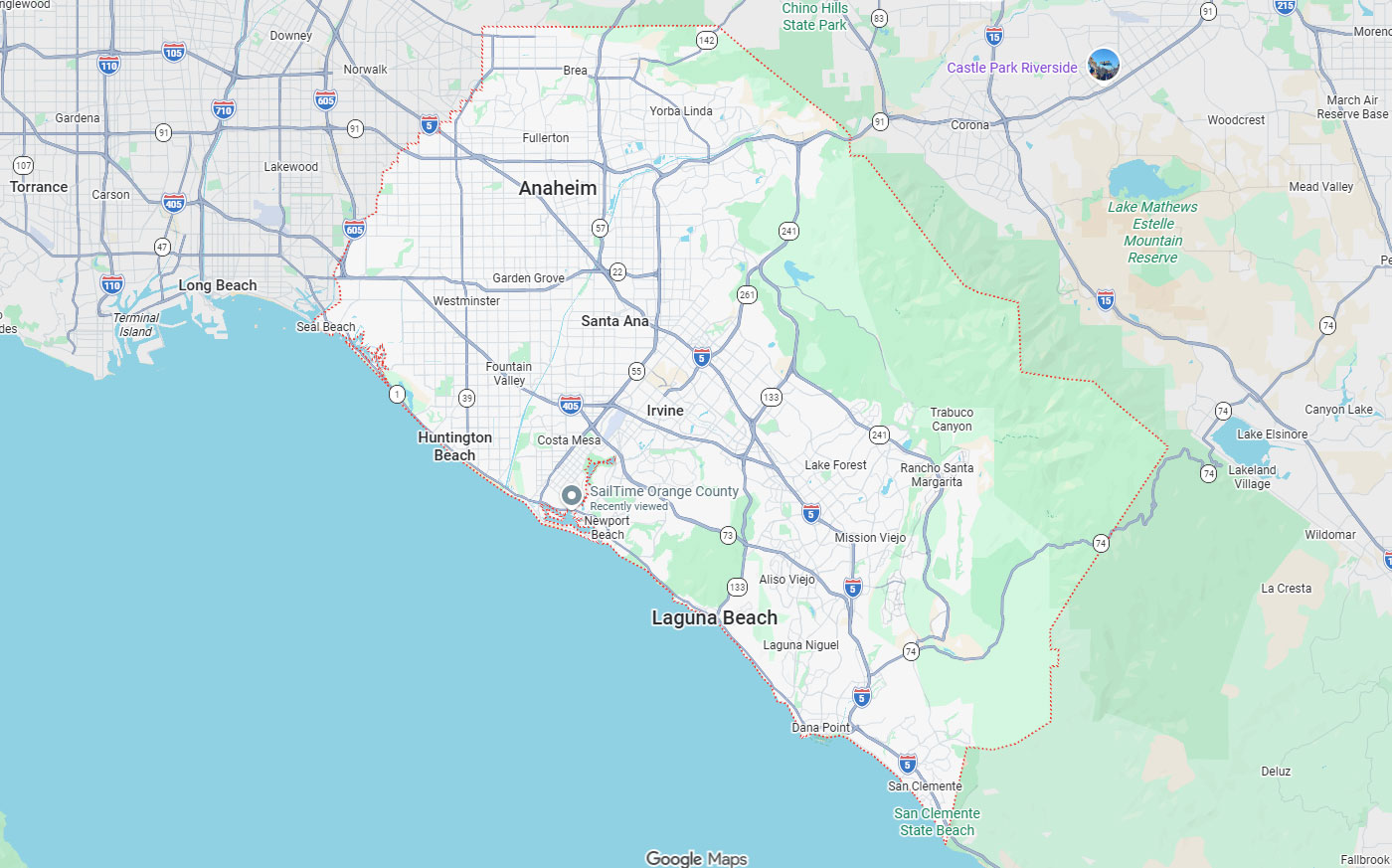
Orange, CA
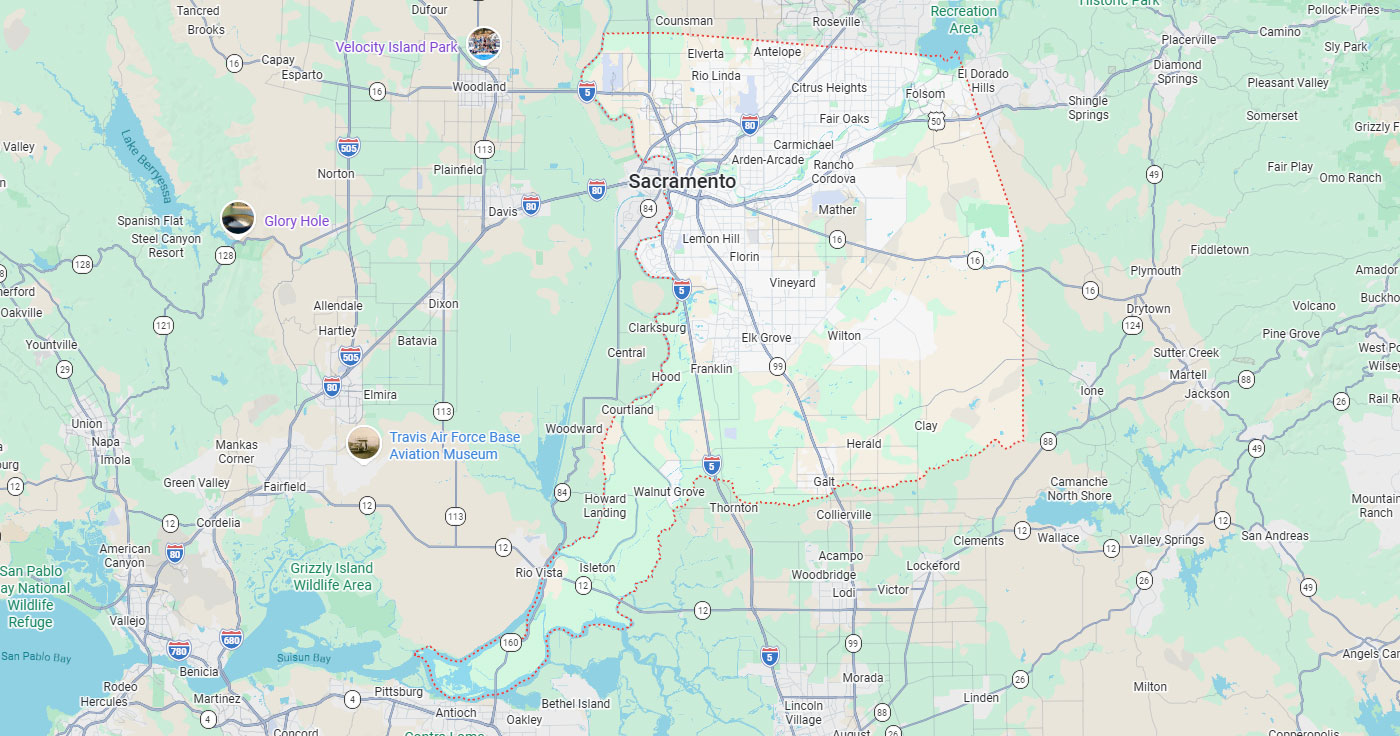
Sacramento, CA
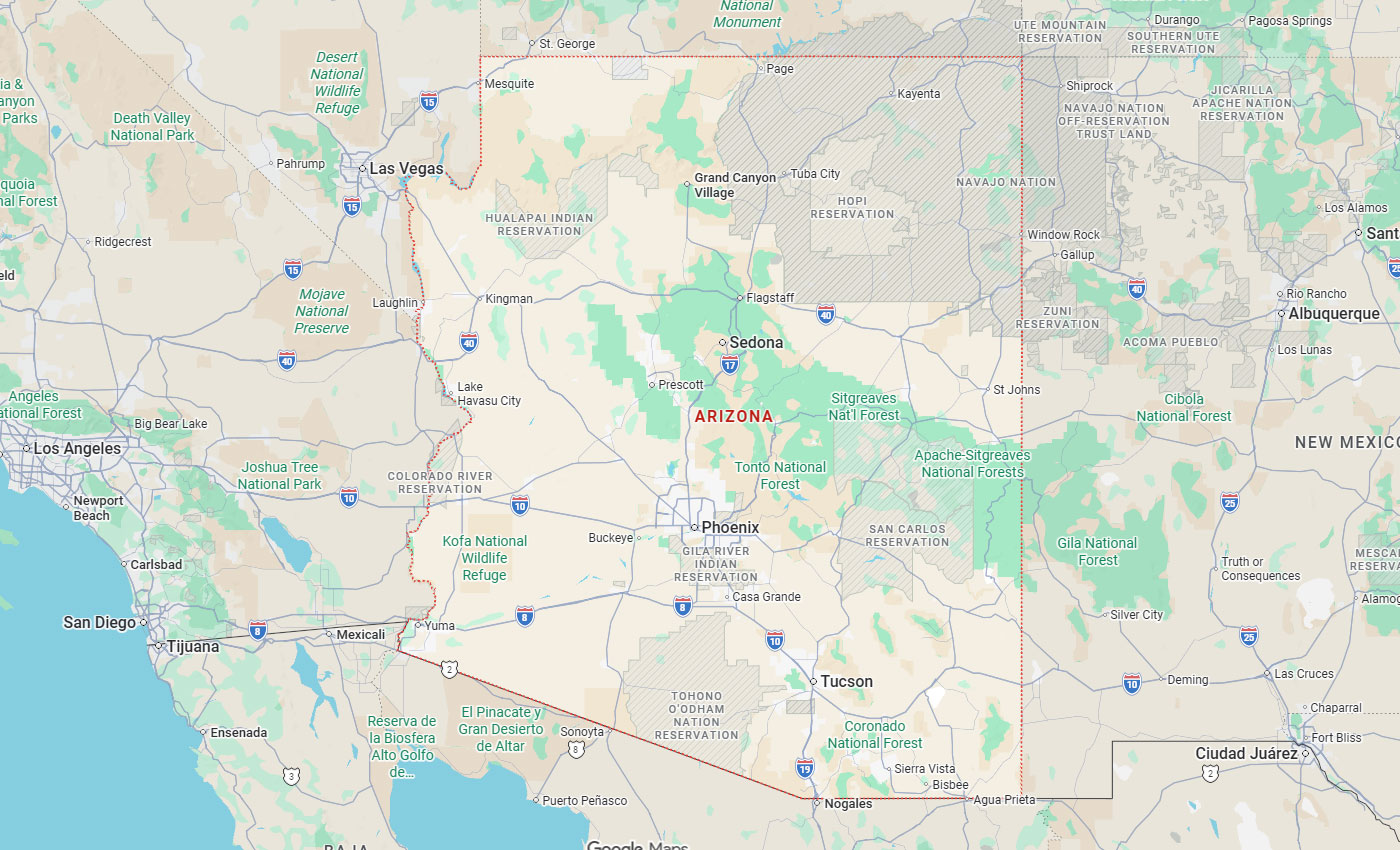
Phoenix, AZ
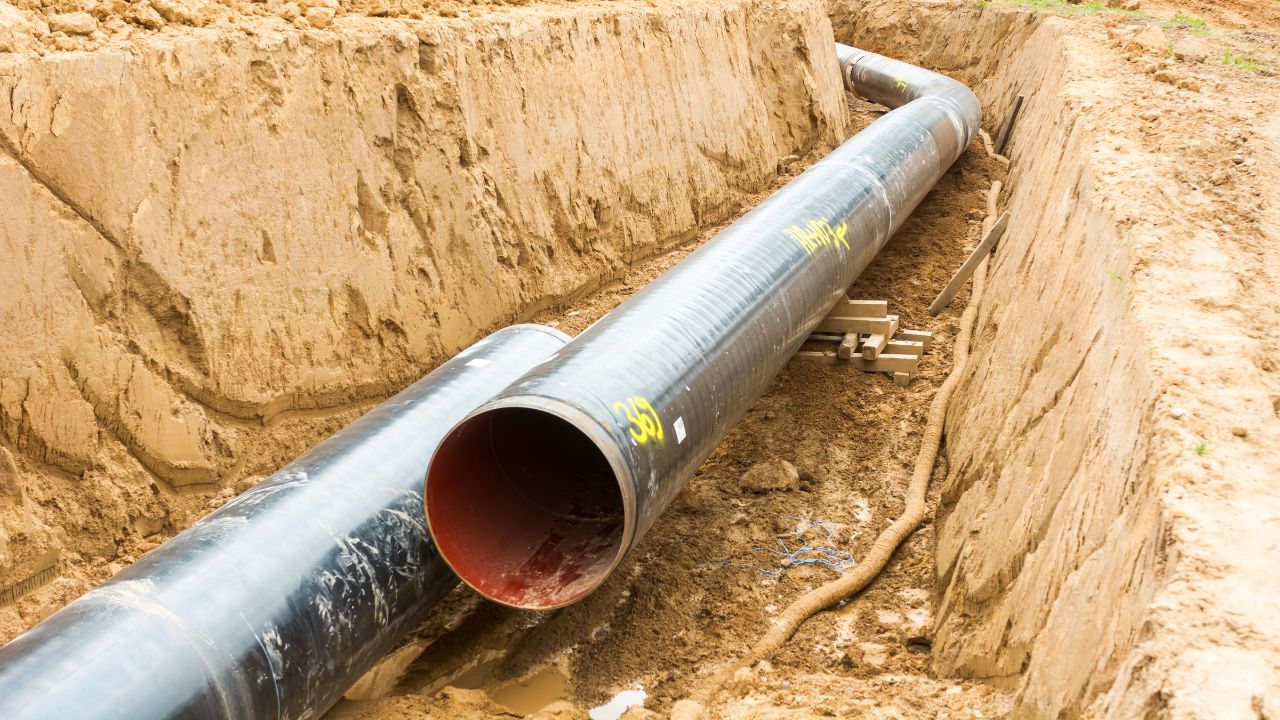
Every commercial infrastructure project in California sits on top of a question: what is actually happening inside the pipes you are about to build over, dig near, or connect to? Record drawings get old. Sewer systems shift, crack, and corrode. Stormwater pipes fill with debris that no one has documented. For project managers, developers, and public works teams, guessing is expensive and dangerous.
CCTV pipe inspection answers that question with certainty. By sending high-resolution CCTV video cameras through a pipeline, engineers see the real sewer condition before a single crew breaks ground. Paired with utility locating services, GPR scanning, and utility mapping, it gives you the subsurface clarity needed to plan, budget, and build with confidence. This guide explains how pipeline inspection protects California commercial projects, how it compares to older methods, and how to choose the right partner for the work.
Key Takeaways
A failed sewer line on an active commercial site is rarely a small problem. It stops work, triggers emergency repairs, and can expose owners to liability and regulatory penalties. The most expensive failures are almost always the ones no one saw coming.
CCTV pipe inspection removes that blind spot. A camera travels the full length of the line and records exactly what is there, so decisions rest on evidence instead of assumptions. The footage reveals problems that surface inspections miss:
Before listing what the camera finds, it helps to understand why early detection matters: catching a defect during planning costs a fraction of repairing it after a slab is poured or a parking structure is built.
Each of these findings is a chance to act before failure. A defect documented on video during pre-construction is a planned repair; the same defect discovered after construction is an emergency. For commercial projects working against tight schedules and fixed budgets, that difference is the entire value of inspection.
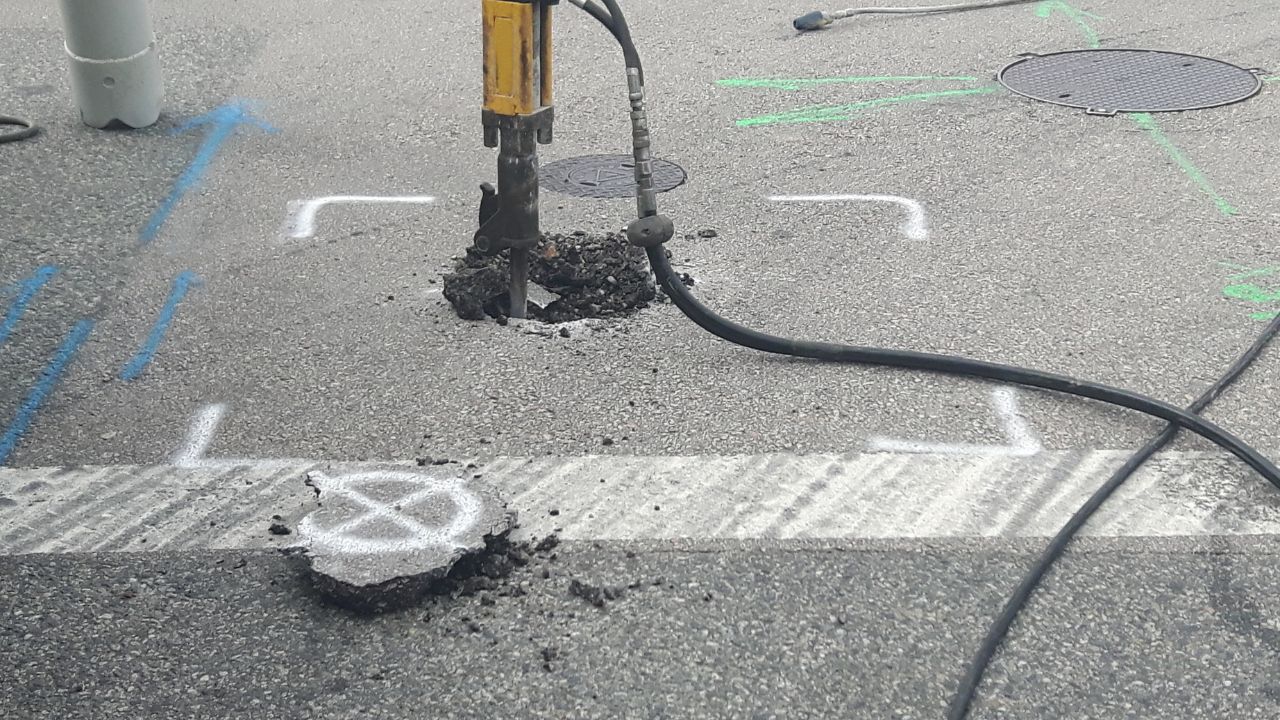
Excavation is the riskiest phase of most projects. Underground utilities sit close together in dense California corridors, and a single mistake can rupture a gas line, sewer main, or fiber bundle. CCTV inspection supports safety in excavation by confirming what lies inside and around the pipes your crews will work near.
Used together, video pipe inspection and utility locating services form a complete picture. Locating finds and marks the subsurface utilities; CCTV inspection then verifies the internal condition and confirms connections that surface methods cannot see. This combination is central to utility strike risk mitigation because it replaces uncertainty with documented fact.
Pre-construction inspection delivers value at several points in the project lifecycle:
The takeaway is simple. Knowing the condition of a pipe before you dig is one of the most cost-effective solutions available to a commercial builder. It protects people, equipment, and timelines at the same time.
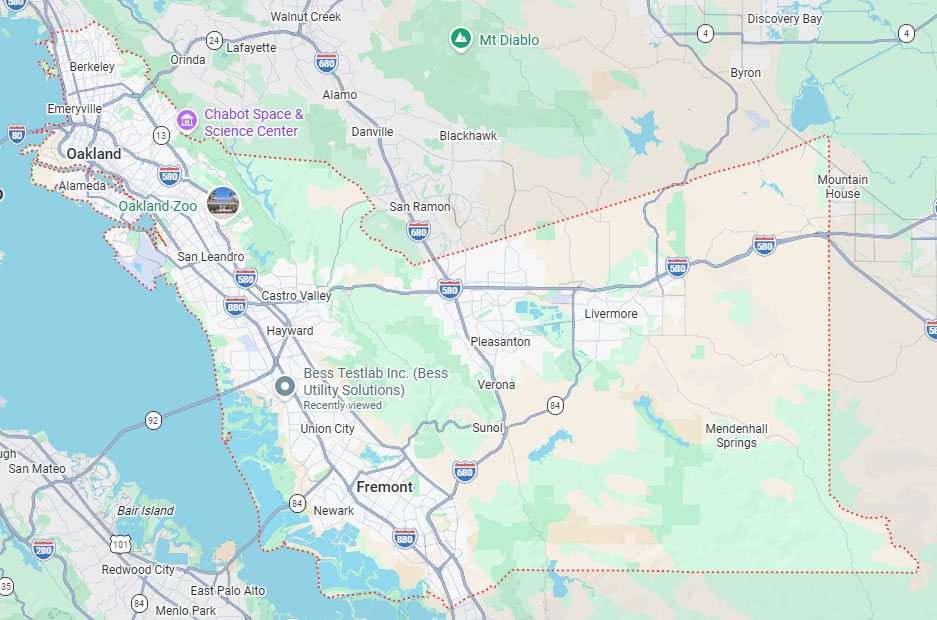
California's two largest commercial markets, Los Angeles and the Bay Area, present some of the most challenging subsurface conditions in the country. Decades of dense development have layered new construction over old, and pipe networks reflect that history.
In Los Angeles, aging clay and cast-iron sewers run beneath active commercial districts, freeway corridors, and high-traffic streets. Many lines predate accurate documentation, so sewer mapping services built from CCTV footage are often the only reliable record. In the Bay Area, seismic activity, soft soils, and high groundwater accelerate joint separation and corrosion, making regular pipeline inspection essential for both new builds and retrofits.
Bess Utility Solutions serves both regions, along with the rest of California, Arizona, and Nevada. With 29 years of experience and regional offices across the state, our crews understand the local conditions, permitting realities, and infrastructure age that shape each utility project. That regional knowledge means faster mobilization, fewer surprises, and inspection data that reflects how California pipes actually behave underground.
Older methods of assessing pipe condition relied on guesswork, partial access, or destructive digging. CCTV pipe inspection replaces all three with direct, recorded evidence. Understanding the contrast makes the value clear.
Traditional approaches share a common weakness: they cannot show you the inside of the pipe without high cost or disruption. The comparison below highlights why video inspection has become the standard for serious commercial work.
There is also a strong case for combining technologies rather than choosing one. CCTV inspection works best alongside ground penetrating radar and GPR scanning for locating and concrete scanning services where pipes pass through or under structures. The result is layered confirmation: locate, scan, and inspect, so nothing is left to chance. Traditional methods cannot match that level of verified detail.
Delays drain profit. Every day a commercial project sits idle, and costs accumulate across labor, equipment rental, and financing. Professional CCTV pipeline inspection is one of the most direct ways to protect a schedule, because it moves discovery to the front of the project, where problems are cheap to solve.
When inspection happens early, project managers gain the information they need to sequence work correctly. They can order materials for known repairs, route horizontal directional drilling around fragile or failing lines, and avoid the stop-work orders that follow unexpected damage. Without that information, crews discover problems mid-dig, and the project grinds to a halt.
The financial logic is straightforward. The cost of underground utility locating and inspection is small compared to the price of a single major delay or utility strike. A few hours of camera work can prevent weeks of schedule slippage. Inspection is not an added cost; it is a cost reduction in advance. For developers and project managers managing fixed completion dates, that predictability is worth more than almost any other line item in the pre-construction budget.
Stormwater carries some of the strictest regulatory weight of any system on a commercial site. California municipalities enforce detailed requirements for stormwater management, and failing to meet them can stall permits, trigger fines, and delay occupancy. CCTV inspection helps owners stay compliant and keep these systems performing.
Stormwater pipes and storm drain networks are prone to silt buildup, debris, and structural decay that reduce capacity and increase flood risk. A camera survey documents the true condition of the stormwater infrastructure and produces the records that agencies expect to see.
Inspection supports stormwater work in several concrete ways:
Before reviewing the benefits, it is worth noting that stormwater systems often go years without inspection because they are out of sight. That neglect is exactly why documented condition data carries so much weight with regulators.
The benefit reaches beyond paperwork. A stormwater system that you can prove is sound protects both your compliance standing and the surrounding community. Performance and compliance move together, and CCTV inspection delivers the evidence for both.
A single inspection answers an immediate question. A program of inspections builds a lasting asset. CCTV footage feeds directly into utility mapping and long-term asset management, turning one-time work into a permanent resource for owners and engineers.
When inspection data is combined with locating and survey information, it produces accurate sewer mapping services and detailed records of the entire underground network. That data can be delivered as CAD files and integrated into facility management systems, giving owners a living map of their subsurface utilities. Engineers planning future work start from verified conditions instead of outdated drawings.
This approach connects naturally to the full range of subsurface services that support urban planning and capital projects:
Treating inspection as part of an integrated data strategy changes how owners manage infrastructure over time. The pipe you inspect today becomes a documented asset you can plan around for decades. That long view is what separates reactive repair from professional asset management.
Quality inspection depends on consistent standards. The NASSCO PACP (Pipeline Assessment Certification Program) is the national benchmark for how CCTV pipe inspection is performed, coded, and reported. Working with a PACP-aligned provider means your inspection data is accurate, standardized, and defensible.
PACP gives every defect a uniform code, so a crack, root intrusion, or joint offset is described the same way on every report, by every certified operator. That consistency matters for several reasons:
Bess Utility Solutions performs work to recognized industry standards, including ASCE 38-02 compliance for utility investigation and quality processes aligned with NASSCO PACP for pipeline assessment. When your inspection follows established standards, you can trust the data and act on it without hesitation. Standardization is what turns raw footage into a decision-grade record.
Not every provider delivers the same value. Choosing the right CCTV pipe inspection company protects your budget, your schedule, and your professional reputation. The best partners offer more than a camera; they offer experience, credentials, and a complete view of the subsurface.
As you evaluate providers, focus on the factors that separate a true subsurface engineering partner from a basic camera service:
The right partner gives you confidence at every phase of the utility project, from pre-construction utility surveys through closeout. Choose a company that treats your project's safety and schedule as seriously as you do, and the inspection becomes a foundation for everything that follows.
Your commercial project deserves certainty, not guesswork. With 29 years of experience, 1,000+ satisfied clients, and CPUC-certified MBE/DBE credentials, Bess Utility Solutions delivers the subsurface clarity that keeps projects safe, on schedule, and on budget across California, Arizona, and Nevada. Our integrated CCTV pipeline inspection, utility locating services, and utility mapping give project managers and developers the verified data they need before crews ever break ground.
Contact Bess Utility Solutions today to schedule a CCTV pipe inspection and build your next project on solid ground.