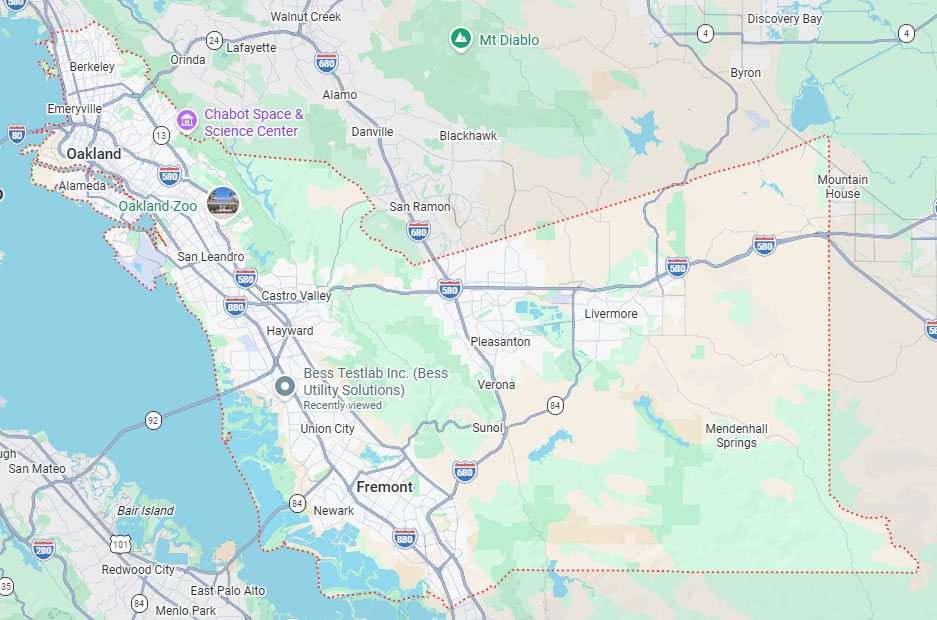
Hayward, CA
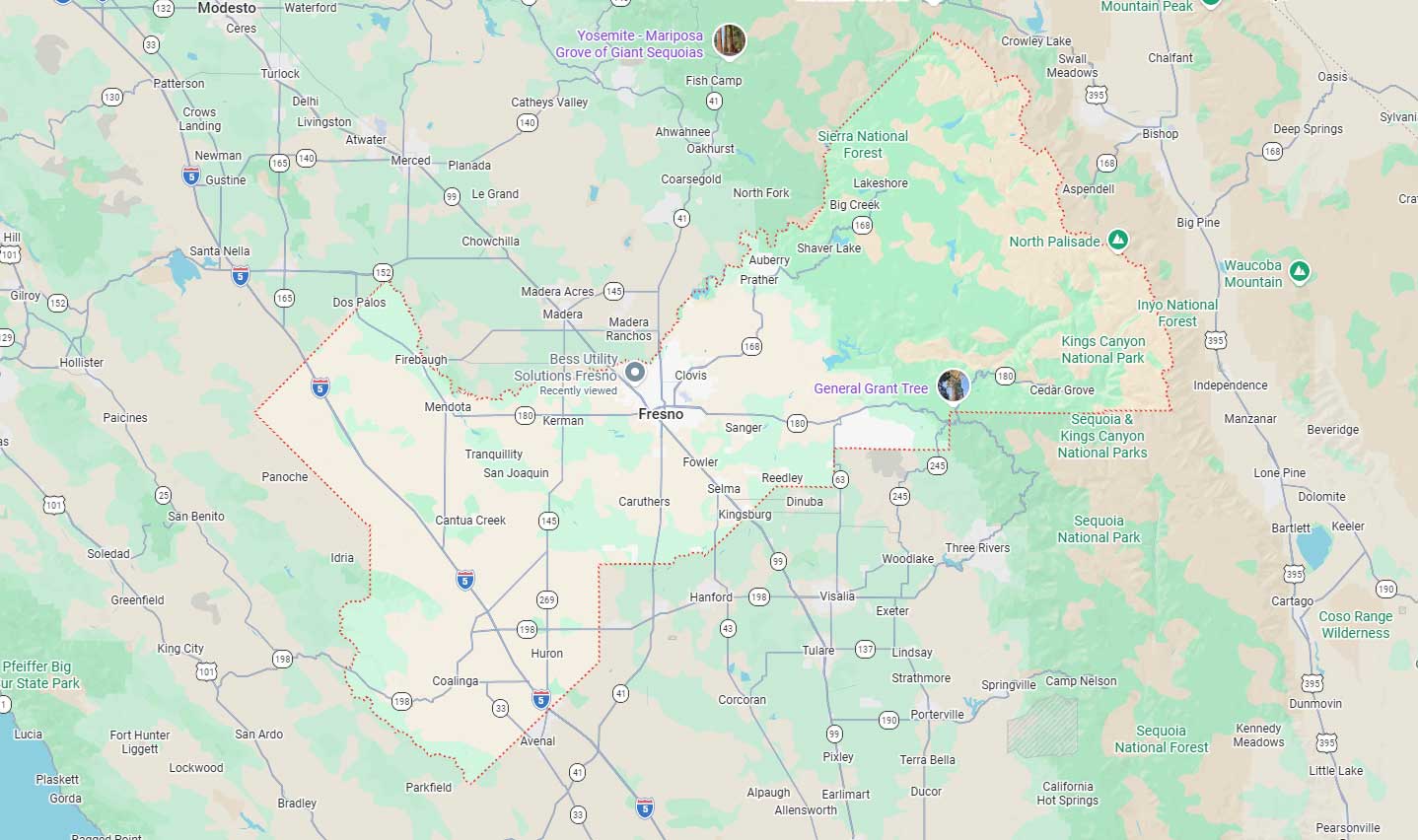
Fresno, CA
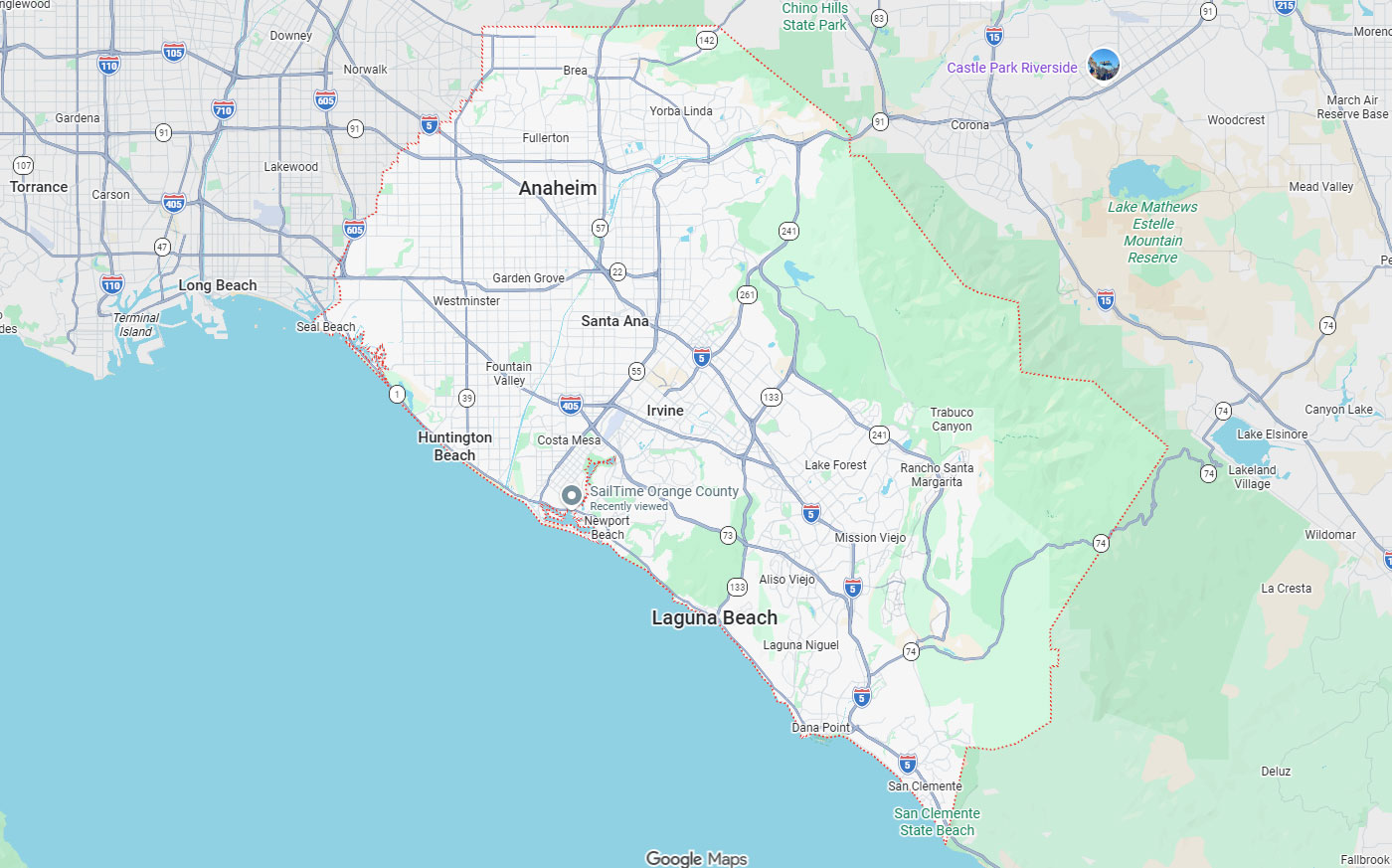
Orange, CA
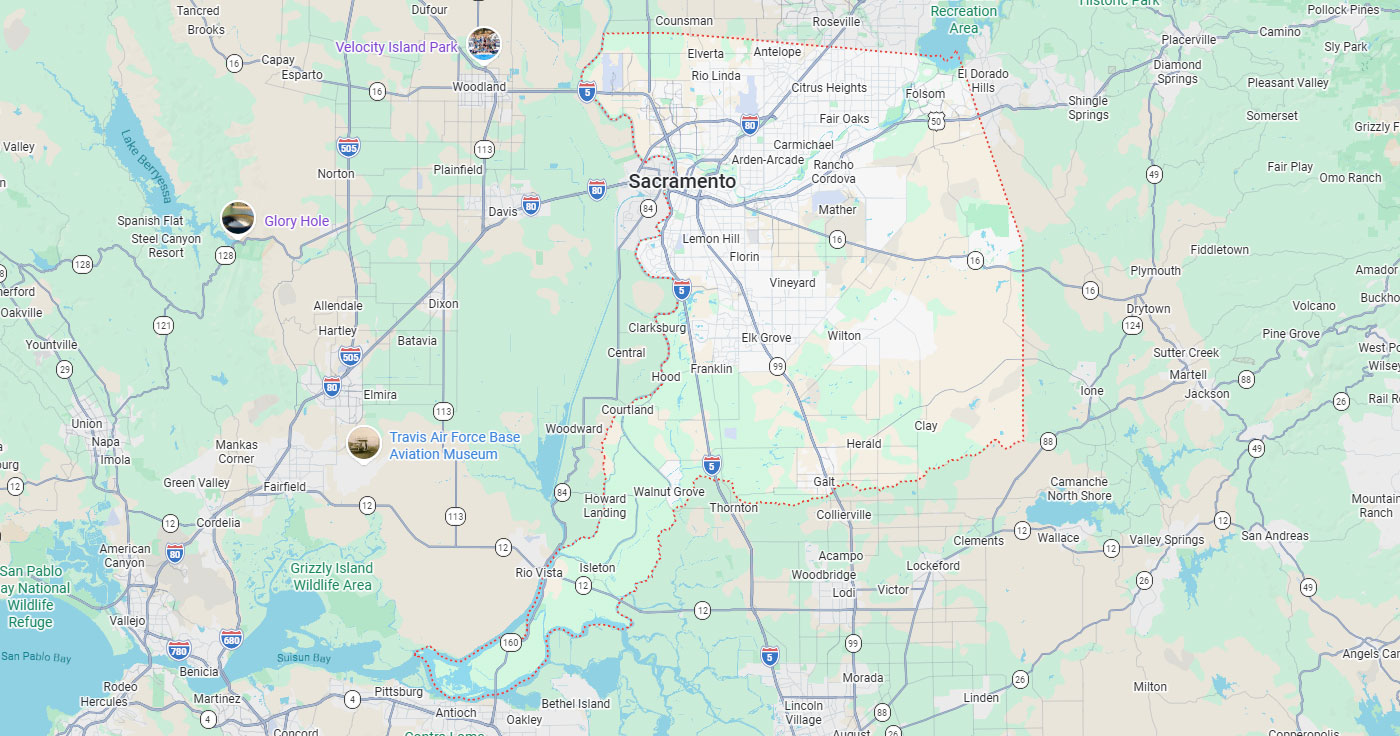
Sacramento, CA
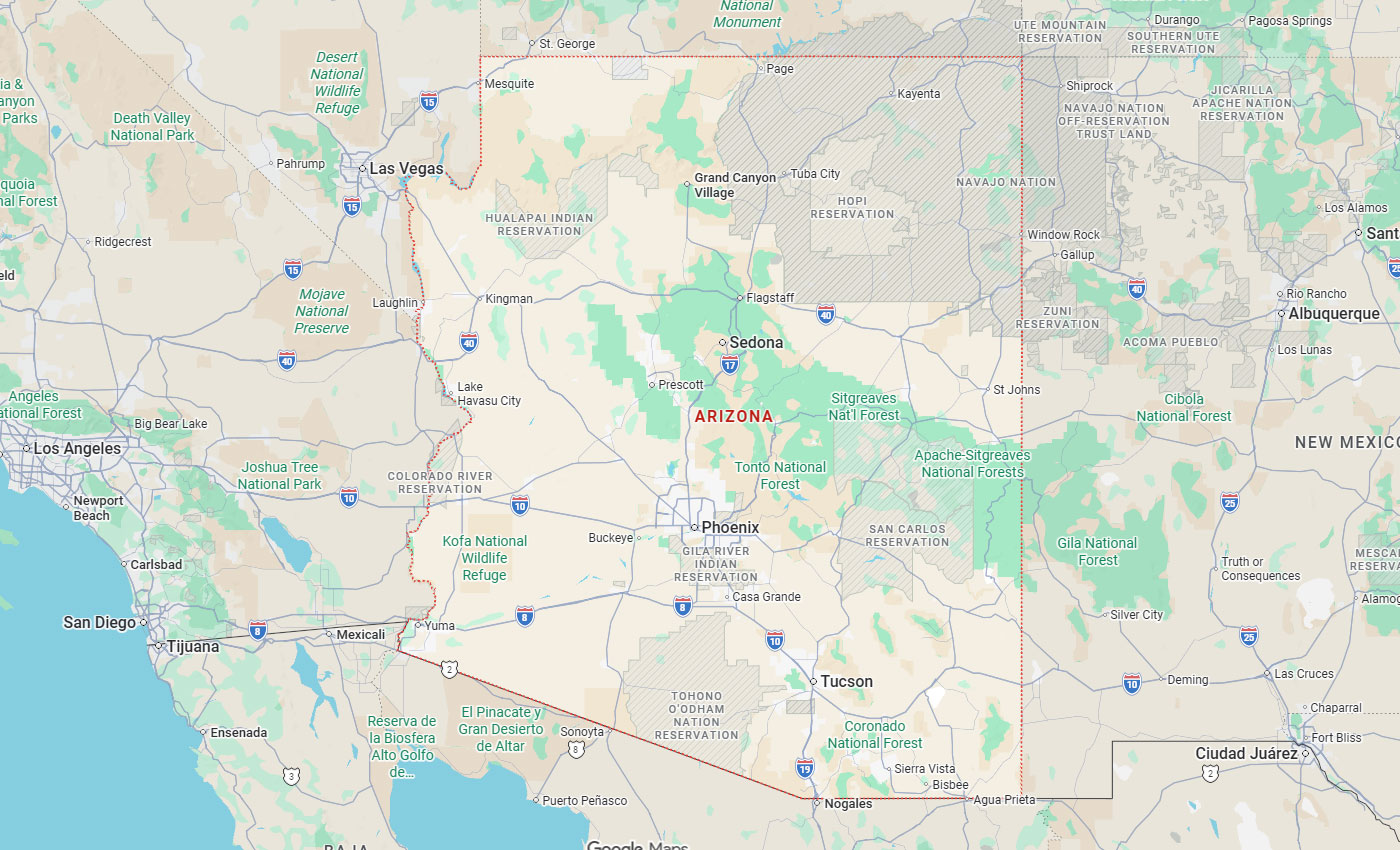
Phoenix, AZ
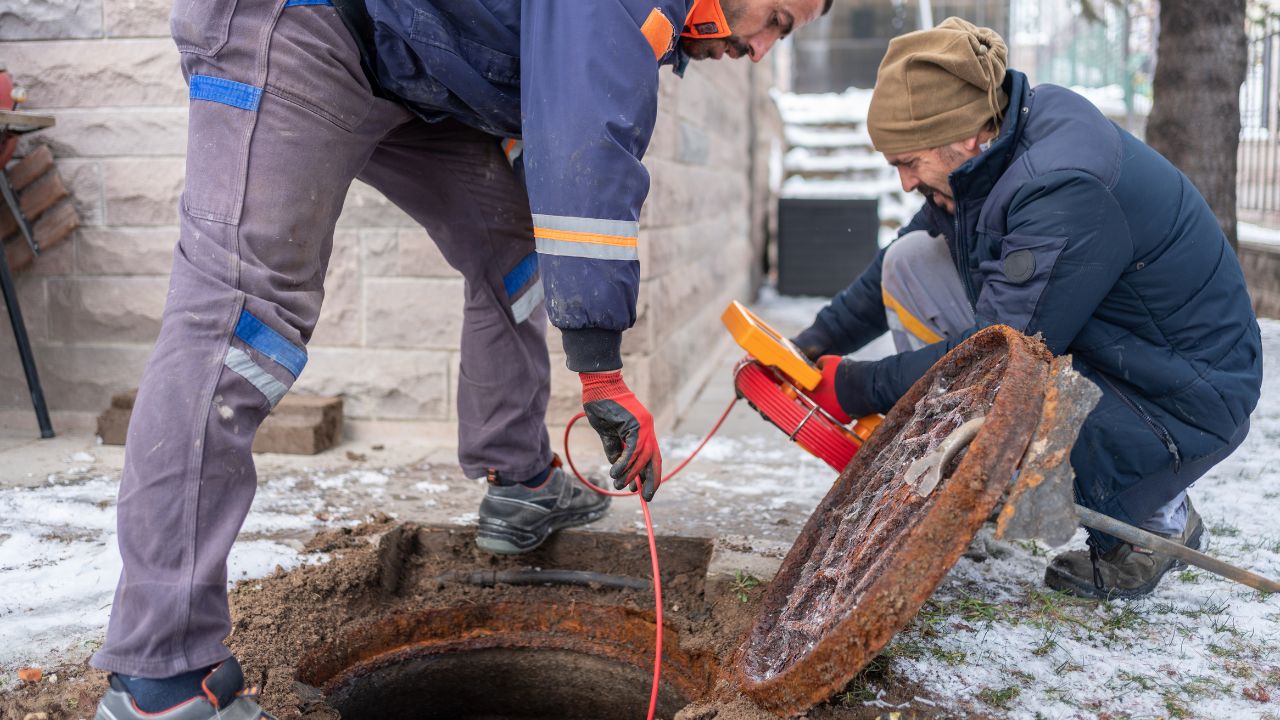
Project delays on California commercial sites routinely run thousands of dollars per day in carry costs, contractor delay claims, lost tenant revenue, and lender penalties. Subsurface surprises involving underground utilities remain one of the most common triggers of these costly disruptions. California pipeline replacement runs approximately $1 million per mile, and a single unanticipated subsurface issue can compress that cost from a planned capital decision into a forced one.
Professional CCTV pipeline inspection functions as a video pipe inspection and diagnostic step that compresses project timelines rather than extending them—the schedule is shorter with CCTV than without it. This article covers three critical angles: faster diagnostics that shorten the decision cycle, avoiding rework that protects budget and schedule, and streamlining approvals that move projects through permitting and inspection faster. Bess Utility Solutions brings 29 years of subsurface engineering experience, CPUC-certified MBE/DBE status, and ASCE 38-02-compliant work across California, Arizona, and Nevada.
Key Takeaways
Unmarked laterals, abandoned stubs, and illegal cross-connections discovered mid-excavation stop the crew while the engineer redesigns the tie-in. Tie-in failures into existing sewer or storm systems that turn out to be in worse condition than the records suggested create immediate scheduling conflicts. Utility strikes on adjacent buried assets caused by vibration, soil disturbance, or load changes during excavation require emergency repairs and regulatory reporting.
Permits hold when the agency requires baseline documentation; the project team never adds weeks to California construction timelines. Each event triggers crew standby, equipment idle time, contractor delay claims, and a domino effect across downstream trades. Project delays compound exponentially once excavation is underway because multiple specialty contractors depend on sequential completion.
Undocumented laterals represent the single most frequent cause of mid-excavation work stoppages on California commercial sites. Field crews discover these connections only after trenching begins, forcing engineering teams to redesign tie-in details on an emergency basis. The resulting delay cascades through the schedule as equipment sits idle and subcontractors wait for revised drawings.
Existing pipe condition failures during tie-in attempts create immediate project risks when the structural integrity proves worse than anticipated. Engineers assumed records accurately reflected current conditions, but decades of deferred maintenance left systems vulnerable to collapse during new construction. The reactive shift from a planned tie-in to an emergency replacement converts a contained scope into a full-segment rehabilitation.
Reactive responses run $15,000–$80,000+ per incident on California commercial sites before factoring in delay damages or lost tenant access. California pipeline replacement runs approximately $1 million per mile—turning a contained inspection scope into a full-segment replacement when a failure occurs mid-project. The United States maintains over 800,000 miles of public sewer infrastructure, and the share of municipal officials rating local water systems as satisfactory has dropped from 82% to 39%.
Nearly one in five officials now call conditions unsatisfactory, creating regulatory pressure for documented baseline assessments. Professional services answer the underlying condition question before the schedule is at risk—a tiny fraction of the cost of finding out the hard way. These CCTV inspection results deliver verifiable data that engineering teams use to make informed decisions during the design phase when changes are inexpensive.
Manual inspection methods, including manhole entry and exploratory excavation, cover a handful of segments per shift, limited by confined-space entry procedures. Weather conditions and surface restoration requirements further restrict productivity on active commercial sites. Standard professional CCTV crews cover 1,300–1,500 linear feet per shift without requiring confined-space permits or extensive surface work.
AI-assisted CCTV pushes production to roughly 2,690 linear feet per shift—close to a 99% productivity improvement on documented projects. For California construction teams, this difference represents the gap between waiting weeks for piecemeal data and having a complete PACP-coded report within days. Real-time defect identification means operators flag, record, and code findings during the inspection itself—no second visit, no waiting on analysis, no re-inspection trips.
Traditional exploratory excavation answers one location at a time, then requires surface restoration before the next investigation point—easily two weeks per sequence. Active commercial sites cannot sustain repeated excavation cycles without disrupting tenant access and operations. Manual methods generate limited documentation that engineering teams struggle to translate into actionable design decisions.
CCTV pipeline inspections inspect the full pipeline interior in a single pass and produce a permanent video record reviewable within 24–48 hours. The camera captures continuous footage that operators code in real time using PACP standards accepted by California agencies. Engineering and construction teams make tie-in, rehab, or design adjustment decisions while the project is still in pre-construction—not after the crew is on standby.
CCTV inspections eliminate the sequential investigation cycle that stretches traditional methods across multiple weeks. The camera moves through the pipeline at a consistent speed, capturing high-resolution footage that reveals structural defects, blockages, and connection points in a single mobilization. Operators identify critical defects during the inspection and flag them for immediate engineering review.
Choose professional CCTV pipe inspections over exploratory excavation if your project has more than 200 linear feet of pipeline to assess. Projects supporting an active construction schedule benefit most from CCTV's compressed timeline and comprehensive documentation. Permit applications with fixed deadlines require the complete baseline data that only CCTV can deliver within tight windows.
Re-trenching a completed excavation because an unmapped utility turned up during backfill requires surface restoration redone, traffic control extended, and tenant access compromised. Redesigning tie-ins after the existing pipe proves to be in worse condition than assumed generates engineering hours, agency resubmittals, and contractor delay claims. Replacing a newly installed sewer line that failed acceptance testing because construction debris or slope errors weren't caught before backfilling multiplies labor costs.
Field-revising the GIS and as-built drawings to match what was actually installed versus what was specified creates documentation burdens and liability exposure. Each rework event compounds—the rework itself takes time, the documentation takes more time, and downstream trades wait through both. Hydro-vacuum excavation combined with CCTV verification prevents these cascading failures before construction starts.
Unmarked utilities discovered during backfill operations force crews to reopen completed trenches and reroute the new installation around the conflict. The project loses days to emergency redesign while equipment and labor sit idle waiting for engineering approval. Surface restoration work that was already signed off on must be repeated, adding direct costs and schedule compression to downstream phases.
Tie-in failures into deteriorated existing systems convert a planned connection into an unplanned replacement scope. Engineering teams scramble to obtain emergency permits while the construction superintendent manages crew standby costs and subcontractor delays. The change order process begins immediately, but the schedule damage is already done—project delays that could have been avoided with pre-construction CCTV.
Pre-construction CCTV produces PACP-coded condition data that the design team can build into the plans—eliminating the change orders triggered by unanticipated conditions. The inspection reveals existing defects, connection points, and structural issues that engineers address during design when changes are inexpensive. Post-installation CCTV confirms new pipe meets acceptance criteria before backfill—catching slope errors, joint defects, and construction debris while they're still cheap to fix.
Baseline CCTV at project closeout protects the owner from warranty disputes and tenant claims down the line. Invest in pre-construction and post-installation CCTV if your project involves new sewer or storm tie-ins, a sewer replacement, or work near existing utilities older than 20 years. Commercial development where rework would push out the completion date benefits most from documented verification at every phase.
California public works departments, water districts, and CEQA reviewers increasingly require documented baseline conditions of underground infrastructure before approving plans. PACP-coded CCTV reports, time-stamped video, and survey-grade coordinates satisfy the documentation standard most agencies now expect. Point-of-sale lateral ordinances in cities including Oakland, Berkeley, Alameda, San Leandro, Piedmont, and Burlingame require a passing CCTV inspection before escrow closes.
Sewer System Management Plan requirements from the State Water Resources Control Board assume CCTV as the foundational data source. For California construction teams, having that documentation ready at submittal time prevents the back-and-forth that adds weeks to the approval cycle. Pre-construction utility surveys that include CCTV verification answer agency questions before they become permit holds.
Municipal inspectors reject permit applications that lack verifiable subsurface documentation more frequently than those supported by CCTV evidence. Agencies want proof that the design accounts for existing conditions, not assumptions based on outdated record drawings. PACP coding provides a standardized defect classification system that reviewers can interpret consistently across projects.
Survey-grade coordinates embedded in CCTV reports allow agencies to verify that inspections covered the correct segments. Time-stamped video provides permanent evidence that holds up to regulatory scrutiny and legal review. CEQA documentation requirements increasingly specify CCTV-grade inspection as the baseline for environmental impact assessment related to subsurface work.
Lenders financing commercial development require subsurface documentation that holds up to underwriting review—CCTV evidence does; manhole entry photographs usually do not. Insurance carriers writing builder's risk policies look favorably on documented pre-construction inspection, which reduces expected utility strikes and claim frequency. Owners signing off on tenant disclosure, LEED documentation, or institutional asset transfer want video evidence rather than field notes.
Make CCTV documentation a standard scope item if your utility project requires public agency approval, lender review, builder's risk insurance, or future asset transfer. The upfront inspection cost is a fraction of a single approval delay measured in weeks. Bess Utility Solutions delivers documentation that public agencies, municipalities, and military installations accept without rework because it meets CPUC standards and ASCE 38-02 compliance.
PACP-certified operators deliver the defect grades that hold up to agency, lender, and litigation review because the classification system follows NASSCO standards. Integrated service capability means a single provider offering CCTV, GPR, EM locating services for both public utilities and private utilities, and vacuum excavation eliminates the handoff delays that fragment subsurface scopes. California-specific experience includes knowledge of CEQA, SSMP, CPUC, point-of-sale lateral ordinances, and California Government Code 4216 requirements.
ASCE 38-02 compliant deliverables represent the standard most California public agencies and engineering firms specify in contract documents. Utility locating for pipeline projects becomes more efficient when the provider understands how CCTV data integrates with GPR and electromagnetic utility detection. Risk reduction depends on selecting a provider who delivers complete subsurface intelligence rather than isolated inspection data.
NASSCO PACP certification ensures operators use consistent defect coding that agencies and engineers recognize across projects. The standardized grading system eliminates subjective interpretation and provides defensible documentation for permit applications and warranty claims. Providers without PACP certification produce inspection reports that may not satisfy California agency requirements.
Integrated subsurface utility engineering capability allows one provider to coordinate CCTV, ground-penetrating radar, electromagnetic locating, and vacuum excavation under a single scope. The consolidated deliverable eliminates the reconciliation burden when multiple specialty contractors provide separate reports. Professional locators coordinate data collection to produce comprehensive subsurface intelligence that supports accurate design decisions.
Separate vendors for CCTV, GPR, EM, and vacuum excavation mean separate mobilizations, separate schedules, and separate deliverables that engineering teams must reconcile. Each handoff introduces delay risk when one vendor's schedule slips and downstream scopes cannot proceed. The engineering team spends additional hours integrating data from multiple sources into a coherent subsurface model.
A single integrated SUE scope produces one coordinated mobilization, one consolidated deliverable, and one point of accountability for schedule performance. Choose an integrated SUE provider if your project requires ASCE 38-02 Quality Level A/B documentation, has a fixed permit or financing milestone, or cannot absorb schedule slippage. Bess Utility Solutions eliminates vendor coordination overhead by delivering complete subsurface intelligence from a single mobilization.
Schedule CCTV after 811 marks are placed and underground utility location is confirmed but before equipment mobilizes—typically 2–4 weeks before excavation starts. Pre-construction inspection provides the subsurface intelligence design teams need to finalize tie-in details and avoid change orders. CCTV verifies newly installed sewer and storm lines pass acceptance criteria before backfill—catching defects while they're inexpensive to repair.
A final baseline CCTV report becomes part of the deliverable to ownership, supporting tenant disclosure, lender requirements, and asset transfer documentation. Coordinate inspection with hydro-jetting and cleaning because clean lines produce usable footage and accurate PACP grading. The inspection sequence matters—attempting CCTV on a debris-filled pipe wastes time and produces unusable footage.
Pre-construction CCTV occurs after an underground utility locator confirms the pipe route but before trenching begins. The inspection reveals existing conditions that engineers incorporate into final design details, preventing mid-construction surprises. During construction, CCTV verifies new installations meet specifications before backfill protects the work from visual inspection.
Post-installation verification catches slope errors, joint misalignment, and construction debris while correction costs remain minimal. Closeout CCTV documents final conditions for the owner's records and establishes baseline data for future maintenance planning. The permanent video record protects all parties from disputes about as-built conditions and workmanship quality.
Bess Utility Solutions brings 29 years of subsurface engineering experience across California, Arizona, and Nevada to every project. CPUC-certified MBE/DBE status qualifies the company for public agency, municipal, and federal contracts requiring diverse supplier participation. Integrated utility locating services include CCTV, GPR, EM locating, vacuum excavation, utility mapping, and 3D subsurface mapping under one scope.
Over 1,000 satisfied clients, including general contractors, engineering firms, municipalities, and military installations, rely on Bess for schedule-critical work. ASCE 38-02 compliant deliverables and mapping services include PACP-coded reports, GIS-ready outputs, and survey-grade coordinates that hold up to lender, agency, and insurer scrutiny. The company's regional presence ensures rapid mobilization when project schedules demand immediate response.
Professional CCTV pipeline inspections protect California construction timelines by compressing decision cycles, preventing costly rework, and accelerating regulatory approvals. Engineering teams gain the subsurface intelligence they need during design when changes are inexpensive rather than during construction when modifications trigger delay claims. Construction superintendents avoid the schedule compression that results from unanticipated subsurface conditions discovered mid-excavation.
Bess Utility Solutions delivers 29 years of proven performance, serving over 1,000 clients with CPUC-certified MBE/DBE credentials and ASCE 38-02 compliant documentation. The company's integrated approach eliminates vendor coordination delays that fragment traditional subsurface scopes across multiple specialists. Project teams working under fixed permit deadlines, lender milestones, or tenant occupancy commitments, benefit from Bess's schedule certainty and documentation quality.
Contact Bess Utility Solutions to schedule a professional CCTV pipeline inspection that protects your project schedule and budget while giving your team peace of mind. The subsurface intelligence you need is available now—don't wait until excavation reveals problems that could have been addressed during design.