Hayward, CA
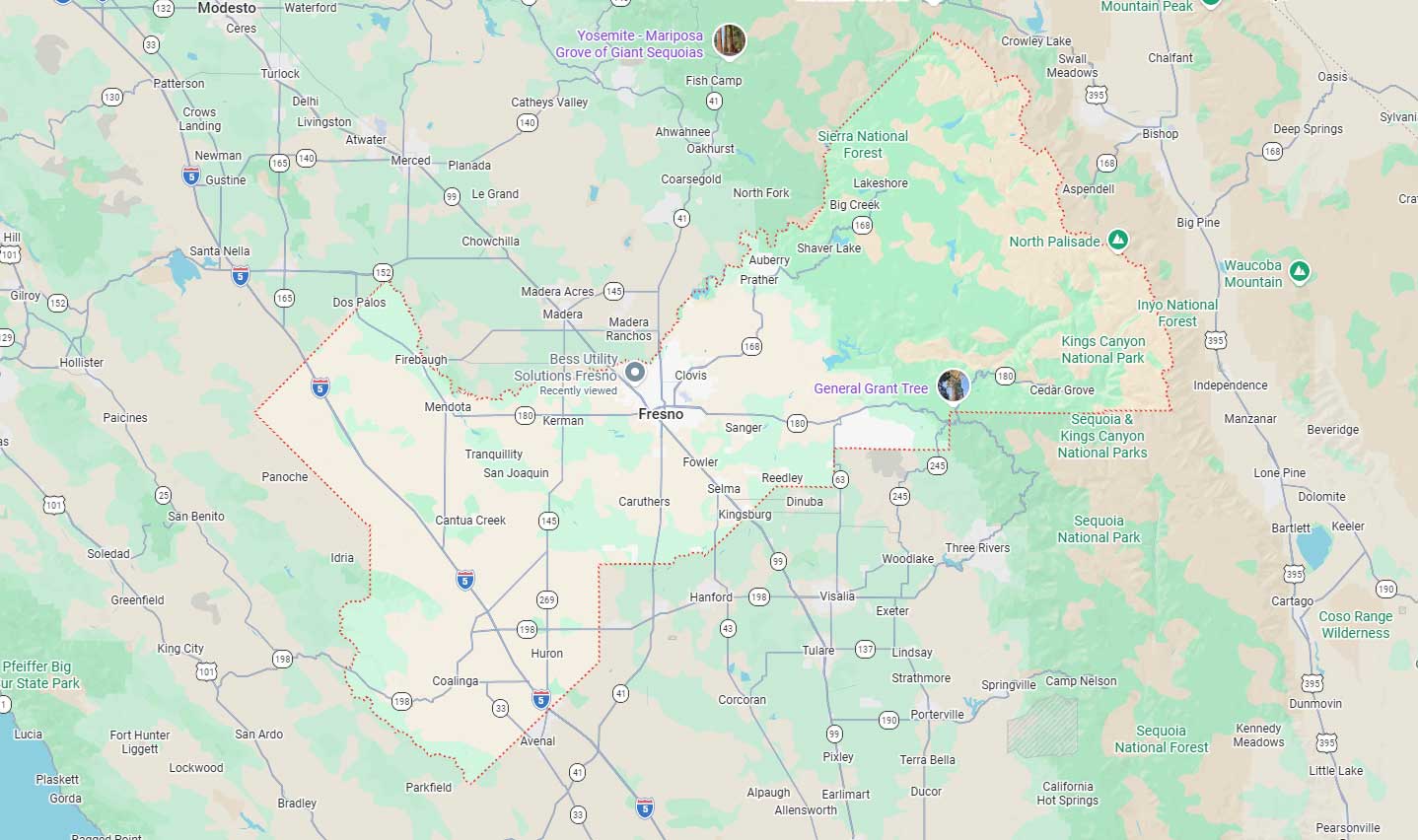
Fresno, CA
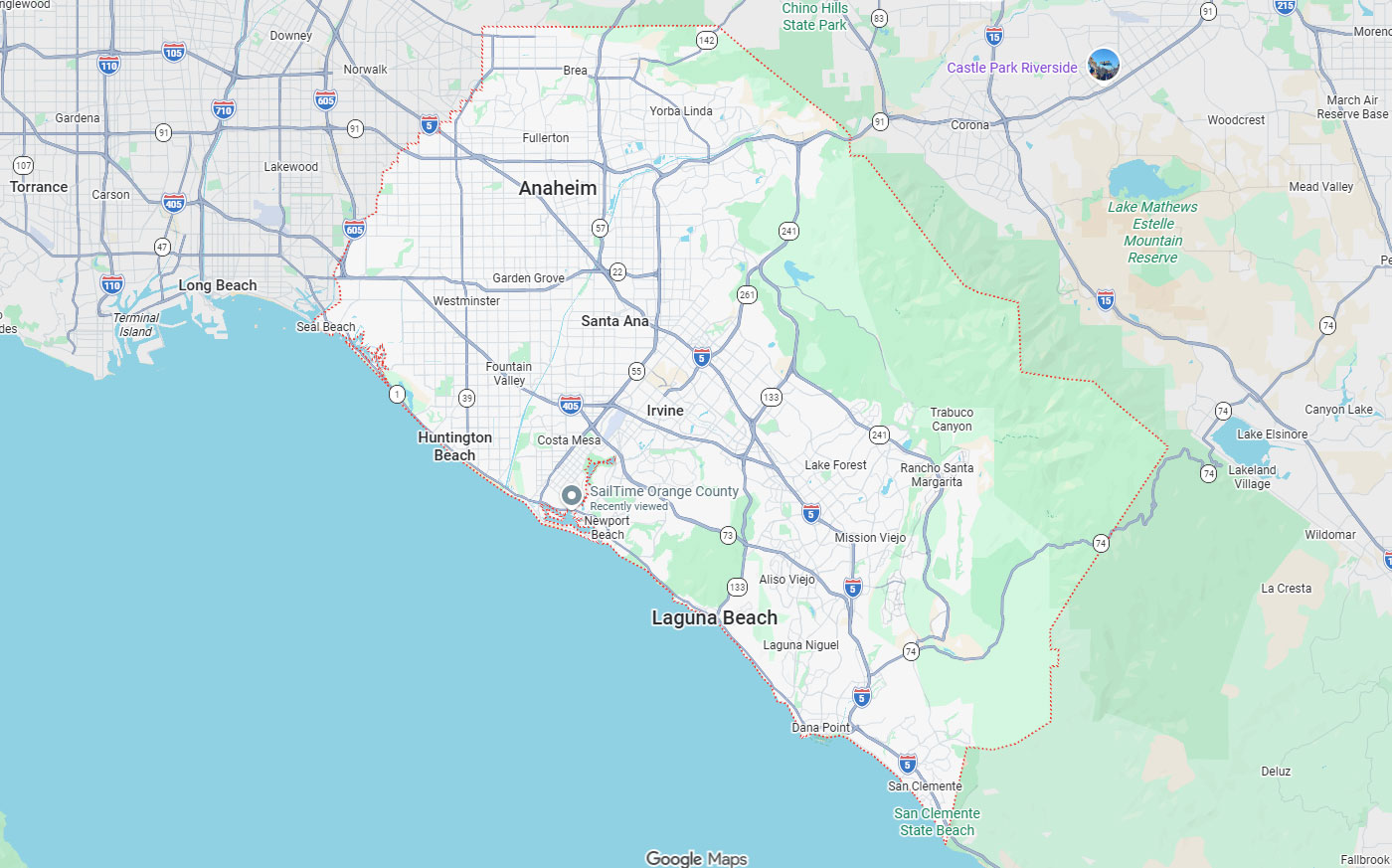
Orange, CA
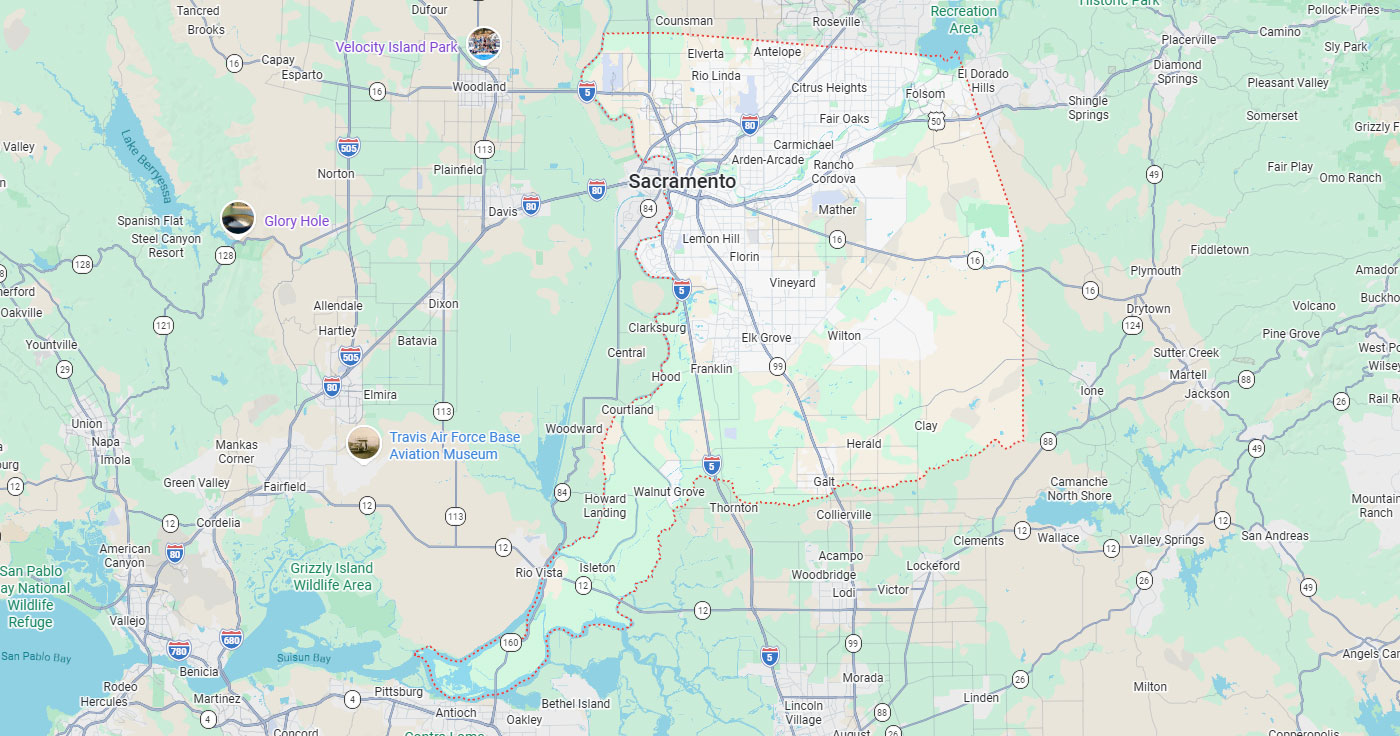
Sacramento, CA
Phoenix, AZ
Underground utility locating protects construction projects from striking buried infrastructure while ensuring regulatory compliance and worker safety. Costs vary significantly based on technology selection, site complexity, and verification requirements needed for project success.
Budget planning for utility detection services requires understanding three primary pricing tiers and their applications. Electromagnetic methods provide economical solutions for metallic utilities, ground penetrating radar delivers comprehensive subsurface mapping, and vacuum excavation offers physical verification for critical conflicts.
Key Takeaways
Underground utility locating identifies the position and depth of buried infrastructure before excavation begins. This process prevents accidental strikes that cause service disruptions, worker injuries, project delays, and catastrophic financial losses.
Professional detection services map gas lines, water mains, electrical conduits, telecommunications cables, sewer systems, and fiber optic networks. Accurate subsurface information enables safe excavation while protecting existing infrastructure from damage.
Electric power lines carry high-voltage current that poses electrocution hazards and can cause fatal arc flash incidents. Natural gas distribution systems create explosion risks when ruptured during excavation activities.
Water and sewer infrastructure includes pressurized mains that flood work sites when damaged. Telecommunications and fiber optic cables represent critical data networks requiring protection from service interruptions.
Between 400,000 and 800,000 utility strikes occur annually across the United States. These incidents resulted in 1,906 injuries and 400 fatalities during the 2000-2020 period.
OSHA regulation 29 CFR 1926.651 mandates locating all underground utilities prior to excavation. Utility strikes cost the American economy an estimated $62 billion annually through direct damage, project delays, and emergency response expenses.
California 811 Law requires contractors to submit location requests at least two working days before breaking ground. The 811 vs. private locator decision affects project safety since public notification only covers government-owned infrastructure.
ASCE 38-22 establishes the American Society of Civil Engineers standard for investigating and documenting existing utilities. Failure to use the 811 notification system contributed to 38% of utility strikes in California during 2023.
Three primary detection methods serve different applications based on utility material composition and verification requirements. Technology selection impacts both underground detection fees and the accuracy of subsurface mapping results.
Electromagnetic systems dominate routine detection work, while ground penetrating radar addresses non-metallic infrastructure. Vacuum excavation provides physical verification when absolute certainty is required for construction planning.
Electromagnetic locating uses a transmitter to induce electrical signals on conductive materials and a receiver to track those signals. This method accounts for 44.5% of global utility locator revenue due to its speed and reliability.
EM locating cannot detect non-metallic utilities such as PVC pipe, plastic conduit, or fiber optic cable unless tracer wire is present. Signal interference from nearby electrical sources reduces accuracy in dense urban environments.
Ground Penetrating Radar uses high-frequency radio waves to scan below the surface and identify changes in material density. GPR scanning services detect both metallic and non-metallic utilities regardless of conductivity.
The GPR segment represents approximately 35% of market share and is expected to expand at 7.58% CAGR. Performance diminishes in clay-rich or saline soils that absorb electromagnetic energy.
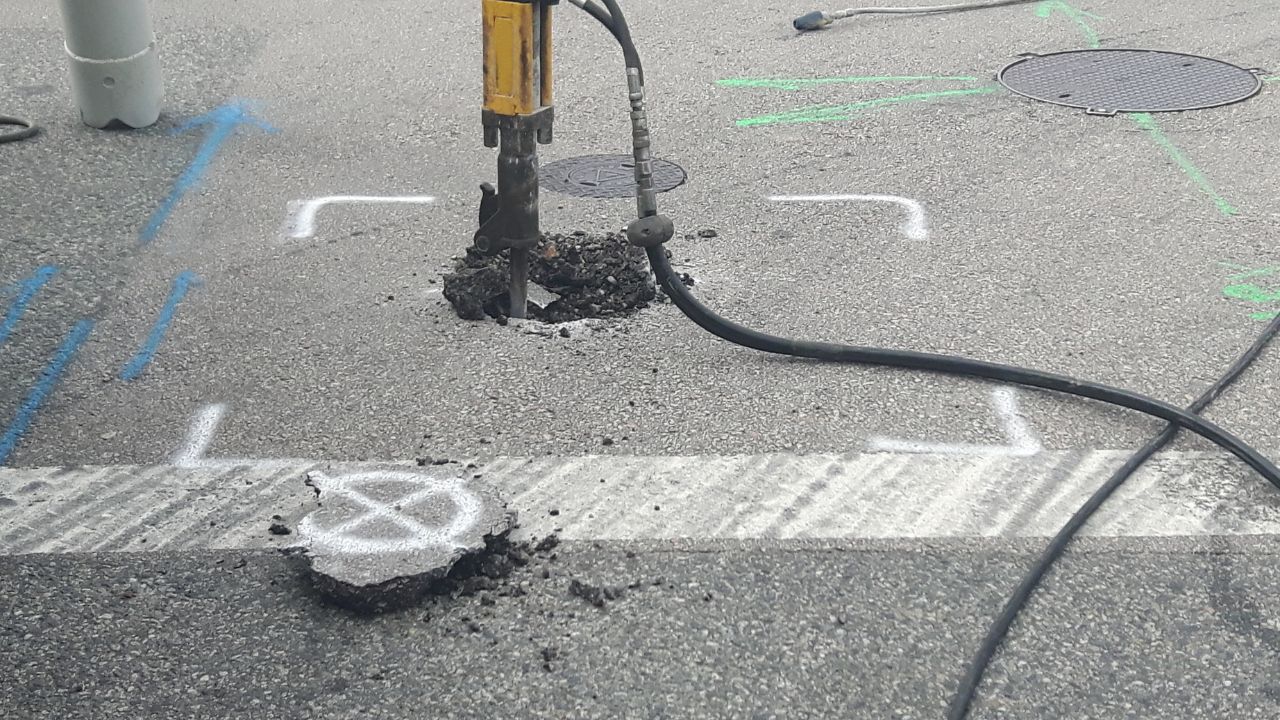
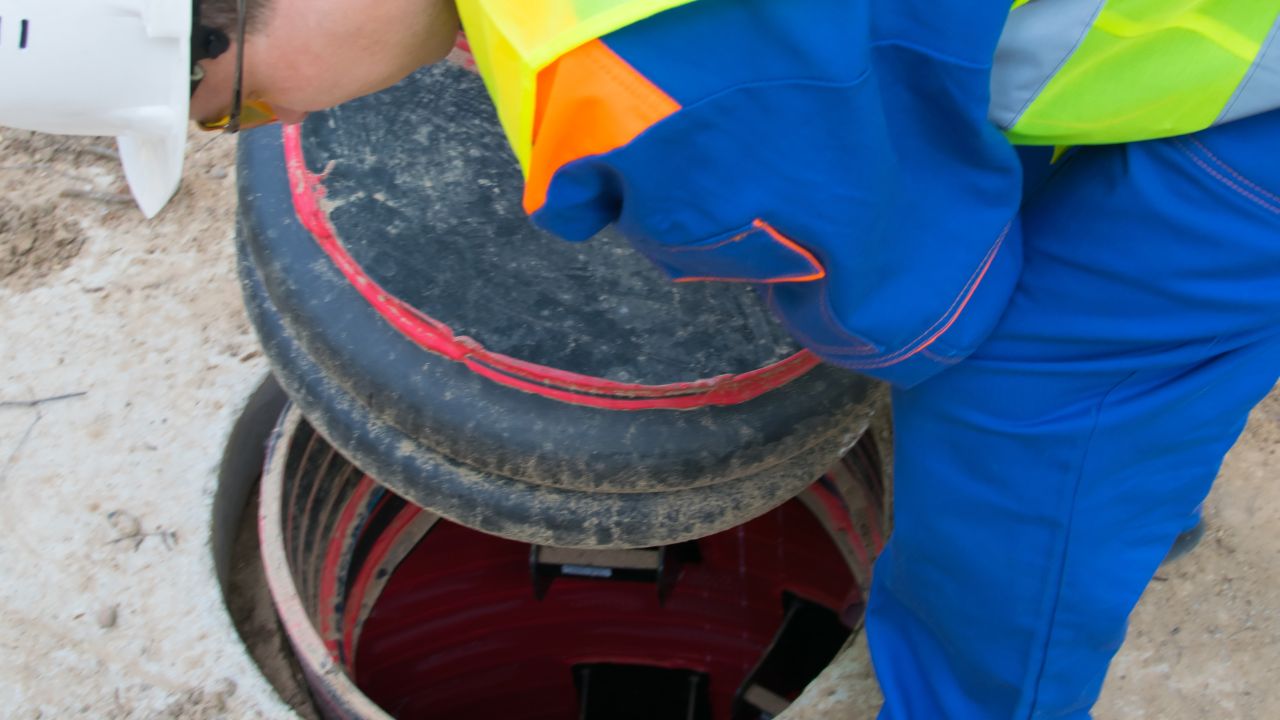
Vacuum and hydro excavation uses high-pressure water or air to break up soil for physical verification of utilities. Quality Level A refers to this direct exposure method that provides absolute confirmation of utility location and depth.
Physical verification follows after surface geophysics identifies potential utility locations requiring confirmation. Vacuum excavation advantages include zero damage risk, though this method operates more slowly and costs more per utility verified than electromagnetic or radar scanning.
Different construction applications demand varying levels of detection accuracy and documentation standards. Commercial development requires comprehensive subsurface engineering, while residential work often relies on basic electromagnetic scanning.
Municipal and industrial projects face stricter compliance requirements that increase service scope and associated expenses. Understanding project-specific needs prevents over-specification while ensuring adequate subsurface information for safe excavation.
Commercial applications include large-scale development projects with complex utility networks and strict liability requirements. These projects represent 35% of the utility locating market share.
Multi-story construction, shopping centers, and office complexes demand Quality Level A and B documentation. Comprehensive subsurface mapping prevents costly redesigns when conflicts arise between proposed foundations and existing infrastructure.
Residential applications include fencing installation, pool excavation, landscaping projects, and home additions. These smaller-scale projects represent 25% of market share with more modest underground detection fees.
Homeowners typically require basic electromagnetic locating to identify gas, water, and electrical service lines. Simple projects with shallow excavation depths rarely justify the expense of ground penetrating radar or vacuum excavation verification.
Municipal applications include infrastructure upgrades, roadway and highway construction, and smart city development initiatives. These public works projects represent 20% of market share with mandatory ASCE 38-22 compliance standards.
Industrial applications include facility expansion and environmental compliance projects also representing 20% of market share. The Mission Boulevard Corridor Improvement project in Hayward demonstrates the scale and complexity of municipal infrastructure modernization requiring comprehensive utility engineering.
Engineering project managers and construction superintendents prioritize risk mitigation over initial service costs when selecting detection providers. Their decision criteria reflect responsibility for worker safety, schedule adherence, and budget protection.
Demographic shifts in the construction workforce are accelerating adoption of advanced technology platforms. Younger workers embrace GPS-enabled mapping, cloud-based documentation, and digital utility atlases that improve field efficiency.
General contractors and project managers authorize utility locating services during pre-construction planning phases. Civil engineers specify detection methods and quality levels based on design requirements and subsurface risk assessment.
Public works directors control procurement for municipal infrastructure projects while requiring certified providers. Military base civil engineers mandate enhanced security clearances and verification protocols for installation work.
Accuracy and reliability rank as the primary selection criteria with demand for location tolerances better than 100mm horizontally. Safety compliance including OSHA and ASCE 38-22 adherence determines contractor liability exposure.
Technology capability to detect both metallic and non-metallic utilities influences provider selection for complex sites. Documented return on investment through damage prevention outweighs initial cost comparison when evaluating service proposals.
California's construction sector supported 922,400 workers across 95,800 establishments in 2024. The median age of the construction labor force is 42 years old, according to 2023 data.
Millennials represent 35.0% of the construction workforce, rising 2% since 2019, while Gen Z represents 14.1%, more than doubling from 6.4%. Baby Boomers represent 14.2% of the construction workforce, falling sharply from 20.6% due to retirement.
Utility locating cost in Hayward depends on technology selection, site accessibility, and the level of verification required. Understanding pricing tiers helps match detection methods to project risk profiles and compliance obligations.
Equipment costs, operator expertise, and time requirements create distinct price ranges for each technology category. Budget planning must account for both immediate service fees and potential savings from damage prevention.
EM locating costs $100-$400 per job for professional service or equipment purchase, around $5,000 for contractor-owned systems. This budget-tier option provides rapid detection of metallic utilities, including gas, water, and electrical lines.
Cost varies based on site size, utility density, and marking requirements for excavation permits. Simple residential projects fall at the lower end, while commercial sites with multiple utility corridors require extended scanning time.
GPR costs $400-$800+ per job for professional scanning services or equipment purchase from $14,000-$100,000+ for owned systems. This mid-range to premium technology requires highly skilled operators who interpret subsurface radar imagery.
Higher equipment cost reflects advanced signal processing capabilities and sophisticated antenna arrays. Complex sites with deep utilities or congested subsurface conditions increase service duration and associated Hayward pricing.
Potholing costs reach $3,360+ per day for full SUE services, including vacuum excavation equipment and certified operators. This premium-tier verification method provides Quality Level A documentation through physical exposure.
Daily rates reflect specialized truck-mounted equipment, disposal fees for excavated material, and restoration of test holes. The importance of vacuum excavation becomes apparent when construction conflicts require absolute certainty before committing to expensive foundation designs.
The economic case for professional utility locating extends far beyond immediate service costs. Comprehensive subsurface engineering delivers measurable returns through damage prevention, schedule protection, and design optimization.
Understanding the true cost of utility strikes versus the documented ROI of detection services transforms how project managers approach budget planning. Investment in accurate subsurface information consistently outperforms reactive repair expenses.
Direct repair costs for utility strikes range from $4,000 to $56,000, depending on the damaged system and restoration requirements. Research reveals a 29:1 ratio of indirect to direct costs when accounting for all consequences.
A $1 million repair actually costs $29 million when factoring in project delays, idle equipment, regulatory fines, legal fees, and insurance premium increases. The cost of not using utility locating services includes reputational damage that affects future contract awards and bonding capacity.
Subsurface Utility Engineering combines multiple technology methods to achieve quality level standards ranging from records research to physical verification. SUE delivers average savings of 4.6% of total construction costs through conflict elimination and design optimization.
Analysis demonstrates a $4.62 return for every $1.00 spent on comprehensive utility engineering. These returns result from avoided utility relocations, eliminated change orders, and prevented damage events that halt construction progress.
Project delays average 8-12 weeks per utility strike incident due to emergency repairs, investigation periods, and redesign requirements. Extended schedules trigger liquidated damages clauses, equipment rental extensions, and labor cost escalation.
OSHA fines in 2025 reached $16,550 for serious violations of excavation safety standards. Willful or repeat violations result in penalties up to $165,514 per occurrence.
The 811 notification system provides free marking of public utilities but has significant limitations that affect construction safety. USA North manages the system in the Hayward region, handling 58.2% of California's 811 ticket volume.
Understanding what 811 covers versus what requires private locating services is critical for complete subsurface mapping. Most construction sites contain both public and private utilities requiring coordinated detection approaches.
The 811 notification system only marks public utilities owned by municipalities and regulated utility companies. Approximately 60% of underground infrastructure is privately owned and not marked by the public notification system.
Private utilities include building service laterals, internal site distribution systems, irrigation lines, and private telecommunications networks. Hayward underground utility locating services address the gap between public 811 marks and complete subsurface documentation.
Private locating companies provide comprehensive detection including utilities excluded from 811 coverage. Professional services use electromagnetic locating, ground penetrating radar, and vacuum excavation to identify all subsurface infrastructure.
Coordination between 811 marks and private detection ensures complete utility mapping before excavation begins. This integrated approach satisfies ASCE 38-22 standards requiring documentation of both public and private infrastructure.
Failure to use the 811 notification system contributed to 38% of utility strikes in California during 2023. Excavating without proper notification eliminates legal protections and exposes contractors to full liability for damages.
Digging blind represents severe liability that insurance carriers may decline to cover. Proper notification combined with private locating services provides documented due diligence that protects contractors from negligence claims.
Underground detection fees represent a fraction of potential utility strike costs while delivering documented returns through damage prevention. Hayward pricing reflects technology requirements, project complexity, and verification standards needed for safe excavation.
Subsurface utility engineering transforms utility locating from a compliance obligation into a strategic investment that protects schedules and budgets. Professional detection services provide the accurate subsurface information that engineering project managers require for confident decision-making.
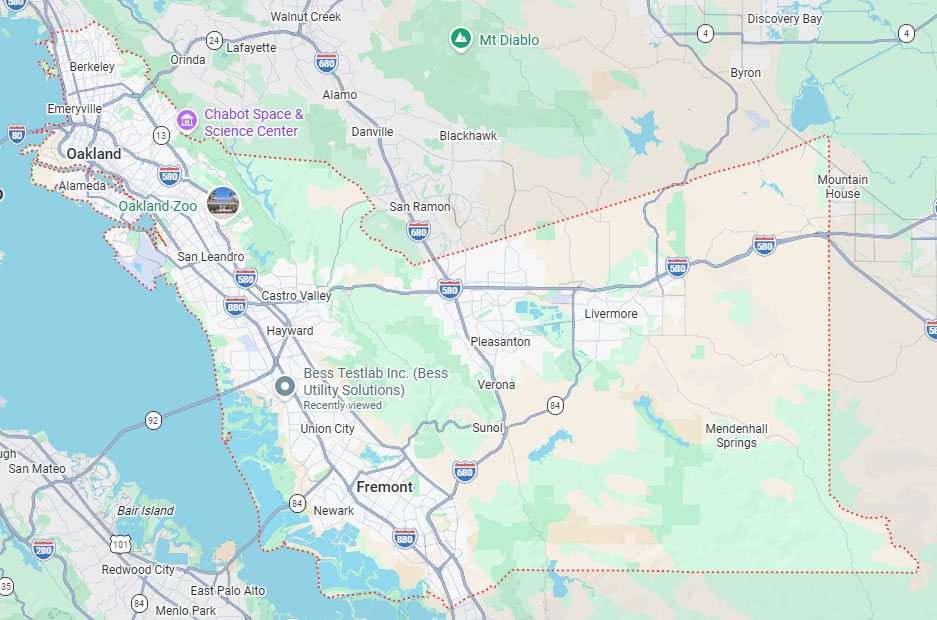
Bess Utility Solutions combines electromagnetic locating, ground penetrating radar, and vacuum excavation to deliver comprehensive subsurface mapping throughout the Hayward region. Their CPUC-certified team provides the technical expertise and rapid response capability that keeps infrastructure projects on schedule and within budget.
Understanding the true cost comparison between detection services and potential strike consequences makes the investment decision clear. Accurate utility location protects workers, prevents service disruptions, and provides the subsurface certainty that modern construction demands.
Underground utility locating costs vary by technology, site conditions, and project scope. Bess Utility Solutions has served 1,000+ clients across California for 29 years as a CPUC-certified MBE/DBE subsurface utility engineering firm. Our licensed team uses electromagnetic locating, GPR, and vacuum excavation to give you verified subsurface data before you break ground. Contact us to request a quote for your Hayward project.