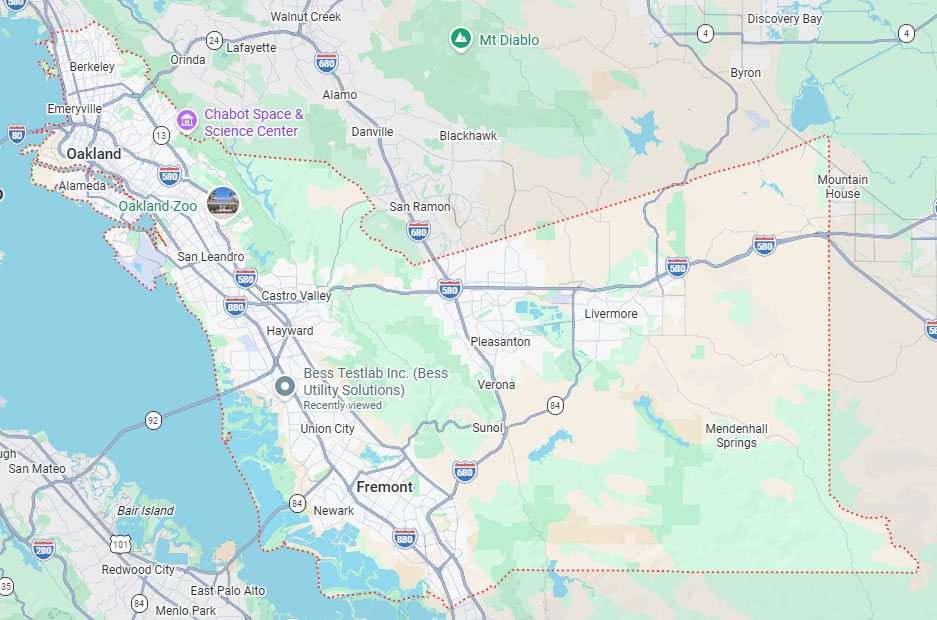
Hayward, CA
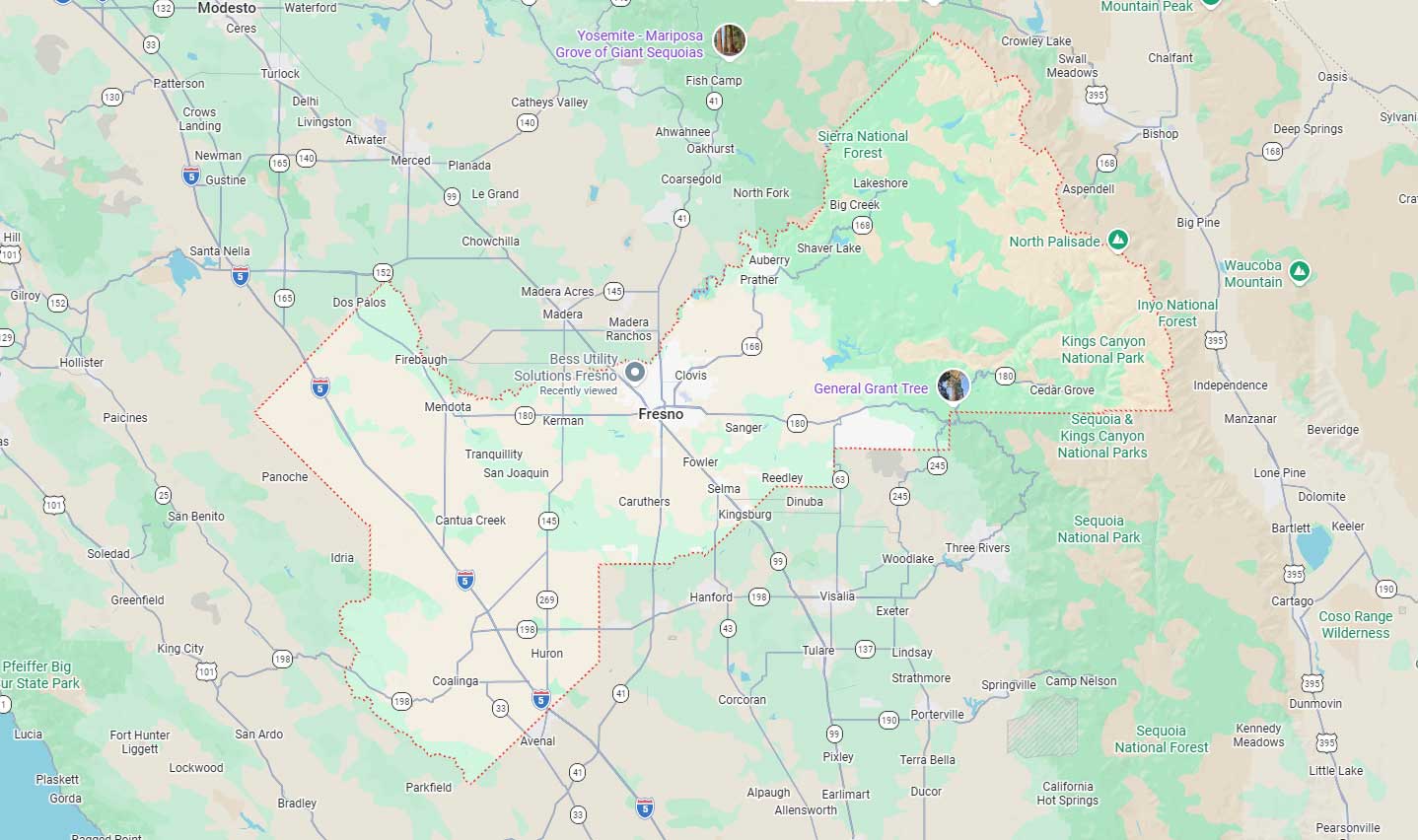
Fresno, CA
Orange, CA
Sacramento, CA
Phoenix, AZ
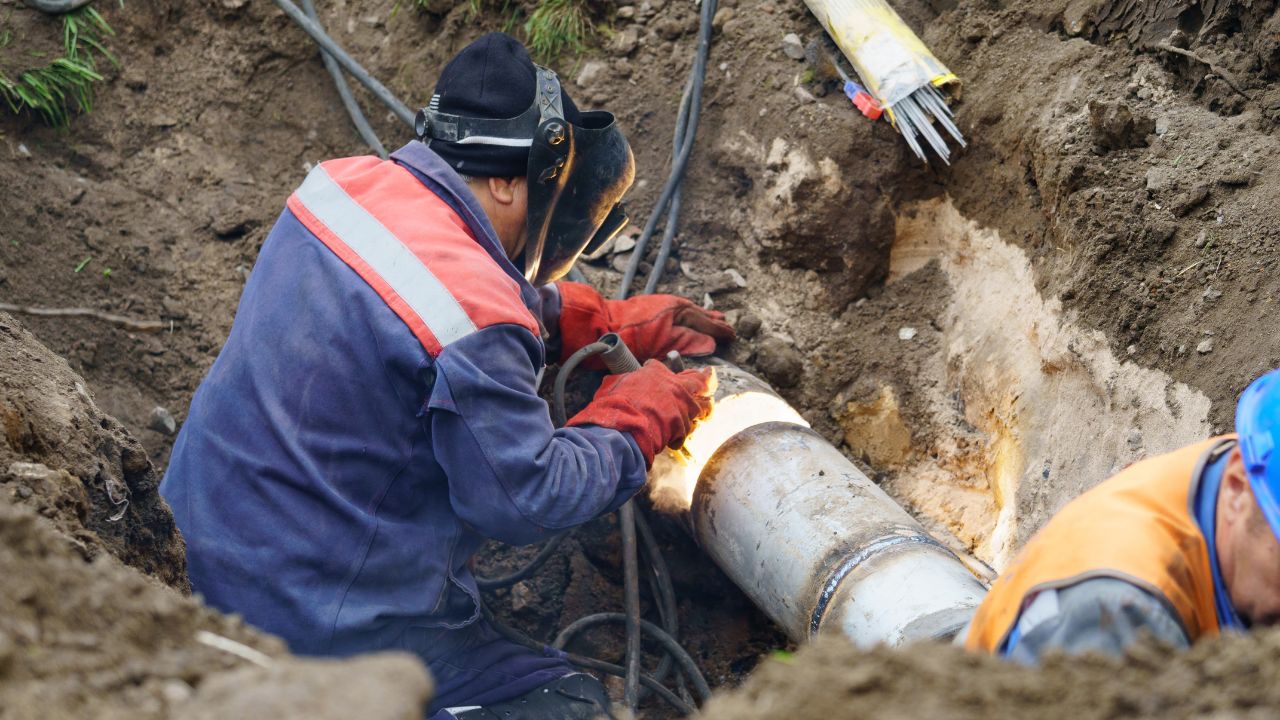
Excavating without proper utility locating in Hayward creates catastrophic risks extending beyond project delays. Dense urban infrastructure, stringent California regulations, and aging utility systems make professional locating essential for legal compliance and worker safety. Contractors who skip utility locating face direct financial penalties, legal liability, and operational disruptions that permanently damage reputation and business viability.
Consequences of Hayward digging risks include strike events averaging $4,000 per incident, potential OSHA fines exceeding $165,000, and criminal charges when negligence results in injury or death. Private utility lines represent over 60% of underground infrastructure but remain unmapped by public 811 services, creating a dangerous responsibility gap. Professional locating technologies using electromagnetic detection, ground-penetrating radar, and vacuum excavation provide the only reliable method to identify subsurface hazards before crews break ground.
Key Takeaways
Utility locating identifies the position and depth of underground infrastructure before excavation begins. This process uses specialized technologies to detect metallic pipes, fiber optic cables, gas lines, and non-metallic conduits that remain invisible until damaged. Professional locating services map subsurface utilities with survey-grade accuracy, providing excavation teams with critical information that prevents strikes, protects workers, and maintains schedules.
Why utility locating is the first step in safe excavation becomes clear when examining strike statistics. The Common Ground Alliance 2024 DIRT Report documented 196,977 unique reported damages to buried utilities during a single year. Nearly 50% occurred because locating services were not called or provided inadequate coverage, demonstrating a direct correlation between proper detection and damage prevention.
Electromagnetic locating uses electromagnetic induction to detect conductive utilities like metal pipes and cables. This technology holds 44.5% of the market revenue share in 2023 due to speed and cost efficiency. EM locators generate electromagnetic fields that interact with metallic utilities, allowing technicians to trace their path and approximate depth.
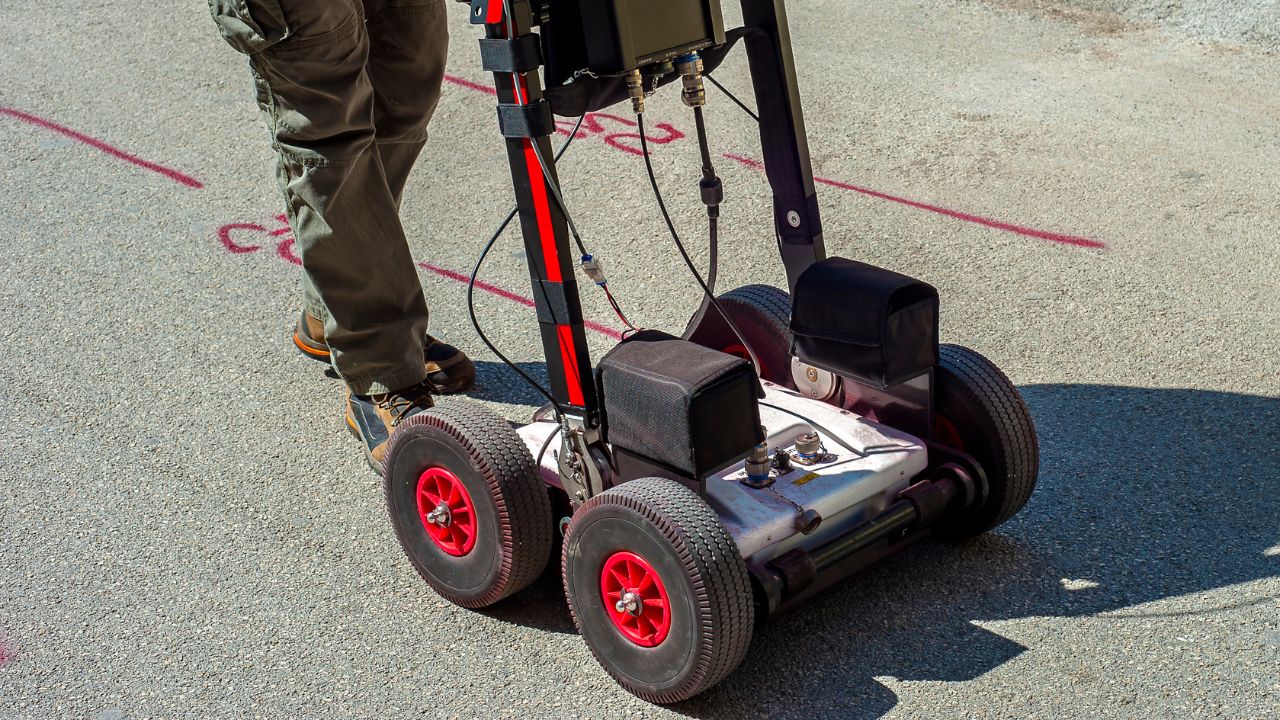
Ground-Penetrating Radar uses radar pulses to create subsurface images, detecting both metallic and non-metallic objects. GPR technology has become the fastest-growing segment, particularly in urban areas where plastic and fiberglass infrastructure dominate modern installations. Vacuum excavation uses high-pressure water or air to safely expose underground utilities for visual verification. Professional full-service locating combines multiple detection methods, including EM, GPR, and vacuum excavation, with GPS mapping and engineering analysis.
Professional utility locating eliminates the primary cause of excavation accidents by providing complete subsurface visibility before digging begins. Construction hazards associated with unmarked utilities include gas explosions, electrical electrocution, telecommunications network disruption, and water main failures that flood active work sites. Each scenario creates immediate worker danger while triggering emergency response protocols that halt operations and generate compounding financial losses.
The ROI for professional utility locating reaches $4.62 saved for every $1 spent through damage prevention and schedule protection. This economic advantage stems from avoiding strike events that average $4,000 in direct repair costs but generate total economic impacts exceeding $91 billion annually when system inefficiencies and downtime are included. Projects that invest in comprehensive locating services eliminate rework, maintain schedule integrity, and avoid legal exposure from negligent excavation practices.
Modern utility locating relies on three primary detection technologies addressing different subsurface conditions and utility types. Professional locating services typically deploy multiple technologies in combination to achieve complete coverage and verification of underground infrastructure.
The utility locator market reached $878.8 million in 2024 and is projected to reach $1.25 billion by 2030. North America dominates the global market share at 36.8% due to stringent safety regulations and extensive infrastructure development. Technology adoption patterns show clear preferences based on project complexity, with how GPR scanning prevents costly utility strikes becoming increasingly critical in urban environments where non-metallic utilities proliferate.
Electromagnetic locating holds 44.5% market revenue share in 2023, making it the most widely deployed detection technology. This method generates electromagnetic fields that induce current in conductive utilities, allowing technicians to trace metallic infrastructure with rapid deployment and minimal site disruption. EM locators provide the fastest turnaround time, making them ideal for initial utility identification on budget-conscious residential projects.
However, EM cannot detect non-metallic utilities, including PVC, concrete, and fiberglass conduits that dominate modern construction. EM has limited depth accuracy compared to GPR, often providing approximate rather than precise measurements. While EM detects only metallic objects, GPR detects both metallic and non-metallic infrastructure, creating a fundamental capability gap.
Urban areas show a 65% adoption rate for GPR technology due to its ability to detect non-metallic utilities. GPR transmits radar pulses into the ground and analyzes reflected signals to create detailed subsurface images. This technology identifies plastic water lines, fiber optic cables, concrete structures, and previously unknown voids that electromagnetic methods cannot detect.
GPR equipment costs range from $14,000 to $100,000, depending on penetration depth and imaging resolution. GPR performance can be affected by certain soil conditions, including highly conductive clay and saturated ground that attenuate radar signals. GPR requires specialized training to interpret subsurface reflections and distinguish utilities from geological features.
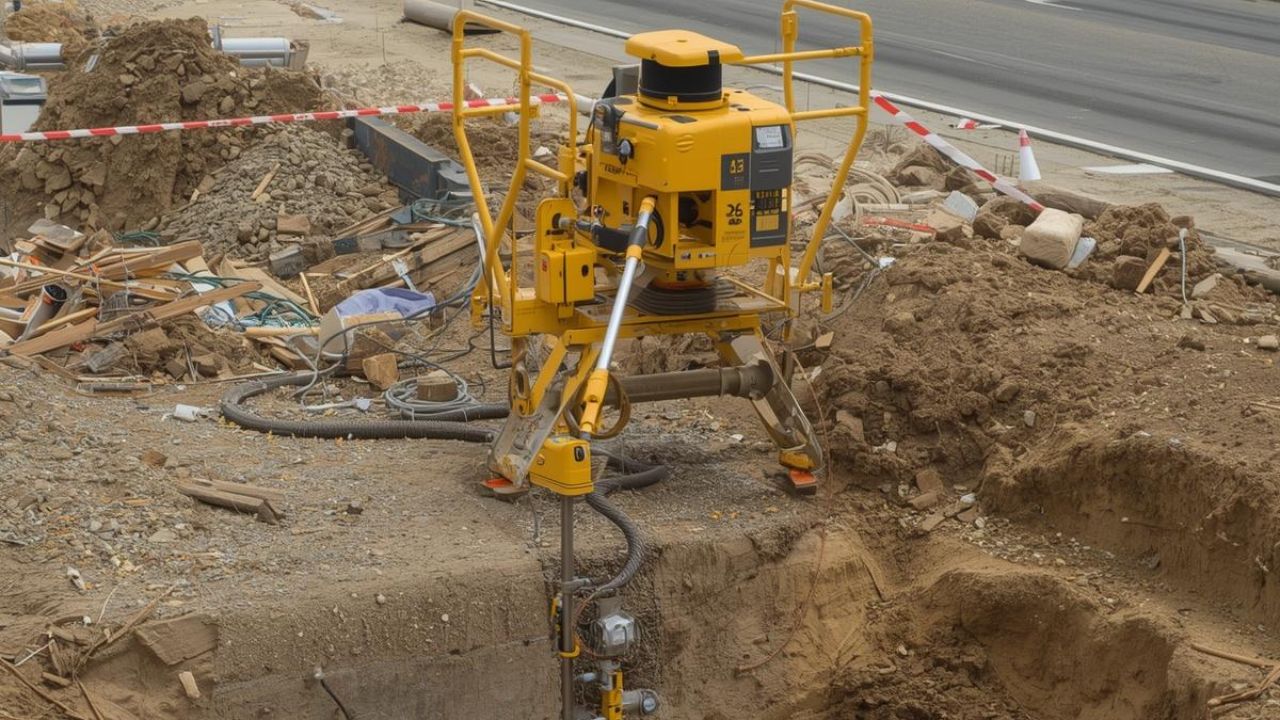
Vacuum excavation provides the safest method for utility exposure when precise depth verification is required before mechanical digging. This process uses high-pressure water or air to break up soil while simultaneously extracting material through vacuum suction. The importance of vacuum excavation in utility locating becomes evident when contractors need visual confirmation of utility location, depth, and condition before committing heavy equipment.
Vacuum excavation operates more slowly than non-destructive scanning but delivers absolute certainty through direct visual verification. This method requires specialized heavy equipment, including truck-mounted systems, that may face access limitations on confined urban sites. Vacuum excavation costs $75 to $200 per pothole or $500 to $1,500 per mobilization, making it economically viable when strike prevention justifies the investment.
California maintains comprehensive excavation safety regulations establishing mandatory procedures for subsurface utility protection. These laws create legal obligations for contractors while providing enforcement mechanisms including substantial financial penalties and criminal prosecution. Understanding regulatory requirements prevents violations that generate direct fines while creating documentation gaps that undermine liability defenses when accidents occur.
The California Dig Safe Act of 2016 created the California Underground Facilities Safe Excavation Board to enforce safety standards and investigate violations. Contractors operating in Hayward must comply with both state regulations and local municipal codes that may impose additional notification requirements or tolerance zone restrictions.
Contractors must call 811 before excavation, a legal requirement in California that triggers notification to utility owners. The 811 system initiates a marking process where utility companies identify and mark their infrastructure within the proposed excavation area. Tolerance zones in California extend 24 inches from the outside diameter of a utility, creating protected areas that restrict excavation methods.
If digging within the tolerance zone measuring 24 inches from any utility, excavators must utilize hand tools only. Mechanical equipment cannot operate within this protected area unless specific exemptions apply under controlled conditions with direct utility company supervision. An excavator causing or discovering damage must file a report immediately per California Code of Regulations Section 4100. This reporting requirement creates an official record that regulatory agencies use when determining violations and assigning responsibility for underground utility damage.
The 811 service only locates public utilities and typically stops at the property line or meter connection. Municipal water lines, public sewer mains, gas distribution networks, and electrical transmission lines receive marking through this free notification system. Understanding 811 vs hiring a private locator reveals critical gaps in coverage that expose contractors to liability when damage occurs beyond public infrastructure.
More than 60% of all utility lines are private infrastructure including sewer laterals, irrigation systems, and electrical service lines. The 811 system does not provide depth information, offering only horizontal location through surface paint marks or flags. The 811 system does not locate private utilities representing 60% or more of all utility lines on developed properties. An estimated 49% of U.S. homeowners plan to dig without contacting 811, demonstrating widespread misunderstanding of legal requirements.
Skip utility locating, and contractors face immediate financial exposure extending beyond repair costs for damaged infrastructure. Direct strike expenses include utility repair, emergency response mobilization, regulatory investigation costs, and legal defense fees. Indirect consequences encompass schedule delays, crew downtime, reputational damage, and increased insurance premiums, affecting business operations for years.
The total economic impact of utility strikes reveals why professional locating services deliver measurable ROI. Projects experiencing strikes face cascading disruptions, including permit revocations, contract terminations, and subcontractor demobilization costs. How professional locators save you time and money through upfront risk elimination rather than reactive damage control that multiplies costs while destroying schedule integrity.
Utility strikes cost the U.S. economy approximately $30 billion annually in direct damages to infrastructure and immediate repair expenses. The total economic impact reaches up to $91 billion annually when including system inefficiencies, network downtime, and cascading business disruptions. The average cost per strike event reaches $4,000 in direct expenses before calculating schedule delays and indirect operational impacts.
The Common Ground Alliance 2024 DIRT Report documented 196,977 unique reported damages to buried utilities during a single year. Telecommunications infrastructure experiences the most frequent damage at 49% of all reported strikes due to shallow burial depth and widespread fiber optic deployment. Each telecommunications strike disrupts network service, affecting thousands of customers while triggering contractual penalties and emergency response requirements that halt excavation activities indefinitely.
Over 400 fatalities related to underground utility strikes have occurred nationally since 2000, with gas line ruptures representing the most lethal scenario. Over 2,000 injuries related to underground utility strikes have been documented nationally since 2000, including electrocutions, burns, and traumatic injuries from explosive events. Nearly 50% of incidents occur because the locating services were not called or provided inadequate coverage.
A home in Hayward, California, was leveled by an explosion after contractors allegedly damaged an underground gas line. This local incident demonstrates the catastrophic potential of utility strikes in residential areas where natural gas infrastructure operates under high pressure. How utility locating reduces worker injuries and liability by eliminating the subsurface unknowns that create life-threatening hazards during excavation operations. OSHA maximum penalties for excavation safety violations can reach $165,514 for willful violations that demonstrate conscious disregard for worker safety.
Contractor selection of locating technologies reflects a balance between cost constraints, accuracy requirements, and project complexity. Decision factors prioritize safety and compliance above initial service costs, recognizing that strike prevention delivers quantifiable ROI. Market research shows that experience and technological capabilities rank higher than price in contractor evaluations.
Demographic shifts within the construction workforce are driving technology adoption patterns that favor advanced detection methods. Younger project managers demonstrate greater comfort with GPR technology and comprehensive mapping deliverables. Urban density in Hayward creates conditions where multiple utility types occupy congested subsurface corridors, requiring multi-technology detection strategies for complete coverage.
EM locating remains the most affordable detection option for simple residential projects with predominantly metallic utilities. Professional full-service locating represents the highest cost category but delivers comprehensive coverage using multiple technologies with survey-grade accuracy. Cost considerations influence initial technology selection, but contractors increasingly recognize that inadequate detection creates far greater expenses through strike events.
Younger contractors aged 18 to 35 show higher adoption rates for GPR and professional services compared to traditional practices. Older demographics lean on traditional EM methods due to familiarity and lower upfront costs despite capability limitations. This generational divide reflects broader industry trends toward technology adoption and data-driven project management.
Urban areas show a 72% adoption rate for professional services compared to significantly lower rates in rural regions. Dense utility networks in Hayward create subsurface environments where single-technology detection methods provide insufficient coverage. The global utility locator market was valued at USD 878.8 million in 2024, demonstrating robust industry growth driven by infrastructure investment and regulatory enforcement.
The global utility locator market is projected to reach USD 1.25 billion by 2030, representing sustained expansion expectations. The market is growing at a 6.1% CAGR, outpacing general construction sector growth rates. North America dominates with a 36.8% revenue share due to stringent excavation safety regulations and extensive underground infrastructure networks requiring protection during construction activities.
Utility locating costs vary significantly based on project scope, required technologies, site conditions, and deliverable requirements. Residential projects typically require fewer detection hours and limited site documentation compared to commercial and municipal work. Understanding cost structures allows contractors to budget appropriately while selecting service levels that match project risk profiles.
Equipment costs directly influence service pricing, with professional GPR units ranging from $14,000 to $100,000 compared to electromagnetic locators. Technology deployment time affects billing, as vacuum excavation requires specialized heavy equipment with mobilization costs. Documentation requirements including CAD deliverables, GPS coordinates, and engineering reports add value while increasing service fees on complex projects.
EM locate services for residential simple projects range from $150 to $400 for basic utility identification. These services typically cover small excavation areas up to 0.5 acres with limited utility density. Residential complex projects requiring GPR range from $400 to $800 when non-metallic utilities need detection or depth verification is critical.
Commercial projects range from $800 to $2,500 depending on site area, utility density, and reporting requirements. These projects involve half to full-day deployments covering 1 to 5 acres with combined EM and GPR methods. Commercial work typically includes detailed mapping deliverables and GPS coordinates that support engineering design and regulatory compliance documentation.
Municipal and right-of-way projects range from $1,500 to $5,000 or more depending on linear footage and traffic control requirements. These projects demand comprehensive documentation including CAD deliverables and survey-grade positioning that supports permanent infrastructure records. Industrial and campus environments range from $3,000 to $10,000 or more for multi-day deployments covering extensive areas with dense unknown utilities.
GPR equipment carries higher equipment costs ranging from $14,000 to $100,000 based on penetration depth and imaging capabilities. Professional full-service locating requires advance scheduling to coordinate multiple detection methods and specialized personnel deployment. Complex projects justify higher expenses through strike prevention that protects project schedules worth millions in contractor fees and owner opportunity costs.
Professional utility locating functions as the primary risk control measure that protects excavation projects from catastrophic failures. Comprehensive detection eliminates subsurface uncertainty that creates decision paralysis and forces contractors to proceed blindly or face schedule delays. Hayward underground utility locating services provide local contractors with immediate access to certified professionals who understand regional utility configurations and California regulatory requirements.
Risk mitigation extends beyond immediate strike prevention to encompass liability protection, insurance compliance, and regulatory defense. Complete locating documentation creates defensible records that demonstrate due diligence when disputes arise or accidents occur. Projects without proper locating records face presumptive liability where contractors bear full responsibility for damages.
Full-service locating combines electromagnetic detection, ground-penetrating radar, and vacuum excavation to provide complete subsurface coverage. This integrated approach addresses capability gaps inherent in single-technology methods, detecting both metallic and non-metallic utilities while verifying depth through direct exposure. Professional services include detailed mapping with GPS coordinates, CAD deliverables, and engineering analysis that supports design accuracy and regulatory compliance.
Survey-grade positioning enables permanent infrastructure documentation that benefits future projects and facility management operations. Advanced detection methods identify unknown utilities and abandoned infrastructure that public records fail to document. Full-service providers maintain professional liability insurance and certifications that transfer risk from contractors to specialized firms with resources to manage subsurface investigation hazards.
Proper utility locating creates documentation that demonstrates compliance with California excavation safety laws and OSHA trenching standards. This evidence proves contractors satisfied their duty of care when investigating subsurface conditions before deploying workers and equipment. Why skipping utility locates can lead to disaster becomes evident through case studies where inadequate detection resulted in catastrophic failures and criminal prosecution.
Complete locating records establish baseline conditions that protect against claims of negligent excavation when strikes occur despite proper procedures. Regulatory investigations following serious incidents examine contractor documentation to determine whether adequate precautions were implemented. Projects without professional locating services face presumptive fault and maximum penalties when violations result in injury, death, or significant property damage.
Professional utility locating represents the definitive control measure that separates successful excavation projects from catastrophic failures. The convergence of aging infrastructure, dense urban utility networks, and stringent California regulations makes comprehensive detection an operational necessity. Contractors who invest in multi-technology locating services protect their projects from the $30 billion annual economic impact that utility strikes impose on the construction industry.
The proven ROI of $4.62 saved for every dollar spent on utility locating demonstrates clear economic justification beyond regulatory compliance. Projects that deploy electromagnetic detection, ground-penetrating radar, and vacuum excavation achieve complete subsurface visibility that eliminates the primary cause of excavation accidents. This investment in upfront detection protects schedules, budgets, and worker safety while creating documentation that defends against liability claims and regulatory penalties.
Bess Utility Solutions delivers comprehensive subsurface investigation services that protect Hayward contractors from the catastrophic consequences of utility strikes. Professional locating eliminates uncertainty that creates project delays, financial losses, and safety incidents during excavation operations. Proper detection procedures transform subsurface risk from an uncontrollable variable into a managed process that supports project success.
Bess Utility Solutions has protected Hayward contractors and project teams for 29 years. As a CPUC-certified MBE/DBE firm with 1,000+ satisfied clients, we provide the electromagnetic locating, GPR scanning, and vacuum excavation services that keep your crew safe and your schedule intact. Before you break ground, contact our team for a consultation. We'll confirm what's below so you can dig with confidence.