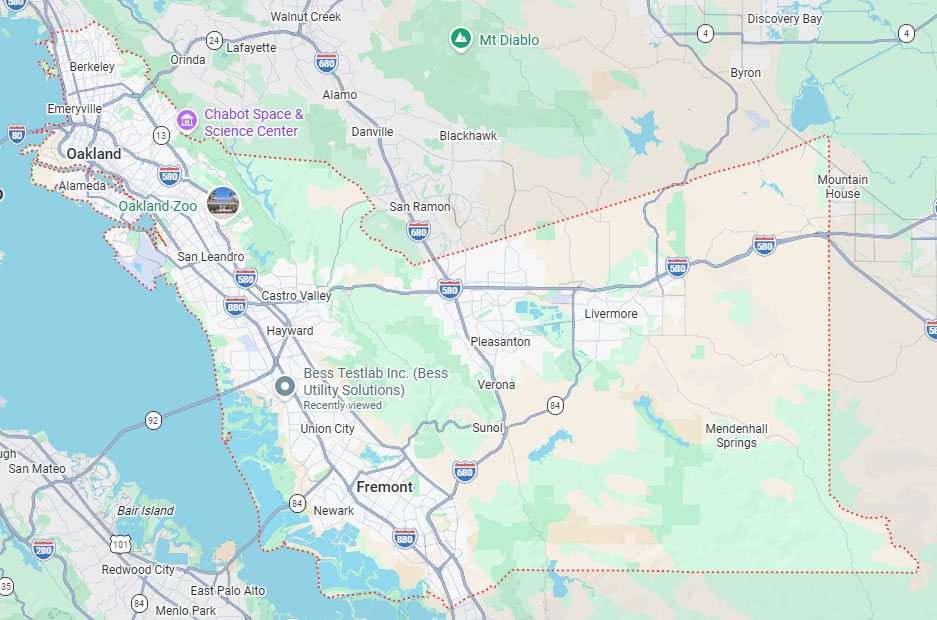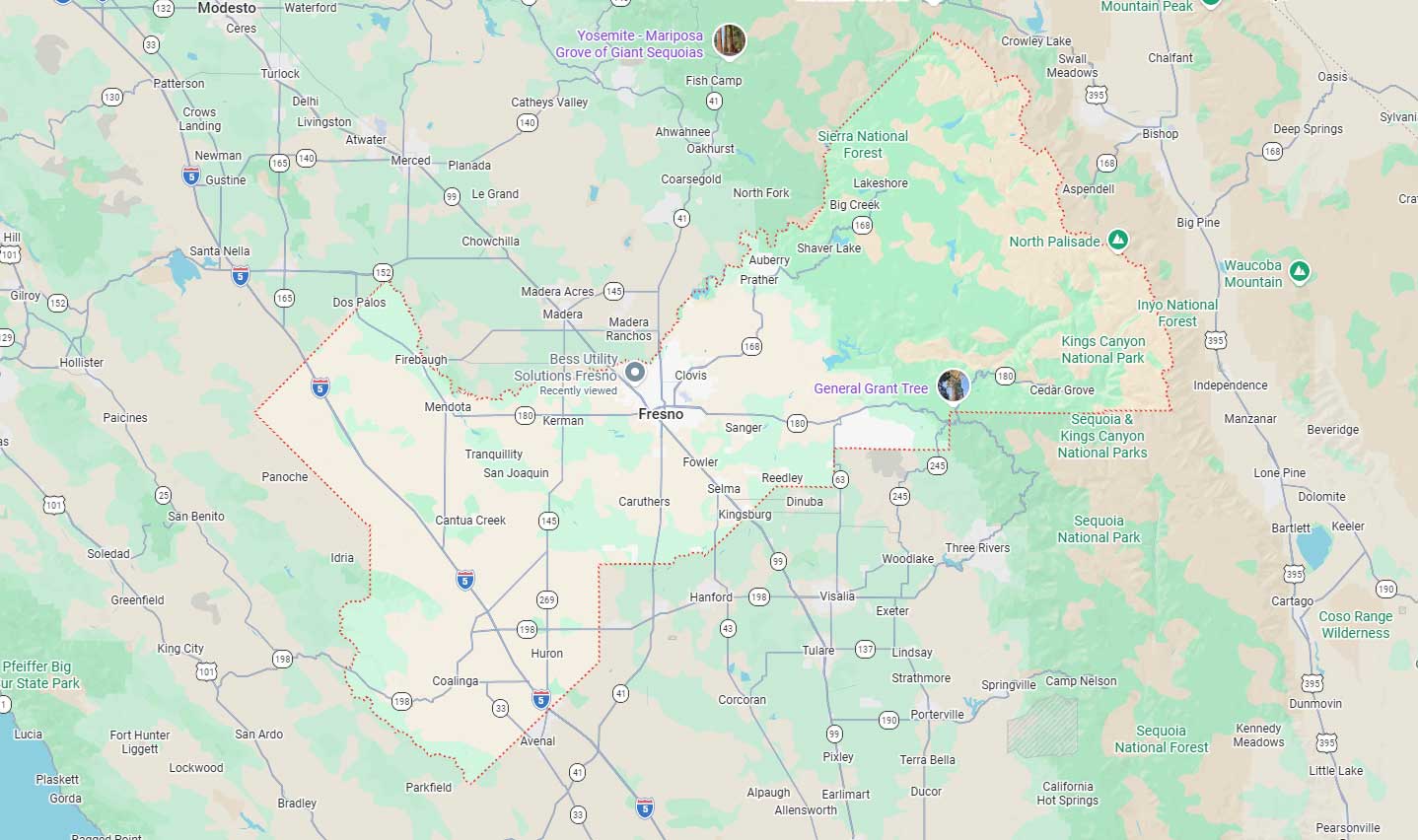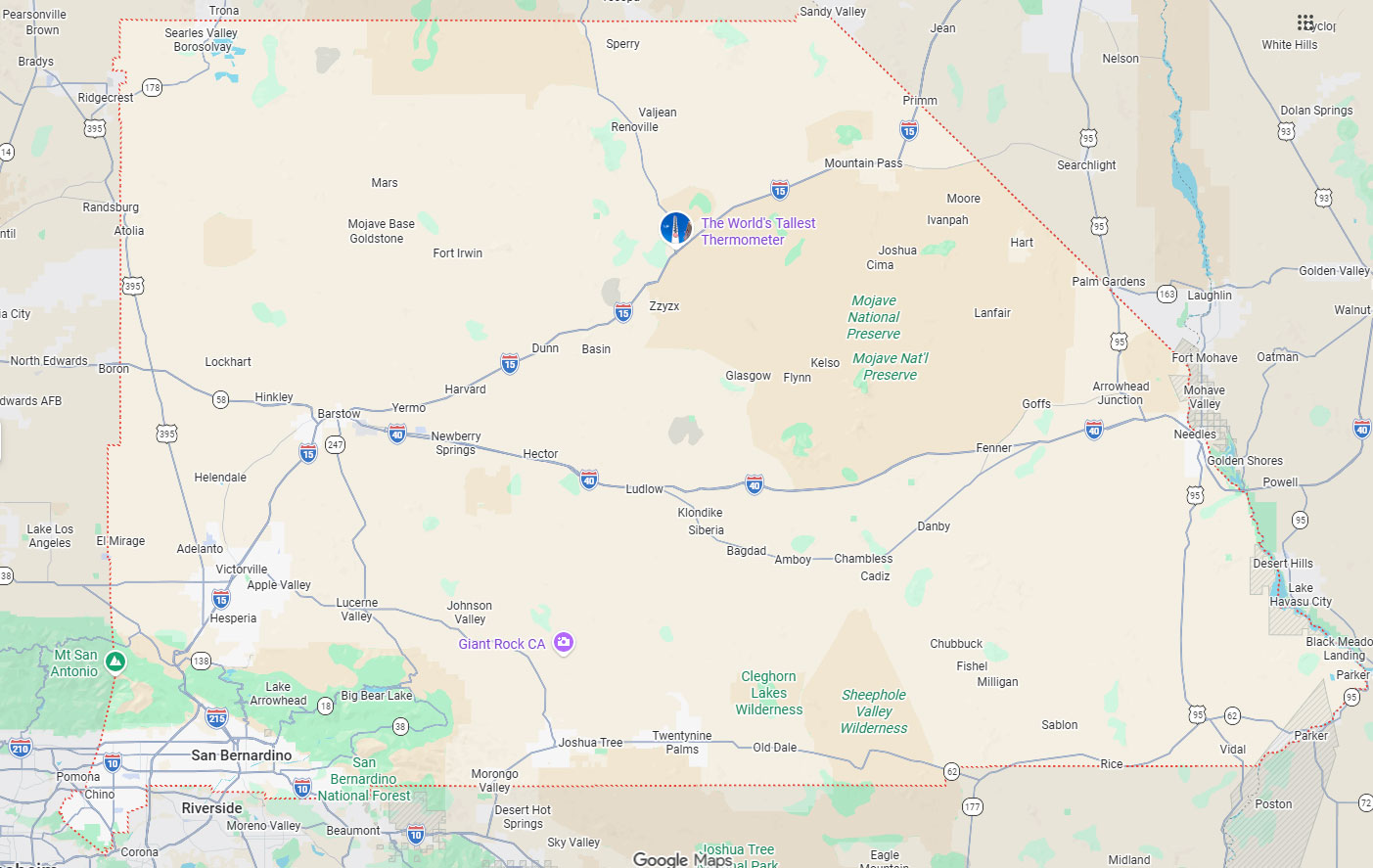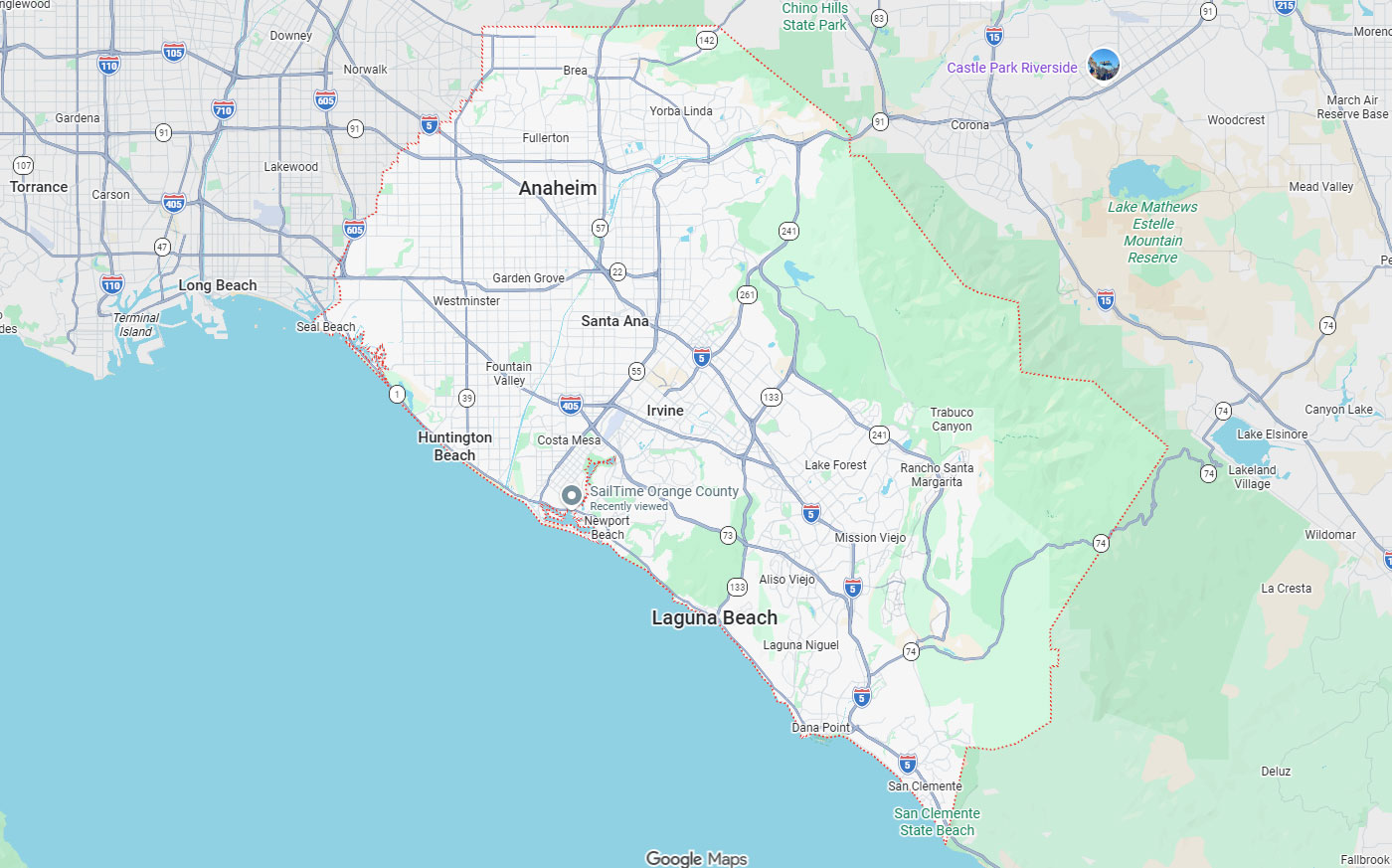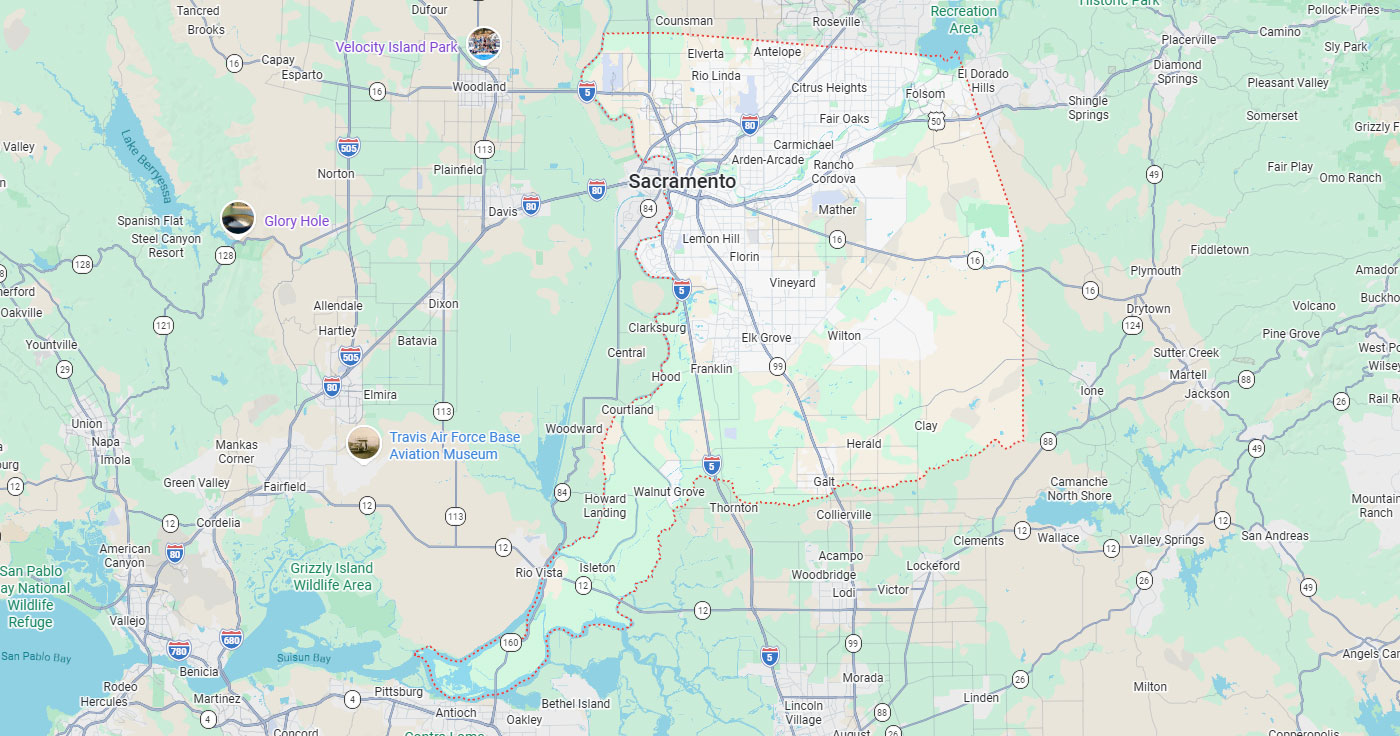
Hayward, CA
Fresno, CA
Orange, CA
Sacramento, CA
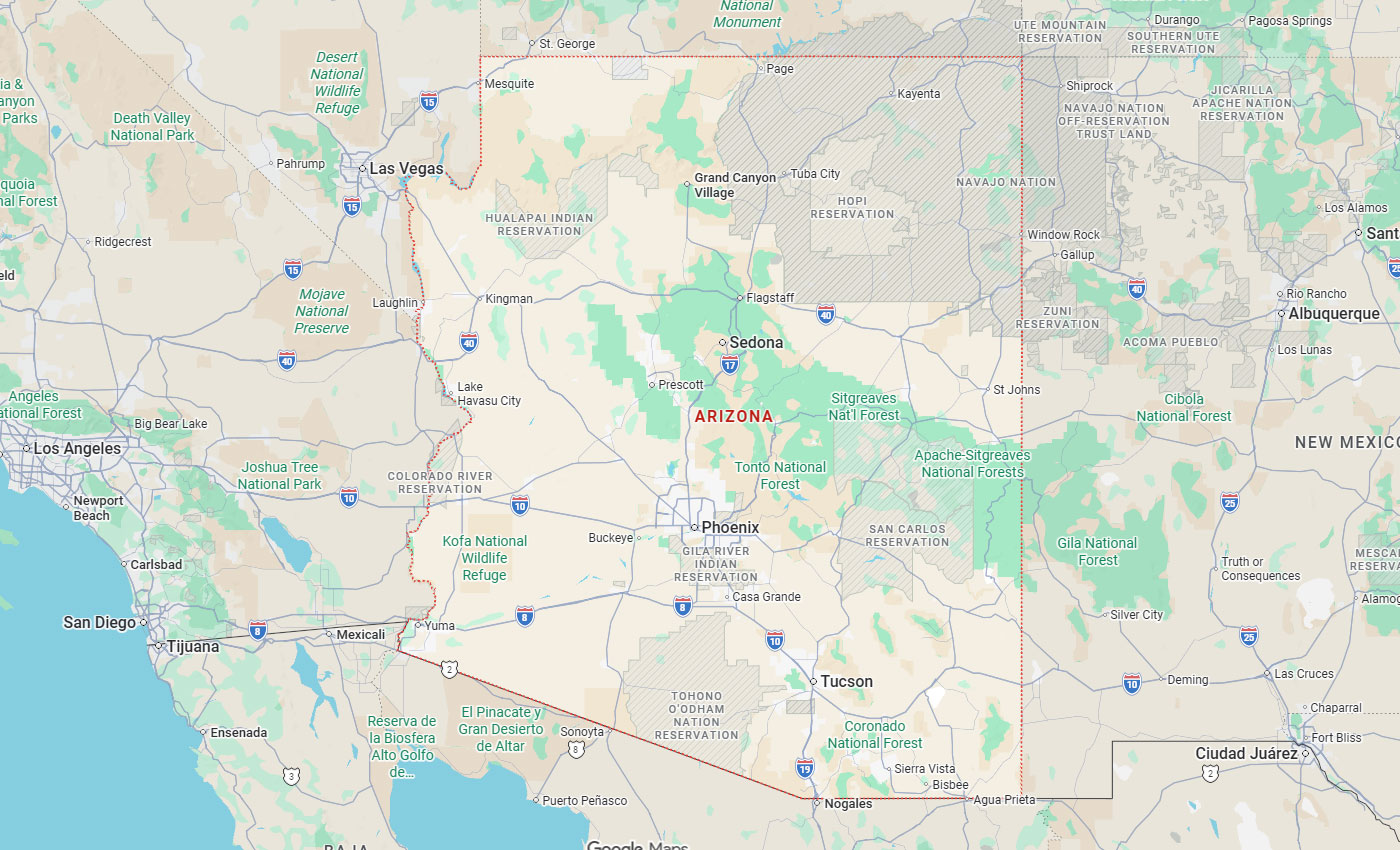
Phoenix, AZ
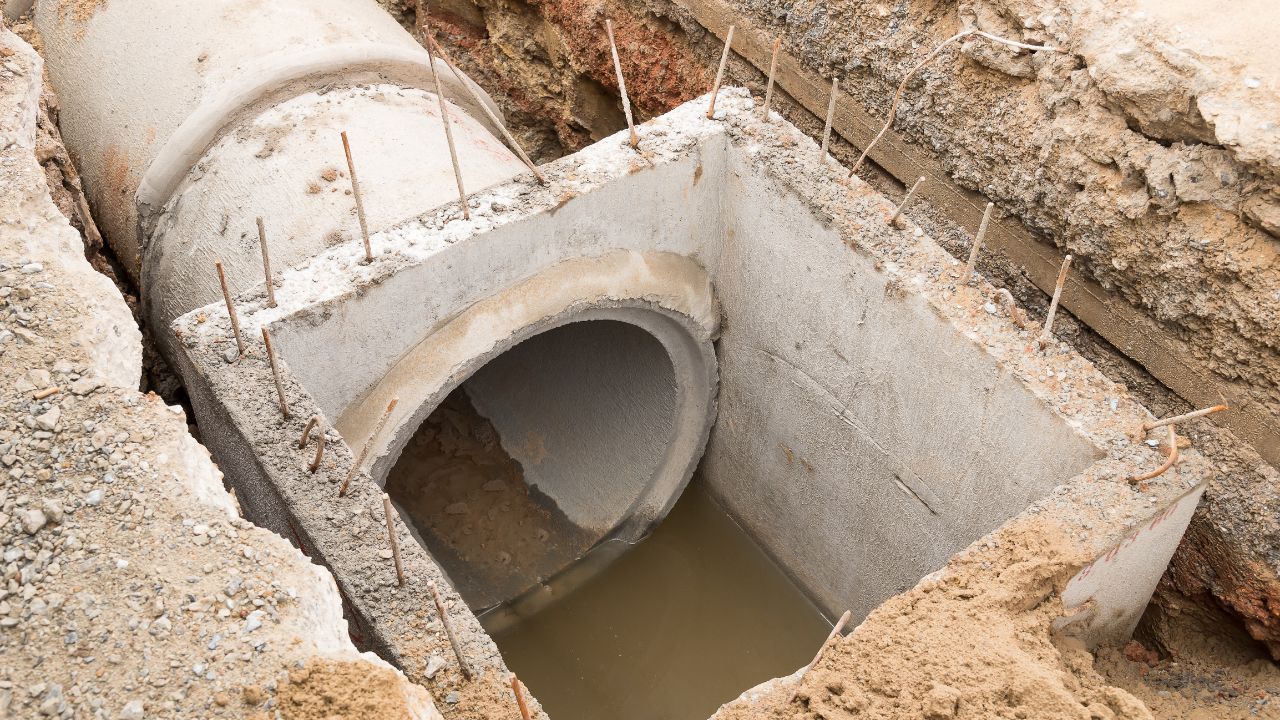
Scheduling decisions for CCTV pipe inspection depend on property age, infrastructure condition, regulatory requirements, and project timelines. Hayward properties face unique challenges, including aging infrastructure, seismic vulnerability from the Hayward Fault, and stringent East Bay Municipal Utility District certification requirements during property transfers. Proper pipe inspection timing protects against catastrophic failures, supports construction planning, and ensures compliance with California Title 24 Building Standards Code.
Residential customers typically schedule inspections during pre-purchase evaluations or when experiencing drainage problems, while commercial and municipal operators integrate systematic inspection programs into preventive maintenance protocols. The majority of US sewage pipes are over 60 years old and nearing design life, creating urgent demand for diagnostic services that identify structural defects before failures occur. Understanding when to schedule different inspection types maximizes return on investment and minimizes operational disruption.
Key Takeaways
CCTV pipeline inspection uses waterproof cameras mounted on push cables or robotic crawlers to capture real-time video footage inside sewer and drain lines. Operators feed the camera system through cleanout access points or by removing toilets, then record high-resolution video showing pipe interior conditions, including cracks, root intrusion, corrosion, misalignment, and blockages. The footage provides definitive evidence of pipe condition without excavation, enabling accurate diagnosis and targeted repair strategies.
Professional inspectors use specialized software to analyze video footage according to standardized defect coding systems such as NASSCO PACP certification protocols. The inspection report documents defect locations measured from entry points, severity ratings, and recommended remediation actions. This non-invasive methodology preserves landscaping and hardscaping while providing survey-grade accuracy for infrastructure assessment and construction planning.
Push cameras account for 45% of the equipment market share and serve as the primary tool for residential applications. These systems consist of camera heads connected to cable reels manually pushed into pipes smaller than 10 inches for lengths up to 200 feet. The portable design and lower cost make push cameras ideal for single-family homes and small commercial properties.
Robotic crawlers account for 15% of the equipment market share and handle larger infrastructure projects. These wheeled robotic units operate in pipes 6 inches and larger, traveling up to 1,000+ feet through main lines. Lateral launch systems represent a hybrid approach where a crawler moves through main lines and deploys secondary cameras into lateral connections, providing a comprehensive network assessment for municipal operators.
Routine maintenance accounts for 40% of the service category market share as property managers implement preventive programs. Pre-construction and pre-purchase inspections account for 20% of the service category market share, driven by real estate transactions and construction project requirements. These proactive inspections identify existing conditions before ownership transfer or ground disturbance activities begin.
Emergency diagnostics account for 20% of the service category market share when blockages or backups require immediate assessment. Post-repair verification accounts for 10% of service category market share, confirming repair effectiveness and providing warranty documentation. Infrastructure assessment accounts for 10% of service category market share as municipalities develop capital improvement programs based on systematic condition data.
Hayward's demographic profile and geological conditions create elevated infrastructure risk requiring proactive inspection protocols. The city's median property value of $854,400 represents a significant financial investment vulnerable to damage from sewer lateral failures. Hayward underground utility locating services address subsurface infrastructure complexity across residential, commercial, and municipal applications.
Property owners in Hayward face unique challenges from aging infrastructure installed when the population was 158,801 residents served by systems now reaching end-of-service life. The homeownership rate of 58% means tens of thousands of property owners bear direct financial responsibility for private sewer lateral maintenance. Seismic activity along the Hayward Fault introduces ground movement that stresses underground pipes, accelerating deterioration and creating joint separation.
Hayward's location directly on the Hayward Fault introduces significant seismic risks to underground infrastructure through ground shaking and surface displacement. The majority of US sewage pipes are over 60 years old and nearing design life, creating compound vulnerability when geological instability accelerates material degradation. Property values averaging $854,400 justify preventive inspection investments that protect against catastrophic failures requiring full excavation and replacement.
High-risk properties require inspection every 1-2 years due to mature tree root intrusion and seismic zone ground movement. Older homes 40+ years with clay or cast iron pipes should be inspected every 2-3 years, as these materials experience corrosion and structural failure. Newer homes under 20 years with PVC piping can extend inspection intervals to every 5 years, given superior material longevity.
Title 24 California Building Standards Code requires plumbing installations to meet specific material and installation standards verified through inspections before work concealment and prior to final system use. CMOM standards for Capacity, Management, Operations, and Maintenance govern sanitary sewer collection systems operated by municipalities and utility districts. The Hayward Building Division requires permits for significant plumbing modifications, water heater replacements, and gas line work.
Private Sewer Laterals (PSLs) must be certified leak-free during property sales or major remodels in the EBMUD service area through the Private Sewer Lateral Program. Title 24 requires inspections at the rough-in stage before walls close and during final inspection before occupancy permits are issued. These regulatory requirements establish minimum compliance standards but do not replace proactive preventive maintenance programs.
Municipalities represent 50% of the market share by end-use segment through systematic infrastructure assessment programs. Industrial companies represent 20% of market share, monitoring process wastewater systems and manufacturing facility drainage networks. Commercial properties represent 15% of market share as shopping centers, office buildings, and multifamily complexes implement preventive maintenance to avoid business interruption.
Residential customers comprise approximately 10% of the overall market despite representing the largest number of individual service calls. Accuracy and precision rank as the highest consumer priorities across all segments, followed by cost-effectiveness and non-invasiveness. Professional operators select inspection methodologies based on pipe size, access constraints, and required documentation standards.
Residential customers prioritize cost and speed when selecting CCTV sewer inspection services, preferring pre-purchase and emergency timing over scheduled maintenance. Commercial customers prioritize minimal disruption to business operations, scheduling maintenance during off-hours, and using high-resolution remote crawlers that reduce access requirements. Municipal customers prioritize comprehensive assessment supporting data-driven capital planning, deploying AI-enhanced robotic systems across systematic inspection programs.
Equipment preferences reflect these priorities as residential applications use portable push cameras offering rapid deployment and lower costs. Commercial operators specify advanced robotic crawlers providing detailed defect documentation and precise measurement capabilities. Municipal programs integrate artificial intelligence software that automates defect coding and generates predictive maintenance schedules.
Residential inspection timing concentrates around real estate transactions and emergency responses when drainage failures become apparent. Commercial properties schedule routine inspections during seasonal low-activity periods to minimize operational impact. Municipal programs follow multi-year systematic schedules, dividing service territories into inspection zones completed on rotating cycles.
Equipment selection follows functional requirements, as small-diameter residential laterals require push camera flexibility while large-diameter main lines demand robotic crawler capabilities. Service providers maintain diverse equipment inventories addressing varied customer needs and pipe configurations. Technology selection directly impacts inspection accuracy, documentation quality, and regulatory compliance outcomes.
Pipe inspection timing aligns with specific triggers, including construction schedules, property transactions, infrastructure age, and observed performance problems. Optimal scheduling balances proactive risk mitigation against service costs and operational disruption. Different inspection types serve distinct purposes requiring appropriate timing strategies.
Strategic timing maximizes inspection value through early problem detection before minor defects escalate into emergency failures. Preventive maintenance schedules follow age-based intervals adjusted for material type and environmental risk factors. Construction and transaction-driven inspections follow project timelines and regulatory deadlines.
Pre-construction and pre-renovation inspections should be conducted 2-4 weeks before project start to allow time for unexpected repairs without delaying the Hayward construction timeline. Pre-excavation inspection identifies existing pipe conditions, establishes baseline documentation protecting contractors from liability for pre-existing damage, and reveals conflicts with planned improvements. Early detection enables design modifications, avoiding costly change orders during active construction.
Pre-purchase inspections should be conducted before closing on a property to identify hidden infrastructure defects not visible during standard home inspections. Sewer lateral inspection costs $300-$500 but can reveal problems requiring $10,000-$50,000+ in excavation and replacement expenses. Buyers use inspection findings to negotiate repair credits or seller-funded corrections before finalizing property acquisition.
Newer homes under 20 years with PVC piping should be inspected every 5 years, given superior material durability and minimal root intrusion. Older homes 40+ years with clay or cast iron pipes should be inspected every 2-3 years, as these materials experience accelerated deterioration from corrosion and structural fatigue. Preventive inspection programs detect early-stage defects, enabling trenchless rehabilitation before complete pipe failure.
High-risk properties with mature trees or in seismic zones should be inspected every 1-2 years due to elevated failure probability from root intrusion and ground movement. Properties experiencing slow drains, recurring blockages, or foul odors require immediate inspection regardless of scheduled maintenance intervals. Systematic preventive programs cost significantly less than emergency repairs and extend infrastructure service life through timely intervention.
Post-repair verification should be conducted immediately upon completion of plumbing repairs to confirm work quality and document final conditions. Verification inspections provide before-and-after comparison footage establishing baseline conditions for future monitoring. Contractors use verification reports to demonstrate warranty compliance and protect against unwarranted callback claims.
Post-repair documentation proves essential when repairs involve trenchless methods such as epoxy lining or cured-in-place pipe installations. Visual confirmation ensures proper material adhesion, complete coverage, and structural integrity meeting manufacturer specifications. Property owners maintain verification records supporting insurance claims and property transfer disclosures.
Cost considerations significantly influence pipe inspection timing as property owners balance preventive investment against emergency repair expenses. National average pricing for standard residential inspection ranges from $250 to $500, while San Francisco Bay Area prices average $400 to $600 for basic residential services. Regional cost variations reflect labor rates, equipment investments, and local market competition.
Preventive inspection costs $300-$500 but identifies problems before they escalate into emergency situations requiring premium pricing. Service factors affecting final costs include pipe length, accessibility challenges, equipment requirements, and certification standards. Comprehensive pipe inspection guidance helps customers understand pricing variables and value propositions.
San Francisco Bay Area pricing reflects higher operating costs and elevated property values, justifying premium service investments. Basic residential services cost $400-$600, covering standard lateral inspections up to 100 feet from the home. Extended footage beyond standard service areas, difficult access requiring toilet removal, and after-hours emergency response add incremental charges to base pricing.
NASSCO PACP-certified inspections command premium pricing but deliver standardized defect coding and documentation supporting regulatory compliance. High-resolution camera systems with self-leveling technology and comprehensive reporting software increase service costs but provide superior diagnostic accuracy. Municipal contracts often specify equipment capabilities and certification requirements, influencing competitive bidding outcomes.
Average emergency repair costs range from $1,000 to $5,000 when minor defects progress to complete pipe failures requiring urgent intervention. Full excavation and replacement costs between $10,000 and $50,000+, depending on pipe length, depth, and site conditions. Early detection through preventive inspection enables risk mitigation strategies, avoiding these catastrophic expense levels.
Trenchless rehabilitation methods cost 30-50% less than full dig-and-replace methods while providing minimal property disruption and a 50+ year design life. Preventive inspection identifies candidates for trenchless repair before structural deterioration eliminates this cost-effective option. Return on investment for routine inspection programs exceeds 10:1 when comparing preventive costs against avoided emergency expenses.
Technological innovation drives efficiency improvements, reducing inspection time and enhancing defect detection accuracy. The global sewer inspection camera market size is projected at $2,453 Million in 2025, growing to $4,500 Million by 2035. This Compound Annual Growth Rate of 6.3% over the forecast period reflects expanding demand for advanced inspection technologies.
North America accounts for 35% of the total market share, driven by aging infrastructure replacement programs and regulatory enforcement. Artificial intelligence integration transforms manual review processes into automated defect coding systems, achieving superior accuracy and productivity. Technology advancement enables more frequent inspection intervals through reduced service costs and faster turnaround times.
AI-assisted AutoCode resulted in a 98.95% increase in daily production from 1,352 to 2,691 linear feet per crew per shift. AI systems achieve 99% defect detection accuracy compared to manual review, showing 15% underestimation of defect severity. Automated analysis completes reviews 6x faster than manual methods, reducing inspection costs and enabling more aggressive preventive maintenance schedules.
Machine learning algorithms identify subtle defects that human reviewers might overlook during video analysis. Artificial intelligence eliminates subjective interpretation variability, producing consistent defect severity ratings across inspection teams. Automated systems generate comprehensive reports with precise defect locations and photographic documentation supporting repair prioritization and budgeting decisions.
Advanced camera systems with 4K resolution and 360-degree viewing angles capture comprehensive pipe interior documentation. Self-leveling camera heads maintain consistent orientation regardless of pipe slope, eliminating distorted imagery that complicates defect assessment. Sonar profiling technology measures pipe wall thickness and detects voids behind pipe walls invisible to optical cameras.
Integration with GPS positioning enables precise defect location mapping, supporting excavation planning and utility coordination. Cloud-based reporting platforms provide instant access to inspection footage and analysis reports from any internet-connected device. Real-time inspection capabilities allow remote expert consultation during field operations, improving diagnostic accuracy and reducing repeat service calls.
Property owners should identify cleanout access locations or prepare for toilet removal if no external access exists. Advance preparation includes clearing access areas, providing historical maintenance records, and communicating specific problem symptoms to inspection technicians. Proper preparation ensures efficient service delivery and comprehensive diagnostic outcomes.
Customers should verify inspector qualifications, including NASSCO PACP certification and appropriate licensing for plumbing inspection work. Pre-inspection documentation of property conditions protects against damage claims and establishes baseline conditions. Coordination with building occupants ensures access availability during scheduled service windows.
Property owners should request NASSCO PACP-certified inspections, ensuring standardized defect coding and documentation quality. Service selection criteria include equipment capabilities matching pipe sizes, reporting format meeting regulatory requirements, and technician certification levels. Reference checks and online reviews validate service provider reliability and technical competence.
Access preparation requires locating existing cleanouts, typically found near property boundaries or building foundations. Properties lacking cleanout access require toilet removal for camera entry, adding service time and cost. Advance access verification prevents service delays and allows accurate pricing quotations.
Building permits may be required for cleanout installations or plumbing modifications discovered during inspection activities. Property owners should maintain inspection reports supporting insurance claims, property disclosures, and warranty documentation. Regulatory compliance documentation proves essential during property transfers in EBMUD service areas requiring Private Sewer Lateral certification.
Historical inspection records enable trend analysis, tracking deterioration rates, and validating repair effectiveness over time. Digital video archives provide baseline comparisons when future inspections identify new defects or changed conditions. Complete documentation supports property value protection and informed maintenance decision-making.
Strategic pipe inspection timing protects Hayward properties against infrastructure failures while optimizing maintenance budgets and regulatory compliance. Pre-construction inspections 2-4 weeks before project start prevent costly delays and design conflicts. Age-based preventive schedules ranging from annual inspection for high-risk properties to five-year intervals for newer PVC systems balance proactive maintenance against service costs.
Hayward's unique combination of aging infrastructure, seismic vulnerability, and high property values creates compelling justification for systematic inspection programs. Early defect detection enables trenchless rehabilitation options costing 30-50% less than excavation and replacement while avoiding emergency repair premiums. Technological advances, including AI-assisted defect detection, improve inspection accuracy and reduce service costs, enabling more aggressive preventive strategies.
Property owners who integrate pipe inspection timing into construction planning and preventive maintenance protocols achieve superior risk mitigation outcomes. Regulatory requirements, including Title 24 compliance and EBMUD Private Sewer Lateral certification, establish minimum inspection standards for specific triggering events. Professional inspection services from qualified providers such as Bess Utility Solutions deliver the technical expertise and advanced equipment required for comprehensive infrastructure assessment.
Bess Utility Solutions has served California municipalities and contractors for over 29 years. As a CPUC-certified MBE/DBE firm, we bring NASSCO PACP-compliant CCTV pipeline inspection to Hayward projects of every scale — from routine maintenance checks to pre-construction assessments. Our crews deliver accurate, camera-verified condition reports so you can act before a small defect becomes a costly failure. Contact us to schedule your inspection.