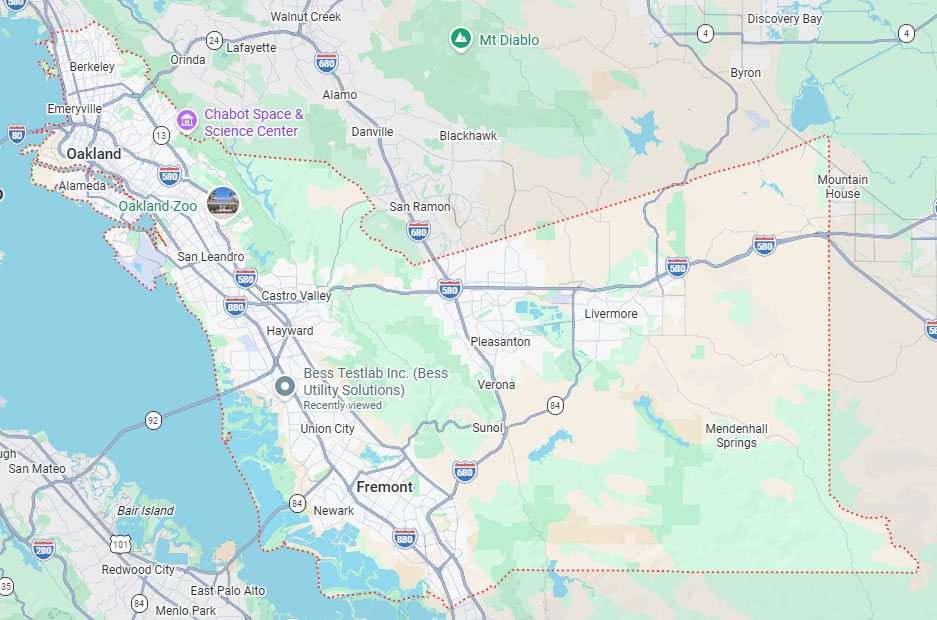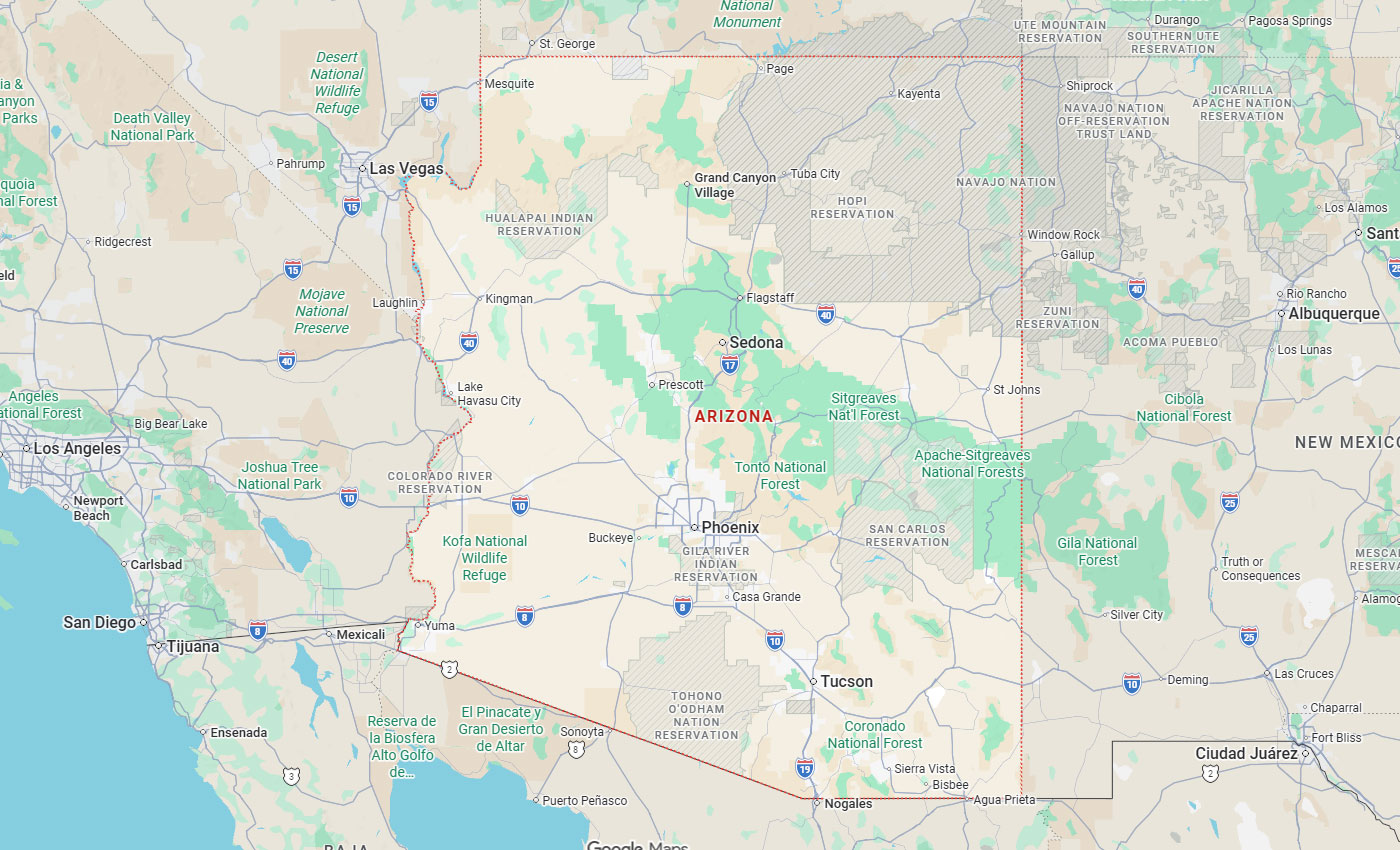
Hayward, CA
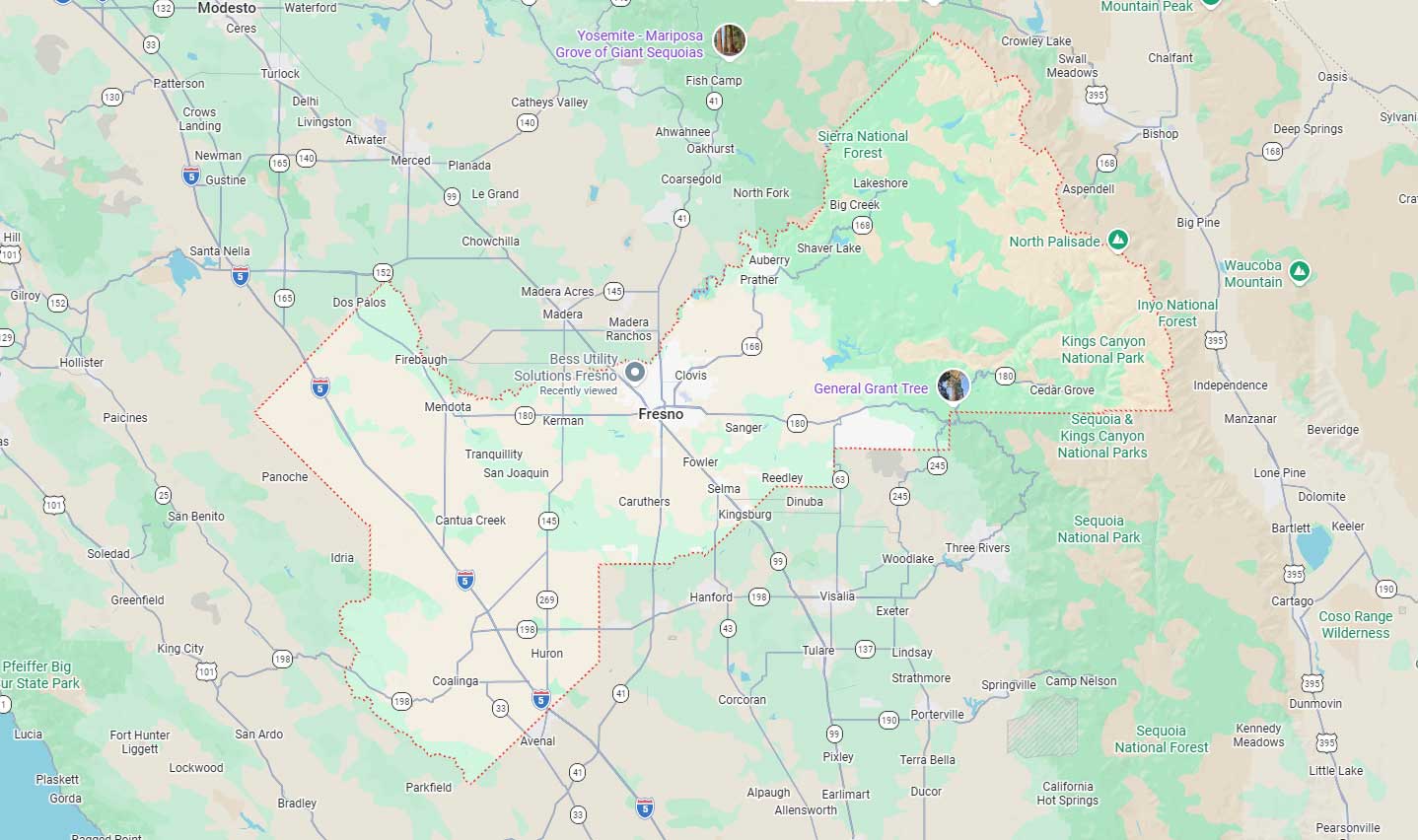
Fresno, CA
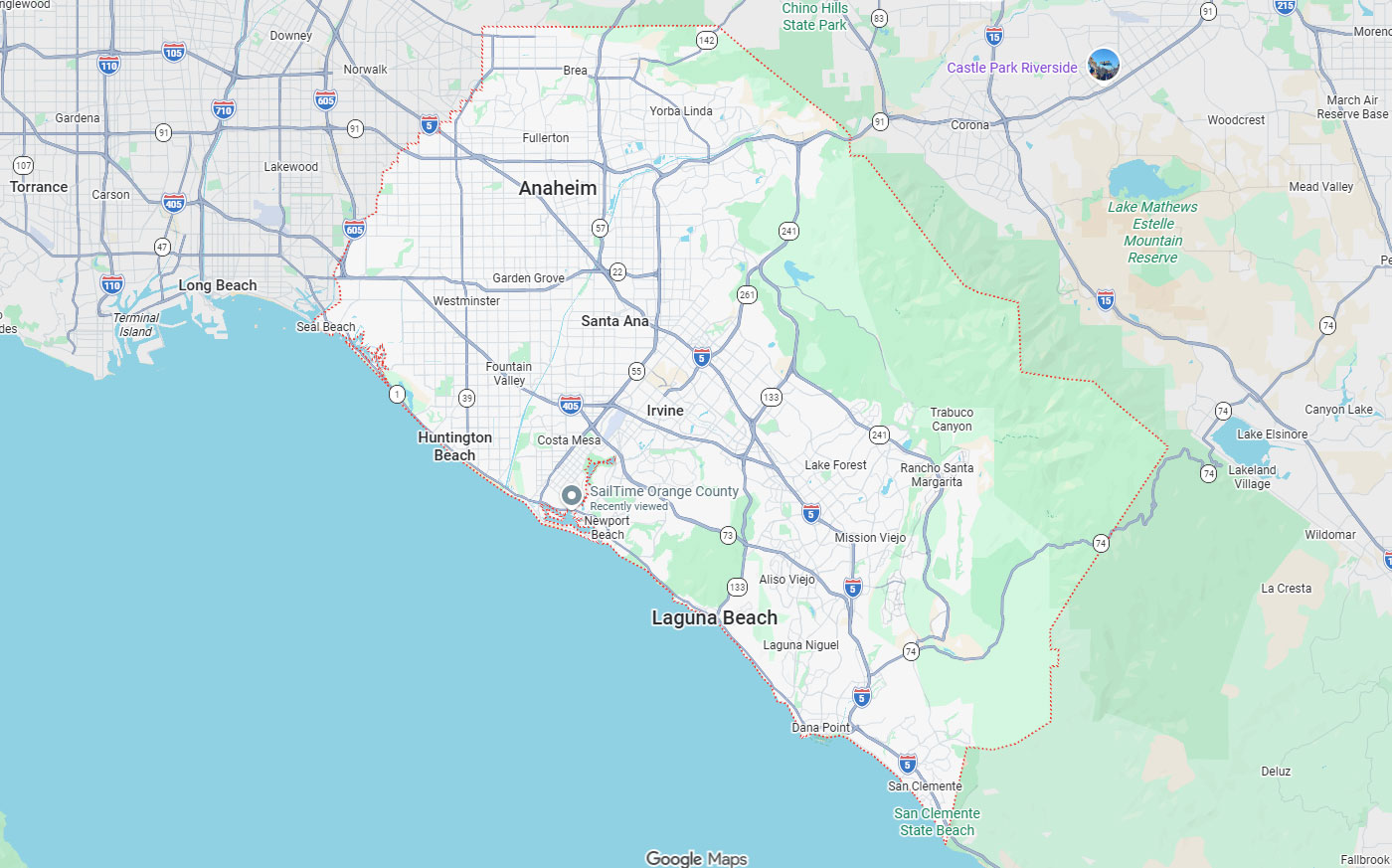
Orange, CA
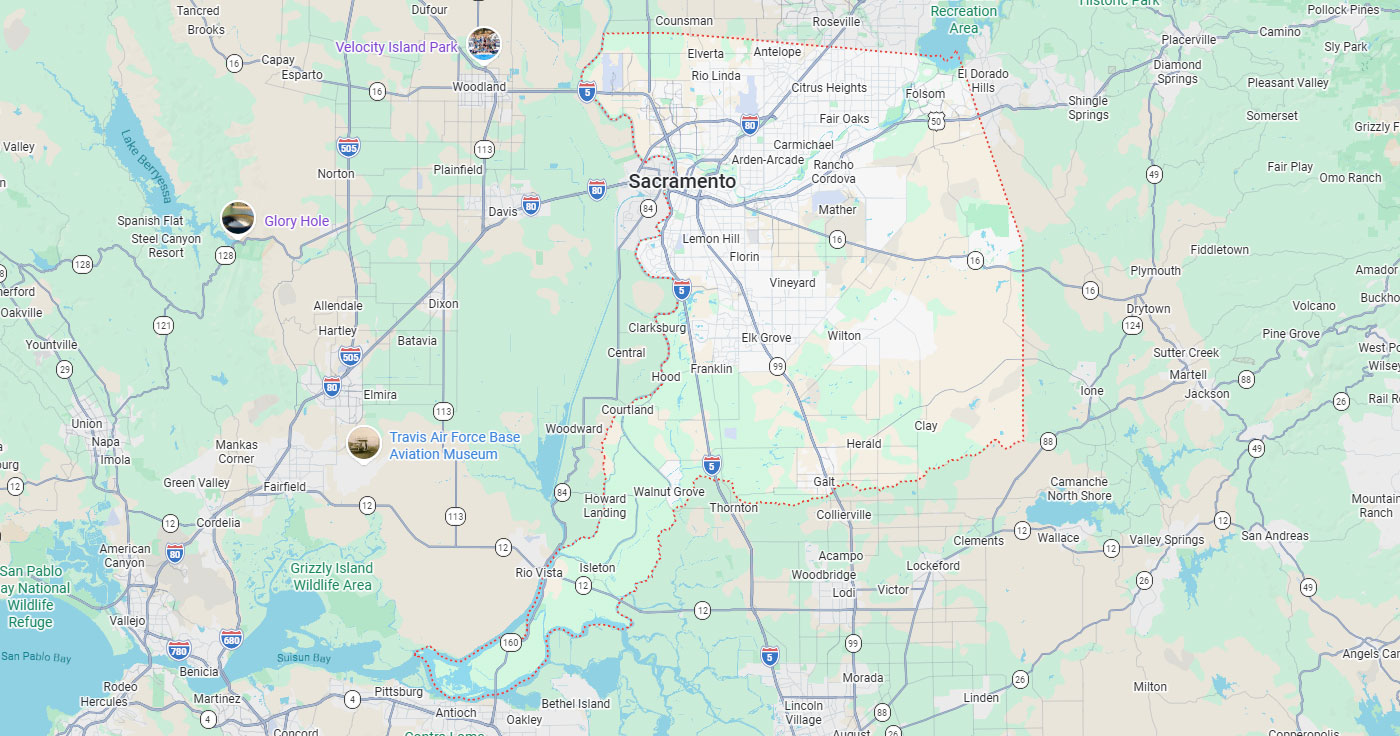
Sacramento, CA
Phoenix, AZ
A single failed commercial sewer line on a California project can trigger six-figure emergency repair bills, CEQA reporting obligations, and weeks of schedule slippage. Sewer failures and sewage backup events disrupt tenant operations, generate regulatory exposure, and push project budgets past their breaking point. CCTV pipe inspection, a precise form of video inspection, serves as the diagnostic standard that catches failures before they cost real money.
This article covers three critical angles: catching defects early through visual documentation, replacing emergency repairs with planned maintenance schedules, and protecting large developments from sewer-driven delays. Bess Utility Solutions brings 29 years of CPUC-certified, ASCE 38-02-compliant experience serving California commercial projects, delivering precision subsurface data that prevents utility strikes and infrastructure failures across California, Arizona, and Nevada.
Key Takeaways
CCTV pipe inspection uses robotic crawler systems with pan/tilt/zoom HD or 4K cameras fed through sewer mains and laterals. These camera inspections let operators review live feeds and record footage for defect coding and reporting. Field of view ranges from 90 to 170 degrees, with resolution from 1080p to 4K, so video inspection technology captures structural details invisible from the surface.
Portable push cameras work for short laterals under 100 feet, while robotic crawlers handle mainline and larger commercial diameters. A professional camera inspection service delivers visual confirmation of actual pipe condition without excavation, since video pipe inspections read the line from the inside. Operators can identify cracks, offsets, and blockages while the pipe remains in service, making CCTV pipeline inspection the industry standard for commercial sewer assessment.
Camera heads utilize high-quality optical glass lenses with wide fields of view and high-resolution sensors housed in pressure-rated stainless steel enclosures. This industrial-grade equipment withstands deep submersion and harsh sewer environments. Crawler chassis are typically constructed from aluminum and stainless steel to resist corrosion during repeated deployments through commercial plumbing systems.
The operator controls camera position remotely while footage streams to surface monitors for real-time review and recording. Polyurethane or rubber wheels with metal hubs feature tool-free quick-change designs for adaptability across different pipe diameters. This modular design allows a single system to inspect 6-inch laterals and 48-inch mainlines within the same plumbing systems on one project, maximizing equipment utilization and cost efficiency.
The United States maintains over 800,000 miles of public sewer infrastructure, much of it past expected service life. California commercial corridors often sit on mid-century clay, vitrified, or early PVC systems prone to root intrusion and joint failure. Visual inspection from inside the pipe confirms the actual condition, because record drawings rarely reflect 30-plus years of repairs, taps, and structural drift.
Bess Utility Solutions integrates CCTV with GPR, EM locating, and vacuum excavation for a complete subsurface picture. This comprehensive approach addresses the reality that utility mapping helps reduce project delays by catching conflicts before excavation begins. Commercial developers need accurate data, not assumptions based on outdated as-built drawings that may predate multiple infrastructure upgrades.
Early defect detection through CCTV inspection identifies structural problems before they escalate into emergency repairs or catastrophic collapses. California commercial projects face unique exposure because sewer backups can shut down operations across multiple tenants simultaneously. Proactive inspection converts unpredictable emergency events into scheduled maintenance activities that protect budgets and preserve timelines.
AI-assisted defect classification systems flag problems in real time, dramatically improving both accuracy and throughput compared to manual review. This technology advancement makes routine inspection economically viable for large commercial portfolios. The combination of early detection and AI processing delivers measurable cost savings by catching failures before they require emergency response and surface restoration.
Hairline cracks, fractures, and pipe deformation serve as early indicators of structural failure before complete collapse occurs. Root intrusion at joints represents a persistent threat in California, where drought-stressed trees aggressively seek moisture and infiltrate aging laterals. These plumbing issues, along with joint offsets, sags, and bellies, cause flow disruption and solids accumulation that eventually lead to complete blockages requiring excavation.
Grease buildup, mineral scale, and partial blockages become visible before they create the clogged drains and full obstructions that halt operations. Inflow and infiltration points overload treatment systems and trigger regulatory violations under State Water Resources Control Board oversight. Concrete pipe corrosion from hydrogen sulfide exposure affects commercial restaurant and food-processing sewers, making regular inspection essential for maintaining pipeline integrity in high-risk applications.
AI defect classification systems using deep neural networks flag defects in real time during inspection, achieving 95-percent-plus detection rates. Manual review under fatigue conditions typically delivers roughly 85 percent accuracy, creating exposure from missed defects.
Production jumps from approximately 1,350 to 2,690 linear feet per shift, representing a nearly 99 percent productivity improvement documented on California commercial projects.
Cost per linear foot drops from $3–$8 for standard CCTV to $1.50–$4 for AI-assisted inspection, making routine assessment affordable for large portfolios. Choose AI-assisted CCTV if your project has more than 5,000 linear feet of sewer, requires NASSCO PACP coding, or feeds into a long-term asset management plan that demands consistent defect classification and trend analysis over time.
Emergency repairs on active California commercial sites carry costs far beyond the physical pipe replacement. Projects face lost tenant revenue, schedule disruption, and potential regulatory exposure when failures occur without warning. CCTV inspection transforms reactive crisis management into proactive maintenance planning, allowing engineering teams to schedule repairs during optimal windows with competitive bidding.
Predictive maintenance extends asset life by addressing defects at PACP grade 2 or 3 before they progress to grade 4 failures requiring immediate excavation. This data-driven approach protects project budgets from the unpredictable cost spikes associated with emergency response, traffic control, and surface restoration under crisis conditions that eliminate negotiating leverage with contractors.
Emergency excavation in active commercial parking lots and access drives runs $15,000–$80,000-plus per incident, depending on depth, traffic control, and surface restoration requirements. Add lost tenant revenue, food-service shutdowns, and potential CEQA-reportable sewage spills, and a single failure can exceed $100,000 in total project impact. Schedule effects compound these direct costs as emergency repairs displace planned construction sequencing, push out concrete pours, and trigger contractor delay claims.
For project managers, every emergency dig hits safety records, schedule milestones, and budget contingencies simultaneously. The true expense includes premium rates for after-hours work, expedited material delivery, and contractor mobilization under emergency conditions. Understanding water and sewer line locating techniques and challenges helps teams appreciate why prevention through inspection delivers superior ROI compared to reactive emergency response.
Annual or semi-annual CCTV scans build a defect history per pipe segment, tracking progression from PACP grade 2 to grade 4 over time. Engineering teams use that data to prioritize CIPP lining, targeted pipe repair, or full replacement on planned schedules with competitive bidding. This approach eliminates the chaos of emergency procurement and allows owners to bundle multiple repairs for economies of scale.
Cost compression becomes significant: a planned trenchless repair often costs 30–50 percent less than the same fix performed under emergency conditions. Schedule preventive CCTV inspection if the building is more than 20 years old, has experienced any prior sewer event, hosts food service tenants, or sits over high-water-table soils common in California's coastal and Central Valley markets, where infiltration accelerates deterioration.
Large California commercial developments rely on CCTV inspection during pre-construction, construction, and post-construction phases to manage risk and validate investment. Multi-tenant properties carry amplified exposure because sewer failures can shut down operations across hospitality, healthcare, and retail tenants simultaneously. CCTV data feeds design models, prevents change orders and satisfies lender requirements for asset-grade documentation.
Integration with GIS and 3D utility mapping converts inspection findings into digital twins that support facility management and future expansion planning. This documentation standard meets California public agency expectations and institutional ownership requirements. Projects in regions like Adelanto, Angelus Oaks, and Apple Valley benefit from local expertise in subsurface conditions and utility corridors.
Pre-construction CCTV confirms existing sewer condition and capacity before tying in new commercial laterals, saving design rework when as-built records prove inaccurate. During construction, inspection verifies that newly installed sewer lines pass acceptance criteria before backfill and surface restoration, catching slope errors, joint defects, or construction debris before they become warranty claims. Post-construction delivery of clean baseline CCTV reports supports LEED documentation, lender requirements, and tenant disclosure obligations.
Mixed-use, hospitality, healthcare, and large retail developments carry the highest exposure because operational shutdowns cascade across multiple revenue streams. Accurate CCTV data feeds the design model and prevents change orders triggered by surprise subsurface conditions. This front-end investment in verification protects developers from back-end exposure when systems underperform or fail during lease-up and stabilization periods.
CCTV footage and PACP defect codes feed directly into GIS asset registries used by municipal public works and large private campus operators. Survey-grade location data from integrated mapping services links each defect to a precise XYZ coordinate, not just manhole-to-manhole stationing. Subsurface 3D mapping converts CCTV findings into layered digital twins useful for facility management, future expansion, and emergency response planning.
Invest in CCTV plus 3D utility mapping if the development exceeds five acres, includes campus-style site infrastructure, or will be sold to institutional ownership requiring asset-grade documentation. ASCE 38-02's pairing of CCTV with GPS-GIS mapping integration produces the documentation standard that most California public agencies and lenders now expect for large commercial projects and critical infrastructure assets.
California regulation creates both mandatory inspection triggers and strong incentives for proactive CCTV assessment on commercial projects. CEQA review, State Water Resources Control Board mandates, and point-of-sale ordinances combine to make documented pipe condition essential for project approval, regulatory compliance, and property transactions. Commercial property owners connected to public systems inherit downstream exposure when failures originate on their private laterals.
Municipal point-of-sale requirements now make CCTV inspection non-optional in many California submarkets before commercial real estate transactions close. This regulatory framework transforms inspection from discretionary maintenance into a compliance requirement backed by escrow contingencies. Understanding these requirements early prevents transaction delays and protects buyers from inheriting undisclosed infrastructure liabilities.
CEQA review for large commercial projects often requires documentation of existing utility conditions, including sewer capacity and integrity as baseline data. The State Water Resources Control Board mandates Sewer System Management Plans for public sewer system operators, with CCTV inspection serving as the foundational data source. Spill reporting obligations make documented preventive inspection a defensible record if a sanitary sewer overflow does occur.
Commercial property owners connected to public systems inherit downstream exposure when failures originate on their private laterals. Utility mapping challenges in coastal regions compound this exposure, where high water tables and corrosive soils accelerate deterioration. Proactive CCTV inspection demonstrates due diligence and establishes documented baseline conditions that protect owners from liability disputes.
Cities including Oakland, Berkeley, Alameda, San Leandro, Piedmont, and Burlingame require private sewer lateral compliance certificates before commercial property sales or major remodels. Compliance requires a passing CCTV inspection or completed repair; without it, escrow does not close. For commercial property transactions, CCTV inspection is no longer optional in many California submarkets.
Bess Utility Solutions, as a CPUC-certified MBE/DBE firm, delivers documented CCTV reports that California municipalities accept for compliance certification. These reports meet municipal standards for defect coding, location accuracy, and video quality. Buyers and sellers benefit from working with experienced providers who understand local ordinance requirements and deliver reports that satisfy both municipal reviewers and title companies.
Maximizing CCTV inspection value requires clear scope definition, proper line preparation, and skilled operators using standardized defect coding. Projects that skip these fundamentals waste inspection budgets on footage that hides defects or produces reports unusable for engineering decisions. Working with integrated service providers eliminates coordination gaps between inspection, utility locating, and excavation activities.
Operator skill and standardized reporting matter more than camera resolution for delivering decision-grade data. NASSCO PACP defect coding provides ownership, engineers, and future buyers a common language for assessing pipe condition. This standardization enables accurate cost estimating for repairs and supports long-term asset management programs that track condition over time.
Define the inspection process scope upfront: which segments, what diameter, mainline versus laterals, and the deliverable format, including raw video, PACP report, or GIS overlay. Use hydro jetting or drain cleaning to clear the line before inspection, because footage through a dirty line hides defects and wastes the inspection budget. Coordinate with traffic control if work happens in active commercial drives; integrated providers offer certified flaggers and traffic management as part of comprehensive service packages.
Proper preparation prevents wasted mobilization costs when crews arrive to find lines too obstructed for camera passage. Pre-inspection cleaning also improves defect detection rates by removing debris that obscures cracks and joint defects. Budget 10–15 percent of total inspection cost for cleaning; this investment pays immediate returns through higher-quality footage and more accurate defect identification.
Operator skill matters more than camera resolution for catching subtle defects that automated systems can miss during initial review. A trained PACP-certified operator identifies hairline cracks, early-stage root intrusion, and joint alignment issues that determine whether defects require immediate repair or scheduled monitoring. Insist on NASSCO PACP defect coding for any commercial-grade report; it gives ownership, engineers, and future buyers a common language.
Choose Bess Utility Solutions if your project requires integrated CCTV, GPR, EM locating, and vacuum excavation under one contract; 29 years of California experience; or ASCE 38-02 compliant documentation that holds up to lender, agency, and insurer scrutiny. Comprehensive service delivery eliminates vendor coordination gaps and ensures subsurface investigation findings integrate seamlessly with design and construction decision-making.
CCTV pipe inspection prevents costly sewer failures by identifying defects before they escalate into emergency repairs, regulatory exposure, and schedule disruption on California commercial projects. The technology delivers measurable cost savings through early detection, AI-assisted accuracy, and integration with GIS asset management systems. Commercial developers, contractors, and engineering teams gain decision-grade data that protects budgets, maintains timelines, and satisfies California's stringent regulatory requirements for infrastructure documentation and environmental compliance.
Bess Utility Solutions combines 29 years of experience, CPUC certification, and ASCE 38-02-compliant processes to deliver reliable CCTV pipeline inspection across California, Arizona, and Nevada. With 1,000-plus satisfied clients and 150-plus five-star reviews, the company provides the responsive, experienced partnership that engineering project managers and construction superintendents require for complex commercial infrastructure projects.
For 29 years, Bess Utility Solutions has helped engineering project managers, contractors, and commercial developers across California, Arizona, and Nevada keep projects on schedule and on budget. As a CPUC-certified MBE/DBE firm, we deliver ASCE 38-02 compliant CCTV pipeline inspection that catches cracks, root intrusion, and blockages before they become six-figure emergency repairs.
Our integrated crews pair camera inspections with GPR, EM locating, and vacuum excavation, so you work with one accountable partner and receive a complete subsurface picture instead of fragmented vendor reports. With 1,000-plus satisfied clients and 150-plus five-star reviews, we give your team the decision-grade data needed to dig, cut, and build with confidence.
Ready to protect your next California commercial project from costly sewer failures? Contact Bess Utility Solutions to schedule your CCTV pipe inspection and put 29 years of subsurface expertise to work.