Hayward, CA
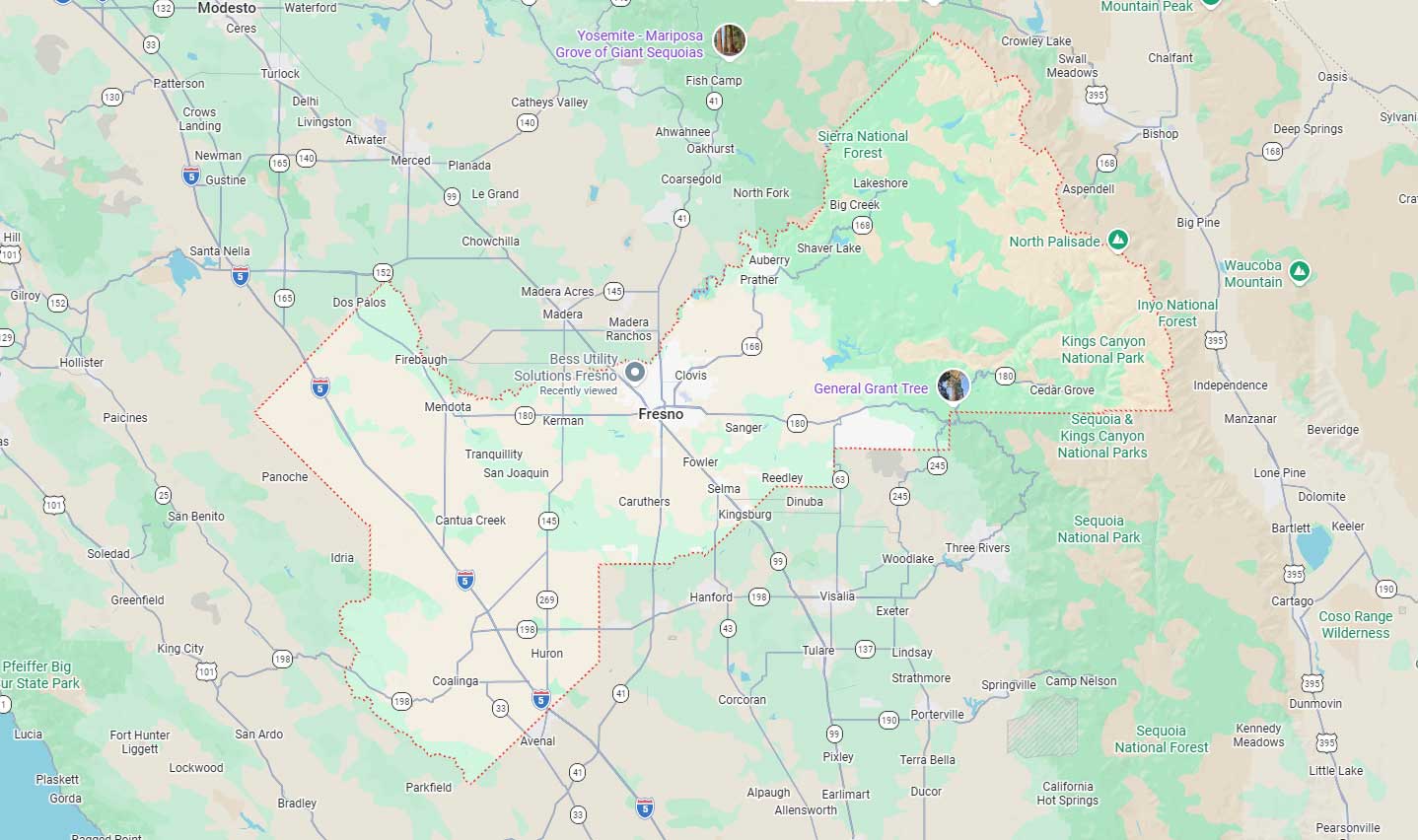
Fresno, CA
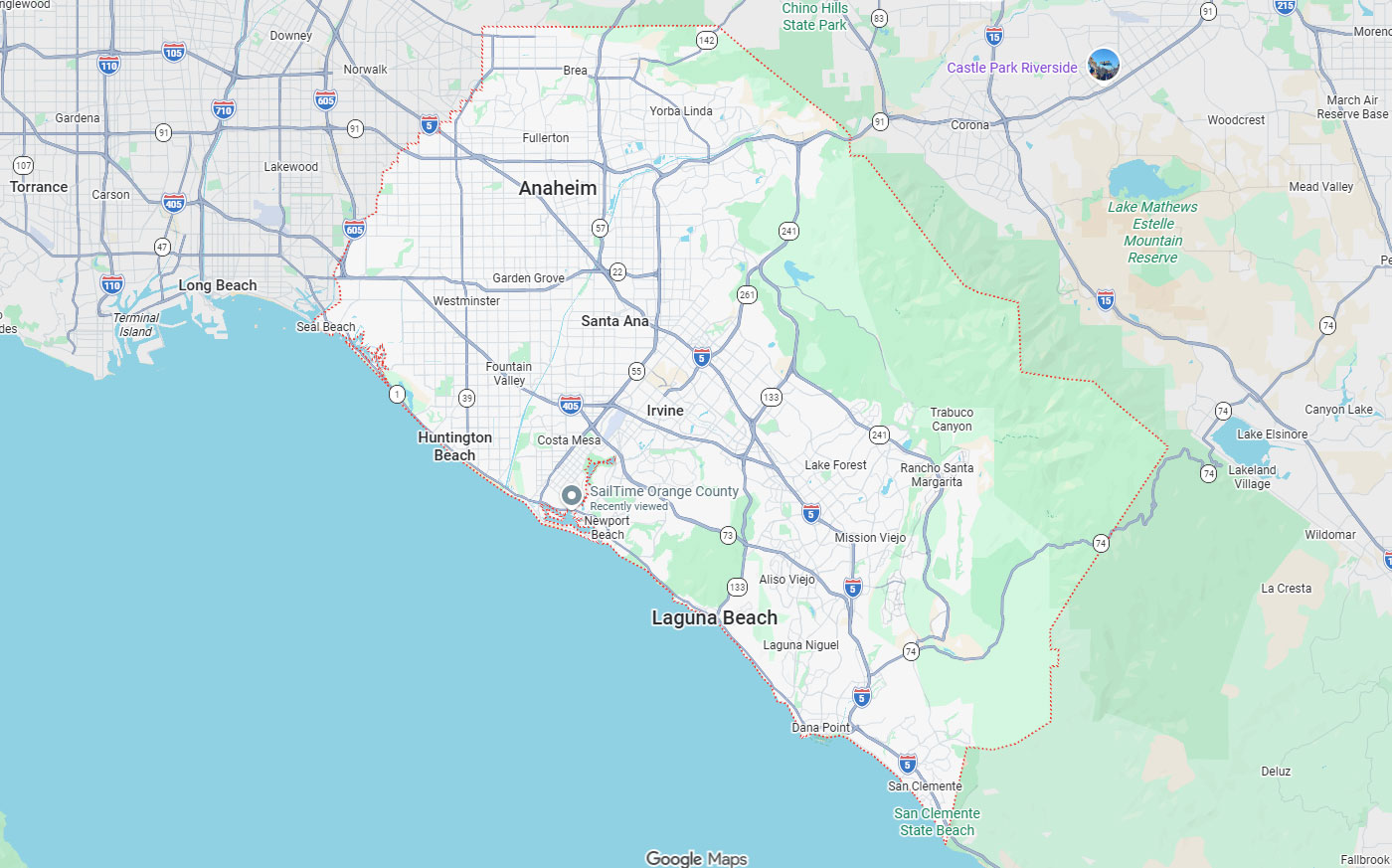
Orange, CA
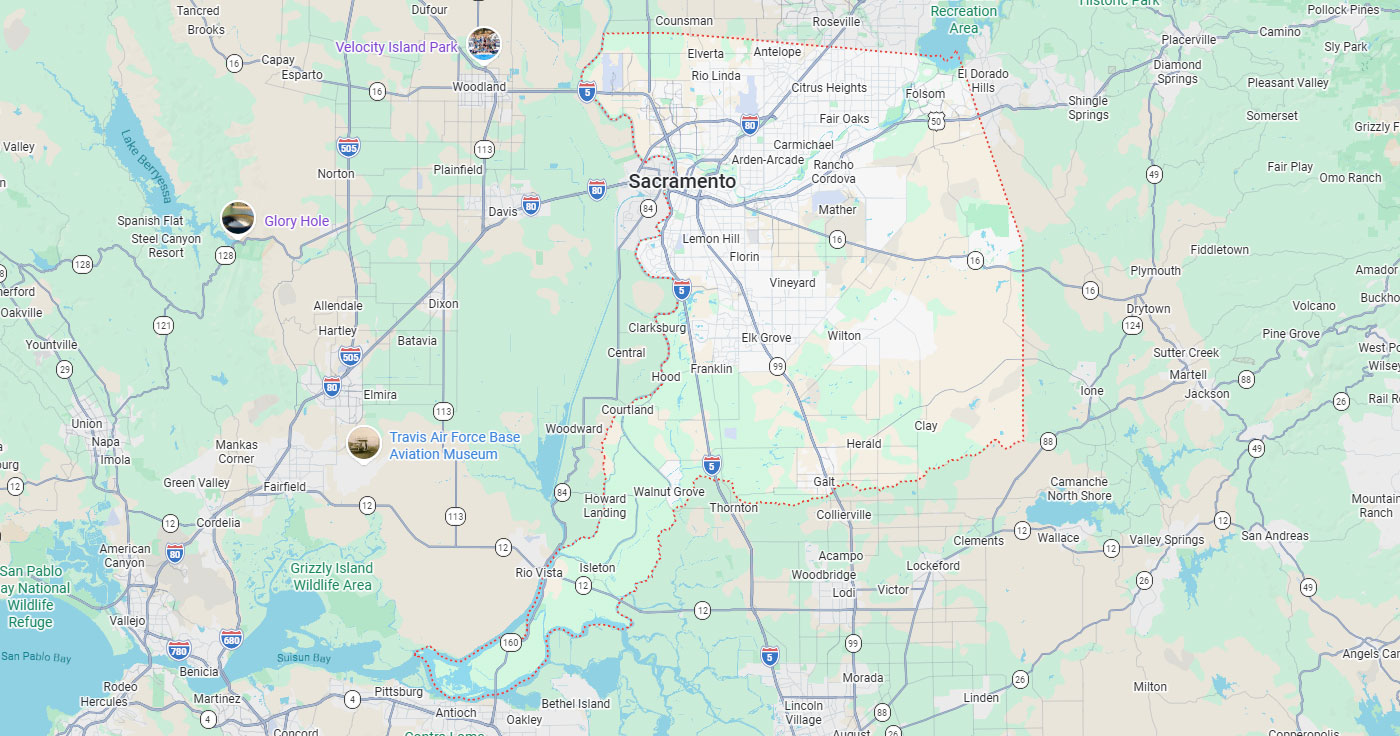
Sacramento, CA
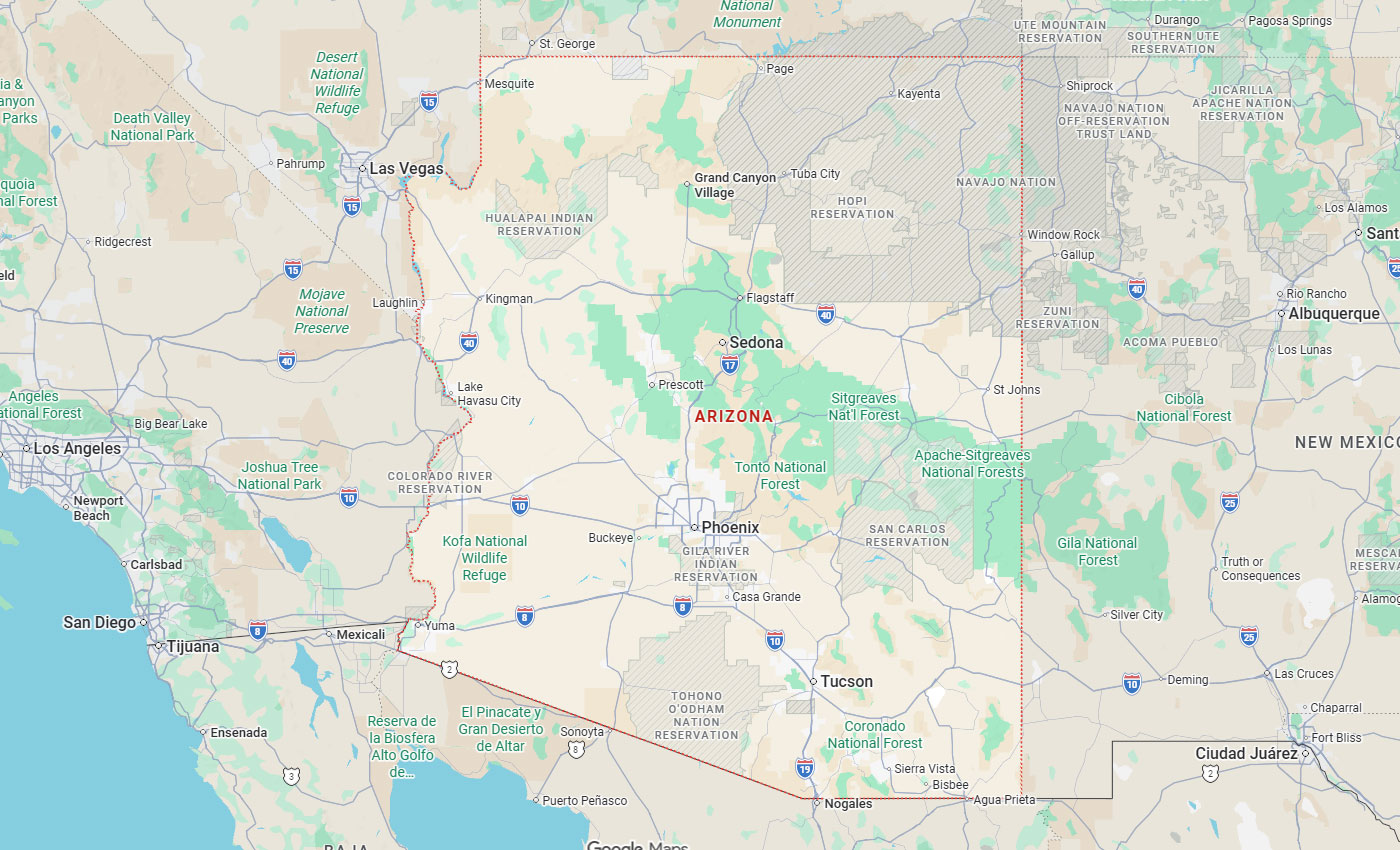
Phoenix, AZ
California construction sites sit on top of decades of buried utilities, abandoned lines, and aging municipal systems. One utility strike stops the job, triggers damage claims, and puts your safety record at risk. CCTV pipe inspection transforms the unknown subsurface into a documented dataset before the first shovel hits the ground. This pre-excavation safety step protects timelines, budgets, and crews from hidden infrastructure failures.
This article covers three critical angles construction teams need to understand. First, identifying existing pipeline conditions helps teams plan around compromised infrastructure. Second, avoiding unknown underground risks reduces utility strike liability and schedule disruptions. Third, supporting integrated utility locating workflows delivers the subsurface data California agencies and lenders increasingly require. Bess Utility Solutions brings 29 years of subsurface engineering experience, CPUC-certified MBE/DBE status, and ASCE 38-02 compliant work across California, Arizona, and Nevada to every pre-excavation project.
Key Takeaways
CCTV pipe inspection uses robotic camera systems to assess underground pipelines without excavation. Running CCTV before construction equipment mobilizes protects existing infrastructure and prevents costly utility strikes. This technology provides the condition data surface-based locating methods cannot deliver, making it essential for California construction sites with aging municipal systems and complex utility corridors.
Robotic crawler systems push HD or 4K pan/tilt/zoom cameras through the full length of accessible pipe. Pan/tilt/zoom heads with 90–170 degree fields of view let operators inspect laterals, joints, and tap connections in detail. Trained operators identify and code defects in real time using the NASSCO PACP standard. Output formats include permanent video files, time-stamped defect logs, distance-from-manhole markers, and PACP-coded reports that construction teams need to plan around existing utilities.
Run CCTV during preconstruction planning, after 811 marks are placed but before equipment mobilizes. For tie-ins to existing sewer or storm systems, CCTV is the only way to confirm pipe condition before cutting in. Schedule CCTV early enough that findings can adjust the design or excavation plan, not so late that the contractor is on standby waiting for results. Bess Utility Solutions delivers CCTV, GPR, EM locating, and hydro vacuum excavation under one ASCE 38-02-compliant scope, so the pre-excavation package arrives as a single integrated deliverable.
CCTV reveals structural defects and compromised pipe sections that surface-based locating cannot detect. This condition data lets construction teams identify pipes already on the edge of failure before nearby excavation accelerates the collapse. Knowing what lies underground protects both the existing infrastructure and the project timeline from unforeseen shutdowns.
Hairline cracks, fractures, and pipe deformation signal pipes already on the edge of failure that nearby vibration or load changes will push over the line. Root intrusion at joints is common in California's drought-stressed urban corridors, where trees aggressively seek moisture in aging laterals. Joint offsets, sags, and bellies that affect hydraulic capacity signal compromised structural integrity. Mineral scale, grease buildup, and corrosion patterns specific to upstream land use reveal long-term maintenance issues. Lateral connection locations and conditions include unmapped or illegally connected service lines that don't appear on any record drawing. Concrete pipe corrosion from hydrogen sulfide exposure weakens pipe walls before any surface symptoms appear.
Surface-based locating tells you where utilities run; CCTV tells you what condition they are in. A perfectly located pipe that fails under construction load creates the same incident as an unlocated strike. Pre-excavation CCTV identifies pipes that need to be supported, sleeved, or replaced before adjacent excavation begins. Schedule pre-excavation CCTV if your project involves excavation within 10 feet of existing sewer or storm lines, tie-ins to systems older than 20 years, or any work on a previously developed commercial site. For California construction sites, this single step prevents the most common cause of unplanned downtime.
Unknown underground infrastructure creates the highest risk category for California construction sites. CCTV inspection catches unmarked utilities, illegal connections, and structural voids before they trigger utility strikes or equipment damage. This risk mitigation step protects crews, schedules, and budgets from subsurface conditions that record drawings never document.
Unmarked service laterals and abandoned stubs that don't appear on any record drawing are extremely common on commercial sites with mixed-use history. Illegal cross-connections between stormwater and sanitary systems complicate site dewatering and discharge permits. Pipe material transitions signal repair history and weak points where clay meets PVC or asbestos cement meets ductile iron. Voids around pipes from previous leaks or root intrusion show that the surrounding soil structure is compromised. Compromised manhole and vault connections may collapse under construction equipment loads.
A documented CCTV record establishes due diligence when subsurface conflicts occur. PACP-coded reports, time-stamped video, and survey-grade coordinates create a defensible record that holds up to insurer, owner, and litigation review. CCTV documentation shifts liability conversations from assumptions about record accuracy to verified subsurface conditions. Combine CCTV with GPR and electromagnetic locating if your project involves new tie-ins to existing systems, work near critical utilities, or any commercial development on a previously developed site. Bess Utility Solutions delivers all three services under one ASCE 38-02 compliant scope.
CCTV integrates with surface-based locating methods to deliver complete subsurface documentation. While 811 marks public utilities and GPR identifies buried objects, CCTV provides condition verification from inside the pipe itself. This integrated approach supports the subsurface utility engineering workflows that California agencies and lenders increasingly require for construction projects.
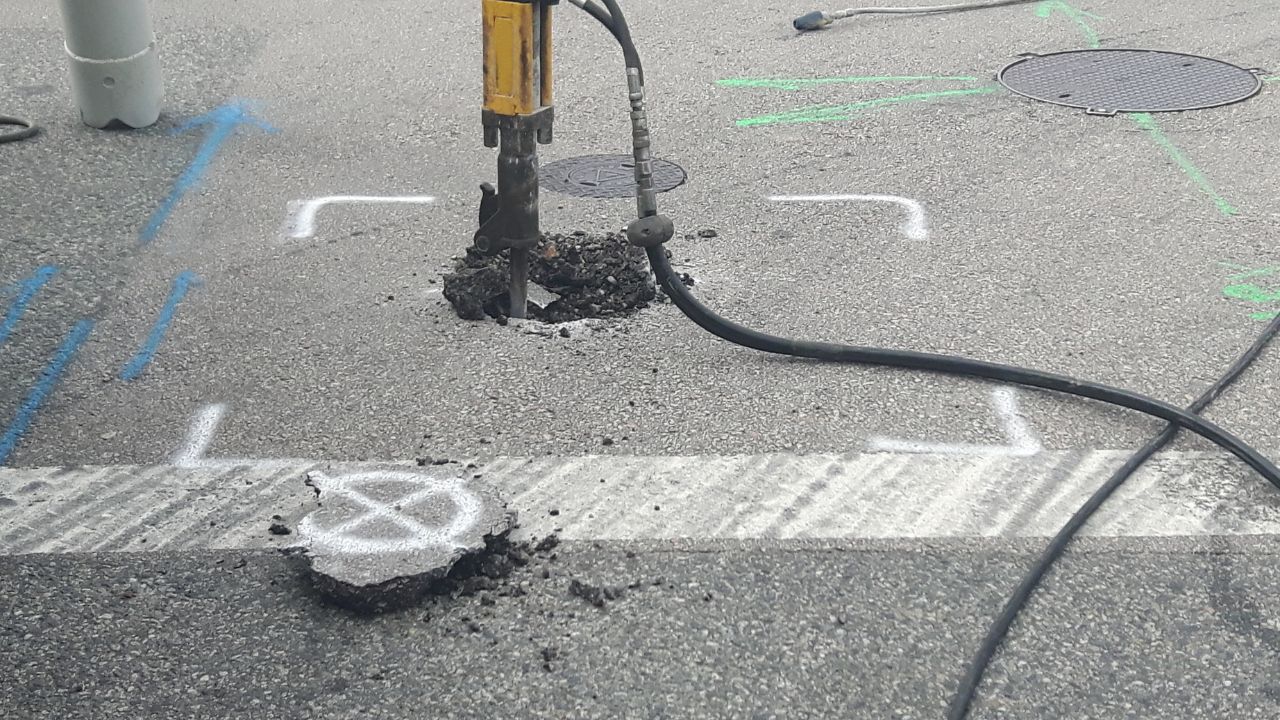
811 provides public utility marks but does not cover private utilities or condition data. GPR and electromagnetic locating answer where utilities exist in space, covering both metallic and nonmetallic infrastructure. CCTV answers what condition the pipe is in from inside the pipe itself. Vacuum excavation provides positive identification of material, depth, and external condition without risking strikes. Together, the four methods deliver the full subsurface picture California construction sites need to plan excavation, sequencing, and equipment positioning safely.
Quality Level D represents record-drawing review only, the baseline most contractors start with. Quality Level C adds a surface feature survey but no subsurface verification. Quality Level B designates utility presence with GPR and EM but confirms location only, not condition. Quality Level A combines positive identification through vacuum excavation with condition verification through CCTV where applicable, delivering the highest engineering standard. Invest in Quality Level A subsurface utility engineering if your project involves excavation deeper than 5 feet, work within congested urban utility corridors, or any project where a strike would halt critical operations. Bess Utility Solutions delivers integrated CCTV, GPR, EM, and vacuum excavation scopes that produce Quality Level A documentation in a single package.
California's dig laws and environmental regulations create strict pre-excavation documentation requirements. Understanding these frameworks helps construction teams plan CCTV inspection scopes that satisfy both compliance obligations and project risk management goals. Public agencies and lenders increasingly expect documented subsurface verification before approving construction contracts.
California Government Code Section 4216 requires excavators to contact the regional notification center before any excavation. DigAlert and USA North marks cover public utilities only, leaving private infrastructure undocumented. CEQA review for large construction projects increasingly requires documented baseline subsurface conditions, especially near sewer and stormwater systems. Damage to underground facilities triggers reporting obligations, repair costs, and potential CPUC enforcement that pre-excavation documentation helps avoid. Commercial property owners and general contractors share liability for damage prevention regardless of who performed the locate.
California cities and water districts increasingly specify CCTV inspection with PACP coding as part of contract documents for any work near public infrastructure. Lenders financing commercial development require subsurface documentation that holds up to underwriting review. Insurance carriers writing builder's risk policies look favorably on documented pre-excavation inspection because fewer strikes mean fewer claims. Establish pre-excavation CCTV as a standard scope item if your firm works on public agency contracts, large commercial developments, or any project requiring lender or insurer review of subsurface diligence.
Integrating CCTV into standard pre-construction workflows protects every project from subsurface risks. Proper scope definition, scheduling, and vendor coordination ensure inspection findings arrive early enough to adjust design and excavation plans. Construction teams that standardize pre-excavation CCTV reduce project delays and utility strike incidents across their entire portfolio.
Define the inspection scope upfront, specifying which segments, what diameter, mainline versus laterals, and the deliverable format. Schedule inspection after 811 marks are placed but before equipment mobilizes, typically 2–4 weeks before excavation starts. Coordinate with traffic control if work happens in active commercial drives where certified flaggers and traffic management may be required. Hydro-jet or clean the line before inspection because footage through a dirty line hides defects and wastes the inspection budget.
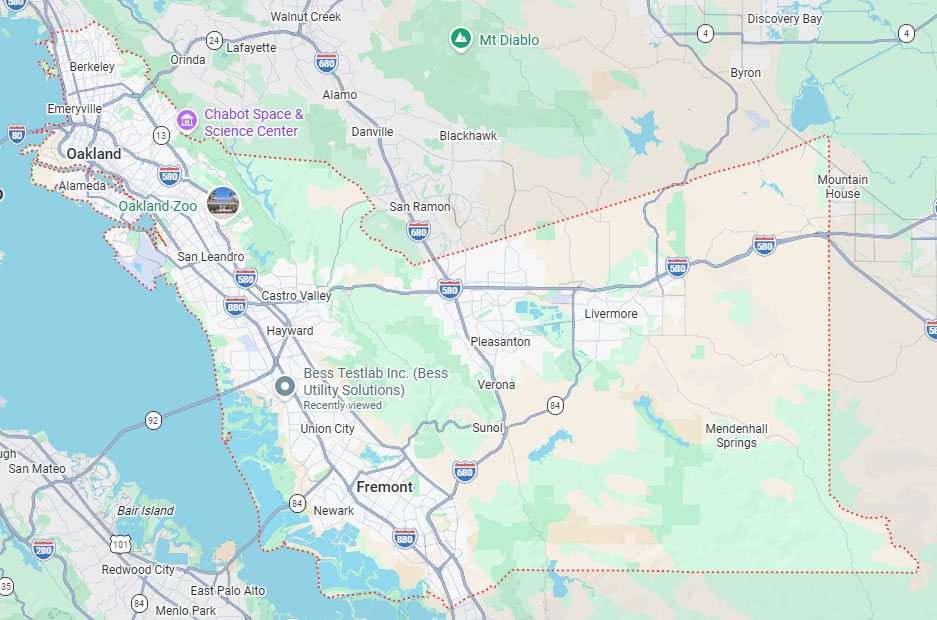
Bess Utility Solutions brings 29 years of subsurface engineering experience across California, Arizona, and Nevada. CPUC-certified MBE/DBE status qualifies the firm for public agency, municipal, and federal contracts. The integrated service suite combines CCTV, GPR, EM locating, vacuum excavation, and 3D subsurface mapping under one scope, eliminating handoff delays. With 1,000+ satisfied clients, including general contractors, engineering firms, municipalities, and military installations, Bess delivers ASCE 38-02 compliant outputs with PACP-coded reports, GIS-ready outputs, and survey-grade coordinates that hold up to lender, agency, and insurer scrutiny.
Pre-excavation CCTV inspection transforms unknown subsurface conditions into documented, defensible data that protects crews, timelines, and budgets. For California construction sites with aging infrastructure, dense utility corridors, and strict regulatory requirements, this step has moved from optional to standard of care. Construction superintendents avoiding strikes and engineering project managers needing decision-grade subsurface data both benefit from utility discovery that integrates CCTV with GPR, EM locating, and vacuum excavation.
Bess Utility Solutions delivers 29 years of subsurface engineering expertise with CPUC-certified MBE/DBE status and ASCE 38-02-compliant workflows across California, Arizona, and Nevada. The firm's integrated service approach eliminates vendor coordination delays while producing the Quality Level A documentation that public agencies and lenders increasingly require. With 1,000+ satisfied clients and a track record supporting complex excavation projects from pre-construction planning through final tie-in, BESS provides the subsurface intelligence California construction sites need to move forward safely. Schedule your pre-excavation CCTV inspection and integrated utility locating package today.