Hayward, CA
Fresno, CA
Orange, CA
Sacramento, CA
Phoenix, AZ
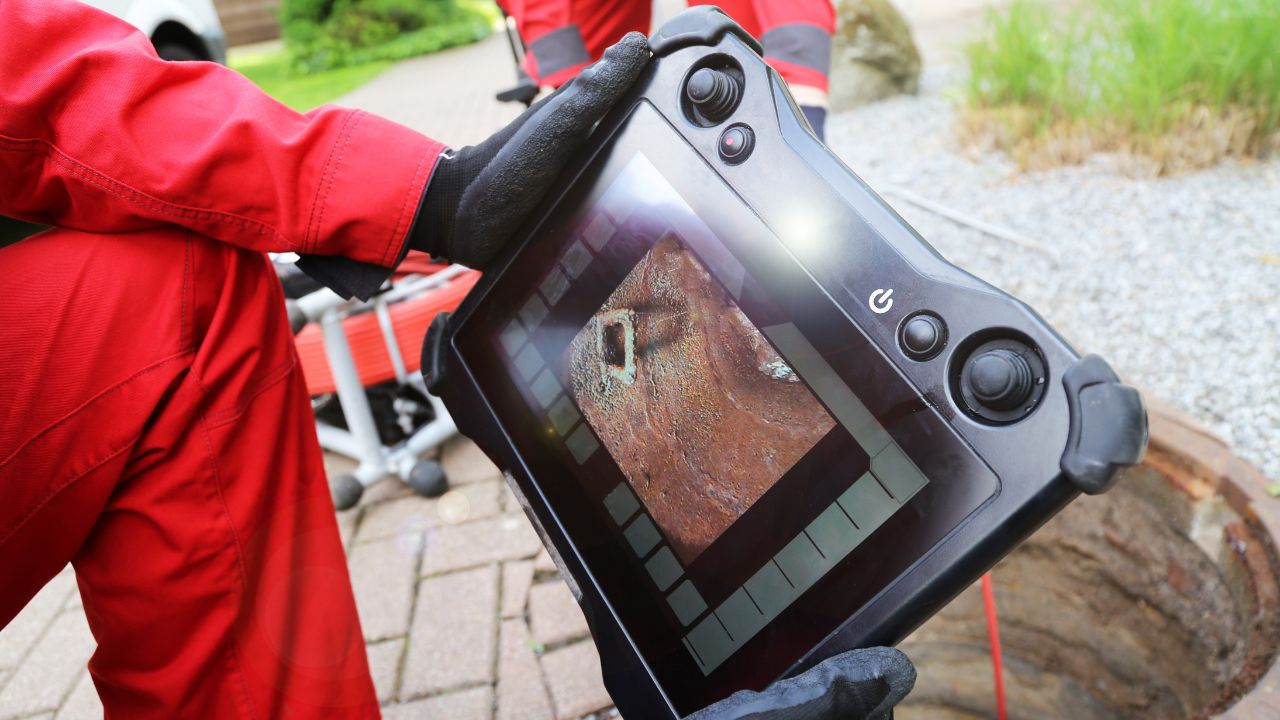
Los Angeles and Bay Area sewer systems include pipes installed between the early 1900s and the 1970s, including vitrified clay, asbestos cement, cast iron, and early concrete segments. Many sections have exceeded their expected service life and continue operating under conditions municipal engineers inherited rather than specified. Those legacy systems occupy some of the most congested utility corridors in the nation, sharing right-of-way with water, gas, electric, telecom, and fiber lines installed across the same century. CCTV pipeline inspection transforms the aging infrastructure question from guesswork into a defensible asset management program, providing the condition data required for capital planning and regulatory compliance.
This article examines three critical dimensions of Metro California CCTV sewer inspection programs: managing old sewer systems built from materials no longer in production, working safely within high-density underground utility corridors where excavation creates cascading exposure, and reducing the catastrophic failure risks that grow as infrastructure ages beyond design life. Bess Utility Solutions brings 29 years of subsurface engineering experience to this challenge, operating as a CPUC-certified MBE/DBE firm with ASCE 38-02-compliant processes and regional offices serving both the Bay Area from Hayward and Southern California from Ontario and Orange. With 1,000+ satisfied clients, including municipalities, utility companies, engineering firms, and military installations, BESS delivers integrated CCTV, GPR, EM locating, vacuum excavation, and 3D subsurface mapping under one coordinated scope.
Key Takeaways
Many Los Angeles and Bay Area mains and laterals were installed between 1900 and 1970, creating networks where vitrified clay, cast iron, asbestos cement, early concrete, and early PVC all coexist. Some older neighborhoods still operate combined sewer systems that carry both stormwater and sanitary flow, and aging stormwater detention system components add further complexity, accelerating structural fatigue through repeated hydraulic shock. Generations of repairs, taps, and unauthorized connections rarely appear on the record drawings that public works teams inherit today. The US has 800,000+ miles of public sewer infrastructure overall, with metro California operators managing some of the oldest and densest portions.
Aging water infrastructure presents unique water management challenges when design records do not match field reality. Pipe materials installed 50 to 120 years ago now interact with modern discharge loads, seismic activity, and root systems that did not exist during original construction. Utility locating techniques confirm horizontal and vertical position, but condition assessment requires internal visual inspection that only CCTV provides. Municipal operators in both the Bay Area and Los Angeles face capital decisions on segments where the as-built documentation stopped being accurate decades ago.
Surface-based locating using GPR and EM confirms where utilities run, while CCTV sewer camera inspection confirms what condition they are in — both questions matter for capital decisions on aging systems. Manhole entry inspects only 5–10% of the network immediately adjacent to access structures, leaving the condition of mid-segment pipe unknown. Record drawings predate digital systems and rarely reflect decades of changes, repairs, and modifications made without documentation requirements. Bess Utility Solutions integrates CCTV with GPR, EM locating, and hydro vacuum excavation, delivering a single subsurface dataset rather than fragmented reports from multiple vendors.
Metro California operators managing legacy sewer networks need inspection methods that work without excavation risk or traffic disruption. CCTV video camera inspection provides visual confirmation of joint condition, material transitions, structural defects, and intrusion without opening the street or displacing adjacent utilities. Utility mapping programs across Los Angeles and the Bay Area increasingly require CCTV-grade documentation before rehabilitation design or replacement bidding begins. Public works directors responsible for aging infrastructure rely on PACP-coded inspection data to justify capital allocations and demonstrate regulatory compliance.
Vitrified clay pipe remains brittle and susceptible to root intrusion and joint offsets, dominating pre-1970 residential and commercial laterals. Asbestos-cement pipe corrodes from the inside out, particularly under food-service and industrial discharge in older commercial corridors where acidic effluent accelerates material breakdown and pipe corrosion. Cast iron and ductile iron deteriorate at the pipe crown from hydrogen sulfide gas exposure in restaurant-heavy districts, creating thinning that leads to collapse. Concrete trunk lines face sulfide attack throughout larger LA County and East Bay collection systems, where biological activity produces corrosive compounds that degrade the invert and walls.
The cost backdrop makes accurate condition assessment essential: California pipeline replacement runs approximately $1 million per mile. Advantages of hydro excavation include reduced damage risk during investigation, but the fundamental decision — sewer line repair or replace — depends on CCTV condition data collected before capital commitments are made. Turning a contained inspection scope into a forced full-segment rebuild happens when conditions are not known in advance, and municipal budgets rarely include contingency funding for unplanned replacement projects.
PACP-coded CCTV video inspections document hairline cracks, joint offsets, root intrusion, mineral scale, and material-specific corrosion patterns segment by segment. A 95%+ defect detection rate when run by trained PACP-certified operators delivers consistent grading across the network, which is critical for valid year-over-year comparison on aging systems. AI-assisted CCTV pushes production from roughly 1,350 to 2,690 linear feet per shift, making system-wide inspection economically viable for LA's massive network and the Bay Area's many smaller municipal operators. Utility locating minimizes project delays by confirming subsurface conditions before excavation begins, and CCTV extends that principle into pipe interiors.
Choose baseline CCTV inspection if your system includes pre-1970 pipe materials, has experienced any prior failures, or supports the dense commercial corridors common to Los Angeles and the Bay Area. Municipal operators managing legacy infrastructure face growing regulatory pressure, increasing failure rates, and capital constraints that demand data-driven priority setting. CCTV transforms subjective condition estimates into objective PACP grades that engineers, finance directors, and elected officials can use for defensible capital planning.
LA and Bay Area urban corridors stack water, sewer, stormwater, gas, electric, telecom, fiber, and steam in shared right-of-way, sometimes within a few feet of each other. Decades of separate utility installations have produced conflicting depth records, crossing patterns, and unmapped abandoned-in-place segments that surface locating alone cannot fully resolve. Older neighborhoods carry multiple generations of buried infrastructure: abandoned, partially relocated, or layered above current systems in configurations that predate modern coordination standards. One strike on an adjacent utility during exploratory excavation halts the inspection scope, triggers reporting obligations, and creates damage claims that dwarf the original inspection budget.
High-density corridors present the greatest exposure for operators managing aging infrastructure in metro California. GPR technology provides horizontal and vertical position data for buried utilities across Los Angeles and the Bay Area, but visual confirmation of sewer condition still requires internal inspection. Excavation creates cascading risk when multiple utilities occupy the same trench line, and conventional exploratory digging cannot distinguish between the target pipe and adjacent infrastructure without physical exposure.
CCTV inspections from inside the pipe, performed with self-propelled video camera inspection equipment, eliminate the risk of disturbing adjacent utilities while gathering condition data. Combined with GPR and EM locating, the integrated workflow confirms both position and condition of the target asset without exposing the corridor to excavation damage. Hydro vacuum excavation provides positive identification where verification is required, without the disturbance of conventional digging that can damage adjacent lines. Subsurface 3D mapping creates a layered model showing how the inspected sewer relates to neighboring utilities, delivering the documentation engineering teams need before any trenchless pipe repair or replacement work begins in dense corridors.
Choose an integrated SUE provider for any work in the dense urban corridors common to LA and Bay Area projects, where multiple utilities share the same right-of-way and exposure risk is high. Bess Utility Solutions delivers CCTV, GPR, EM locating, vacuum excavation, and 3D subsurface mapping under one ASCE 38-02-compliant scope, eliminating coordination gaps between separate vendors. GPR helps identify leaks and voids that threaten structural stability around aging sewer lines, and integrated inspection programs address both pipe condition and surrounding soil integrity.
Pipe collapse occurs when aging clay and asbestos cement segments give way under traffic load, root pressure, or seismic micro-movement. Sanitary sewer overflows send untreated sewage to streets, creeks, and the Pacific when blockages or capacity failures occur, triggering State Water Resources Control Board reporting requirements and enforcement actions. Infiltration and inflow allow groundwater to enter through cracks and joints, overloading treatment plants and pushing operators toward discharge violations during wet-weather events that stress aging infrastructure. Cross-connections between stormwater and sanitary systems complicate discharge permit compliance and increase overflow risk in combined sewer areas.
The share of municipal officials rating local water systems as satisfactory has dropped from 82% to 39% since 2022, with nearly one in five now calling conditions unsatisfactory. Aging underground infrastructure, inflation-driven construction costs, staffing constraints, and stricter regulations have combined to accelerate deterioration across metro California. Los Angeles and Bay Area operators face failure modes that grow more frequent as pipe materials exceed design life, and reactive emergency responses cost far more than proactive inspection programs.
Baseline plus recurring CCTV inspections build a defect history per pipe segment, turning gut decisions into data-driven priorities. PACP grade changes — grade 2 last year, grade 4 this year — flag accelerating deterioration before catastrophic failure forces an emergency response. Planned trenchless repairs such as pipe lining typically cost 30–50% less than the same fix performed under emergency conditions, and inspection costs are a fraction of either option. Establish a recurring CCTV inspection program if your jurisdiction is subject to SSMP requirements; manages pre-1970 pipe, supports critical commercial users, or has experienced prior overflow events.
For LA and Bay Area operators managing aging infrastructure, this approach extends asset life, protects water supply reliability, and stays inside tight municipal capital budgets. Documented condition data supports grant applications, rate justifications, and regulatory compliance demonstrations that informal assessments cannot deliver. CCTV inspection transforms aging sewer networks from reactive failure management into proactive asset management programs that reduce catastrophic risk, regulatory exposure, and long-term capital requirements.
The State Water Resources Control Board mandates Sewer System Management Plans for public sewer system operators, and CCTV inspection provides the foundational data source for condition assessment and capacity planning. Spill reporting obligations create financial and regulatory exposure for any documented overflow event, making proactive monitoring essential for operators managing aging infrastructure in Los Angeles and the Bay Area. CEQA review for large infrastructure projects requires documented baseline conditions for downstream sewer and stormwater systems before construction permits are issued. For LA and Bay Area operators managing aging systems, CCTV-grade documentation is the standard that regulators, lenders, and insurers now expect when evaluating infrastructure programs and capital requests.
California regulatory frameworks treat documented condition data as the foundation of defensible infrastructure management. Municipal operators face increasing scrutiny on system reliability, environmental compliance, and capital stewardship, and informal condition assessments no longer satisfy regulatory expectations. CCTV inspection provides the objective, repeatable, and comparable data that SSMP programs require, turning subjective estimates into quantifiable asset conditions that support long-term planning.
Both metro areas run aggressive municipal renewal programs requiring documented baseline conditions before rehabilitation or replacement decisions are made. Point-of-sale lateral ordinances in cities including Oakland, Berkeley, Alameda, San Leandro, Piedmont, and Burlingame require a passing CCTV sewer line inspection or completed repair before commercial property transactions close. Establish a recurring CCTV asset program if your jurisdiction supports critical commercial corridors, faces public scrutiny on infrastructure reliability, or operates under consent decree obligations. Bess Utility Solutions, as a CPUC-certified MBE/DBE firm with offices in Hayward and Ontario, delivers documentation that LA and Bay Area public agencies accept without rework, meeting the ASCE 38-02 standards that procurement departments require for subsurface utility engineering deliverables.
Municipal operators in metro California face regulatory requirements that demand documented condition data, not estimated assessments. CCTV inspection satisfies both compliance obligations and capital planning needs, providing the defensible foundation that aging infrastructure programs require. Public works directors managing legacy sewer systems rely on PACP-coded condition reports to justify rehabilitation priorities, secure funding approvals, and demonstrate due diligence to regulators and ratepayers.
Start with the highest-risk segments: pre-1970 pipe materials, prior failure history, critical commercial users, food-service-heavy zones, and areas with dense root canopies. Establish baseline PACP grades and set re-inspection intervals matched to defect severity — annual for grade 3+, every 3–5 years for grade 1–2. Coordinate inspection with hydro-jetting and drain cleaning so clean lines produce usable footage and accurate grading without debris interference. Feed defect data into the GIS as it comes in rather than as a year-end batch, ensuring capital planning teams work from current condition data when making rehabilitation and replacement decisions.
Metro California operators managing aging infrastructure need inspection programs that scale with available budgets while addressing the highest-priority segments first. AI-assisted CCTV streamlines the inspection process and doubles throughput per shift, making system-wide programs economically viable even for large networks spanning multiple jurisdictions. Baseline data establishes the condition snapshot that recurring inspections measure against, turning static records into dynamic asset intelligence that supports proactive decision-making.
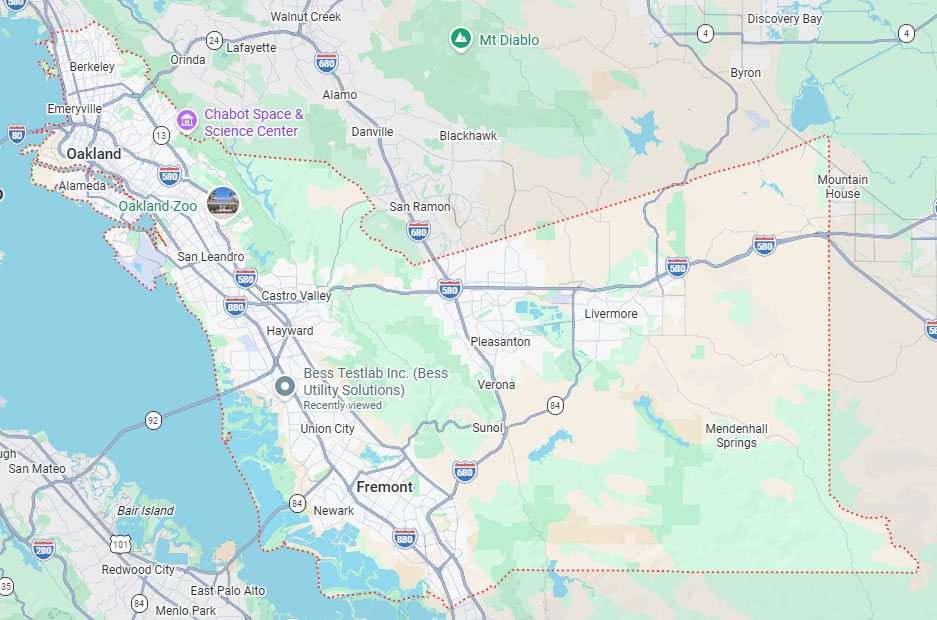
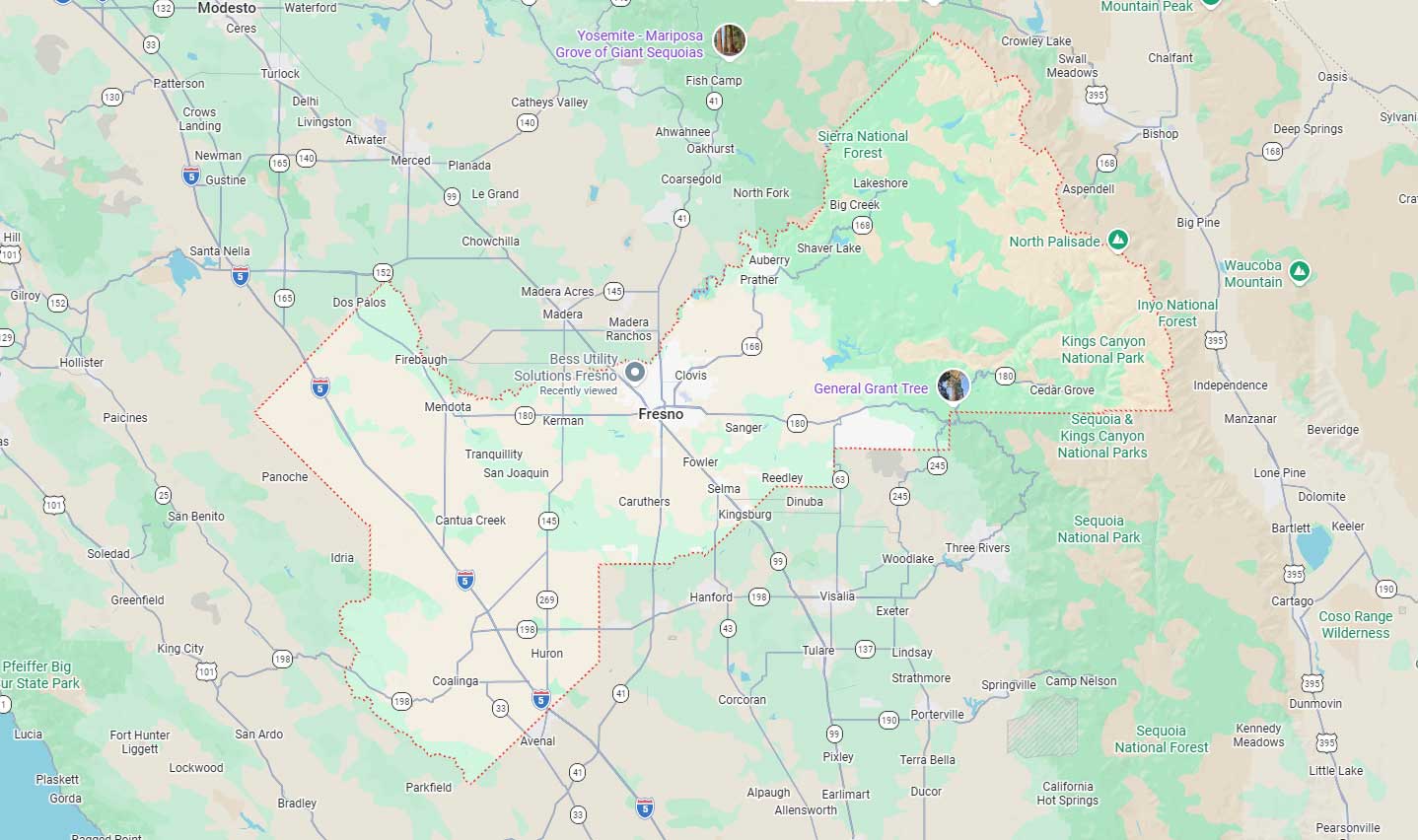
Bess Utility Solutions brings 29 years of subsurface engineering experience across California, with regional offices serving the Bay Area from Hayward and Southern California from Ontario, Orange, plus additional locations in Fresno and Sacramento. As a CPUC-certified MBE/DBE firm, Bess qualifies for municipal, public agency, and federal contracts under diversity procurement requirements. The integrated service suite includes CCTV, GPR, EM locating, vacuum excavation, and 3D subsurface mapping under one scope, eliminating coordination gaps between separate vendors. With 1,000+ satisfied clients, including municipalities, utility companies, engineering firms, and military installations, Bess delivers proven reliability across California's most demanding infrastructure environments.
Public works directors and utility operations managers across Los Angeles and the Bay Area face the same pressures: aging pipes, tightening regulations, and capital budgets that leave no room for emergency surprises.
Bess Utility Solutions answers that pressure with 29 years of subsurface engineering experience and CPUC-certified MBE/DBE status. Our ASCE 38-02 compliant process delivers PACP-coded sewer line inspection alongside GPR, EM locating, vacuum excavation, and 3D subsurface mapping under one scope, giving your agency a single defensible dataset instead of fragmented vendor reports. With 1,000+ satisfied clients and regional offices in Hayward and Ontario, we deliver the documentation you need to satisfy SSMP requirements, justify capital allocations, and protect both your budget and your project timeline.
Protect your aging sewer network before the next failure forces an emergency response. Contact us to schedule your CCTV inspection program across the Bay Area and Southern California.