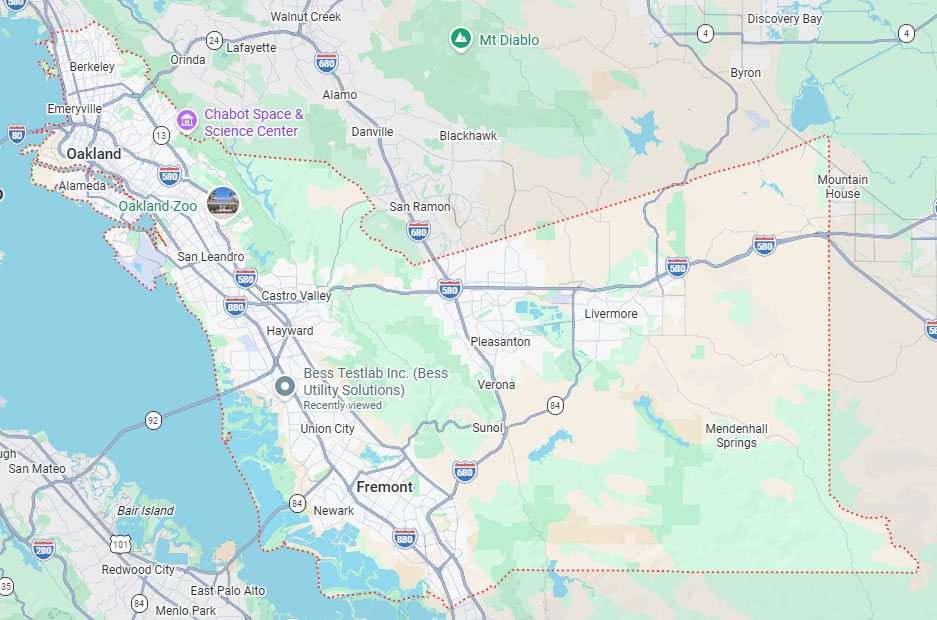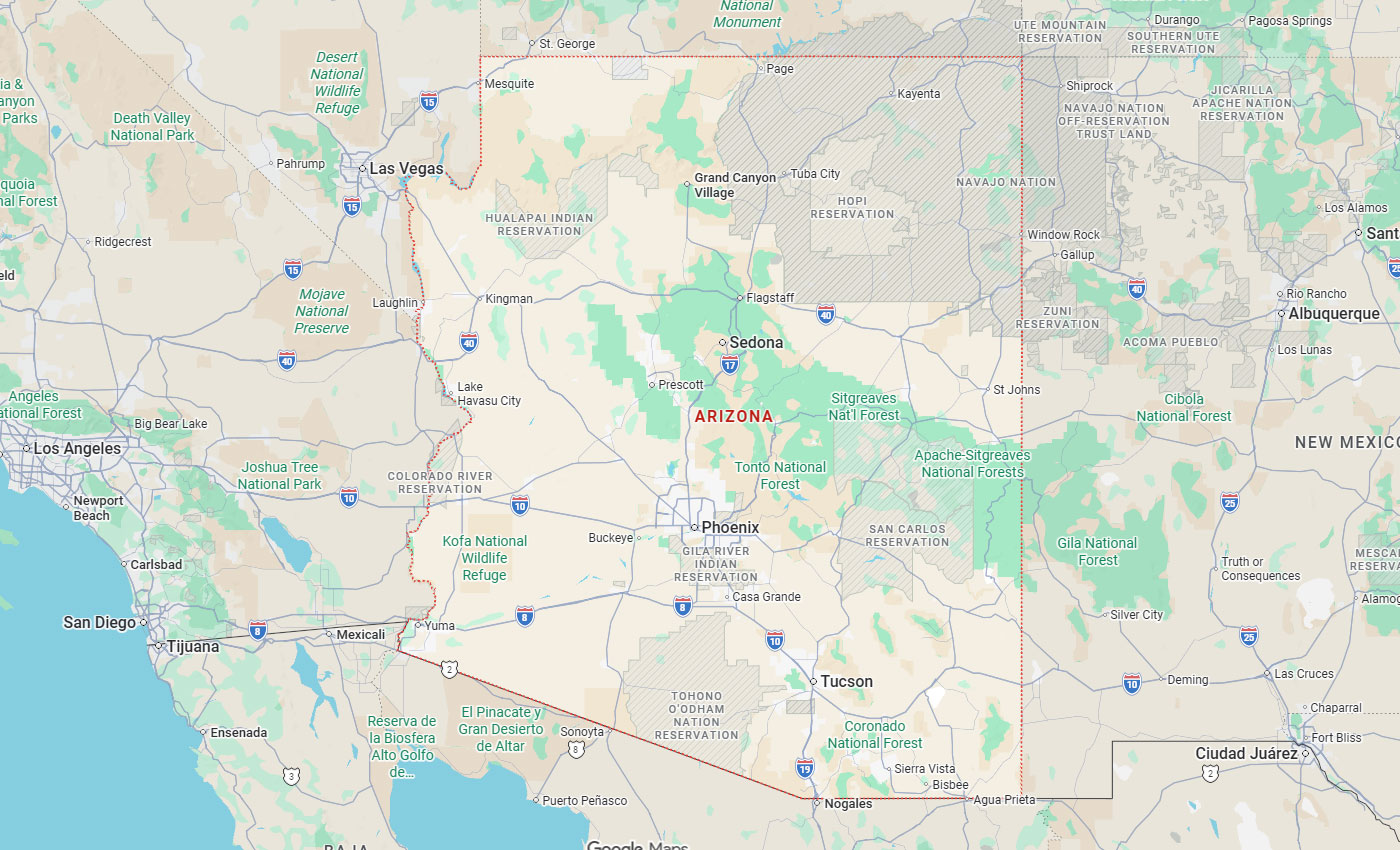
Hayward, CA
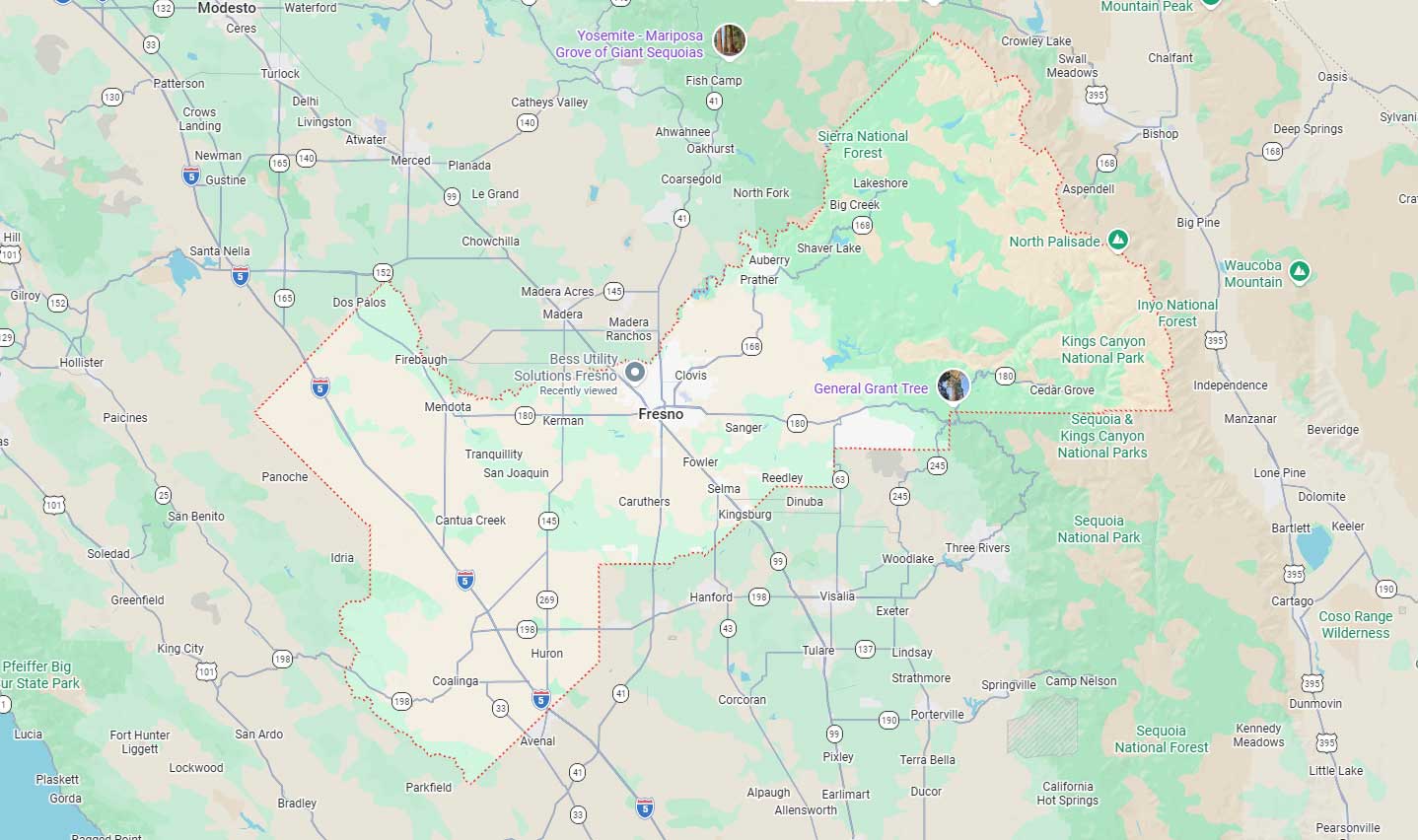
Fresno, CA
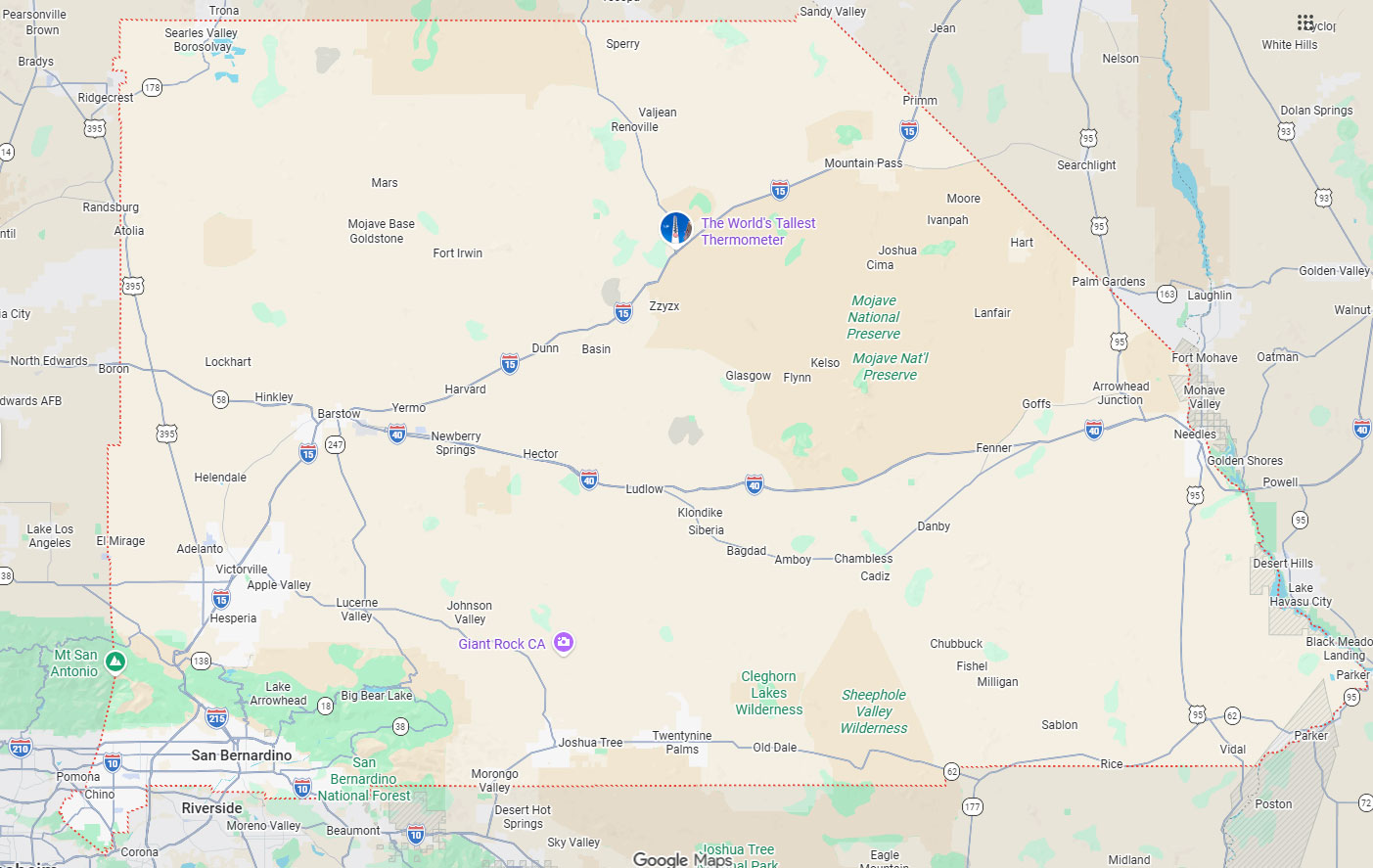
Orange, CA
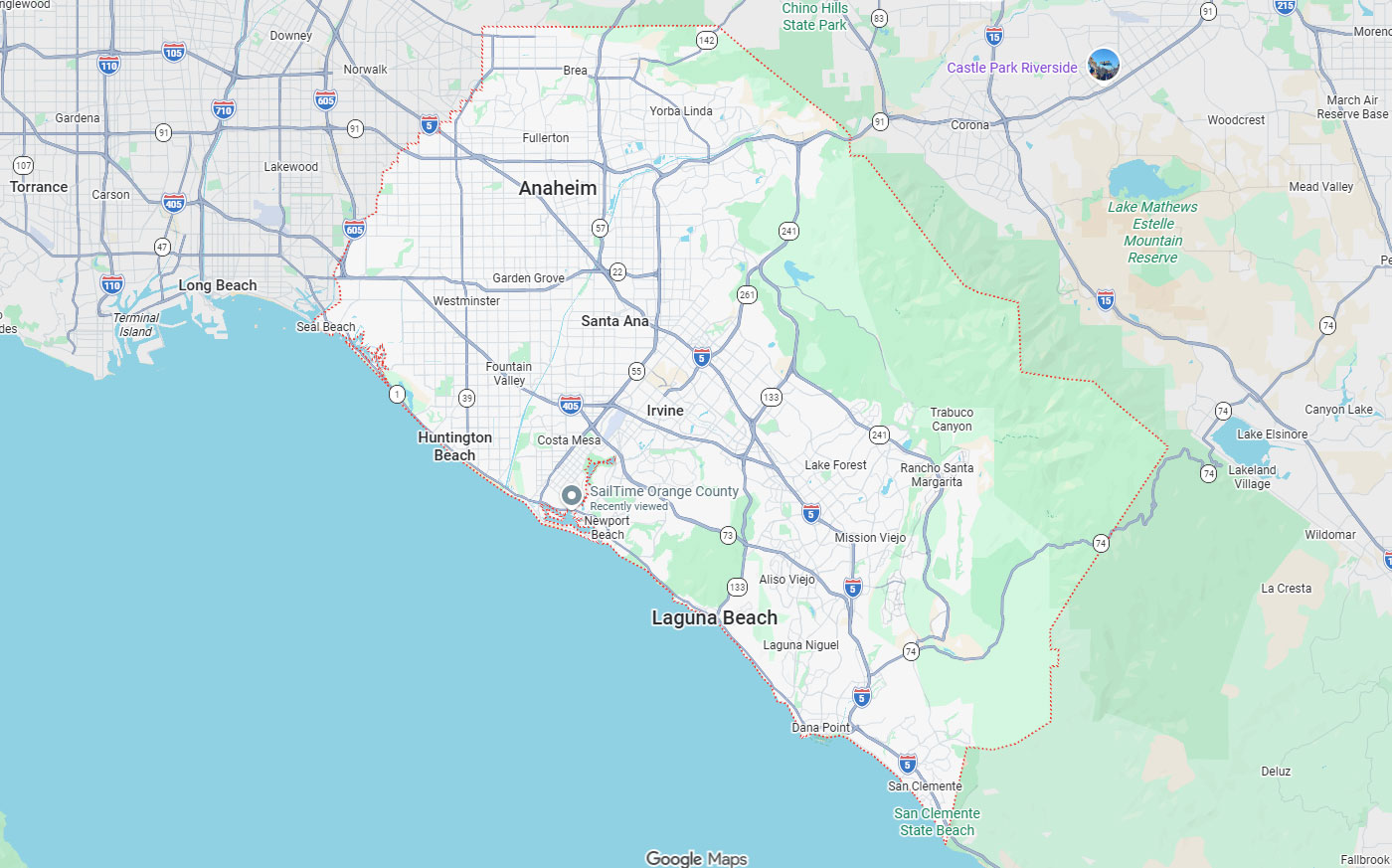
Sacramento, CA
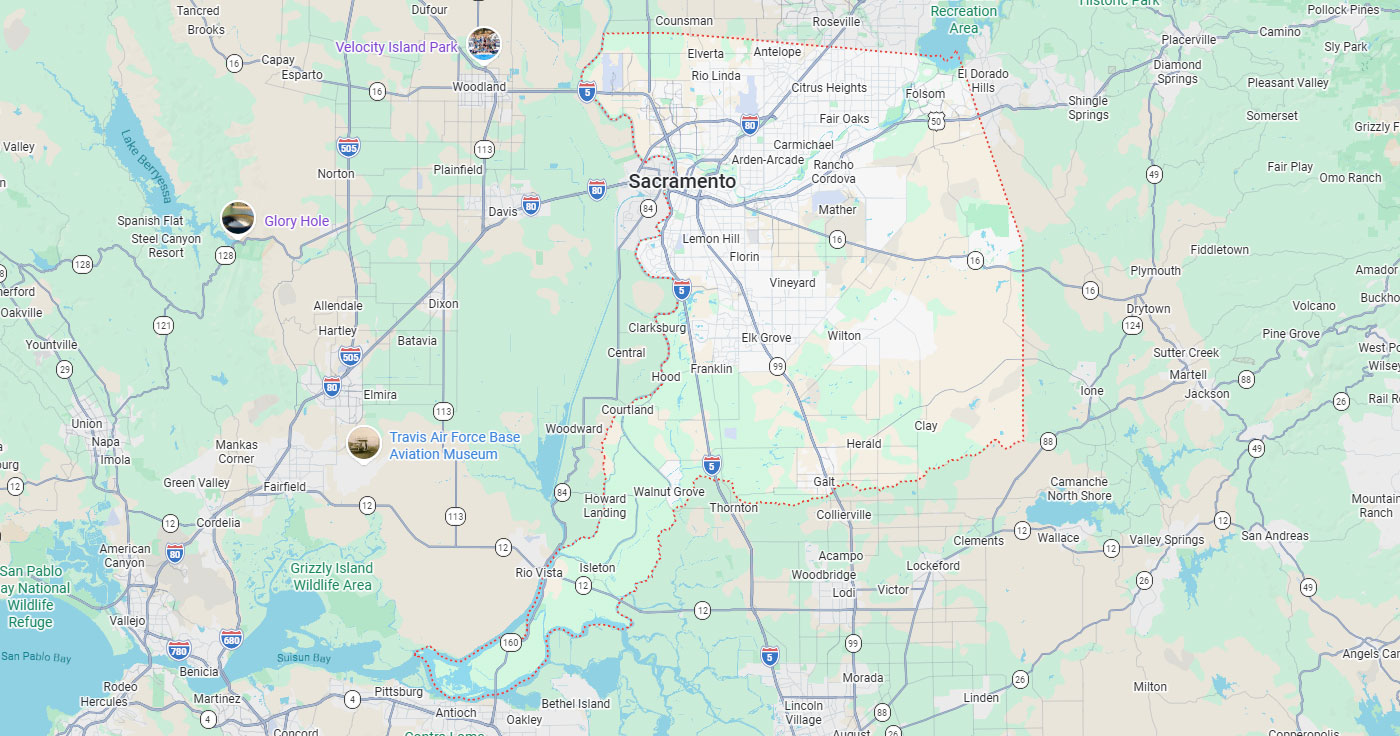
Phoenix, AZ
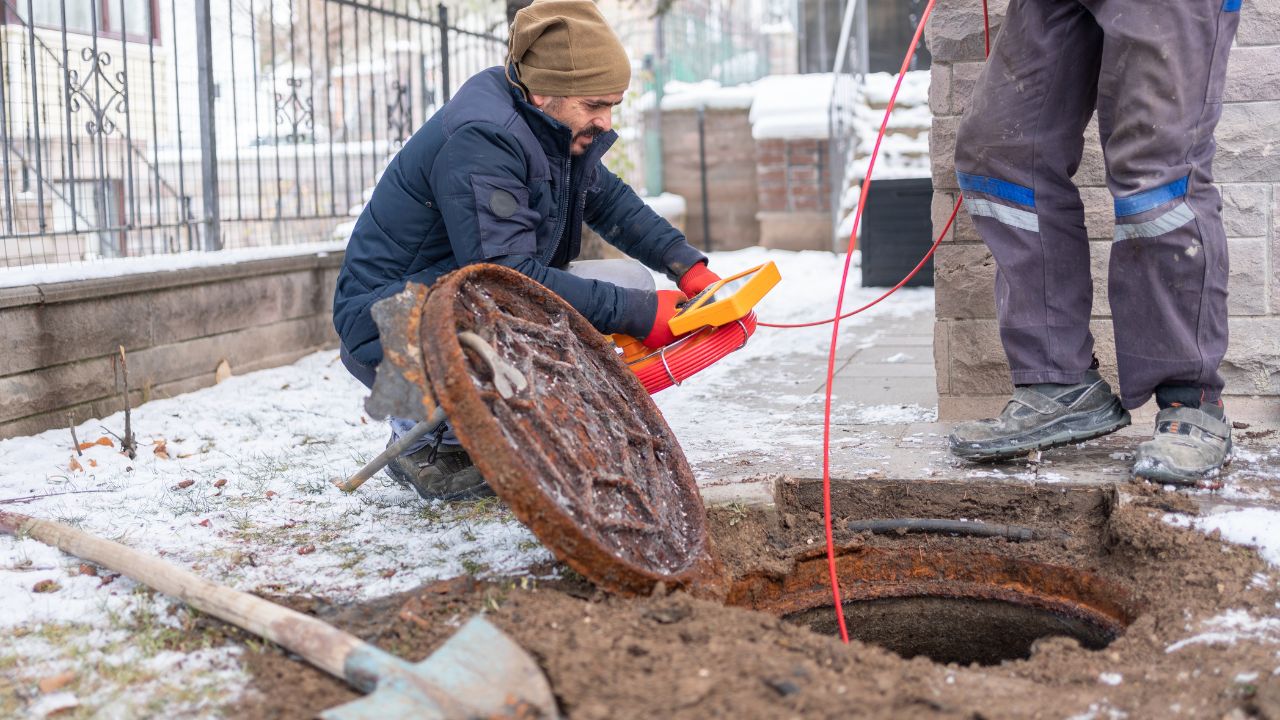
California storm drain systems face dual pressure from stricter regulatory enforcement under NPDES MS4 permits and increasingly severe atmospheric river events, testing capacity beyond legacy infrastructure design limits. Regional Water Quality Control Boards expect documented condition data, not best-effort field notes, as part of annual MS4 reporting. CCTV pipeline inspection serves as the diagnostic foundation that satisfies both California compliance documentation and flood-prevention performance monitoring requirements. These camera inspections, also called video inspections, document pipe interiors that surface methods cannot reach.
This inspection and maintenance guide covers meeting California stormwater regulations and regulatory requirements, supporting flood prevention through documented condition data, and structuring maintenance planning around real defect priorities. Bess Utility Solutions brings 29 years of subsurface engineering experience to stormwater systems across California, Arizona, and Nevada. CPUC-certified MBE/DBE status and ASCE 38-02 compliant work position the firm as a qualified partner for municipal and flood control district infrastructure programs.
Key Takeaways
The State Water Resources Control Board and nine Regional Water Quality Control Boards enforce NPDES Phase I and Phase II MS4 permits governing most California municipal stormwater systems. Statewide Trash Amendments require permittees to reduce trash discharges to receiving waters by 2030, protecting public health downstream, with documented inspection records expected. TMDLs (Total Maximum Daily Loads) for impaired waterways under Section 303(d) of the Clean Water Act drive enforcement priorities. Annual MS4 reporting now expects documented condition data, not narrative summaries.
Atmospheric river events in recent California winters have produced precipitation volumes that overwhelmed legacy storm drain capacity in cities across metro and rural jurisdictions. Sediment, root intrusion, and structural deterioration in aging systems compound the problem — capacity loss remains invisible from the surface until water backs up. For public works directors, the question is no longer whether to inspect stormwater systems but how to do it efficiently across thousands of pipe segments. Bess Utility Solutions integrates CCTV with GPR, EM locating, and hydro excavation, delivering the full subsurface picture stormwater operators need.
MS4 permittees must inspect and maintain their storm drain systems on a documented schedule as part of routine stormwater management — CCTV is the data source that Regional Water Boards increasingly assume. PACP-coded defect reports give Regional Water Board staff a standardized format they can interpret quickly during permit audits. MACP (Manhole Assessment Certification Program) coding extends the same defensible standard to catch basins and manhole structures, critical for any stormwater inspection program. Annual MS4 reports backed by CCTV data hold up to third-party scrutiny in ways narrative inspection logs do not.
Survey-grade location data ties each defect to GIS records, supporting the system-wide accounting that Regional Water Boards expect. Locating and mapping storm water drainage systems creates the spatial framework that inspection data requires for asset management and regulatory reporting. Over 200 municipalities have formally adopted PACP as their mandatory coding standard. California jurisdictions under stricter permit enforcement follow this pattern to ensure data consistency across inspection cycles.
TMDL compliance for impaired waters requires documented evidence that the MS4 system is not contributing pollutants beyond load allocations — CCTV inspection documents both pipe condition and observed debris loading. Statewide Trash Amendment compliance requires verification of trash capture device effectiveness downstream of capture devices. Industrial and Construction General Permits (IGP, CGP) tie into the broader stormwater compliance framework, with project-specific inspection records often required. Choose CCTV-based inspection if your MS4 permit is up for renewal, your jurisdiction faces TMDL enforcement, or your annual report needs to satisfy a Regional Water Board with active enforcement priorities.
Bess Utility Solutions delivers documentation that California Regional Water Quality Control Boards accept without rework. Integrated services under ASCE 38-02 compliance standards ensure data quality meets regulatory expectations for permit audits and enforcement response.
Sediment accumulation — bedded sand, silt, and aggregate — reduces effective pipe diameter invisibly from the surface but measures easily during CCTV inspection. Trash and debris buildup is especially common at inlet pipes, junctions, and segments downstream of commercial corridors and freeway right-of-way. Root intrusion creates dense root masses at joints that constrict flow and trap debris during peak events. Structural deformation, including pipe sag, joint offsets, and bellies, creates permanent low spots where sediment settles. Each of these conditions restricts stormwater movement through the network and chips away at stormwater drainage capacity.
Failed cross-connections from illegal taps and abandoned-in-place lines introduce flow disruptions during storm events. AI and smart mapping technologies accelerate defect recognition, pushing inspection throughput from roughly 1,350 to 2,690 linear feet per shift. This productivity gain makes system-wide inspection programs economically viable for California stormwater operators of any size. PACP-certified operators deliver 95% or better defect detection rates, ensuring consistent grading across the network.
A storm drain at 50% effective capacity from sediment accumulation overflows at half the precipitation rate it was designed for — surface flooding becomes a design-rainfall problem instead of an extreme-event problem. CCTV inspection identifies capacity-limiting conditions before the next wet season, giving operators a planned cleaning and repair window rather than an emergency response and the costly repairs that follow. Consistent defect detection allows engineering teams to prioritize the highest-risk segments first. Schedule pre-wet-season CCTV inspection if your system serves flood-prone neighborhoods, supports critical commercial corridors, or has experienced flooding in any of the past five winter seasons.
For California stormwater operators, this approach turns flood prevention from reactive emergency work into a defensible asset management program. Utility locating for municipal and public works projects integrate condition assessment with spatial data collection for comprehensive hydroengineering planning.
Each CCTV run produces a baseline; subsequent runs document deterioration and sediment accumulation rates per segment. Engineering teams group segments by PACP grade, deterioration rate, debris load, and downstream consequence to set the maintenance queue. Annual inspections target the highest-risk segments — older systems, prior failures, flood-prone areas, and segments downstream of commercial corridors. Lower-risk segments rotate through a 3–5-year cycle, keeping system-wide inspection costs manageable on tight municipal budgets.
AI-assisted CCTV pushes production from roughly 1,350 to 2,690 linear feet per shift, making system-wide programs economically viable for California stormwater operators of any size. Research indicates municipalities are willing to pay 12.1% more for construction if it reduces maintenance costs by 20%. This cost-benefit calculation supports upfront investment in comprehensive inspection programs that deliver long-term operational savings.
Sediment-only issues are routed to hydro-jetting and vacuum truck cleaning schedules — the cheapest intervention and the highest-frequency need. Structural defects such as pipe cracks, joint offsets, and bellies route to pipe repair, point repair, or CIPP lining on a planned schedule with competitive bidding. Severe deterioration routes to full replacement, including storm drain repair and full sewer line replacements where shared corridors demand it, programmed into the capital improvement plan with multi-year funding. Planned trenchless technology typically costs 30–50% less than the same fix performed under emergency conditions.
Invest in a structured CCTV maintenance program if your jurisdiction supports flood-prone areas, manages aging pipe materials, operates under TMDL or Trash Amendment obligations, or needs defensible documentation for CIP funding requests. Utility locating in Alameda and other California metro areas demonstrates how integrated subsurface engineering supports both immediate maintenance needs and long-term capital planning.
California's distinct wet and dry seasons compress inspection windows — the most productive months are typically April through October, before fall and winter rains. Regional differences matter: coastal Bay Area systems carry different sediment loads than Central Valley agricultural runoff, Southern California flash-flood corridors, or open flood control channels. Wildfire burn scars produce post-fire debris loading that overwhelms downstream storm drains for years after the event — CCTV captures the impact. For California operators, the inspection calendar needs to reflect both regulatory timing and the realistic field season.
Many California stormwater segments run in shared utility corridors alongside sanitary sewer mains, wastewater systems, water, gas, and telecom — exploratory digging is risky and expensive. Integrated subsurface utility engineering (SUE) workflows pair CCTV with GPR, EM locating, and vacuum excavation, producing both position and condition data without disturbing the corridor. The same condition data supports sewer maintenance planning and water distribution modeling where stormwater shares the alignment with other systems. Choose an integrated SUE provider if your stormwater program supports congested urban corridors, faces Regional Water Board reporting deadlines, or requires ASCE 38-02 Quality Level A/B documentation for engineering deliverables. Safety protocols become especially critical when working in shared corridors with multiple active utilities and public access points.
Start with the highest-risk segments — older systems, flood-prone neighborhoods, TMDL watershed contributors, segments downstream of trash capture devices, and post-burn-scar drainage areas. Combine PACP coding for pipes with MACP coding for catch basins and manholes — both are needed for a complete program. Coordinate inspection with hydro-jetting and vacuum truck cleaning before the wet season, when timing has the most operational impact. Feed defect and sediment data into the GIS as it comes in, so maintenance and capital planning work from current condition data.
Bess Utility Solutions delivers 29 years of subsurface engineering experience across California, Arizona, and Nevada. CPUC-certified MBE/DBE status qualifies the firm for municipal, public agency, and federal contracts. The integrated service suite includes CCTV pipe inspections, GPR, EM locating, vacuum excavation, and 3D subsurface mapping under one scope, covering both storm drain and sewer solutions for public agencies. More than 1,000 satisfied clients include municipalities, flood control districts, utility companies, engineering firms, and military installations.
ASCE 38-02 compliant deliverables include PACP-coded pipe reports, MACP-coded structure reports, GIS-ready outputs, and survey-grade coordinates ready for MS4 annual reporting and long-term asset management. Specialized performance monitoring capabilities support ongoing compliance documentation and defensible condition trending across inspection cycles.
California stormwater operators face converging pressures from MS4 permit enforcement and climate-driven precipitation events that test aging infrastructure capacity. CCTV inspection with PACP coding delivers the documented condition data that Regional Water Boards expect while identifying sediment, debris, and structural defects before they cause flood events. AI-assisted workflows make system-wide programs economically viable, supporting both regulatory compliance and planned maintenance scheduling.
Bess Utility Solutions integrates CCTV, GPR, EM locating, and vacuum excavation under ASCE 38-02-compliant protocols tailored to California municipal and flood control district requirements. 29 years of subsurface engineering experience and CPUC-certified MBE/DBE status position the firm as a qualified partner for stormwater compliance and performance programs across California, Arizona, and Nevada.
For public works directors and engineering teams, a missed defect shows up later as a flooded intersection, a failed MS4 audit, or an emergency dig that breaks the budget. Bess Utility Solutions removes that uncertainty. With 29 years of subsurface engineering experience, CPUC-certified MBE/DBE status, and ASCE 38-02 compliant work across California, Arizona, and Nevada, the firm pairs CCTV pipe inspections with GPR, EM locating, vacuum excavation, and 3D mapping under one scope. PACP-coded inspection services protect your timeline, your budget, and public safety while keeping every report ready for Regional Water Board review.
Ready to strengthen your California stormwater compliance and flood prevention program? Contact Bess Utility Solutions to discuss CCTV inspection, integrated SUE workflows, and PACP-coded deliverables that meet Regional Water Board expectations and support defensible asset management.