Hayward, CA
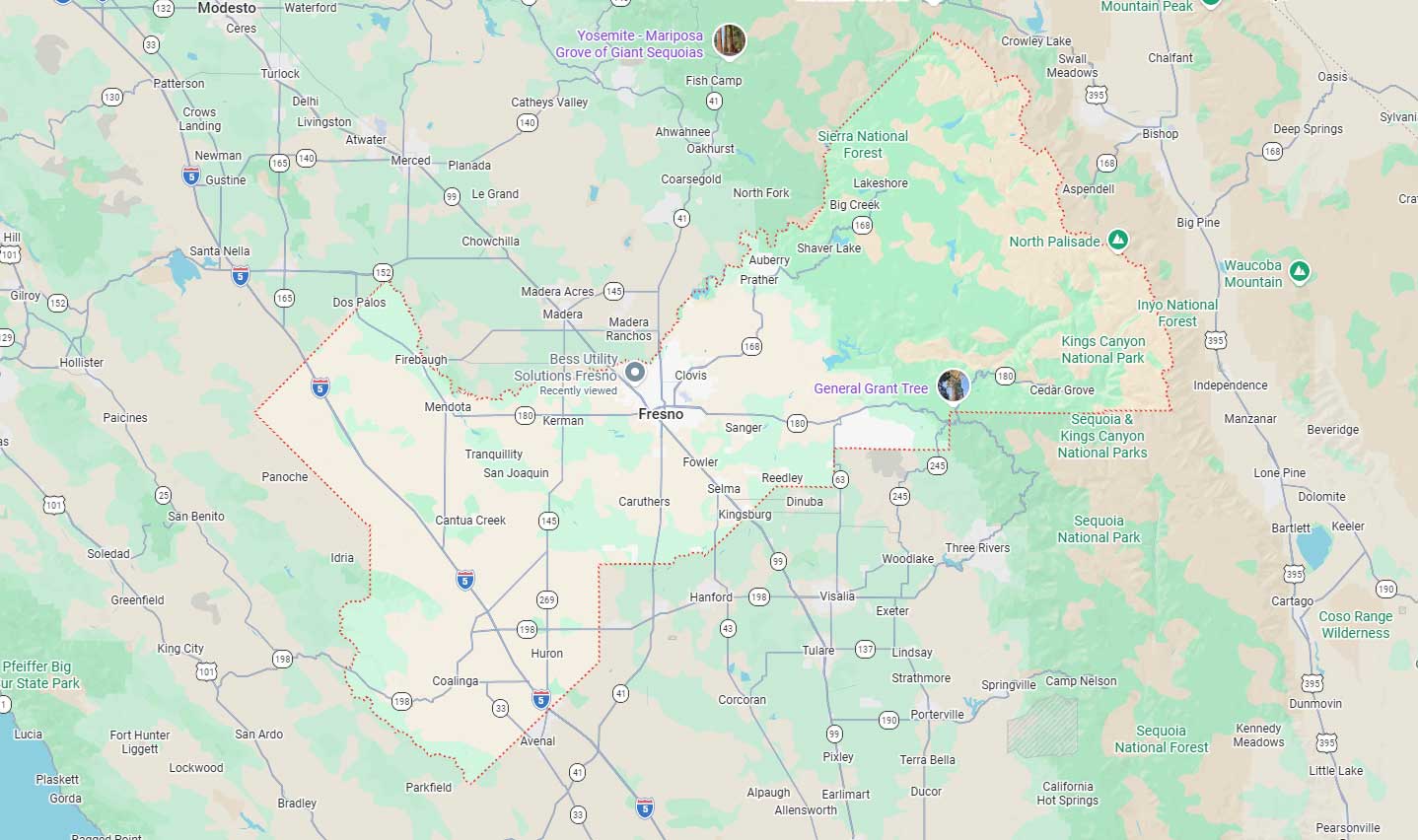
Fresno, CA
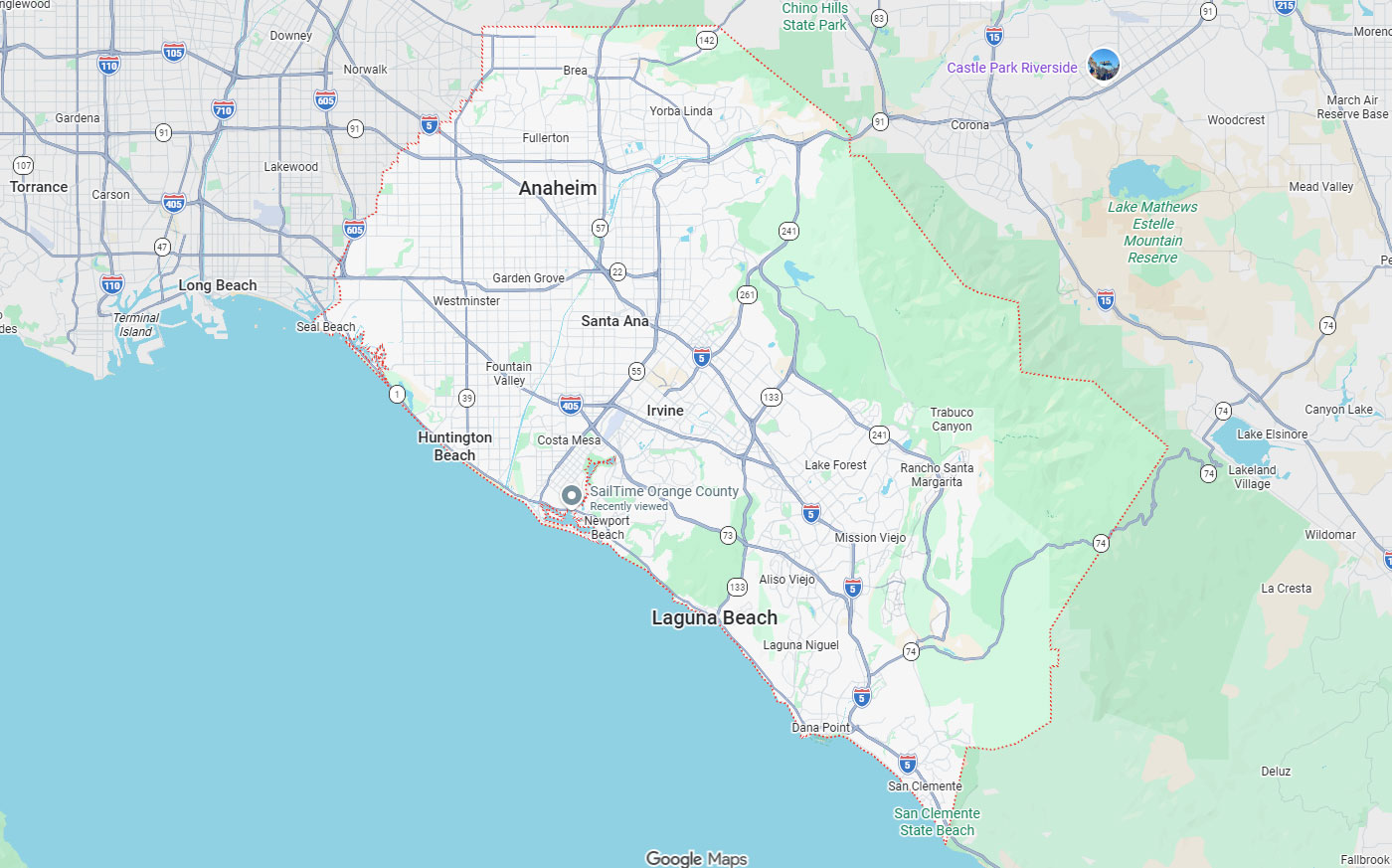
Orange, CA
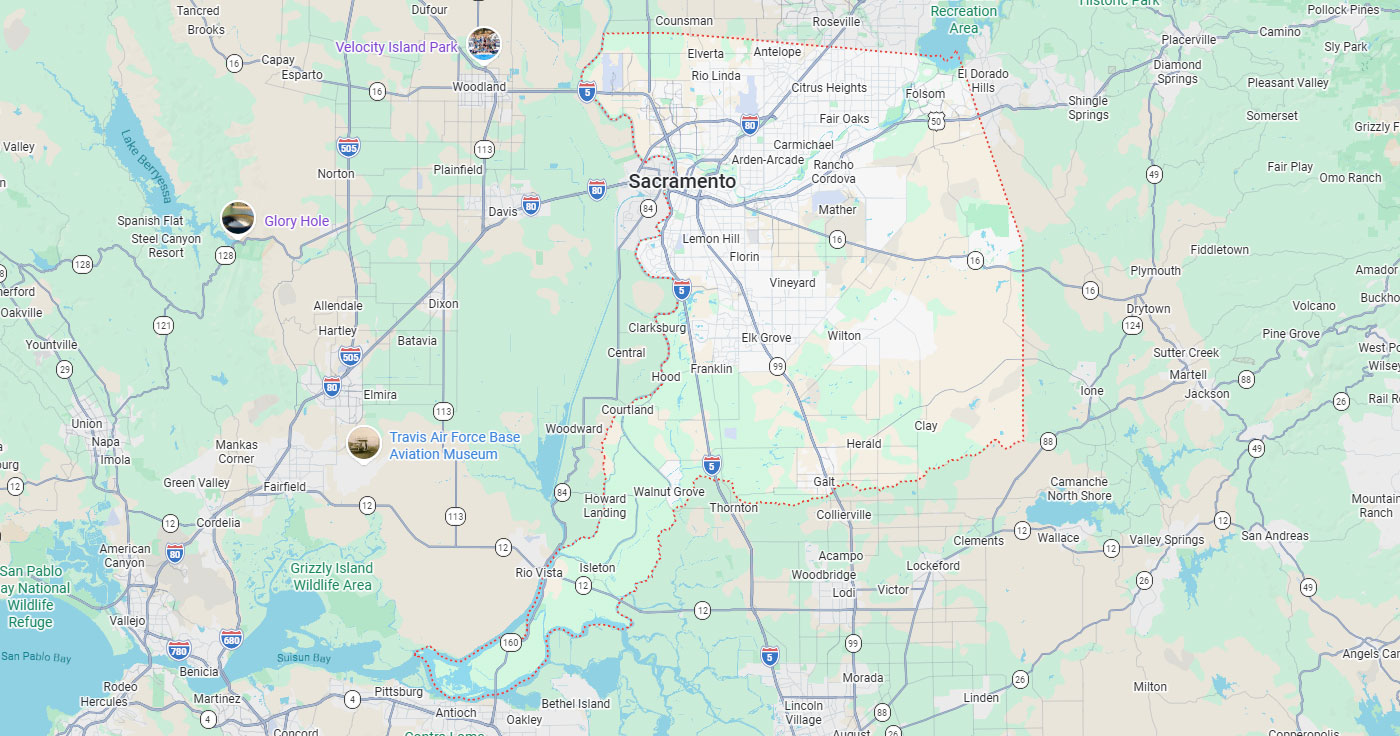
Sacramento, CA
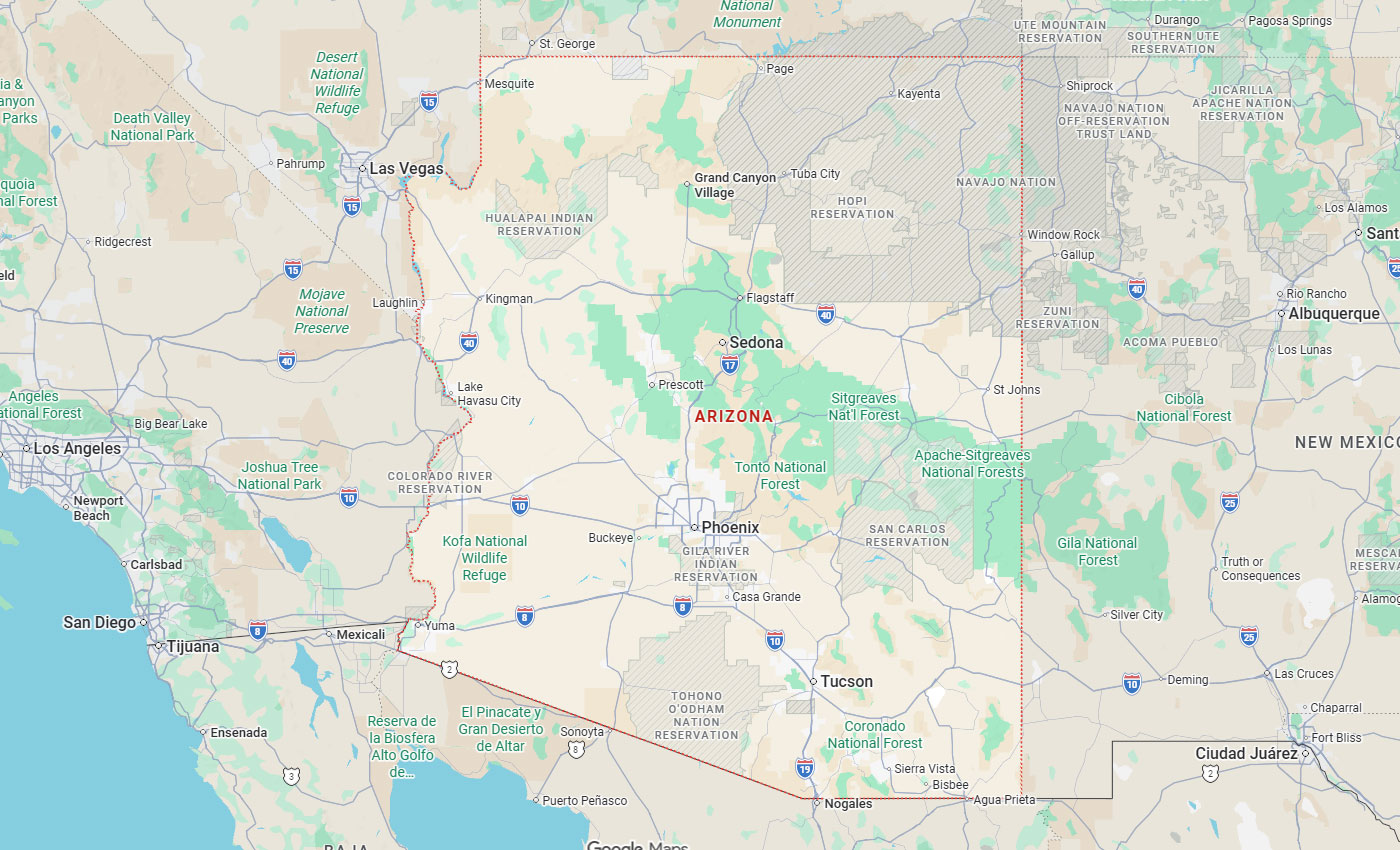
Phoenix, AZ
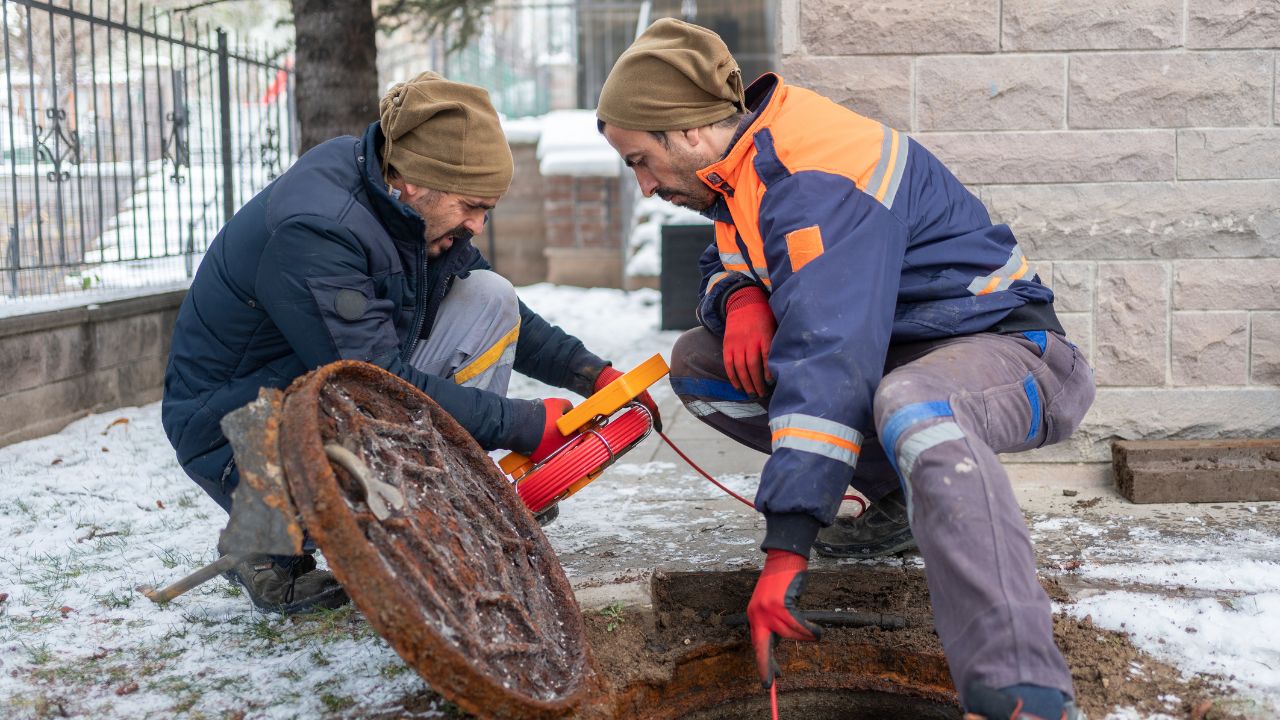
California commercial projects routinely commission CCTV pipe inspections, but quality and capability vary widely across providers. The wrong choice creates downstream problems that dwarf the inspection budget. An inadequate inspection on a California commercial site can mean missed defects, failed agency review, re-inspection costs, and emergency repairs that run $10,000–$50,000+ when something goes wrong. Selecting a qualified provider protects project timelines, budgets, and regulatory standing.
This guide explains how to evaluate inspection companies against the criteria that actually matter for California commercial work. It covers three essential angles: certifications and experience that signal real capability, equipment and reporting capabilities that meet California standards, and questions to ask before signing a contract. Bess Utility Solutions brings 29 years of subsurface engineering experience, CPUC-certified MBE/DBE status, and ASCE 38-02-compliant work across California, Arizona, and Nevada.
Key Takeaways
Emergency sewer repair on a California commercial site runs $10,000–$50,000 per incident, before factoring in traffic control and tenant access losses. A bad inspection misses defects, produces uncoded reports, or delivers data that doesn't satisfy the Regional Water Board, lender, or insurer review. For California commercial buyers, an inspection report that fails third-party review is the same as not having one. The wrong CCTV pipe inspection company costs you twice: once for the original work and again for the redo.
The cost of an inadequate inspection on commercial sites compounds quickly when you factor in contractor delay claims. A properly scoped professional CCTV pipeline inspection identifies defects before they trigger emergency work stoppages. Discovery of unmarked defects during construction creates change orders, schedule slippage, and budget overruns. The cheapest inspection that misses a grade 4 structural defect costs more than a premium inspection that catches it early.
California commercial projects operate under regulatory frameworks that smaller residential-focused providers rarely encounter, including CEQA, SSMP, and MS4 permits. Commercial sites involve traffic control, occupied tenant access, and lender or institutional review that low-bid residential inspectors cannot handle. The right provider brings California-specific experience, current NASSCO certifications, and integrated subsurface capability under one contract. Bess Utility Solutions delivers CCTV, GPR, EM locating, and hydrovac excavation under one ASCE 38-02 compliant scope.
California Regional Water Boards, MS4 compliance programs, and institutional lenders expect defensible documentation that meets NASSCO standards. Residential inspection companies typically lack the certifications, equipment range, and reporting protocols that California commercial work requires. Choosing a provider with 5+ years of California commercial experience eliminates the risk of inadequate documentation. Expertise selection begins with verifying credentials that commercial buyers can defend under third-party review.
PACP (Pipeline Assessment Certification Program) is the NASSCO standard for grading defects in gravity sewer pipes on a 1–5 severity scale. This is the baseline credential any California commercial CCTV provider should carry. MACP (Manhole Assessment Certification Program) covers catch basins, manholes, and vault structures needed for stormwater MS4 work. LACP (Lateral Assessment Certification Program) covers lateral connections and service lines needed when the commercial inspection scope includes building laterals and tap connections.
Verify current certification, not lapsed credentials—request operator certification numbers and dates from any provider you consider. These certifications give the defect grades their defensibility under agency, lender, insurer, and litigation review. NASSCO PACP coding has become the documentation standard that California public agencies, lenders, and insurers now expect. A provider without current NASSCO credentials cannot deliver reports that satisfy institutional review requirements.
A provider with 5+ years of California-specific work has encountered Regional Water Boards, MS4 reporting formats, and CEQA documentation expectations. New entrants typically have not. CPUC-certified MBE/DBE status qualifies a provider for municipal, public agency, and federal contracts and signals state-level credentialing standards. Integrated subsurface utility engineering eliminates the handoff delays and coordination overhead of chaining specialty vendors when one firm delivers all services under one scope.
ASCE 38-02 compliant deliverables represent the engineering documentation standard most California public agencies and engineering firms specify in contract documents. Insist on PACP-certified operators, 5+ years of California experience, and CPUC MBE/DBE status if your California commercial project requires public agency, lender, or institutional review. Service quality begins with verifiable credentials, not marketing claims. Providers with long-term California commercial track records understand regulatory expectations that residential-focused companies do not.
Push cameras work best for pipes under 10 inches and short laterals up to 200 feet, representing roughly 28.6% of the CCTV inspection market. They have limited utility in larger commercial mainlines. Robotic crawlers serve as the workhorse for commercial mainline inspection with pan/tilt/zoom HD or 4K cameras and up to 1,000 feet of accessible pipe per run. They hold roughly 52.4% of the inspection market share and handle the bulk of commercial work.
Lateral launch systems inspect laterals from inside the mainline without surface access, representing roughly 12.5% of market share but being essential for commercial sites. A capable provider carries all three and chooses the right tool per scope rather than forcing one camera type onto every job. HD or 4K cameras with pan/tilt/zoom heads and 90–170 degree fields of view inspect laterals, joints, and tap connections in detail. Equipment range matters because different commercial pipe scopes need different tools.
PACP-coded defect logs with severity grades, distance markers, and clock-position references provide the defensible documentation standard that California buyers need. Time-stamped HD or 4K video synchronized with the defect log allows any flagged defect to be visually verified. Photographs captured at significant grade 3+ defects provide additional documentation for engineering review and repair planning. Summary statistics should include total defects by grade, structural and operational defect scores, and overall pipe rating.
GIS-ready outputs with survey-grade coordinates integrate with municipal asset registries and engineering design models that commercial projects require. For a full commercial scope, MACP-coded structure reports for catch basins and manholes plus LACP-coded reports for laterals complete the documentation package. Request sample deliverables before signing because a provider that can produce a complete PACP report from a prior project is one you can rely on. A provider that hedges on samples is not.
Are your operators currently PACP-certified, and can you provide certification numbers to verify their credentials independently? Do you also carry MACP and LACP certifications if my scope includes manholes, catch basins, or laterals? How long has your firm worked in California, and in which jurisdictions have you completed comparable commercial projects? Have you delivered work under Regional Water Board MS4 programs, and which boards have accepted your documentation?
Are you CPUC-certified MBE/DBE, and do you have prior contracts with comparable California public agencies, municipalities, or commercial owners? How do you handle CEQA documentation requirements when they apply to commercial projects requiring environmental review? For projects requiring engineering review, can you produce ASCE 38-02 Quality Level A/B compliant deliverables with survey-grade accuracy? Can you share references from comparable California commercial projects completed in the last 24 months with verifiable contact information?
What inspection equipment do you carry—push cameras, robotic crawlers, or lateral launch systems—and which will you deploy on my specific scope? What camera resolution do you deliver, and can you provide pan/tilt/zoom inspection of laterals and tap connections? What is your standard deliverable format—raw video, PACP-coded defect log, GIS overlay, or all three as integrated documentation? What is your typical turnaround from field inspection to delivered report that satisfies agency and lender review timelines?
Can you integrate other subsurface services under one scope—GPR, EM locating, utility locating in Adelanto, CA, vacuum excavation—to eliminate coordination delays? How do you coordinate with hydro-jetting and pipeline cleaning to ensure usable footage free from obstruction? Do you provide certified traffic control when work occurs in active commercial drives with occupied tenant access? A provider who answers all of these clearly and provides documentation is the one to shortlist.
Budget tier pricing runs $150–$350 per inspection or short segment, usually covering push camera only with narrative reports and no PACP coding. This tier is appropriate only for simple residential or single-segment commercial verification without institutional review. Mid-range pricing falls between $350 and $750 and offers broader equipment options, possibly PACP coding, and basic written reports. This tier works for routine commercial inspection without third-party review requirements.
Premium pricing starts at $750–$1,500+ per segment or scoped project price and delivers full PACP coding, integrated subsurface capability, and agency-ready deliverables. This tier is appropriate for any California commercial work requiring lender, agency, or institutional review where cost efficiency matters over the project lifecycle. National benchmark data shows average commercial sewer line camera inspection runs around $996, with the broad range falling between $270 and $1,729 per inspection.
Uncoded inspections from low-bid providers rarely satisfy Regional Water Board, lender, or insurer review requirements, triggering re-inspection at full cost. Missed defects on the original inspection lead to emergency repairs at $10,000–$50,000+ per incident, plus schedule impacts. Schedule slippage from re-inspection cycles often exceeds the entire original inspection budget when you factor in contractor standby time. For California commercial projects, choose a provider with PACP certification, integrated capability, and California regulatory experience, even when the unit cost is higher.
The premium tier almost always costs less than the budget tier when you account for total project impact from rework and emergency repairs. Technology behind underground utility locating and CCTV inspection has advanced significantly, but certification and experience remain the primary quality differentiators. A properly scoped inspection using technology that improves utility locating accuracy protects commercial projects from the downstream costs of inadequate documentation. The cheapest option rarely delivers the defensible data that California commercial buyers need.
Current PACP certification must be verified, not assumed, through operator certification numbers provided by the vendor. MACP and LACP certifications become required when the scope includes catch basins or laterals that commercial projects typically encounter. Five or more years of California commercial experience with verifiable references demonstrates regulatory familiarity that new entrants lack. Integrated subsurface capability eliminates coordination delays when CCTV plus GPR, EM locating, and vacuum excavation proceed under one scope.
ASCE 38-02 compliant deliverables satisfy the documentation standards that California engineering firms and public agencies specify in contract documents. CPUC-certified MBE/DBE status confirms eligibility for public-agency work and state-level credentialing. Regional offices reduce mobilization costs and time on California projects that span multiple geographic markets. Sample deliverables provided on request demonstrate capability before you commit to a contract.
Bess Utility Solutions brings 29 years of subsurface engineering experience across California, Arizona, and Nevada to every commercial project. CPUC-certified MBE/DBE status qualifies the company for municipal, public agency, and federal contracts with verified state credentials. The integrated service suite includes CCTV, GPR, EM locating, vacuum excavation, and 3D subsurface mapping under one scope, eliminating vendor handoff delays. Over 1,000 satisfied clients include general contractors, engineering firms, municipalities, commercial property owners, and military installations across the Southwest.
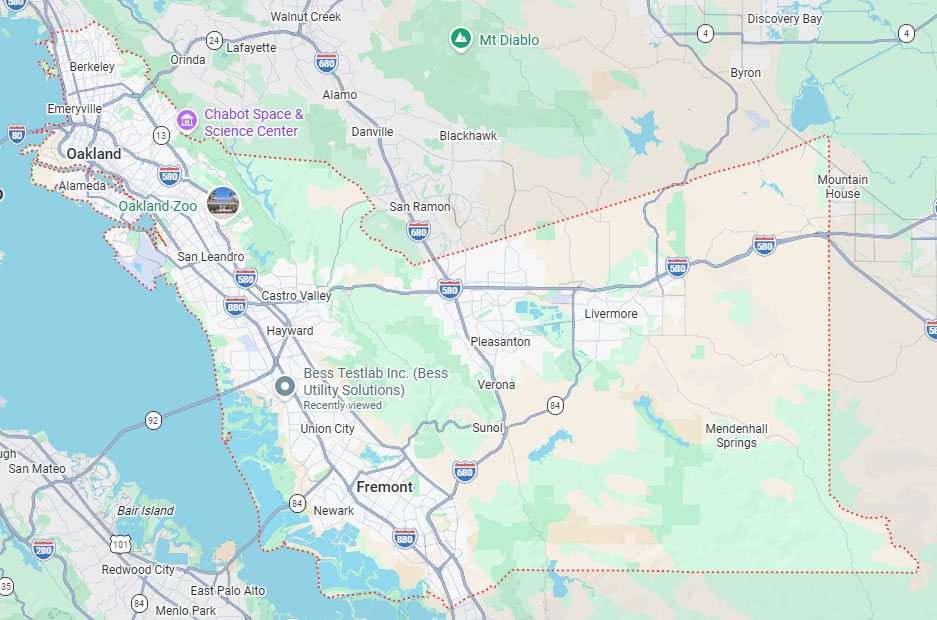
ASCE 38-02 compliant deliverables include PACP-coded pipe reports, MACP-coded structure reports, LACP-coded lateral reports, GIS-ready outputs, and survey-grade coordinates. Regional offices in Hayward (Bay Area), Fresno, Ontario, Orange, and Sacramento reduce mobilization time across California submarkets for faster project response. Understanding why more contractors are choosing hydrovac for commercial projects reflects the broader shift toward integrated subsurface services. Bess Utility Solutions delivers the complete subsurface capability that California commercial buyers need under one contract.
Your commercial project cannot afford an inspection report that fails the Regional Water Board, lender, or insurer review. Bess Utility Solutions delivers PACP-coded defect logs, time-stamped HD video, and ASCE 38-02 compliant deliverables that hold up under third-party scrutiny the first time. With 29 years of experience, CPUC-certified MBE/DBE status, and 1,000+ satisfied clients across California, Arizona, and Nevada, we bring CCTV, GPR, EM locating, and vacuum excavation under one scope, so you skip the vendor handoffs that slow projects and inflate budgets.
Whether you are a general contractor protecting a schedule, an engineer who needs decision-grade data, or a property owner commissioning records that survive agency review, you get verified credentials instead of marketing claims. Contact Bess Utility Solutions today to scope your California commercial CCTV inspection and protect your timeline, budget, and regulatory standing.