Hydrovac is 10x faster and 4x cheaper than traditional excavation methods, with documented projects completing in one-third the time using half the crew size.
Non-destructive excavation virtually eliminates utility strikes, preventing the 160,000+ annual damage events that cost contractors millions in repairs, delays, and liability claims.
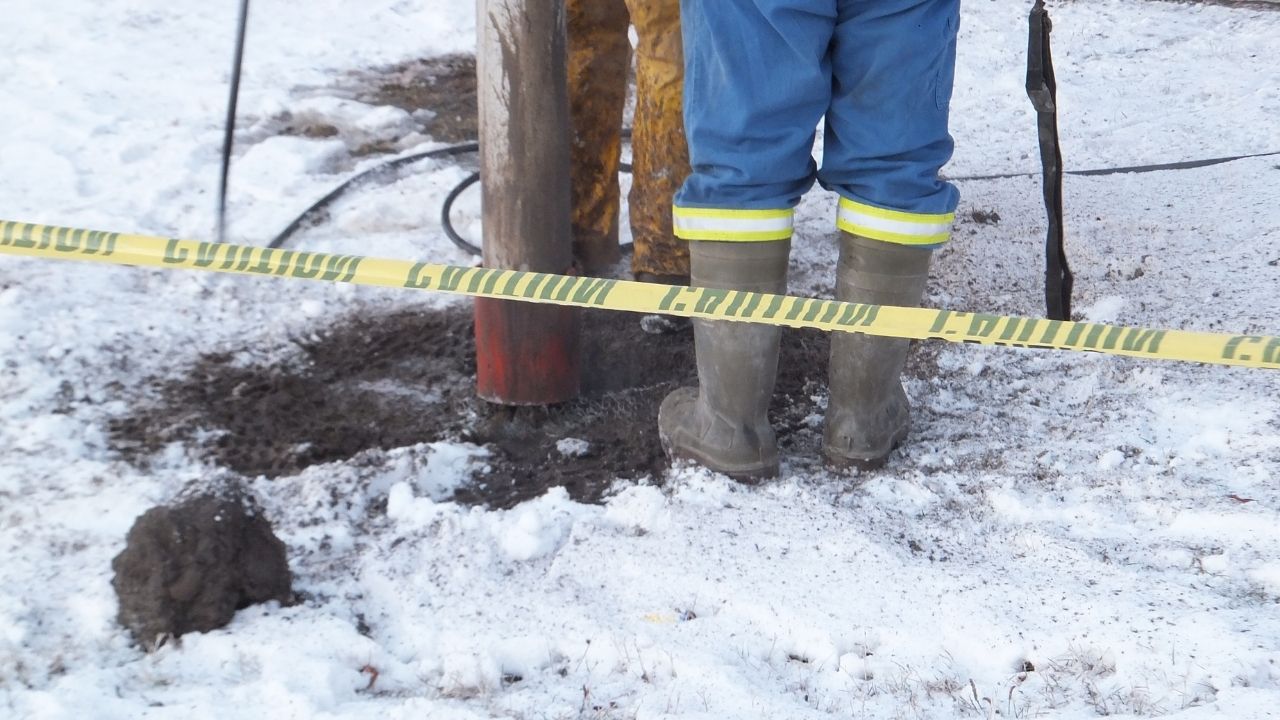
Year-round operation capability with heated water systems (up to 750,000 BTU) enables excavation in frozen ground when mechanical methods fail completely.
Regulatory compliance is built in; hydrovac meets OSHA, DOT, and environmental standards while satisfying increasingly strict municipal requirements for non-mechanical excavation near utilities.
The market validates contractor confidence, with a 5.53% projected CAGR through 2033, and the U.S. market is expected to reach $1.18 billion by 2034. Hydrovac is becoming the industry standard for precision commercial excavation.
Commercial excavation has changed. The dense underground networks beneath modern cities, gas lines, water mains, fiber optics, and electrical conduits make traditional mechanical digging increasingly risky and expensive. One wrong move with a backhoe can trigger service outages, safety incidents, and repair costs reaching hundreds of thousands of dollars.
Contractors are responding by adopting hydrovac excavation at accelerating rates. This technology combines high-pressure water and industrial vacuum power to excavate with surgical precision, eliminating utility strikes while cutting project timelines and costs. The numbers tell the story: hydrovac completes work 10 times faster than hand digging and costs at least four times less than traditional methods in documented scenarios.
This guide examines why commercial contractors are making the switch, from the technology's core advantages in safety, speed, and precision to emerging innovations that will shape excavation's future. Whether you're evaluating hydrovac for your first project or expanding its role in your operations, you'll find the data and insights needed to make informed decisions.
What Is Hydrovac Technology, And How Does It Work?
Vacuum system/blower: Delivers 3,000–6,000 CFM for rapid debris extraction
Water tank: Holds 650–1,650 gallons; high-capacity models use dual 600-gallon tanks
Water pump/jetting system: Outputs 10–20 GPM at pressures up to 3,000 PSI
Debris tank: Ranges from 3–16 cubic yards with hydraulic rear doors for quick dumping
Heating system: Boilers rated up to 750,000 BTU for frozen ground operations
Control system: Wireless remotes manage boom, water pressure, and vacuum from safe distances
Extension hoses: Reach up to 300 feet from the truck
Hydrovac Systems Excavate By Combining Water Jets And Vacuum Extraction
High-pressure water jets break up and liquefy soil, creating a slurry. The vacuum system simultaneously extracts this material into an onboard debris tank. No separate transport to dump trucks. No mechanical digging equipment. One self-contained unit handles excavation and debris removal. Modern systems carry payloads of 5,000–12,000 pounds, maximizing debris collection within safe operating weights.
Hydrovac Outperforms Traditional Methods Across Every Key Metric
Factor
Hydrovac
Mechanical (Backhoes)
Hand Digging
Speed
10x faster than hand digging; completes work in 1/3 the time
Moderate; slowed by cleanup
Slowest
Precision
Surgical; enables targeted potholing
Low; creates larger impact areas
Moderate but labor-intensive
Cost
4x cheaper in documented cases
Higher due to cleanup and damage
Highest labor costs
Utility Protection
Non-destructive; virtually eliminates strikes
High strike risk
Lower risk but very slow
Crew Size
Typically 2 operators
Larger crews required
Largest crews needed
Winter Operation
Heated water enables year-round work
Struggles with frozen ground
Extremely difficult
Why Are Contractors Turning to Hydrovac For Commercial Projects?
Three factors drive vacuum excavation adoption: improved safety, utility protection, and faster project completion. Each directly impacts the bottom line.
Hydrovac Eliminates Traditional Excavation Hazards
Traditional methods create serious risks: falling debris, cave-ins, and landslides. Frozen ground makes everything worse. Hydrovac removes these dangers. Workers operate from safe distances using extension hoses and remote controls. No sharp metal implements contact the excavation zone. No exposure to live electrical lines. The result: fewer workplace accidents, lower workers' compensation claims, and crews that go home safely.
Hydrovac Prevents Costly Utility Strikes
Non-destructive digging eliminates contact between metal equipment and buried infrastructure
Rotating pressure nozzles in sweeping motions prevent damage to underground lines
Potholing provides visual verification of utility locations before major excavation
Real-time exposure of pipelines, gas lines, and fiber optics without strike risk
Damage prevention impact: Over 160,000 utility damage events occurred in the U.S. in 2022; hydrovac prevents these incidents
Liability reduction: Repairing a damaged fiber-optic line or gas main can cost tens to hundreds of thousands of dollars
Hydrovac Delivers Faster Project Completion With Smaller Crews
One documented project: hydrovac completed work in one-third the time of hand digging
The same project used half the crew size
Integrated vacuum stores debris directly; no separate transport needed
Smaller impact areas mean minimal cleanup
Slot trenching creates narrow trenches with minimal excess spoil
Trenches can be covered and kept out of sight during operations
Hydrovac Excels In Congested Urban Environments
Urban projects face tight spaces and dense utility networks. Hydrovac handles both. The technology's small footprint enables precise excavation with minimal surface disruption. Many municipal and federal regulations prohibit mechanical excavation near underground utilities, but hydrovac keeps projects compliant. Extension hoses reaching 300 feet provide flexibility when trucks can't access the dig site directly.
What Are The Main Advantages Of Hydrovac For Commercial Projects?
The hydrovac benefits for contractors span cost savings, precision, and environmental performance. These advantages make hydrovac the clear choice for vacuum excavation commercial projects.
Hydrovac Cuts Both Project Timelines And Costs
Metric
Hydrovac
Mechanical
Hand Digging
Excavation Speed
10x faster than hand digging
Moderate
Baseline (slowest)
Relative Cost
4x cheaper documented
Higher due to damage repairs
Highest labor costs
Delay Potential
Minimal, avoids utility strikes
High, strikes cause expensive delays
Moderate, slow but careful
Claim Cost Reduction
51% of savings from reduced claims
Frequent claims of damage
Lower claims, high labor costs
Utility Strike Savings
31% of savings from prevented damage
Common strikes
Rare strikes, inefficient
Insurance Impact
Lower premiums
Standard or higher
Standard
Hydrovac Enables Surgical Excavation Precision
Hydrovac excavates small, targeted areas without disturbing surrounding infrastructure. A smaller footprint means less traffic disruption and lower restoration costs, with no large asphalt or landscaping repairs.
Adjustable water pressure: lower near fragile utilities, higher for tough clay soils
Reduced backfilling compared to mechanical methods
No additional repairs from excavation damage
Contractors work confidently around sensitive infrastructure without schedule delays
Hydrovac Delivers Clear Environmental Benefits
Non-hazardous medium: Water replaces mechanical force
Reduced emissions: Smaller ecological footprint than mechanical methods, generating dust, noise, and greenhouse gases
Minimal soil disturbance: No mechanical digging disrupts natural soil structure
Contained debris: Excavated soil stays in the debris tank, no runoff or contamination
Lower restoration needs: Minimal cleanup and site restoration costs
Natural elements: Water and air replace heavy mechanical equipment
Hydrovac Supports Sustainable Construction Goals
Modern hydrovac systems incorporate multiple eco-friendly features. Water recycling systems filter and reuse water during operations, reducing freshwater consumption, which is critical in water-scarce regions. Advanced filtration enables multiple reuse cycles without sacrificing performance.
On-site soil separation returns clean material to excavation sites while routing contaminated soil for proper disposal. Next-generation trucks use efficient engines, hybrid systems, and electric power to cut emissions and noise, ideal for urban environments where sustainability matters.
How Does Hydrovac Technology Help Contractors Meet Regulatory Requirements?
Regulatory compliance drives much of hydrovac adoption. The technology satisfies safety mandates, environmental rules, and liability requirements that increasingly govern commercial excavation.
Hydrovac Provides Multiple Legal Advantages
Hydrovac excavation for contractors provides multiple benefits:
Soil contamination prevention: Contained debris management prevents site contamination
Runoff control: Debris tank containment prevents surface water and groundwater contamination
Spill prevention: Enables regular pipeline inspection and repair, critical given the 1.3 million gallons of oil spilled annually from U.S. pipelines, often due to improper maintenance
Sustainable practices compliance: Aligns with regulations supporting sustainable construction
Reduced heavy equipment impact: Meets environmental guidelines limiting heavy machinery in sensitive areas
What Are The Drawbacks Or Limitations Of Hydrovac In Commercial Projects?
No technology fits every situation. Understanding hydrovac's limitations helps contractors make informed decisions about when to use it.
Hydrovac May Not Be Ideal In Certain Situations
Rocky terrain: High-pressure water works best on soil; solid rock presents challenges
Excessive excavation depth: Very deep digs may exceed practical hose and vacuum reach
Very large-scale excavation: Massive earth-moving projects may favor traditional heavy equipment
Remote locations without water supply: Frequent refills create logistical challenges in isolated areas
Budget-constrained small contractors: Equipment costs exceeding $450,000 per unit create capital barriers
Complex Projects Present Specific Challenges
Hydrovac delivers significant advantages, but complex projects require proper planning and trained operators. Contractors should anticipate these potential hurdles.
Potential challenges:
High initial investment: Trucks exceeding $450,000 create capital barriers for smaller contractors
Limited industry awareness: Some contractors remain unfamiliar with capabilities, requiring education
Specialized training requirements: Operators need training to maximize effectiveness and safety
Weather impact: Heated water enables winter work, but extreme conditions still affect efficiency
Disposal logistics: Debris tanks (3–16 cubic yards) require access to appropriate disposal sites; capacity determines operational duration between dumps
How Do Contractors Decide When To Choose Hydrovac Over Other Methods?
Choosing the right contractor excavation solutions requires evaluating project specifics against the technology's strengths. Several factors determine whether Hydrovac is the right fit.
Contractors Should Evaluate These Factors Before Choosing Hydrovac
Loose/sandy soil: Excellent performance; water easily displaces particles for efficient extraction
Clay-rich soil: High-pressure water breaks up dense clay effectively, a key driver of adoption in the Southeast (red clay) and Great Plains (clay loam)
Compacted soil: Effective with pressure adjustments; operators increase pressure for tougher conditions
Glacial till: Strong performance in Northeast and Midwest deposits; water penetration breaks up mixed sediments
Frozen ground: Superior capability with heated water (up to 750,000 BTU boilers); enables year-round work when traditional methods fail
Wet/saturated soil: Creates slurry efficiently; vacuum systems handle high water content
Projects near critical infrastructure: Oil and gas, telecom, and power utility work, where damage could cost millions
Municipal/public works: Minimizing public disruption and service interruptions reduces political and operational costs
Hydrovac Outperforms Other Methods On Speed, Precision, And Protection
Factor
Hydrovac
Mechanical Digging
Hand Digging
Speed
10x faster than hand digging; 1/3 time of hand crews
Faster than hand but slower overall due to cleanup
Baseline (slowest)
Precision
Surgical; targeted potholing possible
Low; large impact areas requiring extensive restoration
Moderate; careful but inconsistent
Utility Protection
Non-destructive; virtually eliminates strikes
High damage risk to gas, water, electrical, fiber
Lower risk but very slow near utilities
Environmental Impact
Minimal; contained debris, water recycling options
High; dust, noise, emissions, soil disturbance
Moderate; labor-intensive but low emissions
Winter Capability
Full operation with heated water
Severely limited in frozen conditions
Nearly impossible in frozen ground
Crew Requirements
2 operators typically
Multiple equipment operators plus support
Large labor crews
Site Restoration
Minimal; small excavation footprint
Extensive, large, disturbed areas
Moderate restoration needed
What Are The Key Innovations In Hydrovac Technology That Benefit Commercial Contractors?
Hydrovac technology keeps advancing. Each innovation expands what contractors can accomplish safely and efficiently.
Hydrovac Systems Are Evolving To Handle More Complex Projects
The industry continues pushing equipment design forward. Manufacturers deliver more powerful, efficient, and versatile systems for increasingly demanding commercial applications.
Key recent innovations:
Remote operation systems: Wireless controls with 300+ foot range allow operators to manage boom, water pressure, and vacuum from safe distances
Increased debris capacity: Tanks up to 16 cubic yards reduce disposal trips and boost on-site productivity
Enhanced vacuum power: Modern blowers deliver up to 6,000 CFM for rapid extraction from significant depths
Advanced heating systems: Boilers rated up to 750,000 BTU handle the most challenging frozen ground
Improved water pressure control: Precise adjustment from delicate utility work to cutting dense clay
Hydraulic debris doors: Efficient spoil dumping reduces turnaround time
Emerging Features Will Further Enhance Commercial Construction
AI-powered automated excavation: Real-time soil analysis with automatic water pressure and vacuum adjustments
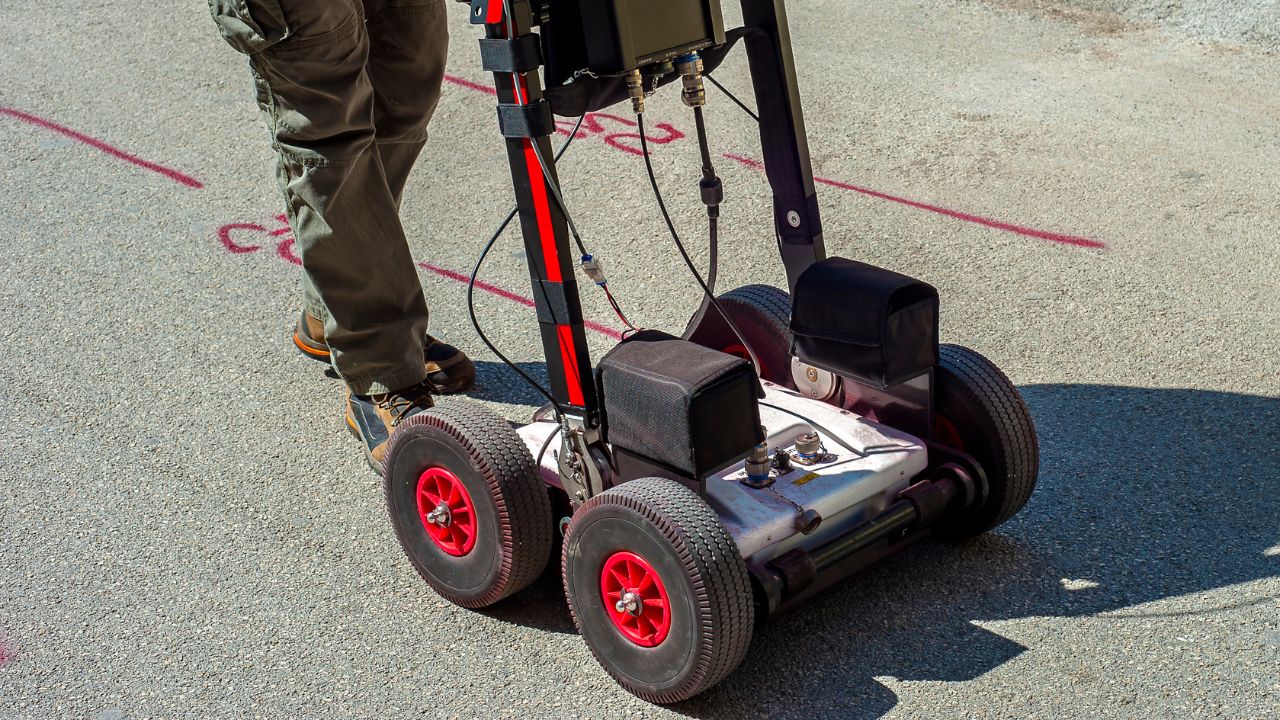
Smart utility detection:Ground-Penetrating Radar and digital mapping integration to locate utilities before digging
Predictive maintenance: AI algorithms predicting service needs before breakdowns cause downtime
Laser-guided excavation: Precision guidance systems reducing over-excavation risks
Wearable technology integration: Worker devices monitoring health, air quality, and utility proximity
What Does The Future Hold For Hydrovac Technology In Commercial Projects?
Market data confirms what contractors already know: hydrovac is becoming the industry standard. Growth projections and adoption trends point to accelerating demand.
Hydrovac Will Reshape Commercial Construction
The industry shows robust growth that positions hydrovac as central to commercial construction's future. Urbanization, infrastructure investment, and regulatory pressure all drive adoption.
Projected future impacts:
Market expansion: Global hydrovac trucks market projected at 5.53% CAGR through 2033; U.S. market expected to reach $1.18 billion by 2034
Broader industry adoption: Construction sector holds 36.1% market share (2023); demand grew 29% between recent measurement periods
Infrastructure investment alignment: $9.5 trillion annual global infrastructure spending sustains demand; U.S. Infrastructure Investment and Jobs Act accelerates adoption
Industry standardization: Technology becoming the default for precision excavation across commercial, industrial, and municipal applications
Reduced excavation costs: Efficiency gains and competition are driving cost reductions
Automation integration: AI-driven systems enabling automated excavation with real-time soil analysis
Robotic excavation systems: Remote-controlled and autonomous hydrovac robots for hazardous environments
Smart city integration: Technology positioning for urban infrastructure as cities densify
Sustainability mandates: Eco-friendly construction demands driving water recycling and emission reduction
Regulatory evolution: Stricter safety rules (following Canadian CCGA model), creating compliance-driven U.S. demand
Vehicle efficiency improvements: Hybrid and electric power reduce operational costs and environmental impact
Data-driven operations: Historical data enabling better planning, risk assessment, and budgeting
Fleet expansion: Industry leaders like Badger Infrastructure Solutions are targeting 1,710–1,760 units by year-end 2025
Market consolidation: Strategic acquisitions enhancing service offerings and driving innovation
Why Hydrovac Is The Go-To Solution For Commercial Contractors
Hydrovac technology offers commercial contractors numerous advantages, making it the preferred choice for excavation. It is 10 times faster than hand digging, allowing projects to be completed in one-third the time with half the crew, resulting in significant cost savings, up to four times cheaper. Its precision ensures accurate potholing and daylighting, preventing utility damage and enhancing safety by eliminating the risk of utility strikes and trench collapses.
Hydrovac is also a non-destructive method that meets OSHA, DOT, and environmental regulations, reducing liability while operating year-round in all weather conditions. Additionally, it supports sustainable construction practices by minimizing emissions and recycling water. Hydrovac's efficiency leads to lower insurance costs, and its market growth, coupled with ongoing innovations in automation and sustainability, underscores its value.
Ready to Incorporate Hydrovac Into Your Next Project?
Hydrovac technology offers the speed, precision, and safety your commercial projects demand.Contact Bess Utility Solutions today for a consultation and discover how hydrovac can reduce costs, protect underground infrastructure, and keep your projects on schedule. Need a quick estimate?
We prioritize clear communication and reliable solutions to meet your specific requirements. Get in touch with us today, and let's work together to ensure the safety and efficiency of your projects.
We prioritize clear communication and reliable solutions to meet your specific requirements. Get in touch with us today, and let's work together to ensure the safety and efficiency of your projects.