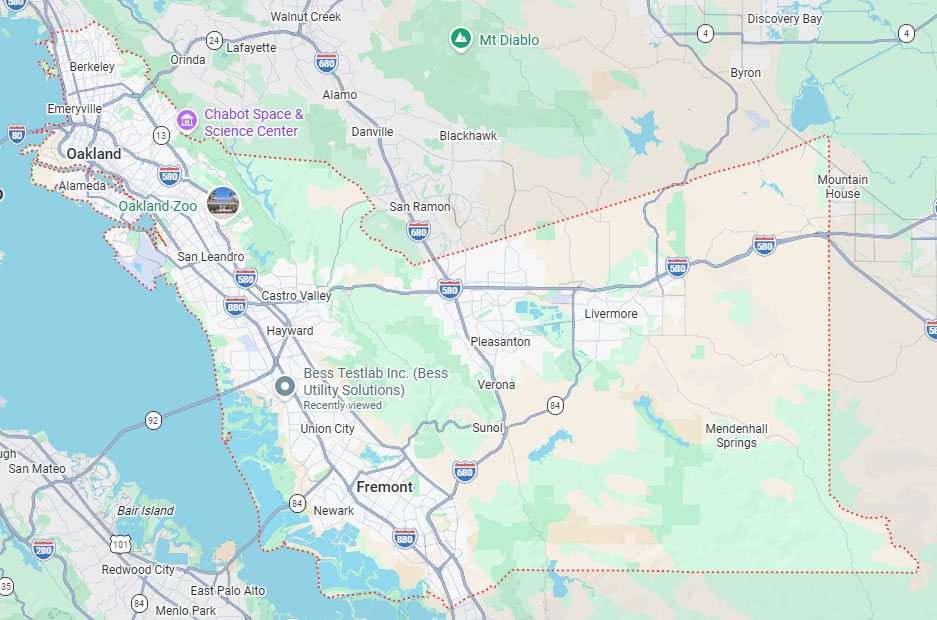
Hayward, CA
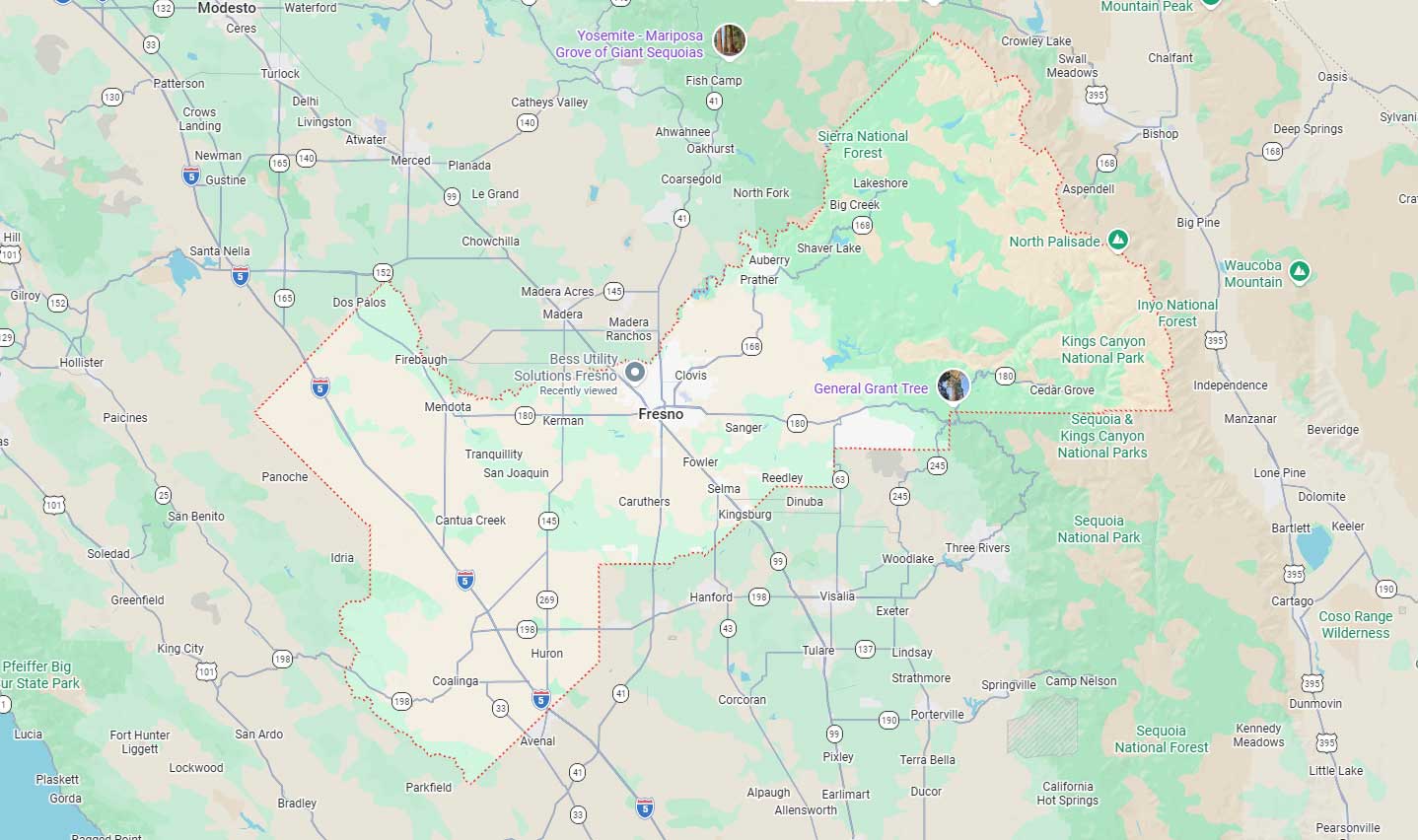
Fresno, CA
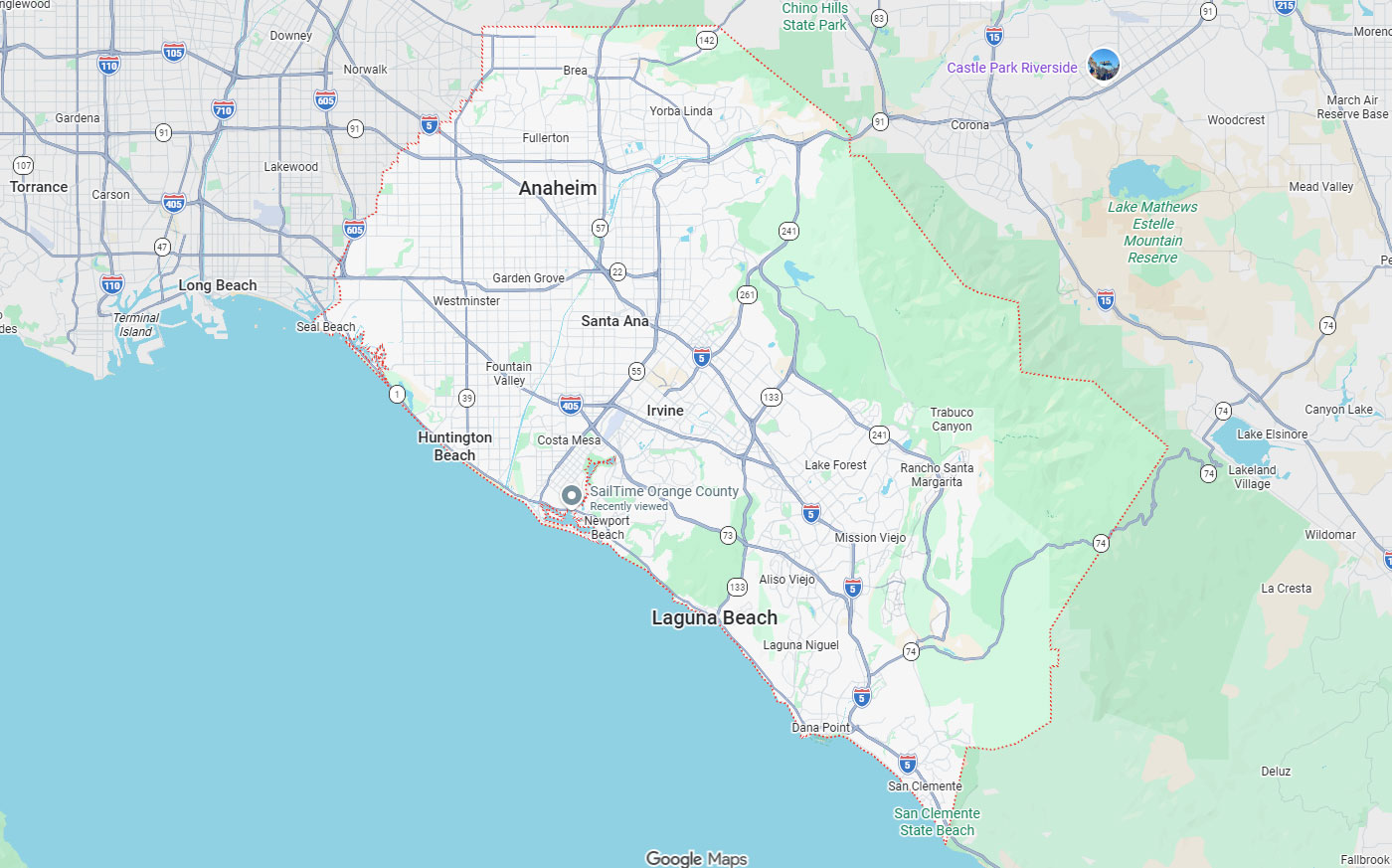
Orange, CA
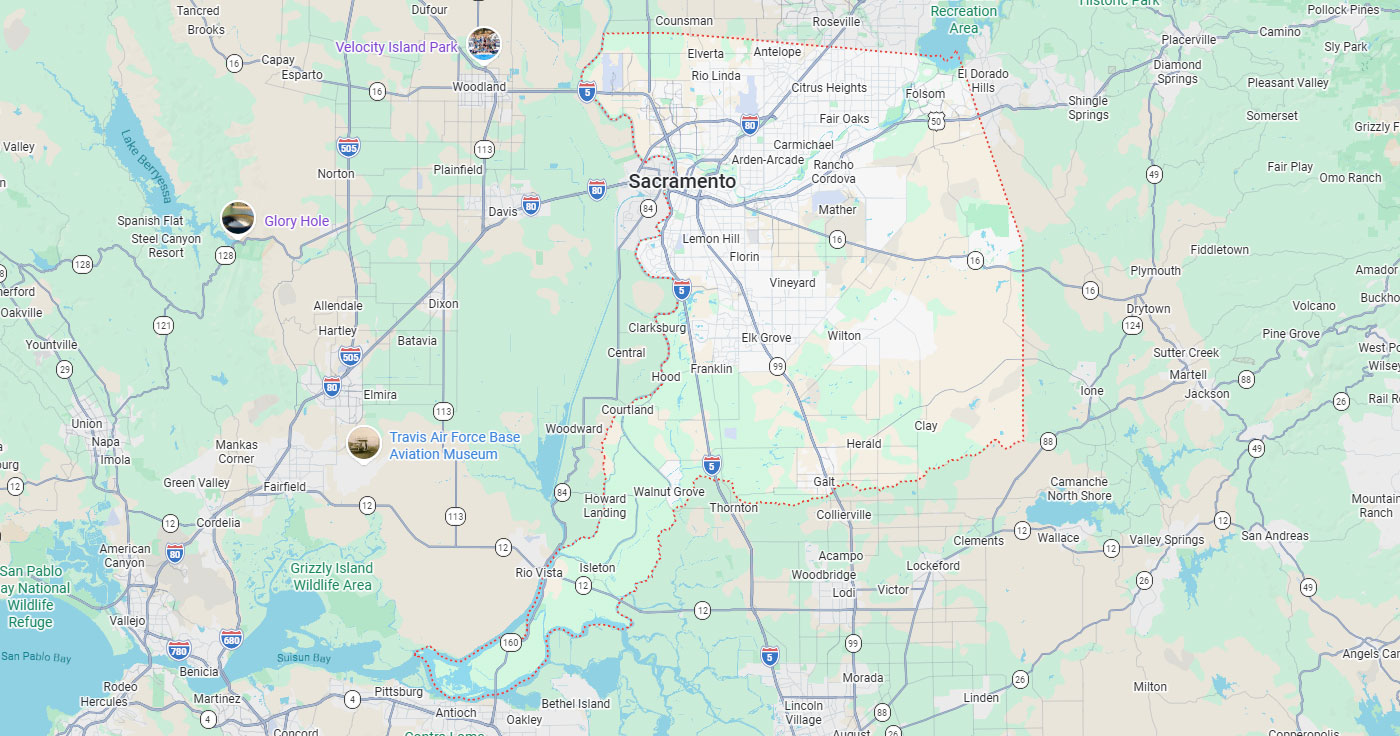
Sacramento, CA
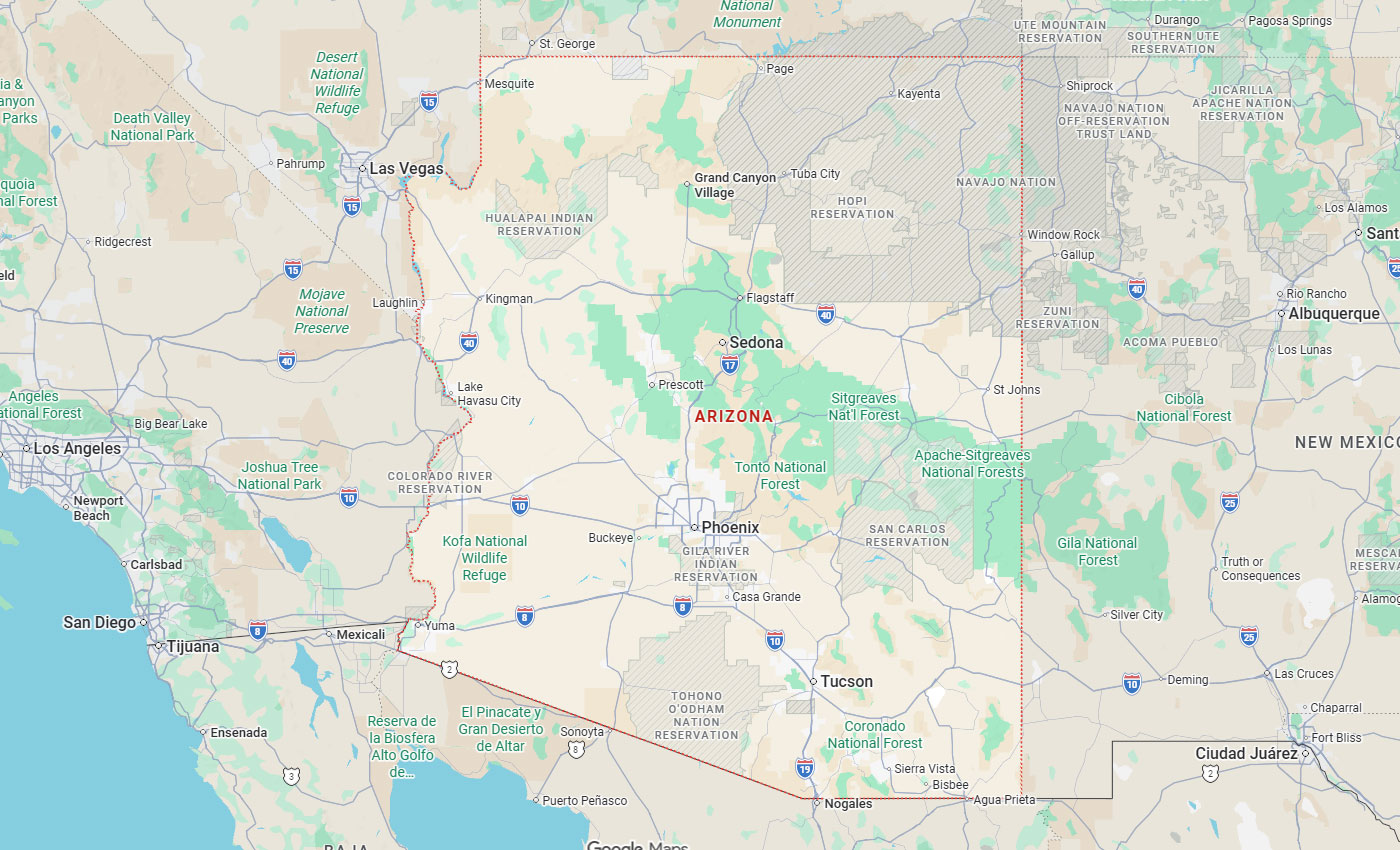
Phoenix, AZ
Drone LIDAR mapping transforms how California utilities document infrastructure and assess risk across service territories. This technology combines laser scanning precision with aerial mobility to capture detailed 3D data for power lines, vegetation, and assets. Utilities gain faster surveying capabilities supporting proactive decision making for wildfire prevention and grid reliability while reducing costs.
California's regulatory environment and wildfire hazards create urgent demand for comprehensive California utility data collection. Traditional ground surveys cannot match the coverage speed and spatial detail that drone platforms provide. LIDAR sensors penetrate forest canopies to measure vegetation clearances and identify structural defects before failures occur.
Key Takeaways
Drone LIDAR uses laser pulses to measure distances and create precise 3D point clouds of utility infrastructure. Unmanned aircraft carry lightweight scanners emitting rapid pulses, typically 100,000 to 1,000,000 per second. The system records return times after reflecting off surfaces. These measurements combine with GPS and inertial navigation data to produce georeferenced models showing power lines, poles, and terrain.
LIDAR sensors capture elevation data beneath vegetation by recording multiple returns from each pulse. First returns represent the tree canopy, while subsequent returns reveal ground surface and intermediate features. This multi-return capability makes aerial mapping inspection essential for California utilities managing forested corridors. Processing software classifies billions of points like conductors, vegetation, and structures.
Drone systems reduce survey costs by 30-50% compared to manned aircraft while maintaining comparable accuracy. Helicopters carry heavier equipment and require certified pilots, increasing hourly rates to $1,500-$3,000. Drone operations cost $200-$800 per hour and can access confined areas where traditional aircraft cannot safely fly.
Choose drone LIDAR when you need cost-effective coverage for medium-sized corridors with complex terrain or limited access. Choose manned aircraft LIDAR when surveying extensive transmission networks spanning hundreds of miles, where flight endurance matters more than cost per mile.
Accuracy varies by platform type. Terrestrial LIDAR achieves 1-3 mm precision for substation surveys. Mobile LIDAR mounted on vehicles delivers 5-20 mm accuracy for accessible corridors. Drone LIDAR provides vertical precision between 0.4-1.2 inches compared to 0.8-1.6 inches for photogrammetry, meeting engineering requirements for most utility projects.
Choose terrestrial LIDAR when documenting substation layouts or structural details requiring millimeter-level accuracy. Choose drone LIDAR when vegetation management and corridor clearances need survey-grade precision without ground crew deployment.
Three integrated systems enable drone LIDAR to produce accurate geospatial data. The laser scanner emits pulses and measures return times to calculate distances. GPS receivers determine drone position with centimeter-level accuracy using base station corrections. Inertial Measurement Units (IMUs) record aircraft orientation changes to correct for pitch, roll, and yaw.
Data processing transforms raw measurements into usable point clouds. Ground control points validate positional accuracy and reduce systematic errors. Classification algorithms separate vegetation from infrastructure using geometric and spectral characteristics.
Measurement precision directly impacts safety outcomes and regulatory compliance for California utilities. Wildfire hazards increase when vegetation grows within minimum clearance distances around energized conductors. Catastrophic failures occur when structural defects like pole rot or conductor damage go undetected. Accurate clearance measurements prevent failures by identifying risks before emergency conditions develop.
Power outages result from conductor sag and clearance violations, stressing electrical systems beyond design limits. Ignition risks multiply in high-fire zones where inadequate tree clearances create potential contact points during wind events. Survey-grade LIDAR data enables utilities to measure critical distances and prioritize corrective actions.
California utility data requirements have expanded due to wildfire prevention mandates and infrastructure aging. State regulators require detailed vegetation management documentation showing compliance with Public Safety Power Shutoff protocols. Utilities must demonstrate proactive risk assessment across entire service territories. LIDAR technology delivers the spatial intelligence needed to satisfy compliance obligations while improving operational efficiency.
Aging infrastructure and extreme weather create pressure for better asset monitoring. Traditional inspection methods cannot keep pace with the volume of structures requiring assessment across mountainous terrain. Drone platforms complete corridor surveys in days rather than weeks, enabling utilities to identify hazards quickly and allocate resources to the highest-risk areas.
Los Angeles and Southern California account for 28% of state LIDAR adoption, driven by dense urban infrastructure. San Francisco Bay Area utilities represent 25% of the market share due to complex terrain and technology integration. San Diego operations comprise 22% of the adoption for coastal monitoring. The Central Valley and Sacramento regions show growing interest at 12% and 8%, respectively,y as wildfire risks expand.
Population density and fire threat severity determine adoption patterns. Southern California Edison operates in extreme fire hazard zones requiring intensive vegetation monitoring for 1.6 million trees. Pacific Gas and Electric faces similar pressures across Northern California forests.
Urban areas demonstrate 72% adoption rates compared to 45% in rural territories. Cities require precise asset inventories for underground coordination and building clearance verification. High structure density and limited access make terrestrial laser scanning valuable for substation documentation and detailed pole surveys.
Choose drone LIDAR for urban utilities when documenting distribution networks with restricted ground access or when aerial perspectives reveal clearance issues not visible from street level. Choose terrestrial systems when detailed facility documentation requires millimeter precision for engineering drawings.
Rural utilities focus on extensive corridor mapping and vegetation management across dispersed service areas. Forest interface zones create the highest fire risk where power lines traverse remote terrain with heavy fuel loads. Aerial LIDAR provides the only practical method to survey hundreds of miles of transmission lines cost-effectively.
Choose drone LIDAR for rural utilities when wildfire risk zones require comprehensive vegetation monitoring across inaccessible terrain. Choose mobile LIDAR when accessible road corridors allow vehicle-mounted surveys at lower deployment costs.
Accuracy ranks as the top priority with 95% importance when utilities evaluate LIDAR systems. Vertical precision determines whether clearance measurements meet regulatory requirements and support design decisions. Risk reduction capabilities score 90% importance as utilities shift from reactive maintenance to predictive monitoring. Cost considerations at 88% importance include total ownership expenses beyond initial hardware purchases.
Speed ranks fourth at 82% importance because faster surveying reduces project timelines and field labor. Coverage efficiency scores 75% importance for utilities managing extensive networks across challenging terrain. Integration capabilities earn 70% importance as utilities require seamless workflows with existing GIS and asset management systems.
Corridor mapping represents 38% of utility LIDAR applications and drives demand for wide-area coverage systems. Vegetation encroachment management accounts for 35%, requiring automated classification and change detection. Asset inspection comprises 18% focused on detailed structural assessment and defect identification. Risk assessment applications at 12% require integration with predictive models and environmental data layers.
Application mix varies by utility size and service territory. Transmission operators prioritize corridor mapping for long-distance high-voltage lines spanning multiple climate zones. Distribution utilities emphasize vegetation management where trees threaten medium-voltage circuits. Subsurface 3D mapping complements overhead LIDAR surveys by documenting underground infrastructure at critical crossing points.
Choose systems optimized for corridor mapping when transmission line documentation across varied terrain is the primary need. Choose vegetation-focused platforms when automated tree detection and clearance monitoring drive the business case. Choose high-resolution systems when asset condition assessment and structural analysis justify premium accuracy.
Entry-level drone systems range from $12,430 to $25,00,0, while premium survey-grade units cost $100,000 to $150,000 or more. Budget mobile systems start at $10,500 to $25,00,0, with premium versions reaching $45,000 to $60,000. Entry terrestrial systems begin at $35,000 to $45,000, and professional models range from $70,000 to $80,000 or higher. Helicopter platforms require $50,000 to $100,000 minimum, with advanced configurations exceeding $175,000 to $250,000.
Total ownership costs include software licensing fees between $2,000 and $15,000 annually, plus ongoing maintenance expenses. Hardware prices have declined significantly as sensor manufacturers achieve economies of scale.
Choose entry-level drone systems when budget constraints limit capital investment, but basic corridor documentation meets operational needs. Choose premium systems when regulatory compliance demands survey-grade accuracy and advanced processing capabilities justify the investment.
GIS compatibility enables utilities to overlay LIDAR data with existing asset records and create comprehensive digital twins. Point cloud processing software must export results in standard formats compatible with engineering analysis tools. Automated feature extraction reduces manual classification time by identifying conductors, insulators, and vegetation automatically.
Choose systems with robust GIS integration when seamless data exchange with existing enterprise platforms drives workflow efficiency. Choose platforms supporting API connections when automated data pipelines between LIDAR outputs and work management systems are required.
Drone LIDAR technology serves four critical functions that enhance utility operations and reduce infrastructure risks. Corridor mapping provides baseline documentation of power line routes. Vegetation monitoring identifies encroachment hazards and supports compliance with mandatory clearance standards in high-fire zones. Asset inspection reveals structural defects requiring maintenance before failures cause outages. Risk assessment combines spatial data with weather patterns and load forecasts to predict failure probabilities.
Corridor mapping creates detailed 3D models showing conductor positions, support structures, and surrounding topography along utility routes. The global corridor mapping LIDAR market reached USD 1,026.9 million in 2024 due to widespread infrastructure investment. Drones capture complete right-of-way profiles in single flights covering 20-50 miles per day. High-density point clouds reveal conductor sag patterns and identify spans requiring engineering analysis.
Power line inspection workflows combine LIDAR geometry with visual imagery to assess equipment condition and clearance compliance. Automated algorithms measure distances from energized wires to vegetation and buildings throughout surveyed corridors.
Choose drone LIDAR for corridor mapping when comprehensive documentation of transmission routes across mixed terrain is needed within tight project schedules. Choose helicopter systems when extensive linear infrastructure spanning multiple climate zones requires maximum daily coverage.
Vegetation monitoring programs use LIDAR to identify trees growing dangerously close to power lines. Southern California Edison monitors 1.6 million trees using helicopter-mounted systems that classify encroachment risks automatically. Point cloud analysis calculates precise distances between tree limbs and conductors to prioritize trimming operations.
Automated detection reduces manual inspection requirements and enables systematic risk ranking. Utilities schedule vegetation work based on clearance violations rather than fixed cycles. LIDAR surveys document compliance with regulatory standards and provide evidence for rate case justifications.
Choose drone LIDAR for vegetation management when wildfire prevention mandates require comprehensive tree inventory and clearance documentation across high-risk zones. Choose manual inspection when small service territories or urban areas allow efficient ground-based assessment.
Asset inspection workflows analyze point clouds to detect pole lean, cross-arm defects, and equipment degradation. Measurements identify structures exceeding allowable tilt angles that create higher failure risks during storms. Comparison surveys track settlement and movement rates for foundations in unstable soils.
Risk assessment integrates spatial data with weather patterns, load forecasts, and failure history to identify vulnerable infrastructure. Utilities prioritize capital investments using risk scores derived from multiple data sources, including LIDAR surveys. High-resolution terrain models improve fire spread predictions and help utilities determine optimal power shutoff boundaries. Utility mapping as a smart investment delivers returns through reduced outages and more efficient capital deployment.
Choose LIDAR-based asset inspection when structural condition assessment across extensive infrastructure portfolios requires standardized measurement protocols. Choose traditional climbing inspection when detailed equipment analysis or hands-on testing supplements remote sensing data.
Artificial intelligence automates classification and analysis tasks that previously required weeks of manual point cloud editing. Machine learning algorithms identify infrastructure components by recognizing geometric patterns characteristic of poles, wires, and transformers. Neural networks trained on millions of examples extract features faster and more consistently than human operators. Processing times decrease from weeks to days for large corridor surveys.
AI integration addresses the primary bottleneck limiting LIDAR adoption by utilities with limited technical staff. Automated workflows enable smaller utilities to access advanced analytics without maintaining specialized expertise in-house. Processing hundreds of miles manually requires weeks of work,k even with modern software tools.
Automated classification separates vegetation from infrastructure with 95% accuracy when properly trained on local conditions. Machine learning identifies conductor types, insulator styles, and equipment models from geometric and spectral signatures. Algorithms measure clearances between all identified objects and flag violations requiring field verification or corrective action.
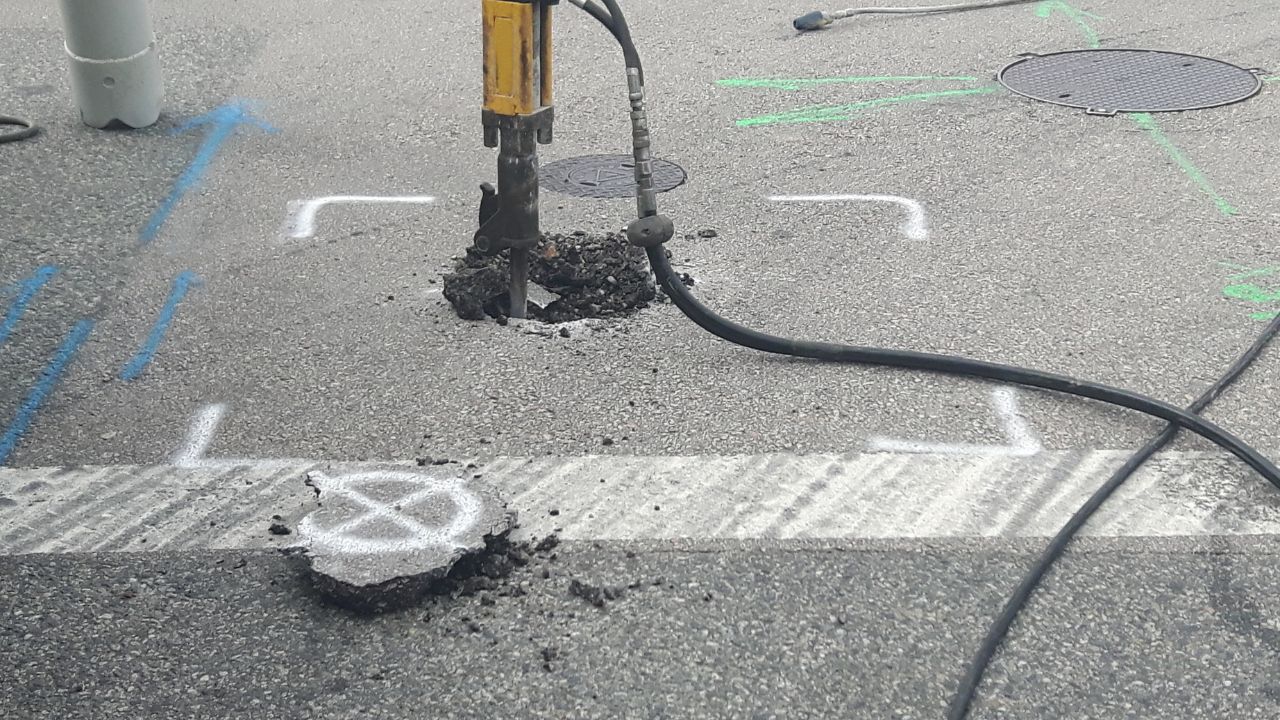
Feature extraction speed enables utilities to process entire service territories annually rather than sampling small sections. Rapid turnaround supports emergency response by quickly mapping damage after storms or identifying fire risks during extreme weather. The technology behind underground utility locating continues evolving as AI improves detection capabilities.
Choose AI-powered processing when large-scale corridor surveys generate data volumes exceeding manual classification capacity. Choose traditional processing when small projects or specialized analysis requirements demand human expertise and quality control.
Predictive maintenance programs use AI-analyzed LIDAR data to forecast failures before equipment stops functioning. Algorithms identify early warning signs like minor pole lean or vegetation growth rates exceeding normal patterns. AI-powered LIDAR can cut outage risks by up to 70% through proactive intervention based on condition trends. Maintenance crews receive prioritized work lists ranked by failure probability rather than simple age-based replacement schedules. Choosing AI-enabled predictive maintenance when shifting from reactive repairs to condition-based strategies justifies investment in advanced analytics platforms. Choose traditional time-based maintenance when asset populations are small, or failure consequences don't warrant predictive monitoring costs.
GIS specialists achieve 90% adoption rates as primary users who process point clouds into usable information products. Infrastructure engineers demonstrate 82% adoption using LIDAR for design verification and structural analysis,s requiring precise measurements. Vegetation management managers show 75% adoption for automated tree detection and clearance monitoring across extensive territories. Project managers achieve 68% adoption using LIDAR outputs to track construction progress and validate completed work.
Global LIDAR market size reached USD 2.74 billion in 2024 and is projected to grow to USD 4.71 billion by 2030. This expansion reflects improving technology and declining hardware costs that accelerate adoption. The market grows at a CAGR of 9.5% from 2025 to 20,30 driven by autonomous systems and infrastructure applications. Drone-based adoption increases at 20% annually as prices drop and capabilities improve. The hardware segment holds 80.4% market share in 2025, indicating continued investment in sensor technology and platform integration. Software and services represent growing revenue opportunities as utilities shift from hardware ownership to data subscription models.
Entry-level professional drone LIDAR systems start at $12,430, providing basic corridor mapping capabilities. Mid-range systems between $25,000 and $75,000 offer improved accuracy and point density for detailed vegetation analysis. Premium survey-grade platforms ranging from $100,000 to $150,000 deliver maximum precision and advanced features. Custom helicopter installations exceed $175,000 for large-scale programs requiring wide-area coverage.
Choose entry-level systems when initial LIDAR deployment focuses on corridor documentation with standard accuracy requirements. Choose mid-range platforms when vegetation management applications demand enhanced point density and automated classification. Choose premium systems when regulatory compliance and engineering design require survey-grade precision.
Subscription models reduce entry barriers by 40-60% compared to traditional hardware purchases requiring large capital investments. Utilities access processing software, cloud storage, and analytical tools through monthly fees scaled to usage. Service providers offer turnkey solutions, including flight operations, data processing, and deliverable creation without equipment ownership.
Choose subscription models when capital budget constraints limit hardware purchases or when project volumes don't justify equipment ownership. Choose hardware ownership when consistent high-volume survey programs and in-house technical capacity make capital investment more cost-effective over multi-year periods.
Software licensing costs between $2,000 and $15,000 annually, depending on feature sets and the number of user seats. Processing software, classification tools, and analytical modules each carry separate license fees. Maintenance expenses add 10-15% of hardware value annually for sensor calibration, component replacement, and technical support.
Training programs cost $3,000 to $10,000 per employee for comprehensive certification in LIDAR operation and data processing. Insurance premiums for commercial drone operations range from $1,500 to $5,000 annually based on coverage limits. Regulatory compliance requires pilot licensing, aircraft registration, and operational approvals, adding administrative overhead.
Drone LIDAR mapping has fundamentally changed how California utilities document infrastructure and manage operational risks. The technology delivers survey-grade accuracy at costs 30-50% lower than traditional methods while dramatically reducing field time. Wildfire prevention mandates and aging infrastructure create urgent demand for comprehensive spatial data supporting proactive maintenance. AI-powered processing workflows transform raw point clouds into actionable intelligence, identifying hazards before failures occur.
Adoption accelerates as prices decline and regulatory requirements expand across California's diverse service territories. Utilities gain faster surveying capabilities that support better decision-making for vegetation management and asset inspections. Integration with existing GIS platforms enables seamless workflows from data collection through engineering analysis and work execution.
California's leadership in LIDAR adoption reflects the state's commitment to grid modernization and public safety improvements. Statewide initiatives provide foundational datasets that individual utilities enhance with detailed corridor surveys. Professional adoption spans multiple roles from GIS specialists to project managers who each extract value from spatial data.
The utility sector's digital transformation demands accurate spatial intelligence that only advanced sensing technologies can provide efficiently. Drone LIDAR represents a proven solution meeting accuracy, coverage, and cost requirements simultaneously. Future developments in AI processing and sensor miniaturization will further expand capabilities and reduce operational barriers. California utilities embracing these technologies position themselves to meet regulatory mandates while improving service reliability and operational efficiency.
Drone LIDAR mapping delivers the accuracy and speed California utilities need to meet regulatory demands while protecting infrastructure and communities. The technology transforms vegetation management, corridor documentation, and risk assessment across challenging terrain. As adoption accelerates and AI-powered processing evolves, utilities gain unprecedented visibility into their networks. At Bess Utility Solutions, we combine advanced LIDAR capabilities with deep utility sector expertise to help you implement comprehensive mapping programs. Our team understands the unique challenges California utilities face, from wildfire prevention mandates to aging infrastructure assessments. Contact us today to discuss how our integrated mapping solutions can support your operational goals and regulatory compliance requirements.