Hayward, CA
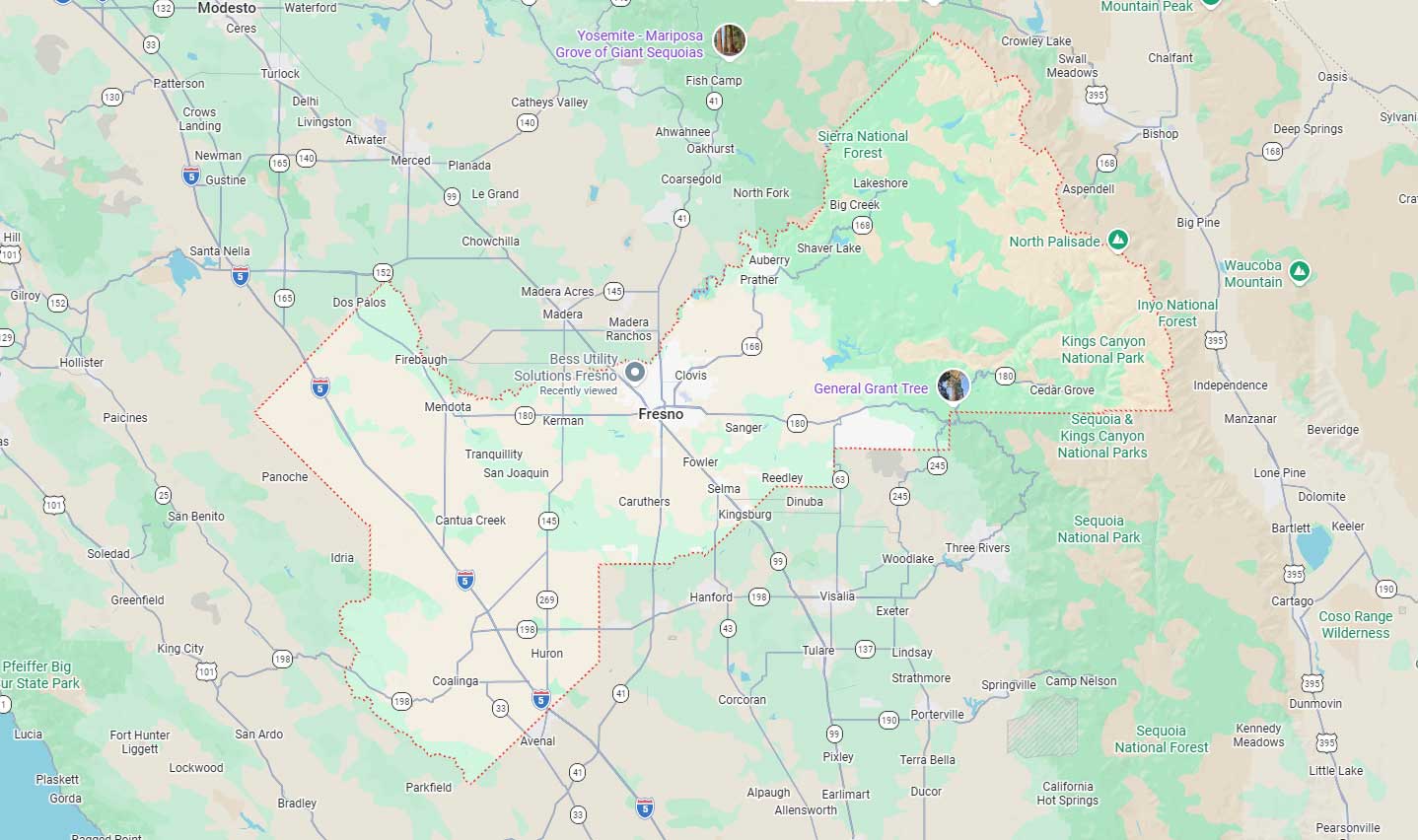
Fresno, CA
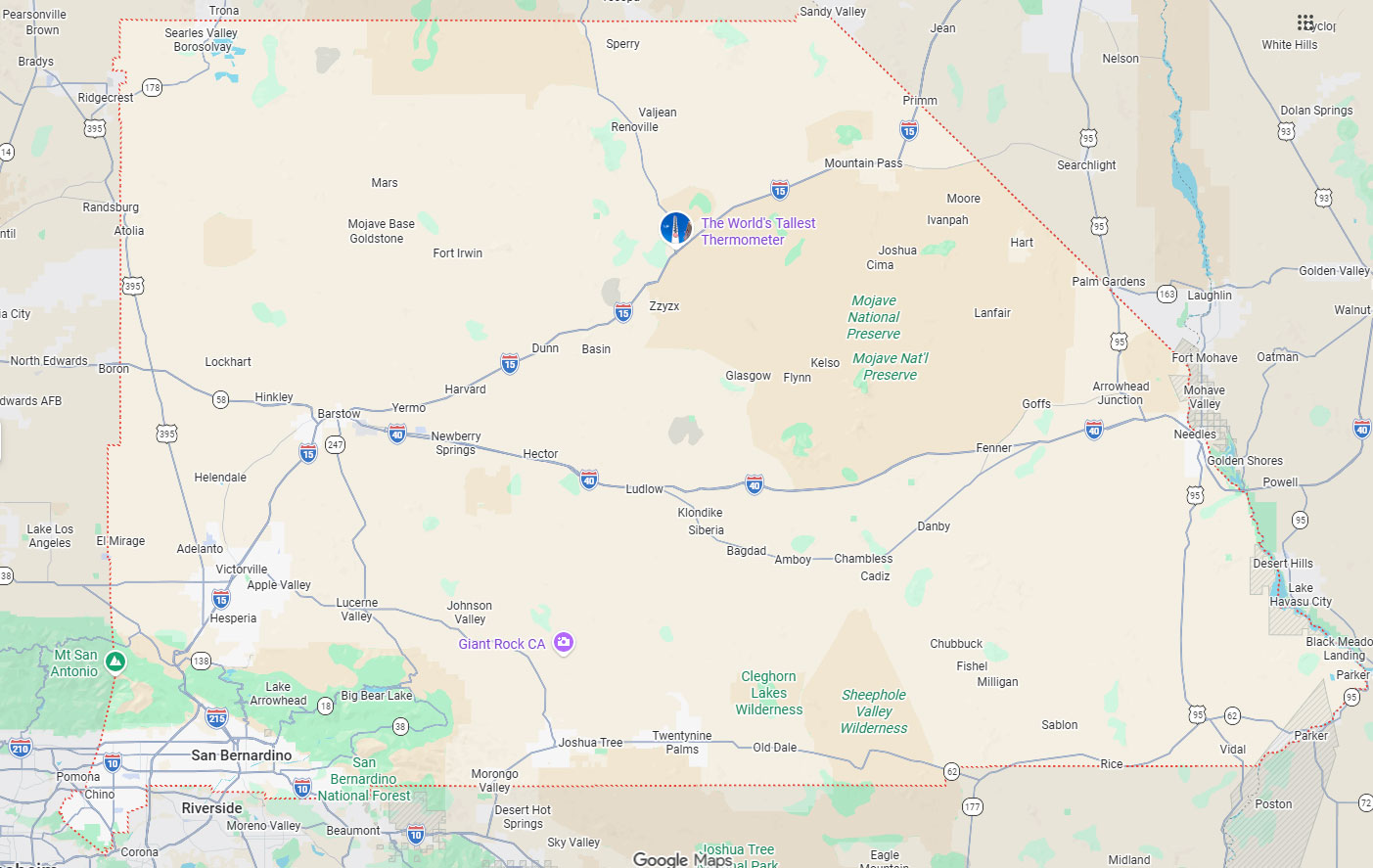
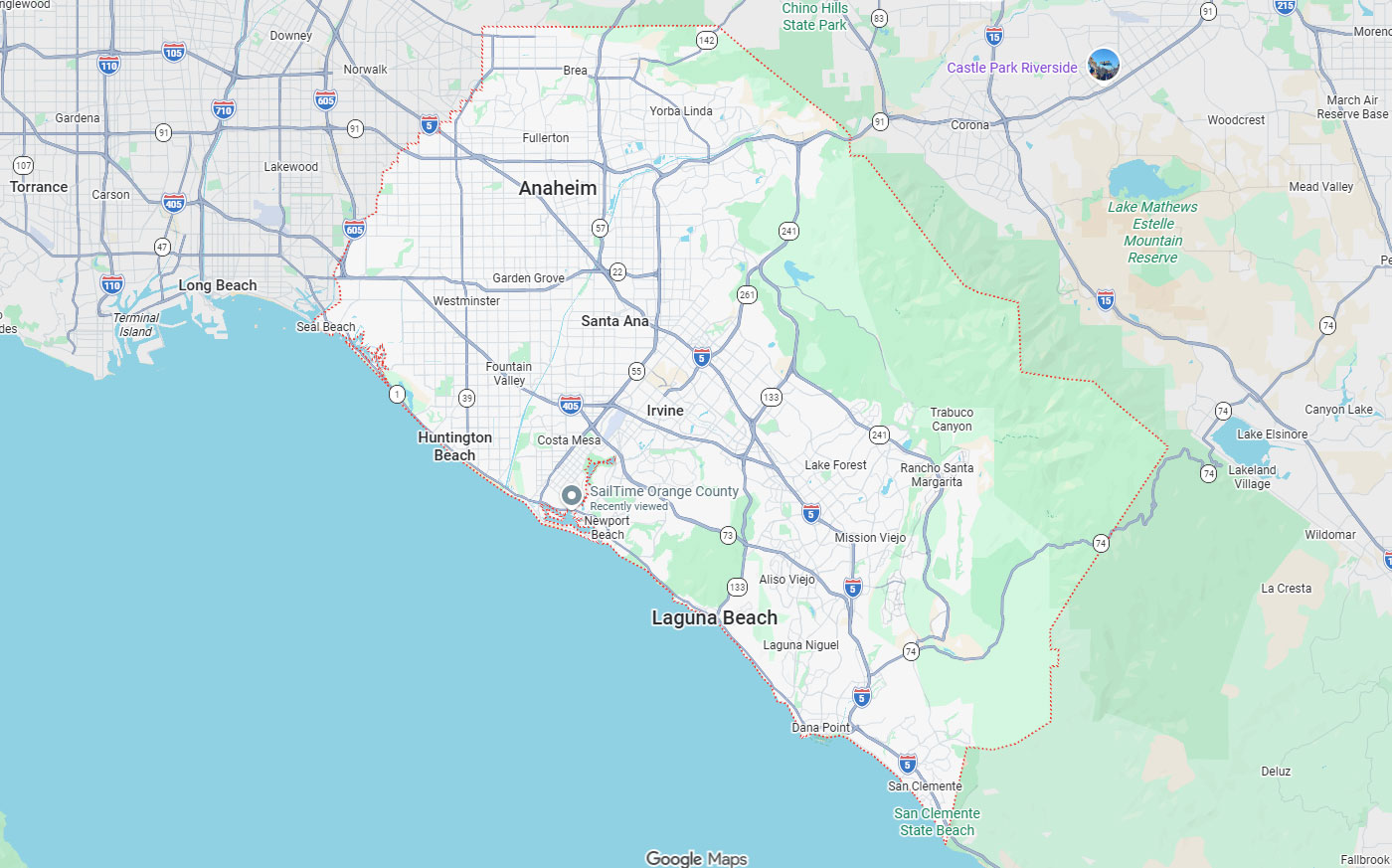
Orange, CA
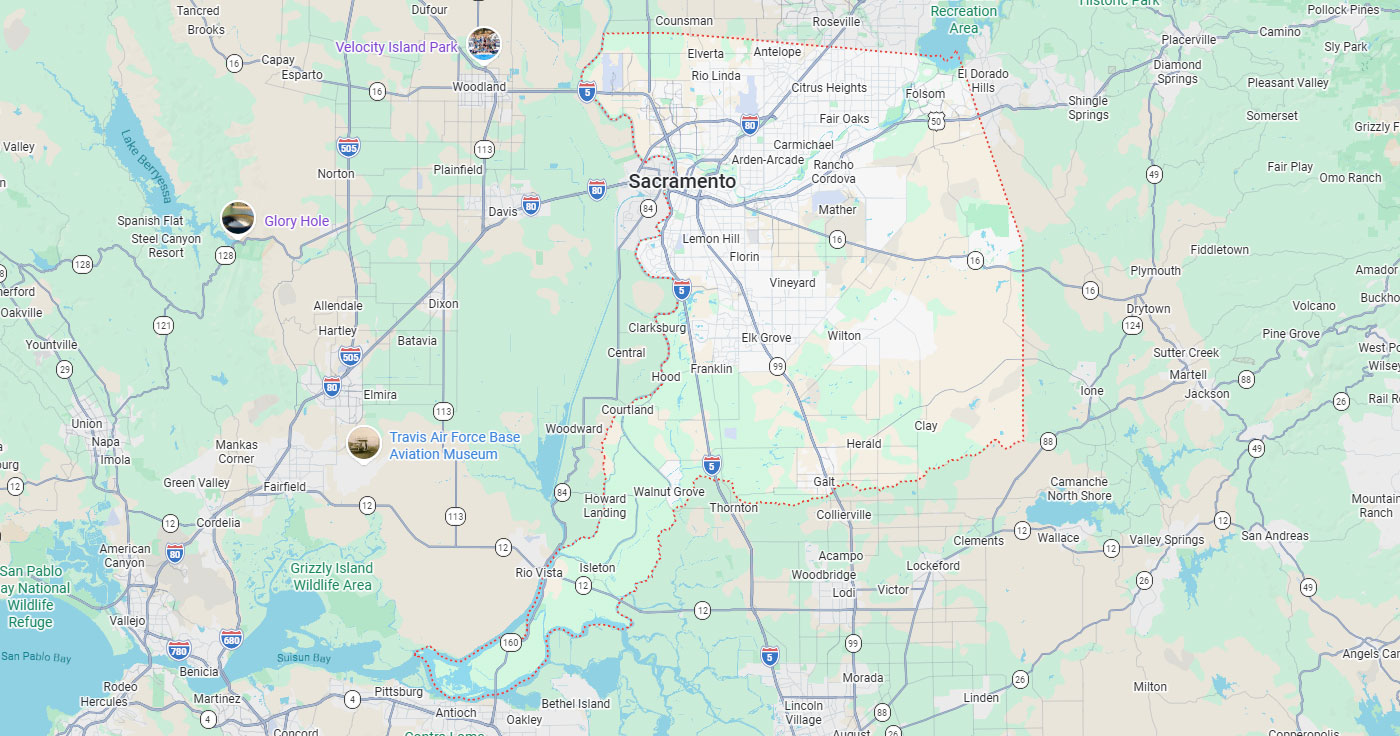
Sacramento, CA
Phoenix, AZ
Key Takeaways
Traditional excavation methods served the industry for decades. But congested underground infrastructure, escalating utility strike costs, and tighter project timelines have changed the equation. In 2019 alone, excavation-related utility damages cost the U.S. $30 billion. Vacuum truck technology offers a precision alternative that eliminates most of that risk while accelerating project completion.
This guide covers vacuum truck excavation timing, how to select the right equipment, and what cost and safety factors should drive your decision.
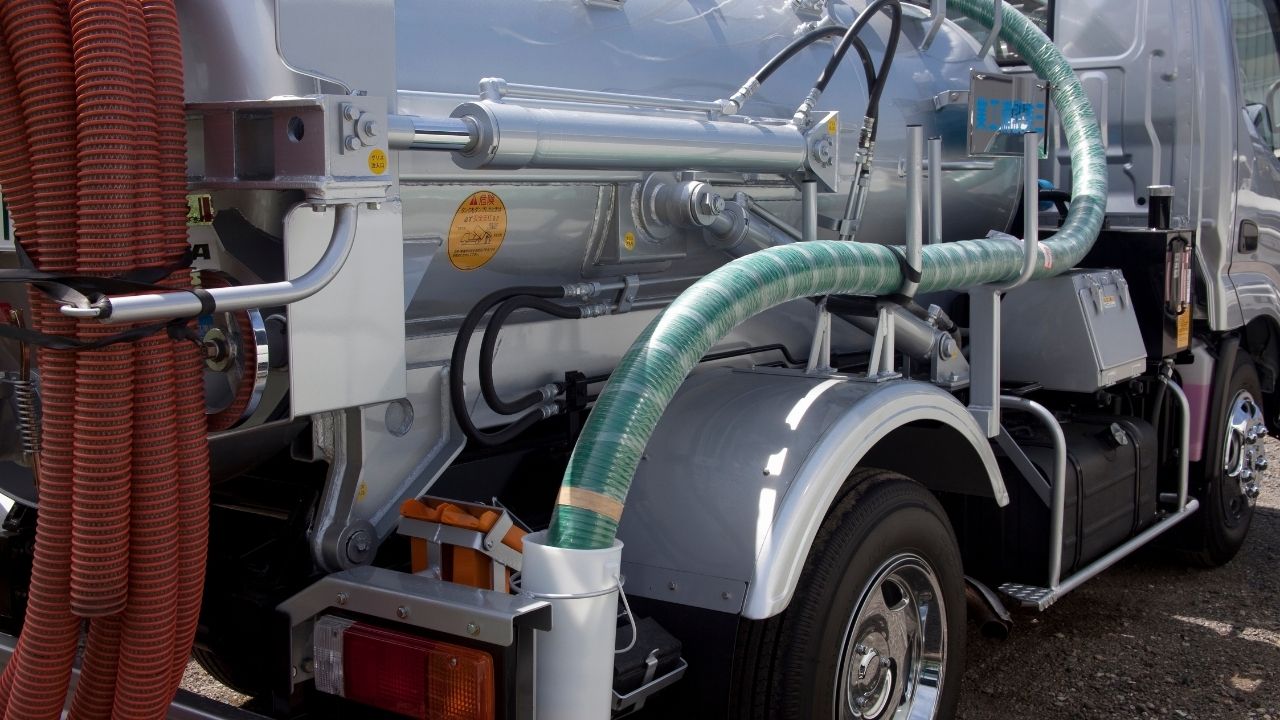
A vacuum truck combines high-pressure water and industrial vacuum suction to excavate soil without mechanical force.
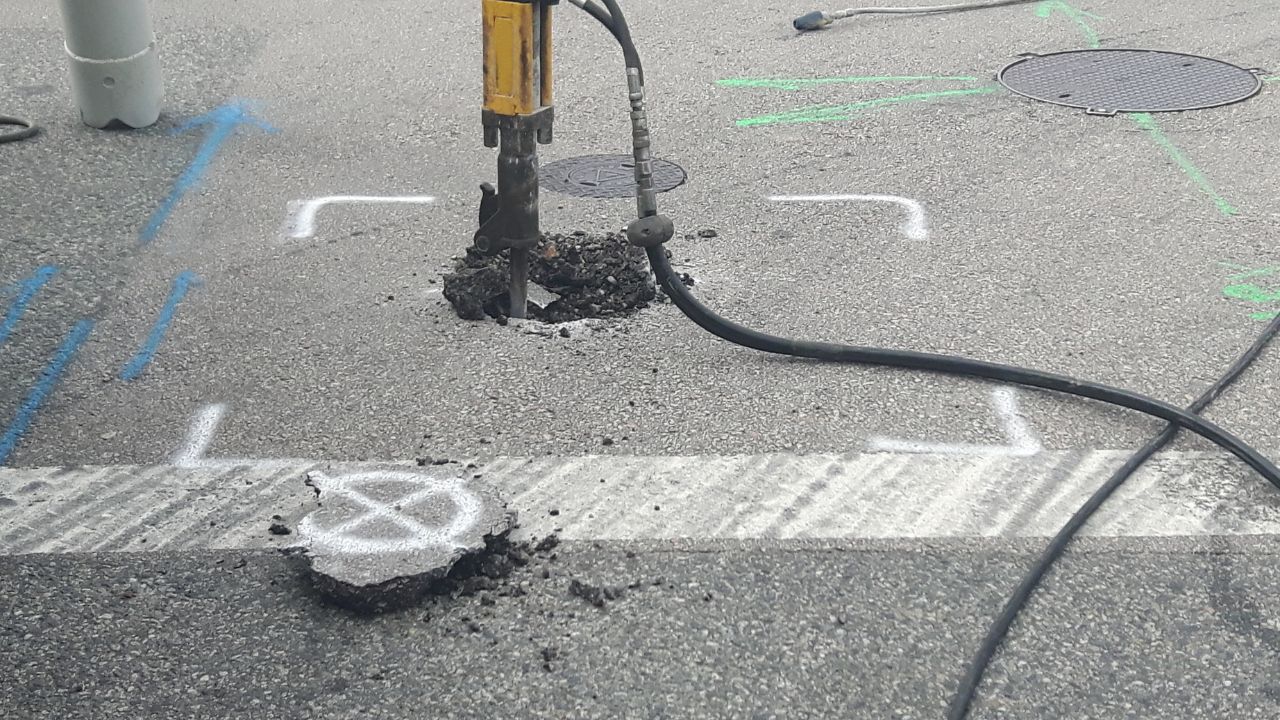
Hydrovac units spray pressurized water to cut and liquefy soil. A powerful vacuum simultaneously removes the slurry into an onboard debris tank. The truck-mounted system contains both fresh water and excavated material, making it a self-contained, non-destructive alternative to backhoes and trenchers.
The technology originated in Canada, where frozen ground made traditional tools ineffective. Modern units feature heated water tanks for cold-weather operation, extendable booms for remote access, and blowers capable of moving material from depths exceeding 20 feet. This precision enables potholing or daylighting, creating targeted test holes to visually confirm exact utility positions.
The result is ASCE Quality Level A data: ±0.25" horizontal and ±0.5" depth accuracy. Mechanical excavation tolerances run ±12-18", up to 72 times less precise.
Vacuum trucks deliver faster completion, lower total costs, and dramatically reduced labor requirements.
The numbers are straightforward. Hydrovac excavation runs 10 times faster than traditional methods and costs at least 4 times less in total project expenses. A standard two-person crew replaces the 4-8 workers required for conventional excavation, a 50-75% labor reduction. One documented project showed hydrovac for excavation projects, completing work in one-third the time with half the team size. Across project scales, total cost savings range from 22% to 34%.
Precision compounds the savings. Surgical excavation means less backfill and site restoration confined to small areas. A single unit handles potholing, trenching, and debris removal, simplifying logistics and improving equipment utilization.
Vacuum excavation eliminates the primary causes of excavation injuries and fatalities. Seventy-five percent of utility industry damages come from shovel strikes. Since 2000, utility strikes during excavation have caused over 400 deaths and 2,000 injuries.
The Common Ground Alliance recognizes vacuum excavation as the safe method for working within utility tolerance zones. Workers stay positioned away from the excavation point. Cold water settings protect heat-sensitive infrastructure like plastic pipes, fiber optics, and pipeline coatings. Traditional excavation risks, explosives, cave-ins, falling debris, and landslides don't apply to hydrovac operations.
Deploy vacuum trucks when precision matters, utilities are present, or conditions demand non-destructive methods.
Vacuum excavation for commercial projects excels in specific applications:
Match your excavation method to project conditions:
| Criteria | Deploy Hydrovac | Deploy Mechanical |
| Utility Presence | High density, known or unknown | Verified absence |
| Project Location | Congested urban, tight spaces, remote | Open, accessible sites |
| Soil Conditions | All types, including frozen | Soft to moderate; inefficient frozen |
| Excavation Goal | Precision locating, slot trenching | Bulk earthmoving, grading |
| Risk Tolerance | Low; hospitals, data centers, critical infrastructure | High; low-consequence areas |
| Restoration Impact | Minimal surface disruption needed | Large-scale restoration acceptable |
Vacuum trucks handle most soil types and wet debris, but cannot process large solid objects or reuse excavated material as backfill.
Hydrovac systems work effectively across a wide range of materials:
Large, solid objects like rocks and heavy debris can damage or block the vacuum system. Operators must screen for oversized materials before extraction.
One critical limitation: slurry removed by hydrovac cannot backfill the excavation hole. The liquefied material lacks the structural integrity required for compaction. All excavated material must be transported to a designated dump location away from the job site. Factor this disposal requirement into project planning and costs.
Match truck capacity to project scale, and select features based on site conditions and excavation requirements.
| Truck Model | Water Capacity | Debris Capacity | Ideal Use Case |
| F3 (Small) | 1,250 gallons | 10 cubic yards | Residential, smaller commercial jobs |
| F4 (Medium) | 1,550 gallons | 12 cubic yards | Medium commercial projects, balanced flexibility |
| F5 (Large) | 1,950 gallons | 12 cubic yards | Large-scale industrial excavation, extended operations |
Selection criteria extend beyond tank size:
For help selecting the right equipment, request a quote for your specific project requirements from professionals.
Hydrovac services run $375–$475 per hour, but total project costs typically fall 22–34% below traditional excavation.
The hourly rate exceeds the backhoe rental. However, the total project equation favors hydrovac when accounting for labor, damage prevention, and restoration. Industry contractors consistently report that higher hourly costs are offset by eliminating utility damage expenses and reducing site restoration scope. Understanding vacuum truck commercial use economics requires looking beyond the hourly rate.
Maximize value through these factors:
Traditional methods cost less per hour but carry significantly higher total project costs and utility damage risks.
Alternative commercial excavation methods include:
| Method | Relative Cost | Time Efficiency | Utility Damage Risk | Best Application |
| Vacuum Truck (Hydrovac) | $$ hourly / $ total | High (10x faster) | Very Low (1% of damages) | Utility-rich areas, precision work |
| Backhoe/Mechanical | $ hourly / $$ total | Moderate | Very High (48% of damages) | Bulk earthmoving, open sites |
| Manual Digging | $ | Low | High (75% from shovels) | Very small areas, tight spaces |
| Horizontal Directional Drill | $$ | Moderate | Moderate | Underground boring, minimal surface impact |
The damage statistics tell the story. Backhoes cause nearly 50% of all utility damages nationally. Hydrovac equipment accounts for just 1%. Contractors using traditional methods are responsible for over 75% of all utility strike incidents. In 2019, excavation-related utility damages cost the U.S. an estimated $30 billion. Method selection directly impacts both project risk and bottom line.
Hydrovac operations minimize site disturbance, contain all waste materials, and eliminate utility damage that can release hazardous substances.
Vacuum excavation reduces environmental impact across multiple dimensions:
All excavated material is contained and transported to designated disposal sites. This closed-loop approach prevents on-site contamination and ensures proper handling.
Intact utilities mean no hazardous material releases from struck gas, sewer, or chemical lines. Precision excavation also reduces restoration waste, less backfill, less repaving, and less landscaping replacement. A single hydrovac unit handles large volumes of liquid waste and debris without multiple equipment transfers or spillage risks.
Consistent maintenance preserves performance, while proper safety protocols address an industry where 1–2 utility strikes occur every minute nationwide.
Keep equipment operational with these practices:
The stakes are high. Between 400,000 and 800,000 utility strikes occur annually in the U.S. Each incident averages $4,000 in direct costs, plus indirect costs 29 times greater, for $120,000 total impact. Seventy-six percent of these strikes are avoidable with proper methods and precautions.
Required safety protocols include:
Proper implementation delivers measurable results. Black Hydrovac documented the prevention of over 17,000 utility strikes through consistent vacuum excavation methods, proof that the technology works when correctly deployed.
Choose hydrovac when utilities are present, precision matters, or risk tolerance is low; the economics and safety data support this decision across most commercial scenarios.
The performance data is clear:
| Factor | Choose Hydrovac If... | Mechanical May Suffice If... |
| Utility Density | High or unknown utility presence | Verified utility-free area |
| Location Type | Congested urban, tight spaces, remote areas | Open, accessible sites |
| Risk Environment | High-consequence (hospitals, data centers, critical infrastructure) | Low-consequence, minimal liability exposure |
| Excavation Purpose | Precision locating, slot trenching, targeted repair | Bulk earthmoving, large-scale grading |
| Weather Conditions | Cold weather, frozen ground | Moderate conditions, unfrozen soil |
| Restoration Requirements | Minimal surface disruption needed | Extensive restoration acceptable |
"I wholeheartedly believe this is the future of excavation. For any companies that dig around utilities, it's not a matter of if they will need a hydrovac. It's when."
The question is no longer whether to adopt vacuum truck technology, but how to integrate it most effectively into project planning and execution. As subsurface environments become increasingly congested and the consequences of utility strikes more severe, the precision, safety, and efficiency of vacuum excavation will define successful and profitable commercial excavation projects.
Ready to discuss vacuum excavation for your next project? Contact Bess Utility Solutions for expert guidance and service.