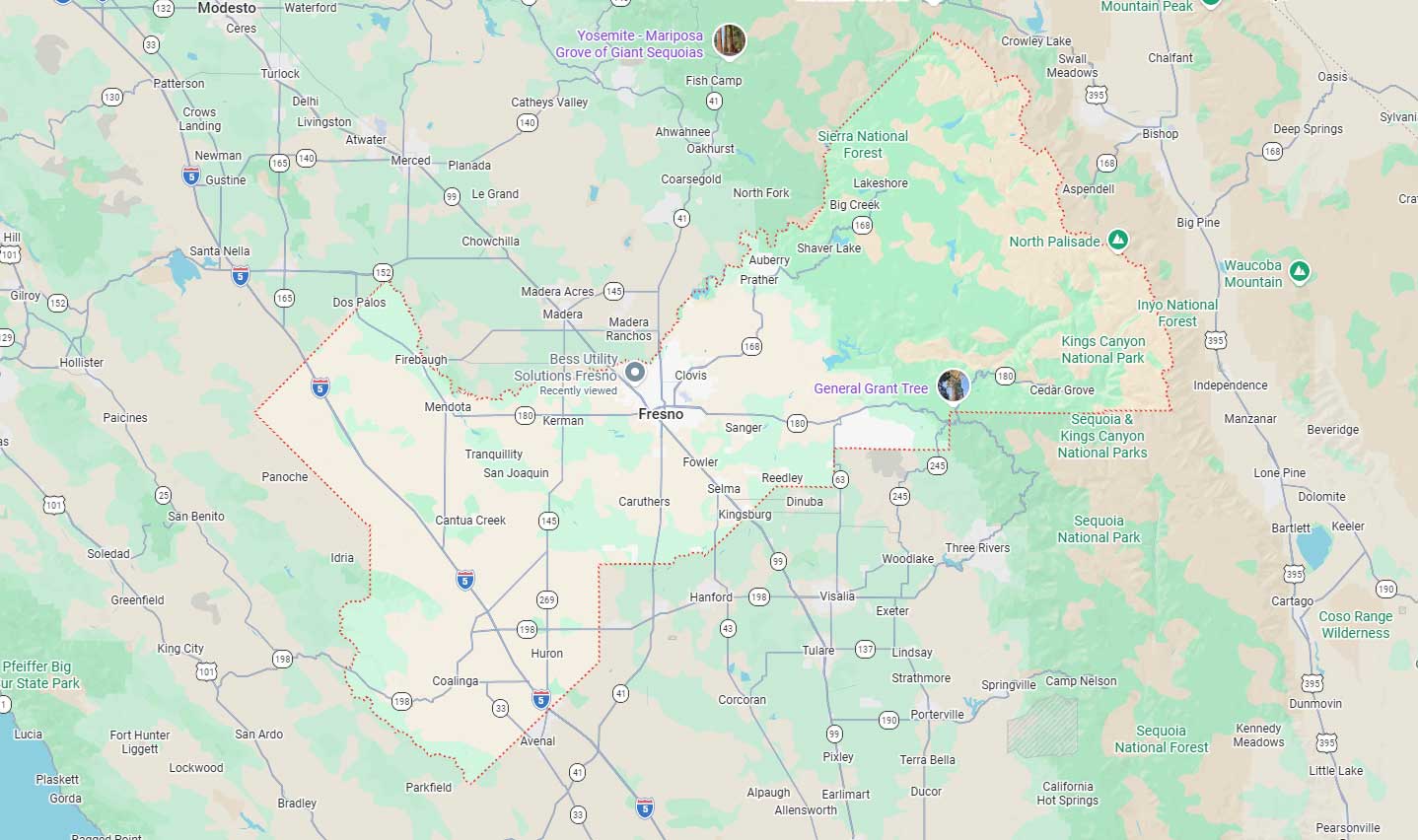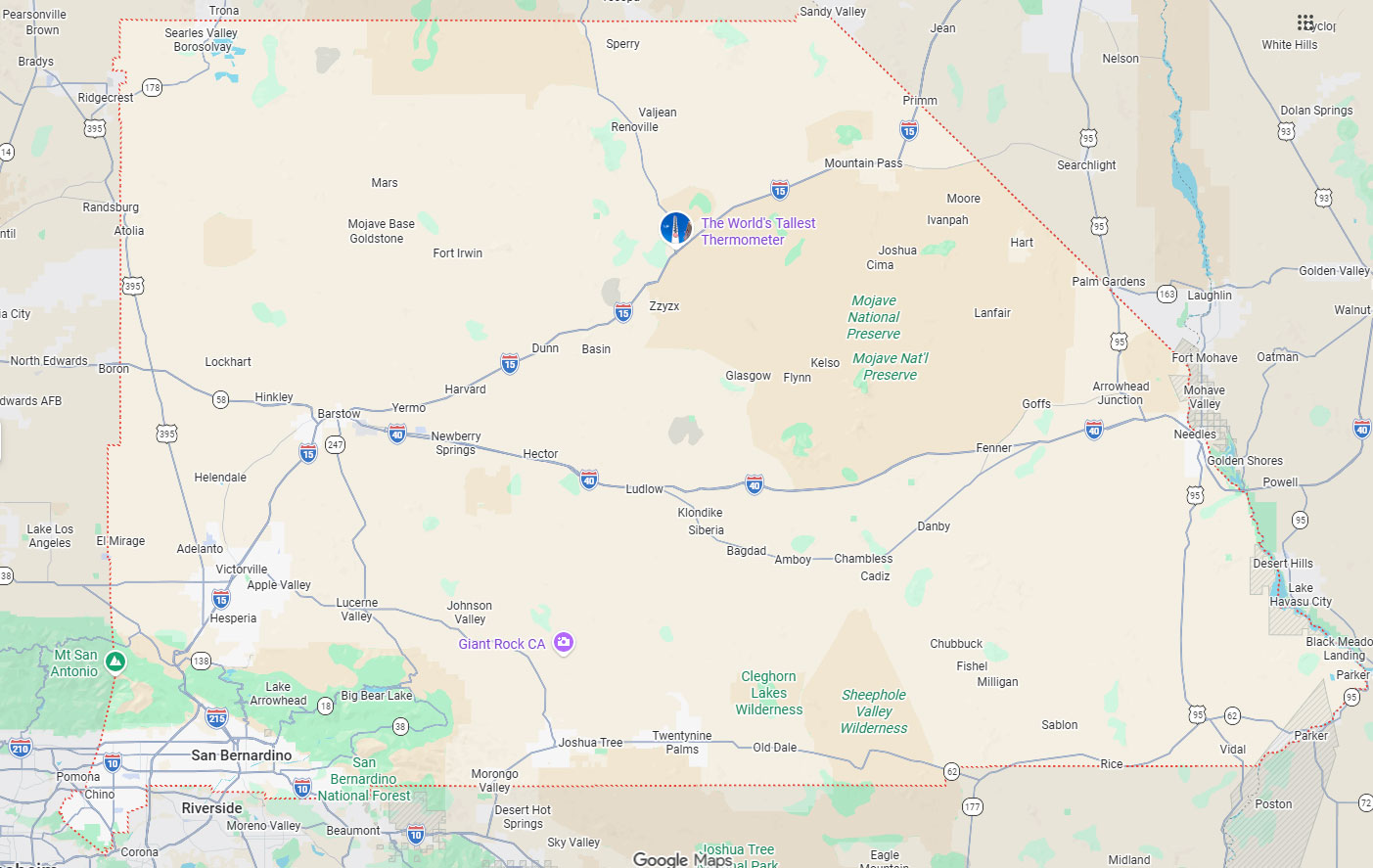
Hayward, CA
Fresno, CA
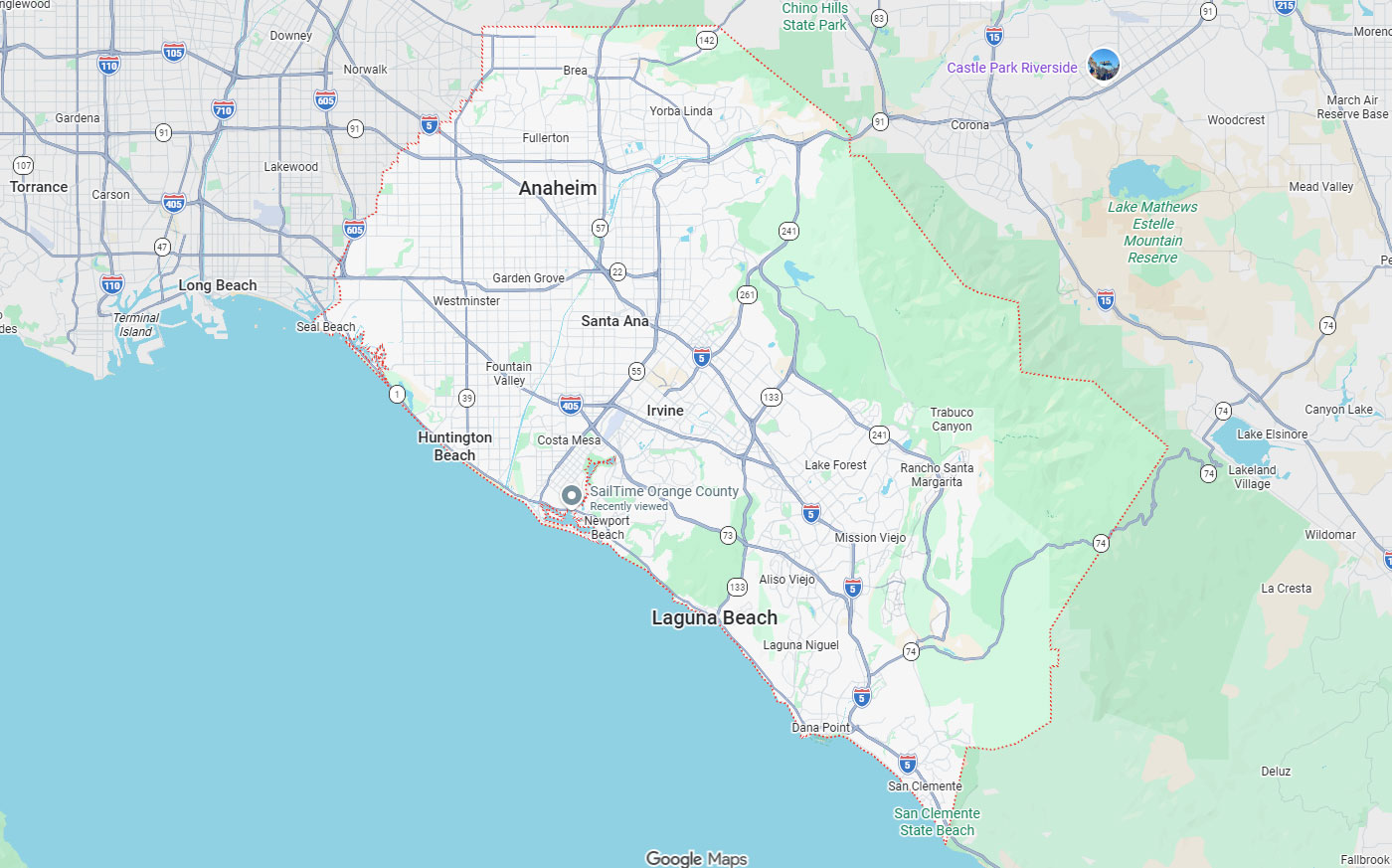
Orange, CA
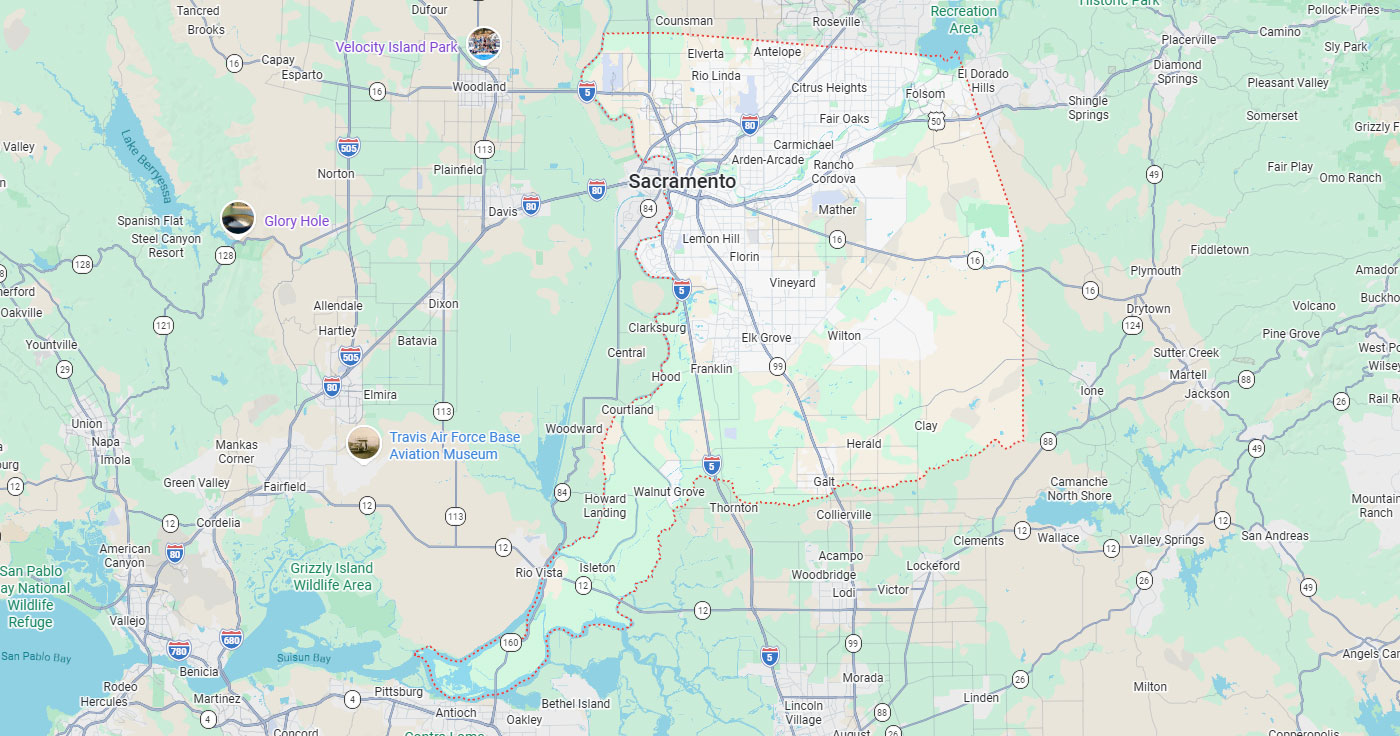
Sacramento, CA
Phoenix, AZ

Key Takeaways
When it comes to safe and effective excavation in Arizona, one of the most crucial aspects of underground utility locating is understanding the "tolerance zone." This concept plays a pivotal role in ensuring the safety of workers, the preservation of underground infrastructure, and the prevention of utility damage. With the right utility locating company offering private utility location services, excavation projects can proceed without costly and dangerous mistakes.
In this article, we will explore what the tolerance zone is, how it impacts excavation, and the guidelines that must be followed for safe digging in Arizona.
The tolerance zone refers to the area surrounding the marked location of underground utilities where excavators must exercise caution. This zone ensures there is enough room for safe digging and helps prevent damage to utility lines. In Arizona, where the terrain is diverse and both private and public utility lines are present, understanding and adhering to tolerance zone guidelines is critical. The size of the tolerance zone is determined by the type of utility and the method used for locating it, which is why proper utility detection and marking are essential.
Arizona's guidelines for tolerance zones offer protection against utility line damage. There are four levels of precision in utility locating: Quality Level A, B, C, and D. These levels determine how precisely the location of utilities is identified and directly impact the size of the tolerance zone.
Knowing the tolerance zone is essential to the safety of excavation projects. It serves as a buffer zone that helps prevent accidental damage to underground utilities. In Arizona, respecting the tolerance zone guidelines is especially critical when dealing with underground utility lines, which can be susceptible to damage if not properly identified.
If utility lines are marked correctly, the excavator must stay clear of the marked area and work within the designated tolerance zone. This ensures that even with excavation equipment or digging methods that may cause shifts, no damage occurs to private or public utilities.
For a safe excavation, it's essential to work within these tolerance zones and hire a private utility locating service to prevent accidents, protect underground utilities, and ensure compliance with safety standards.
Arizona has specific requirements for the tolerance zone, which vary depending on the type of underground utility. For private utilities, such as private water pipes or private utility lines, the tolerance zone is often slightly larger than that of public utilities due to the variation in location records and utility infrastructure.
In general, the following guidelines are typically used:
Each of these levels incorporates advanced techniques such as electromagnetic locating or surveying and mapping to ensure the safest and most precise utility locating.
A wide variety of utility locating services are available to meet the demands of excavation projects in Arizona. Whether you're dealing with a private underground utility or public infrastructure, professionals use a variety of tools and technologies to pinpoint the exact locations of underground utilities.
One such technology is Ground Penetrating Radar, which allows private utility locators to detect underground utilities with high precision. The use of electromagnetic locating equipment also helps detect electrical lines, plastic services, water pipes, and more. These techniques significantly reduce the margin of error and help pinpoint the utility’s exact location, ensuring a safer digging environment.
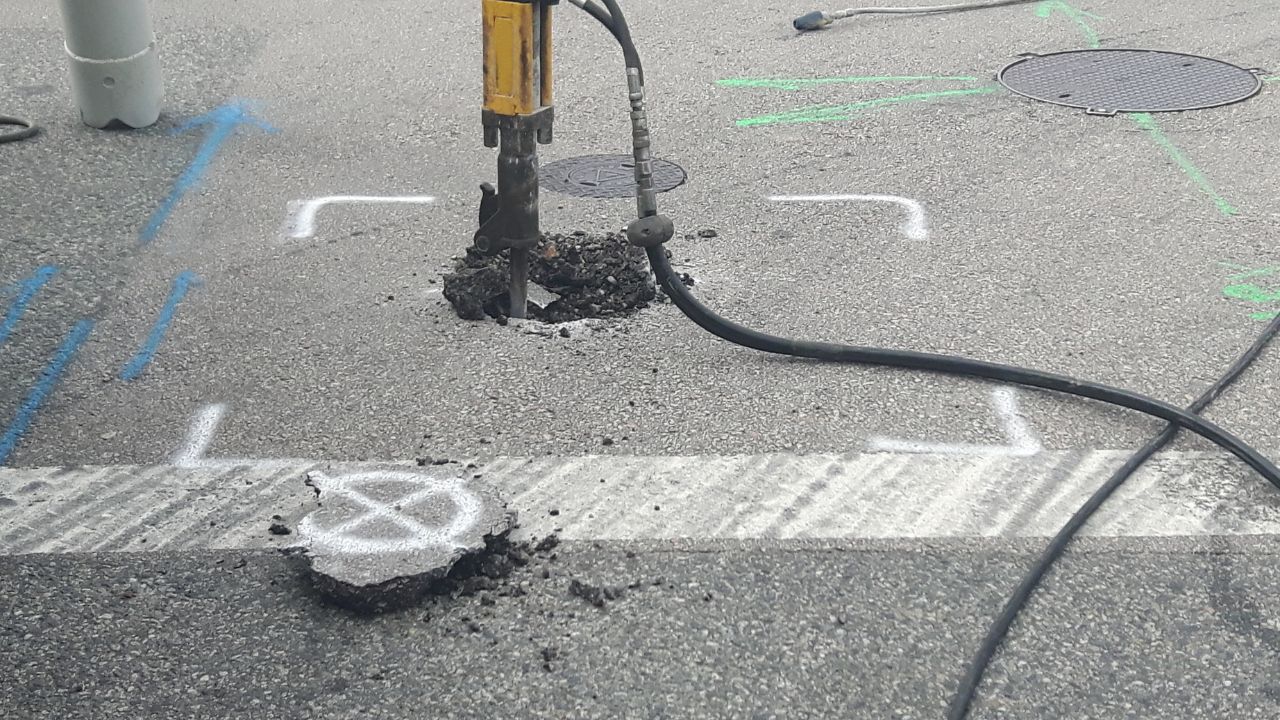
For excavation projects that require more precise locating, vacuum excavation or potholing offers a solution. This method allows for safe, non-destructive exposure of utilities, which can then be accurately mapped. As a result, this makes it easier to work within the tolerance zones, protecting both private and public utility lines from damage.
To ensure safe excavation, the following best practices should be followed:
By following these practices, excavation workers can prevent underground damage and maintain the integrity of underground infrastructure.
Ensuring that you understand the tolerance zone and follow safe excavation practices is essential for any excavation project in Arizona. If you're looking for reliable private utility locating services, Bess Utility Solutions is here to help. We offer cutting-edge underground utility locating services that can pinpoint the exact location of your utilities, using modern technology like ground-penetrating radar and vacuum excavation potholing.
Contact us today and ensure your excavation project is safe, accurate, and compliant with Arizona’s guidelines. Let us help you navigate the complexities of underground utilities so you can dig with confidence.