Hayward, CA
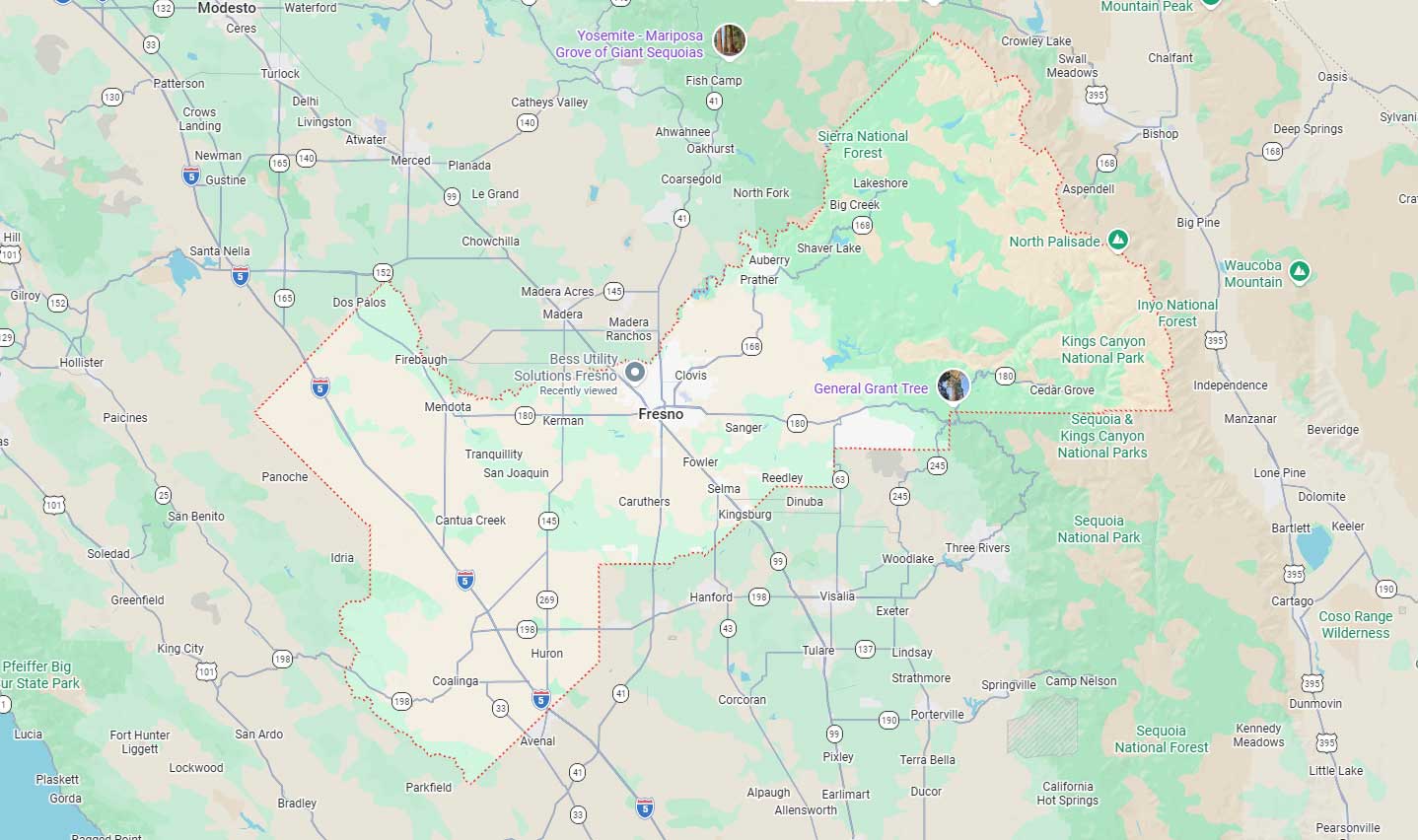
Fresno, CA
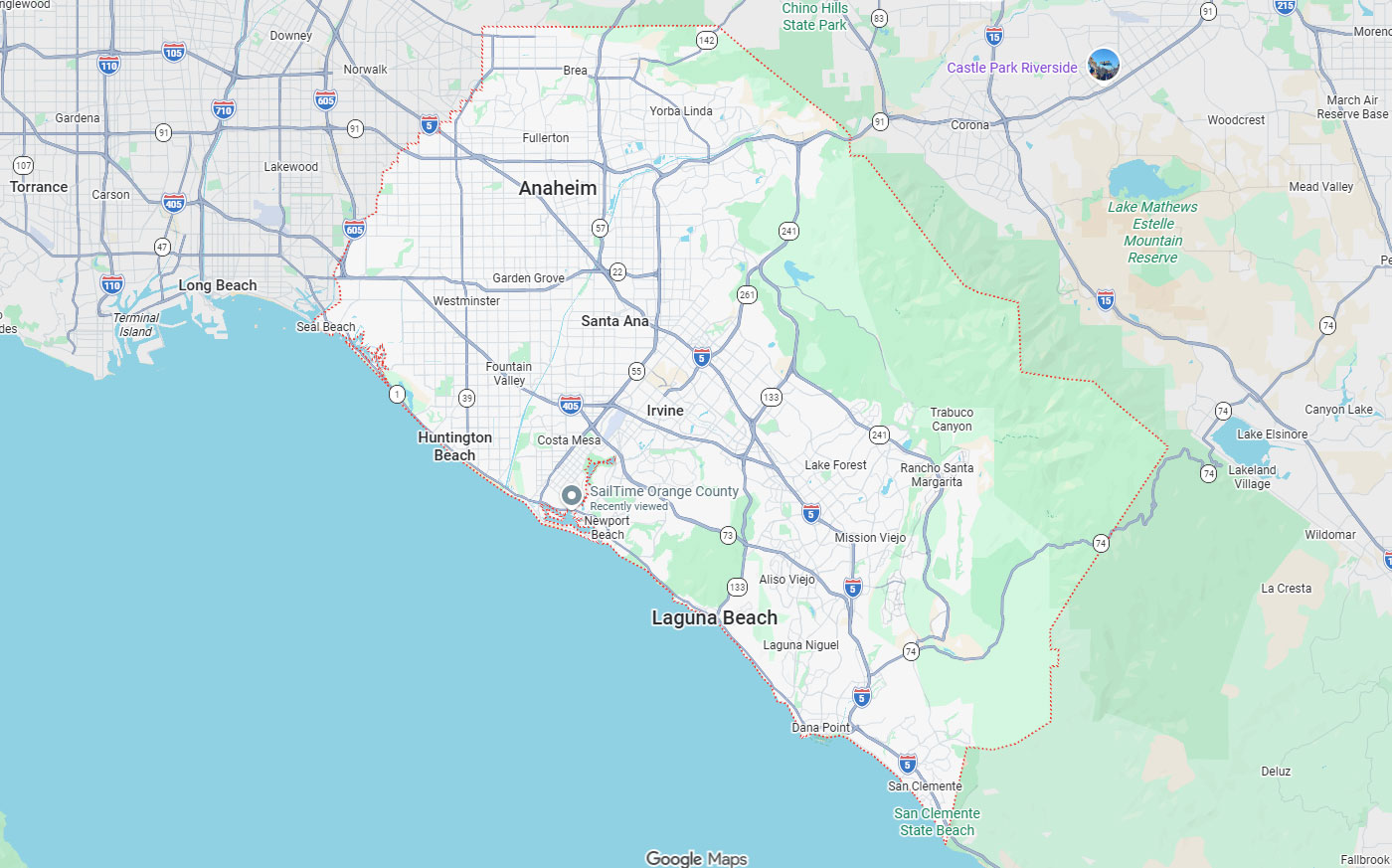
Orange, CA
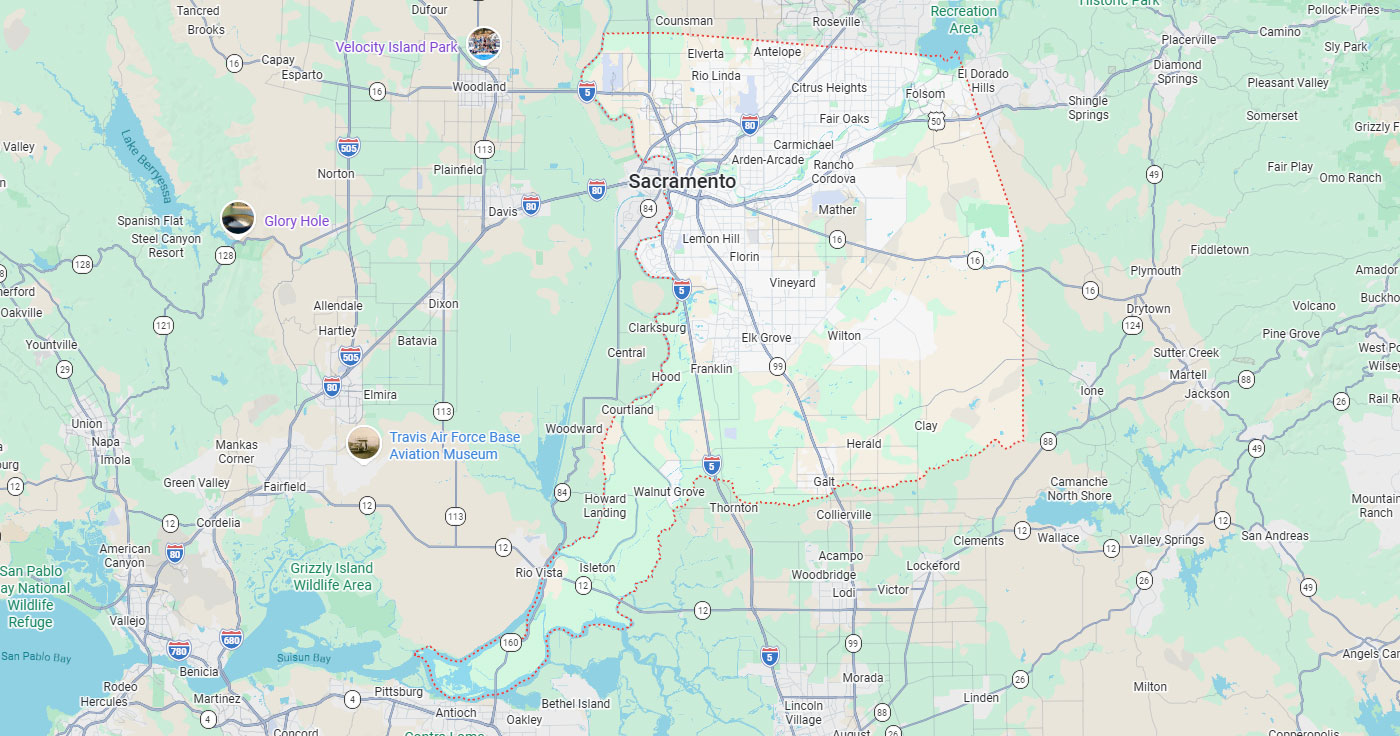
Sacramento, CA
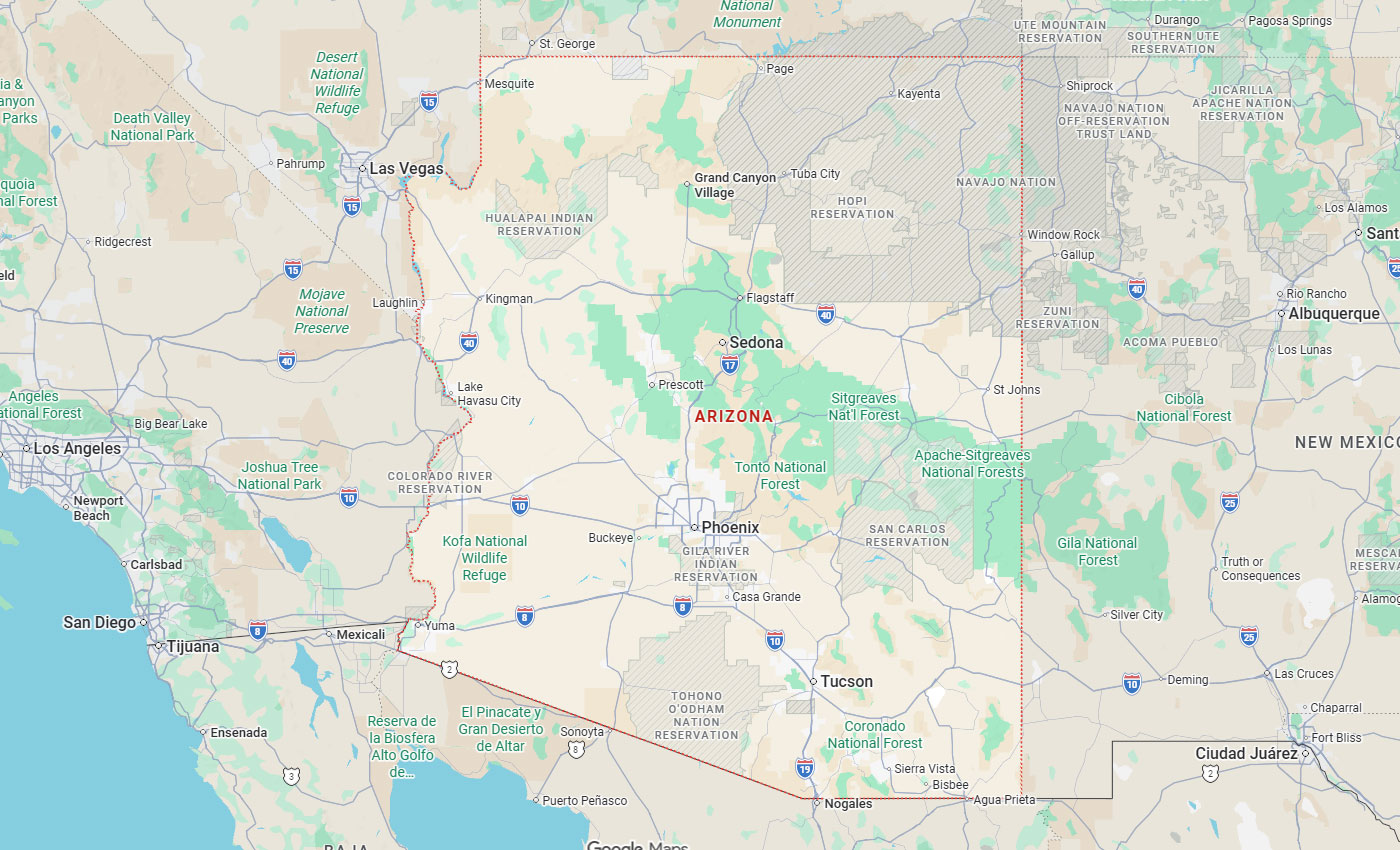
Phoenix, AZ
LIDAR site scanning has transformed how commercial developers and infrastructure managers execute projects across California. The technology delivers survey-grade accuracy while dramatically reducing field time and enabling comprehensive site assessment capabilities that traditional methods cannot match.
California's complex regulatory environment and diverse terrain create unique challenges requiring advanced surveying solutions. LIDAR technology addresses these demands by providing millimeter-level precision, capturing millions of data points, and generating actionable 3D models that accelerate construction workflows from initial planning through final documentation.
Key Takeaways
LIDAR delivers precise 3D representations of physical environments through laser-based distance measurement technology. The system enables California commercial development teams to complete comprehensive site documentation faster than conventional surveying methods while maintaining survey-grade accuracy standards.
Commercial projects benefit from reduced field time, enhanced safety protocols, and comprehensive data capture. LIDAR eliminates multiple site visits and provides stakeholders with detailed visualizations that improve decision-making throughout the project lifecycle.
LIDAR stands for Light Detection and Ranging technology using rapid laser pulse emissions. The system measures the time required for each pulse to return after reflecting off surfaces. RTK/PPK GPS integration provides high global accuracy positioning for georeferenced data collection.
This combination produces survey-grade coordinates enabling seamless integration with existing GIS databases and surveying mapping systems used across California infrastructure projects. The technology captures detailed spatial information that traditional methods cannot efficiently replicate.
Airborne and drone LIDAR systems dominate commercial applications, holding 47% market share. These platforms excel at covering large sites and reaching inaccessible terrain common in California's varied topography. Terrestrial LIDAR captures 25% market share for high-precision architectural documentation applications.
Mobile LIDAR holds 15%, serving transportation corridors, while automotive solid-state systems represent 10%, focused primarily on autonomous vehicle development. Technology selection depends on accuracy requirements, site accessibility, and deliverable specifications.
Airborne and terrestrial platforms lead commercial adoption due to their complementary capabilities across project phases. These systems address California's diverse scanning requirements from initial site assessment through detailed construction documentation.
Choose airborne LIDAR when you need rapid coverage of expansive sites exceeding 50 acres, require topographic mapping across difficult terrain, or must document utility corridors spanning multiple miles. Choose terrestrial LIDAR when your project demands millimeter-level precision for structural documentation, requires LADBS-compliant deliverables in Los Angeles, or involves detailed as-built verification of existing buildings.
Drone LIDAR systems capture millions of data points across expansive sites, requiring days instead of weeks. Traditional surveying methods collect approximately 1,000 data points over comparable areas with significantly higher labor costs.
Lower point density compared to terrestrial systems limits drone applications requiring millimeter-level detail. Weather sensitivity affects drone operations, while regulatory airspace restrictions create compliance challenges in urban California environments requiring FAA coordination.
Terrestrial LIDAR accuracy reaches 1-3mm millimeter-level precision for critical structural applications. This capability supports LADBS-compliant deliverables required for Los Angeles commercial projects and detailed as-built documentation.
Labor-intensive setup requirements slow terrestrial laser scanning data collection, requiring multiple station positions. Line-of-sight limitations prevent capturing obstructed areas, demanding careful scan planning to ensure complete coverage.
Mobile LIDAR accuracy ranges from 5-20mm, suitable for transportation corridor mapping and infrastructure inventories. SLAM (Simultaneous Localization and Mapping) technology enables continuous data collection while moving through complex environments.
Choose mobile LIDAR when you need continuous corridor mapping along roadways, require rapid inventory of streetside infrastructure, or must document large urban areas where setup time becomes prohibitive. Lower accuracy than terrestrial systems restricts mobile LIDAR from applications requiring sub-centimeter precision. SLAM drift over long distances without control points necessitates careful quality control procedures and strategic checkpoint integration.
LIDAR-derived data streams directly into digital design environments, enabling rapid modeling and analysis. This integration eliminates manual data entry while providing teams with current conditions that reduce design assumptions and costly field changes.
Accelerated workflows compress traditional project schedules by weeks or months through parallel processing capabilities. California projects benefit from faster permit approvals when submitting comprehensive documentation backed by verified survey data.
BIM (Building Information Modeling) integration converts LIDAR point clouds into intelligent 3D models containing embedded information. Scan-to-BIM processes enable architects and engineers to identify conflicts before construction begins, saving significant rework costs.
This transformation supports design validation against existing conditions with millimeter-level accuracy. Clash detection capabilities identify spatial conflicts between mechanical systems, structural elements, and existing infrastructure, preventing expensive construction delays. Choose scan-to-BIM when renovating existing structures, coordinating complex MEP systems, or requiring accurate existing condition models for design development.
Traditional surveying requires 10-14 days of field time for 100-acre site documentation with two to three-person crews. Drone LIDAR completes identical coverage in 1-2 days using one pilot and one visual observer.
This time compression allows construction acceleration through earlier design initiation and faster stakeholder review cycles. California developers leverage rapid turnaround for competitive bidding and accelerated entitlement processing, where timeline advantages translate into significant economic benefits.
LADBS (Los Angeles Department of Building and Safety) requires specific documentation standards for commercial projects. LiDAR Precise Plans provides as-built documentation meeting these municipal requirements for permit submissions.
Arrival 3D delivers comprehensive 3D laser scanning services for structural verification applications. The Future 3D serves California markets with LIDAR capabilities spanning aerial, terrestrial, and mobile platforms, ensuring appropriate technology selection for diverse project requirements.
California utility providers face unprecedented pressure in managing vegetation near transmission infrastructure following devastating wildfire seasons. LIDAR technology enables comprehensive corridor mapping and precise vegetation measurement, supporting CPUC (California Public Utilities Commission) compliance requirements.
PG&E, SCE, and SDG&E represent major California utility companies deploying LIDAR across transmission and distribution networks. These organizations utilize the technology for infrastructure inspection, vegetation management, and asset documentation, supporting both safety initiatives and regulatory obligations.
LIDAR accurately measures vegetation height and density within utility corridors, enabling risk-based prioritization. This capability supports mandatory vegetation management programs required under California Public Utilities Commission regulations.
Airborne LIDAR surveys document transmission line clearances across extensive territories faster than ground-based inspection methods. Utilities combine this data with predictive analytics, identifying high-risk segments requiring immediate attention before fire season begins.
Surefire/ROCK LiDAR completed a utility inspection case study demonstrating drone advantages in challenging terrain. The project covered 15 acres with 500-foot elevation differences across muddy terrain in remote coastal locations.
Drone deployment eliminated hazardous climbing and heavy equipment access requirements, protecting worker safety. Choose drone LIDAR when your site includes steep slopes exceeding 30% grade, requires access across environmentally sensitive areas, or involves hazardous conditions where crew safety becomes paramount. The survey captured complete infrastructure documentation without service disruptions while maintaining survey-grade accuracy throughout the steep terrain.
CPUC establishes vegetation clearance standards requiring detailed documentation and compliance verification. Utility LIDAR programs must demonstrate measurement accuracy and provide audit-ready records supporting regulatory submissions.
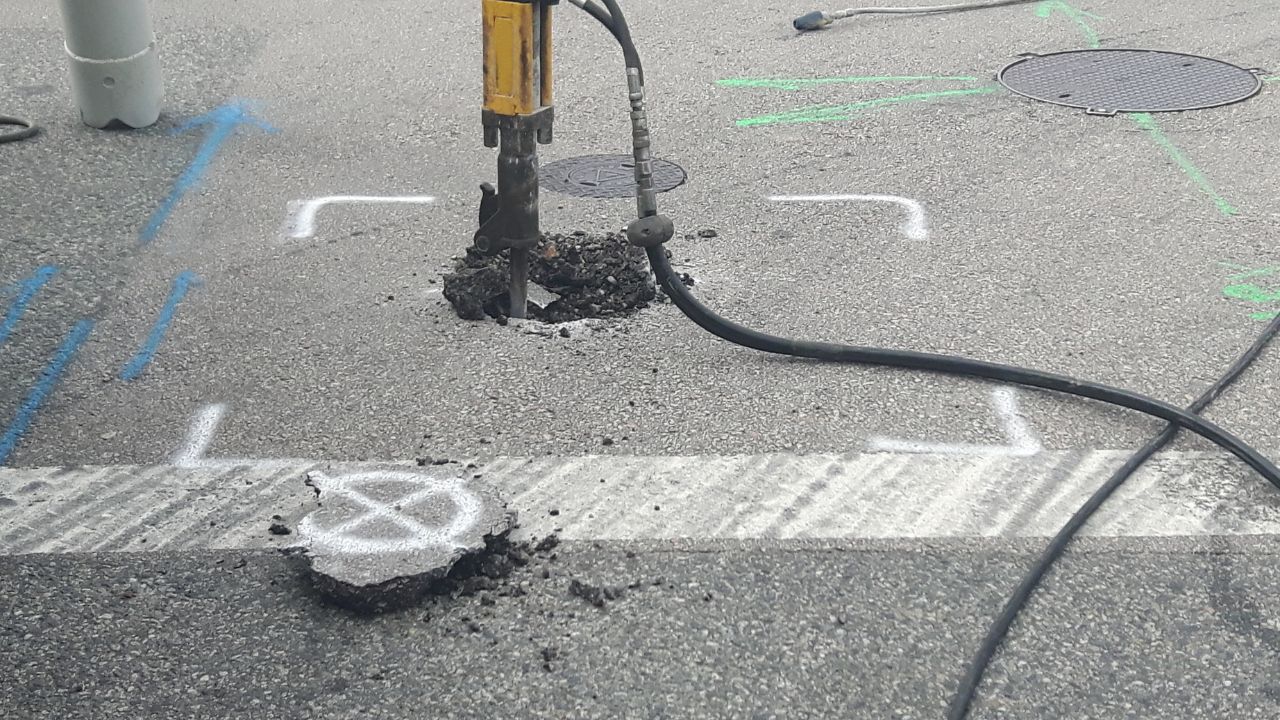
Operational challenges include coordinating airspace authorizations in congested regions and managing weather windows. Vacuum excavation potholing complements LIDAR surveys by verifying subsurface utility positions, preventing conflicts during transmission structure installations.
Systematic partner evaluation ensures technology capabilities align with project requirements and regulatory obligations. California's diverse landscape demands that providers maintain multiple platforms and demonstrate regulatory compliance across jurisdictions.
Partner selection directly impacts deliverable quality, project timelines, and ultimate construction success. Establishing clear evaluation criteria prevents costly rework and ensures compatibility with existing workflows and software environments.
Define project scope and accuracy requirements before evaluating technology platforms or service providers. Sub-centimeter precision demands terrestrial LIDAR while large-area mapping applications benefit from airborne platforms.
Mixed-scope projects often require multiple technologies deployed strategically throughout project phases. California commercial developments frequently combine drone surveys for initial site assessment with terrestrial scanning for detailed structural documentation.
Evaluate deliverable capabilities, ensuring providers produce actionable data beyond raw point clouds. Essential outputs include classified point clouds, bare-earth DEMs, and Revit models compatible with design software.
Assess technological fleet diversity, confirming partners maintain current platforms appropriate for varied conditions. Subsurface 3D mapping integration capabilities enhance value when projects require comprehensive above and below-ground documentation. Choose providers with demonstrated experience in your specific sector, verified regulatory compliance, and comprehensive insurance coverage.
Verify regulatory compliance, including FAA Part 107 certification for all drone operators conducting commercial surveys. This certification demonstrates basic competency and legal authorization for commercial operations.
Check for BVLOS (Beyond Visual Line of Sight) waivers enabling efficient urban operations across large sites. Verify experience with LADBS standards for LA projects, ensuring deliverables meet municipal requirements without revision delays.
LIDAR technology delivers measurable ROI through reduced field time, enhanced data density, and comprehensive deliverables. California projects benefit from accelerated timelines and improved decision-making supported by detailed 3D representations.
Cost analysis must consider both direct survey expenses and downstream savings from clash detection and design optimization. Total project value extends beyond immediate survey costs, encompassing schedule compression and risk mitigation benefits.
Traditional surveying costs range from $15,000-$20,000 for 100-acre sites requiring 2-3-person crews working 10-14 days. Drone LIDAR completes identical coverage for $6,500-$9,000 using one pilot and one visual observer over 1-2 days.
This 60% cost reduction, combined with 85% time saving, accelerates project schedules significantly. Enhanced data density provides millions of measurement points supporting a comprehensive analysis impossible with traditional methods.
ROI typically occurs within 8-12 months for in-house systems when project volumes exceed specific thresholds. Budget entry drone LIDAR systems cost $12,000-$20,000, suitable for basic topographic applications.
Mid-range drone LIDAR platforms range from $20,000-$50,000 delivering survey-grade accuracy for most commercial applications. Choose in-house equipment when you maintain consistent monthly project volume exceeding 5 sites, require immediate deployment flexibility, or operate in specialized markets with limited service provider access. Premium systems exceed $50,000, reaching $150,000, providing the highest accuracy and advanced features for specialized requirements.
Service costs range from $1,000-$2,500 per day for basic drone flights covering straightforward topographic surveys. Comprehensive survey services, including processing and deliverable generation, cost up to $12,000 per day.
Choose outsourcing when project frequency remains intermittent, multiple technology platforms become necessary across different phases, or specialized expertise requirements exceed in-house capabilities. Outsourcing eliminates capital investment, training requirements, and equipment maintenance while providing access to specialized expertise.
Global LIDAR market valuation reached $2.89 billion to $3.11 billion in 2025, driven by construction adoption and autonomous system development. Market projections estimate growth to $12.77 billion to $17.80 billion by 2034-2035, representing a CAGR of 20.0% to 20.3% during the forecast period.
California's stringent regulations and massive construction activity position the state as a primary growth market where utility locating and similar specialized services complement comprehensive LIDAR applications. This sustained growth creates opportunities for California developers to leverage improved technology and declining costs. Advanced processing algorithms and AI-driven classification tools will continue reducing turnaround times while expanding analytical capabilities supporting increasingly complex project requirements.
LIDAR site scanning delivers the speed, accuracy, and comprehensive data California commercial development projects demand. From initial site assessment through final construction documentation, this technology eliminates costly delays while ensuring regulatory compliance across even the most challenging terrain.
At Bess Utility Solutions, we integrate advanced LIDAR capabilities with 29 years of California infrastructure expertise. Our CPUC-certified processes and comprehensive approach combine aerial, terrestrial, and subsurface verification—giving you complete project documentation that prevents conflicts and keeps construction acceleration on schedule.
Contact our team today to discuss how we can deliver the survey-grade precision and reliability your next California project requires.