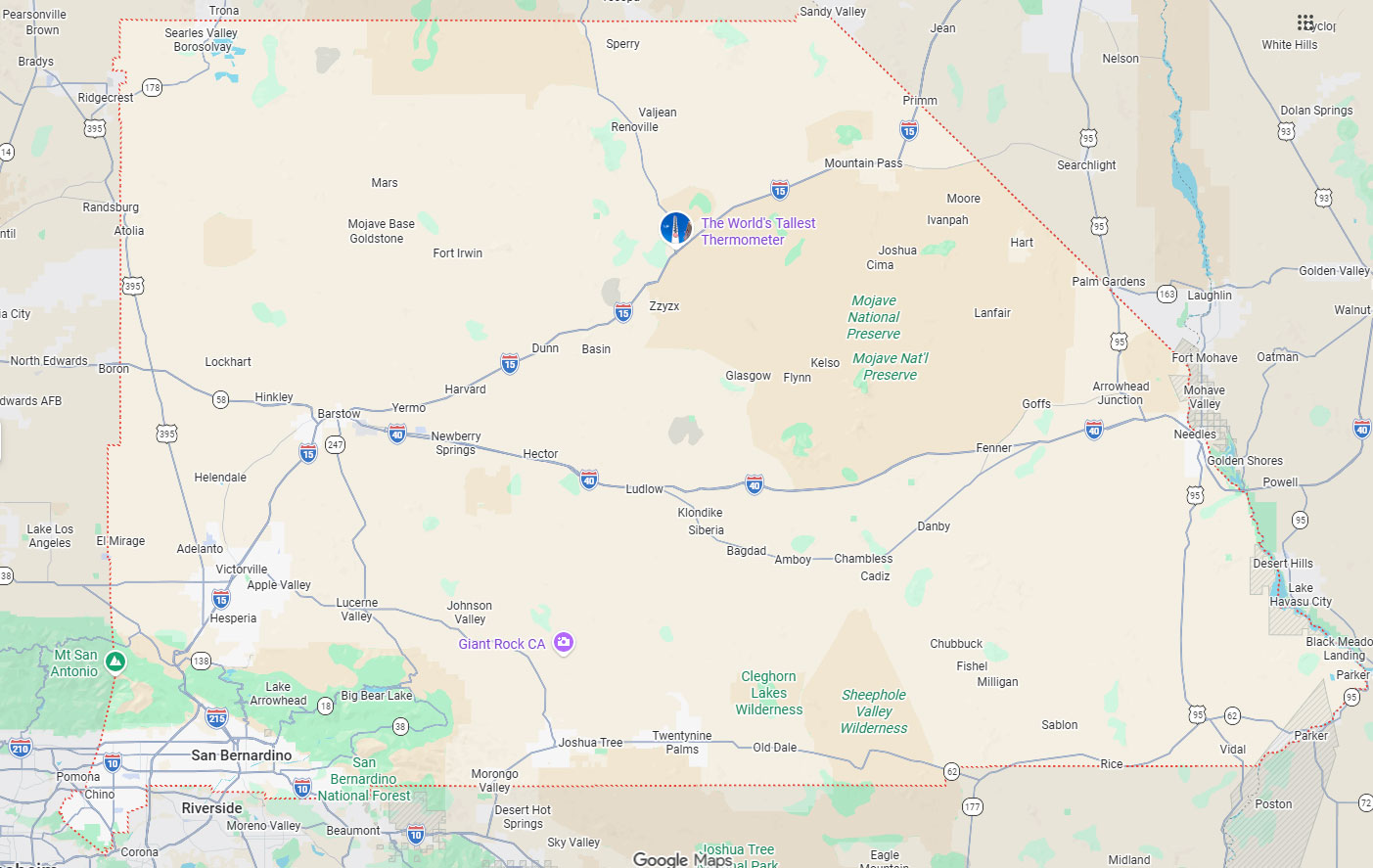
Hayward, CA
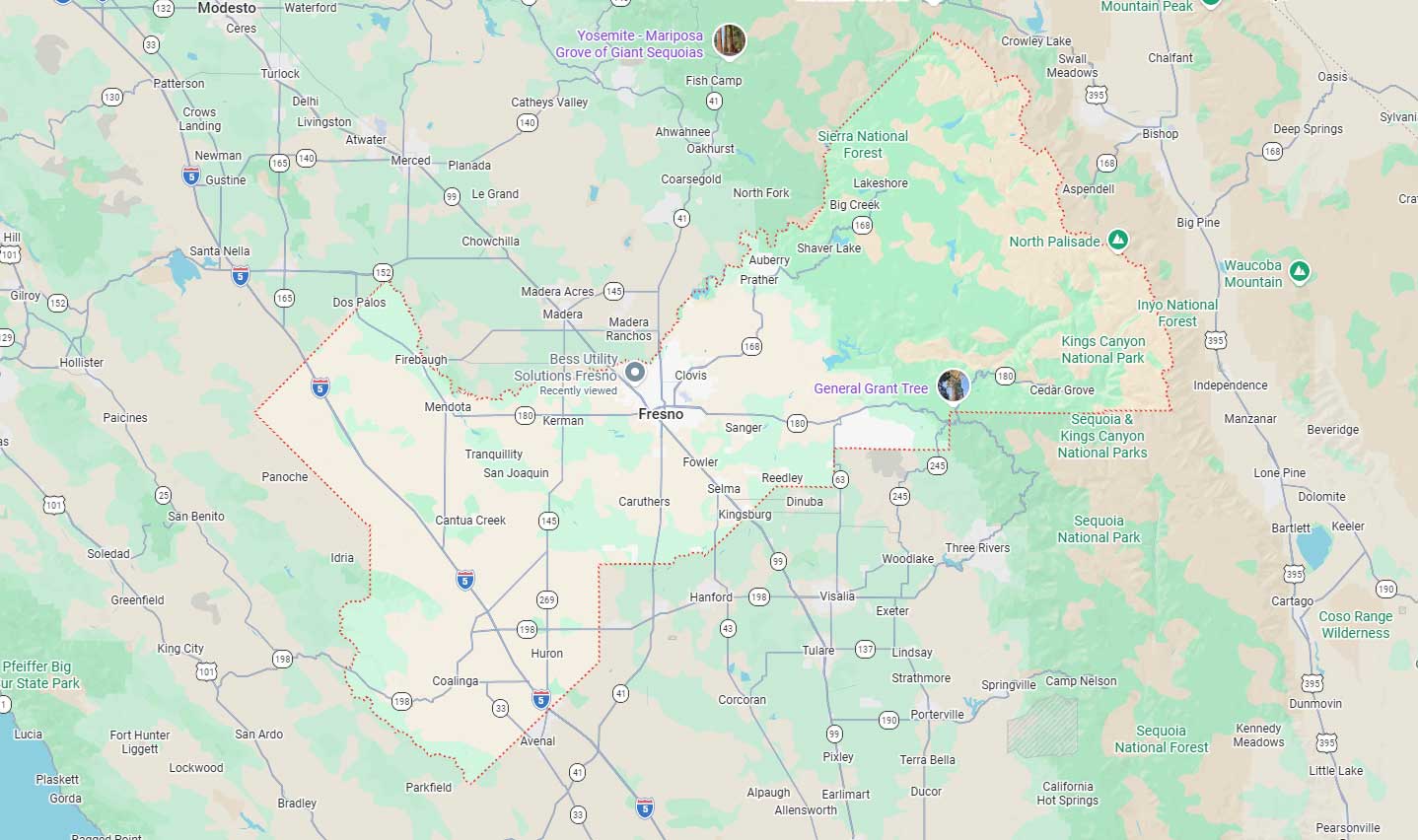
Fresno, CA
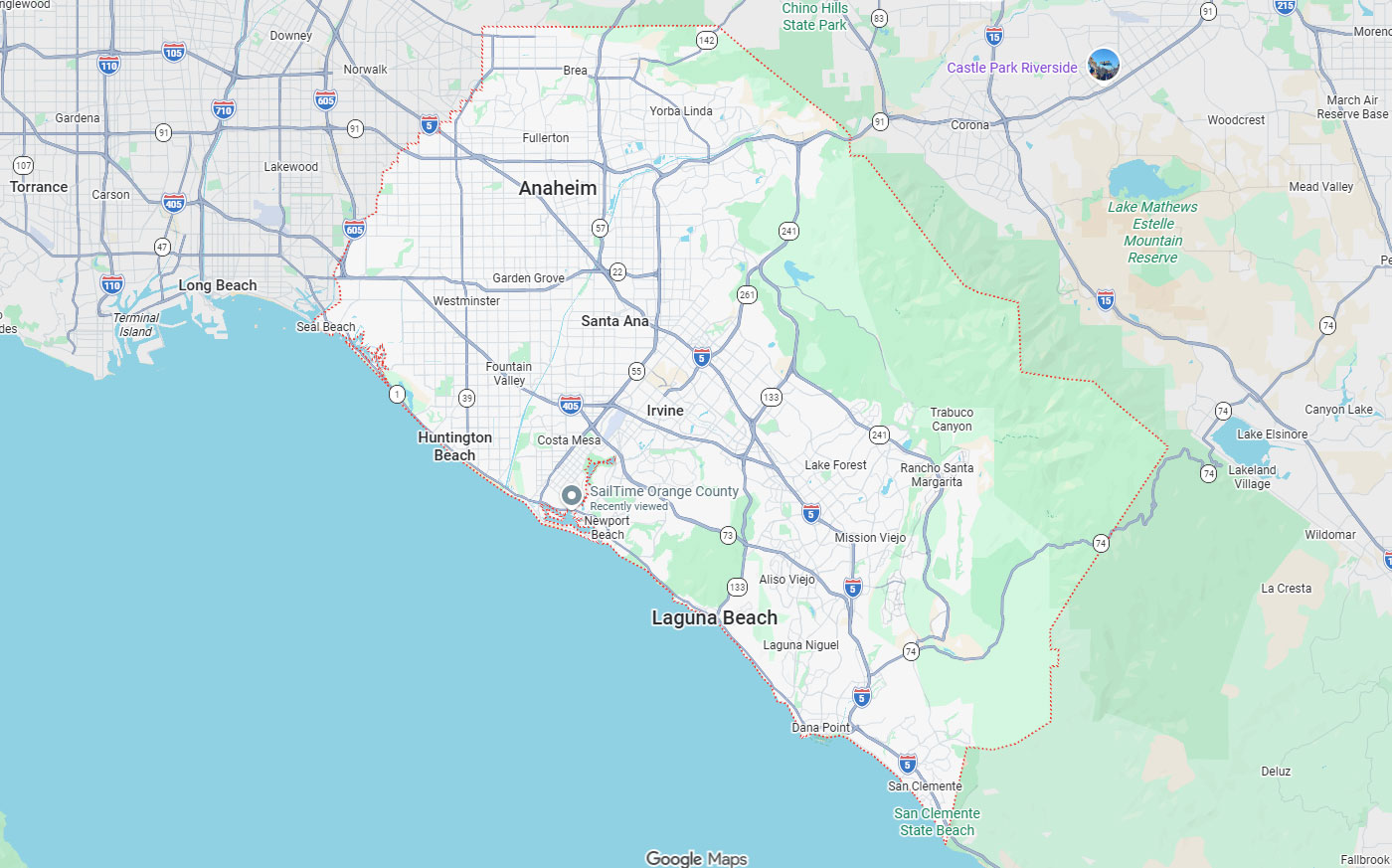
Orange, CA
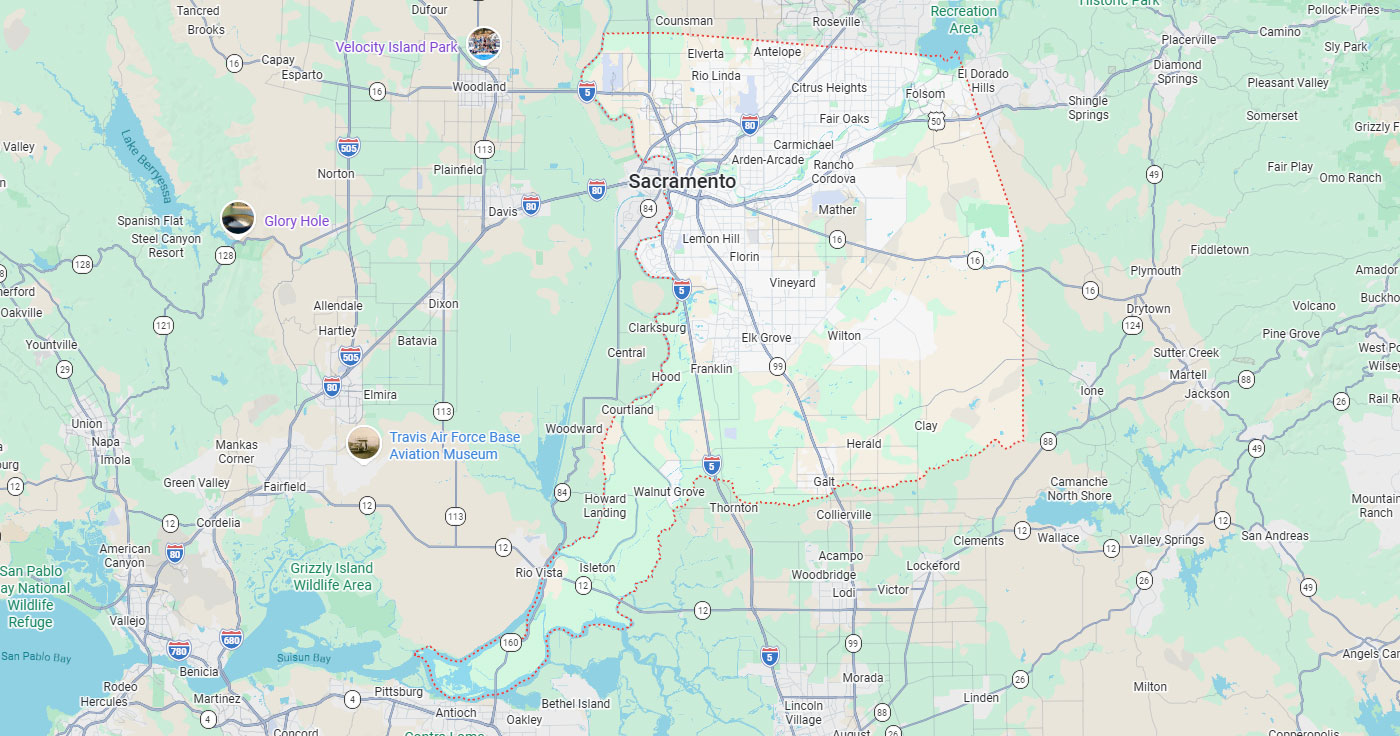
Sacramento, CA
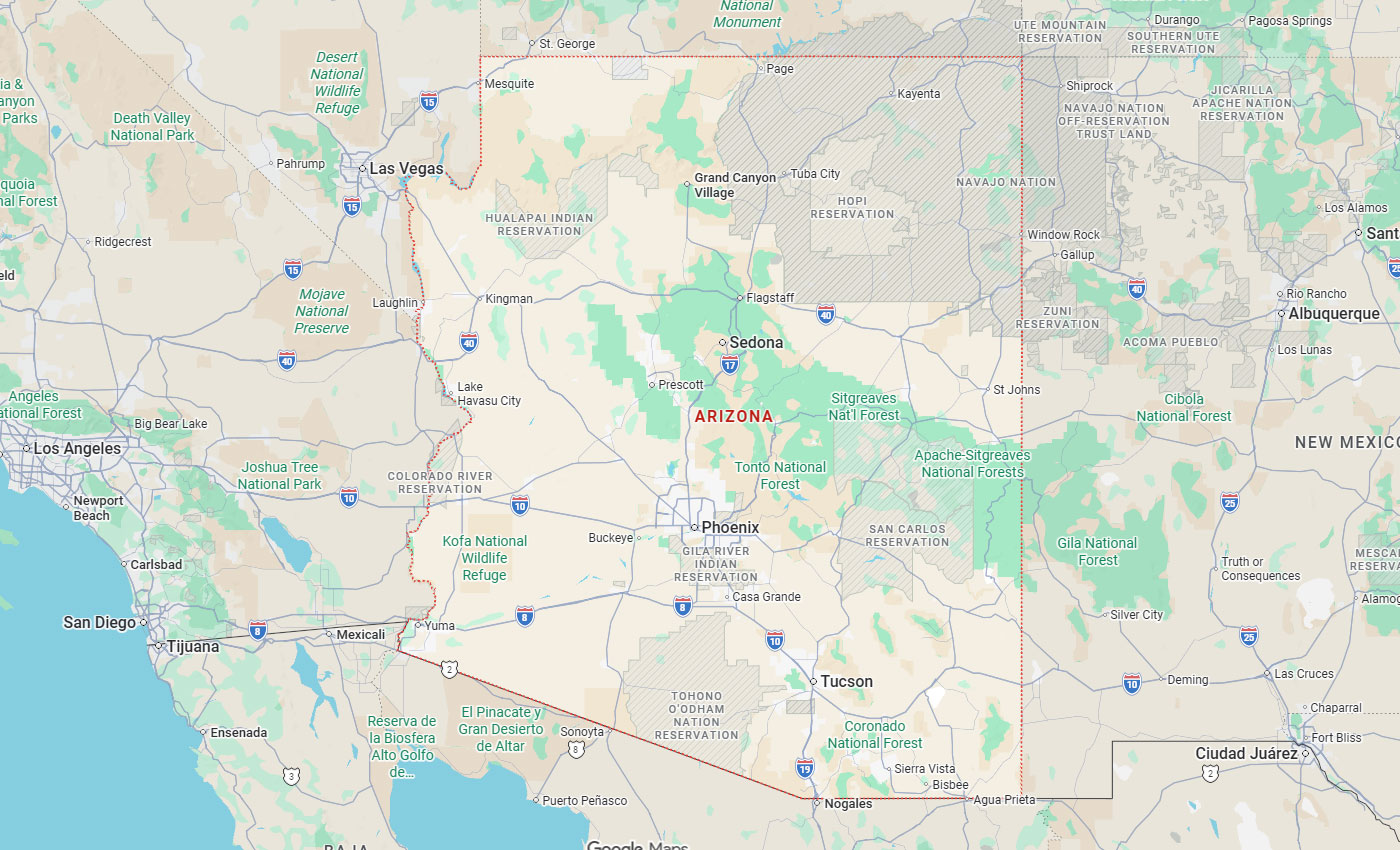
Phoenix, AZ

LIDAR mapping has become essential infrastructure for utility companies managing power lines and vegetation across California. This technology uses laser pulses to create precise 3D models of transmission corridors, substations, and distribution networks. Utility managers from San Diego utility corridors to Sacramento infrastructure projects rely on LIDAR for conductor clearance verification and wildfire risk assessment.
The rapid adoption across California reflects urgent safety mandates and regulatory requirements for grid modernization. LIDAR systems capture millions of data points per second, identifying vegetation encroachment and structural defects before they cause outages. This proactive approach transforms how utilities maintain assets and comply with state fire prevention standards.
Key Takeaways
LIDAR measures distances by timing how long laser pulses take to return from surfaces. The technology generates detailed point clouds representing terrain, vegetation, and infrastructure in three dimensions. These datasets enable utilities to analyze conductor sag, measure clearances, and identify encroachment risks across extensive networks.
Mobile LIDAR mapping systems mounted on vehicles collect data at highway speeds for accessible corridors. Aerial platforms capture hard-to-reach transmission lines spanning mountain ranges and forests. Each scan creates a permanent digital record utilities reference for design, maintenance, and emergency response planning.
Light Detection and Ranging technology emits rapid laser pulses that bounce off objects and return to sensors. The system calculates distances based on travel time and creates coordinate-based point clouds. This process repeats thousands of times per second, building comprehensive 3D representations of utility corridors and surrounding environments.
LIDAR penetrates the vegetation canopy to reveal ground surfaces and infrastructure beneath tree cover. Multiple laser returns from a single pulse differentiate between foliage layers and bare earth. This capability proves critical for assessing vegetation proximity to energized conductors in forested utility corridors.
Terrestrial LIDAR employs ground-based systems delivering 1-3 mm accuracy for substation documentation and structural inspections. These stationary scanners capture extremely detailed point clouds for engineering applications requiring survey-grade precision. Terrestrial laser scanning excels at documenting complex equipment configurations and detecting millimeter-level displacement in critical infrastructure.
Mobile LIDAR integrates sensors on vehicles, providing 5-20 mm accuracy at driving speeds for street-level asset inventory. Drone-based UAV LIDAR offers 0.4-1.2 inch vertical precision for aerial corridor mapping and remote terrain assessment. Each platform balances accuracy requirements against coverage needs and budget constraints for specific utility corridor planning applications.
Choose terrestrial LIDAR when you need survey-grade precision for substation retrofits or structural engineering requiring measurements within 1-3 mm. Choose mobile LIDAR when you need to map miles of urban distribution infrastructure efficiently at driving speeds with 5-20 mm accuracy. Choose drone-based LIDAR when you need to access remote transmission corridors or mountainous terrain while maintaining 0.4-1.2 inch vertical precision.
Corridor mapping generates high-density 3D representations of linear infrastructure for analyzing conductor sag and clearance compliance. These datasets typically include power lines, support structures, and surrounding terrain extending 100-200 feet beyond centerlines. Engineers use corridor models to verify compliance with NERC vegetation management standards and plan system upgrades.
Vegetation encroachment management relies on automated algorithms detecting trees approaching minimum clearance distances from energized conductors. AI-powered classification identifies species, measures growth rates, and predicts future encroachment based on historical data. This capability allows utilities to prioritize trimming operations and prevent contact-related outages before they occur.
Utilities prioritize LIDAR for its 95% accuracy rating compared to traditional survey methods' limitations. Risk reduction scores 90% importance as companies face wildfire liability and regulatory penalties for vegetation-related faults. Cost considerations rate 88% despite initial investment requirements, reflecting long-term operational savings from preventing outages and optimizing maintenance.
Speed receives 82% priority as utilities map thousands of corridor miles under compressed regulatory timelines. Coverage capabilities score 75% importance for assessing remote transmission lines across difficult terrain. Aerial mapping inspection integration with existing GIS platforms rates 70% as companies consolidate asset data into unified management systems.
Vertical precision of 0.4-1.2 inches enables utilities to verify conductor clearances against regulatory minimums with confidence. This accuracy eliminates estimation errors that previously caused compliance violations and emergency trimming operations. LIDAR documentation provides defensible records demonstrating due diligence during post-incident investigations and audits.
Outage risks decrease by up to 70% when utilities implement AI-powered vegetation management using LIDAR data. Automated detection identifies hazard trees weeks before manual inspections would spot encroachment problems. This early warning capability prevents contact faults during high-wind events and reduces fire ignition potential.
Drone LIDAR reduces survey costs by 30-50% compared to manned aircraft while covering equivalent corridor distances. Ground crews previously required days to survey miles of transmission lines that drones complete in hours. Processing automation further compresses project timelines by eliminating manual point cloud classification that consumes weeks of analyst time.
Speed priority scores 82% as regulatory deadlines force utilities to complete systemwide vegetation assessments annually. Coverage importance reaches 75% for utilities managing networks spanning multiple climate zones and terrain types. Integration capabilities rate 70% as companies demand seamless data flow between LIDAR platforms and enterprise asset management databases.
LIDAR point clouds export directly into GIS platforms that utilities already use for outage management and work planning. This compatibility eliminates data silos and enables field crews to access 3D models on tablets. Engineers overlay LIDAR scans with customer information systems to prioritize maintenance affecting critical loads and vulnerable populations.
API connections allow automated transfer of classified vegetation hazards into work order management systems. Dispatchers assign trimming crews based on risk scores derived from clearance measurements and growth projections. This integration reduces administrative delays between hazard identification and field response.
Urban areas demonstrate 72% adoption rates driven by dense infrastructure and accessible terrain for mobile scanning. Rural regions show 45% adoption as utilities prioritize remote transmission corridors requiring wildfire risk assessment. Regulatory mandates and fire liability concerns accelerate deployment across both demographic categories despite cost differences.
Coastal utilities emphasize surveying and mapping for right-of-way documentation and environmental compliance in protected areas. Interior regions focus on vegetation management in forested corridors where fire danger remains elevated. These application variations influence which LIDAR platforms utilities deploy and how they allocate scanning budgets.
Urban areas prioritize asset inventory and building clearance verification for distribution networks crossing developed properties. Mobile vehicle-mounted systems efficiently capture street-level infrastructure and identify equipment requiring upgrades or replacement. High structure density demands frequent rescanning to track development encroaching on established utility easements.
Rural areas emphasize vegetation management and wildfire risk modeling across extensive transmission corridors through forests. Aerial LIDAR provides cost-effective coverage of remote lines inaccessible to ground crews without helicopter support. Terrain complexity and limited road access make drone platforms essential for comprehensive rural network assessment.
Choose urban-focused mobile LIDAR when you need to document street-level distribution infrastructure, verify building clearances, and track development encroachment in dense metropolitan areas. Choose rural-focused aerial LIDAR when you need to assess remote transmission corridors, model wildfire risks in forested areas, and access terrain that ground crews cannot reach efficiently.
Los Angeles and Southern California hold 28% adoption share, reflecting aggressive wildfire mitigation by major utilities. The San Francisco Bay Area accounts for 25% adoption, driven by technological integration and terrain challenges. San Diego represents 22% adoption share with coastal monitoring and comprehensive utility mapping across diverse topography.
Central Valley captures 12% adoption share as agricultural interfaces create unique vegetation management requirements. Sacramento underground utility locating services complement overhead LIDAR by documenting subsurface conflicts in Sacramento infrastructure projects, representing 8% adoption share. Regional variations reflect local fire risk, regulatory pressure, and infrastructure age, driving technology deployment priorities.
California WERK initiative processed over 100 million acres of LIDAR data, creating consistent statewide vegetation baselines. The $30 million state investment provides 10-meter and 30-meter resolution maps for utilities' reference for risk modeling. This publicly available dataset eliminates duplicate scanning costs and standardizes forest fuel assessment methodologies.
California WERK delivers uniform data quality, enabling comparison between regional fire hazards and vegetation conditions. Utilities download statewide datasets to identify high-risk corridors requiring immediate attention and enhanced monitoring. The initiative reduces entry barriers for smaller utilities lacking the capital to commission dedicated aerial surveys.
Drone-based LIDAR adoption increases approximately 20% annually as costs decline and regulatory approvals expand. These platforms balance operational efficiency against accuracy requirements for most corridor mapping and vegetation management applications. Entry-level professional drone systems start at $12,430, democratizing technology access for regional contractors and smaller utilities.
Terrestrial LIDAR delivers 1-3 mm accuracy essential for substation retrofits and structural engineering requiring survey-grade precision. Mobile vehicle-mounted systems provide 5-20 mm accuracy suitable for street-level asset documentation and distribution network inventory. Platform selection depends on project accuracy specifications, coverage area, and budget constraints specific to each utility application.
Drone-based LIDAR reduces deployment costs while maintaining 0.4-1.2 inch vertical precision sufficient for clearance verification. UAV platforms access remote corridors without road networks and operate safely near energized infrastructure. Flight automation enables consistent data capture along predefined routes, ensuring complete coverage without gaps or overlaps.
Drone LIDAR vertical precision of 0.4-1.2 inches exceeds photogrammetry's 0.8-1.6 inch accuracy for engineering applications. Processing software automatically classifies point clouds into ground, vegetation, and infrastructure categories, supporting rapid hazard identification. Battery improvements now enable extended flight times covering 10-15 miles per deployment in mountainous terrain.
Choose drone-based LIDAR when you need to map remote transmission corridors inaccessible by vehicle, require 0.4-1.2 inch vertical precision for clearance verification, or want to reduce deployment costs by 30-50% compared to helicopter-mounted systems while maintaining adequate accuracy for vegetation management.
Terrestrial LIDAR achieves 1-3 mm accuracy compared to mobile LIDAR's 5-20 mm precision for critical measurements. Ground-based scanners document substation equipment geometry for clash detection during retrofit projects and expansion planning. Multiple scan positions create complete 3D models of complex structures without occlusion gaps.
Static positioning eliminates motion-induced errors affecting mobile platforms in high-precision applications. Surveyors establish control networks tying scans to state plane coordinates for legal boundary documentation. This capability supports easement negotiations and encroachment disputes requiring defensible dimensional evidence.
Choose terrestrial LIDAR when you need 1-3 mm survey-grade accuracy for substation retrofits, structural engineering calculations, or legal documentation requiring defensible measurements. Choose this technology when static positioning and elimination of motion-induced errors justify slower data collection compared to mobile or aerial alternatives.
Mobile LIDAR systems collect data at highway speeds, mapping miles of distribution infrastructure daily. Vehicle platforms integrate GPS, inertial measurement units, and laser scanners to maintain accuracy during motion. San Bernardino underground utility locating services combine mobile scanning with subsurface verification for comprehensive urban corridor documentation.
Street-level scanning captures pole conditions, conductor attachments, and adjacent building clearances in dense urban environments. Automated processing extracts individual assets from point clouds and populates GIS databases with dimensional attributes. This capability accelerates distribution system modernization by identifying equipment exceeding service life thresholds.
Choose mobile vehicle-mounted LIDAR when you need to map extensive urban distribution networks at driving speeds, require 5-20 mm accuracy for asset inventory and condition assessment, or want to capture street-level infrastructure data efficiently across accessible corridor routes with established road networks.
Corridor mapping represents 38% of utility applications, generating linear infrastructure models for sag analysis and upgrade planning. Processing workflows classify point clouds into terrain, vegetation, and conductor layers supporting automated clearance calculations. Engineers reference these models during outage investigations and design reviews, requiring accurate as-built documentation.
Vegetation encroachment management accounts for 35% of utility applications through automated hazard detection and growth modeling. Asset inspection comprises 18% of applications, documenting equipment conditions without manual climbing or extended outages. These application categories reflect industry priorities addressing fire risk, compliance mandates, and infrastructure aging simultaneously.
High-density 3D mapping enables precise conductor sag analysis under various temperature and loading conditions. Point clouds capture actual catenary curves rather than theoretical design positions affected by years of settlement. Utility locating in Apple Valley, CA projects combine overhead LIDAR with subsurface documentation for comprehensive corridor characterization.
LIDAR point clouds verify building clearances meeting National Electric Safety Code minimum approach distances. Automated tools measure distances between energized conductors and structures, flagging violations requiring immediate remediation. This capability eliminates estimation errors and provides photographic evidence supporting easement enforcement and public safety orders.
Vegetation encroachment represents 35% of utility LIDAR applications addressing fire prevention and reliability mandates. Southern California Edison monitors over 1.6 million trees using automated classification, identifying species and measuring clearances. AI algorithms predict growth rates based on historical scans, scheduling trimming before encroachment reaches critical distances.
Southern California Edison uses helicopter-mounted LIDAR to inspect 1.6 million trees annually across fire-threat districts. Automated processing flags hazard trees within 10 feet of conductors, prioritizing crews for the highest-risk locations. Utility locating in Barstow, CA, combines vegetation monitoring with underground infrastructure mapping in desert transmission corridors where flash floods expose buried cables.
Asset inspection accounts for 18% of utility LIDAR applications, documenting equipment conditions and structural integrity. Point clouds reveal pole lean, cross-arm deflection, and insulator degradation without manual climbing or extended outages. Utilities compare successive scans, detecting millimeter-level displacement, indicating foundation failure or hardware fatigue.
LIDAR documents substation bus geometry and equipment spacing for retrofit planning and arc flash modeling. Dimensional data supports equipment procurement by verifying clearances for proposed transformer installations and breaker replacements. This capability reduces design errors, causing field delays when delivered equipment doesn't fit existing spaces.
Drone and UAV systems range from $12,430 to $150,000,+ depending on sensor quality and processing capabilities. Mobile systems cost $10,500 to $60,000 for vehicle-mounted configurations serving urban infrastructure mapping needs. Terrestrial systems require $35,000 to $80,000+ investment for survey-grade accuracy supporting engineering applications.
Helicopter systems represent a premium investment at $50,000 to $250,000+ for utilities scanning extensive transmission networks. Software licensing adds $2,000 to $15,000 annually for point cloud processing and automated classification tools. Total cost of ownership includes training, data storage, and ongoing sensor calibration beyond initial hardware acquisition.
Entry-level drone systems starting at $12,430 provide corridor mapping capability for regional contractors and small utilities. Professional-grade UAV platforms costing $25,000 to $75,000 balance accuracy and coverage for most vegetation management applications. Survey-grade drone systems exceeding $100,000 deliver precision approaching terrestrial scanners with aerial platform advantages.
Mobile LIDAR systems range from $10,500 handheld units to $60,000 vehicle-integrated configurations for urban asset inventory. Terrestrial scanners costing $35,000 to $45,000 serve general engineering, while $70,000+ systems provide sub-centimeter accuracy. Helicopter-mounted systems start at $50,000 scale to $250,000+ for utilities requiring extensive transmission line coverage.
Choose entry-level drone systems at $12,430 when you have limited capital budgets and need basic corridor mapping capability for vegetation management. Choose professional-grade systems at $25,000-$75,000 when you require balanced accuracy and coverage for routine utility applications. Choose survey-grade systems exceeding $100,000 when you need precision approaching terrestrial scanners while maintaining aerial platform advantages for large-scale projects.
Software licensing costs $2,000 to $15,000 annually for processing platforms supporting automated classification and analysis. Cloud storage fees accumulate as utilities archive terabytes of historical point cloud data for trending analysis. Training investments ensure operators extract maximum value from hardware capabilities and maintain data quality standards.
Maintenance agreements typically add 10-15% of hardware costs annually for sensor calibration and warranty coverage. Data processing outsourcing ranges from $500 to $2,000 per corridor mile when utilities lack in-house expertise. These recurring costs must factor into multi-year ROI calculations comparing LIDAR against traditional survey methods.
Subscription-based models lower entry barriers by 40-60% for utilities testing LIDAR without capital expenditure approval. Service providers own equipment and deliver processed data on a per-mile or annual-license basis, eliminating ownership burdens. This approach suits utilities facing budget constraints or uncertain long-term scanning frequency requirements.
Mapping-as-a-service contracts transfer technology risk to specialized vendors maintaining current sensor generations and processing software. Utilities specify coverage areas and deliverable formats while providers handle flight planning, data capture, and classification. This model accelerates deployment for utilities lacking aviation resources or photogrammetry expertise.
Choose subscription-based models when you need to test LIDAR capabilities without capital expenditure approval, face budget constraints limiting hardware purchases, or have uncertain long-term scanning frequency requirements. Choose mapping-as-a-service when you want to transfer technology risk to specialized vendors, lack in-house aviation resources, or prefer to focus on data analysis rather than equipment operation and maintenance.
LIDAR technology revolutionizes utility corridor management across California, delivering the precision and efficiency your projects demand. From San Diego utility corridors to Sacramento infrastructure projects, accurate 3D mapping protects assets, prevents outages, and ensures regulatory compliance.
At Bess Utility Solutions, we combine 29 years of underground utility locating expertise with advanced LIDAR capabilities to deliver complete corridor characterization. Our CPUC-certified processes integrate aerial mapping with subsurface verification, providing the dimensional certainty critical infrastructure projects require.
Whether you need vegetation management, conductor clearance analysis, or comprehensive asset documentation, we deliver solutions that reduce wildfire risks and accelerate project timelines. Contact us today to discuss how our integrated LIDAR and utility locating services can optimize your next corridor project.