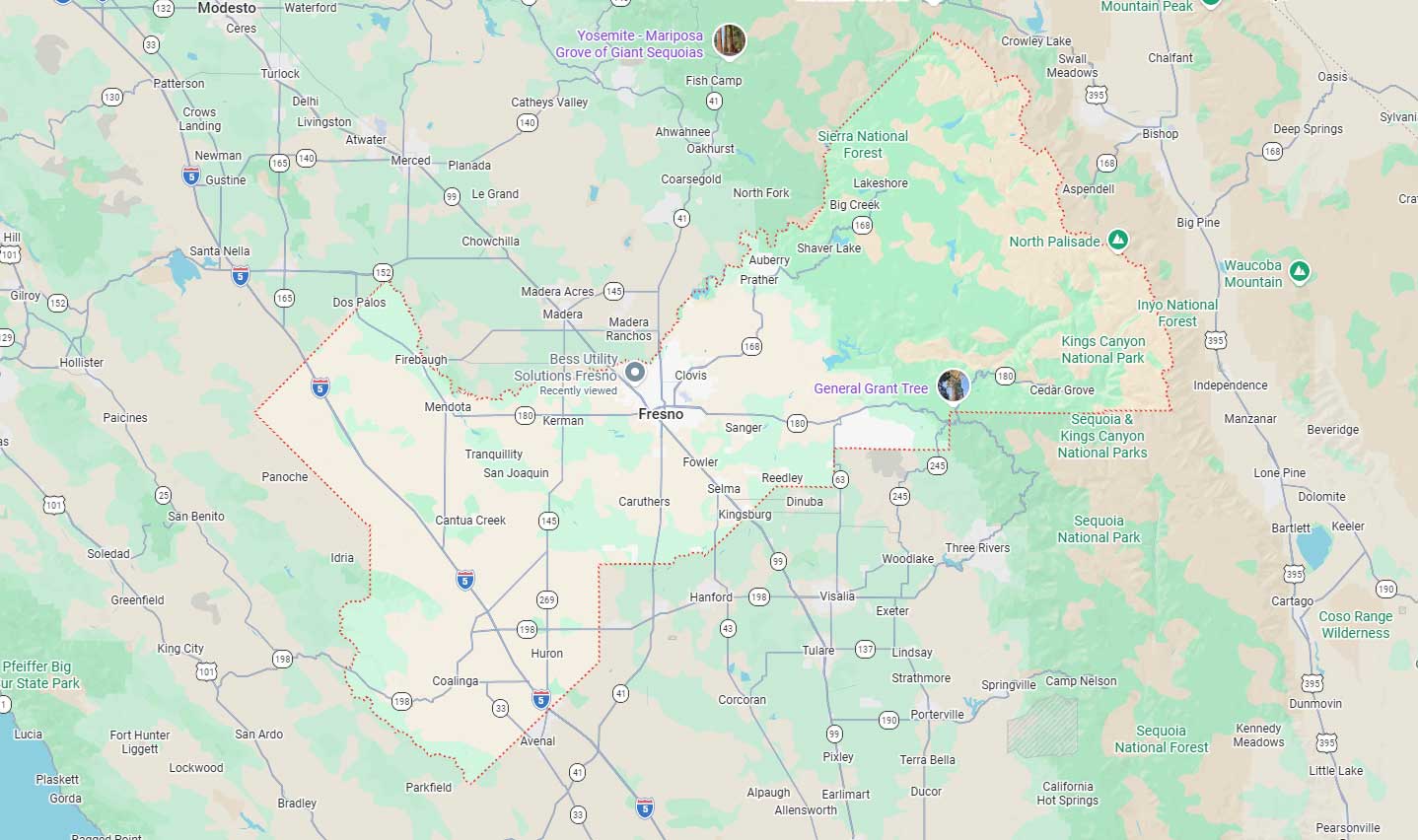
Hayward, CA
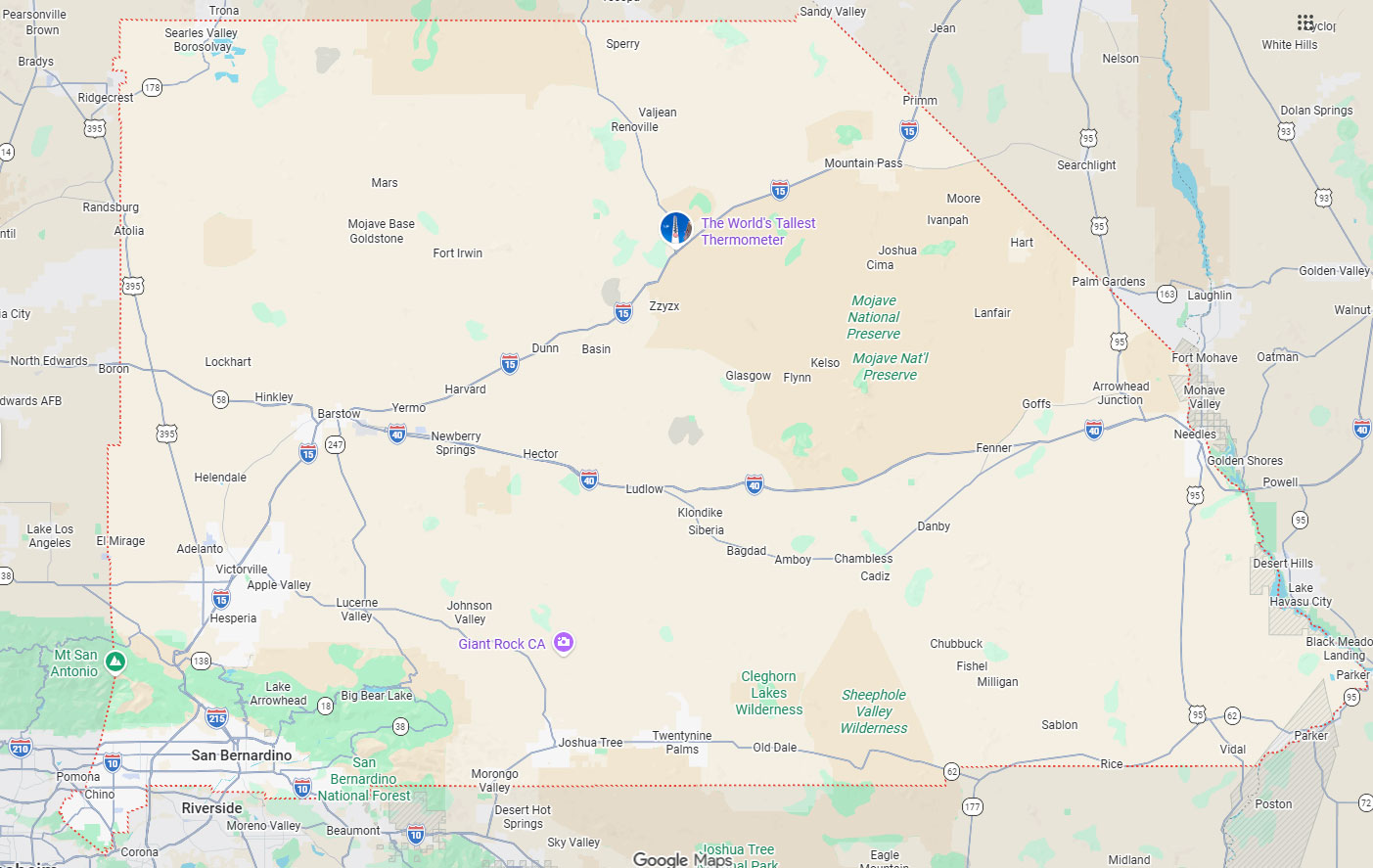
Fresno, CA
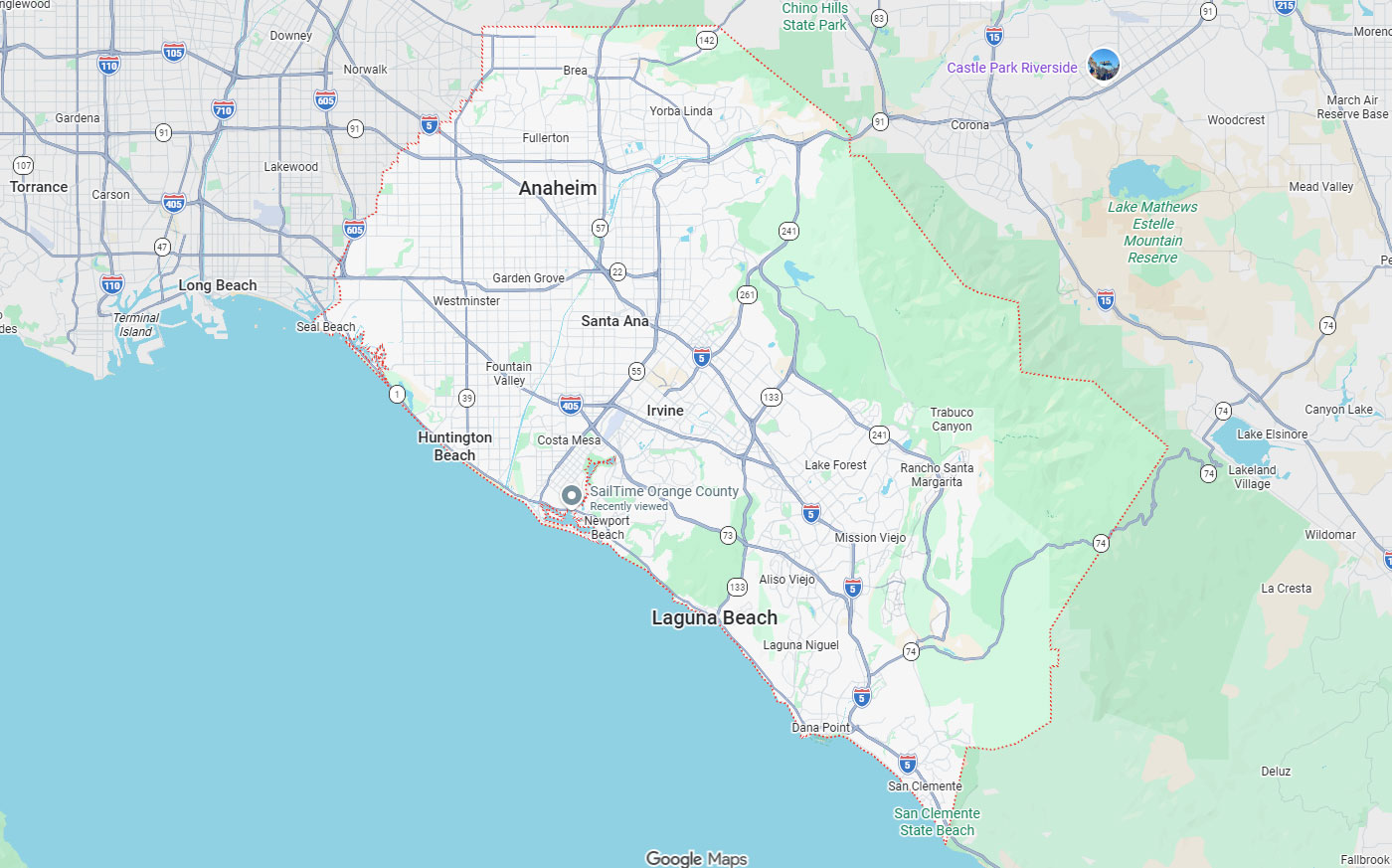
Orange, CA
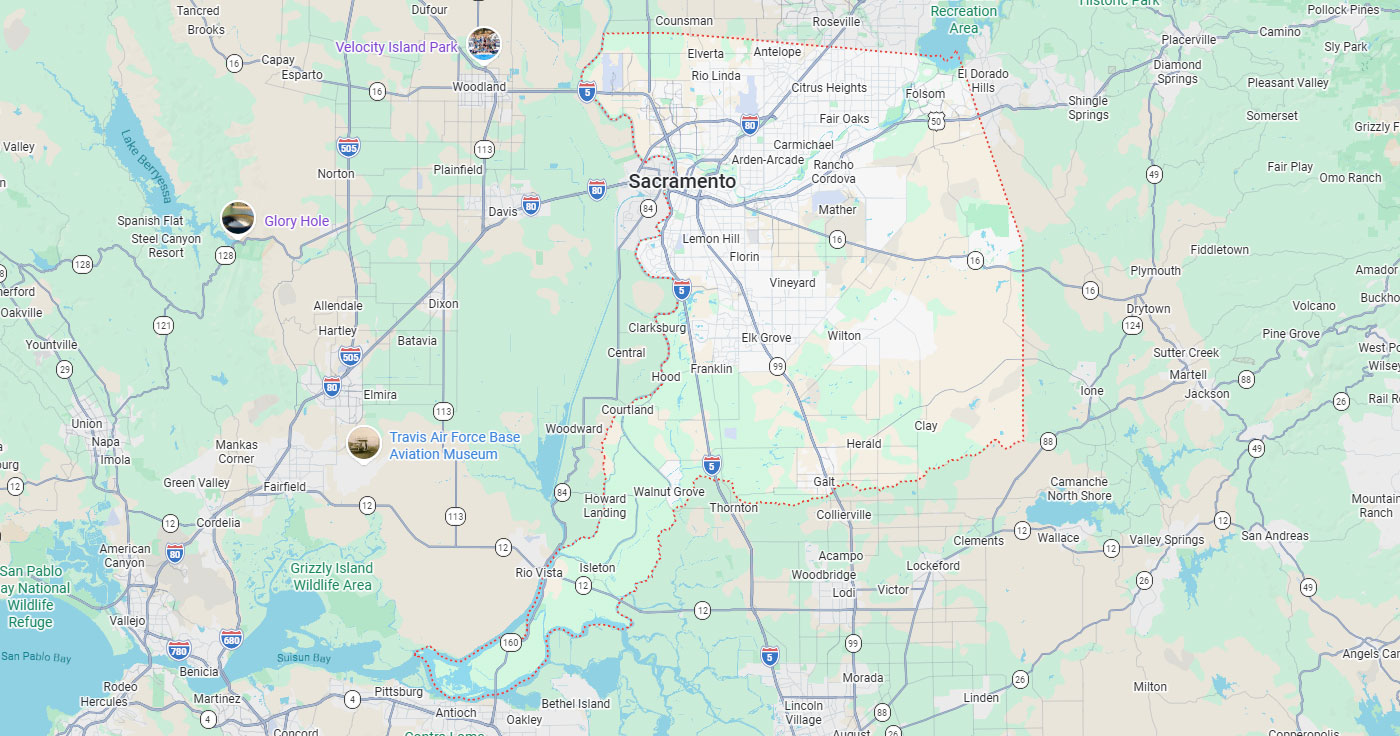
Sacramento, CA
Phoenix, AZ
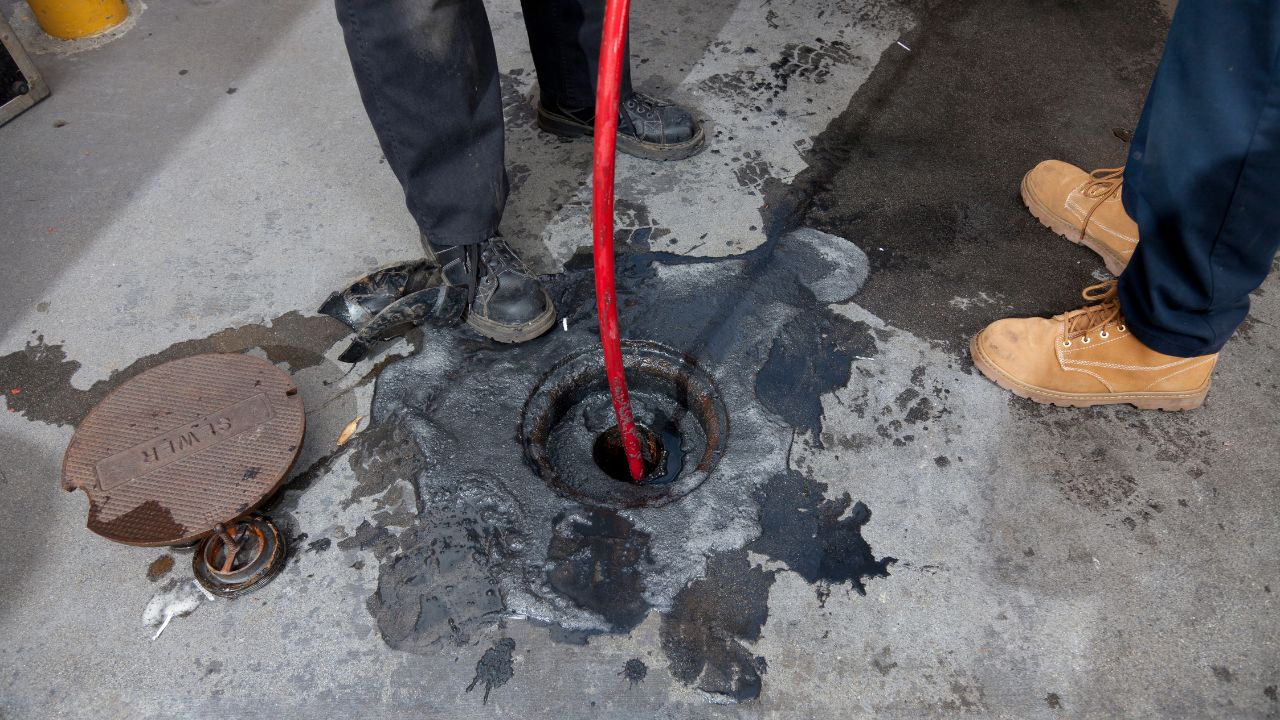
Hayward's 2025 Sewer System Management Plan prioritizes protecting public health, minimizing sanitary sewer overflows, and maintaining adequate peak-flow capacity. Property owners, facility managers, contractors, and municipal teams need reliable methods to inspect pipe conditions, remove flow restrictions, and document maintenance results. CCTV pipeline inspection shows what is happening inside the line, while hydro flushing cleans debris that inspection identifies.
Planned maintenance is easier to control than emergency response. Combining CCTV inspection and hydro flushing creates a diagnostic-and-cleaning workflow that helps Hayward stakeholders make informed decisions about cleaning, repair, or replacement before minor issues escalate into backups or overflows.
Key Takeaways
CCTV pipeline inspection uses remote video cameras to reveal pipe conditions without excavation or guesswork. NASSCO frames underground infrastructure assessment as the first step in protecting assets because cameras identify areas of potential failure before they become larger problems.
Visual documentation helps owners, engineers, municipalities, and facility managers understand whether flow restrictions come from debris buildup or structural defects. CCTV inspection provides the condition data needed to plan targeted maintenance and prioritize repair decisions.
Remote video inspection enters the pipe through existing access points and records interior conditions in real time. CCTV image quality depends on pipe size, lighting, camera centering, and focus settings that trained operators adjust during the inspection.
Recorded footage shows blockage locations, pipe material, diameter changes, cracks, offsets, and collapse risks. This visual evidence helps crews decide whether cleaning is appropriate or whether structural repair must come first.
CCTV can locate defects, service laterals, infiltration signs, and obstructions including roots, grease, debris, and cross bores. Cameras reveal joint offsets, visible cracks, inflow conditions, sediment accumulation, and service connection conditions that affect system performance.
Inspection identifies whether flow restrictions are removable material or permanent structural damage requiring repair. This distinction prevents crews from cleaning blindly when the real cause is a collapsed section or offset joint.
PACP gives field workers a common language for classifying pipe conditions and severity across inspection projects. PACP coding helps determine maintenance or rehabilitation actions based on condition evaluation rather than assumptions.
Documented footage creates an asset record that supports budget requests, compliance reporting, and future planning. Property and facility managers gain proof of current conditions that informs priority decisions and capital improvement schedules.
Hydro flushing uses high-pressure water streams to remove material that restricts flow inside pipelines. Inspection reveals where restrictions exist, while cleaning restores capacity by removing loose accumulations that CCTV identified.
This sequence ensures cleaning targets known problem areas rather than operating without condition data. Combining CCTV with hydro flushing turns diagnostic findings into corrective action.
| Service | Primary Role | What It Reveals or Removes |
| CCTV Pipeline Inspection | Diagnostic assessment | Blockage location, pipe material, cracks, offsets, and root intrusion |
| Hydro Flushing | Corrective cleaning | Sediment, grease, debris, and root-related buildup identified during inspection |
| Combined Workflow | Verification and documentation | Before-and-after proof that flow was restored and defects were addressed |
Hydro flushing utility services use high-pressure water to remove sediment, sludge, grease, loose debris, and root-related buildup. Water pressure dislodges material clinging to pipe walls and flushes accumulations that reduce flow capacity.
Cleaning is most effective when pipe structure can withstand pressure application without further damage. Pre-cleaning inspection confirms that the pipe condition is suitable for aggressive flushing before work begins.
CCTV before flushing locates blockage zones, identifies pipe material and diameter, and reveals major defects or collapse risks. This advanced knowledge lets crews adjust pressure settings, select appropriate nozzles, and target cleaning to specific problem areas.
Hydro flushing after inspection removes loose debris and flow restrictions that video documented. Inspection makes cleaning more targeted while crews avoid applying force where structural condition is uncertain or excavation is needed instead.
Hydro flushing should be used when appropriate for the pipe condition and material composition. Skipping CCTV before flushing means crews may clean blindly, miss the real cause, or apply force where structural integrity is compromised.
Pre-inspection reveals cracks, offsets, thinning, or collapse signs that require repair before cleaning begins. Hydro-vacuum excavation and other non-destructive methods may be necessary when CCTV reveals significant structural concerns.
Integrated pipeline maintenance treats inspection and cleaning as complementary steps in a single maintenance cycle. CCTV inspection is the documentation layer while hydro flushing is the cleaning and action layer.
Cleaning turns findings into action, while inspection alone documents the problem but does not restore flow. Together, these services create a complete before-during-after workflow that reduces unknowns and supports evidence-based decisions.
Pre-cleaning CCTV identifies exact blockage locations, pipe material cues, and visible structural concerns before crews apply pressure. Operators adjust cleaning parameters based on pipe size, defect severity, and material type revealed during inspection.
This preparation reduces the risk of damaging compromised sections or missing hidden obstructions downstream. When to schedule a CCTV pipe inspection in Hayward depends on maintenance cycles, symptom severity, and construction timelines.
CCTV after flushing confirms whether material was removed, whether a defect remains, and whether repair or recurring maintenance is needed. Post-cleaning video closes the evidence loop while owners gain proof that flow was restored or that structural issues require escalation.
Skipping CCTV after flushing means owners may assume the issue is solved without proof while structural or recurring problems remain hidden. Before-and-after footage supports maintenance records, budget justifications, and future planning decisions.
Skipping hydro flushing after inspection leaves documented flow restrictions in place without corrective action. Skipping documentation means future work starts from scratch while disputes or budget approvals lack supporting evidence.
Coordinated services reduce emergency excavation risk, unplanned service disruptions, and repeated maintenance visits. Pipeline cleaning benefits include restored capacity, reduced overflow risk, and documented proof that maintenance objectives were achieved.
Hayward treats sewer overflows as urgent events requiring immediate response rather than delayed reporting through standard channels. The EPA defines sanitary sewer overflows as releases of untreated sewage from a municipal sanitary sewer.
The EPA identifies SSO causes and conditions including blockages, line breaks, infiltration and inflow, vandalism, and power failures. Proactive inspection and cleaning address blockages and debris accumulation before they trigger overflow conditions.
SSOs associated with system failures include blockages, pipe breaks, infiltration and inflow, vandalism, and power failures. CCTV inspection reveals blockages, root intrusion, grease accumulation, sediment buildup, and infiltration signs that contribute to capacity loss.
Hydro flushing removes loose material causing partial blockages before they progress to complete flow restrictions. How CCTV pipe inspection prevents costly sewer failures explains how early detection reduces emergency repair frequency.
Hayward SSMP goals include minimizing sanitary sewer overflows and ensuring peak-flow capacity during high-demand periods. Planned inspection and cleaning cycles help property owners maintain system reliability without waiting for backup symptoms to appear.
Scheduled maintenance is easier to control than emergency response because crews can coordinate access, equipment, and documentation in advance. Proactive work reduces tenant disruption, avoids after-hours service calls, and supports continuity for commercial and institutional facilities.
Hayward SSMP goals include protecting public health and the environment while properly managing and maintaining the wastewater collection system. The city's plan also emphasizes responding to sewer emergencies with appropriate speed and resources.
Hayward warns that using Access Hayward for sewer overflow reports delays response because time-sensitive issues require immediate phone notification. Property owners who document maintenance with CCTV and cleaning records demonstrate proactive system management aligned with municipal reliability priorities.
Recorded footage and condition reports create an asset record for owners, engineers, municipalities, and facility managers. Visual proof supports compliance verification, risk management decisions, and maintenance budget planning.
Documentation helps property managers demonstrate due diligence to tenants, insurers, and regulatory agencies. Before-and-after video provides objective evidence that maintenance was completed and flow capacity was restored.
CCTV reports with location coding, defect classification, and severity ratings provide standardized documentation for internal records and external audits. Hayward underground utility locating services complement pipeline inspection by mapping system layout and connection points before maintenance or construction begins.
Visual records help facility managers identify recurring problem areas and prioritize capital improvement spending. Documented condition assessments reduce liability exposure by showing that owners took reasonable steps to maintain infrastructure.
Before-and-after footage demonstrates the effectiveness of maintenance work to property owners, tenants, and project stakeholders. Visual comparison shows material removal, confirms flow restoration, and reveals whether structural defects remain after cleaning.
This evidence supports contract closeout, warranty claims, and future budget requests. Engineers and consultants use documented conditions to recommend repair priorities and estimate remaining service life.
Hayward's sewer line improvement project selected locations using performance and maintenance data from past inspections and service records. Property owners benefit from the same data-driven approach by tracking condition changes over time and planning repairs before emergency replacement becomes necessary.
Documented inspection history helps facility managers justify maintenance budgets and allocate resources to high-priority sections. Condition coding and defect classification create a common language for discussing infrastructure needs with engineers, contractors, and stakeholders.
Scheduled inspection and cleaning should occur before symptoms escalate into backups, odors, or service disruptions. Why CCTV pipe inspection is required in Hayward before construction explains pre-project verification workflows that prevent conflicts during site work.
Proactive scheduling reduces emergency response costs and minimizes tenant or operational disruptions. Property owners and contractors should coordinate services during routine maintenance cycles, after complaint reports, and before major construction or connection projects.
| Warning Sign | Likely Cause | Recommended Service |
| Slow drains or recurring backups | Partial blockage from debris or roots | CCTV inspection followed by hydro flushing |
| Odor complaints near drains or cleanouts | Sediment buildup or venting issues | CCTV inspection to confirm the source before cleaning |
| Property acquisition or tenant turnover | Unknown baseline pipe condition | CCTV inspection for documentation |
| Pre-construction or new connection work | Unverified existing infrastructure | Pre-construction CCTV inspection and mapping |
Slow drains, recurring backups, or odor complaints suggest partial blockages that require inspection and cleaning. Facility managers should schedule services after root intrusion is suspected, following heavy rain events, or when tenants report drainage issues.
Property acquisitions, tenant turnovers, and capital improvement planning benefit from baseline condition documentation before maintenance responsibility changes hands. Utility locating for commercial projects in Hayward supports site development by confirming existing infrastructure conditions.
Hayward must approve new water and sewer connections before installation begins. Applicants are responsible for sanitary sewer lateral installation from the main to the property after fees are paid.
Pre-construction CCTV verifies existing pipe conditions, locates service connections, and identifies conflicts before excavation or tie-in work begins. Post-construction inspection documents that new connections meet specifications and that existing infrastructure was not damaged during installation.
Scheduled maintenance allows property owners to coordinate access, notify tenants, and complete work during low-activity periods. Emergency response typically costs more because crews deploy after-hours equipment and expedite repairs to restore service quickly.
Proactive inspection identifies maintenance needs before complete blockages halt operations or trigger overflow conditions. Utility locating helps Hayward developers prevent utility strikes during excavation work that could damage sewer infrastructure and cause unplanned service interruptions.
Property owners and contractors should confirm service availability, experience, certifications, and reporting capabilities before selecting an inspection partner. Clear communication about project scope, timeline, and deliverables reduces misunderstandings and ensures expectations are met.
Qualified providers should explain their inspection equipment, cleaning methods, documentation standards, and coordination procedures. Service geography, response time, and project experience in Hayward or similar municipalities indicate a provider's familiarity with local infrastructure and regulatory context.
Verify whether the provider directly offers hydro flushing, hydro jetting, or pipeline cleaning services or describes them as coordinated complementary work. Some inspection specialists partner with cleaning contractors while others provide both services under one contract.
Clarify whether the provider can perform pre-cleaning inspection, coordinate cleaning work, and conduct post-cleaning verification as a complete package. Integrated service delivery reduces coordination burden and ensures that inspection findings inform cleaning parameters.
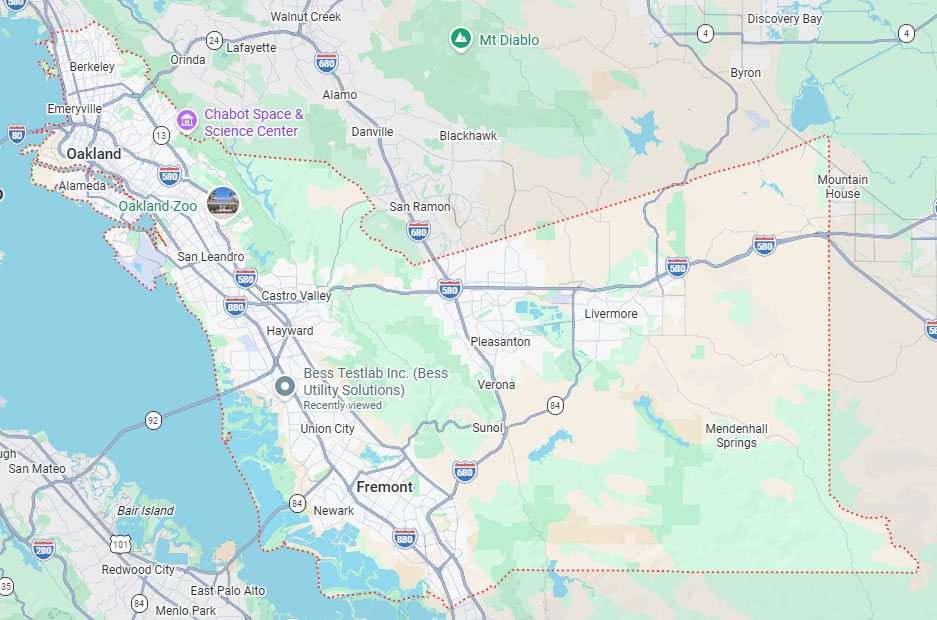
Bess Utility Solutions brings 29 years of experience serving California, Arizona, and Nevada with CPUC-certified MBE and DBE status. Industry certifications, PACP training, and municipal project experience indicate that field teams understand condition coding, documentation standards, and local regulatory requirements.
Ask about completed projects similar to yours in size, pipe material, and facility type. References from property managers, contractors, or municipal clients provide insight into service quality and communication practices.
Confirm what documentation you will receive, including video footage, still images, location maps, defect coding, and written summaries. Standardized reports using PACP or similar condition assessment protocols make results easier to share with engineers, consultants, and stakeholders.
Discuss project communication timelines, site access requirements, and notification procedures for unexpected findings during inspection or cleaning. Clear reporting and responsive communication help property owners make timely maintenance decisions and avoid project delays.
Combining CCTV inspection and hydro flushing creates a complete maintenance workflow that reduces guesswork and supports evidence-based decisions for Hayward property owners, contractors, and facility managers. Pre-cleaning inspection reveals blockage locations and structural conditions, while post-cleaning verification documents flow restoration and guides repair priorities.
Proactive maintenance aligned with Hayward's sewer system reliability goals helps reduce emergency overflow risks, minimize service disruptions, and maintain documented proof of infrastructure stewardship. Bess Utility Solutions coordinates subsurface assessment and utility services that support planned maintenance cycles and construction verification workflows across commercial, industrial, institutional, and municipal projects.
Bess Utility Solutions brings 29 years of experience and CPUC-certified MBE/DBE status to CCTV pipeline inspection and hydro flushing projects across Hayward. Our crews coordinate inspection and cleaning as one documented workflow, giving property owners, facility managers, and contractors condition data and clean pipes from a single point of contact.
Call [Phone Number] to schedule a pre-cleaning inspection, or request a quote through our online form. Bess Utility Solutions serves commercial, industrial, institutional, and municipal projects across California, Arizona, and Nevada, and our team is ready to help you plan maintenance before minor issues become emergency repairs. You can also contact us directly with questions about scope, timeline, or documentation.
A. Pricing depends on pipe diameter, length, access points, and whether inspection reveals conditions requiring extra cleaning passes or repair. Straightforward diagnostic inspections on shorter runs typically cost less than combined projects with heavy sediment removal. Bess Utility Solutions provides a written estimate after reviewing project scope, so Hayward property owners know the investment before work begins.
A. Most residential and small commercial lines can be inspected and cleaned in a single visit, often a few hours from setup to post-cleaning verification. Larger commercial or municipal systems with multiple access points may require a full day or a scheduled multi-day project. Crews confirm the estimated timeline once the initial inspection identifies pipe condition, length, and cleaning requirements.
A. Hydro flushing applies pressurized water that can stress pipe walls already weakened by cracks, offsets, or corrosion. CCTV inspection before flushing identifies these vulnerable sections, so crews can adjust water pressure or recommend repair instead of cleaning. This sequencing is why Bess Utility Solutions inspects before every flushing project rather than cleaning blind.
A. Maintenance frequency depends on pipe age, material, tree root exposure, and prior blockage history rather than a fixed calendar interval. Properties with a history of root intrusion or grease buildup often benefit from annual or biannual service, while newer systems may need inspection only every few years. Hayward's Sewer System Management Plan encourages proactive maintenance, which supports scheduling service before symptoms like slow drains appear.
A. The terms are often used interchangeably to describe high-pressure water cleaning of pipelines, though some providers use "jetting" for higher-pressure applications against tougher blockages like root intrusion. Both methods rely on pressurized water and specialized nozzles to remove sediment, grease, and debris from pipe walls. Property owners should confirm with their provider which equipment and pressure settings apply to their specific pipe conditions.