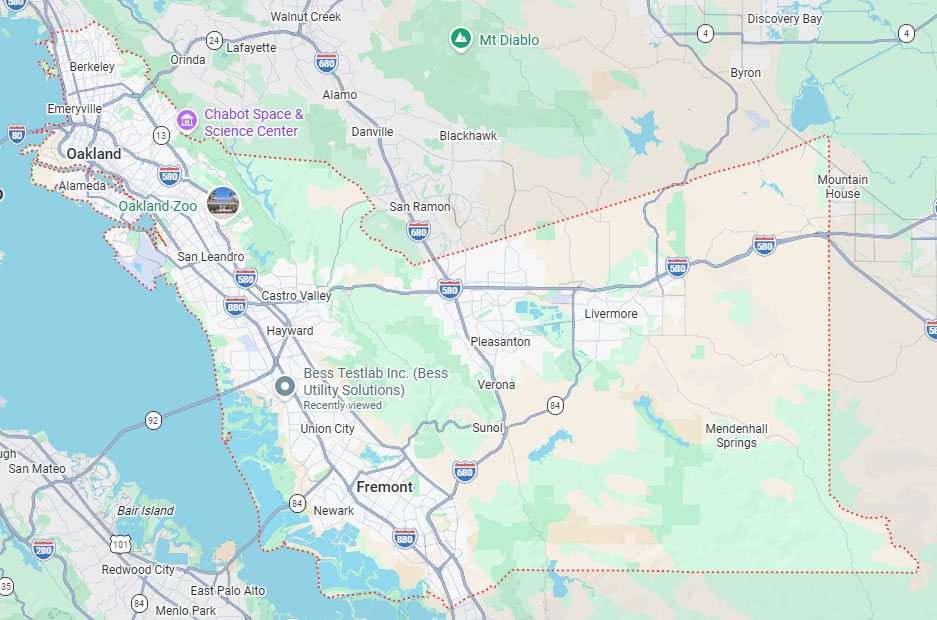
Hayward, CA
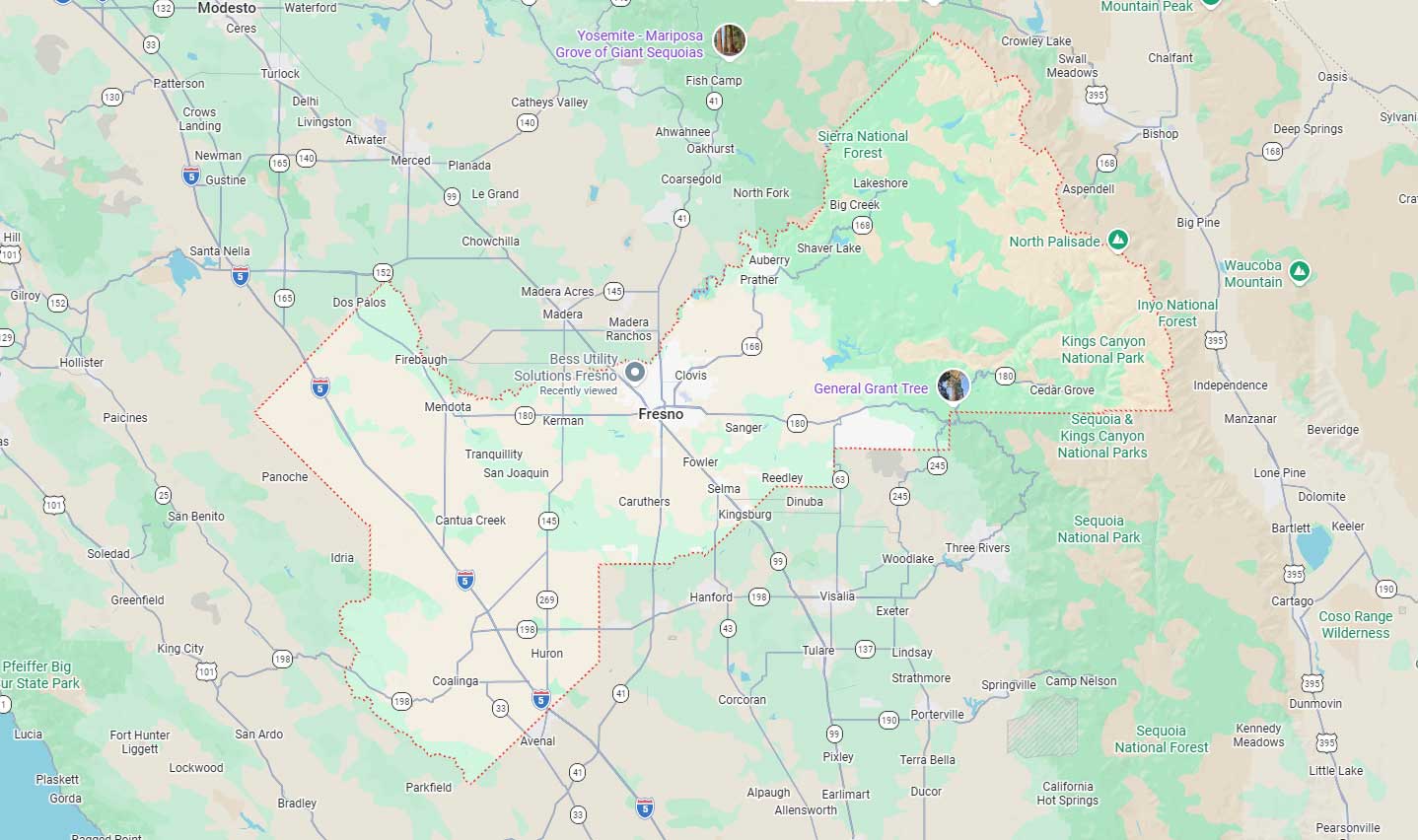
Fresno, CA
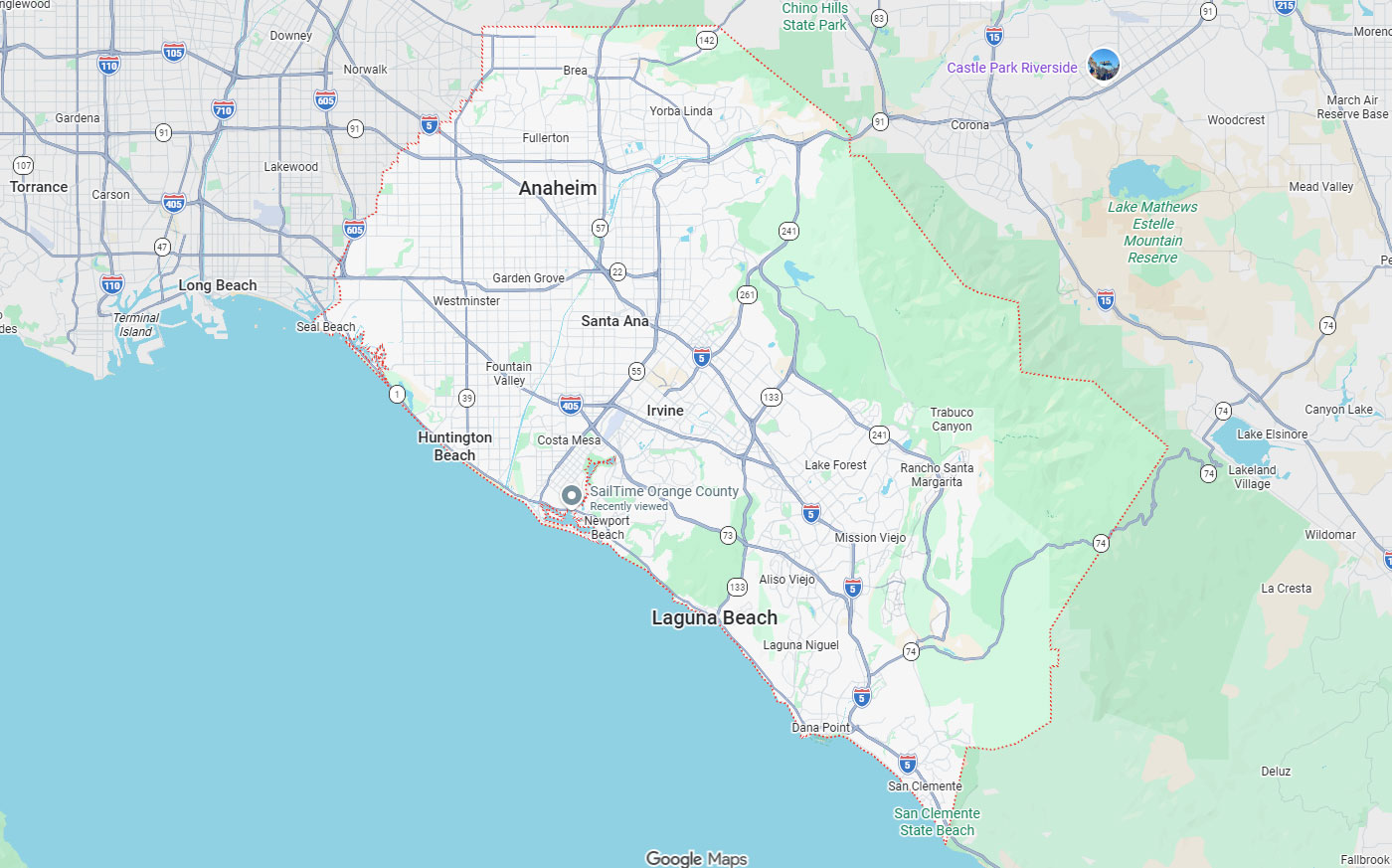
Orange, CA
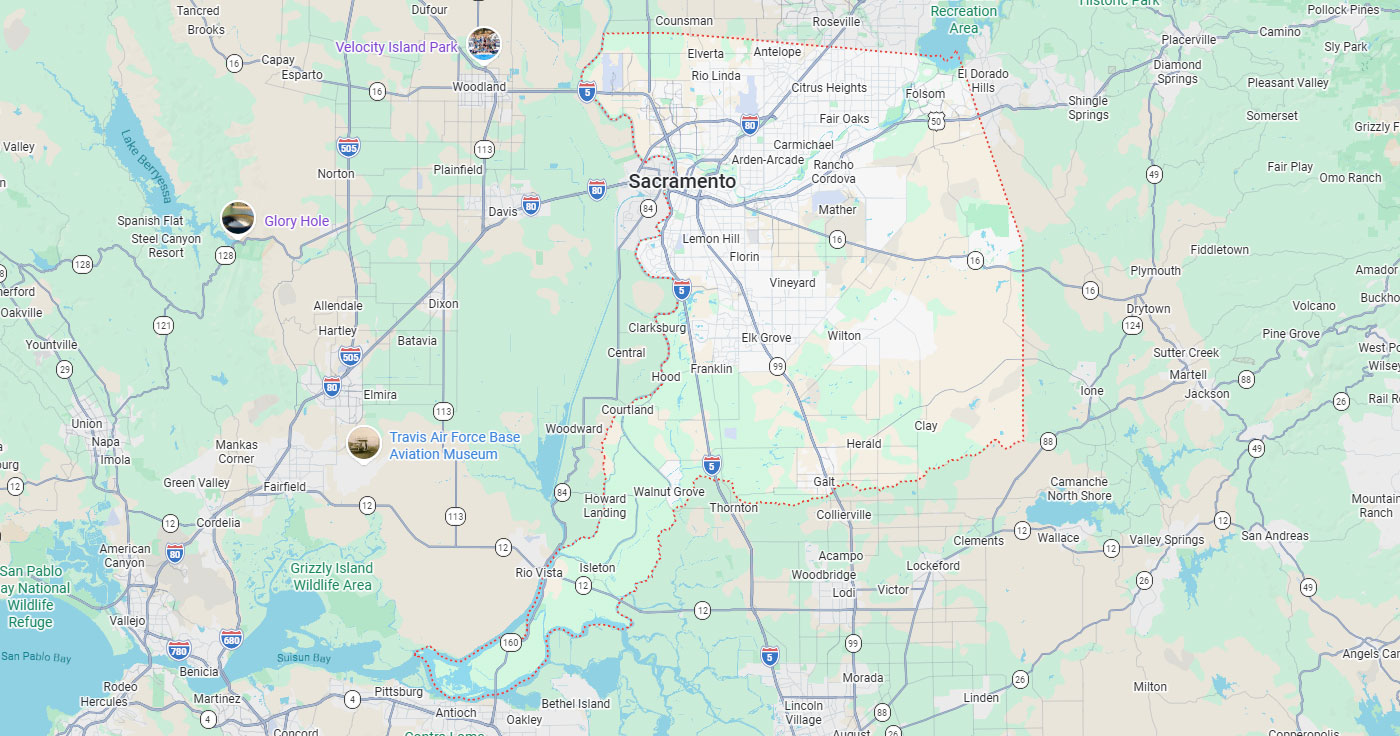
Sacramento, CA
Phoenix, AZ
California design teams still rely on manhole entry, exploratory excavation, and decades-old record drawings to make pipeline decisions. These traditional methods routinely produce incomplete or inaccurate data that stalls design decisions and creates liability exposure on commercial projects.
CCTV pipe inspection offers the modern alternative, delivering full-length interior visual evidence and PACP-coded defect documentation that traditional methods cannot match. This comparison examines visual inspection capability, accuracy, and documentation standards and efficiency benefits that change project economics for California construction teams.
Key Takeaways
California engineers have relied on four primary methods to assess the condition of sewer lines, storm drains, and other buried pipelines before CCTV technology became standard practice. Record drawings and as-built reliance remain the most common starting point, where engineers pull municipal or owner-provided drawings and design around what the records claim. Accuracy degrades sharply on systems older than 20 years, and many commercial properties operate on infrastructure installed before digital documentation standards existed.
Manhole visual entry allows confined-space inspection by trained crews but only reveals what is visible from access structures. Smoke and dye testing confirm flow connectivity and identify inflow points but reveal nothing about pipe wall condition or structural integrity. Exploratory excavation provides direct visual confirmation of one location at a time, though it remains expensive and disruptive on active commercial sites.
Each traditional method answers a narrow question but lacks the comprehensive condition data engineering decisions require. Manhole entry inspects only the segment immediately adjacent to the access structure, typically 10 to 20 feet of pipe in each direction. Record drawings serve as a reasonable preliminary design reference, but engineer best practices require verification on any system older than 30 years.
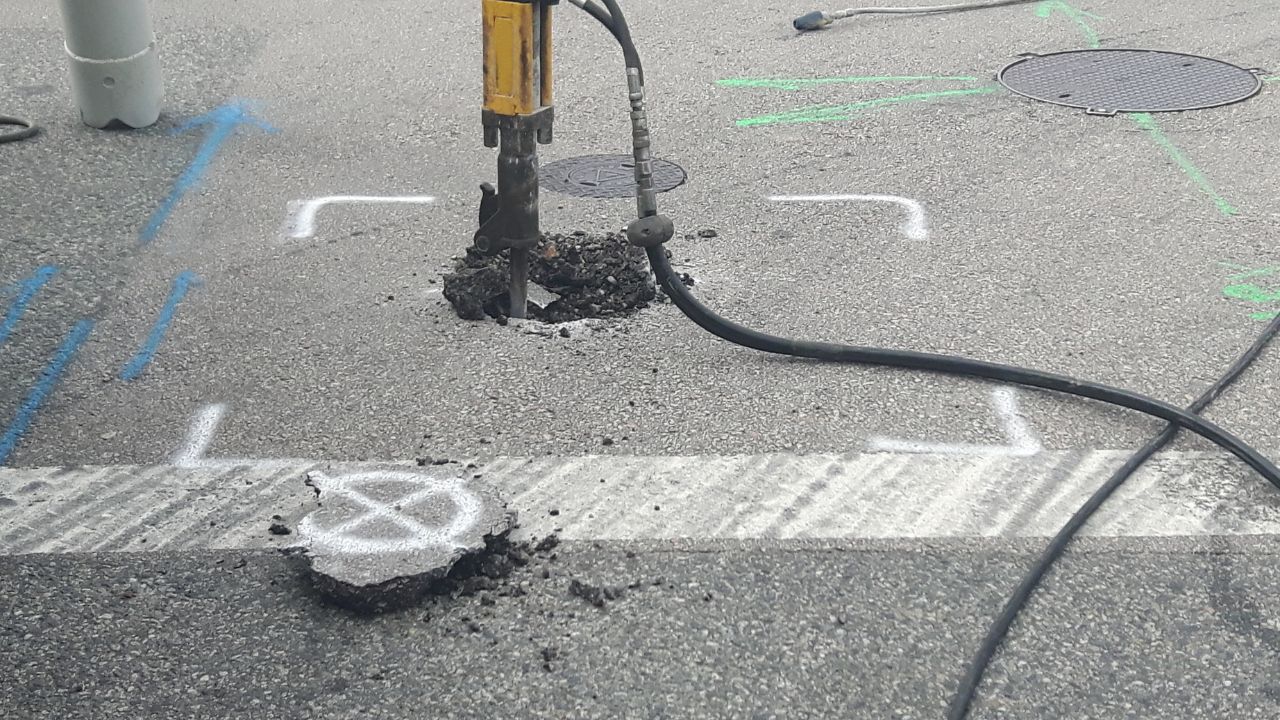
Smoke testing remains the standard for stormwater-to-sanitary cross-connection investigations where flow path matters more than pipe wall condition. Exploratory excavation is appropriate at known conflict points where vacuum excavation or potholing has already narrowed the location, but excavating to verify the condition on every segment would exceed project budgets by orders of magnitude.
Traditional methods have not disappeared from California construction practice because certain applications still favor them. Dye testing supports specific connectivity verification on small-scope projects with limited budgets, particularly where owners need only flow confirmation rather than full condition assessment. Smoke testing identifies illegal connections and infiltration sources quickly and inexpensively, making it the right tool for regulatory compliance investigations.
Record drawings remain the logical starting point for preliminary design, providing layout and approximate depth information before field verification begins. Exploratory excavation maintains its role at specific conflict points where direct observation of pipe-to-structure clearance prevents costly design errors, but engineers making rehab, replacement, or capacity decisions need broader condition data than these methods provide.
Manual visual inspection delivers limited coverage of the pipe network because crews can only observe what flashlight visibility and atmospheric conditions allow. Manhole entry typically inspects less than 5% of the network, observing only the segment immediately adjacent to each access structure. Confined-space entry introduces OSHA-regulated hazards, including atmospheric testing, ventilation, fall protection, and rescue standby, adding procedural complexity and cost to every inspection.
Manual methods cannot grade defects against NASSCO PACP standards, which engineering reports and rehabilitation specifications now require across California construction projects. For commercial projects, manhole entry alone rarely produces enough condition data to support a design decision, forcing engineers to extrapolate from a sample of one or two segments to the whole network. Water level, sediment accumulation, and lighting limitations further reduce the accuracy of manual observations in active systems.
Manhole entry inspects the segment immediately adjacent to the access structure, typically covering 10 to 20 feet of pipe in each direction. Crews observe only what flashlight visibility, water level, and atmospheric conditions allow, producing partial data on a small fraction of the total pipeline length. Confined-space entry requires atmospheric testing, ventilation, fall protection, and rescue standby under OSHA regulations, consuming significant crew time before any inspection work begins.
Manual methods rely on operator judgment and partial visibility, with no equivalent grading framework to PACP standards. This creates professional risk on any project subject to third-party review, as insurance underwriters, lenders, and regulatory agencies increasingly demand defensible, quantitative condition data rather than subjective inspection notes.
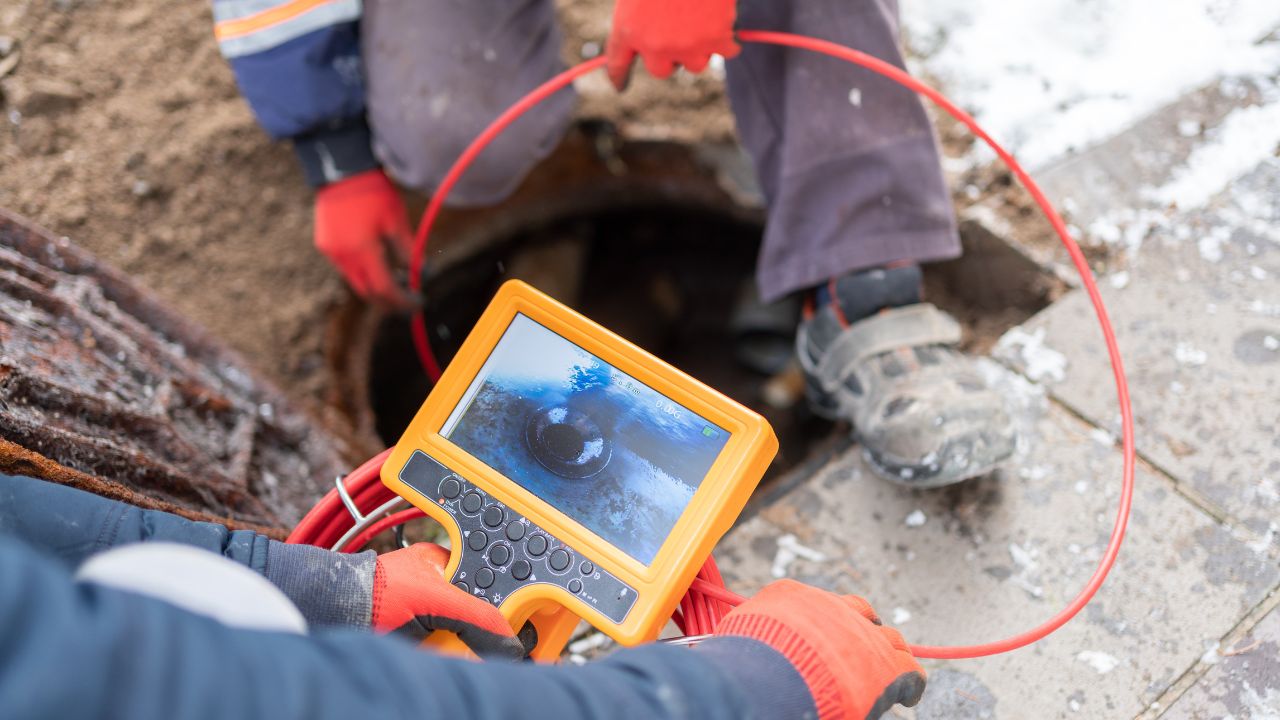
Robotic crawler systems push HD or 4K cameras through the full length of accessible pipe, capturing 100% of the interior surface rather than the 5% visible from access structures. Pan-tilt-zoom heads with 90 to 170 degree fields of view let operators inspect laterals, joints, and tap connections in detail without entering the pipe. Real-time review during the camera inspection identifies defects as they appear, allowing operators to flag, record, and code each finding without scheduling return visits.
Footage is permanent, reviewable, and shareable with engineering teams, owners, lenders, and agencies long after the inspection closes. Robotic crawler systems now hold roughly 40% market share in commercial pipeline inspection, a clear signal that technology adoption has shifted California engineering practice away from manual-only methods. The same camera inspection principles inform condition assessment across sewer and storm drain networks and carry over to pipeline safety reviews near a natural gas pipeline, where crews must document buried infrastructure before any work proceeds adjacent to gas transmission pipelines or local distribution pipelines.
CCTV with trained PACP-certified operators delivers a 95% or higher defect detection rate on commercial-grade inspections. Defects are graded 1 to 5 against the NASSCO PACP standard, giving engineers a defensible, quantitative basis for design decisions that hold up to lender, agency, and insurer scrutiny. Manual methods rely on operator judgment and partial visibility with no equivalent grading framework, creating liability exposure when design decisions must be defended to third parties.
AI-assisted CCTV systems further reduce human error during defect review by automatically flagging cracks, root intrusion, joint offsets, and material defects. For engineering teams, accuracy translates directly to liability protection because design decisions tied to PACP-coded data withstand professional review in ways that manual inspection notes do not. Traditional methods produce subjective observations that lack the precision, regulatory compliance, and professional engineering standards now required.
PACP-certified operators assign numerical grades to each defect type, creating a standardized condition assessment that multiple reviewers interpret identically. Manual inspection notes describe observed conditions but provide no quantitative framework for comparing defect severity across different segments or prioritizing rehabilitation work. Insurance underwriters, municipal plan reviewers, and lender technical consultants increasingly reject projects supported only by manual inspection documentation.
AI-assisted systems scan video footage at machine speed, identifying defect patterns human operators might miss during continuous review of thousands of linear feet. The combination of automated detection and PACP grading produces a defensible record that protects engineers from professional liability when design decisions lead to cost disputes or performance issues.
CCTV produces permanent video files, time-stamped defect logs, distance-from-manhole markers, and PACP-coded reports that integrate directly with GIS asset registries. Survey-grade location data links each defect to a precise XYZ coordinate, supporting ASCE 38-02 Quality Level A/B subsurface utility engineering deliverables that many public agencies now mandate. Output formats feed directly into asset management platforms used by municipal public works departments and large private campus operators.
Choose CCTV documentation if your project requires ASCE 38-02 compliance, lender or agency review, asset transfer to institutional ownership, or any deliverable that an engineer must stamp and defend. Bess Utility Solutions, as a CPUC-certified MBE/DBE firm with 29 years of experience, delivers engineering-grade documentation that California public agencies, municipalities, and military installations accept without rework.
Manual inspection covers a handful of segments per shift, limited by confined-space entry procedures, weather, and visibility constraints that stop work when conditions degrade. Exploratory excavation rarely exceeds 50 to 100 linear feet per day, with surface restoration adding days more before the site returns to full use. Standard CCTV crews cover 1,300 to 1,500 linear feet per shift using robotic crawlers and real-time video review.
AI-assisted CCTV pushes production to roughly 2,690 linear feet per shift, close to a 99% productivity improvement on documented California projects. For engineering teams under design-phase deadlines, this difference changes project schedules because a network that takes weeks to inspect manually can be inspected and PACP-coded in days with CCTV, accelerating design decisions and keeping project timelines intact.
Manual inspection productivity depends on access structure spacing, confined-space protocols, and atmospheric conditions that vary from site to site. Weather delays, ventilation requirements, and crew fatigue limit manual inspection to a few segments per day, making a comprehensive network assessment impractical on large commercial properties. Exploratory excavation adds surface restoration time that doubles or triples the total project duration before engineering teams receive usable condition data.
Standard CCTV crews inspect 1,300 to 1,500 linear feet per shift using robotic crawlers and pan-tilt-zoom cameras that capture full interior surfaces. AI-assisted systems increase throughput to approximately 2,690 linear feet per shift by automating defect detection and PACP coding, allowing operators to focus on navigation and equipment rather than frame-by-frame video review.
Standard CCTV inspection costs $3 to $8 per linear foot, depending on pipe diameter, access conditions, and documentation requirements. AI-assisted CCTV drops cost to $1.50 to $4 per linear foot by doubling production rates without additional equipment investment, making routine inspection economically viable for large commercial portfolios. Exploratory excavation runs $200 to $800 per linear foot before surface restoration, traffic control, and lost tenant access.
Manual manhole inspection looks cheaper on paper but produces incomplete data that often forces engineering teams to commission CCTV anyway after design decisions stall. Choose CCTV-first inspection if the project involves more than 1,000 linear feet of pipeline, supports rehab or replacement design, or feeds a multi-year asset management plan, because the cost per foot is lower than any traditional method capable of producing comparable data.
CEQA review for large commercial projects often requires documentation of existing utility conditions, including sewer capacity, sewer impact, and integrity, that manual methods rarely produce in sufficient detail. The State Water Resources Control Board mandates Sewer System Management Plans for public sewer system operators, with CCTV inspection as the foundational data source for capacity analysis and rehabilitation prioritization. Spill reporting obligations make documented preventive inspection a defensible record if a sanitary sewer overflow occurs, protecting owners from regulatory penalties.
Commercial property owners connected to public systems inherit downstream exposure when failures originate on the sewer lateral that runs from the building across the property line to the public sewer main. Point-of-sale lateral ordinances in cities including Oakland, Berkeley, Alameda, San Leandro, Piedmont, and Burlingame require a passing CCTV inspection or completed trenchless pipe repair before escrow closes, making CCTV documentation a mandatory transaction requirement in these jurisdictions. Owners usually retain a private contractor to perform the repair once the inspection pinpoints the defect.
CEQA environmental review examines project impacts on existing infrastructure, requiring documentation that traditional methods cannot provide at the detail level regulatory agencies demand. State Water Resources Control Board SSMPs require capacity modeling, overflow prevention plans, and asset condition registries built on CCTV inspection data rather than inferred conditions from partial manual observations. Spill reporting rules place documentation burdens on property owners that only time-stamped video and PACP-coded reports satisfy.
Commercial properties connected to public systems face regulatory exposure when private lateral failures contribute to municipal SSOs. Documented preventive inspection creates a defensible compliance record that protects owners from enforcement actions and demonstrates due diligence in asset management.
California cities and water districts increasingly specify CCTV inspection with PACP coding as part of contract documents for new tie-ins and capacity verification. Lenders financing commercial development require subsurface documentation that holds up to underwriting review, where CCTV evidence meets evidentiary standards, and photographs from manhole entry usually do not. Point-of-sale lateral ordinances require passing a CCTV inspection before escrow closes in multiple California municipalities, making compliance a transaction prerequisite.
For engineering teams working across California submarkets, CCTV is the default inspection method because regulatory requirements and professional standards have converged on video evidence and PACP-coded documentation. Traditional methods now serve as supplemental tools rather than primary inspection methods in commercial and municipal practice.
Choose CCTV first if the project involves rehab or replacement design, pipelines more than 15 years old, capacity or condition decisions, lender or municipal review of subsurface data, or any new tie-in to existing infrastructure. CCTV produces the documentation that engineering decisions require, protecting design teams from liability when third parties challenge assumptions or when actual conditions differ from record drawings. The cost per foot is competitive with manual methods when measured against the completeness and defensibility of the data delivered.
Choose traditional methods alone only if the scope is purely connectivity verification on a new system, the budget supports preliminary feasibility only, or the system is under five years old with reliable as-builts. Most California commercial projects fall outside these narrow conditions, making CCTV the practical default. Choose both together if the project is a large commercial development, mixed-use site, healthcare or hospitality build, or any site with prior development history because the combined approach delivers the documentation engineering decisions actually require.
CCTV-first workflows deliver complete interior surface documentation, PACP-coded defect data, and survey-grade location information that support design decisions engineers can stamp and defend. Traditional methods answer narrow connectivity or accessibility questions quickly and inexpensively but produce partial data that rarely satisfies regulatory or professional documentation requirements. Combined workflows use CCTV for primary condition assessment and traditional methods for supplemental verification at specific locations.
Engineering teams working on California infrastructure projects should default to CCTV unless the project scope, budget, or system age clearly justifies traditional methods alone. The productivity gains AI-assisted CCTV delivers make comprehensive inspection economically viable on projects that previously relied on manual sampling, and the documentation output satisfies regulatory requirements that manual inspection notes do not.
Bess Utility Solutions brings 29 years of subsurface engineering experience across California, Arizona, and Nevada to every project. CPUC-certified MBE/DBE status qualifies the firm for public agency, municipal, and federal contracts where certification requirements eliminate competitors. ASCE 38-02 compliant deliverables produce the engineering-grade documentation that design teams can stamp and defend through plan review and construction.
Integrated service scope combines CCTV, GPR, EM locating, vacuum excavation, and 3D subsurface mapping under one contract, eliminating coordination delays between multiple specialty contractors. More than 1,000 satisfied clients, including engineering firms, municipalities, utility companies, and military installations, rely on Bess for decision-grade subsurface data. PACP-coded reports, survey-grade coordinates, GIS-ready outputs, and signed, stamped deliverables, where required, set Bess apart in a market where documentation quality determines professional liability exposure.
California engineering practice has shifted decisively toward CCTV-first inspection workflows because modern projects demand the accuracy, documentation, and efficiency that traditional methods cannot deliver. PACP-coded defect data, permanent video records, and survey-grade location information protect design decisions from third-party challenge and satisfy regulatory requirements that manual inspection notes do not meet. Bess Utility Solutions provides the 29 years of expertise, CPUC certification, and ASCE 38-02 compliant deliverables help California engineers make defensible design decisions.
Engineering project managers and lead civil engineers who need decision-grade pipeline data rather than best-guess inspection notes from manhole entry should evaluate CCTV as the primary method and reserve traditional methods for supplemental verification. The productivity and accuracy gains AI-assisted systems deliver make comprehensive inspection economically viable on projects that previously relied on manual sampling, protecting project schedules and engineering liability exposure.
If your design schedule, project budget, and crew safety depend on knowing exactly what runs beneath the site, Bess Utility Solutions delivers the pipeline data engineers can stamp and defend. As a CPUC-certified MBE/DBE firm with 29 years of experience across California, Arizona, and Nevada, we pair PACP-coded CCTV inspection with GPR, EM locating, vacuum excavation, and 3D subsurface mapping under one contract.
ASCE 38-02 compliant deliverables, survey-grade coordinates, and GIS-ready reports give you the documentation that holds up through plan review, lender underwriting, and agency approval, so utility conflicts surface in design rather than during construction. More than 1,000 engineering firms, municipalities, utility companies, and military installations rely on Bess to protect their timelines and limit liability exposure.
Contact Bess Utility Solutions today to schedule your CCTV pipeline inspection and put decision-grade subsurface data behind your next California project.