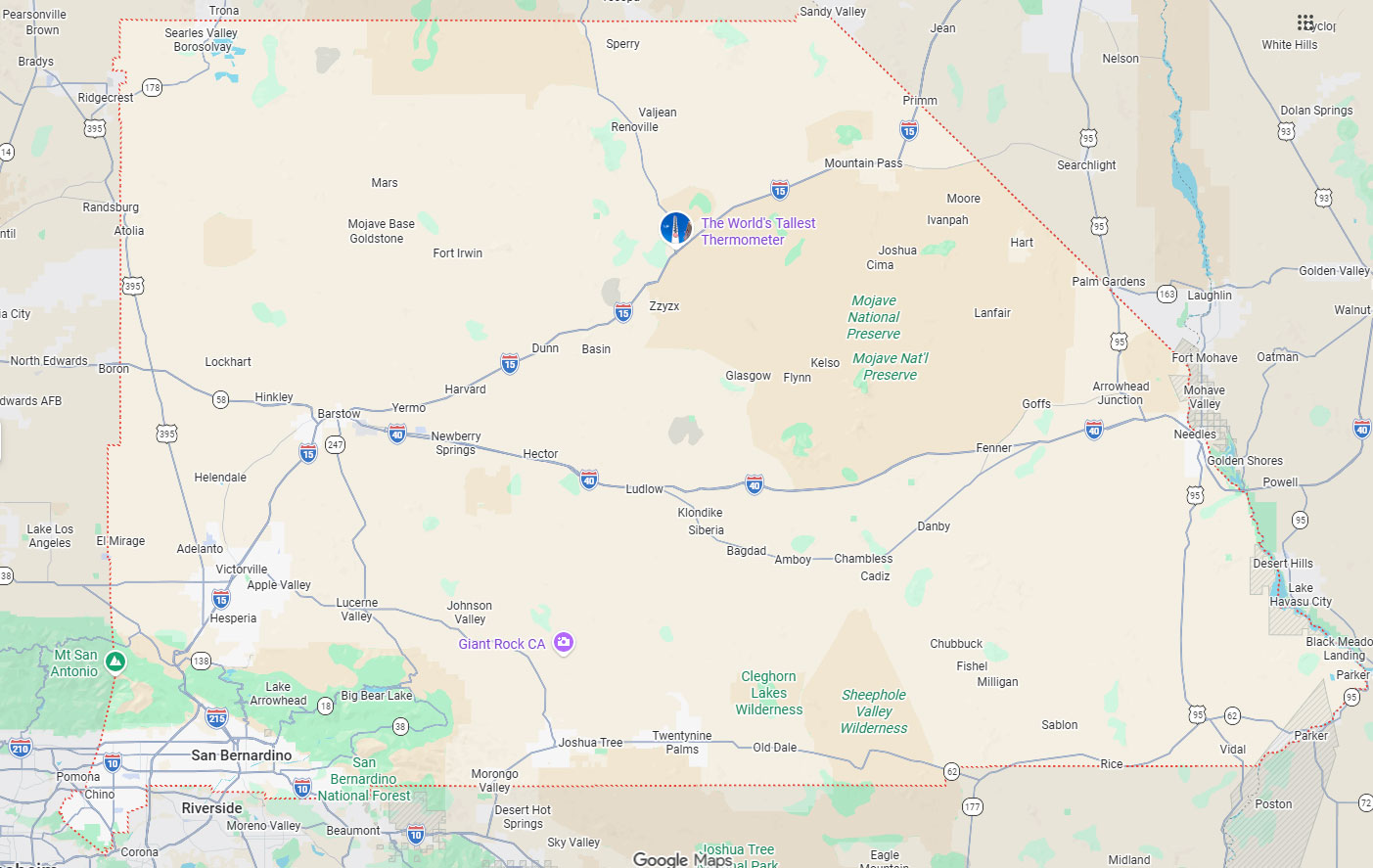
Hayward, CA
Fresno, CA
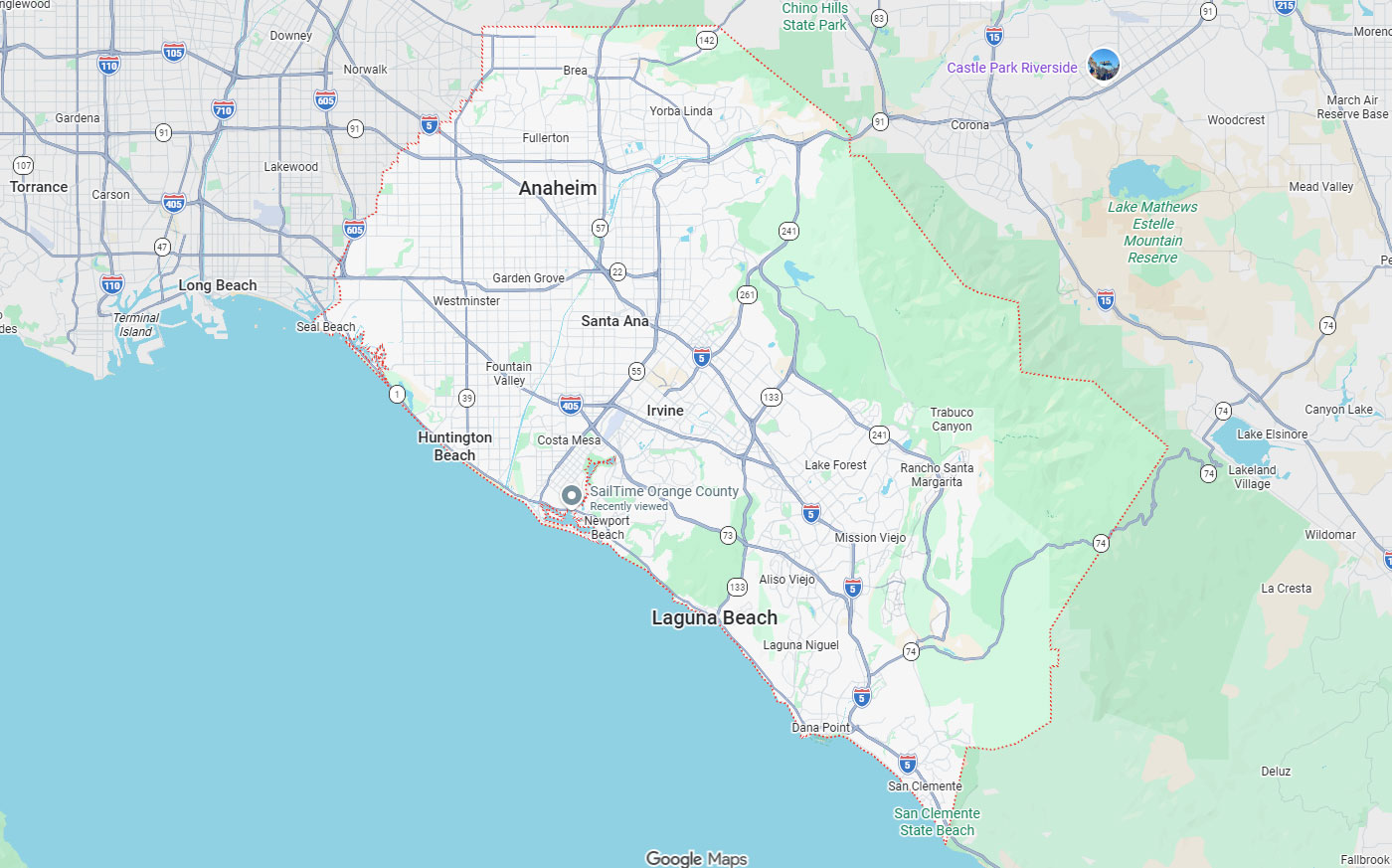
Orange, CA
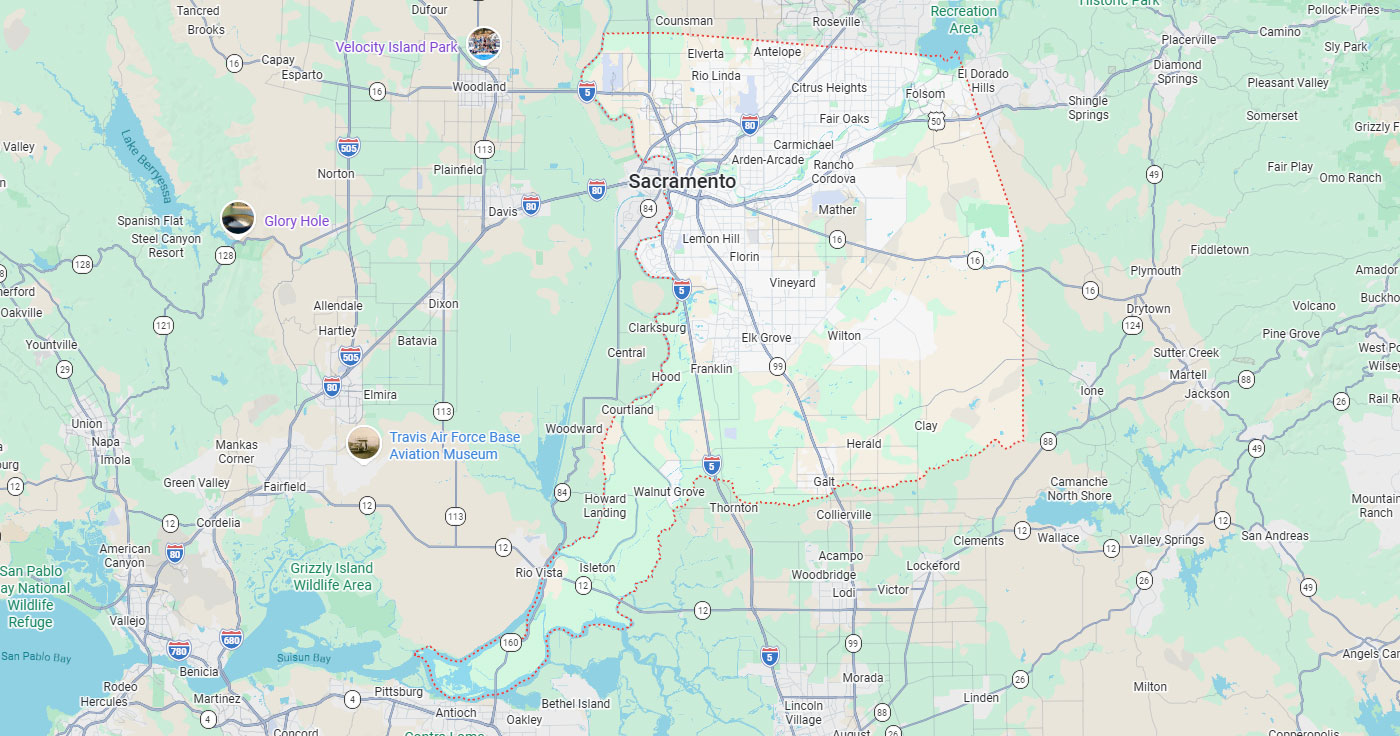
Sacramento, CA
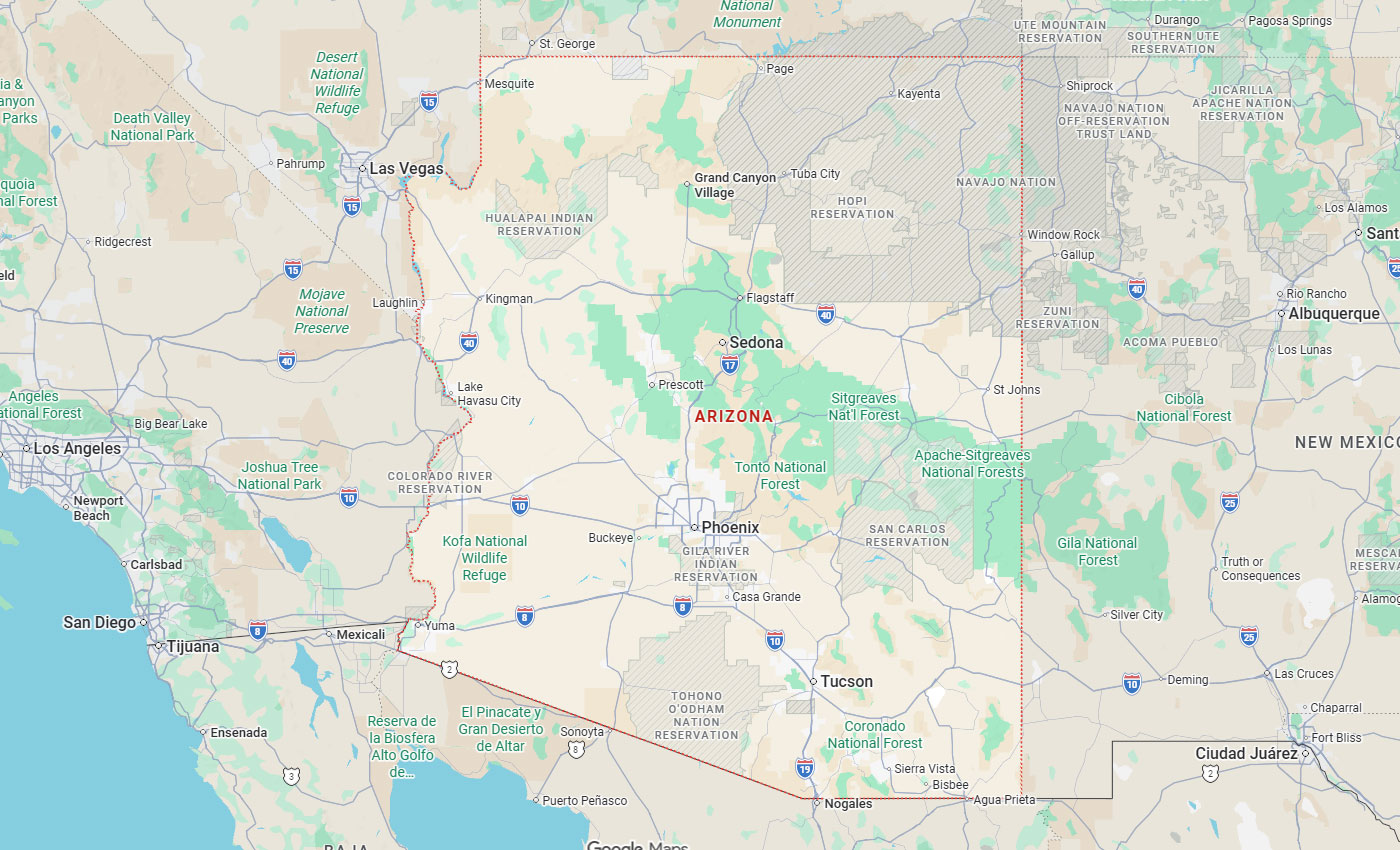
Phoenix, AZ
Key Takeaways
Utility locating services identify and map underground infrastructure—gas pipelines, electrical lines, telecommunications, and water systems—before excavation to prevent damage. Detection methods include electromagnetic locating, ground penetrating radar, and distributed acoustic sensing to protect natural gas pipelines and gas distribution systems from strikes.
The Pipeline and Hazardous Materials Safety Administration mandates the 811 call-before-you-dig system, processing 45.9 million requests in 2024. Between 400,000 and 800,000 utility strikes occur annually, averaging $4,000 per incident and causing 1,906 injuries plus 400 fatalities from 2000-2020. Pipeline operators use advanced leak detection technologies—fiber optic sensing systems, infrared sensors, and SCADA systems—to monitor pipeline integrity and public safety. Calling 811 achieves a 99% success rate in preventing gas leaks, methane emissions, power outages, and workplace accidents when pipeline safety standards and leak detection and repair protocols are followed.
Advanced leak detection technologies and detection methods enable accurate gas pipeline detection and underground electrical line locating before excavation. Pipeline operators deploy multiple systems for pipeline integrity and environmental monitoring.
| Technology | Accuracy | Application |
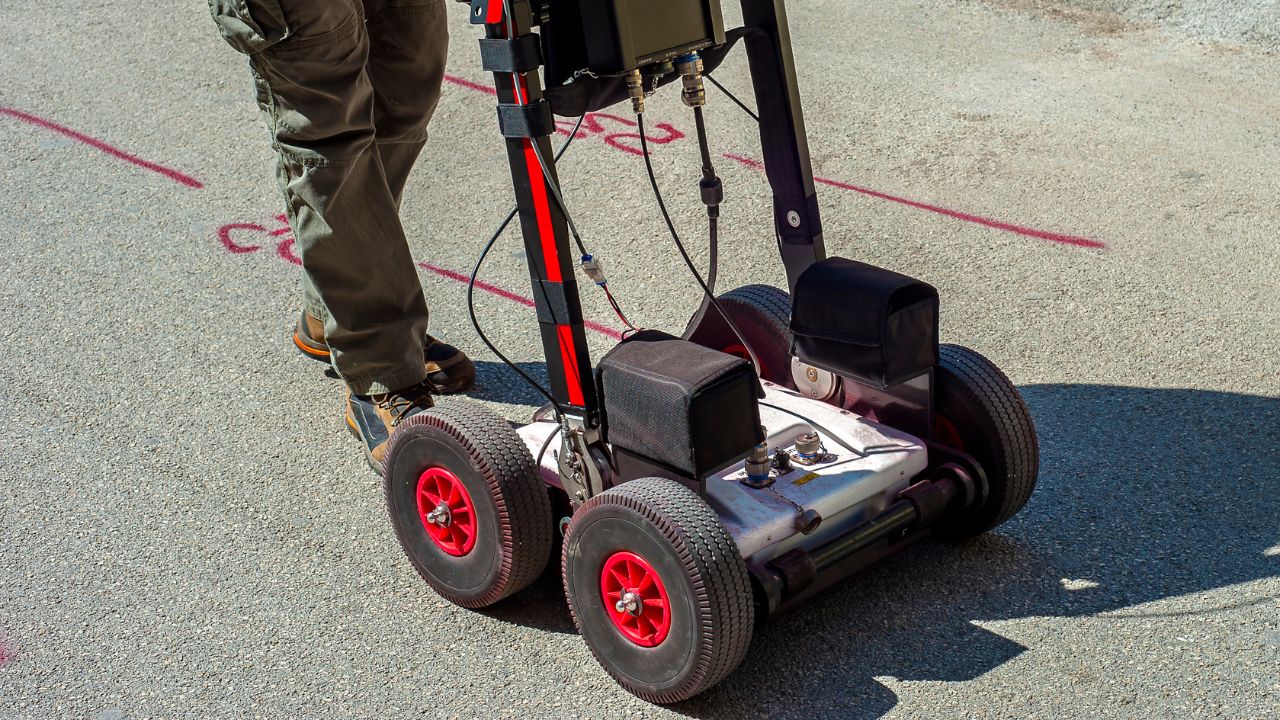
| Ground Penetrating Radar | ±0.15-0.3m (QL-B) | All utility types, including non-metallic |
| Electromagnetic Locating | Standard detection | Metallic utilities, energized cables |
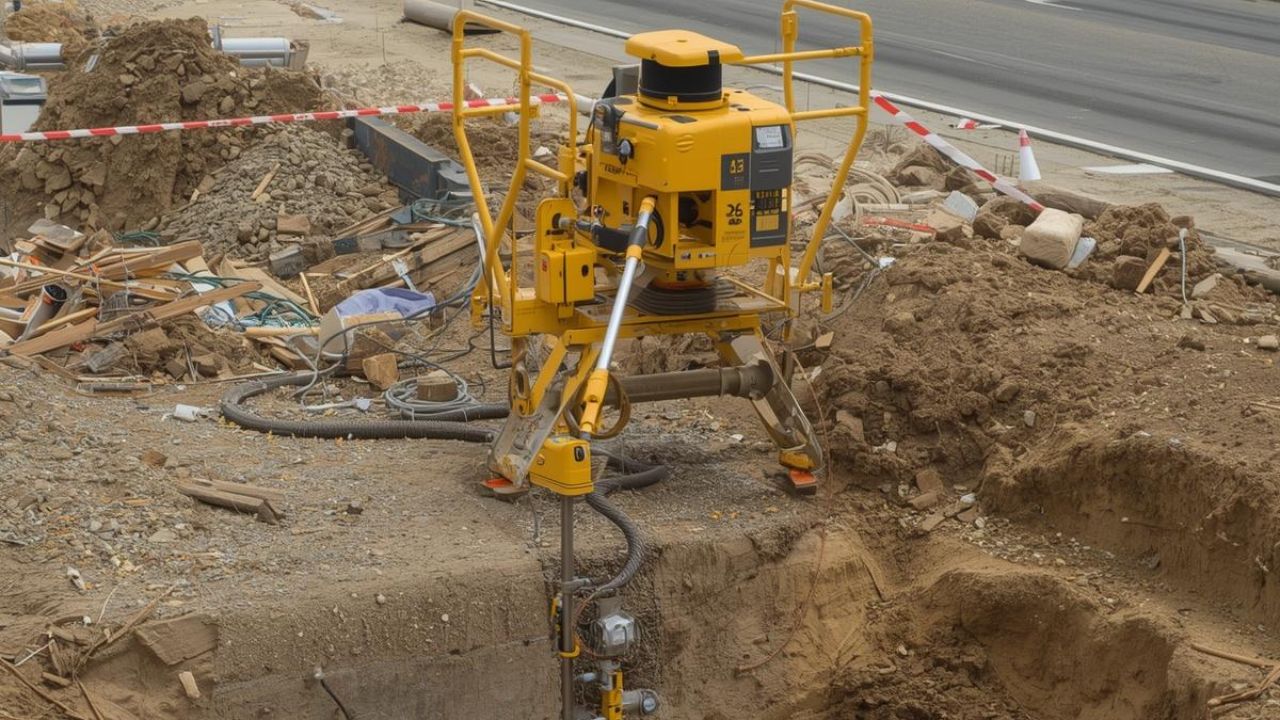
| Vacuum Excavation | <±0.15m horizontal, <±0.05m vertical (QL-A) | Physical verification, highest accuracy |
| Distributed Acoustic Sensing | Real-time monitoring | Pipeline leak detection, fiber optic sensing systems |
| Infrared Sensors & Acoustic Emission | High sensitivity | Gas leak detection, methane detection, leak surveys |
ASCE 38-22 Standards: Four quality levels from QL-D (records research) to QL-A (physical exposure). Subsurface Utility Engineering delivers $4.62 return per $1 invested. Additional technologies include laser spectroscopy, satellite and remote sensing technologies, sensor networks, PIG detection technologies, API 1130 Acoustic CPM compliance, and SCADA systems for leak detection and repair programs.
Excavation damage remains the leading cause of natural gas pipeline incidents. Root cause analysis shows 26% stem from notification failures, 34% from inadequate locating practices, and 33% from improper excavation practices. Gas pipeline systems account for 39% of all utility damages, threatening pipeline integrity and public safety across natural gas transmission and gas distribution systems.
Striking gas pipelines causes catastrophic consequences: 400 fatalities documented from 2000-2020, explosion and fire hazards, methane emissions contributing to climate change, and repair costs reaching hundreds of thousands per major incident. Gas leaks at compressor stations and gas storage facilities pose risks to residential occupancies and high-consequence areas. Methane leaks also trigger environmental monitoring requirements and leak detection and repair mandates under Pipeline and Hazardous Materials Safety Administration regulations.
Accurate pipeline leak detection through utility locating prevents these incidents. ASCE 38-22 Quality Level B (QL-B) provides ±0.15-0.3m horizontal accuracy using ground penetrating radar and electromagnetic methods. Quality Level A (QL-A) delivers <±0.15m horizontal and <±0.05m vertical accuracy through vacuum excavation physical verification. Pipeline safety standards require 24-inch tolerance zones around marked gas pipelines where hand-digging is mandatory. Advanced leak detection technologies—distributed acoustic sensing, infrared sensors, acoustic emission monitoring, and SCADA systems—enable real-time gas leak detection. API 1130 Acoustic CPM and API 1175 standards guide leak detection system deployment, ensuring pipeline safety and environmental safety for natural gas infrastructure.
Proper underground electrical line locating and gas pipeline detection protect workers and maintain service reliability. Utility locating services prevent infrastructure damage that causes injuries, fatalities, and widespread disruptions.
Department of Transportation & OSHA Pipeline Safety Regulations (29 CFR 1926.651):
State Penalties: Arizona $250-$2,000, Florida $500, Kansas up to $5,000, plus federal Pipeline and Hazardous Materials Safety Administration enforcement
Investing in utility locating services and leak detection technologies delivers measurable returns by preventing damage to gas pipeline systems, electrical infrastructure, and pipeline systems. Proper gas pipeline detection and pipeline integrity programs reduce energy costs, avoid repair requirements, and minimize project disruptions.
| Cost Factor | Without Locating | With Locating |
| Average Strike Cost | $4,000+ per incident (direct); indirect often exceeds direct | Avoided through prevention |
| Annual Impact | 400K-800K strikes = billions in economic losses | 99% prevented with the 811 system |
| Project Delays | 38% chance of work delays, increased energy costs | Minimized through accurate detection methods |
| Regulatory Penalties | $125-$5,000 state fines, federal Pipeline and Hazardous Materials Safety Administration enforcement | Avoided with compliance |
| Investment ROI | N/A | $4.62 per $1 (Subsurface Utility Engineering) |
| Technology ROI | N/A | $0.33 saved per incident (advanced leak detection technologies) |
Leak detection and repair programs, environmental monitoring systems, and SCADA systems protect natural gas transmission infrastructure, gas distribution systems, and gas storage facilities. Pipeline operators following pipeline safety standards achieve cost savings while ensuring public safety, reducing methane emissions, and maintaining pipeline integrity across natural gas infrastructure and gas pipeline systems.
Effective utility locating services combine standardized protocols with advanced leak detection technologies to protect gas pipeline systems and underground electrical line locating integrity. Pipeline operators follow pipeline safety standards throughout project lifecycles.
Pre-Construction Phase:
Construction Phase:
Post-Construction:
Standard Utility Mark Color Codes:
Advanced leak detection technologies enhance gas pipeline detection and pipeline integrity through digital integration and automation experts deploying innovative detection methods:
Digital Innovation: BIM + GIS digital twins create comprehensive underground maps. Augmented Reality overlays visualize buried gas pipelines and utilities on-site. AI-assisted GPR interpretation accelerates subsurface analysis for pipeline safety standards compliance.
Advanced Sensing Systems: Distributed acoustic sensing and distributed thermal sensing via fiber optic sensing systems provide real-time pipeline leak detection. Satellite and remote sensing technologies detect methane emissions across vast areas. Unmanned Aerial Systems (drones) with infrared sensors conduct gas leak surveys. Sensor networks integrate laser spectroscopy (Landtec LASER One) and acoustic emission monitoring. API 1130 Acoustic CPM and API 1175 standards guide leak detection system deployment.
Quality Level Accuracy: QL-D (records research—unknown accuracy), QL-C (surface survey—inferred), QL-B (geophysical—±0.15-0.3m, soil-dependent), QL-A (physical exposure—highest, point-specific verification).
Emergency Protocol: If utility marks don't match site conditions—stop work immediately, contact 811 and pipeline operators, request QL-A vacuum excavation verification, evacuate if gas odor or hazards present. Deploy SCADA systems and environmental monitoring as mitigation tools to ensure public safety.
Bess Utility Solution delivers comprehensive utility locating services and gas pipeline detection using advanced leak detection technologies. Our certified team follows ASCE 38-22 standards and pipeline safety regulations to protect your excavation projects from costly strikes, ensure public safety, and maintain pipeline integrity.
From underground electrical line locating to natural gas pipeline detection, we deploy distributed acoustic sensing, fiber optic sensing systems, and SCADA systems for accurate detection methods. Our services include leak detection and repair coordination, environmental monitoring, and compliance with Pipeline and Hazardous Materials Safety Administration requirements.
Contact Bess Utility Solution today for reliable safety utility locating that prevents gas leaks, power outages, and workplace accidents. Call 811, then call us for expert subsurface utility engineering and pipeline safety standards compliance.