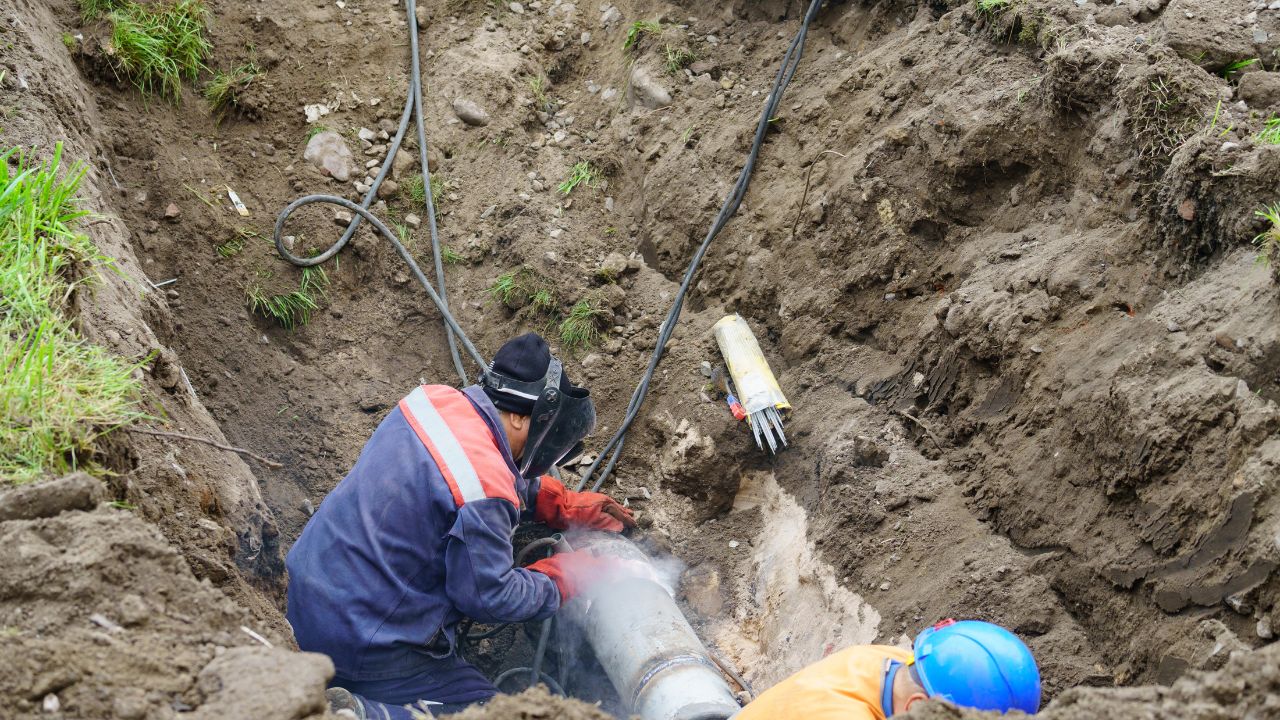
Underground utility work in congested urban corridors presents risks that extend far beyond project delays, electrical contact kills workers, gas strikes trigger evacuations affecting thousands, and fiber cuts disrupt critical communications infrastructure. When utilities cluster within 24 inches in aging rights-of-way, standard excavation practices fail.
This guide synthesizes federal OSHA standards, state 811 regulations, and industry best practices into actionable protocols that protect workers, prevent service disruptions, and maintain regulatory compliance. From mandatory potholing techniquesto vacuum excavation methods, these safety measures transform high-risk excavation into manageable, predictable operations.
Key Takeaways
Hand digging within 24-inch tolerance zones is mandatory; vacuum excavation serves as the only approved mechanical alternative for this critical safety zone.
The locate-mark-verify-excavate workflow reduces utility strikes by 99% when executed completely; skipping steps eliminates the safety buffer.
OSHA competent person oversight is required at all excavation sites; this individual must have the authority to immediately stop work when hazards emerge.
Multiple detection methods (EM + GPR + acoustic) cross-verify utility locations, relying on single methods, missing non-metallic lines and abandoned infrastructure.
Emergency protocols require 300-foot evacuations for gas strikes; contractor repairs amplify hazards and void insurance coverage.
What Makes Exposing Utilities in Congested Areas Challenging?
Urban corridors concentrate multiple utility types, electric, gas, water, telecom, in narrow rights-of-way, often stacked vertically or clustered within 24 inches. This density transforms routine excavation into precision work requiring specialized protocols, extended timelines, and multi-party coordination across congested sites.
Specific Challenges in Congested Corridors
Challenge
Impact on Safety
Impact on Efficiency
Impact on Project Scope
Utilities within 24 inches
Increases strike risk; requires hand digging
Slows excavation with multiple verification steps
Expands tolerance zones; increases coordination
Telecom vaults/manholes
Creates access obstacles
Requires staged excavation
Necessitates additional potholing locations
Complex intersections
Conflicting traffic streams
Night work often required
Requires extensive traffic control plans
Narrow rights-of-way
Limited equipment access
Compact equipment only; slower progress
May require trenchless methods
Key Risks in Congested Environments:
Accidental strikes: Depth uncertainties and abandoned/unmapped utilities in older areas
Service disruption: Hitting lines causes widespread outages affecting thousands
Worker injury/fatality: Contact with energized electrical lines
Infrastructure fragility: Older cast iron/clay lines easily damaged by minor contact
Mismarked locations: Human error and equipment limitations require visual verification
Environmental hazards: Gas leaks or water main breaks affect multiple properties
How Do You Ensure Safety During the Utility Exposure Process?
Safety compliance layers federal OSHA standards, state call-before-you-dig laws, and utility-specific requirements. Daily inspections by a competent person and strict adherence to tolerance zones form the baseline for safe exposure; violations trigger project shutdowns and potential criminal liability.
Key Safety Standards and Compliance Guidelines
Regulatory Body/Standard
Requirement
Required Safety Practice
OSHA 29 CFR 1926 Subpart P
Excavation standard
Competent person oversight; daily inspections; protective systems
Establish tolerance zones: 18-24 inches from utility edges
Document all markings with photography before work begins
Worker Safety Training Programs:
OSHA 10-Hour/30-Hour Construction Safety
Excavation Competent Person Training
Vacuum Excavation Operator Certification
Hand Tool Safety Within Tolerance Zones
Emergency Response Protocols
What are the Best Techniques for Exposing Utilities in Crowded Locations?
Vacuum excavation dominates crowded utility zones work, combining precision with non-destructive exposure. Hand digging remains mandatory within 12 inches of marked utilities, while mechanical excavation stays outside tolerance zones entirely.
Excavation Methods and Suitability for Congested Areas
Method
Suitability
Best Applications
Limitations
Vacuum Excavation
★★★★★ Excellent
Primary method for potholing; tolerance zone work
Requires truck access; debris tank capacity limits
Hand Digging
★★★★★ Excellent
Mandatory within 12 inches of utilities
Labor-intensive; slow progress
Trenchless Technology
★★★★☆ Good
Crossing utilities; limited ROW
Requires potholing every 200 feet; high cost
Mechanical Excavation
★★☆☆☆ Poor
Outside 24-inch tolerance zones only
Prohibited within tolerance zones
Advantages of Vacuum Excavation:
Precision: Exposes utilities without physical contact using water or air
Minimal disruption: Compact hydrovac units fit tight urban spaces
Safety in tolerance zones: Non-destructive method approved for hand-dig zones (18-24 inches)
Multi-utility capability: Safe for all types, including fragile fiber optics (low-pressure settings)
Reduced labor costs: Faster than manual hand digging with same safety level
Potholing still required every 200 feet when bore parallels to utilities within 5 feet
Limited to installation/replacement, not repair
How can Technology Improve Safety and Efficiency in Utility Exposure?
Advanced detection and monitoring technologies minimize guesswork in congested corridors. Ground-penetrating radar locates non-metallic lines invisible to standard methods, while real-time sensors prevent strikes by triggering automatic shutdowns when excavators approach tolerance zones for enhanced utility protection.
Ground-Penetrating Radar (GPR) - Benefits vs. Limitations
Gas detection sensors: Continuous monitoring triggers automatic work stoppage
GPS tracking: Ensures excavators stay outside tolerance zones
Depth measurement lasers: Verifies required clearances (24 inches parallel to street; 30 inches at intersections)
Alert systems: Automatic notifications to utility owners when thresholds exceeded
What Tools and Equipment Are Essential For Safe Utility Exposure?
Equipment selection determines both safety margins and project timelines. Compact hydrovacs and non-conductive hand tools form the core toolkit, while protective shoring prevents cave-ins that threaten adjacent utilities in comprehensive utility location services.
Recommended Excavation Tools
Tool/Equipment
Primary Use Case
Safety Benefits
Compact Hydrovacs
Potholing; tolerance zone excavation
Non-destructive; low-pressure for fiber optics
Hand Tools (Non-Conductive)
Final 12 inches near utilities
Fiberglass handles prevent electrocution
Ground Penetrating Radar
Locating non-metallic utilities
Identifies plastic pipes invisible to EM locators
Electromagnetic Locators
Tracing metallic utilities
Most common detection; confirms alignment
Protective Shoring
Supporting excavation walls
Prevents cave-ins; shields adjacent utilities
Hydro-Excavator Key Advantages:
Prevents utility damage (strike rate <0.1% vs. 15% for mechanical)
Adjustable pressure: 1,000-1,500 PSI for fiber; higher for compacted soils
Safety Measures - Barriers and Signage:
Physical barriers at 24-inch perimeter around marked utilities
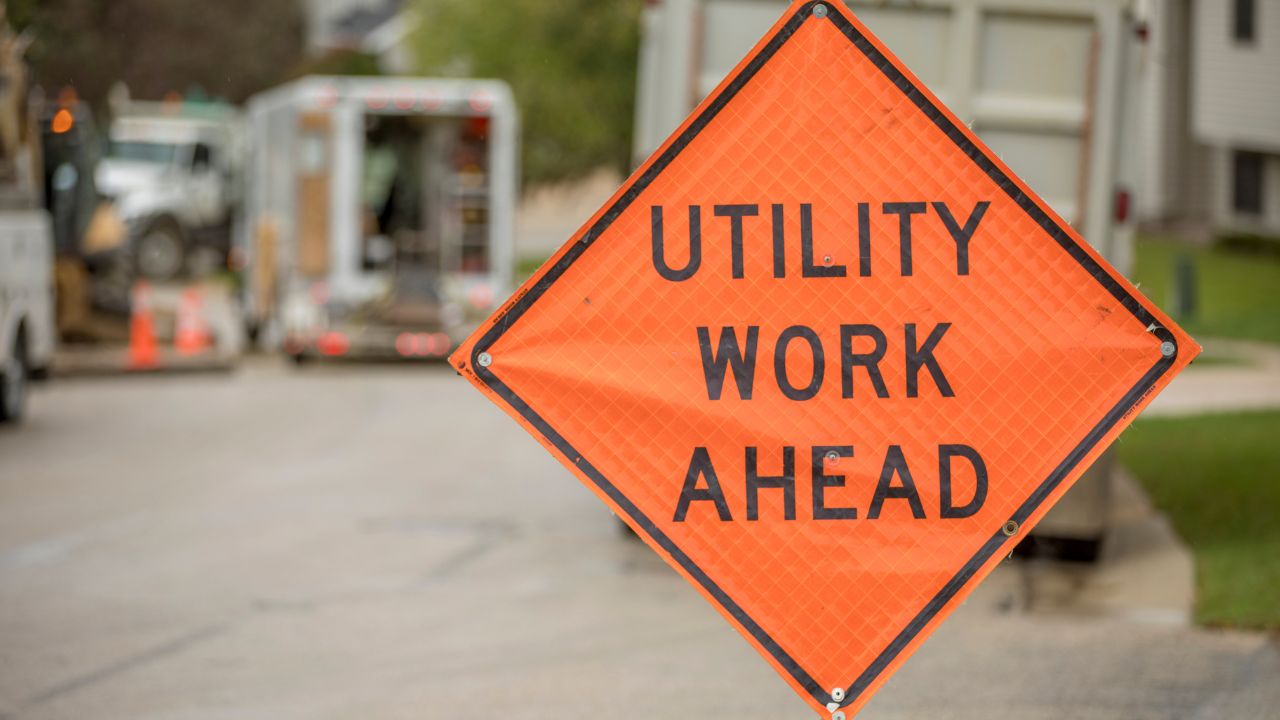
MUTCD-compliant work zone signage with advance warning
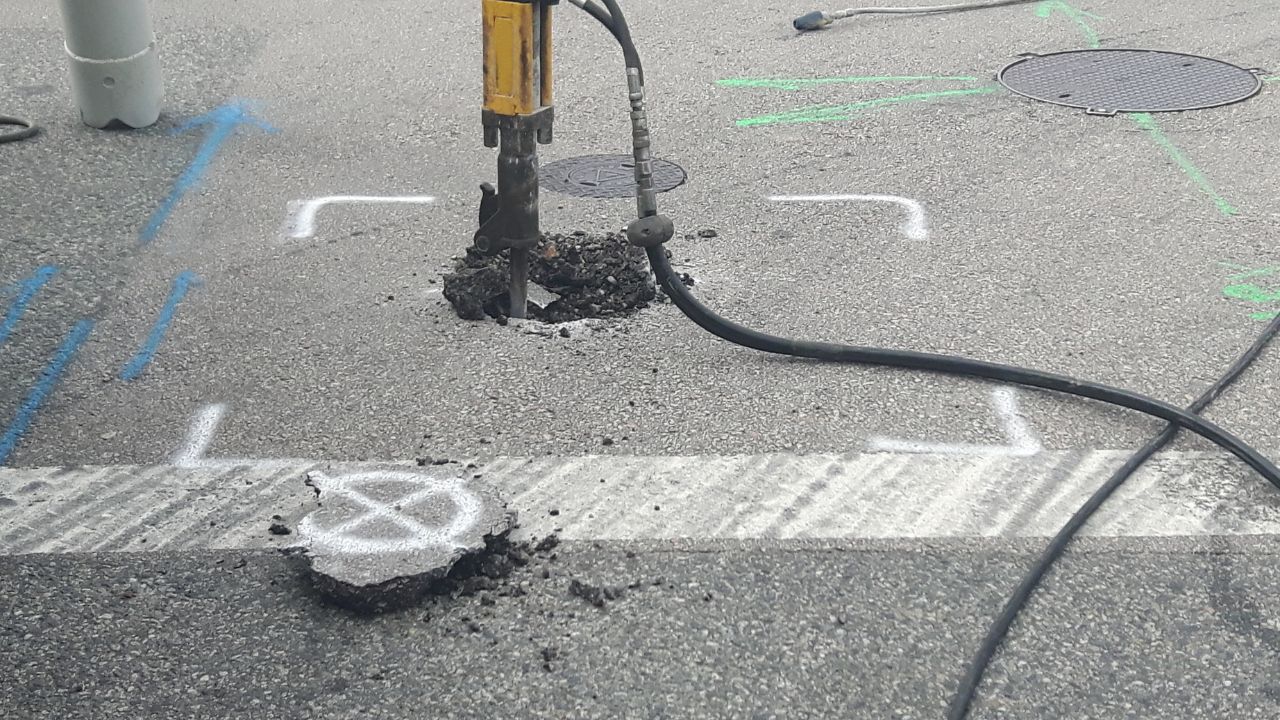
Color-coded flags (APWA standards) for each utility type
Emergency contact posting at the site perimeter
What are the Regulatory and Legal Requirements for Exposing Utilities Safely?
Compliance spans federal OSHA standards, state 811 laws, and local permitting. Non-compliance triggers immediate project shutdowns, personal liability for willful violations, and insurance coverage denial, consequences far exceeding prevention costs.
Required Permits and Clearances:
811 Utility Locate Ticket: 2-3 business days before excavation
Right-of-Way Permit: State/municipal authorization for public excavation
Traffic Control Plan Approval: Required for work affecting traffic (MUTCD standards)
Private Utility Owner Clearances: For lines not covered by 811
Federal Coordination: 23 CFR 645 compliance for federal-aid projects
Local Regulations by Zone Type
Zone Type
Tolerance Zone
Permitted Methods
Notification Period
Residential
18-24 inches
Hand digging or vacuum excavation
2 business days minimum
Commercial
24 inches (mandatory)
Vacuum primary; mechanical prohibited in zones
3 business days; standby rep recommended
Highway ROW
24 inches
Staged with depth verification; competent person mandatory
3 business days; coordination meeting required
Intersections
30-inch minimum cover
Potholing mandatory at all crossings
5 business days; multi-utility coordination
Consequences of Non-Compliance:
Fines: $500-$10,000 per violation; criminal charges for willful violations
Project stop-work orders: 7-14 day delays
Utility repair liability: Electric strikes $50,000-$500,000; gas $25,000-$100,000
Insurance coverage denial for 811 non-compliance
Contractor license suspension for repeat violations
How Does Project Planning Reduce Risks in Utility Exposure?
Subsurface Utility Engineering (SUE) and pre-excavation coordination reduce strike rates by 99% compared to standard practices. Early stakeholder engagement and staged excavation sequencing convert unpredictable hazards into manageable checkpoints.
Essential Early Planning Steps:
Pre-excavation coordination meetings with all stakeholders
Subsurface Utility Engineering (SUE): Reduces strikes by 99%
Staged excavation sequencing with depth verification at each layer
Emergency response protocols established before breaking ground
Utility Mapping Best Practices:
Request as-built drawings from all utility owners (verify in field)
Engage private locators for utilities not covered by 811
Deploy multiple detection methods (EM, GPR, acoustic) to cross-verify
Photographic documentation with GPS-tagged photos
Never rely solely on maps in older urban areas
Stakeholder Communication Steps:
Issue public notices 7 days before work
Direct notification to properties within 500 feet
Establish project hotline for complaints/questions
Schedule utility owner standby for critical excavations
Post daily progress updates
What are the Most Common Hazards Encountered During Utility Exposure?
Unmarked utilities and misidentified locations dominate incident reports. Older urban areas compound risks with abandoned lines, failed tracer wires, and as-built drawings that predate modern GPS accuracy.
Unforeseen Utility Challenges:
Misidentified locations: Solution: Mandatory potholing before bulk excavation
Postpone during severe conditions; inspect after storms
Mitigation for Unmarked Utilities:
Request field verification when marks inconsistent with as-builts
Implement GPR sweeps for non-metallic lines
Establish expanded hand-dig zones (36 inches) in older areas
Stop work immediately for unexpected resistance
How can You Prevent Damage to Utilities During Exposure Work?
The locate-mark-verify-excavate workflow forms a mandatory sequence; skipping steps or reversing order eliminates the safety buffer that prevents strikes. Physical barriers and continuous visual contact provide the final defense layer.
Step-by-Step Damage Prevention:
Contact 811: 2-3 business days before excavation
Wait for the marks and verify that all owners responded
Interpret APWA color codes accurately
Conduct potholing verification at strategic points
Establish 24-inch tolerance zones with physical markers
Use hand tools within 12 inches of utilities
Maintain continuous visual contact during excavation
Install protective shoring/shielding for adjacent utilities
Protective Measures for Critical Infrastructure:
Physical shielding between equipment and exposed utilities
Protective wrapping for fragile lines (fiber, deteriorated cast iron)
Support cradles for utilities losing soil support
Real-time pressure monitoring on gas/water mains
Standby utility representatives with shutdown authority
Utility Marking Methods and Benefits
Method
Benefits
Limitations
Paint (APWA Color-Coded)
Low cost; universally recognized standards
Temporary; ±18-24 inch tolerance
Flags
Visible above vegetation; reusable
Weather displacement; location only, no depth
Electronic Markers (RFIDs)
Permanent; precise with depth data
Expensive equipment; not on older utilities
Tracer Wire
Enables EM locating of plastic pipes
Wire breakage common; requires maintenance
How Should Utility Exposure Be Managed in Emergency Situations?
Utility strikes demand immediate evacuation and professional response; contractor repairs amplify hazards and void insurance. Gas leaks require 300-foot perimeters; electrical contact mandates equipment shutdown until utility owner clearance.
Emergency Procedures:
Evacuate immediate area (300 feet for gas; 50 feet for water)
Stop all equipment immediately
Notify utility owner emergency line (24/7 contacts)
Call 911 for gas leaks, electrical arcing, or injuries
Establish 300-foot perimeter with barriers
Eliminate ignition sources within gas leak zone
Document damage from safe distance
Do not attempt repairs (utility owner personnel only)
What are the Emerging Trends in Safe Utility Exposure?
Robotics and augmented reality are transforming detection from surface guesswork to subsurface visualization. AI analyzes historical strike data to predict high-risk zones, while automated systems enforce tolerance zones through GPS-guided equipment controls.
Emerging Technologies:
Robotics: Remote-operated excavators for confined spaces
Augmented reality: AR glasses display underground positions overlaid on real view
AI-powered mapping: Predicts high-risk zones from historical data
Automated vacuum excavation: Self-guided systems maintain safe distances
Fiber optic sensing: Detects excavation vibrations for early warning
Future Technologies Impact
Technology
Safety Impact
Efficiency Impact
Timeline
3D Subsurface Mapping
Reduces strikes by 40%
Cuts potholing by 30%
Currently available
Smart Infrastructure (IoT)
Real-time damage detection
Reduces interruptions by 60%
5-10 years widespread
HDD with Real-Time Guidance
Eliminates surface excavation risk
50% faster than open-cut
3-5 years for broader use
Urban Planning Trends:
Utility corridor consolidation in shared trenches
Dig-once policies requiring all utilities in single excavation
Mandatory digital twin creation for all projects
Performance-based permits for zero-strike contractors
Embracing Safety and Technology for Efficient Utility Exposure
Safe utility exposure in congested corridors requires discipline, technology, and collaboration, not optional add-ons but mandatory foundations. The locate-mark-verify-excavate workflow, combined with vacuum excavation and competent person oversight, reduces strike rates from industry averages of 15% to below 0.1%. As urban infrastructure densifies and utilities cluster within 24-inch zones, emerging technologies like AR visualization and AI risk prediction will shift excavation from reactive hazard management to predictive safety engineering.
Most Effective Risk Reduction Methods:
Always contact 811 at least 2-3 business days before excavation
Mandatory potholing for visual confirmation before bulk excavation
Hand dig within 24-inch tolerance zones (vacuum excavation approved alternative)
Deploy an OSHA competent person with the authority to stop work
Use multiple detection methods (EM + GPR + acoustic)
Continuous Technology Improvements:
Vacuum excavation reduces strike rates from 15% to <0.1%
Real-time IoT sensors detecting stress before failures
AR visualization eliminating mark misinterpretation
AI risk prediction optimizing potholing strategies
Best Collaboration Practices:
Pre-excavation coordination meetings with all stakeholders
Standby utility representatives for critical work
Shared digital as-built databases accessible to all
Post-incident debriefs after any utility contact
Joint training exercises building pre-crisis relationships
We prioritize clear communication and reliable solutions to meet your specific requirements. Get in touch with us today, and let's work together to ensure the safety and efficiency of your projects.
We prioritize clear communication and reliable solutions to meet your specific requirements. Get in touch with us today, and let's work together to ensure the safety and efficiency of your projects.