Hayward, CA
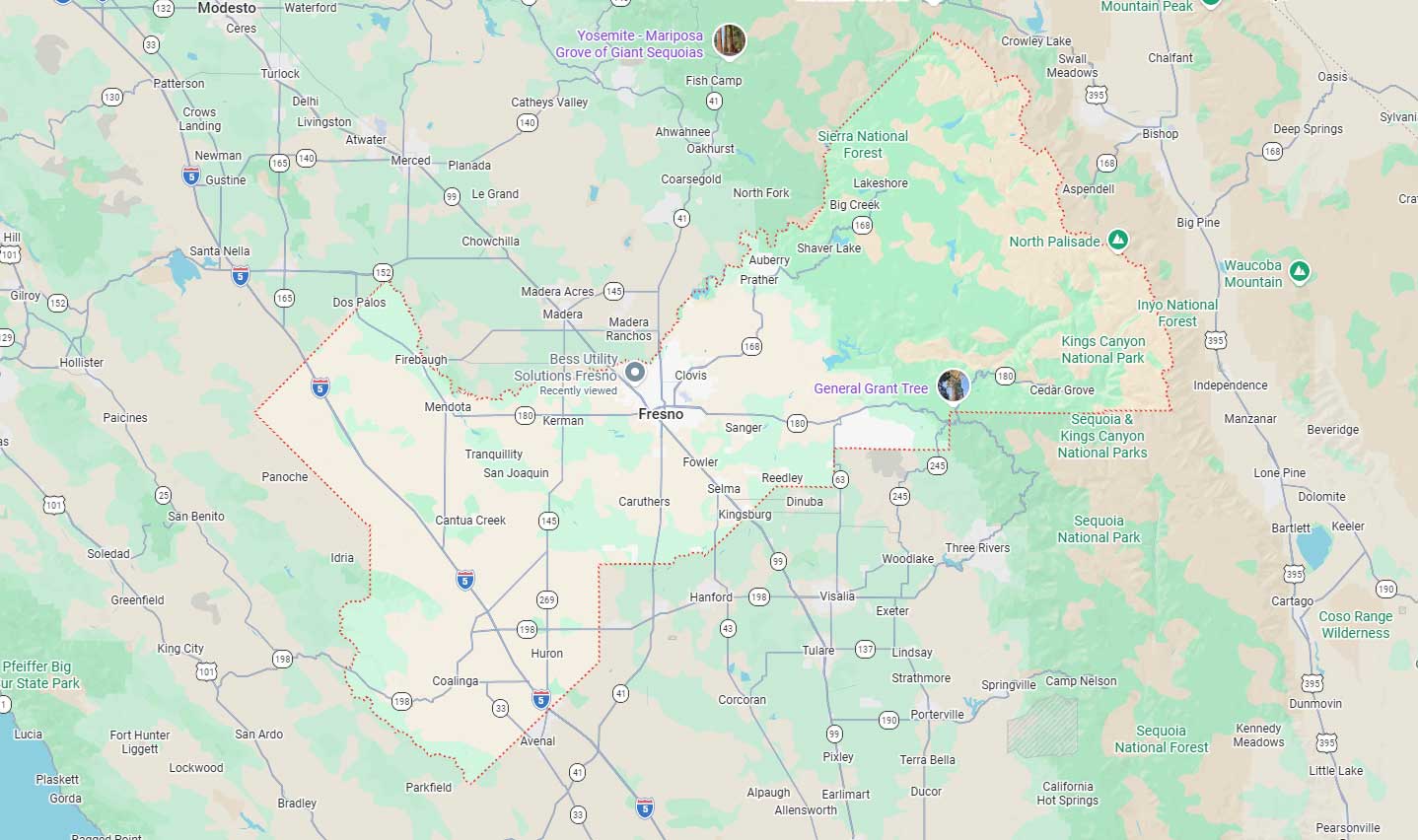
Fresno, CA
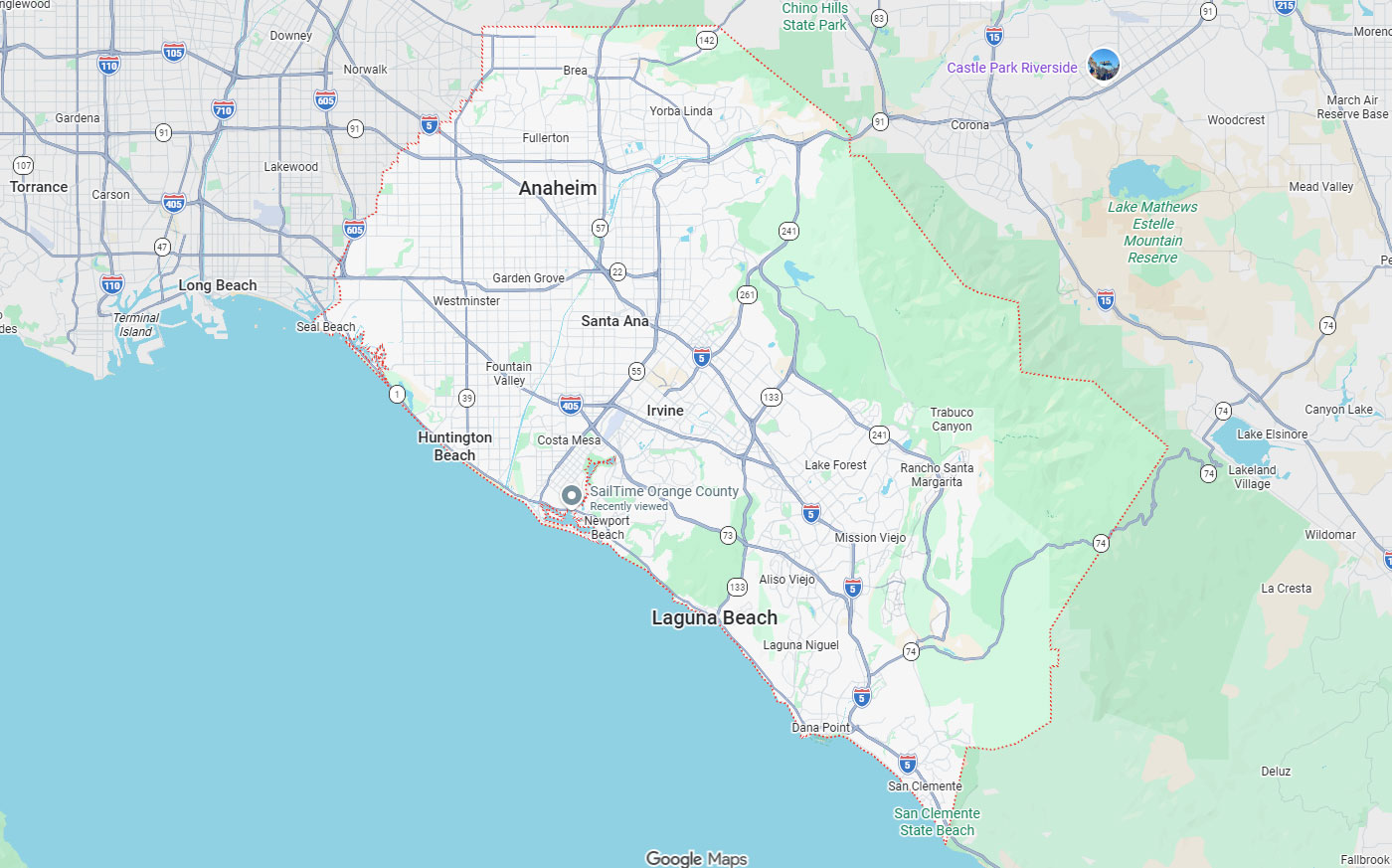
Orange, CA
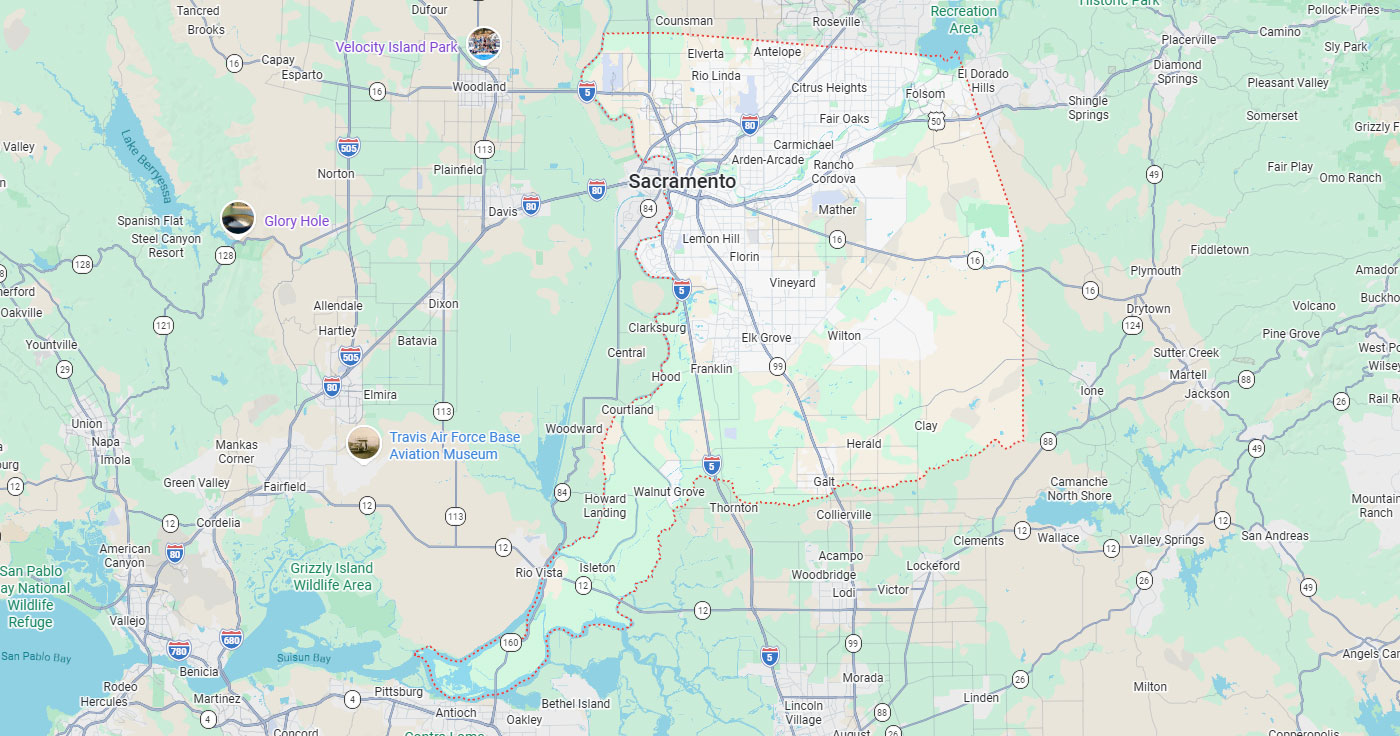
Sacramento, CA
Phoenix, AZ
Key Takeaways
Every year, utility strikes cause billions in damages, critical infrastructure disruptions, serious injuries, and preventable deaths. The root cause is rarely ignorance; it's cutting corners. Excavators know they should call 811, but they skip the potholing step. Contractors understand tolerance zones exist, but they eyeball the distance instead of measuring. Crew leaders see faded marks, but they proceed anyway to stay on schedule. These decisions transform routine excavation into high-risk gambling.
This guide eliminates the guesswork. It provides field-ready knowledge on tolerance zones, safe-dig procedures, and legal compliance requirements that every excavator, contractor, and safety manager must know. Whether you're digging in Pennsylvania's 18-inch zones or California's 24-inch corridors, the principles are the same: measure conservatively, pothole early, and stop when uncertain. Let's break down exactly how far you must dig from a marked line, and what happens when you don't.
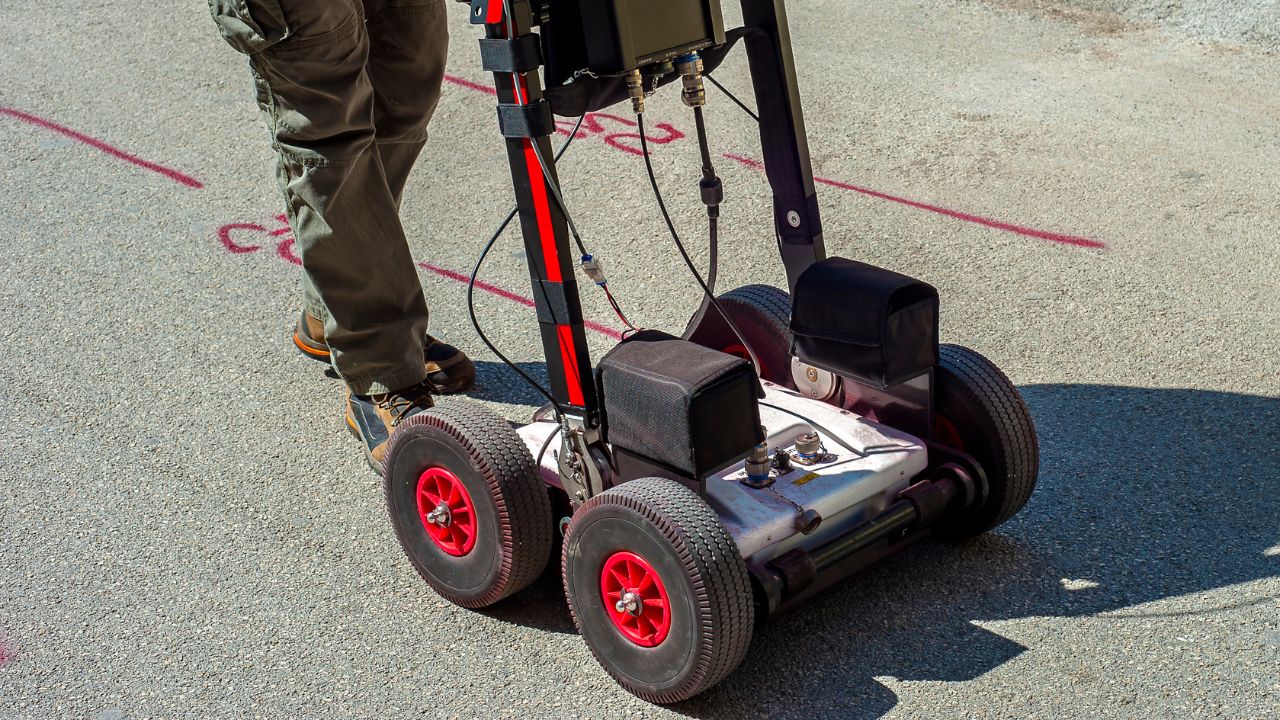
Paint marks and flags on the ground show the approximate horizontal path of a buried utility, not its exact location. Locating equipment has inherent accuracy limits, and utilities may have shifted over time. The tolerance zone is a legally mandated safety buffer that accounts for this uncertainty. The Common Ground Alliance standard defines it as the width of the utility plus 18 inches on each side, measured from the facility's outer edge. State laws may specify 18 to 24 inches.
Within this zone, mechanized excavation equipment is strictly prohibited until the utility is visually exposed and its exact position confirmed. The tolerance zone exists because marks indicate where a utility should be, not where it actually is. Professional underground utility locating provides the initial marks, but utility mark accuracy has inherent limitations that make the tolerance zone necessary.
Understanding Marks, Facilities, and Tolerance Zones
| Term | What it means | Critical fact excavators must know |
| Mark (paint/flags) | Approximate horizontal path of buried utility | Mark ≠ exact facility location; can be offset by several inches; provides NO depth information |
| Facility (buried utility) | Actual underground pipe, cable, or conduit | Can be anywhere within tolerance zone; depth is variable and unpredictable |
| Tolerance zone | Legal buffer extending 18-24" on each side of mark (state-dependent) | NO mechanized equipment until facility visually exposed |
APWA Color Codes (High-Risk Utilities)
Tolerance zone distances are set by state law and vary from 18 to 24 inches on each side of the marked line. Some states use fixed distances; others calculate the zone based on pipe diameter. You measure from the marks on the ground surface, not from the buried facility itself. When state law, utility company requirements, and CGA guidance conflict, always use the most conservative (widest) measurement. Check your state's 811 laws before every project; working across state lines means different rules apply to tolerance zone excavation.
Tolerance Zone Distances by State (Examples)
| State | Distance | How measured | Key notes |
| Pennsylvania | 18" each side | From facility outer edge | PA Act 50 |
| Florida | 24" each side | From facility outer edge | Florida Statute 556 |
| California | 24" each side | From facility outer edge | CA Gov Code §4216 |
| Texas | ½ diameter + 18" | Variable based on pipe size | Larger for transmission lines |
| Illinois | 18" + diameter | From outermost edge | Wider for larger facilities |
| New York | ½ diameter + 24" | From centerline | Assumes centered facility |
How to Measure Tolerance Zones Correctly
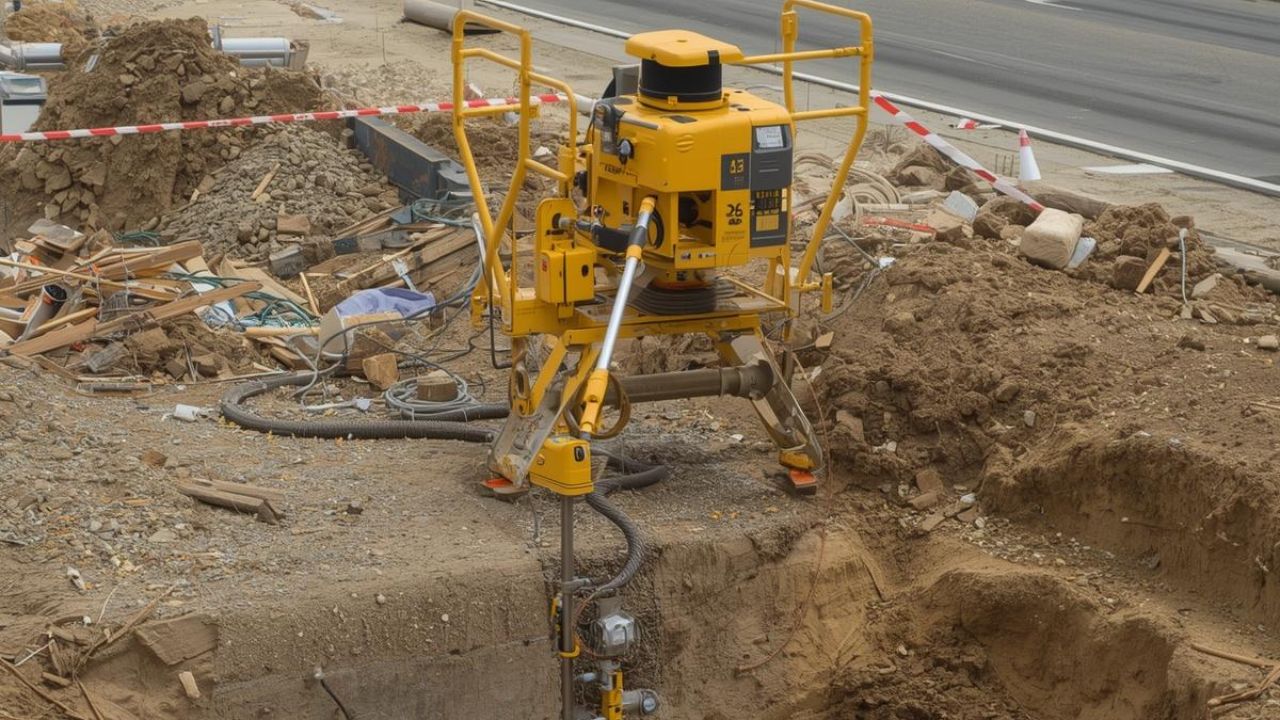
Only non-mechanized excavation methods are permitted within the tolerance zone until the utility is visually exposed. Hand tools and vacuum excavation (hydro or air) are approved methods. All mechanized equipment, backhoes, excavators, trenchers, and augers are prohibited. You must pothole to visually confirm the utility's exact location, depth, and condition before mechanized excavation can resume.
Vacuum excavation is the safest and most efficient method for exposing utilities. Hand digging tolerance zone requirements apply whenever utilities are present, and safe digging rules mandate visual confirmation before proceeding.
Permitted Excavation Methods Inside Tolerance Zone
| Method | Status | Requirements | When prohibited |
| Hand tools | Permitted | Use blunt/rounded shovels; dig at 45° angle; stop when coating visible | Near high-pressure gas without operator present (some jurisdictions) |
| Vacuum excavation (hydro/air) | Permitted (preferred) | Maintain nozzle standoff; no direct contact with utility | None; safest method available |
| Mechanized equipment | PROHIBITED | Cannot use until facility exposed, verified, and protected | Until visual confirmation complete |
When You Can Use Power Equipment
Safe excavation near marked utilities requires a systematic approach. The following six-step workflow ensures compliance and prevents strikes. Execute each step before proceeding to the next, skipping steps is the primary cause of preventable utility damage.
Step 1: Verify Before You Dig
Step 2: Measure and Mark Tolerance Boundaries
Step 3: Pothole at All Crossings
Step 4: Verify Facility Matches Ticket
Step 5: Protect and Support Exposed Utilities
Step 6: Stop and Escalate If Anything Is Wrong
Risk increases with site complexity and uncertainty. Utility depth varies due to grade changes, erosion, settlement, and previous excavations. No standard burial depth exists; utilities can be anywhere from surface level to several feet down. The marks on the ground provide horizontal position only; depth must be confirmed through potholing for utilities. Always assume the worst case until visual confirmation proves otherwise.
Who Is Responsible for What
| Party | Key Responsibilities | Critical actions |
| Excavator | Call 811 (2-3 days advance); respect tolerance zone; hand-dig to expose; protect marks; stop/report damage | Document tickets, photos, measurements; never backfill damage |
| Locator/Utility Owner | Mark within 48-72 hours; use correct colors; communicate limitations; respond to conflicts | Provide positive response; return for remarks when requested |
Essential Documentation
Even minor contact with a utility requires immediate action. Damage includes any contact that compromises the utility's integrity or protective coating, not just visible leaks or breaks. Follow these steps in order without deviation. Failure to report damage is illegal in all states and creates life-safety hazards.
IMPORTANT: What Counts as Damage Even Without a Leak:
No. The tolerance zone extends 18-24" beyond the marks. The entire zone prohibits mechanized equipment until utilities are visually exposed.
Yes. Potholing is the only way to verify the exact position and depth. It removes uncertainty and prevents strikes.
Always follow the most conservative (largest) distance. Operator requirements supplement, not reduce, state minimums.
Stop immediately, call 811 to report, and request an emergency locate. Do not proceed until the facility is marked or cleared.
Full compliance with safe-dig procedures can reduce utility strikes by over 99%, according to CGA DIRT data. Most incidents are preventable through proper planning, measurement, and visual confirmation. The difference between a safe project and a catastrophic strike often comes down to taking the time to pothole, measure correctly, and stop when something looks wrong. Make these procedures non-negotiable on every job site.
FINAL CHECKLIST: Every Excavation, Every Time
✓ Call 811 at least 2-3 days before digging
✓ Verify all utilities marked or cleared (positive response)
✓ Measure and physically mark tolerance zone boundaries
✓ Pothole by hand or vacuum at all utility crossings
✓ Visually confirm the facility before using power equipment
✓ Maintain required clearance and protect exposed utilities
✓ Document with photos and measurements
✓ Stop and call 811 if marks are unclear or the facility not where expected
Safe-dig culture comes down to: Measure conservatively. Pothole early. Stop when uncertain. Document everything.
Need professional utility locating services or vacuum excavation support? Contact Bess Utility Solutions to ensure your next project starts with accurate, reliable utility information.