Vacuum trucks complete utility locations 10x faster than traditional excavation while requiring only a 2-person crew instead of 4–8 workers.
Total project costs drop 22–34% when factoring in labor savings, eliminated utility strikes, and reduced site restoration requirements.
Hydrovac causes only 1% of utility damages compared to 48% for backhoes, virtually eliminating the $120,000 average cost per strike incident.
ASCE Quality Level A accuracy (±0.25" horizontal) provides 48–72x more precision than mechanical excavation methods.
Safety improvements are comprehensive: no trench entry, no manual digging near utilities, and no cave-in risk, addressing 75% of utility damages caused by shovel strikes.
Underground utility networks grow more complex every year. Gas lines, fiber optics, water mains, and electrical conduits crowd beneath streets, sidewalks, and commercial properties, often with incomplete or outdated location records. Traditional excavation methods can't keep pace with the precision these environments demand.
A single backhoe strike costs an average of $120,000 when factoring in repairs, delays, and reputational damage. Multiply that across 400,000+ annual incidents nationwide, and the industry faces a $30 billion problem.Vacuum trucks for commercial excavationoffer a proven solution.
This guide breaks down how hydrovac excavation saves time, cuts costs, and eliminates the risks that derail utility locate projects.
What Are Vacuum Trucks And How Do They Function In Utility Locates?
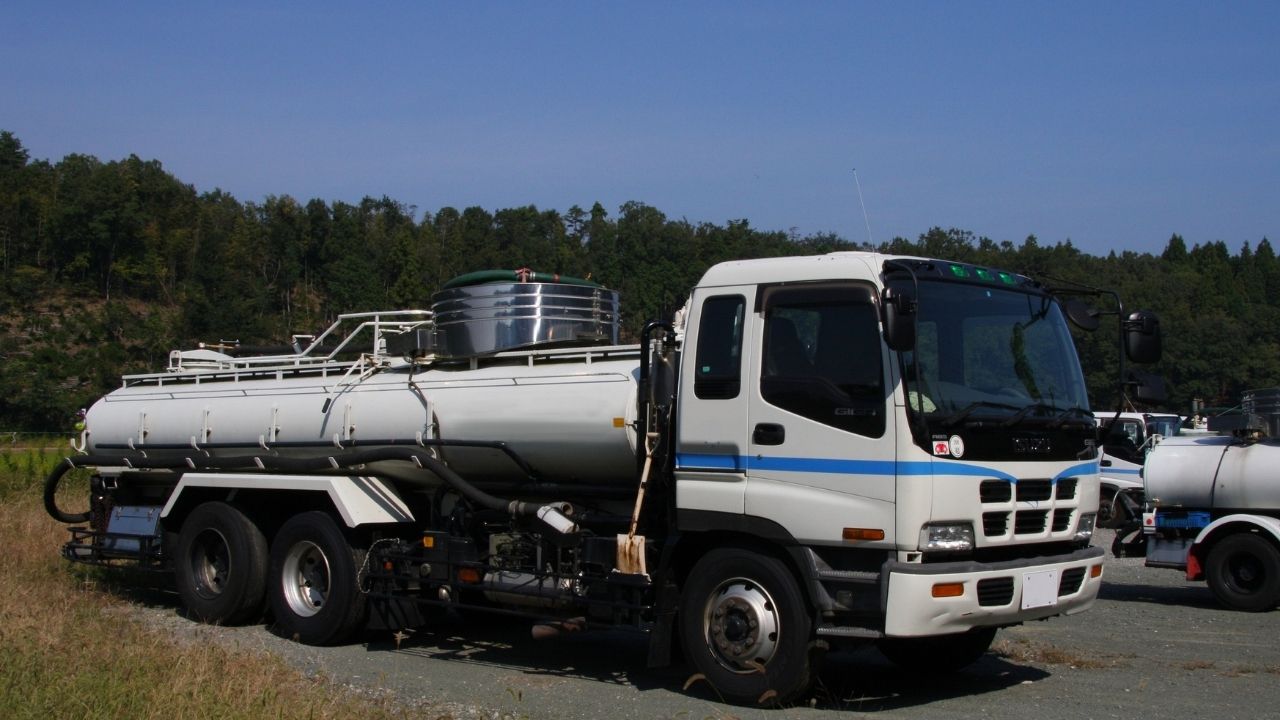
Vacuum trucks use pressurized water and powerful suction to safely expose buried utilities without mechanical contact. The technology originated in Canada, where frozen ground made traditional digging impractical. Today, hydrovac units combine high-pressure water spray, industrial vacuum systems, and onboard debris tanks into one self-contained excavation platform.
Key Components
High-pressure water system with a handheld wand
Powerful vacuum/blower (rated by CFM and lift)
Debris tank for excavated slurry
Heated water tanks for cold-weather operation
Extendable boom for remote digging access
Equipment Specifications (Tornado Models)
Model
Water Capacity
Debris Capacity
F3
1,250 gallons
10 cubic yards
F4
1,550 gallons
12 cubic yards
F5
1,950 gallons
12 cubic yards
How Do Vacuum Trucks Save Time In Utility Locates?
Hydrovac excavation completes commercial utility locates up to 10 times faster than traditional methods. Smaller crews, contained debris handling, and continuous operation eliminate the delays that plague mechanical digging. These vacuum excavation time savings compound across multi-day projects.
Vacuum Truck vs. Traditional Excavation: Time And Labor Savings
Metric
Vacuum Truck
Traditional Excavation
Excavation Speed
10x faster
Baseline
Project Completion Time
1/3 the time
3x longer
Crew Size Required
2-person crew
4–8 workers
Labor Reduction
50–75% fewer workers
Baseline
Overall Project Duration
44% time savings
Baseline
Speed And Site Access Benefits
Works in congested urban areas where backhoes can't operate
Extendable booms reach inaccessible locations
Navigates narrow utility corridors effectively
Operates in heavy traffic with minimal disruption
Functions in frozen ground year-round
How Vacuum Trucks Minimize Downtime
Stores debris directly in onboard tank, no separate haul trucks needed
Eliminates multiple trips and material handling steps
One unit handles potholing, trenching, and debris removal
How Do Vacuum Trucks Help Save Money In Commercial Utility Locates?
Vacuum excavation cost savings range from 22–34% compared to traditional methods. The reductions come from lower labor requirements, fewer utility strikes, and minimal site restoration. When factoring risk-adjusted project costs, hydrovac delivers at least 4x better value.
How Vacuum Trucks Reduce Labor Costs
Standard operation requires a 2-person crew vs. 4–8 workers
Documented projects completed with half the team size
Eliminates separate crews for digging, spotting, and site management
Lower labor overhead translates directly to margin improvement
Minimized Equipment And Material Damage Costs
Backhoes cause nearly 50% of utility damages; hydrovac causes only 1%
Average direct cost per utility strike: $4,000
Indirect costs run 29 times higher than direct repair costs
A single strike can exceed $120,000 total when factoring in delays and reputation damage
Pressurized water is more forgiving than mechanical impact
No confined-space entry required near utilities
The contained debris tank prevents exposure to hazardous materials
Risk Reduction: Vacuum Truck vs. Traditional Excavation
Risk Factor
Vacuum Truck
Traditional Excavation
Share of Utility Damages
1%
Backhoes: 48%; Hand tools: significant
Utility Strike Risk
Virtually eliminated
400,000–800,000 strikes annually in US
Worker Injury Exposure
Minimal, remote operation
High, manual labor in trenches
Cave-in/Landslide Risk
None
Present with mechanical digging
Explosive Incident Risk
Low
Higher with traditional methods
Improved Worker Safety Through Reduced Manual Labor
75% of utility industry damages come from shovel strikes, which can be eliminated with hydrovac
Fewer trips into the trenches are required
Less exposure to hazardous materials during excavation
Reduced risk from falling debris
Eliminates the dangers of cutting frozen ground manually
Common Ground Alliance recognizes vacuum excavation as a safe method
What Are The Common Applications Of Vacuum Trucks In Utility Locates?
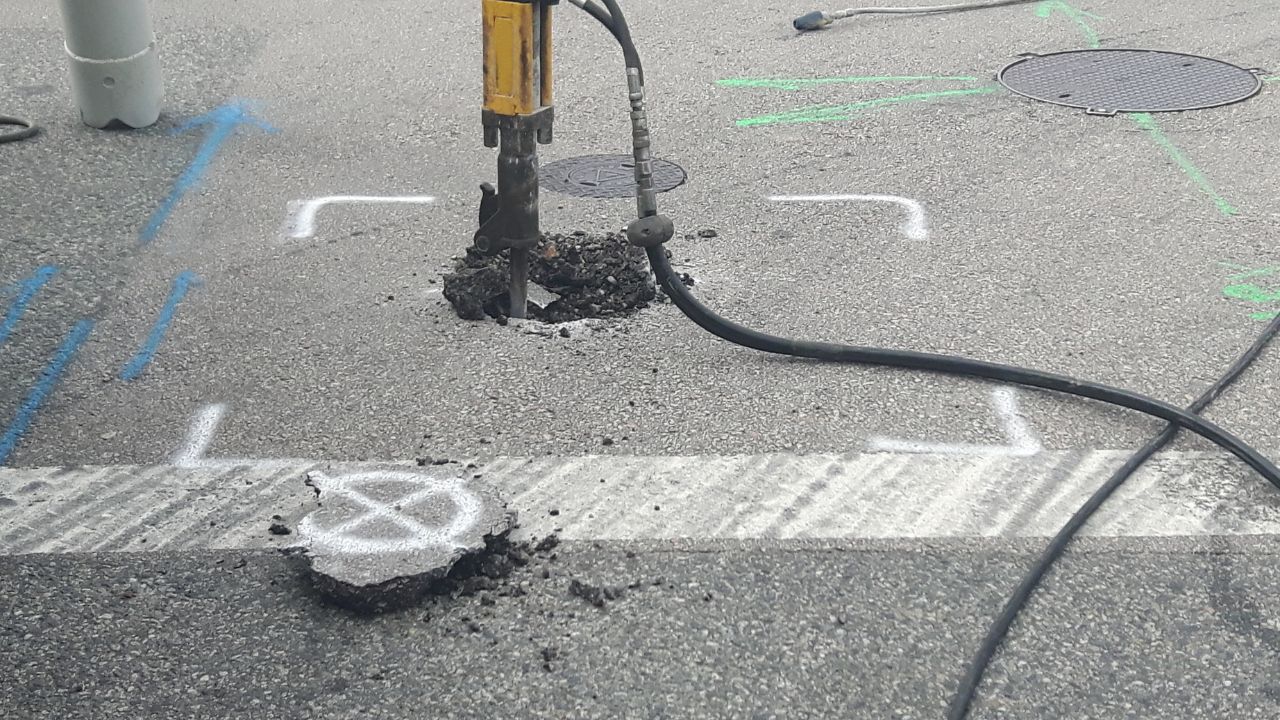
Hydrovac excels at precision tasks where utility damage risk is high. The technology enables efficient utility locating by delivering ASCE Quality Level A data, the highest accuracy standard, through direct visual confirmation of underground infrastructure.
Common Utility Projects That Benefit From Vacuum Trucks
Daylighting/potholing: Exposing and visually confirming exact utility positions
Soil trenching for cables, pipelines, and utility installation
Piling hole excavation at various diameters and depths
Gas main locating and exposure
Power line proximity work
Fiber optic cable locating
Water and sewer line projects
Vacuum Trucks vs. Other Utility Locating Technologies
Factor
Vacuum Trucks (Hydrovac)
Ground Penetrating Radar (GPR)
Accuracy Level
ASCE Quality Level A (±0.25" horizontal, ±0.5" depth)
What Are The Limitations Of Vacuum Trucks In Utility Locates?
Hydrovac isn't ideal for every excavation scenario. Bulk earthmoving, remote sites without disposal access, and projects with extreme depth or distance requirements may favor traditional methods.
Operational Limitations
Requires a designated dumping location for excavated soil
Slurry material cannot backfill the excavation
Material must be transported off-site
Working distance affects blower power requirements (200 ft vs. 600 ft)
State bridge laws and weight restrictions may limit operations
Terrain And Site Conditions Affecting Performance
Condition
Impact on Vacuum Truck Performance
Soil Type (sand, clay, loam)
Affects water pressure and vacuum requirements
Frozen Ground
Effective with hot water systems
Deep Excavations (20+ ft)
Requires more powerful blowers
Off-road vs. On-road Terrain
Different chassis/capability requirements
Distance from Truck
Longer distances need more powerful equipment
Cost And Maintenance Considerations
Higher hourly rate ($375–$475/hour) than traditional equipment
Requires proper dump height and control for container offloading
Equipment selection must match ground conditions and project scope
Regular maintenance is needed for vacuum systems, water tanks, and filtration
What Are The Future Trends And Innovations In Vacuum Truck Technology For Utility Locates?
Hydrovac technology continues advancing toward greater power, efficiency, and automation. Industry adoption is accelerating as contractors recognize the competitive advantage of precision excavation.
Technological Advancements In Performance
Industry expert perspective: "I wholeheartedly believe this is the future of excavation. For any companies that dig around utilities, it's not a matter of if they will need a hydrovac. It's when."
Improved heated water systems for year-round cold-weather operation
More powerful blowers for deeper excavations and longer working distances
Enhanced debris tank capacities for extended operation between dumps
Innovations In Vacuum Truck Design
Current Feature
Future Innovation Potential
Manual operation
Automated systems with AI integration
Reactive maintenance
Predictive maintenance through real-time diagnostics
Standard suction technology
Improved suction capacity and efficiency
Conventional fuel systems
Eco-friendly/fuel-efficient technologies
The Impact Of Automation and AI
Increased autonomy in excavation operations
Real-time diagnostics for performance optimization
Predictive maintenance to reduce downtime
AI-calibrated water pressure and vacuum settings
Automated utility detection and excavation mapping
Why Vacuum Trucks Are A Smart Investment For Commercial Utility Locates
Vacuum trucks deliver measurable advantages across every project metric that matters: speed, cost, safety, and precision. The technology completes utility locates 10 times faster than traditional methods while cutting total project costs by 22–34%. A two-person crew replaces teams of 4–8 workers, and ASCE Quality Level A accuracy eliminates the guesswork that leads to utility strikes.
With excavation-related damages costing the US $30 billion annually, hydrovac isn't just an upgrade; it's risk management. The question facing contractors today isn't whether to adopt vacuum excavation, but how quickly they can integrate it into their operations.
Time And Cost Benefits
10x faster excavation with 44% overall project time savings
4x cheaper in total project costs (22–34% savings)
50–75% labor reduction (2-person crew vs. 4–8 workers)
Prevents the $30 billion annual industry-wide utility damage problem
ASCE Quality Level A precision (48–72x more accurate than mechanical methods)
Evaluate ground conditions and select appropriate equipment specifications
Consider working distance requirements and excavation depth needs
Identify designated dump locations for excavated material
Account for state bridge laws and weight regulations
Train crew on proper hydrovac operation (only 2-person team required)
Using Vacuum Trucks For Your Utility Locating Needs
Safety remains the primary advantage; hydrovac allows crews to dig around utilities, gas mains, and power lines without damage risk or injury exposure. As underground infrastructure grows more congested and the consequences of utility strikes more severe, precision excavation becomes non-negotiable. Over 400,000 excavation accidents occur annually in North America. Vacuum trucks prevent the majority. The unseen advantage of this technology, precision, safety, and efficiency, now defines successful and profitable utility projects.
Ready to reduce project costs and eliminate utility strike risk? Request a quote orcontact Bess Utility Solutions to discuss vacuum truck services for your next project.
We prioritize clear communication and reliable solutions to meet your specific requirements. Get in touch with us today, and let's work together to ensure the safety and efficiency of your projects.
We prioritize clear communication and reliable solutions to meet your specific requirements. Get in touch with us today, and let's work together to ensure the safety and efficiency of your projects.