Hayward, CA
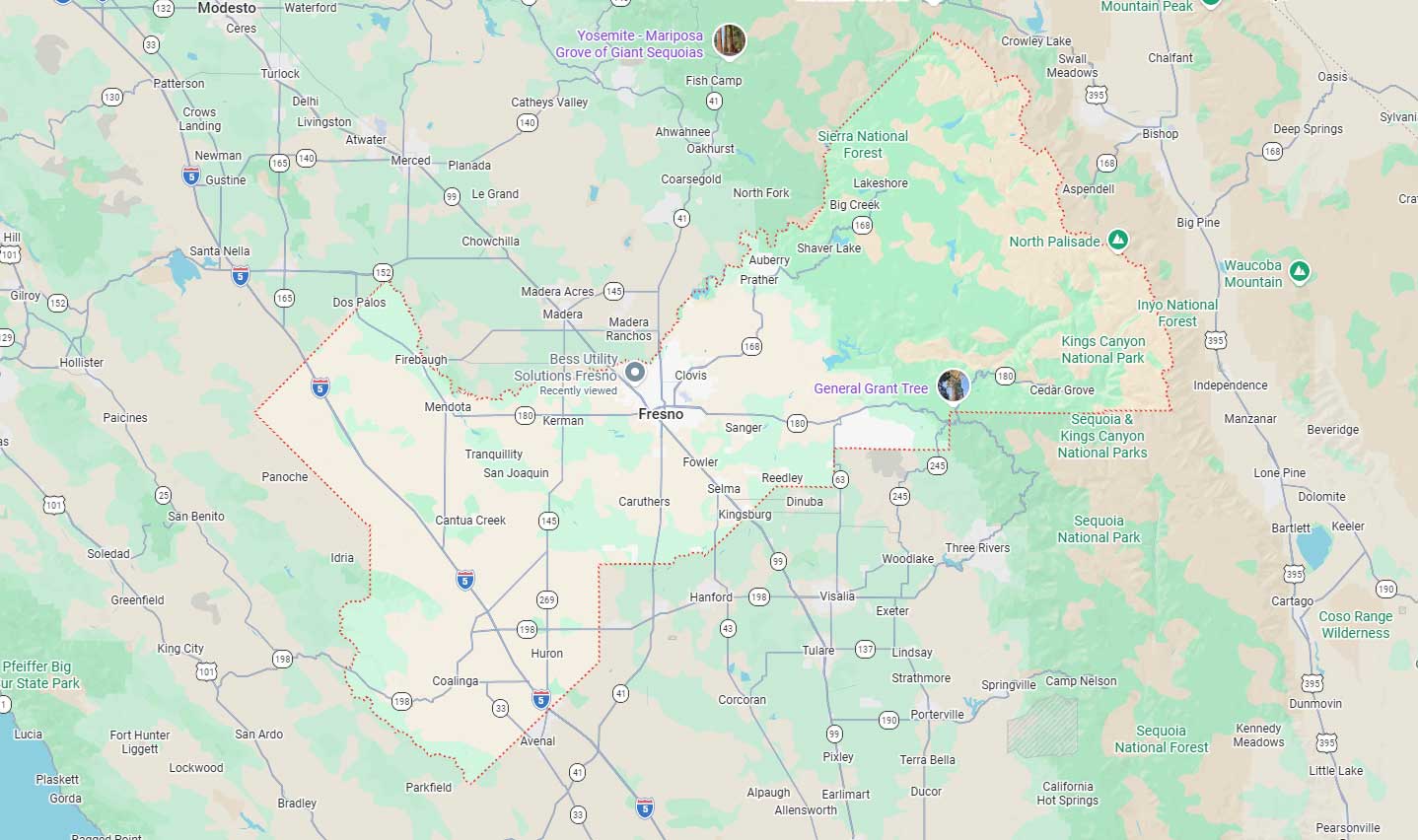
Fresno, CA
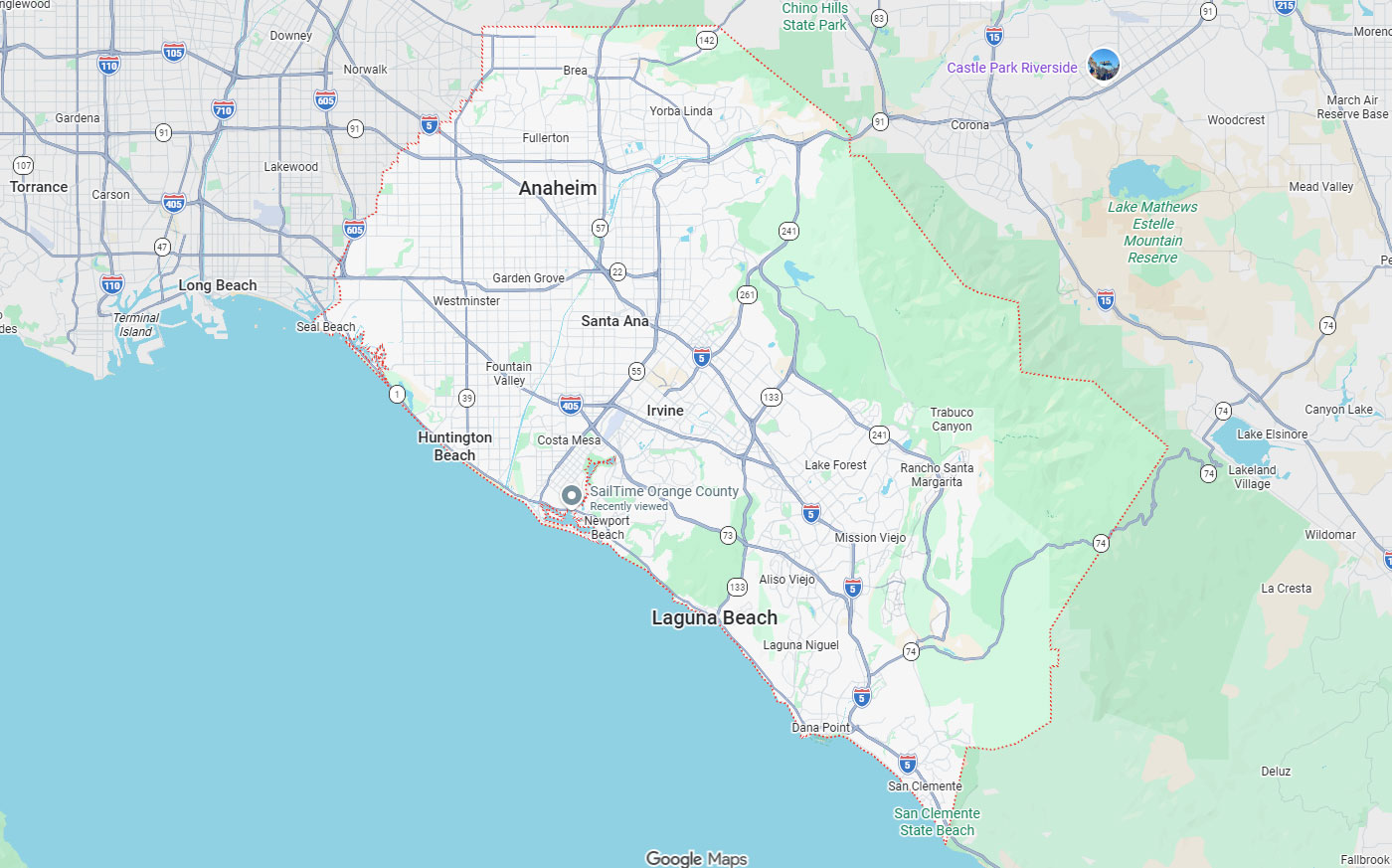
Orange, CA
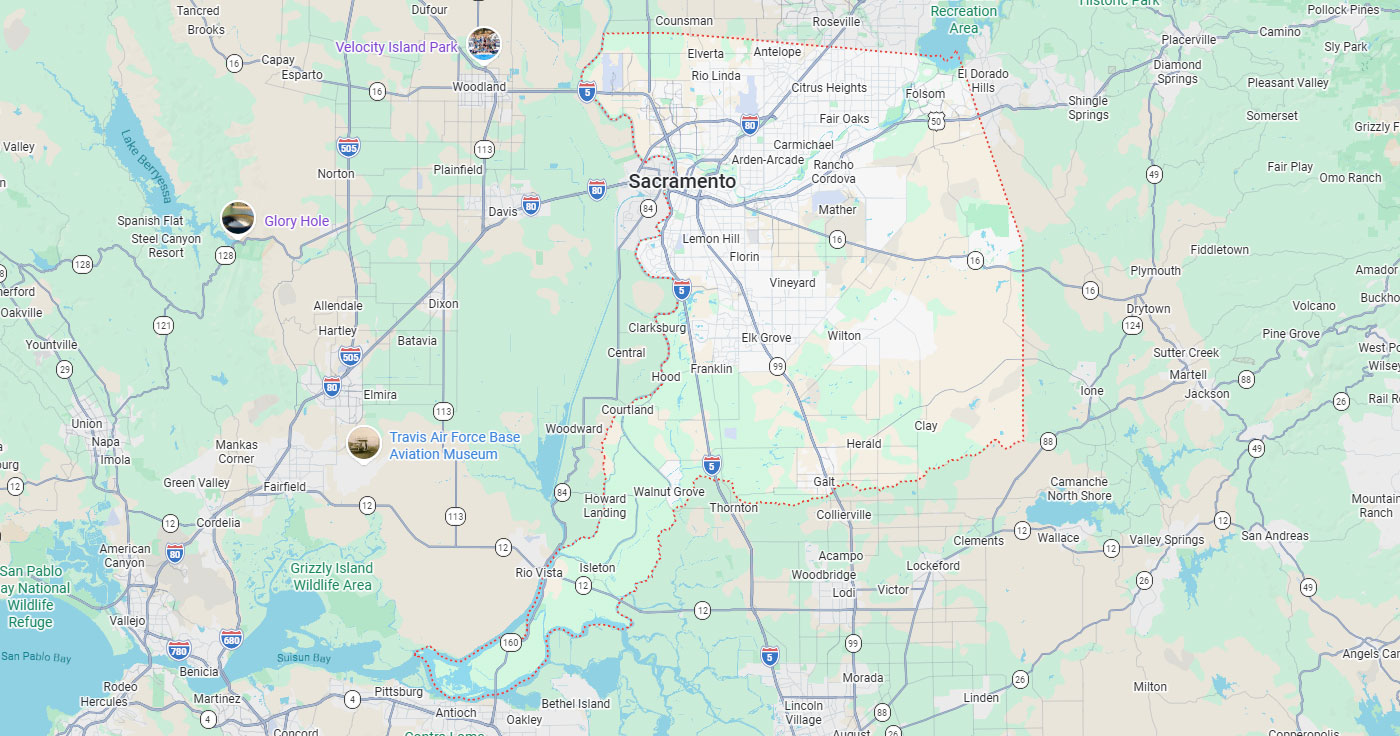
Sacramento, CA
Phoenix, AZ
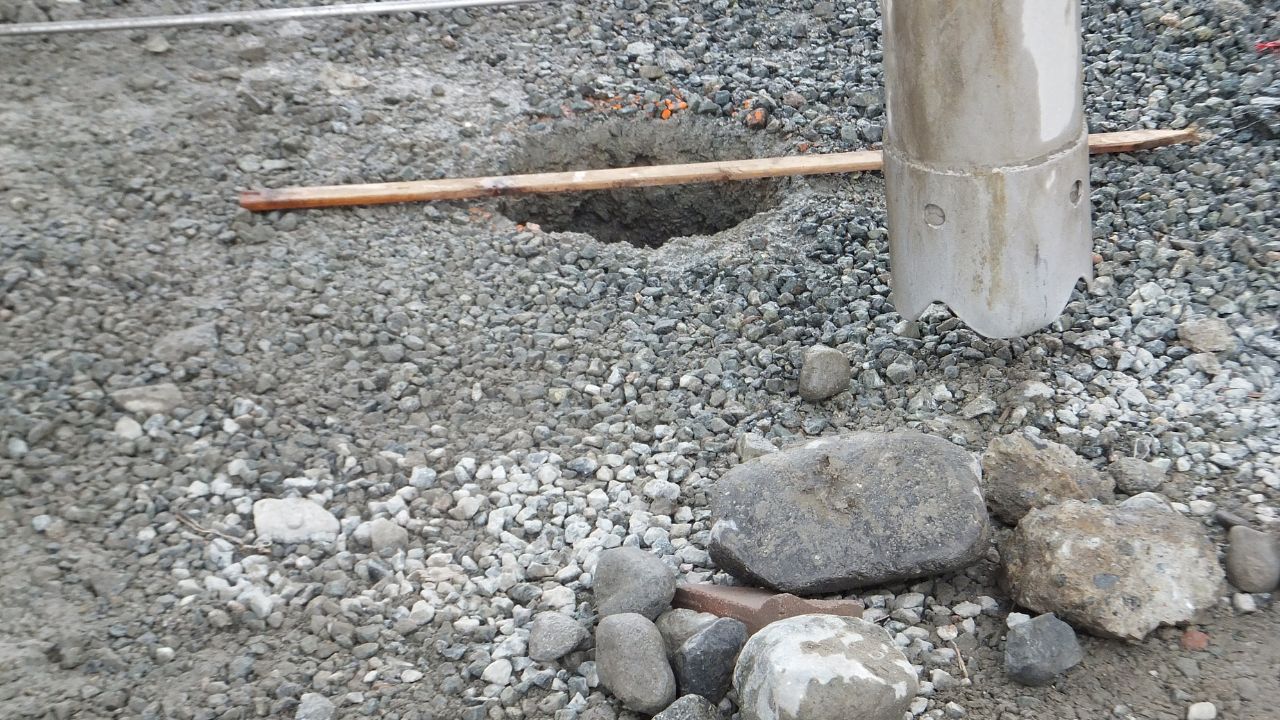
Utility marks reduce excavation risk, but field markings represent approximate locations, not physical exposure. Vacuum excavation utility exposure gives Hayward and East Bay contractors verified confirmation of utility type, depth, alignment, and condition before crews commit powered equipment to trenching, boring, horizontal directional drilling, or grading in these dense urban environments. Congested corridors, older infrastructure, and strict coordination requirements make this verification step part of standard practice. Our hydro vacuum excavation services pair this exposure work with GPR and electromagnetic locating to build a complete subsurface picture before ground disturbance begins.
Key Takeaways
Here's what we break down: how California law defines the 811 process and tolerance zone, when high-priority utilities require onsite coordination, how vacuum excavation compares to mechanical digging, and the workflow Hayward crews can follow from ticket submission through documentation, plus the business case backed by FHWA research.
Vacuum excavation and utility daylighting are controlled-exposure methods confirming utility type, depth, alignment, and condition after 811 marks arrive and before higher-risk excavation begins. These processes, often called hydro excavation when high-pressure water powers the jetting system, use pressurized air or pressurized water combined with vacuum suction to remove soil around buried utilities without the mechanical contact that could damage pipes, cables, or conduits. Because non-destructive vacuum excavation replaces cutting force with controlled water pressure or air pressure, the exposed utility becomes visible for inspection, measurement, and documentation before crews proceed with ground-disturbing work near the confirmed location.
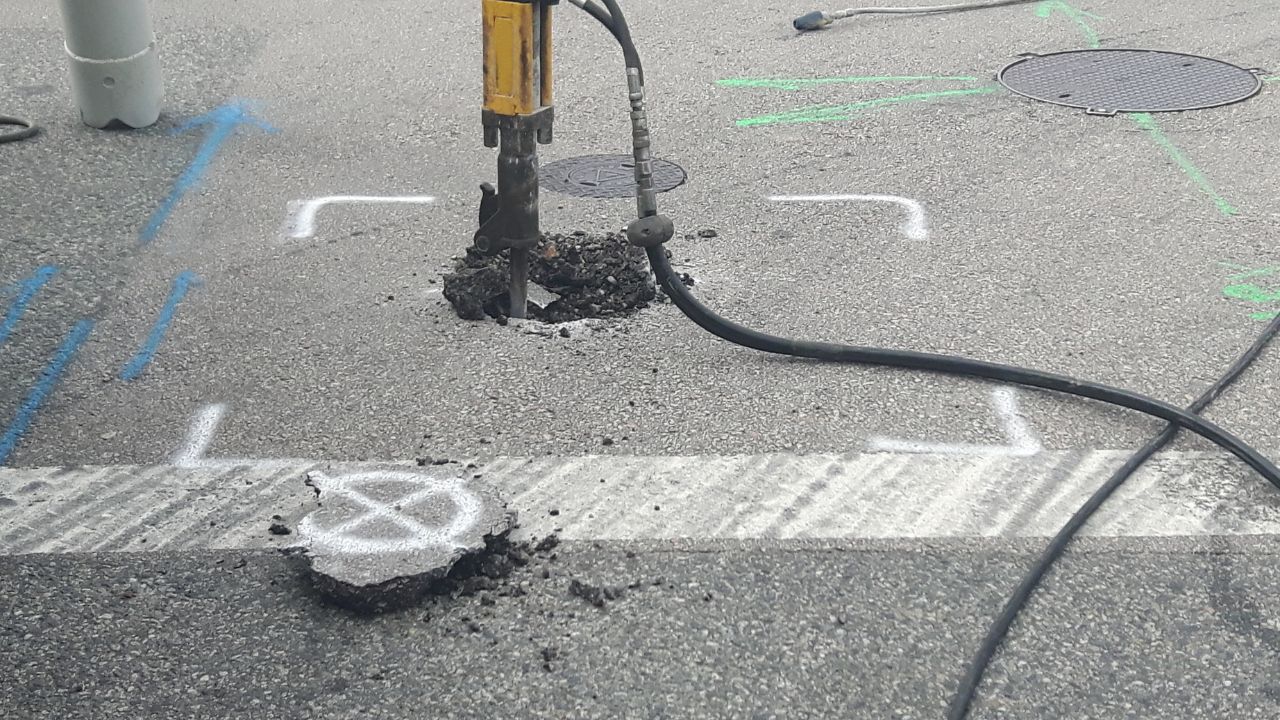
Vacuum excavation equipment, typically mounted on hydrovac trucks, uses compressed air or hydro jets to break up and loosen soil around subsurface installations. The vacuum system simultaneously extracts loosened material into a containment tank, creating clean exposure without mechanical cutting or digging force that could cause utility damage. This controlled approach lets operators expose utilities at conflict points, measure actual depth and alignment, photograph conditions, and verify field marks before excavation crews move powered equipment into the area.
Contractors should use daylight utilities at crossings, tie-ins, directional boring entry and exit pits, trenching paths near existing marks, high-priority utility locations, design conflict points, areas with uncertain as-built records, and private facilities not covered by public 811 responses.
Daylighting converts approximate location information into verified physical data for excavation planning and change-order documentation. The importance of vacuum excavation in utility locating becomes clear when contractors face congested rights-of-way or installations not matching record drawings.
Utility marks provide approximate horizontal positions based on electromagnetic detection, ground-penetrating radar, or record research. Physical exposure through vacuum excavation reveals the actual utility, its material, condition, depth, and precise alignment in three dimensions. Vacuum excavation does not replace the 811 process; California law still requires notification, positive responses, and field marks first. Daylighting simply adds verification that reduces uncertainty when contractors dig near marked utilities or inside tolerance zones.
Utility exposure protects contractors from strikes, delays, fines, and worker-safety incidents when excavation proceeds on approximate marks or outdated records. Hayward's underground environment includes aging municipal infrastructure, storm drains, industrial corridors, private facilities, and overlapping service territories where field conditions may not match documentation. Verified data lets contractors position trenches, adjust boring alignments, and install protective measures before equipment commits to paths that could conflict with existing installations.
Utility strikes, sometimes called line strikes, damage infrastructure, trigger emergency shutdowns, and create liability for repair costs and regulatory penalties. Delays compound when contractors must wait for repairs, redesign conflicts, and remobilize crews after unplanned stoppages. Fines can reach thousands of dollars per violation when excavators ignore notification or tolerance-zone rules. Worker-safety incidents escalate when strikes release gas, contact energized conductors, or rupture pressurized lines.
Vacuum excavation reduces strike risk by exposing utilities at planned conflict points before trenching or boring equipment enters tolerance zones. Visual confirmation eliminates guesswork about depth and provides documentation supporting field decisions when conditions differ from marks or plans. The role of vacuum excavation in preventing utility strikes centers on converting approximate information into verified data guiding excavation methods and coordination with operators.
High-priority subsurface installations include the categories below. California law and Cal/OSHA regulations require additional coordination and onsite meetings when excavation occurs within 10 feet of any of them, since damage can cause catastrophic releases, explosions, or electrocutions.
California Government Code sets mandatory procedures for excavation notification, tolerance-zone work, and high-priority coordination before ground-disturbing activities begin. These rules define when vacuum excavation qualifies as an acceptable verification method inside tolerance zones. The table below summarizes the core requirements.
| Requirement | California Rule |
| 811 notice window | At least 2 working days and no more than 14 calendar days before excavation (Gov. Code §4216) |
| Tolerance zone | 24 inches on each side of the operator's field mark, adjusted for utility size |
| High-priority coordination | On-site meeting required within 10 feet of a high-priority installation |
| Verification inside the zone | Hand tools by default; vacuum excavation only if declared on the 811 ticket and approved (Gov. Code §4216.4) |
California requires excavators to submit 811 notices at least two working days and no more than 14 calendar days before excavation begins; the notice date itself does not count toward the two-day requirement under Government Code §4216. A working day excludes Saturday, Sunday, and specified holidays. Contractors must receive positive responses and field marks from all operators before excavation can legally proceed.
California defines the tolerance zone as 24 inches on each side of the operator's field marking, adjusted when utility size is specified. Excavators must determine the exact location of conflicting installations with hand tools before using power-driven equipment inside that zone.
Understanding tolerance zones and how far you must dig from a marked line helps contractors plan verification steps based on proximity to marked utilities.
Proposed excavation within 10 feet of a high-priority installation requires an onsite meeting between the excavator and operator before the legal start date. These meetings establish exposure points, access requirements, and inspection protocols protecting the installation during excavation.
Vacuum excavation aligns with California's tolerance-zone rules when properly declared and coordinated through 811. This method reduces physical contact risk compared to mechanical excavation while providing the visual confirmation state law requires near subsurface installations, and it extends to trench-safety considerations for crews working around exposed utilities.
Government Code §4216.4 allows vacuum excavation devices to expose installations within tolerance zones if the excavator declared that intent on the 811 ticket and the operator agreed. Contractors cannot assume vacuum excavation qualifies without this documented agreement; hand-tool verification remains the default when it has not been coordinated and approved.
| Factor | Vacuum Excavation | Traditional Mechanical Excavation |
| Contact risk | Low, no cutting force at the exposure point | High: bucket teeth, backhoe edges, or trencher chains contact soil directly |
| Precision | Exposes exact depth, alignment, and material | Approximate; strikes possible before visual confirmation |
| Surface disturbance | Minimal, pothole-sized opening | Larger excavation footprint and restoration |
| Tolerance-zone compliance | Qualifies when declared on the 811 ticket and approved | Hand-tool verification required by default |
Traditional mechanical excavation uses bucket teeth, backhoe edges, or trencher chains applying cutting force directly to soil. Air vacuum excavation eliminates that cutting force at the point of utility exposure, letting operators uncover installations without contact damage. This non-destructive digging approach gives crews a clear view of buried infrastructure before equipment moves closer.
OSHA identifies trench collapses and cave-ins as the greatest risk in trenching activities. Cal/OSHA Title 8 §1541.1 requires cave-in protection except in stable rock or excavations under 5 feet deep. Vacuum excavation reduces strike risk but does not eliminate trench-safety requirements; contractors must still provide protective systems, competent-person inspections, and atmospheric monitoring when personnel enter excavations.
Hayward contractors should prioritize vacuum excavation utility exposure at conflict points where a strike would halt work, create hazards, or require expensive redesign. Coordination with utility operators and the 811 system keeps daylighting efforts aligned with legal requirements.
Excavation conflict points typically include the locations below. Contractors should map these during project planning and coordinate schedules with 811 responses and crew mobilization.
Contractors must submit USA North 811 tickets within the legal window and state intent to use vacuum excavation for tolerance-zone exposure. Companies for underground utility locating services in Hayward provide local expertise for interpreting responses and planning daylighting activities.
Contractors should use private utility locating and ground-penetrating radar where records create uncertainty or private-property utilities fall outside public 811 coverage. Public responses cover member-company infrastructure in public rights-of-way, but private facilities and abandoned or non-metallic lines may not appear in standard marking responses.
Successful workflows begin with clear excavation planning, include 811 coordination with declared vacuum-excavation intent, and finish with documentation feeding verified data back into project records.
Contractors must define excavation limits and conflict points before submitting 811 notices. Pre-marking the project area in white helps operators identify affected facilities and ensures field marks cover all planned areas. Stating vacuum-excavation intent on the ticket establishes operator agreement for tolerance-zone work before crews mobilize.
Documentation should capture the items below to support change-order justification and future excavation planning.
Verified data must feed back into project drawings, daily reports, and change-order documentation. Safety protocols should include competent-person oversight, atmospheric monitoring around gas or sewer lines, and protective-system planning for any trench personnel who will enter.
Verified utility exposure delivers quantifiable value through reduced strike costs, fewer delays, and better change-order documentation across underground utility projects of every size. Partnering with an experienced provider gives contractors specialized equipment and documentation systems supporting both compliance and efficiency.
FHWA research at Purdue University found $4.62 in savings for every $1.00 spent on subsurface utility engineering. The study examined 71 highway projects across Virginia, North Carolina, Texas, and Ohio, representing more than $1 billion in construction costs; only 3 projects showed a negative return. ASCE 38 provides the national consensus standard for collecting and depicting subsurface utility data.
The FHWA SUE data comes from highway projects and dates to 1999, so it offers directional evidence rather than a guarantee for every Hayward private project; actual savings depend on complexity, congestion, and record accuracy. Professional locators save time and money by preventing strikes that would otherwise halt work and create liability for service interruptions.
Bess Utility Solutions brings 29 years of experience and CPUC-certified MBE/DBE credentials to utility verification projects across California, Arizona, and Nevada. Service capabilities include underground utility locating, ground-penetrating radar, concrete scanning, vacuum excavation and potholing, CCTV pipeline inspection, and 3D mapping, letting contractors coordinate locating, exposure, and documentation through a single provider.
Hayward work environments present congested corridors, aging infrastructure, and private-property utility uncertainty. Contractors must treat all excavations as containing active subsurface installations until verification confirms otherwise. Utility locating helps Hayward developers prevent utility strikes by combining public 811 responses with private locating, GPR, and vacuum excavation for complete subsurface intelligence.
Vacuum excavation or potholing creates minimal surface disturbance compared to traditional test pits, letting contractors verify utilities in active roadways and landscaped zones where larger excavations would disrupt operations. Consistent workflows across projects reduce strike risk and build documentation supporting change-order recovery when field conditions differ from contract assumptions.
Hayward contractors who need vacuum excavation utility exposure before trenching, boring, or horizontal directional drilling can rely on Bess Utility Solutions for vacuum excavation, utility potholing, GPR concrete scanning, and CCTV pipeline inspection across California, Arizona, and Nevada. As a CPUC-certified MBE/DBE firm with 29 years of experience and 1,000+ clients served, our crews document every exposed utility to support compliant, on-schedule work. Call (408) 988-0101 or request a quote to schedule vacuum excavation and utility daylighting for your next Hayward project.
A. No. California law requires hand-tool verification by default inside the 24-inch tolerance zone. Vacuum excavation becomes a legal substitute only when the excavator declares that intent on the 811 ticket and the operator agrees. Outside the tolerance zone, standard field marks generally support powered excavation without additional exposure. Contractors who skip the declaration step must default to hand tools even with vacuum equipment on site.
A. Cost depends on the number of potholes, soil conditions, target depth, and site access. Most Hayward projects price this work per exposure point, since one hydrovac truck can complete several potholes a day under normal conditions. FHWA research found $4.62 in savings for every $1.00 spent, which offsets the upfront cost through avoided strikes and delays. Contact Bess Utility Solutions for a project-specific quote.
A. Utility potholing describes exposing a utility at a specific point to confirm its location, while hydro excavation describes the method used to do it. Hydro excavation uses high-pressure water and vacuum suction to loosen and remove soil, and it is one of two common ways to pothole a utility; the other uses compressed air. Both avoid mechanical cutting force, which is why they qualify as non-destructive vacuum excavation under California tolerance-zone rules when properly declared.
A. Yes. Vacuum excavation works well near storm drains, sewer laterals, and other municipal infrastructure because it exposes utilities without the cutting force that risks cracking pipe or damaging joints. Hayward's aging municipal infrastructure makes this non-destructive digging approach useful for confirming depth and condition before nearby trenching begins. Crews should still coordinate with the relevant operator when high-priority sewage or storm infrastructure falls within 10 feet of the excavation.
A. California 811 tickets generally remain valid for 28 calendar days from the date operators respond with positive marks, though excavation must still align with the notification window under Government Code §4216. If a project runs longer, contractors must submit a renewal or new ticket before continuing ground-disturbing work. Keeping vacuum-excavation intent documented on each active ticket avoids compliance gaps across multi-phase underground utility projects.