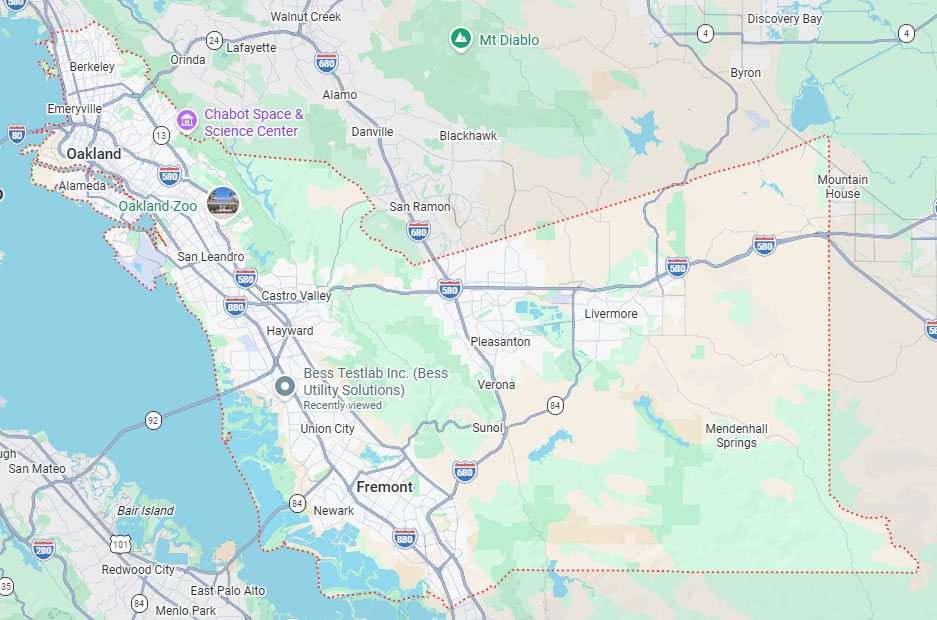
Hayward, CA
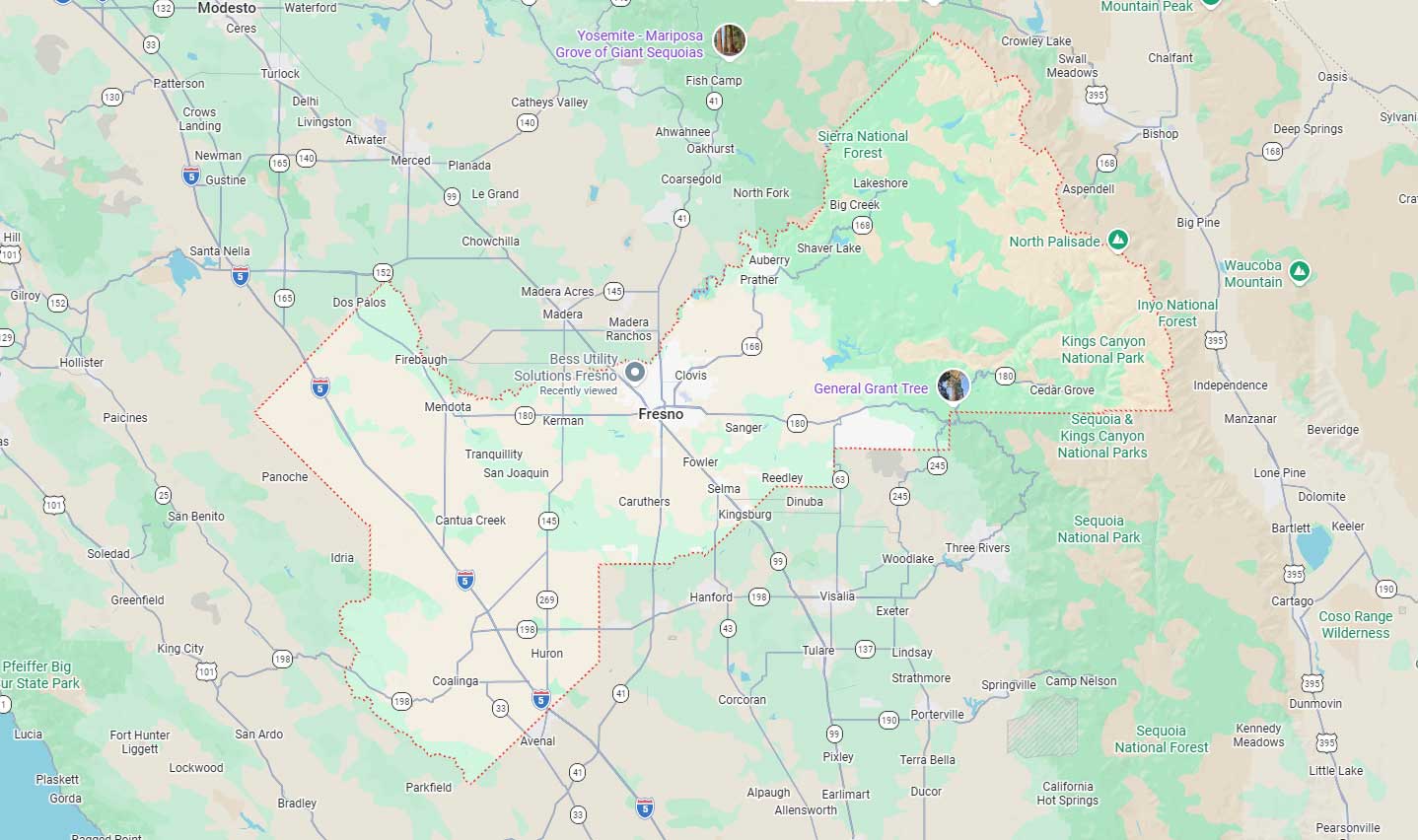
Fresno, CA
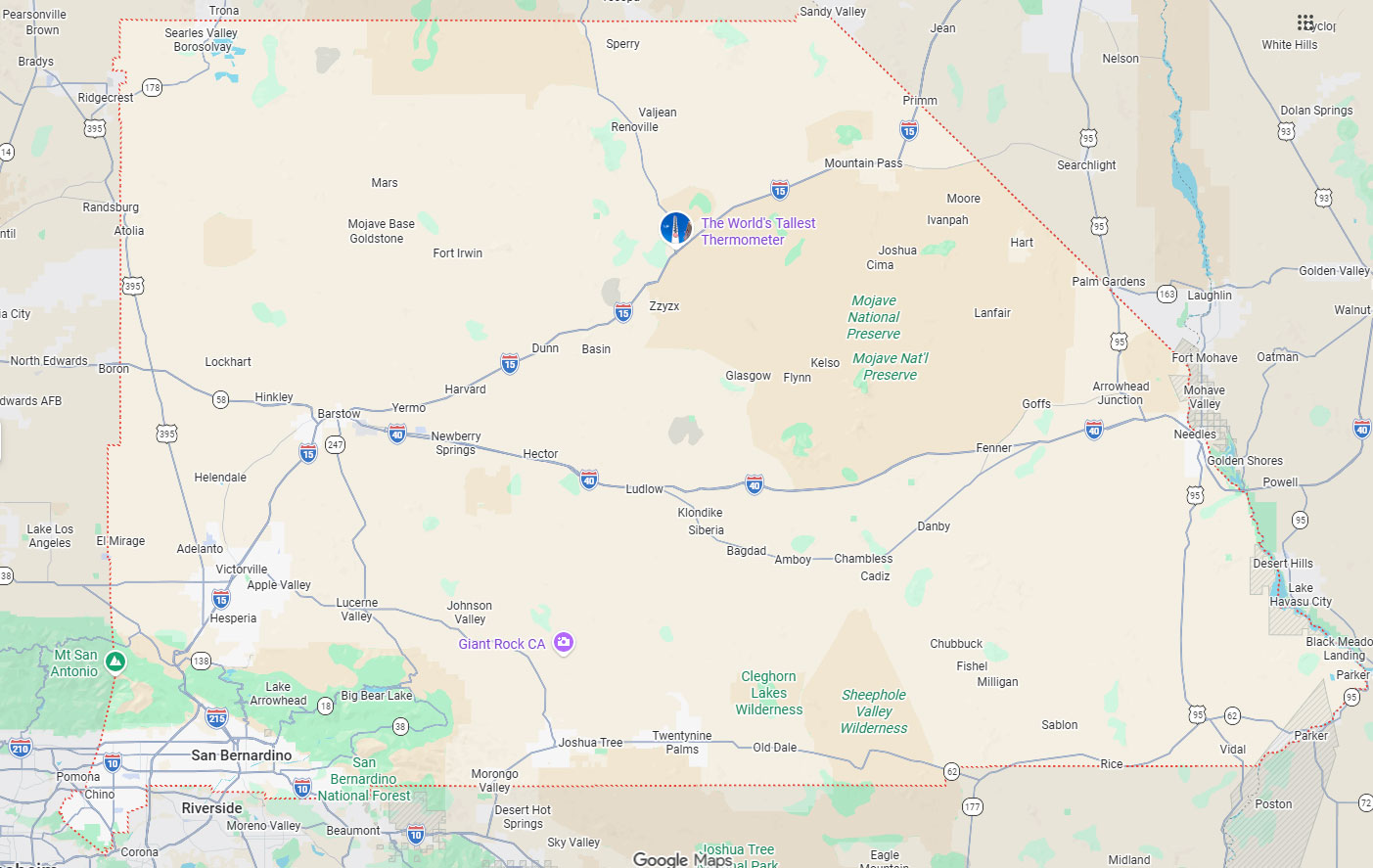
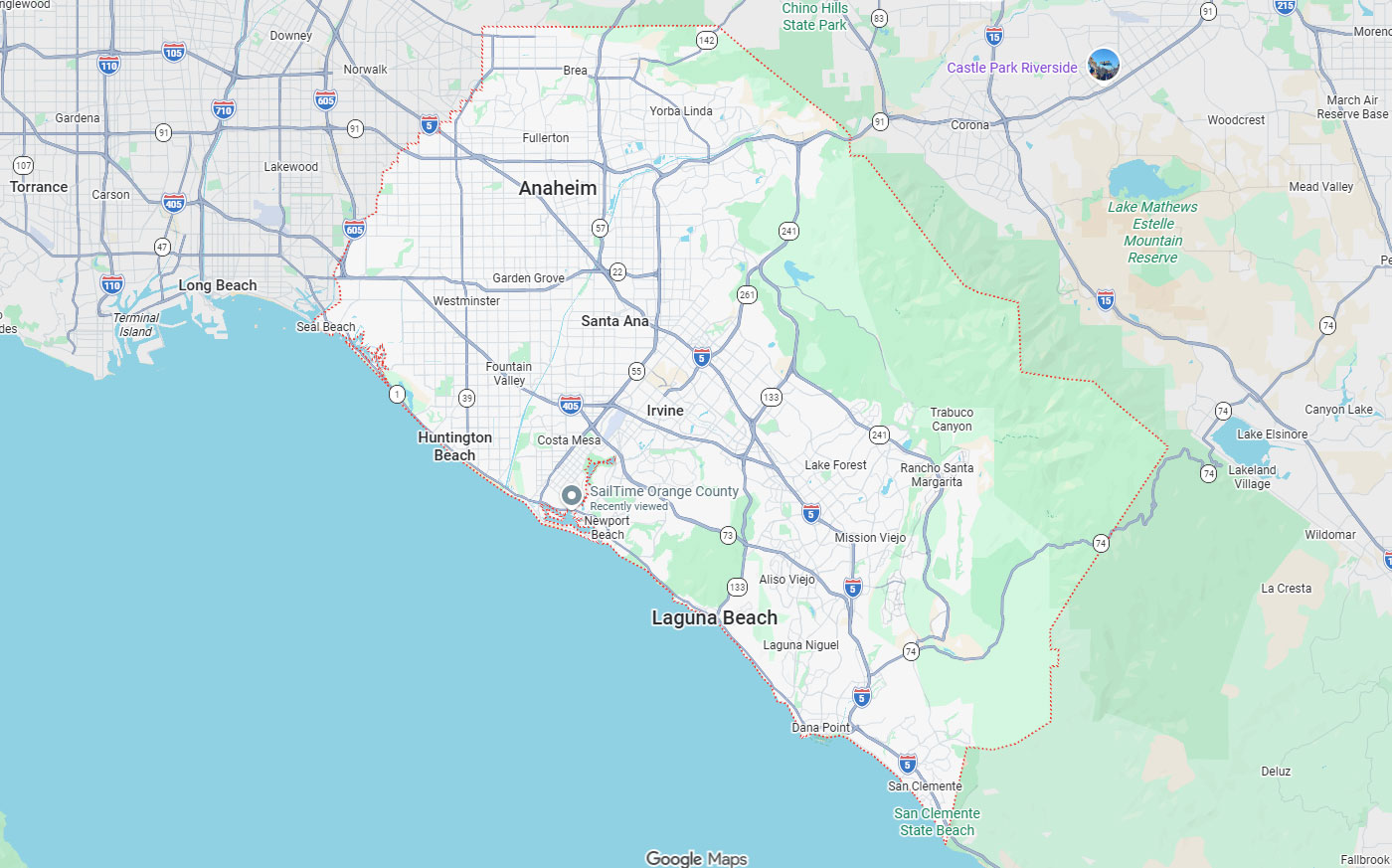
Orange, CA
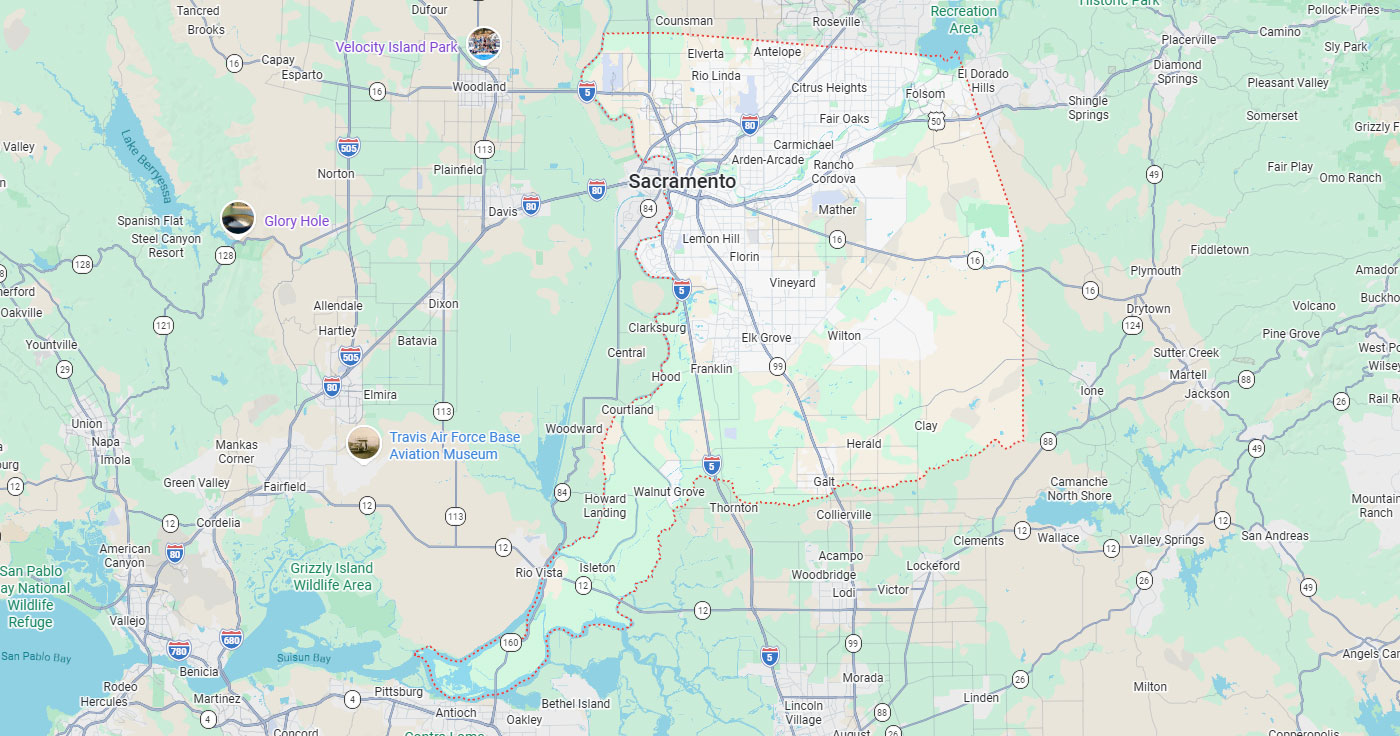
Sacramento, CA
Phoenix, AZ
Key Takeaways
Underground infrastructure grows denser every year. Gas lines, water mains, fiber optics, and electrical cables crowd beneath every urban street and industrial site. Traditional excavation methods, backhoes, trenchers, and hand digging put this infrastructure at risk with every project. The cost of getting it wrong runs into millions.
Hydrovac excavation eliminates that risk. This non-destructive technology uses pressurized water and vacuum systems to excavate with surgical precision. No mechanical contact with buried utilities. No guesswork. The result: faster projects, lower costs, and dramatically improved safety records.
This guide examines which industries benefit most from hydrovac excavation services, how the technology improves safety and efficiency, and what challenges organizations face when adopting it. We'll cover equipment specifications, cost comparisons, and strategies for maximizing long-term value from hydrovac investments.
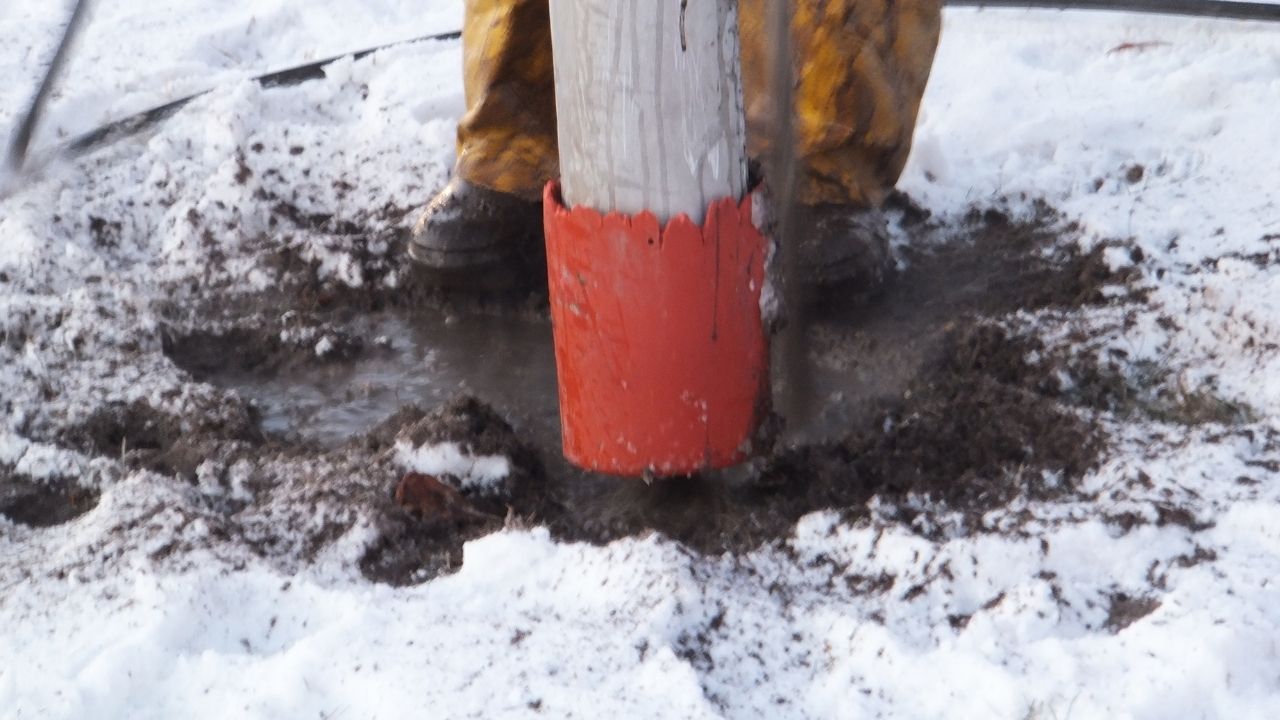
Hydrovac excavation combines high-pressure water with industrial vacuum systems. Pressurized water breaks up soil. A powerful vacuum extracts the resulting slurry into an onboard debris tank. No mechanical digging touches the ground. This non-destructive approach eliminates the risks that come with backhoes and trenchers working near buried utilities.
The technology runs on specialized truck-mounted units. These self-contained systems carry everything needed for the job: water supply, heating elements, vacuum pumps, and debris storage. Operators control the process remotely, maintaining safe distances from the excavation site. The vacuum excavation or potholing process has become standard practice for projects requiring precision around underground infrastructure.
| Equipment Component | Specifications/Details |
| Hydrovac Trucks | Self-contained units built on truck chassis combining excavation and debris removal |
| Debris Tanks | 3–16 cubic yard capacity; standard models feature 8–12 cubic yards with hydraulic rear doors |
| Water Tanks | 650–1,650 gallons; high-capacity models feature dual 600-gallon tanks (1,200 gallons total) |
| Vacuum Pumps/Blowers | 3,000–6,000 CFM; advanced systems use Roots-style blowers rated at 3,200+ CFM |
| High-Pressure Water Systems | 10–20 GPM at pressures up to 3,000 PSI |
| Heating Systems | Boilers rated up to 750,000 BTU for frozen ground excavation |
| Extension Hoses | Reach up to 300 feet from the truck |
| Payload Capacity | 5,000–12,000 pounds standard |
Six major sectors drive hydrovac adoption: construction, oil and gas, utilities, environmental services, telecommunications, and municipal works. Each faces unique underground challenges. All share the same core need: safe, precise excavation around existing infrastructure. Understanding the industries using hydrovac helps explain why adoption continues accelerating.
Construction leads all hydrovac applications with a 36.1% market share in 2023. The U.S. construction sector represents $2.1 trillion annually across 919,000 establishments and 8 million workers. Hydrovac sales to this sector reached $286.9 million in 2024. That figure will hit $417.3 million by 2034.
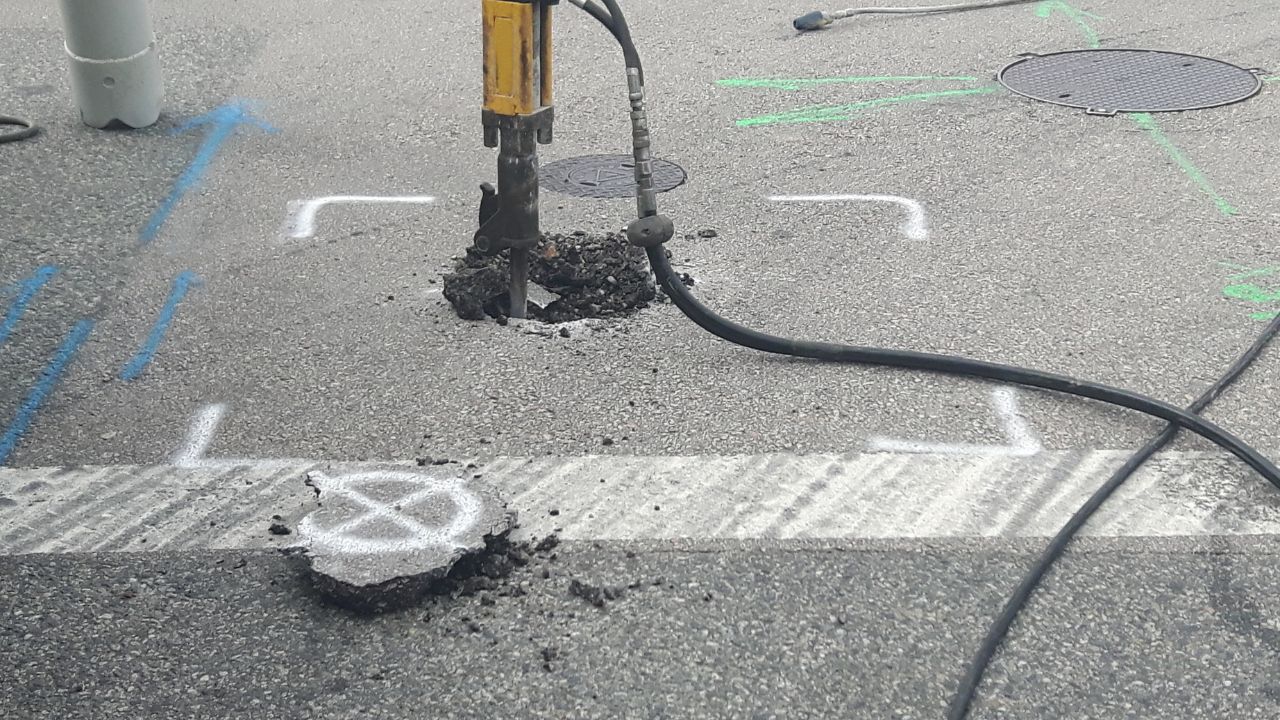
Modern construction sites sit atop dense utility networks. Hydrovac enables surgical precision for potholing and daylighting, exposing utilities to verify exact location, depth, and type before breaking ground. This capability proves essential for utility locating in roadway and highway construction projects.
Key Benefits of Hydrovac Excavation in Construction:
Oil and gas operations demand excavation around high-pressure pipelines and sensitive infrastructure. Roughly 1.3 million gallons of oil are spilled annually from U.S. pipelines and vessels, often from improper maintenance. Hydrovac enables safe access for inspections and repairs without risking punctures from mechanical equipment.
Hot water boilers (up to 750,000 BTU) let crews work through frozen ground when traditional excavation stops. This extends the working season and speeds emergency repairs. The vacuum excavation industry benefits significantly from the oil and gas sector demand.
Key Benefits of Hydrovac Excavation in Oil and Gas:
Over 160,000 utility damage events occurred in 2022 alone. Each strike costs thousands to millions of dollars in repairs, service interruptions, and liability. Hydrovac virtually eliminates this risk through non-destructive excavation methods.
The technology proves essential in congested urban corridors where gas lines, water pipes, and electrical cables run in close proximity. Operators expose utilities safely without the guesswork and risk of mechanical digging.
Key Benefits of Hydrovac Excavation in the Utility Sector:
Environmental work requires precision and containment. Hydrovac delivers both. Excavated soil goes directly into debris tanks, with no runoff and no contamination spread. The non-destructive process preserves site integrity for accurate sampling and assessment.
Key Benefits of Hydrovac Excavation in Environmental Services and Remediation:
Fiber optic cables don't survive contact with backhoe buckets. One strike can knock out service for thousands and cost millions in repairs. Hydrovac protects fragile communication infrastructure during installation and maintenance. The range of vacuum excavation applications in telecom continues expanding as 5G and fiber networks grow.
Key Benefits of Hydrovac Excavation in Telecommunications:
Mining: Holds 14.4% market share of hydrovac applications. Used for safe excavation around mine infrastructure and equipment.
Municipal and Public Works: Applications include trenching for utility installations, repairing sewer and water lines, installing traffic signal foundations, and cleaning catch basins.
Archaeology and Heritage Preservation: Enables gentle removal of soil layers to uncover artifacts and preserve historical sites without damage.
Hydrovac delivers measurable improvements across four key areas: utility damage prevention, environmental impact, project timelines, and excavation precision. The numbers tell the story.
Research shows 51% of hydrovac cost savings come from reduced contractor claims. Another 31% comes from avoided utility strikes. Hydrovac runs at least 4 times cheaper than traditional methods in documented scenarios.
| Factor | Hydrovac Excavation | Traditional Excavation |
| Risk of Damaging Utilities | Virtually eliminated; non-destructive water and vacuum method | High risk; backhoes and mechanical equipment frequently damage underground infrastructure |
| Excavation Speed | Up to 10 times faster than hand digging | Slower due to manual processes and need for caution around utilities |
| Precision in Locating Utilities | High precision; rotating pressure nozzles in sweeping motions | Lower precision; relies on visual inspection and manual probing |
| Worker Safety Measures | Operators at safer distances using extension hoses; remote control available | Workers exposed to trench collapses, falling debris, cave-ins, and contact with live lines |
| Team Size Required | 50% smaller crews (often just 2 operators) | Larger crews required for manual and mechanical work |
Hydrovac uses water, a non-hazardous medium, instead of mechanical force. This fundamental difference drives environmental benefits across every project.
Key Ways Hydrovac Excavation Minimizes Environmental Impact:
One documented project showed hydrovac completing excavation in one-third the time of a hand-digging crew, with half the team size. The efficiency gains compound across every phase of work.
Time-Saving Factors in Hydrovac Excavation:
Hydrovac enables surgical accuracy that mechanical methods can't match. This precision matters most in tight spaces with complex utility layouts.
| Precision Factor | Hydrovac Excavation | Traditional Excavation |
| Trenching and Digging Accuracy | Surgical precision; targeted excavation with minimal surrounding disturbance | Lower accuracy; mechanical methods create larger impact areas |
| Locating Underground Utilities | Highly effective for potholing and daylighting to verify exact location, depth, and type | Requires broader excavation; higher strike risk |
| Avoiding Sensitive Areas | Works around fragile infrastructure in tight spaces | Often prohibited by municipal and federal laws near sensitive infrastructure |
| Soil Composition Adaptability | High-pressure water effective on dense, clay-rich, and glacial till soils | Mechanical methods struggle with challenging compositions |
| Reach Capability | Extension hoses reach up to 300 feet from the truck | Limited by equipment positioning |
Hydrovac delivers advantages across three categories: cost, time, and safety. The data consistently shows measurable improvements over traditional methods in each area. These advantages explain why hydrovac for industry applications continues to grow.
Upfront equipment costs run higher, and trucks exceed $450,000 per unit. But total project costs drop significantly. Documented scenarios show hydrovac running at least 4 times cheaper than traditional excavation when factoring in labor, damage prevention, and timeline compression. Request a quote to compare costs for your specific project requirements.
| Cost Factor | Hydrovac Excavation | Traditional Excavation |
| Labor Costs | Requires 50% fewer workers (typically 2 operators) | More labor-intensive; requires larger crews with backhoes and hand tools |
| Equipment Costs | Higher upfront investment (trucks exceed $450,000 per unit) | Lower initial equipment costs |
| Potential Damage-Related Costs | Near-zero utility strike costs; avoids repairs reaching millions of dollars | High risk of costly repairs from utility strikes |
| Insurance Premiums | Lower rates due to recognized safety profile | Higher premiums due to elevated risk |
| Time Savings | At least 10 times faster than hand digging | Extended project timelines |
| Overall Project Cost | At least 4 times cheaper in documented scenarios | Higher total costs due to delays, damage, and labor |
Speed compounds across every project phase. Faster excavation means faster completion. Fewer mistakes mean less rework. Self-contained units eliminate coordination delays.
Time-Saving Benefits of Hydrovac Excavation:
Traditional excavation puts workers in trenches near heavy equipment and live utilities. Hydrovac removes them from the danger zone. Operators control the process remotely, maintaining safe distances throughout.
Safety Benefits of Hydrovac Excavation:
Hydrovac isn't without limitations. Environmental concerns, regulatory complexity, and operational constraints create challenges that require planning and management.
Water-based excavation raises resource and disposal questions. Projects in drought-prone regions face scrutiny. Slurry management requires proper handling to prevent contamination.
Environmental Challenges to Consider with Hydrovac Excavation:
Regulations vary by jurisdiction. Canada enforces stricter standards through the Canadian Common Ground Alliance. U.S. requirements differ by state and municipality. Compliance adds complexity to project planning.
Regulatory or Permitting Challenges:
High capital costs create barriers for smaller contractors. Specialized training requirements add workforce development needs. Some site conditions still favor traditional methods.
Common Operational Limitations of Hydrovac Excavation:
Getting the most from hydrovac requires choosing the right utility locating company, following proven practices, and planning for long-term integration. The technology delivers best results when treated as a strategic capability rather than a one-off solution.
Provider selection directly impacts project outcomes. Equipment quality, safety records, and industry-specific experience all matter. Scalability becomes critical for ongoing relationships.
Best Practices for Choosing a Hydrovac Excavation Service Provider:
Successful projects start before equipment arrives. Site assessment, clear communication, and proper integration with other technologies maximize results.
Best Practices for Successful Hydrovac Excavation Projects:
The market is accelerating. Badger Infrastructure Solutions reported 7% revenue growth to $172.6 million in Q1 2025. Hydrovac demand grew 29% between recent measurement periods. Companies planning ahead position themselves to capture these gains.
Long-Term Strategies for Leveraging Hydrovac Excavation for Ongoing Efficiency:
Hydrovac excavation has moved from niche technology to industry standard. The global market reached $490.5 million in 2022 and will hit $641.32 million by 2028, a 4.57% CAGR. The broader vacuum truck market shows even stronger momentum, projected to grow from $1.97 billion in 2024 to $3.48 billion by 2032 at a 7.4% CAGR.
Construction leads adoption at 36.1% market share, followed by mining at 14.4%. Hydrovac trucks now represent 40% of the vacuum truck market, with excavation applications accounting for 43% of usage. The performance data explains why: 10x speed improvements and 4x cost reductions versus traditional methods.
The trajectory is clear. Infrastructure investment, tightening regulations, and environmental pressures all point toward hydrovac as the emerging standard for precision excavation. Companies adopting this technology gain competitive advantages in safety, efficiency, and cost control. Those waiting will find themselves competing against contractors who dig faster, safer, and cheaper.
Ready to explore hydrovac excavation for your next project? Contact Bess Utility Solutions to discuss your excavation needs with our experienced team.