Hayward, CA
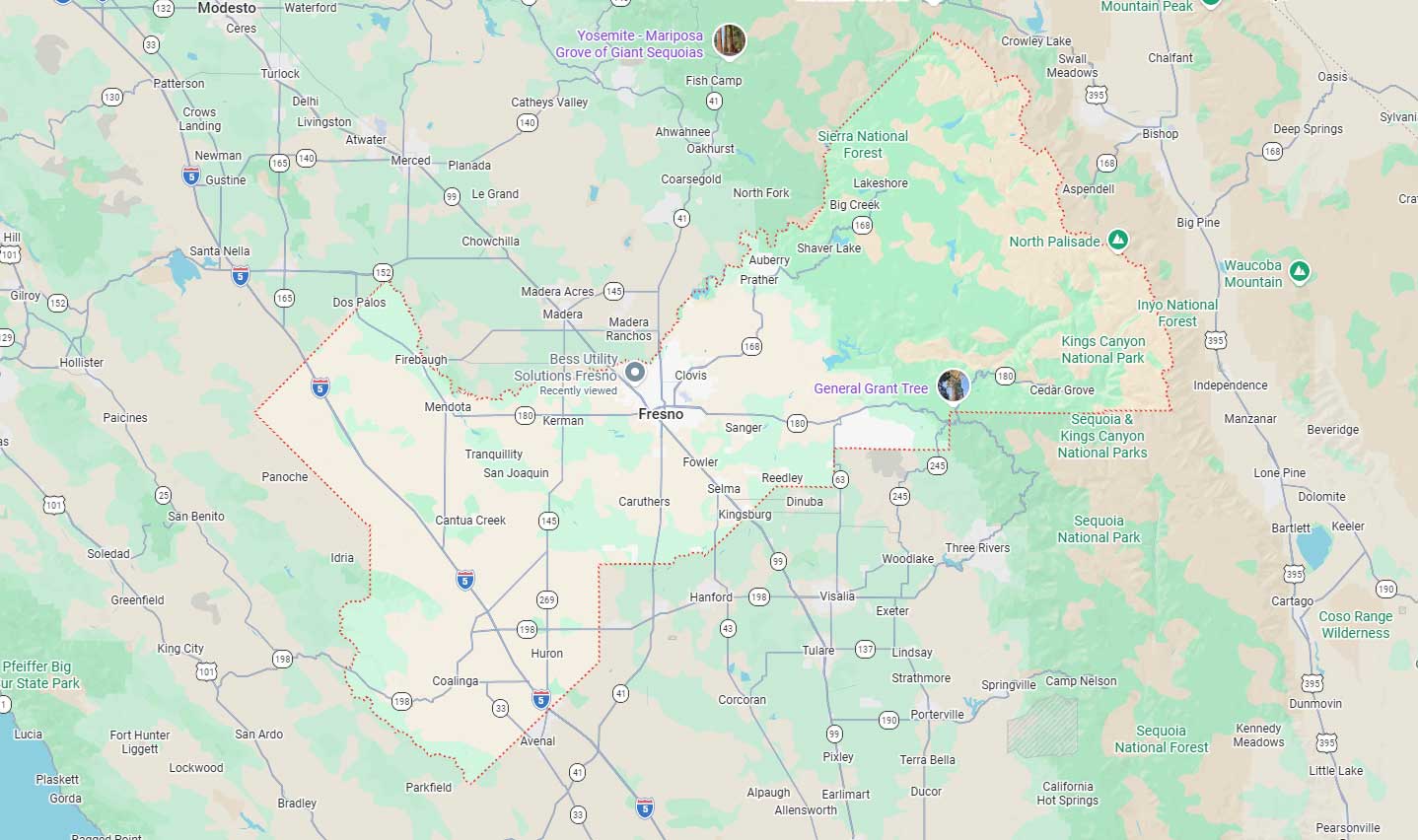
Fresno, CA
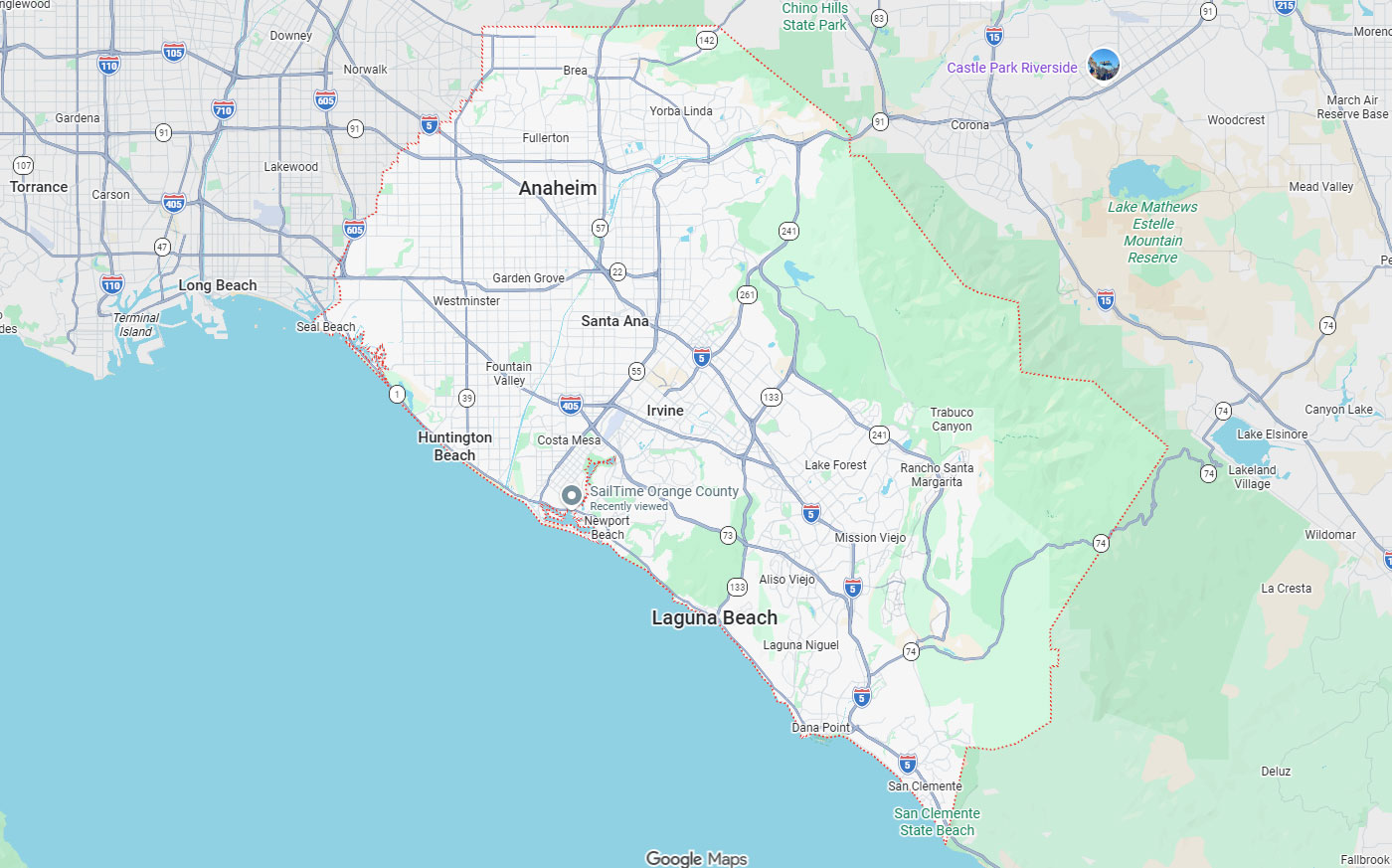
Orange, CA
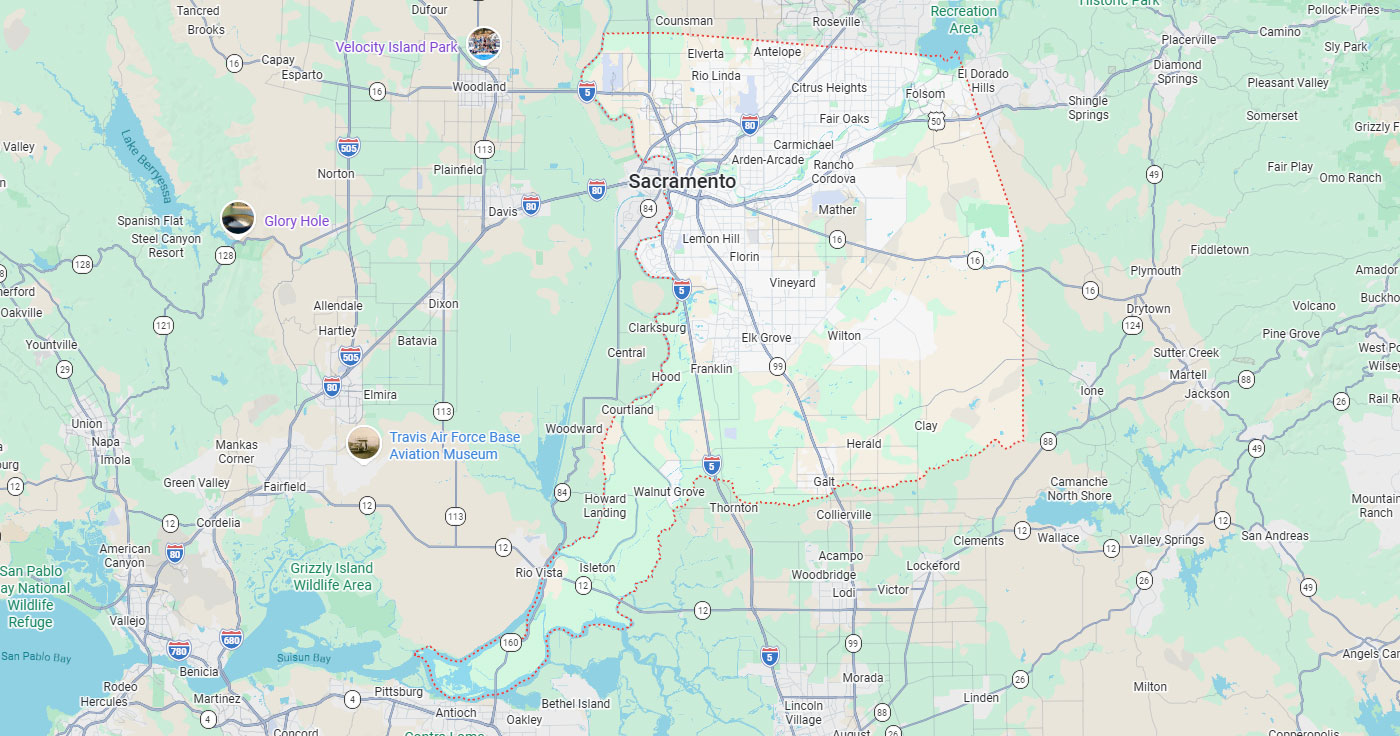
Sacramento, CA
Phoenix, AZ
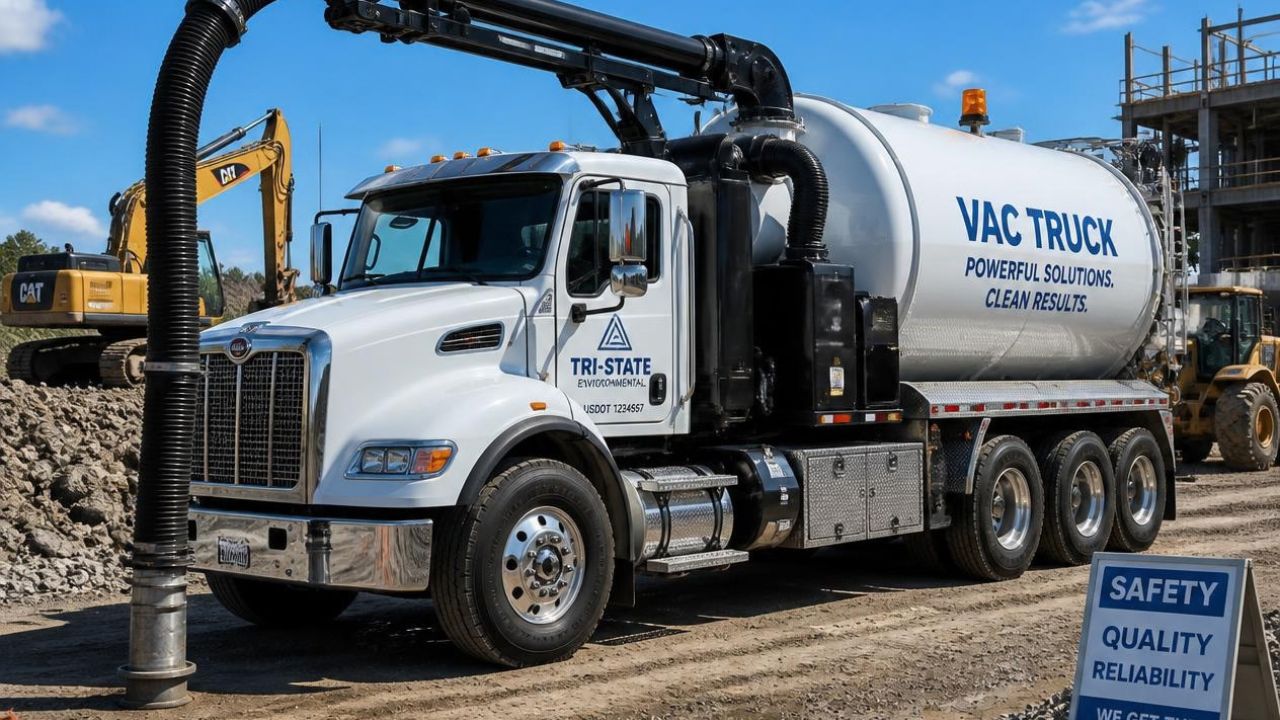
Vacuum excavation and utility daylighting reduce underground utility damage by confirming what is buried before mechanical equipment enters high-risk areas. These methods replace aggressive backhoe buckets and trenchers with controlled air or water excavation that loosens soil without striking buried lines. Vac truck services damage reduction strategies work by providing visual field verification where surface marks and utility records alone cannot guarantee safe digging conditions.
Underground utility safety improves when construction teams move from approximate maps and paint marks to physical exposure using vacuum systems. Daylighting exposes the buried facility in a targeted opening so crews can confirm depth, alignment, and material type before continuing work.
Key Takeaways
Vac truck services use specialized equipment to excavate soil around buried utilities with less mechanical force than traditional digging methods. The process combines pressurized air or water to loosen soil and a vacuum system that removes spoil into a debris tank. This controlled excavation approach is useful near marked utilities, inside tolerance zones, and in congested corridors where conventional equipment poses higher strike risk.
Utility daylighting physically exposes a buried utility line so field crews can see it before working around it. Daylighting provides visual confirmation needed to verify depth, alignment, and conflicts that surface markings alone cannot guarantee. This method bridges the gap between utility records or locates and actual field conditions.
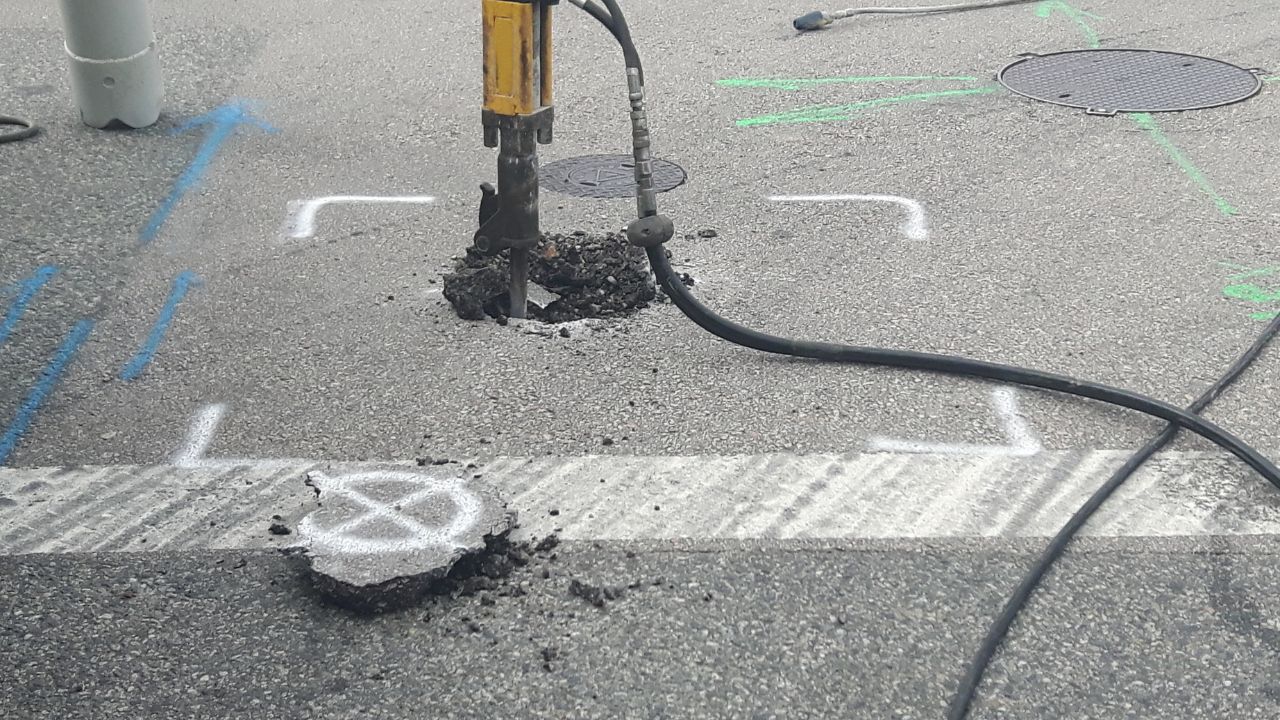
Vacuum excavation uses pressurized air or water to loosen soil and vacuum the spoil into a debris tank. The excavation process is controlled and directional, allowing operators to expose buried utilities without the aggressive cutting action of mechanical digging equipment. Crews can stop soil removal when the utility becomes visible, reducing contact damage during exposure.
Air vacuum excavation relies on compressed air to break up soil and a powerful vacuum system to remove dry spoil. This method works well in loose or sandy backfill and produces reusable spoil when dry conditions allow. Air excavation is preferred when protecting sensitive utility coatings or when smaller test holes are needed for depth verification.
Daylighting exposes a buried utility so crews can see it before working around it. The term comes from bringing the utility to daylight for direct visual inspection rather than relying on surface marks or depth estimates. This exposure step confirms whether the marked facility is present, determines actual depth, and reveals construction conflicts before mechanical excavation continues.
Once the utility is exposed, California Title 8 §1541 requires underground installations to be protected, supported, or removed as needed to safeguard employees during excavation. The daylight opening provides field data needed to plan safe work around the confirmed utility location.
Air vacuum excavation uses compressed air to loosen soil, and the vac system removes dry spoil. This method works well for dry backfill, reusable spoil, sensitive utility exposure, and smaller test holes where surface restoration matters. Air excavation is slower in hard or compacted soils.
Hydro vacuum excavation uses pressurized water to cut and loosen soil, and slurry is vacuumed into the tank. Hydro excavation works well for compacted soils, faster production, clay or hard ground, and cold or variable conditions. Hydro excavation is faster in compacted soils but creates slurry disposal needs and requires careful pressure control near fragile utilities.
| Method | Works Well For | Production Speed | Key Consideration |
| Air Vacuum Excavation | Dry backfill, reusable spoil, sensitive utility coatings, small test holes | Slower in hard or compacted soil | Produces reusable spoil; gentler exposure near delicate lines |
| Hydro Vacuum Excavation | Compacted soils, clay, hard ground, cold or variable conditions | Faster in compacted soil | Creates slurry that needs disposal; requires careful pressure control |
Confirming utility location beyond 811 marks is crucial because surface markings indicate probable presence and general alignment but do not guarantee engineering-level depth or reveal private lines. Utility records and surface marks may not show actual depth, offset, abandoned lines, private lines, or congested crossings. Physical verification through daylighting provides field data needed to make safer excavation decisions and avoid conflicts that records alone cannot confirm.
Call 811 before digging to notify utilities and get facility marks as the required first step in damage prevention. However, those marks are planning inputs, not final confirmation of what is actually underground. Vacuum truck utility protection strategies add the visual confirmation layer that turns approximate location into measured field data.
811 is the national call-before-you-dig portal that routes users to state and local one-call centers. Utility companies and owners must be contacted within established local response times before excavation begins. This system ensures utility owners receive advance notice and can mark facilities before digging starts.
Call 811, and utility locates are critical first steps but do not provide an engineering-level depth guarantee. Surface marks identify horizontal location and probable route of buried facilities, but depth information is often approximate or unavailable. Contractors still need physical verification in high-risk areas.
Utility records and surface marks may not show actual depth, offset, abandoned lines, private lines, or congested crossings. Public utility locators mark facilities owned by their companies, but private lines installed by property owners or previous contractors are not part of the one-call system. Abandoned or out-of-service lines may remain buried and unmarked.
Surface markings indicate horizontal location based on records or electromagnetic tracing, but depth is often estimated from construction standards or historical practice. Hard ground, pavement, or utility congestion can limit the accuracy of surface locating equipment. These limitations make vacuum excavation or potholing a practical method for confirming what the one-call system cannot verify.
811 and ticketing provide surface marks, while daylighting provides physical confirmation. The one-call system identifies where utilities are likely located and alerts owners to planned excavation, but it does not expose the facility for direct inspection. Daylighting completes verification by opening a controlled excavation that reveals the utility's actual depth, material, and condition.
Utility marks identify probable utility presence and location, while daylighting confirms what is actually underground. The advantages of using vacuum excavation include better project planning, fewer surprises, and lower strike risk in congested or poorly documented areas.
Vacuum excavation reduces the risk of utility damage by replacing aggressive mechanical digging with controlled soil removal that allows operators to stop when utilities become visible. Backhoe buckets, trenchers, and augers can contact a buried line before the crew sees it, while air or hydro excavation loosens soil more selectively and removes spoil by vacuum.
Reduced excavation impact occurs because vacuum systems do not apply the same cutting force as traditional digging tools. Mechanical excavation equipment can strike utilities before visual confirmation, creating outages, repair costs, and safety hazards.
Backhoe buckets, trenchers, and augers can contact buried lines before the crew sees them. Mechanical excavation equipment applies cutting force through teeth, blades, or rotating augers that can sever or damage utilities before the operator realizes contact has occurred. This is especially true in compacted soil, where utilities are not visible until the equipment has already penetrated surrounding material.
Air or hydro excavation loosens soil more selectively and removes spoil by vacuum. Operators can observe excavation in real time and stop soil removal when the utility coating or surface becomes visible.
Vac truck soil removal minimizes strike potential by using air or water pressure to loosen soil without the cutting force of mechanical equipment. The vacuum system extracts loosened spoil continuously, allowing operators to see excavation progress and adjust pressure or nozzle position as the utility approaches.
The role of vacuum excavation in preventing utility strikes is to reduce contact risk during the exposure phase when utilities are closest to the excavation surface. Once the facility is visible, crews can measure depth, document location, and plan protective measures before mechanical excavation resumes.
Vacuum excavation is most beneficial in tolerance zones where utilities are known or suspected within a few feet of planned digging. Congested utility corridors, directional drilling entry and exit points, and areas with poor as-built records also benefit from controlled exposure. Emergency investigations and repair scenarios where crews need to verify utility location quickly without causing additional damage represent high-value use cases.
Project scenarios include work near marked utilities, pole and sign installations, slot trench excavations for fiber or conduit, and test holes during design or preconstruction phases. How hydrovac prevents damage to gas, water, and power lines demonstrates the value of controlled excavation in protecting high-consequence facilities.
Daylighting helps verify utility depth, alignment, and conflicts by providing physical field data that surface marks and records alone cannot deliver. Project teams may not know whether a marked utility conflicts with a proposed bore, footing, trench, pole, sign, or utility tie-in until the facility is exposed and measured. Test holes and potholing turn assumed conflicts into measured field data.
Depth verification through daylighting eliminates reliance on approximate records or standard burial depths that may not match field conditions. Once the utility is exposed, crews can measure actual cover, document horizontal offset, and assess the facility's condition.
Depth verification is important for excavation safety because actual burial depth often differs from utility records or construction standards. Utilities may have been installed at varying depths due to site conditions, settling, or previous grading work that changed surface elevations.
Project teams may not know whether marked utility conflicts with proposed bore, footing, trench, pole, sign, or utility tie-in. Daylighting provides vertical and horizontal measurements needed to confirm clearance or identify conflicts before construction begins.
Test holes and potholing inform design and construction decisions by exposing utilities during preconstruction or design phases when changes are less costly to implement. Engineers can adjust trench alignments, bore depths, foundation locations, or utility tie-in points based on confirmed field data rather than assumed positions.
The role of potholing in helping prevent legal issues includes documenting actual utility locations before construction begins. Test holes provide photographic and dimensional evidence that crews located and marked existing facilities, supporting damage-prevention documentation.
Common project situations requiring daylighting include directional drilling operations where bore paths must cross or run parallel to existing utilities. Pole and sign foundations, street light bases, and traffic signal installations require depth verification to avoid conflicts. Trench work in congested corridors, utility tie-ins, and service laterals also benefit from controlled exposure.
Municipal infrastructure projects, roadway reconstruction, and public works contracts often specify daylighting in areas with known utility congestion or incomplete records. Preconstruction potholing during design phases allows project teams to map utilities at higher accuracy levels.
Safety and regulatory frameworks supporting vacuum excavation include California excavation rules, OSHA trenching guidance, and Subsurface Utility Engineering practices that emphasize locating utilities before digging and protecting them once exposed. Utility damage prevention is both a project-risk problem and a worker-safety issue.
California Title 8 §1541 requires underground installations to be located before excavation opens and protected once exposed. OSHA excavation guidance emphasizes protective systems, competent-person inspections, safe access and egress, keeping materials away from trench edges, and hazard controls.
Underground installations include sewer, telephone, fuel, electric, and water lines under California Title 8 §1541. The regulation requires the approximate location of subsurface installations to be determined before excavation work begins. Utility companies and owners must be contacted within established local response times or customary timeframes.
California Title 8 §1541 requires underground installations to be located before excavation opens. While excavation is open, underground installations must be protected, supported, or removed as needed to safeguard employees.
OSHA excavation guidance emphasizes protective systems, competent-person inspections, safe access and egress, keeping materials away from trench edges, and hazard controls. While OSHA standards focus primarily on soil stability and trench collapse prevention, they also address hazards from underground utilities.
Vac trucks do not replace OSHA or trench safety requirements. Why vacuum excavation is becoming the industry standard reflects growing recognition that controlled exposure methods align with damage-prevention and worker-safety goals.
SUE, or Subsurface Utility Engineering, is a process for managing risks associated with utility mapping at appropriate quality levels during project development. FHWA promotes SUE as a risk-management practice that reduces utility conflicts, change orders, and construction delays.
A SUE-style workflow follows this sequence: records and desktop review, geophysical locating and GPR, surface marking, vacuum-excavated test holes and daylighting, and utility mapping or as-built updates. Vacuum excavation provides the highest-quality utility data by exposing facilities for direct measurement and documentation.
Vacuum excavation can reduce project downtime and costly repairs by confirming utility locations before mechanical equipment operates in high-risk areas. Line strikes can lead to outages, repair coordination, crew stand-downs, redesign, inspection delays, and public-service disruptions. Early utility confirmation through daylighting helps teams avoid these scenarios.
Utility damage is both a project-risk problem and a worker-safety issue. Damaged gas, electric, or water lines create immediate safety hazards and require emergency response, service restoration, and regulatory reporting.
Line strikes lead to outages, repair coordination, crew stand-downs, redesign, inspection delays, and public-service disruptions. Damaged utilities require emergency repair by the facility owner, often involving specialized contractors and extended downtime while service is restored.
Gas line strikes create explosion and fire hazards, while electric line contact can cause electrocution or arc flash injuries. Water and sewer line damage can undermine excavation stability and create environmental contamination. Financial consequences include repair costs, service restoration charges, regulatory fines, and potential liability.
Early utility confirmation helps avoid rework and delays by identifying conflicts during planning or design phases when changes are less disruptive. Test holes and daylighting allow project teams to verify assumptions about utility depth, alignment, and congestion before construction documents are finalized.
Confirmed utility data supports more accurate project estimates and realistic schedules. Contractors can plan excavation methods, equipment selection, and protection measures based on actual field conditions rather than assumed utility positions.
Emergency work can push teams toward fast digging with incomplete information. Service outages, infrastructure failures, and urgent repairs create pressure to locate and expose utilities quickly without lead time for formal one-call response. Vac truck services provide a faster and safer alternative to mechanical excavation when crews must investigate subsurface conditions under time constraints.
Vacuum excavation supports emergency response by allowing operators to expose utilities with less risk of causing additional damage during investigation. Emergency daylighting reduces the chance that urgent excavation will sever adjacent utilities or create secondary failures.
Optimal circumstances for scheduling vacuum excavation services include work inside or near the utility tolerance zone where surface marks indicate probable utility presence. Congested utility corridors, areas with incomplete or outdated as-built records, and projects requiring depth verification before mechanical excavation begins all benefit from controlled exposure.
Test hole and daylighting work is most cost-effective when performed during preconstruction phases or before committing to excavation methods that assume specific utility positions. Early scheduling reduces the chance of field surprises.
Excavators should use vacuum excavation near utilities when working within tolerance zones or areas where surface marks indicate probable utility presence. Tolerance zones typically extend 18 to 24 inches horizontally from marked utility centerlines, depending on state or local regulations.
Vacuum excavation is appropriate for initial utility exposure, test holes, depth verification, and work around sensitive or high-consequence facilities such as gas or electric transmission lines. Projects with poor utility records, abandoned infrastructure, or private lines not included in one-call systems also benefit from controlled excavation.
Vacuum excavation supports complex or congested utility corridors by allowing crews to expose multiple utilities in sequence without damaging adjacent facilities. Congested areas may contain multiple utilities at varying depths, making mechanical excavation impractical without striking one line while attempting to locate another.
Congested corridors benefit from incremental exposure that reveals each utility before the excavation deepens or widens. Vacuum excavation is particularly valuable in urban environments, road rights-of-way, and campus settings where multiple utility owners share the same corridor.
Vac truck use cases include tolerance zone work, congested utility corridors, potholing and test holes, utility crossings, directional drilling support, pole and sign and slot trench work, emergency investigation, and pre-design surveys. Transportation projects, municipal infrastructure rehabilitation, and new development in areas with existing utilities benefit from early utility verification.
Commercial and industrial site development projects benefit from daylighting when grading or foundation work must occur near existing utilities. Utility companies use vacuum excavation to expose their own facilities for inspection, repair, or upgrade work. Engineering firms conducting Subsurface Utility Engineering investigations rely on vacuum-excavated test holes to provide survey-grade utility location data.
| Project Scenario | Why Vac Truck Services Help |
| Tolerance zone work | Confirms exact utility position before mechanical equipment gets close to marked lines |
| Congested utility corridors | Exposes each utility in sequence so crews avoid striking adjacent facilities |
| Directional drilling entry and exit points | Verifies bore path clearance around existing lines before drilling starts |
| Poor or incomplete as-built records | Supplies field data in areas where utility records cannot be trusted |
| Emergency investigations | Exposes utilities quickly with less risk of causing secondary damage |
Vac truck services integrate into risk-reduction strategies by providing the visual confirmation layer that bridges utility records, surface marks, and field reality. Effective damage prevention requires a sequence: calling 811 for utility locates, reviewing as-built records, conducting surface geophysical surveys when needed, and using vacuum excavation to verify critical locations before mechanical work begins.
Underground utility safety improves when project teams treat vacuum excavation as a verification tool rather than a replacement for proper planning. Early daylighting during design or preconstruction phases provides utility data needed to avoid conflicts, adjust alignments, and plan protective measures before construction commitments make changes costly. Utility damage prevention strategies that include vacuum excavation reduce project risk, support regulatory compliance, and protect both workers and critical infrastructure.
Contractors, engineers, and public works agencies benefit from integrating vac truck services into standard damage-prevention workflows. The method supports safer excavation practices by reducing strike potential during utility exposure and providing field data that improves project planning. Vacuum excavation is particularly valuable in congested corridors, areas with poor records, and projects where the consequences of utility damage include service outages, safety hazards, or significant financial exposure.
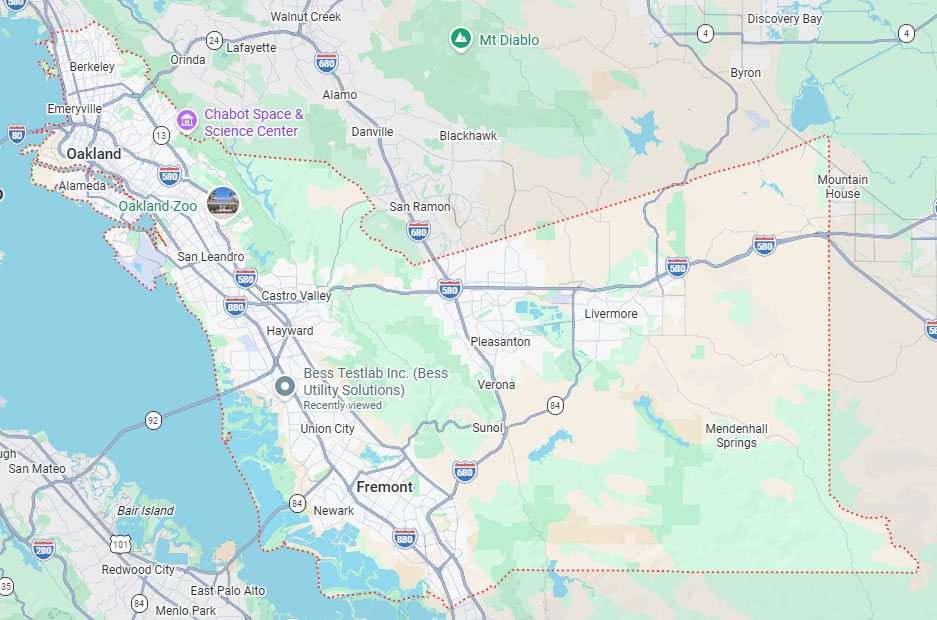
Bess Utility Solutions provides utility locating, GPR, concrete scanning, vacuum excavation, and utility mapping services across California, Arizona, and Nevada. The company supports contractors, engineers, municipalities, and utility owners with risk-reduction strategies that combine advanced locating technology and controlled excavation methods.
Bess Utility Solutions has protected underground utilities across California, Arizona, and Nevada for 29 years as a CPUC certified MBE/DBE firm. Our crews use air and hydro vacuum excavation to confirm utility location before mechanical equipment moves in, reducing strike risk and keeping your schedule on track. Request a quote and schedule vac truck services or daylighting support for your next excavation.
A. Cost depends on soil conditions, the number of test holes, site access, and whether air or hydro excavation is used. Hydro excavation often costs less per hole in compacted soil because it works faster, while air excavation may cost more in hard ground but avoids slurry disposal fees. Bess Utility Solutions provides project-specific quotes after reviewing site conditions and scope.
A. California Title 8 §1541 requires underground installations to be located before excavation begins and protected once exposed, and many agencies and utility owners require non-mechanical exposure inside the tolerance zone around marked lines. Vacuum excavation satisfies this requirement by exposing the facility without the cutting force of mechanical equipment. Project specifications and permit conditions often make daylighting mandatory in congested or high-risk areas.
A. Depth depends on soil type, equipment, and the method used, but air and hydro vacuum excavation can reach the typical burial depths of most water, sewer, gas, electric, and telecom lines. Crews measure actual depth once the facility is visible rather than relying on estimated cover. Deeper or more congested exposures may require additional time and multiple passes to confirm alignment safely.
A. Air vacuum excavation uses compressed air to loosen soil and produces dry, often reusable spoil, which works well for sensitive utility coatings and smaller test holes. Hydro vacuum excavation uses pressurized water, which cuts through compacted soil and clay faster but creates slurry that requires disposal. The right method depends on soil conditions, restoration needs, and the utilities being exposed.
A. Time varies with soil type, depth, method, and how many utilities are in the immediate area. Hydro excavation generally moves faster through compacted or clay soils, while air excavation can take longer in hard ground but preserves spoil for backfill. Crews typically complete individual test holes within a work shift, though congested corridors with multiple utilities require additional time to expose each line safely.