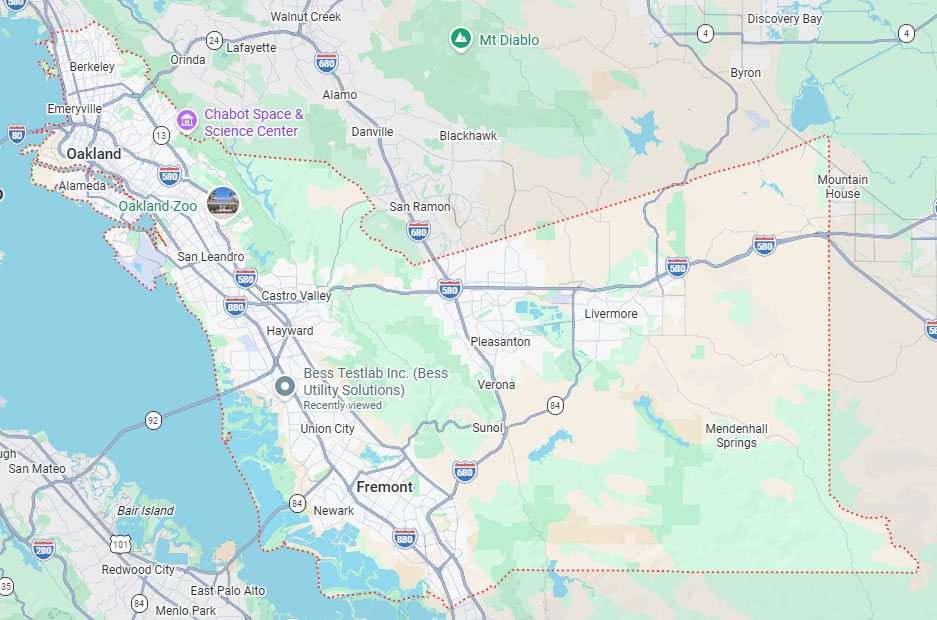
Hayward, CA
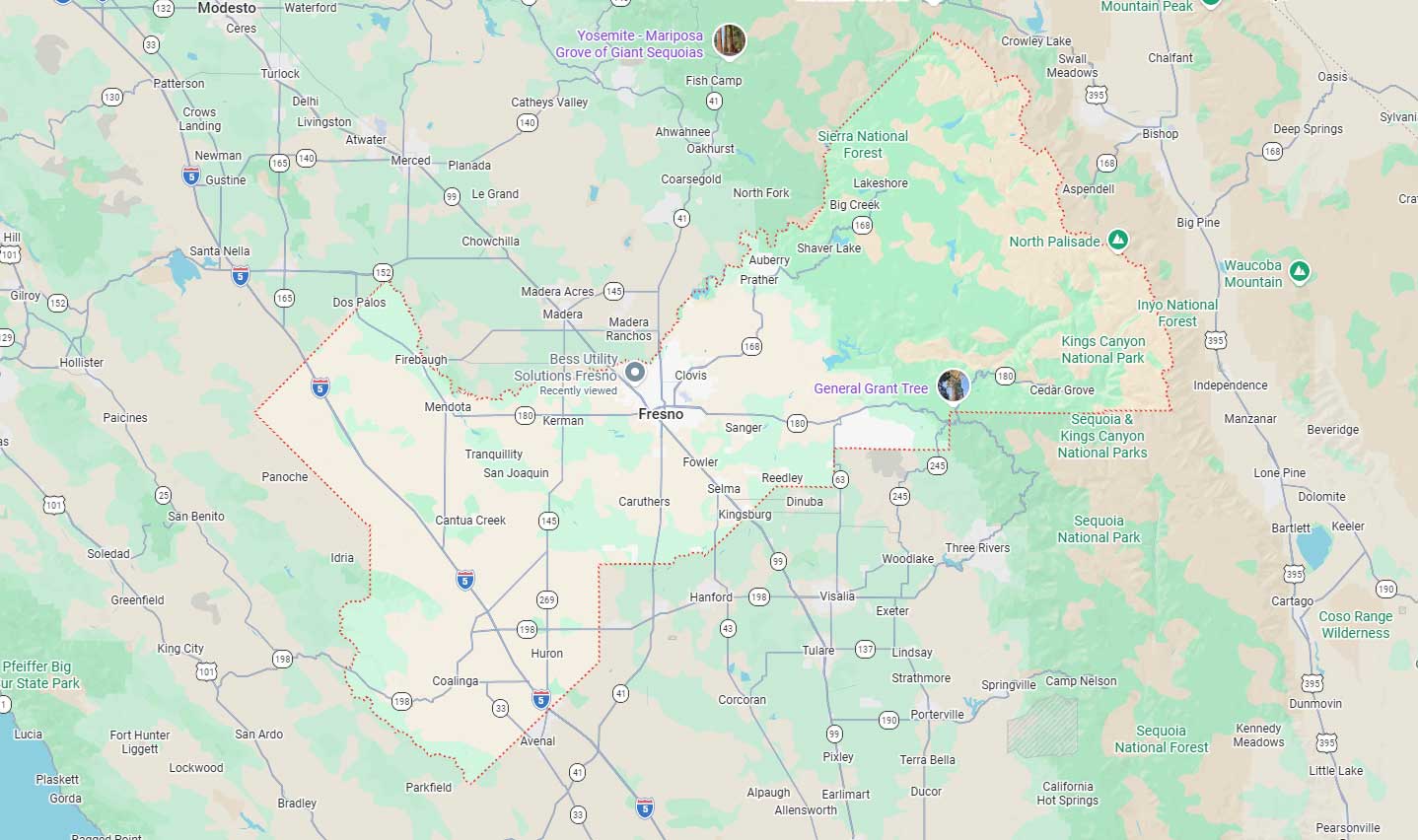
Fresno, CA
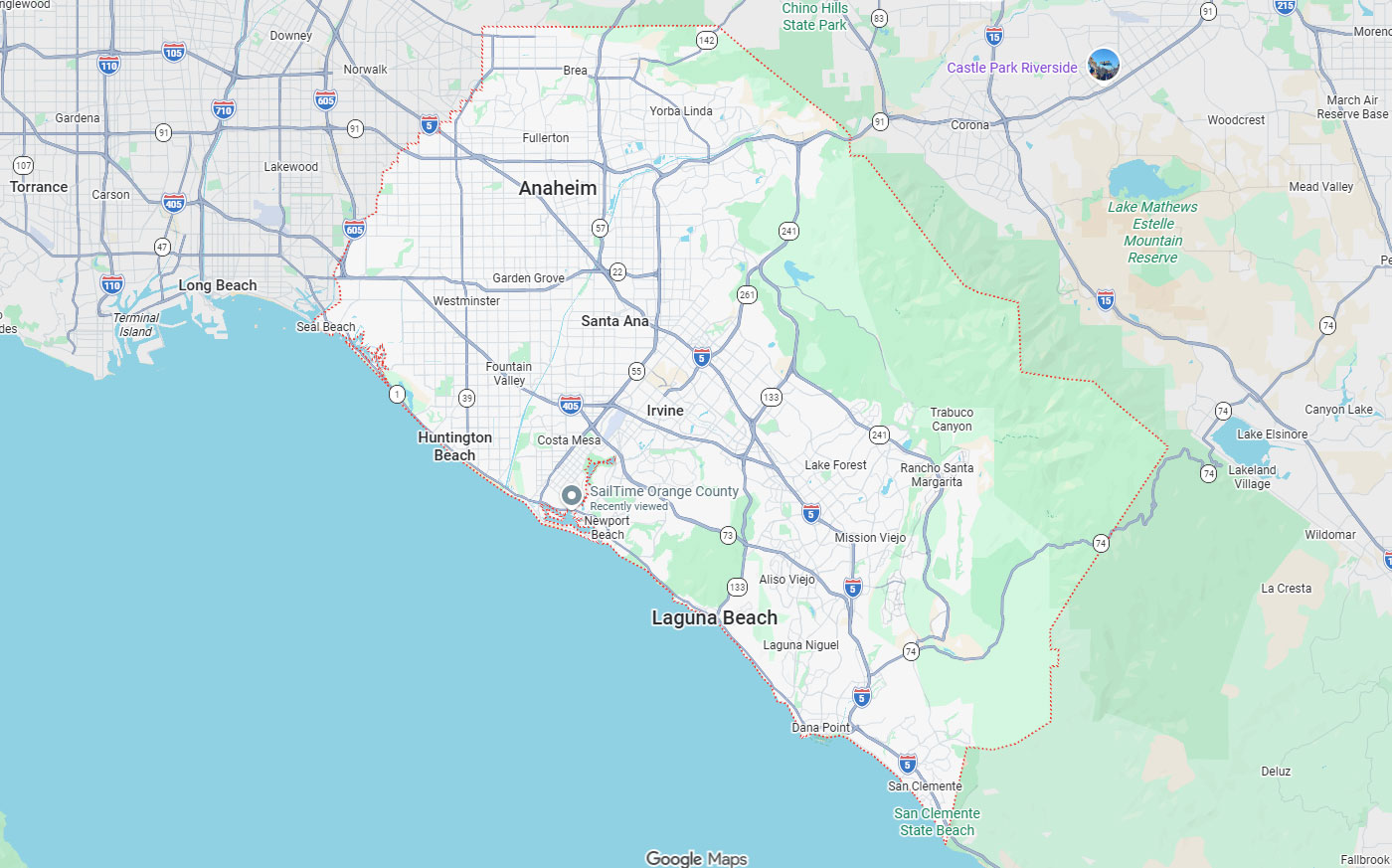
Orange, CA
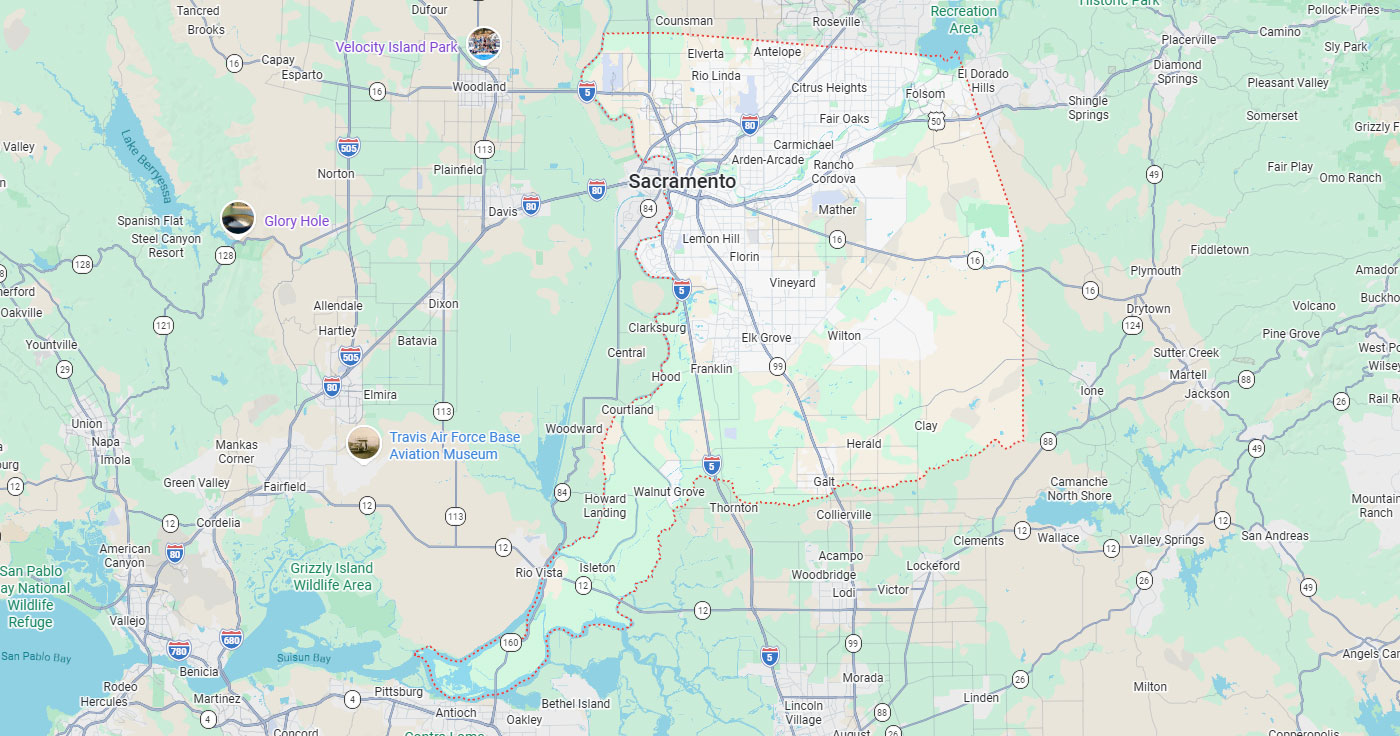
Sacramento, CA
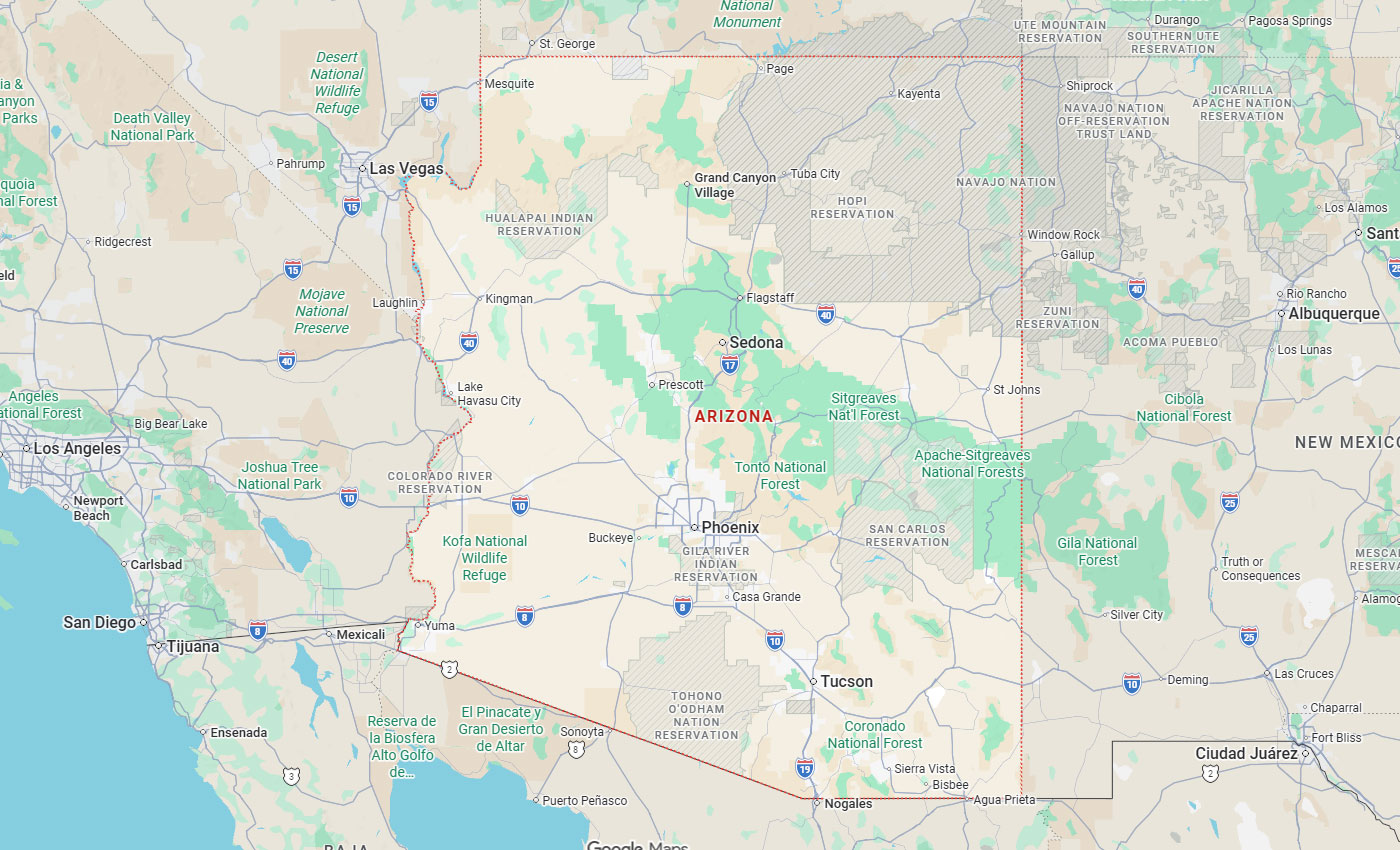
Phoenix, AZ
Key Takeaways
Underground utilities face constant threat from excavation damage. Every 62 seconds, a buried line gets struck somewhere in the United States. These incidents kill workers, disrupt communities, and cost billions annually. Traditional mechanical excavation, backhoes, trenchers, and shovels cause most of this damage. But a proven alternative eliminates nearly all risk. Hydrovac uses pressurized water and vacuum suction to expose utilities without contact.
This guide explains how the technology works, why it outperforms traditional methods, and what it means for your bottom line.
Hydro vacuum excavation uses pressurized water and an industrial vacuum to safely expose buried utilities.
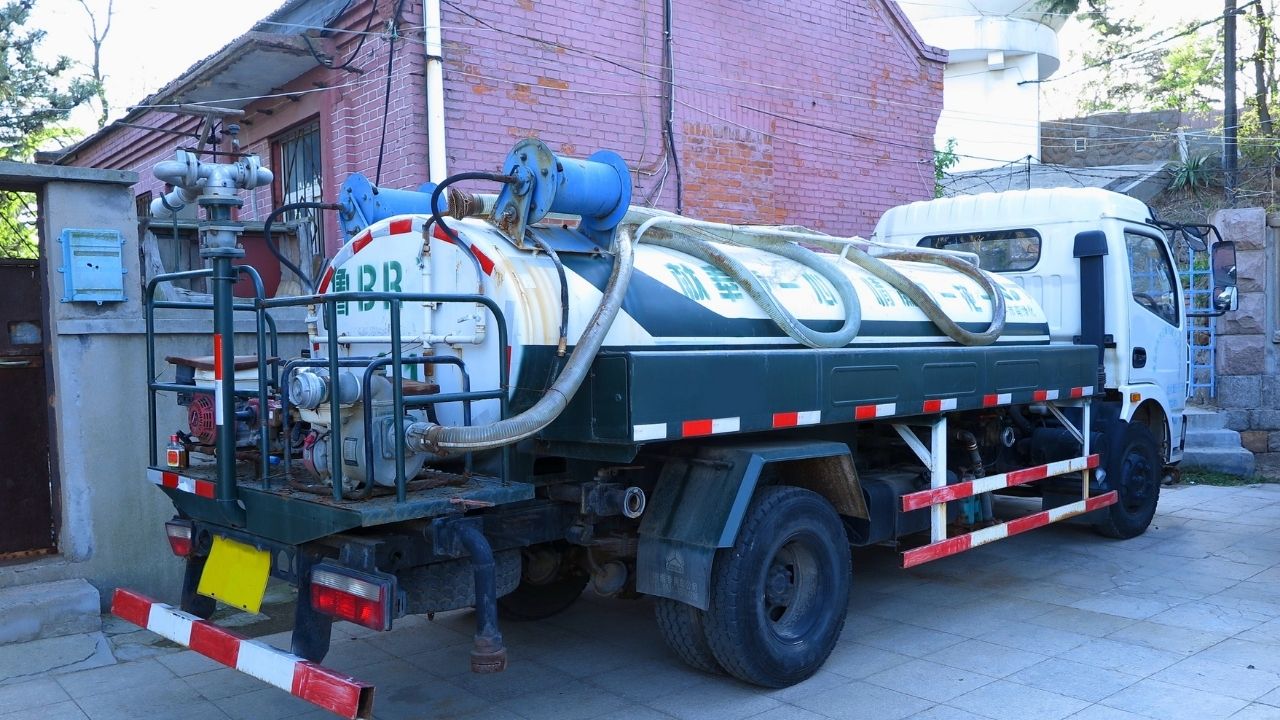
Also called hydrovac or soft digging, this non-destructive method liquefies soil with a high-pressure water jet. A powerful vacuum simultaneously removes the slurry into a debris tank. The result: precise excavation without striking gas lines, water mains, or fiber optic cables. This vacuum excavation utility protection method has become the industry standard for working near buried infrastructure.
The stakes are high. A utility line gets damaged every 62 seconds in the U.S. That's 400,000 to 800,000 strikes annually, costing society $30 billion per year. Underground infrastructure grows more congested every year. Gas, water, electric, and telecom lines now share tight corridors beneath our streets.
Traditional mechanical excavation causes over 53% of utility damages. Vacuum excavation? Just 0.2%. That makes hydrovac roughly 250 times safer than a backhoe.
Hydrovac protects utilities through controlled soil removal and real-time operator visibility.
Step 1: High-pressure water liquefies the soil. A pump delivers heated, pressurized water through a specialized nozzle. Operators adjust pressure based on soil type and utility sensitivity. Heating enables excavation in frozen ground.
Step 2: The Vacuum removes loosened material. Two system types dominate: Positive Displacement (PD) blowers pull wet, heavy material over long distances. Fan systems generate high airflow for varied soil conditions. Slurry collects in the truck's debris tank. A hydraulic boom positions the vacuum hose precisely, even in tight spots.
Step 3: Operator monitors and adjusts in real time. Clear sightlines let operators track depth and utility position as soil clears. They can verify the exact location, depth, and orientation before proceeding. This surgical precision eliminates the blind guesswork of mechanical digging. Potholing is critical for utility mapping and verifying underground infrastructure before full excavation begins.
Unlike a steel bucket's brute force, water pressure breaks up soil without damaging buried assets. No striking. No piercing. No broken lines.
| Feature | Hydrovac Excavation | Mechanical Excavation |
| Risk to Utility Lines | Low (0.2% damage attribution) | High (53%+ damage attribution) |
| Precision Control | High (adjustable water pressure) | Low (brute force) |
| Efficiency in Sensitive Areas | High (navigates tight spaces) | Low (large footprint required) |
| Environmental Impact | Low (contained waste) | Higher (excessive soil displacement) |
Hydrovac delivers safety, environmental, and cost advantages over traditional methods.
| Cost Factor | Traditional Excavation | Hydrovac Excavation |
| Labor Costs | High (manual hand-digging in tolerance zones) | Moderate (up to 10x faster than hand digging) |
| Equipment Costs | High (multiple machines required) | Moderate (single integrated unit) |
| Time to Complete | Longer | Faster (4.1x more cost-effective than shovel/backhoe) |
| Risk of Utility Damage | High (backhoes cause ~50% of damages) | Low (0.2% damage rate) |
Hydrovac operations follow strict protocols to prevent utility damage and worker injury.
High-precision water jetting. Industry standards cap water pressure at 3,000 psi. Many utility owners recommend 2,200 psi for sensitive lines like gas mains. Lower pressure liquefies soil without cutting through pipe coatings or cable insulation. This approach enables safe excavation for gas lines and other vulnerable infrastructure.
Real-time monitoring and depth control. Operators maintain at least 8 inches between the nozzle and exposed utilities. Rotating nozzles distribute pressure evenly. Constant nozzle motion prevents concentrated force on any single point.
Trained, qualified operators. OSHA's "Competent Person" standard requires documented training on equipment operation, safety procedures, and emergency response. Skilled operators adjust technique for soil conditions and utility types.
Water is forgiving. Unlike steel buckets and shovels, pressurized water won't crack pipes or sever cables on contact. Cold water options protect heat-sensitive materials, plastic pipes, fiber optics, and protective coatings. Workers stay out of confined spaces near live utilities.
Before digging: Call 811 to mark utilities. Assess site hazards, including overhead lines, unstable ground, and traffic. Complete a Job Safety Analysis (JSA) for every job. Review hazards with the full crew.
During excavation: Monitor depth and pressure continuously. The goal is soil removal, not utility cutting. Adjust water and suction to minimum effective levels.
OSHA compliance: Standard 29 CFR 1926, Subpart P, §1926.651(b) requires "safe and acceptable means" for excavation near underground installations. OSHA formally recognizes hydrovac as a compliant method when properly adjusted.
Hydrovac adapts to each utility type's specific vulnerabilities.
Different utilities demand different approaches. Gas lines risk explosion. Power lines risk electrocution. Fiber optics fails from minor impacts. Hydrovac's adjustable pressure and precision handling address each scenario safely.
| Utility Type | Hydrovac Approach | Key Considerations |
| Gas Lines | High precision at reduced pressure | Strikes cause explosions; use 2,200 psi maximum; expose without rupture risk |
| Water Lines | Careful excavation to preserve integrity | Breaks cause flooding and service disruption; enables safe repair access |
| Power Lines | Non-contact exposure and identification | Contact is fatal; OSHA flags electrical as "particularly vulnerable"; safe work-around capability |
| Fiber Optic Cables | Gentle soil removal around delicate lines | Minor impacts cause costly outages; no shovel or bucket contact |
Power line excavation requires extra caution due to electrocution hazards. Hydrovac's non-contact method lets crews identify and expose electrical infrastructure without risking fatal contact. Similarly, water line damage prevention depends on controlled soil removal that won't crack pipes or compromise joints.
Utility strikes don't just cost money; they damage ecosystems. Gas line hits release methane, a potent greenhouse gas. Pipeline ruptures spill oil, gasoline, propane, or jet fuel into soil and groundwater. Sewer damage contaminates drinking water sources and natural habitats. Water main breaks waste treated drinking water and causes erosion. Hydrovac's precision prevents all of these outcomes.
Hydrovac costs more per hour but saves money on every project with buried utilities.
The math is straightforward. One utility strike costs an average of $56,000 in direct repairs. Indirect costs, delays, outages, legal fees, and environmental cleanup run up to 29 times higher. A single strike can halt work for 2-3 months. Hydrovac's higher hourly rate disappears against these numbers.
| Excavation Type | Initial Cost | Long-Term Savings | Total ROI |
| Traditional | Lower hourly rate | Low (high strike risk) | Low |
| Hydrovac | Moderate hourly rate | High (cost avoidance) | Positive at >1% strike probability |
Reduced repair costs. Avoiding one major strike justifies hydrovac use on hundreds of test holes. Break-even occurs at just 1% strike probability.
Faster completion. Hydrovac runs up to 10 times faster than hand digging. Less labor time means lower project costs.
Fewer delays. Strikes cascade into weeks or months of downtime. Contracts slip. Costs compound. Hydrovac keeps projects on schedule.
Lower repair bills. Fewer service interruptions. Reduced OSHA fines and legal exposure. Stable insurance premiums. No customer lawsuits from outages. No environmental remediation costs. The investment pays for itself, often on the first job. Request a quote to see how hydrovac fits your project budget.
Hydrovac handles most conditions but faces challenges in extreme terrain.
The technology works effectively on all major utility types: gas, water, power, fiber optic, and sewer. Limitations stem from environmental conditions, not utility compatibility. Skilled operators adjust technique and pressure to overcome most obstacles.
| Condition | Effect on Hydrovac Excavation | |
| Wet or Muddy Terrain | Slurry management becomes more difficult; the operation slows | |
| Frozen Ground | Requires heated water systems; trucks carry onboard heaters for consistent temperature | |
| Rocky Terrain | Reduces efficiency; demands pressure and technique adjustments |
Operator skill matters most in challenging conditions. Experienced crews adapt pressure settings and excavation angles for varying soil types. The technology itself remains effective; execution determines results.
Waste disposal presents logistical requirements. Many landfills reject liquid slurry. Operators must treat waste before disposal or transport to approved facilities. This adds time and cost but doesn't limit the excavation itself.
Field data confirms Hydrovac's effectiveness at scale.
Black Hydrovac has prevented over 17,000 utility strikes using high-powered, low-impact vacuum excavation. Their portfolio includes data center construction, projects where a single strike could destroy millions in infrastructure. This track record demonstrates Hydrovac's reliability for critical, high-stakes work.
Contractors cause most utility damage. In 2021, contractors and developers accounted for over 75% of strikes. By 2023, contractors were at fault for 83% of natural gas damages and 92% of telecom damages. Hydrovac directly addresses this liability. With 76% of strikes preventable through safer methods, adoption represents straightforward risk management.
Hydrovac technology continues advancing toward greater efficiency and sustainability.
The industry now recycles excavation byproducts. McLanahan Corporation's Hydrovac Waste Recovery Systems, launched in January 2025, process slurry directly from trucks. These systems separate solids from liquids, wash materials for reuse, and prepare aggregate for construction projects. Advanced filtration treats water for recycling. Cleaned gravel sells back into the supply chain. A circular economy is emerging in excavation.
Water recycling systems reduce consumption. Gravel recovery turns waste into revenue. Closed-loop operations minimize environmental impact. Cities recognize hydrovac's ability to work in tight spaces without collateral damage. Sensitive areas, wetlands, wildlife habitats, and urban green spaces increasingly mandate non-destructive methods.
The $30 billion annual cost of utility strikes drives worldwide interest. Regulatory frameworks increasingly recognize hydrovac as the compliant standard. Congested underground infrastructure everywhere needs safer excavation. Hydrovac excavation has proven itself as the safest, most cost-effective method for utility exposure. As technology advances and regulations tighten, adoption will only accelerate.
Ready to protect your underground infrastructure? Contact Bess Utility Solutions to discuss hydrovac excavation for your next project.