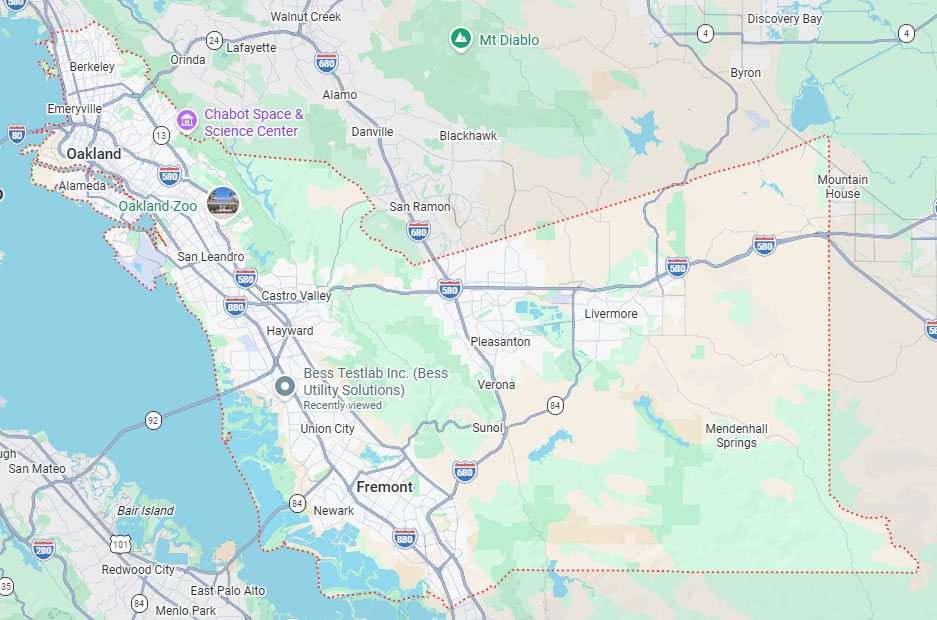
Hayward, CA
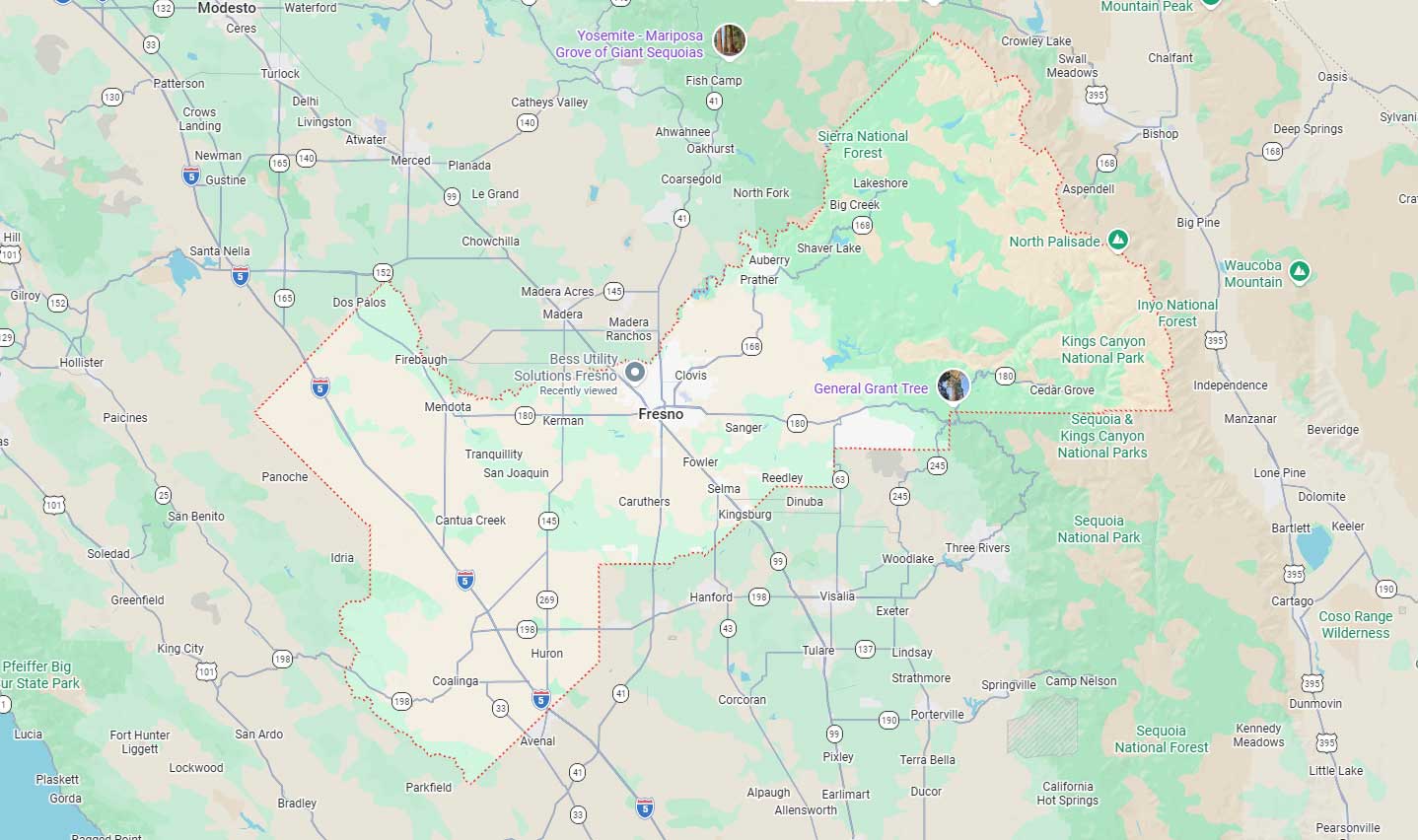
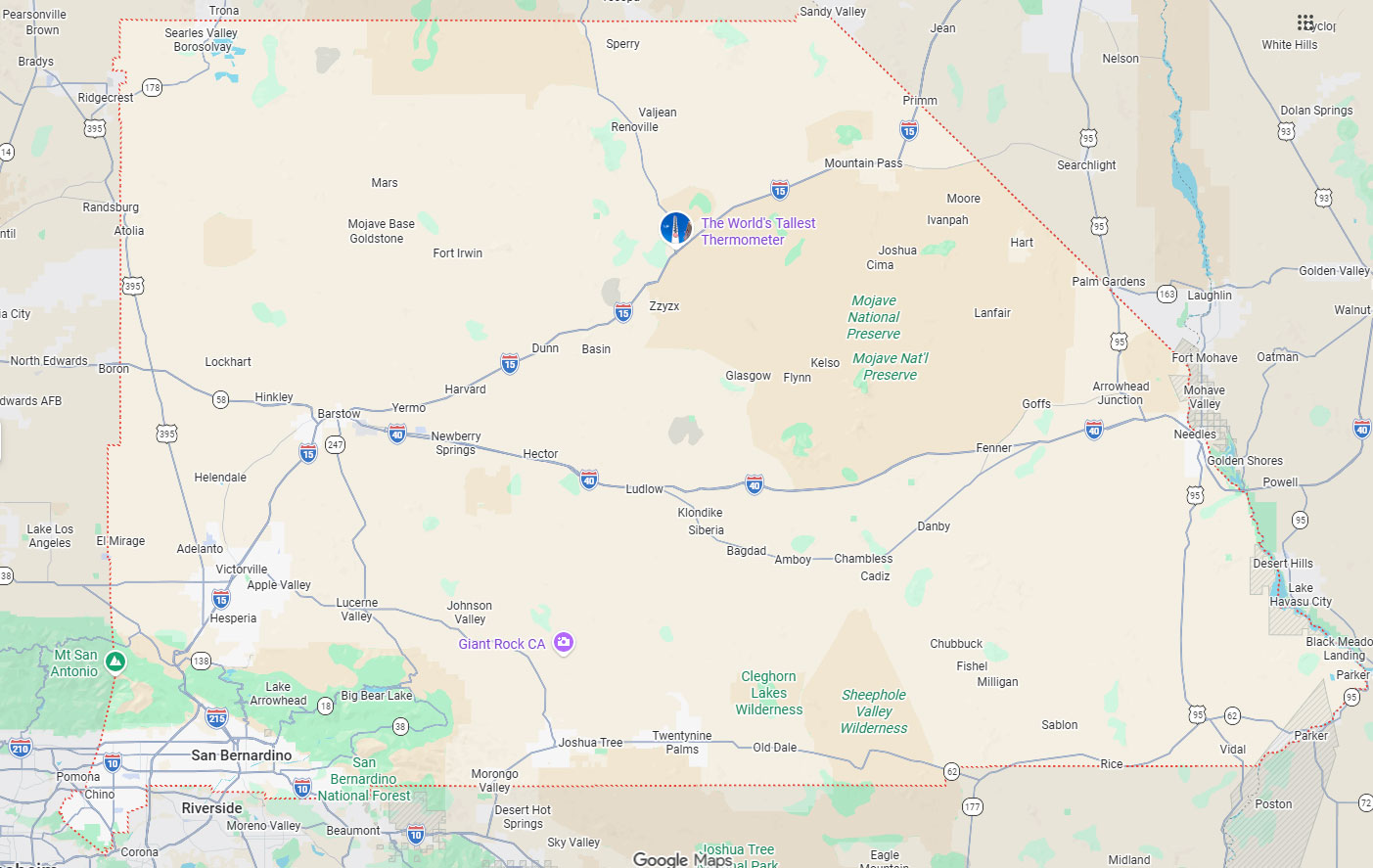
Fresno, CA
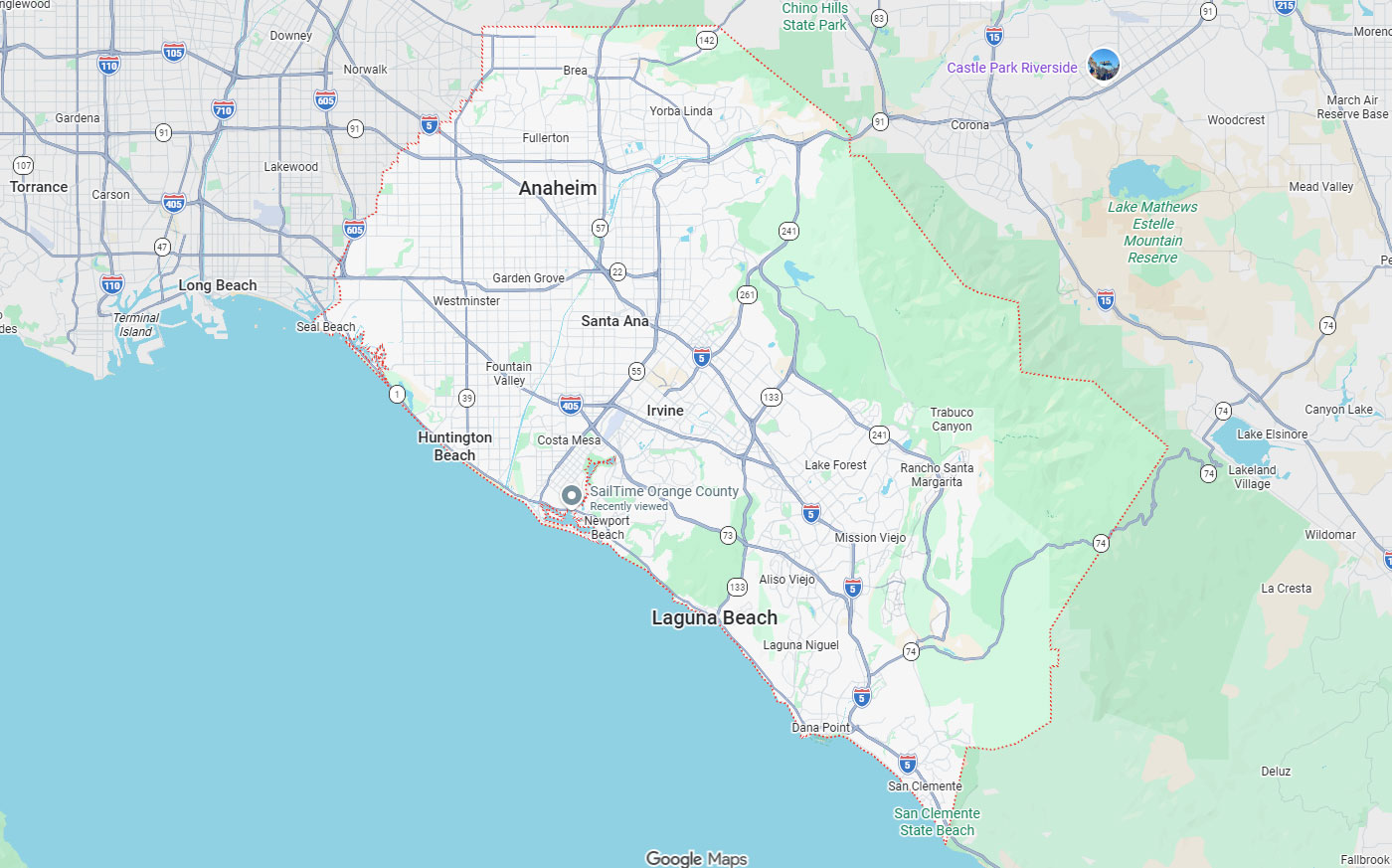
Orange, CA
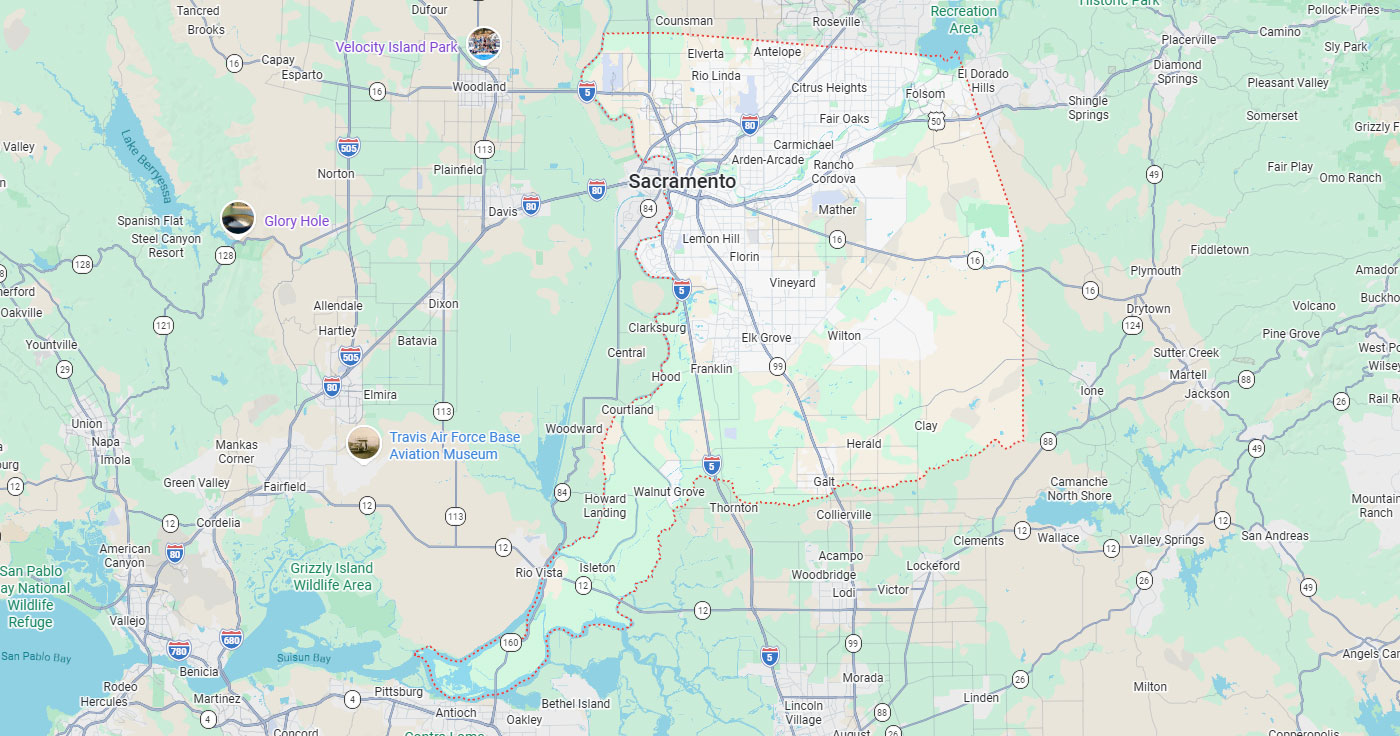
Sacramento, CA
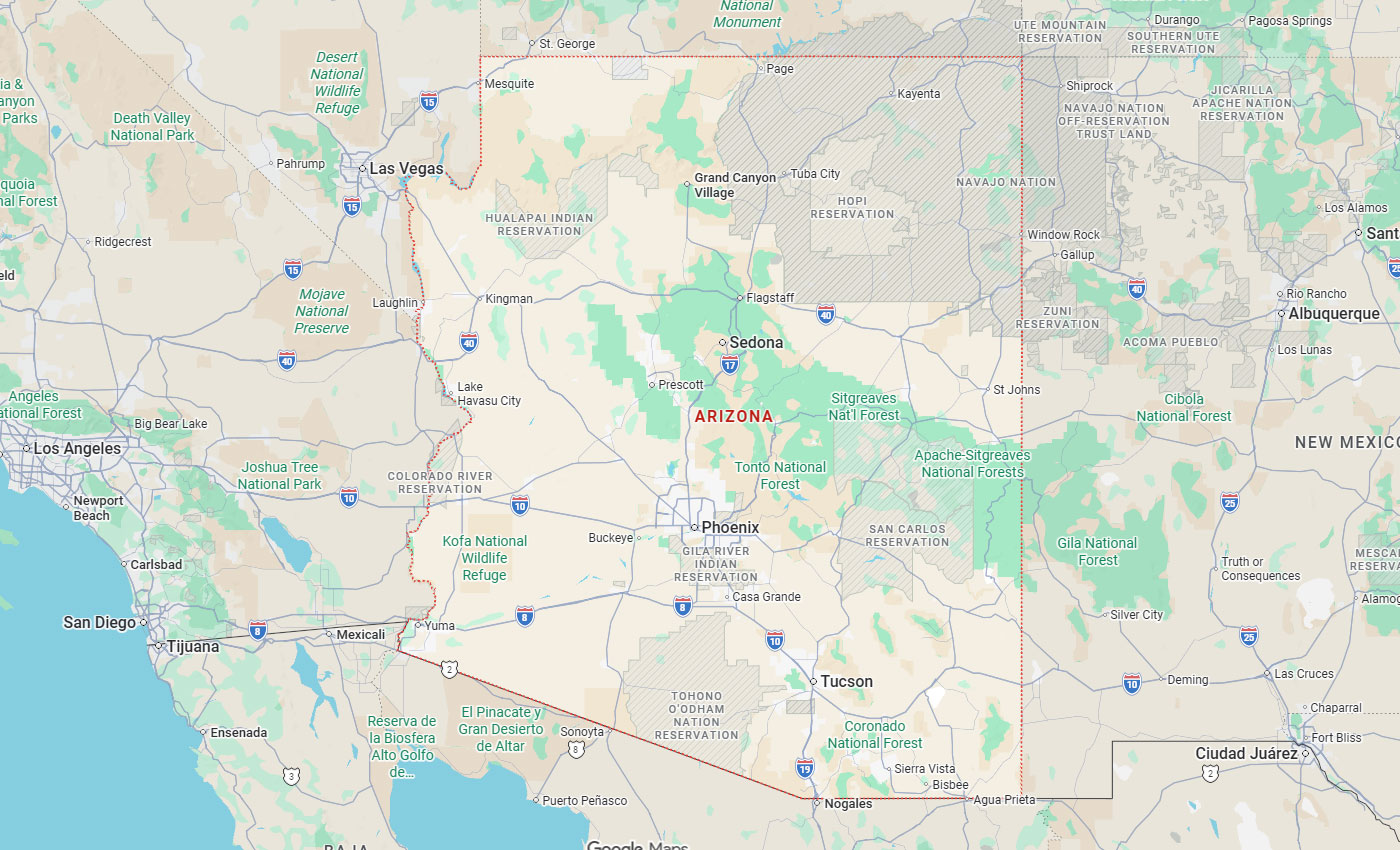
Phoenix, AZ
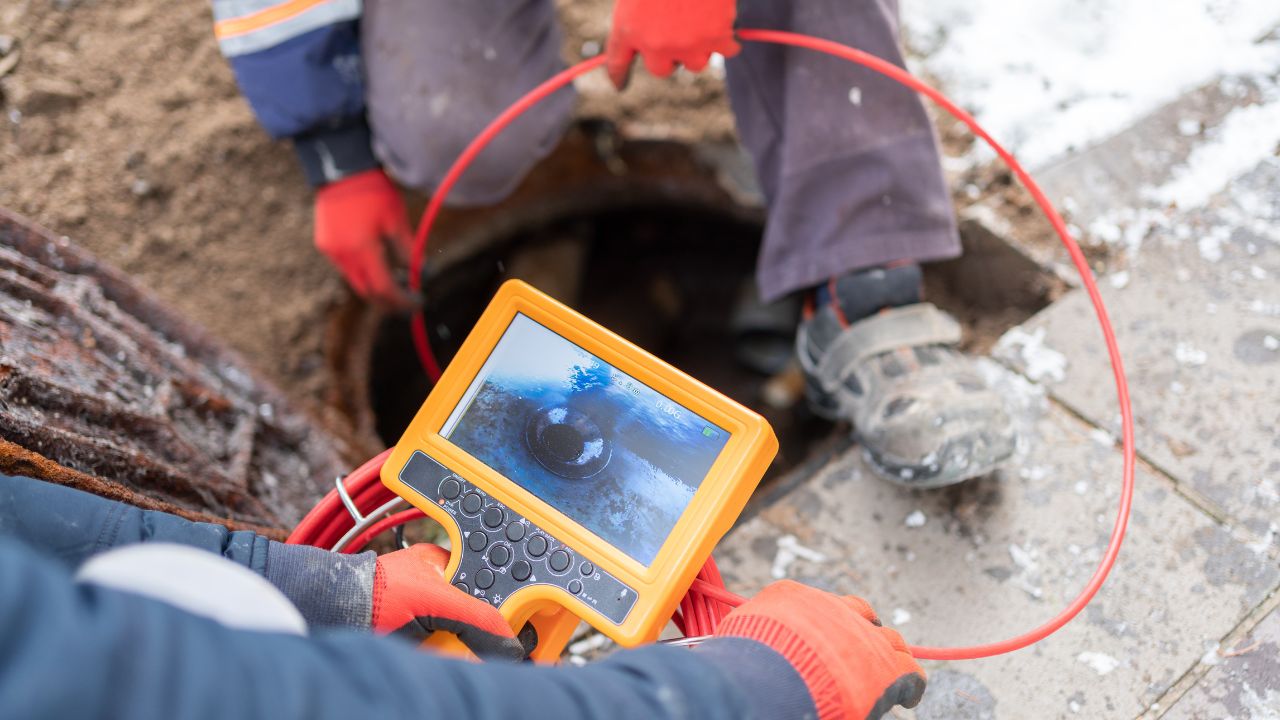
Industrial facilities in Hayward operate complex drainage systems including sanitary sewer laterals, process-water drains, storm drains, and private utility lines. When internal pipe conditions remain unknown, facility managers face higher risks of emergency backups, regulatory violations, production downtime, and costly excavation. CCTV pipeline inspections provide visual documentation of internal pipe conditions without opening the ground, enabling proactive maintenance decisions based on recorded evidence.
CCTV pipeline inspection services use self-propelled video cameras to identify cracks, breaks, corrosion, obstructions, roots, grease buildup, infiltration, unknown tie-ins, and cross bores. This approach supports maintenance planning, repair prioritization, compliance documentation, and asset condition tracking. For Hayward facilities managing aging infrastructure or incomplete as-built records, scheduled video inspections reduce emergency responses and provide actionable data for long-term pipeline maintenance and safety strategies.
Key Takeaways
CCTV is a condition-assessment tool for evaluating underground pipe structural, maintenance, and physical condition. NASSCO uses CCTV to determine conditions from these perspectives, allowing field workers to classify defects and record severity for maintenance or rehabilitation decisions. CCTV units use self-propelled video cameras that travel through pipelines while transmitting real-time video and recording footage for detailed review.
Industrial facility utility inspection differs from residential applications because facilities manage higher flow volumes, chemical exposures, and operational consequences. Failures in industrial drainage systems can trigger production shutdowns, environmental permit violations, confined-space emergencies, and truck traffic disruptions. Hayward underground utility locating services integrate CCTV inspection with electromagnetic locating, GPR, and mapping to provide comprehensive pipeline condition data supporting both immediate repairs and long-term asset management.
CCTV units capture video and still images showing interior surface, joint alignment, debris accumulation, and structural integrity. PACP is used by field workers to classify conditions and record severity for maintenance or rehabilitation decisions, creating standardized documentation supporting consistent evaluation across multiple inspections. Bess CCTV application range covers 5.5 inches to 60 inches pipe diameter, making the technology suitable for small service lines and large storm drains.
Video inspection reveals conditions undetectable through surface observation or acoustic screening. Operators document cracks, offsets, bellies, corrosion patterns, and foreign materials while measuring their extent and location. This visual record becomes the foundation for repair scope development, contractor bidding, and compliance reporting when regulatory agencies require proof of system condition or maintenance response.
Industrial facilities may have sanitary sewer laterals, process-water drains, storm drains, and private utility lines serving production areas, loading docks, chemical handling zones, and wastewater pretreatment systems. These pipelines experience different loading conditions, flow characteristics, and exposure to industrial chemicals compared to residential systems. Incomplete records from facility expansions, tenant improvements, or ownership changes complicate maintenance planning when underground line location and condition remain uncertain.
Pipeline maintenance and safety become more critical in industrial settings where drainage failures can halt operations or trigger environmental incidents. A blocked storm drain during heavy rainfall can flood production areas or loading zones. A cracked sanitary lateral can allow infiltration that overloads downstream treatment capacity or creates sinkholes near high-traffic areas.
CCTV can detect cracks, breaks, corrosion, obstructions, roots, grease, debris, infiltration, inflow, service laterals, unknown tie-ins, and cross bores. Each defect type provides specific information about pipeline condition and remaining service life. Cracks indicate structural stress or material deterioration, while grease and debris accumulation signal inadequate flow velocity or maintenance intervals needing adjustment.
CCTV can show offset joints, separated joints, bellies, sags, and surface loss affecting both hydraulic performance and structural stability. Offset joints create snag points where debris accumulates, and future blockages develop. Bellies and sags hold standing water that promotes sediment buildup and reduces effective pipe capacity.
| Defect Type | What It Indicates | Typical Next Step |
| Cracks, breaks, or corrosion | Structural stress or material deterioration that can progress to failure | Schedule targeted repair or replacement based on severity |
| Grease, sediment, or debris buildup | Reduced flow velocity and higher backup risk during peak discharge | Increase cleaning frequency and monitor accumulation rate |
| Offset or separated joints | Snag points where debris collects and future blockages form | Plan joint sealing or structural repair before failure |
| Bellies and sags | Standing water and sediment buildup from a grade problem | Verify grade and consider realignment if cleaning alone does not resolve the issue |
Visible defects allow facility managers to prioritize repairs based on severity and operational impact rather than guessing which lines need attention. CCTV inspection showing minor root intrusion may justify scheduled root cutting and joint sealing, while video evidence of a collapsed section requires immediate excavation and replacement. This differentiation prevents under-response that allows problems to escalate and over-response that wastes budget on unnecessary full-line replacements.
Documentation from CCTV pipe inspection supports utility mapping and asset management by creating time-stamped records of system condition. Comparing inspections performed at intervals reveals deterioration rates and validates maintenance effectiveness. Facilities can adjust cleaning frequencies, plan capital improvements, and demonstrate due diligence when regulatory agencies investigate overflow events or permit compliance.
Grease, sediment, scale, or debris indicates a higher risk of backup during production, storm events, or high-flow discharge periods. These materials reduce effective pipe diameter and slow flow velocity, creating conditions where additional solids settle and compound blockages. In facilities with process water containing suspended solids or chemical residues, accumulation occurs faster than in residential systems.
Cracks, fractures, or broken pipes can cause sinkholes, infiltration, exfiltration, and emergency excavation requirements. Offset or separated joints are snag points for debris and future structural failure locations. Bellies and sags cause standing water and sediment accumulation that recurring cleaning may not fully resolve because the grade problem persists.
A sag holding solids can become a recurring clog even after repeated cleaning if the grade issue is not corrected. A cracked line can allow infiltration or exfiltration depending on groundwater levels and pipe location. Debris and grease can reduce capacity to the point where normal flow conditions cause backups, requiring both cleaning and inspection to verify full restoration.
An offset joint can catch material and initiate blockage formation. An unknown lateral can complicate maintenance planning when shutdown coordination or environmental controls are needed. When to schedule a CCTV pipe inspection in Hayward depends on these condition indicators and operational priorities.
Drainage failure can become a maintenance outage, environmental incident, safety hazard, or compliance issue depending on the facility's discharge permits and local regulations. SSOs are releases of untreated sewage from municipal sanitary sewers, and industrial facilities with private sewer laterals connecting to municipal systems can be held responsible for overflow events caused by defects in their lines. SSO common causes include blockages, line breaks, sewer defects allowing excess groundwater or stormwater inflow, power failures, inadequate capacity or design, and vandalism.
Video documentation provides evidence that facility managers took reasonable steps to assess and maintain pipeline systems. This record supports permit renewal applications, insurance claims after ground failures, and contractor negotiations when repair scope is disputed. Underground utility detection paired with visual inspection creates a defensible maintenance record that reduces liability exposure when third parties investigate incidents or regulatory agencies review system management practices.
Facilities should schedule inspections before major site work, tenant improvements, line repairs, or placing new lines into service to establish baseline conditions. Repeated drain backups indicate blockages or structural problems requiring visual confirmation before selecting repairs. Suspected infiltration during wet weather or unexplained flow increases warrant inspection to identify entry points and prioritize sealing efforts.
After cleaning operations, CCTV pipe inspection is essential before excavation decisions are made to verify whether blockages have been fully removed or structural defects remain. This sequence prevents unnecessary excavation when cleaning alone has restored function and identifies situations where cleaning cannot address the underlying problem.
CCTV inspection timing includes before major site work, tenant improvements, line repairs, repeated drain backups, suspected infiltration, after cleaning, and before placing new lines into service. Each trigger reflects a different operational or compliance priority. Pre-construction inspections prevent contractors from inheriting liability for existing damage and establish clear responsibility boundaries.
Regulatory triggers may include permit conditions requiring periodic condition assessments or post-incident documentation after overflows or spills. Some facilities operate under industrial pretreatment permits that mandate system integrity verification. Others face local ordinances requiring video inspection before building expansions or changes in discharge characteristics.
| Trigger | Priority Level | Why It Matters |
| Before major site work or tenant improvements | High | Establishes baseline conditions and protects contractors from inheriting existing damage |
| Repeated drain backups | High | Confirms whether a blockage or a structural defect is the root cause |
| Suspected infiltration during wet weather | Medium | Identifies entry points so sealing efforts target the right locations |
| Permit or pretreatment compliance conditions | Medium | Provides documented evidence for regulatory review and system integrity verification |
Maintenance windows allow facilities to control production impacts by scheduling inspection during planned shutdowns or low-activity periods. Coordinating CCTV work with other maintenance activities reduces total disruptions. If a line requires cleaning, inspection immediately afterward confirms effectiveness and identifies structural issues that cleaning revealed.
Traffic control, access point setup, and flow management can be shared across multiple utility activities. A CCTV pipe inspection guide for California projects explains how advance planning integrates inspection into broader infrastructure assessment and repair cycles. Facilities with multiple pipeline systems benefit from phased inspection schedules that address high-priority lines first.
Scheduled inspections allow facilities to plan around production requirements rather than responding to emergency failures. A proactive inspection revealing early-stage deterioration enables repairs during a planned shutdown with contractors mobilized and materials staged. The same defect discovered during an emergency creates immediate production loss while waiting for emergency service providers and expedited material delivery.
Timing affects contractor availability, permit processing, and coordination with other site activities. Inspections scheduled well ahead of anticipated construction provide time for engineering review, budget approval, and competitive bidding.
Video evidence showing a defect becomes more actionable when paired with precise location data that supports excavation planning and utility coordination. CCTV units can use attached sondes or transmitters to determine horizontal location and depth as the camera travels through the pipeline. Bess CCTV transmitter frequencies include 33 kHz or 512 Hz, allowing surface locators to track the camera position and mark defect locations directly on the ground or capture GPS coordinates.
This integration eliminates ambiguity when inspection reports describe defects by distance from access points without confirming surface coordinates. Repair crews need to know exactly where to excavate, what depth to expect, and whether other utilities are present. Air vacuum excavation can then verify depth and clearances before full excavation begins, reducing the risk of utility strikes and unexpected conditions.
Sondes and transmitters emit electromagnetic signals that surface locators detect to pinpoint the camera's position as it moves through the pipe. When the camera reaches a defect, the operator marks that location using GPS or traditional surface marking methods. This creates a direct connection between video footage timestamps and physical ground positions.
Accurate horizontal location and depth data allow facility managers to determine whether defects lie under pavement, landscaping, buildings, or critical equipment. This information drives excavation method selection, permitting requirements, and repair sequencing.
GPR provides subsurface imaging that identifies other utilities near the pipeline defect location before excavation begins. Vacuum excavation safely exposes the pipe at the defect location without damaging adjacent utilities or causing unnecessary ground disturbance. Utility mapping incorporates CCTV findings and locating data into comprehensive as-built records that support future maintenance and construction planning.
CCTV inspection for stormwater systems in California often reveals cross bores where newer utility installations penetrated existing pipes without detection. Combining CCTV evidence with GPR and vacuum excavation confirms these conflicts and enables safe repair without risking strikes on gas lines, fiber optics, or other sensitive utilities.
Video paired with location data is more actionable than video alone because repair contractors can mobilize directly to defect locations with appropriate equipment and materials. Facilities avoid exploratory excavation at multiple points when trying to locate a problem described only by offset distance from a manhole. Precise coordinates also support permit applications requiring detailed site plans showing work areas and utility conflicts.
CCTV is less disruptive than exploratory excavation because inspection is performed through pipe access points without opening the ground along the full pipeline length. Once defects are located, repairs can be targeted to specific segments rather than replacing entire sections based on assumptions.
Industrial CCTV inspections require safety planning even though the work often avoids direct pipe entry. Confined spaces are not designed for continuous occupancy and may contain hazardous atmospheres or other serious safety and health hazards. Accessing manholes, vaults, industrial drains, and sewer structures may require safety planning because opening access points can release hazardous gases or create fall hazards.
Safe inspection plans include traffic and work-area control, access-point planning, pre-inspection coordination, cleaning if needed, atmospheric and entry controls where applicable, and clear deliverables. Facilities must evaluate each location individually rather than assuming camera work eliminates all safety requirements.
Confined-space hazards include hazardous atmospheres, engulfment hazards, and inwardly converging walls that create entrapment risks. Oxygen deficiency is less than 19.5% oxygen by volume according to California Title 8 Section 5158. Oxygen enrichment is more than 23.5% oxygen by volume under the same regulation, creating fire and explosion risks.
Sewer atmospheres may contain hydrogen sulfide, methane, carbon monoxide, or other toxic or flammable gases regardless of whether workers enter the space. Opening manhole covers or vault lids can release accumulated gases or draw surface air into oxygen-deficient spaces. Atmospheric monitoring before and during access point operations protects workers performing camera deployment and retrieval.
California Title 8 Section 5158 requires written operating and rescue procedures and employee training before confined-space entry. These requirements apply when work involves entry into spaces meeting confined-space criteria. Even when CCTV eliminates the need for entry, facilities must evaluate whether access point operations trigger permit-required confined-space protocols.
OSHA standards address confined-space entry, hazardous atmospheres, fall protection, and traffic control that may apply during inspection activities. Compliance requires coordination between facility personnel and inspection contractors to clarify responsibility for atmospheric testing, traffic control, lockout/tagout, and emergency response.
Safe inspection planning includes traffic and work-area control, access-point planning, pre-inspection coordination, cleaning if needed, atmospheric and entry controls where applicable, and clear deliverables. Traffic control protects workers and maintains vehicle access when inspection work occurs near loading docks, roadways, or truck routes. Access point planning identifies manhole locations, evaluates access equipment needs, and confirms safe staging areas.
Pre-inspection coordination establishes communication protocols, identifies facility hazards unique to the site, and determines whether line isolation or flow diversion is necessary. Atmospheric monitoring protocols specify gas detection equipment, action levels, and response procedures if hazardous conditions are detected.
Deliverables should include video and photo evidence, defect notes, locations, pipe size and material notes if visible, recommended next steps, and map or as-built updates. Video footage provides a permanent visual record that supports engineering review, contractor bidding, and long-term condition trending. Still images extracted from video highlight specific defects for reporting and presentation purposes.
Defect descriptions should specify the type, severity, and location of each condition observed during inspection. Pipe size and material information helps verify as-built records and supports engineering calculations when evaluating capacity or structural integrity. Recommended next steps translate technical observations into actionable maintenance or repair priorities.
Reports typically include written summaries, defect logs, location coordinates, video files, and photo galleries organized by pipeline segment or access point. Some inspection providers include condition scoring using standardized assessment protocols that enable comparison across multiple inspections or different pipeline systems.
Photo galleries extract key frames showing defects, pipe markings, joint conditions, and lateral connections. These images support rapid review and decision-making without requiring full video playback. Location data may be provided as GPS coordinates, offset distances from known reference points, or integrated into GIS mapping layers.
Defects are described by type (crack, break, offset, sag), severity (minor, moderate, severe), and extent (length, depth, percentage of circumference). Location is specified by distance from access points, GPS coordinates, or marked surface positions.
Pipe conditions, including material (concrete, PVC, clay, cast iron), diameter, joint type, and visible deterioration, are recorded when inspection quality allows assessment. Flow conditions, debris type and accumulation depth, and lateral connection details provide context for maintenance planning.
CCTV data creates baseline condition records supporting deterioration rate analysis when repeated over time. Facilities can track whether maintenance interventions are slowing deterioration or whether replacement planning should be accelerated. Inspection findings update utility maps and as-built records, correcting errors and documenting features not shown in original construction drawings.
Asset management systems incorporate CCTV data into risk assessments that prioritize capital improvements based on condition, consequence of failure, and remaining service life. Facilities can allocate maintenance budgets more effectively by addressing pipelines with confirmed deterioration rather than blanket replacement programs based solely on installation dates.
Visual evidence minimizes unnecessary excavation by confirming which pipeline segments require repair and which remain serviceable. Inspections prevent emergency responses by identifying deteriorating conditions before they progress to complete failures. This proactive approach reduces production disruptions, environmental incidents, and safety hazards associated with sudden pipeline collapses or blockages.
CCTV inspections support emergency prevention by revealing early-stage defects that can be addressed during scheduled maintenance windows. A small crack detected early may require only localized repair, while the same defect allowed to progress could necessitate emergency full-line replacement. Visual documentation also demonstrates proactive management to regulatory agencies reviewing permit compliance or investigating incidents.
Visual evidence shows exactly which pipe segments contain defects requiring excavation and which sections remain in serviceable condition. This precision prevents full-line replacement when targeted repairs would suffice. Contractors can prepare accurate material quantities and labor estimates based on confirmed conditions.
Facilities avoid multiple exploratory excavations trying to locate defects described only by symptoms like recurring backups or visible surface settlement. A single CCTV inspection with location data identifies all problem areas in one mobilization.
Inspections support emergency prevention by identifying conditions that indicate imminent failure risk. A cracked pipe showing active infiltration during wet weather signals a high likelihood of progression to complete failure during the next storm. Offset joints with debris accumulation show where blockages will recur if not structurally corrected.
Compliance support comes from documented evidence that facilities maintain pipeline systems according to regulatory standards and permit conditions. Video records demonstrate due diligence when investigating overflows or responding to complaints.
Local providers understand regional soil conditions, construction practices, and regulatory requirements affecting inspection planning and interpretation. Bay Area facilities often have pipelines installed across multiple decades with varying materials and installation standards. Inspectors familiar with local construction history recognize anomalies that may indicate specific problems common to certain installation periods.
Local expertise also improves coordination with permitting agencies, utility notification requirements, and traffic control procedures specific to Hayward and surrounding jurisdictions. The Bess Hayward office is located at 2463 Tripaldi Way, Hayward, CA 94545, and can be reached at (408) 988-0101 for project-specific consultation.
CCTV pipeline inspections function as one component of comprehensive utility risk management strategies that combine visual assessment, subsurface detection, precise location verification, and safe excavation practices. Industrial facilities benefit most when inspection findings connect directly to mapping updates, repair planning, and maintenance optimization rather than existing as isolated video files. This integrated approach transforms raw video data into actionable facility management tools that reduce emergency response costs, demonstrate regulatory compliance, and extend pipeline service life.
Effective pipeline maintenance depends on knowing what exists underground, understanding its current condition, and having accurate location data for efficient repairs. Bess Utility Solutions combines CCTV inspection capabilities with utility locating, GPR, vacuum excavation, and mapping services to provide complete subsurface investigation and documentation for industrial facilities throughout the Hayward area. This comprehensive service model helps facility managers make evidence-based decisions that balance operational continuity, safety requirements, and infrastructure investment priorities.
Industrial facilities in Hayward that need documented evidence of pipe condition can rely on Bess Utility Solutions. Our CPUC-certified MBE/DBE team has completed CCTV pipeline inspections and underground utility locating services for 1,000+ clients across California, Arizona, and Nevada over 29 years. Call our Hayward office at (408) 988-0101 or request a quote to schedule an inspection for your facility.
A. Inspection duration depends on pipeline length, diameter, and access point availability, but most industrial CCTV inspections take a few hours to a full day per system. Facilities with multiple lines or limited access points may need inspections spread across several site visits. Coordinating the work with a maintenance window keeps the process from disrupting production schedules.
A. Bess Utility Solutions CCTV equipment covers pipe diameters from 5.5 inches up to 60 inches, so the same inspection program works for small service lines and large storm drains. Camera selection depends on the pipe diameter, material, and expected defect types. This range lets one provider handle service laterals, process-water drains, and main storm lines under a single inspection contract.
A. Most CCTV inspections avoid direct pipe entry because self-propelled cameras travel through the line while the operator monitors footage from the surface. Accessing manholes or vaults to deploy the camera can still involve confined-space considerations under California Title 8 Section 5158, so facilities should confirm what atmospheric and entry controls apply before work begins. A qualified provider evaluates each access point individually rather than assuming camera work removes all confined-space requirements.
A. Yes. Video footage, defect logs, and location data create a time-stamped record that supports permit renewal applications, industrial pretreatment compliance, and incident investigations. Facilities can present this documentation to demonstrate that pipeline systems received regular condition assessments. Comparing inspections performed over time also shows whether maintenance efforts are slowing deterioration.
A. Inspection frequency depends on pipe age, material, flow conditions, and any history of backups or infiltration, so no single interval fits every facility. Facilities with aging infrastructure, chemical exposure, or repeated maintenance issues typically benefit from more frequent inspections than newer, low-risk systems. A baseline inspection followed by periodic follow-ups lets facility managers track deterioration rates and plan capital improvements before failures occur.