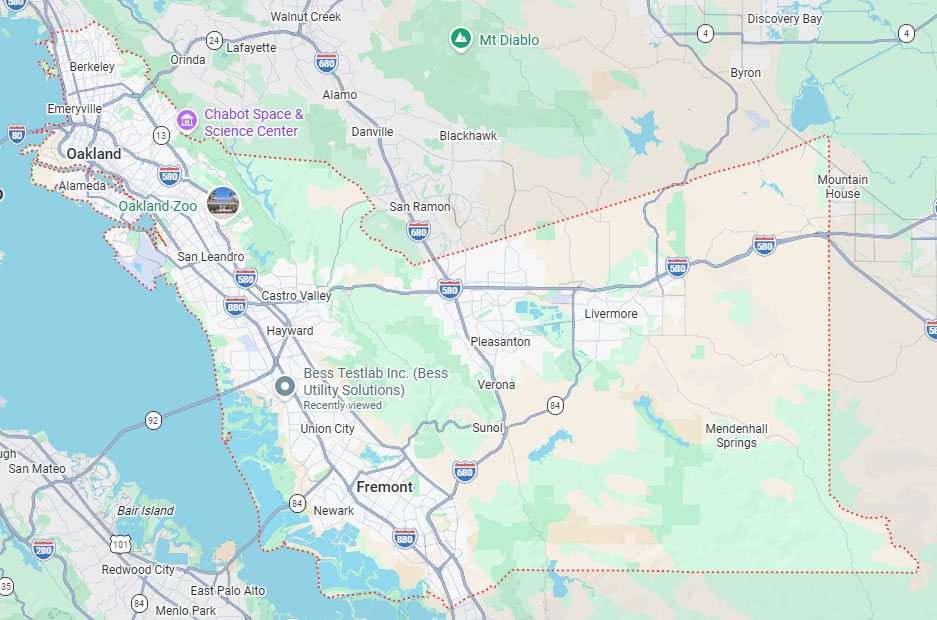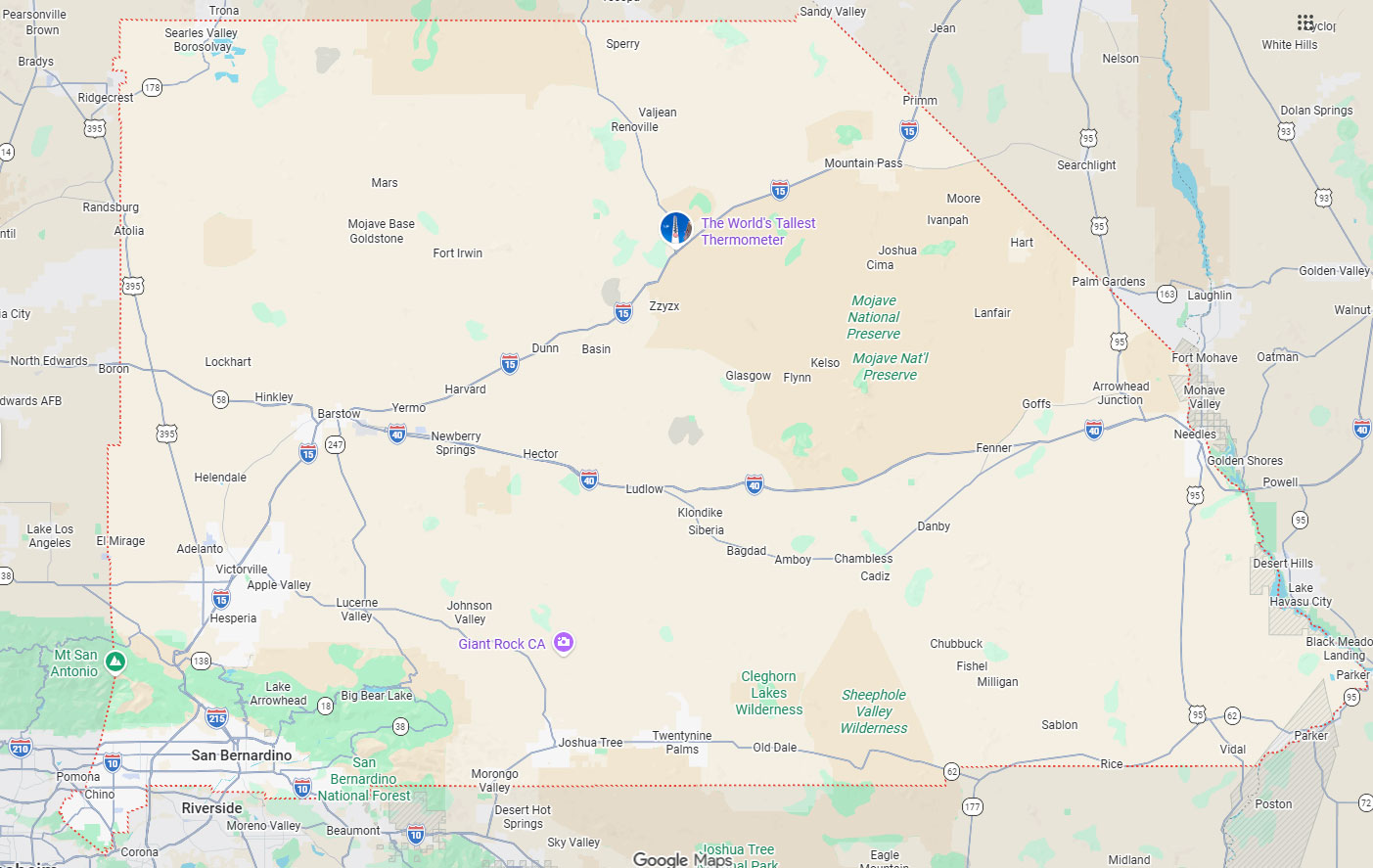
Hayward, CA
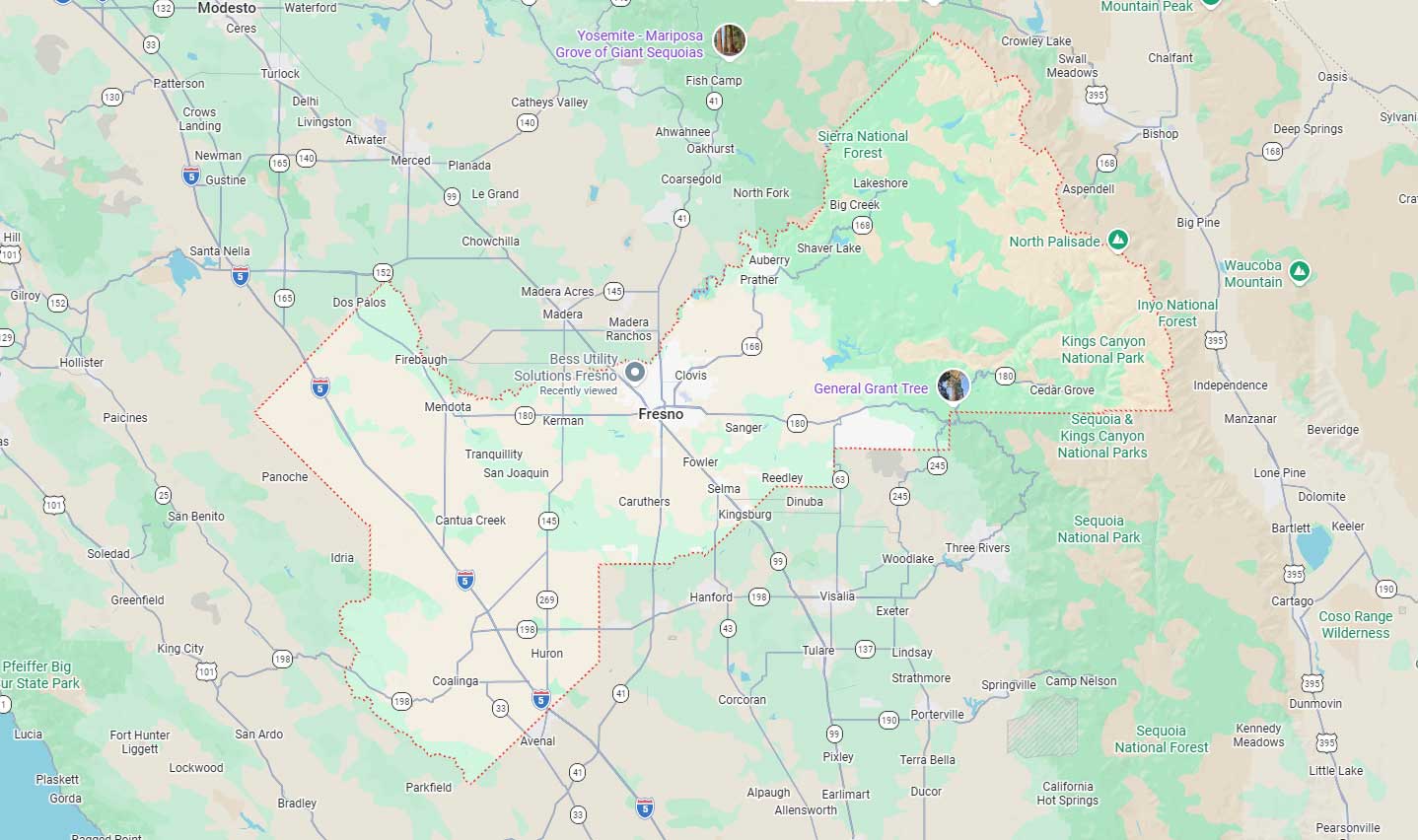
Fresno, CA
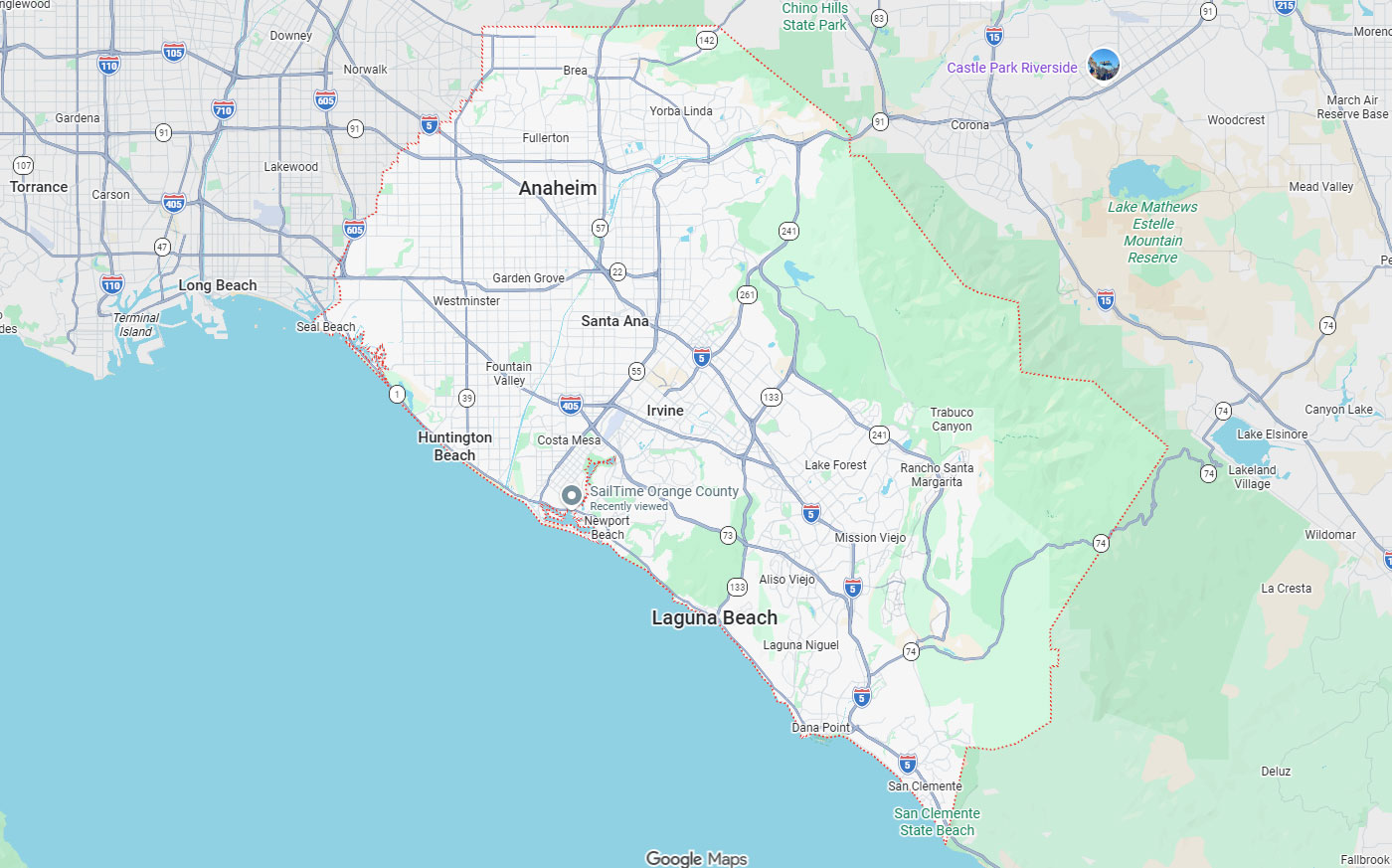
Orange, CA
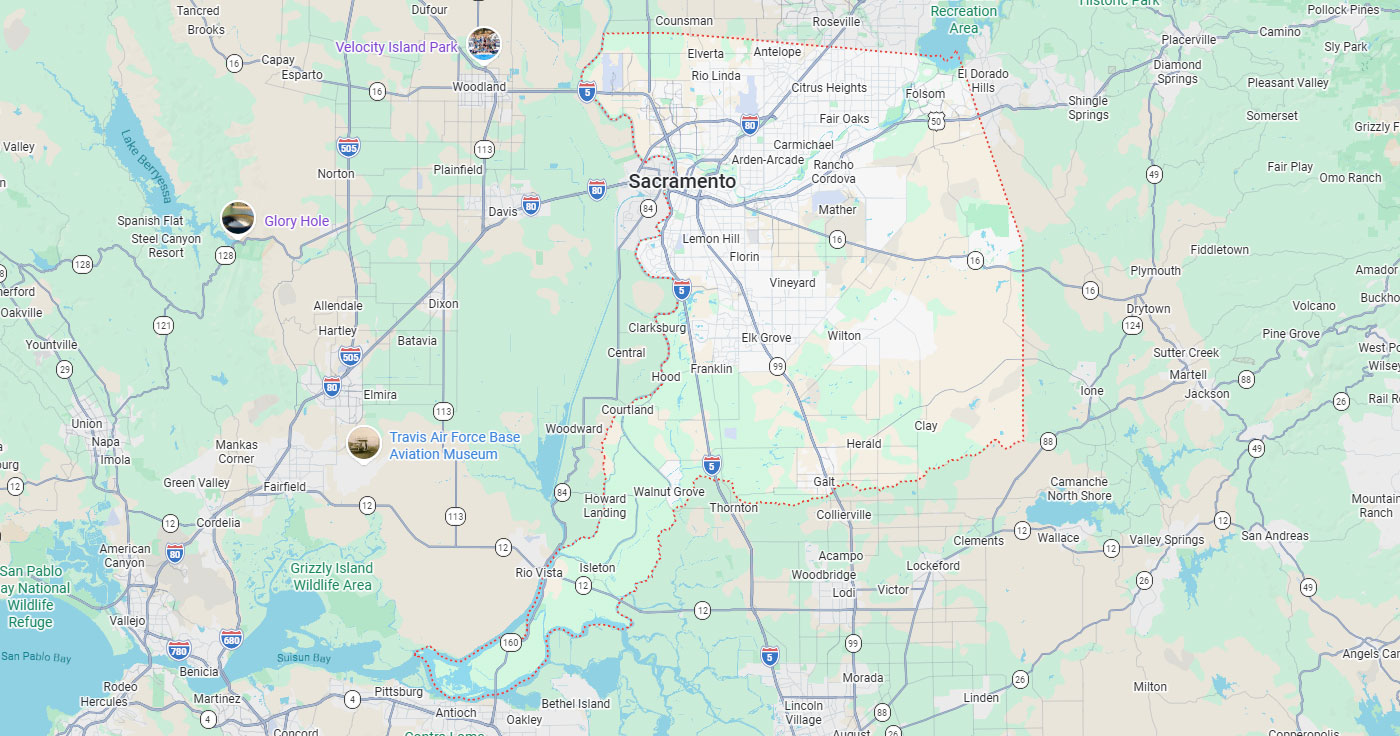
Sacramento, CA
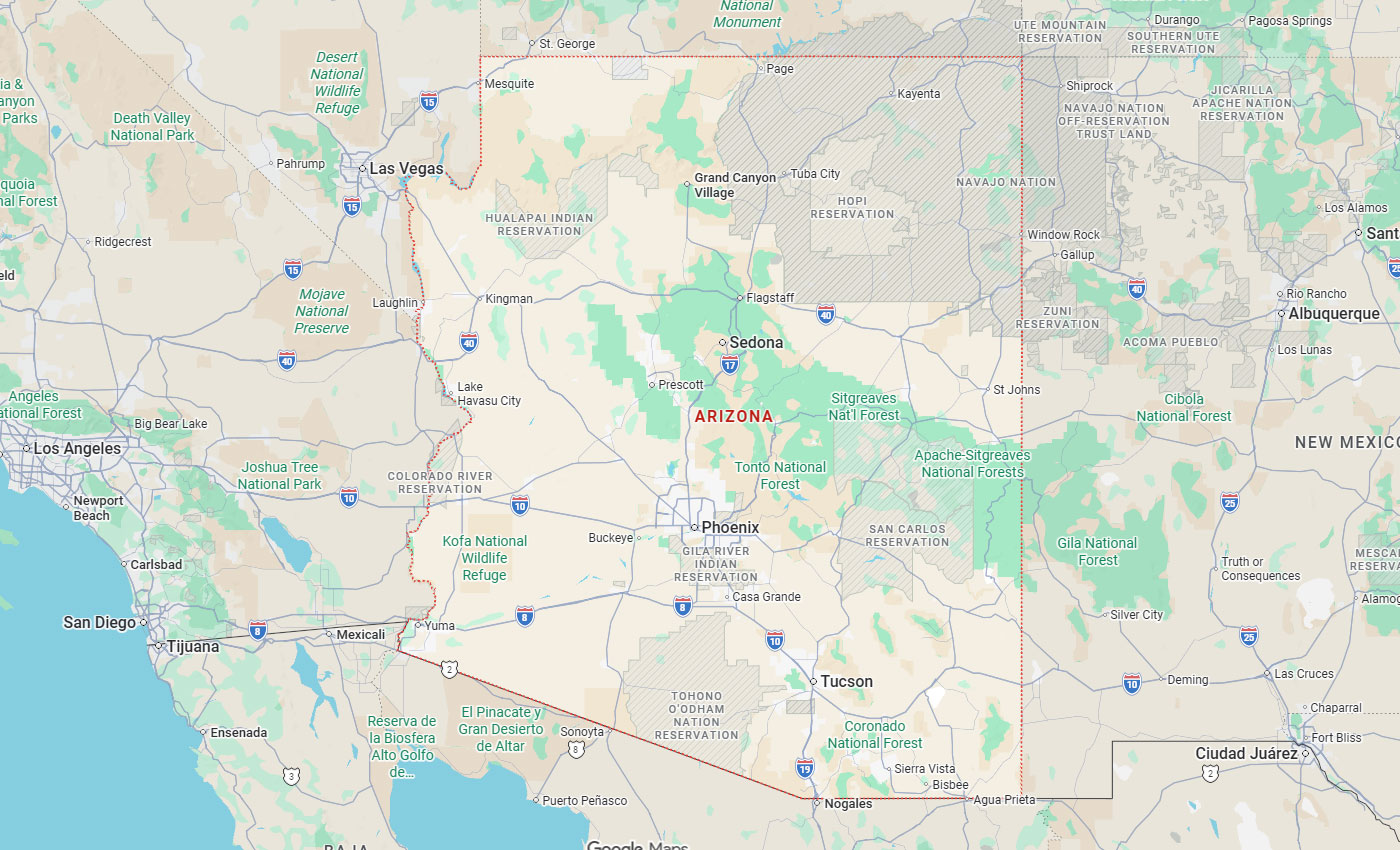
Phoenix, AZ
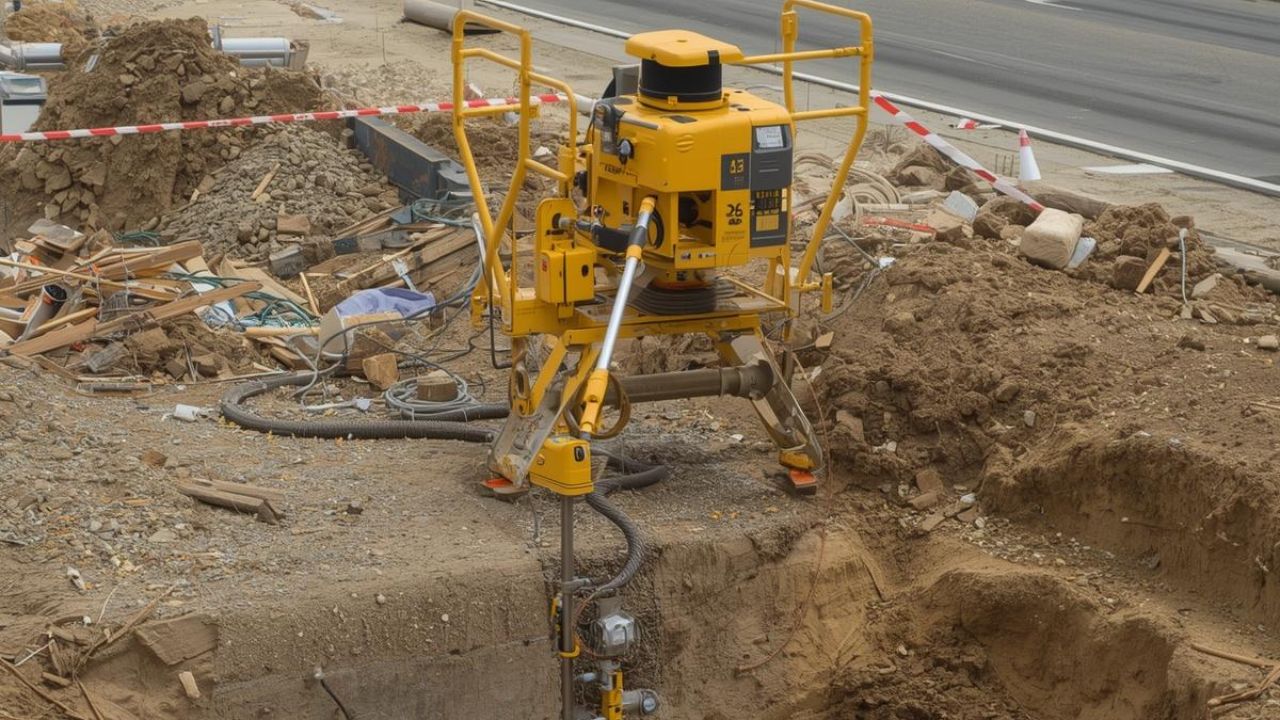
California projects demand subsurface accuracy that protects schedules, safety records, and regulatory standing. Ground Penetrating Radar enters workflows when baseline 811 notice and electromagnetic locating cannot resolve underground uncertainty affecting design assumptions, conflict avoidance, or ASCE38-22 SUE standards and utility locating documentation quality. Understanding when to escalate from minimum compliance to strategic GPR usage prevents costly design revisions, utility strikes, and CEQA documentation gaps that delay permit approval.
This guide clarifies how GPR fits California's regulatory landscape for Dig Safe obligations and CEQA environmental review. Practical decision frameworks help project managers select the most defensible workflow for their site conditions, budget constraints, and consequence exposure.
Key Takeaways
Ground Penetrating Radar functions as a compliance-enabling technology inside higher-assurance workflows that exceed statutory minimums. GPR itself rarely appears as a standalone legal requirement under California excavation law. Dig Safe compliance mandates notice to the regional one-call center at least two working days before excavation, excluding the notification day.
Projects escalate to GPR when standard tolerance-zone establishment proves insufficient due to congested utilities or incomplete records. 811 vs. hiring a private locator, what contractors must know becomes relevant when basic mark-out information cannot resolve critical design conflicts or non-metallic asset detection needs.
CEQA operates as a document-intensive environmental review framework using Initial Studies, Mitigated Negative Declarations, and Environmental Impact Reports. Underground uncertainty affects design assumptions in CEQA-sensitive projects where subsurface conditions influence construction impact analysis, utility conflict mitigation, and geologic screening.
GPR strengthens technical documentation quality by reducing assumptions about buried infrastructure and soil conditions. Better subsurface intelligence improves the defensibility of environmental review materials submitted for agency approval and public comment periods.
GPR detects both metallic and non-metallic assets, while electromagnetic locating remains limited to conductive utilities. Electromagnetic locating dominates baseline technology by revenue share, holding 44.5 percent of the utility locator market in 2023, while GPR represents the fastest-growing advanced method for multi-utility detection.
GPR performance declines sharply in conductive or clay-rich soils where signal penetration weakens. GPR vs electromagnetic locating for Arizona project conditions demonstrates why mixed-method workflows outperform single-technology dependence, and similar principles apply to California's diverse soil environments, requiring interpretation skill and training for reliable results.
California excavation law violations expose excavators to fines up to USD 50,000 plus repair liabilities for damaged infrastructure. The two-day advance notice requirement establishes the legal foundation for damage prevention, creating liability protection when excavators follow proper notification procedures and respect marked tolerance zones.
Regional notification centers process tickets that trigger utility owner response obligations for field marking. Documentation of notification timing and mark-out accuracy becomes critical evidence in post-incident investigations where liability disputes arise from utility strikes or service disruptions.
CEQA review processes demand technical documentation demonstrating that project design accounts for environmental impacts, including construction-related risks. Subsurface investigation quality affects the completeness of impact analysis sections addressing utility conflicts, soil disturbance, and construction methodology constraints that influence environmental findings.
Design-stage subsurface characterization reduces the likelihood of mid-project discoveries that trigger supplemental environmental review. Projects with stronger pre-construction utility data face fewer delays from unanticipated conditions requiring revised environmental documentation or additional mitigation measures.
DigAlert recorded 1,054,798 tickets in 2023, serving Southern California, while USA North 811 recorded 1,346,242 tickets covering Northern and Central California. USA North 811 processed roughly 79.2 percent of tickets online in 2023, compared to DigAlert's roughly 75.5 percent online submission rate.
Through July 31, 2024, DigAlert logged 615,182 tickets, and USA North 811 processed 833,731 tickets, showing sustained excavation activity. The dominance of digital ticketing reflects California's mature compliance infrastructure, where online workflow tools improve documentation traceability and response coordination.
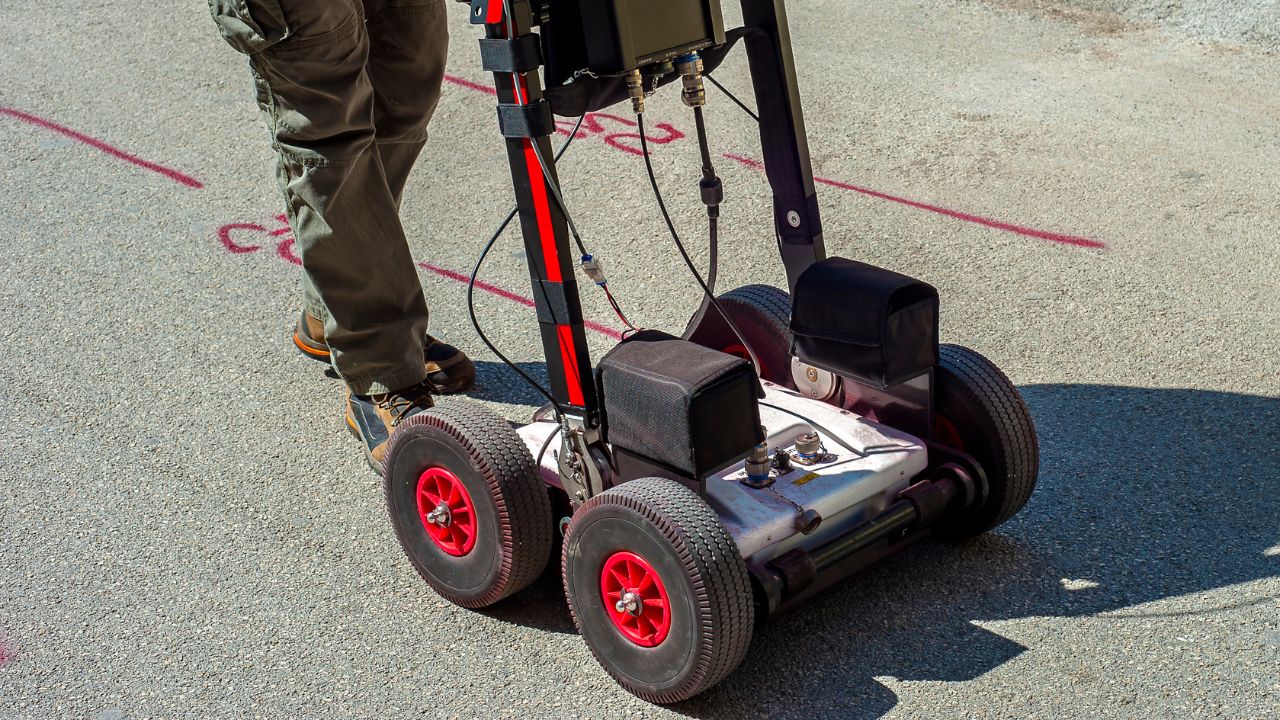
GPR systems combine hardware transmitting electromagnetic pulses into the ground with software interpreting reflected signals to map subsurface features. Detection capability depends on antenna frequency selection, soil conductivity conditions, and operator expertise in translating raw data into actionable utility positions and depth estimates.
GPR technology and innovation continue advancing through improved signal processing algorithms and three-dimensional visualization capabilities. Modern systems integrate GPS positioning and digital documentation tools that transform field scan data into survey-grade deliverables meeting engineering standards for design integration.
The electromagnetic field segment held 44.5 percent revenue share in the utility locator market during 2023. EMF technology uses electromagnetic induction principles for locating conductive utilities, including metallic water lines, electrical conduit, and telecommunications cables.
Electromagnetic locating remains the dominant baseline technology due to lower equipment costs and faster field procedures. Performance limitations on non-metallic assets, including PVC water lines, fiber optic conduit, and concrete storm drains, create scenarios where GPR provides the necessary detection capability that electromagnetic methods cannot deliver.
Private utility locating involves outsourced scan-and-report work that contractors purchase for project sites beyond basic 811 mark-out services. Subsurface utility engineering differs fundamentally as design enhancement rather than damage prevention, producing higher-quality utility data through systematic investigation protocols, including vacuum excavation or potholing for QL-A confirmation, delivering the highest confidence position and attribute information.
Cloud deployment held a 69.23 percent share of the compliance software market in 2025, while large enterprises represented 57.14 percent. How GPR improves safety in excavation construction workflows increasingly depends on digital documentation platforms that maintain traceable records connecting field investigation data to design decisions and regulatory submittals.
Accuracy and quality of utility information consistently receive the highest priority in project surveys evaluating subsurface investigation deliverables. Cost constraints and schedule pressures remain significant barriers despite strong evidence that better pre-construction utility data reduces expensive mid-project surprises and design revisions.
Regulatory defensibility matters nearly as much as detection capability because documentation quality determines liability outcomes. Projects with systematic investigation records demonstrating reasonable precautions face stronger legal positions when unforeseen conditions arise compared to minimum-compliance-only approaches relying solely on basic 811 mark-out.
California construction data shows 96.5 percent of establishments employed fewer than 50 workers during 2024. Specifically, 60,662 construction establishments operated with 0-4 employees, 15,155 maintained 5-9 employees, 9,330 employed 10-19 workers, and 6,065 operated with 20-49 employees.
Small firms face limited capacity for advanced equipment ownership, favoring project-based outsourcing of GPR scanning and SUE services. Large organizations justify in-house equipment and trained interpretation staff when project volume supports capital investment in comprehensive utility investigation capabilities.
The workflow begins with an 811 notice and mark-out, establishing the legal foundation for excavation compliance. Electromagnetic locating follows where utility type and site conditions make conductive-asset detection sufficient for conflict avoidance.
GPR or mixed-method locating enters when non-metallic lines, incomplete records, urban density, or design-stage certainty demands justify higher investigation costs. Advantages of using vacuum excavation become relevant finally when exact exposure and highest-confidence confirmation prove necessary for critical conflicts requiring definitive position and depth verification before construction.
GPR rental costs approximately USD 400 per month, while electromagnetic locator rental runs about USD 300 per week. Electromagnetic locator purchase typically requires approximately USD 5,000 investment, while one-day online GPR courses cost about USD 600 for basic operator training.
Professional GPR scanning ranges from approximately USD 1,000 to USD 5,000 per day, depending on site complexity and deliverable requirements. Premium subsurface utility engineering and targeted verification services span a wider range from USD 5,000 to over USD 90,000 based on project scope and quality level requirements.
Small firms lack financial capacity for advanced equipment ownership, creating dependence on outsourced services for occasional complex projects. Limited project volume makes equipment investment difficult to justify when rental or service procurement provides access to specialized capabilities without capital commitment.
Large organizations spread equipment costs across multiple projects, enabling in-house scanning teams. Greater project volume and recurring utility investigation needs justify investment in comprehensive locating capabilities, including GPR hardware, interpretation software, and trained personnel delivering faster mobilization and lower per-project costs than continuous outsourcing.
Published subsurface utility engineering studies demonstrate returns ranging from USD 2.73 to USD 22.21 saved per dollar invested. One Maryland project spent USD 56,000 on SUE investigation and saved USD 1.34 million through avoided utility relocations and design conflicts.
Another Maryland case invested USD 5,000 in a targeted utility investigation, saving USD 300,000 with a 4-6 month relocation-time reduction. These returns explain why major infrastructure owners increasingly specify advanced utility investigation despite higher upfront investigation costs compared to minimum-compliance approaches.
California one-call centers maintain high excavation activity with DigAlert processing 615,182 tickets and USA North 811 handling 833,731 tickets through July 31, 2024. Both territories show sustained digital workflow adoption, with online ticket creation dominating submission channels above 75 percent.
The shift toward digital compliance infrastructure reflects broader construction industry modernization. Utility locating workflow, locate mark verify, and excavate processes increasingly integrate cloud-based documentation platforms that connect 811 notifications to field investigation records and design coordination systems.
The global GPR market reached USD 491.98 million in 2026, with projections showing USD 882.67 million by 2034 at a 7.58 percent compound annual growth rate. Underground utility mapping markets show stronger growth at 10.1 percent CAGR, reaching USD 3.3 billion by 2030 from USD 1.7 billion in 2023.
North America holds a 38.31 percent share of the GPR market demand, driven by infrastructure renewal needs and safety regulations. GPR represents the fastest-growing utility locator segment while electromagnetic methods maintain a larger installed base, reflecting different roles in compliance workflows.
California maintained 94,500 construction establishments in 2024 Q3, creating substantial demand for utility investigation services. Northern and Central California show higher absolute ticket volume through USA North 811 compared to Southern California under DigAlert, reflecting regional differences in development intensity and infrastructure density.
Urban and infrastructure-dense areas justify GPR adoption more readily than rural settings due to higher congestion and undocumented conflict risk. Projects in transportation corridors, campus environments, and brownfield redevelopment contexts face subsurface complexity that makes advanced locating investigation economically rational despite higher direct costs.
GPR escalation proves most valuable when basic mark-out information cannot resolve critical design uncertainties affecting project risk exposure. Sites with incomplete utility records, suspected non-metallic assets, or dense infrastructure congestion warrant advanced investigation methods beyond minimum statutory compliance.
Cost-conscious project managers should reserve GPR for scenarios where detection capability gaps create unacceptable schedule or budget risk. Routine excavations with complete utility records and standard soil conditions often achieve adequate risk reduction through 811 notification and electromagnetic locating without GPR expense.
Combining electromagnetic and GPR methods produces more complete subsurface characterization than single-technology approaches. Electromagnetic tools efficiently locate conductive utilities while GPR detects non-metallic assets and disturbed soil signatures indicating unmarked features.
Systematic multi-method investigation creates stronger documentation demonstrating reasonable precautions in post-incident liability analysis. Projects with comprehensive investigation records show due diligence that protects against negligence claims when unforeseen conditions cause utility damage despite proper field procedures.
Design-stage utility investigation should follow progressive quality levels, matching information needs to project complexity and consequence exposure. Quality Level C desktop utility research establishes a baseline understanding, while Quality Level B systematic surface geophysical investigation using GPR and electromagnetic tools maps expected utility positions.
Quality Level A vacuum excavation provides definitive confirmation at critical conflict points before final design. The importance of utility locating in construction projects depends on matching investigation intensity to project risk rather than applying uniform approaches across all contexts.
California's evolving compliance environment increasingly rewards projects that exceed minimum statutory requirements with strategic subsurface investigation. The legal framework establishes 811 notification as a mandatory baseline protection, but design-stage utility characterization using advanced methods prevents expensive mid-project surprises that baseline compliance alone cannot eliminate. Project managers who understand when to escalate from electromagnetic locating to GPR scanning, and further to vacuum excavation for highest-confidence verification, achieve better schedule reliability and budget predictability than minimum-compliance approaches.
The fragmented California construction market, with over 90,000 small establishments, creates strong demand for outsourced utility investigation services that provide specialized capabilities without capital investment. Evidence from published case studies demonstrates that advanced utility investigation commonly returns multiple dollars saved for each dollar invested through avoided relocations, reduced design revisions, and prevented utility strikes. As California projects face increasing infrastructure density, aging utility systems, and incomplete record accuracy, strategic GPR usage within systematic investigation workflows becomes a competitive advantage rather than an optional expense.
For projects requiring comprehensive subsurface intelligence that protects schedules and regulatory standing, Bess Utility Solutions delivers ASCE 38-02 compliant utility investigation services combining advanced GPR technology with vacuum excavation verification across California, Arizona, and Nevada.
California projects can't afford uncertainty underground. Bess Utility Solutions delivers ASCE 38-02 compliant GPR scanning, vacuum excavation, and full-spectrum subsurface utility engineering across California, Arizona, and Nevada. With 29 years of experience, 1,000+ satisfied clients, and CPUC MBE/DBE certification, our team gives you the verified subsurface data you need to protect your schedule, budget, and regulatory standing.
Don't let unknown utilities derail your project. Contact Bess Utility Solutions today for a consultation, or explore our services to find the right solution for your site conditions.
Pricing Disclaimer:
Pricing is for general guidance only and may vary. Contact Bess Utility Solutions directly for an accurate and up-to-date quote.