Key Takeaways
- GPR (Ground Penetrating Radar) is effective for detecting subsurface objects and structures with high resolution.
- Electromagnetic locating is suitable for locating conductive materials and utilities quickly and efficiently.
- Choosing the appropriate method depends on the specific project requirements, including depth, material type, and accuracy needs.
- Consider environmental factors and site conditions when selecting the most suitable technology.
- Consulting with professionals can help determine the best approach for your project in Arizona.
Utility locating is crucial for a wide variety of construction, maintenance, and repair projects. Accurately identifying the location of underground utilities can prevent costly damage and ensure safety.
In Arizona, the choice between Ground Penetrating Radar (GPR) and Electromagnetic Locating is essential. Each method offers unique benefits depending on soil type, depth, and the material of the utilities being located. This article will help you determine which utility locating service is best suited for your project.
Understanding the Basics: GPR vs. Electromagnetic Locating
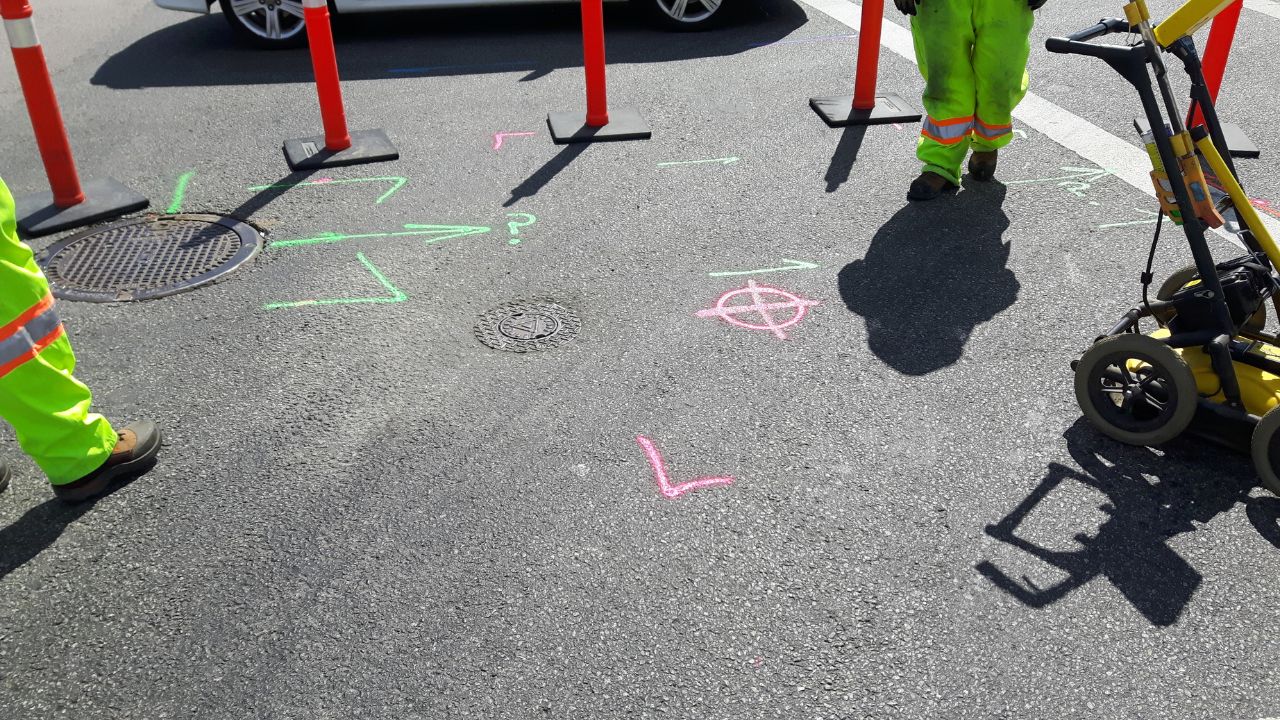
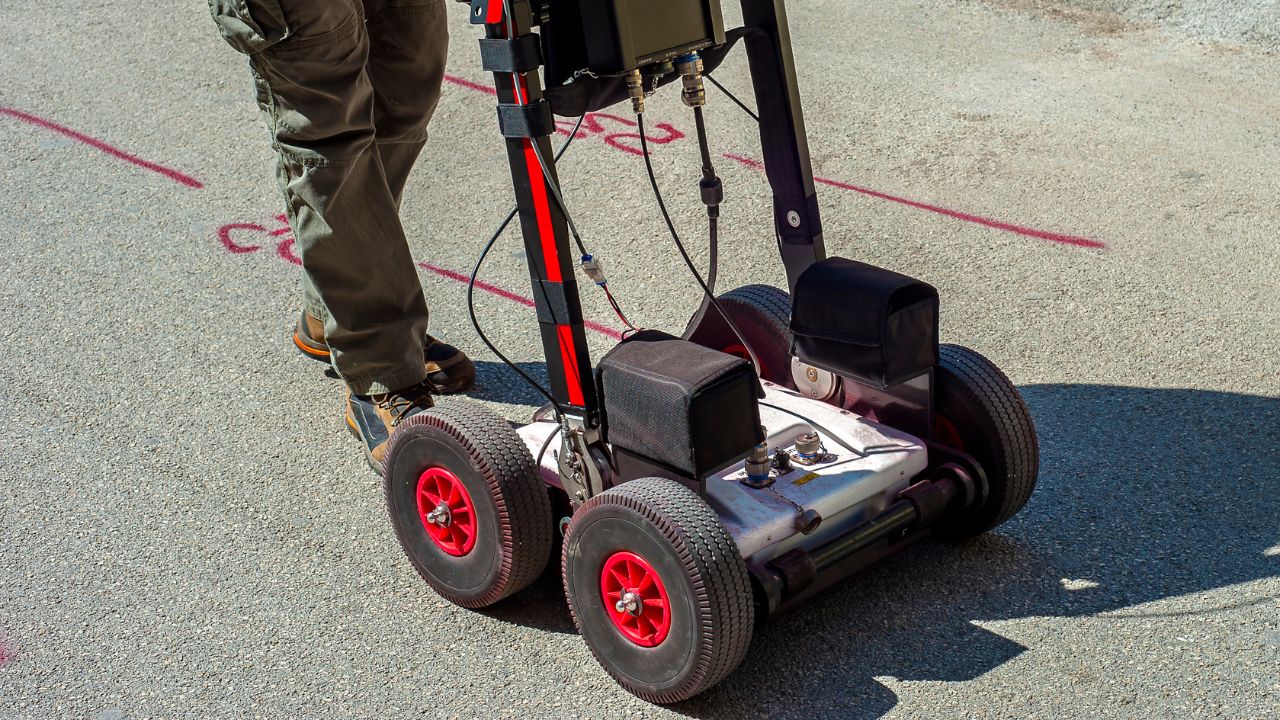
Before delving into the pros and cons, it’s important to understand what Ground Penetrating Radar (GPR) and Electromagnetic (EM) Locating are. GPR uses radar pulses to detect subsurface features, such as buried pipes or cables, while EM Locating relies on the electromagnetic field to detect metallic utilities like electrical lines and pipes.
Both methods are widely used in underground utility locating services, offering non-destructive testing options for a range of utility types, including power lines, sewers, water pipes, and more.
Pros and Cons of Ground Penetrating Radar (GPR)
Ground Penetrating Radar is a powerful method for detecting both metallic and non-metallic utilities. By sending high-frequency radar waves into the ground, GPR provides real-time results that can be visualized in a 3D format, offering an accurate representation of the underground layout.
Pros of GPR:
- Versatility: GPR is highly effective for locating both metallic and non-metallic utilities, including water pipes, electrical cables, and fiber optic lines.
- Deep Penetration: It can detect utilities at significant depths, making it ideal for complex environments or projects requiring deep excavation.
- Real-Time Data: GPR provides immediate feedback, allowing for quicker decision-making and safer planning.
- Non-Destructive Testing: There’s no need to disturb the ground, ensuring minimal disruption to existing infrastructure.
Cons of GPR:
- Soil Conditions: GPR can struggle in certain soil types, especially highly conductive soils like clay, which can absorb radar pulses and reduce the clarity of results. This limitation can be addressed by adjusting the frequency of radar waves or using other complementary methods.
- Resolution at Depth: While GPR can detect deep utilities, its resolution decreases with depth, making it harder to identify smaller or non-metallic objects at extreme depths. It is essential to consider the depth of your utilities before relying solely on GPR for deep locating.
Pros and Cons of Electromagnetic Locating (EM Locating)
Electromagnetic Locating uses electromagnetic induction to detect utilities that have a conductive material, such as iron, steel, or copper. It is often used in urban areas where metallic utilities like electrical cables and sewer lines are common.
Pros of EM Locating:
- Accuracy with Metallic Utilities: EM locators are highly accurate in detecting metallic utilities such as electrical cables, power lines, and metal water pipes.
- Ideal for Shallow Utilities: This method excels at locating shallow utilities, especially when combined with a tracer wire.
- Simple to Use: EM locating is relatively easy to use, and the results are displayed clearly on a locator machine.
Cons of EM Locating:
- Limited to Metallic Utilities: EM locators cannot detect non-metallic utilities, such as PVC water pipes or fiber optic lines, making them less versatile than GPR.
- Shallow Depths: While EM Locating is excellent for shallow depths, it is not as effective for deeper utilities unless a tracer wire is present.
Choosing the Right Method for Your Arizona Project
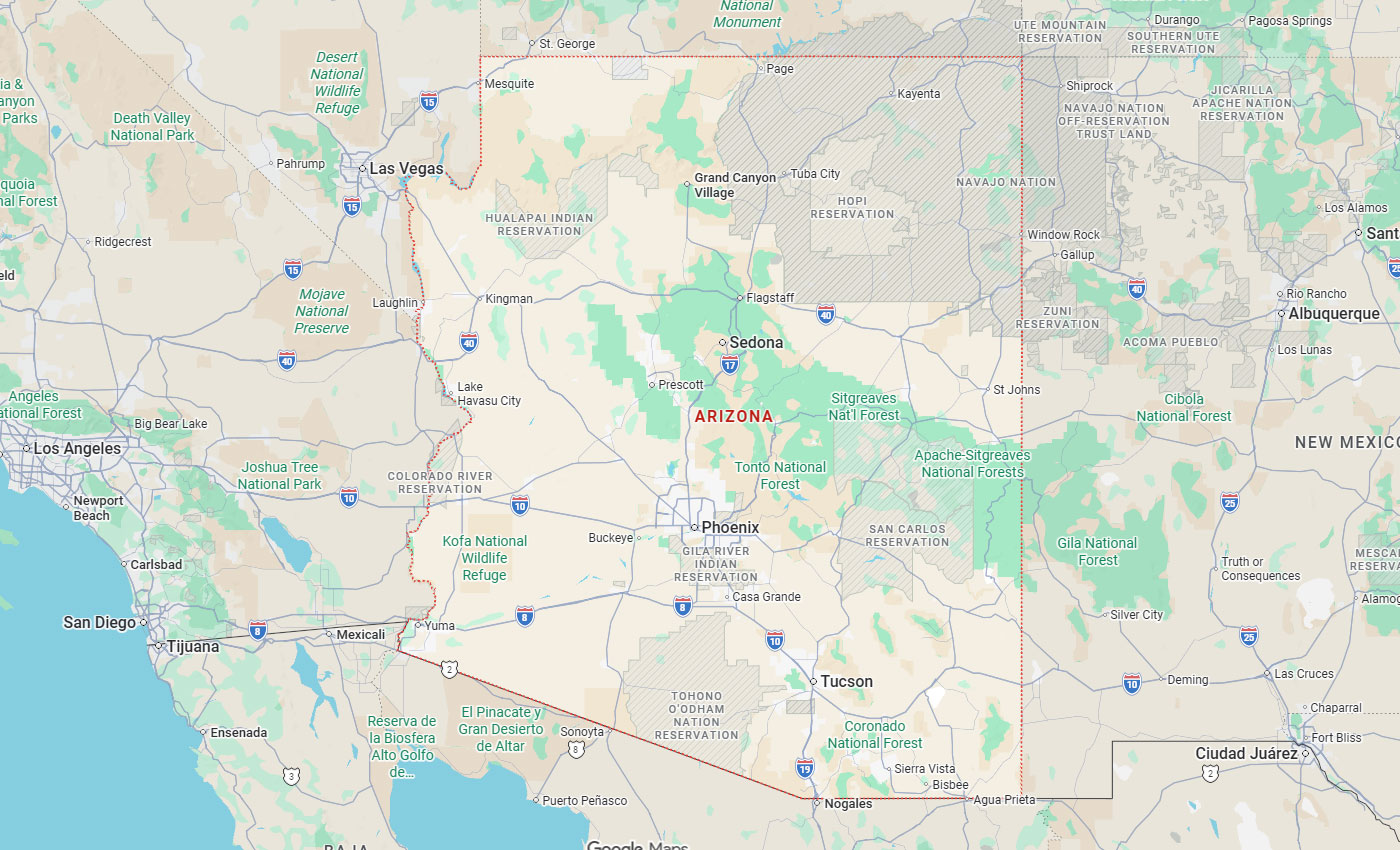
In Arizona, soil types and environmental conditions can significantly impact the effectiveness of utility locating methods. For example, arid and rocky soils can affect the penetration of GPR waves, while areas with significant infrastructure may require more precise electromagnetic surveys.
When to Choose GPR:
- If your project involves detecting both metallic and non-metallic utilities. GPR is ideal for a range of materials, including concrete, fiber optics, and plastic pipes.
- When you need to survey at greater depths, such as in large-scale urban construction or highway projects, where utilities may be buried far below the surface.
- For complex environments where multiple layers of utilities are present, such as areas with overlapping infrastructure, electromagnetic locators might miss non-metallic pipes.
- If your project demands real-time, 3D data visualization for more accurate planning and damage prevention, especially when detailed mapping of utility systems is needed.
When to Choose EM Locating:
- For projects that focus on locating metallic utilities such as electrical cables, metal pipelines, and communication conduits. EM Locating is a great choice when the utility system primarily consists of metallic pipes or cables.
- In urban areas with shallow utilities. EM locators excel in detecting utilities buried close to the surface, especially in residential or commercial districts where shallow utility lines are common.
- When working in environments where a tracer wire is present to enhances accuracy, which significantly increases the effectiveness of EM Locating.
- If you need quick, accurate results for shallow utility locations. EM Locating provides faster results than GPR, especially when working with metallic utilities in shallow soils.
Vacuum Excavation Potholing and Surveying for Enhanced Accuracy
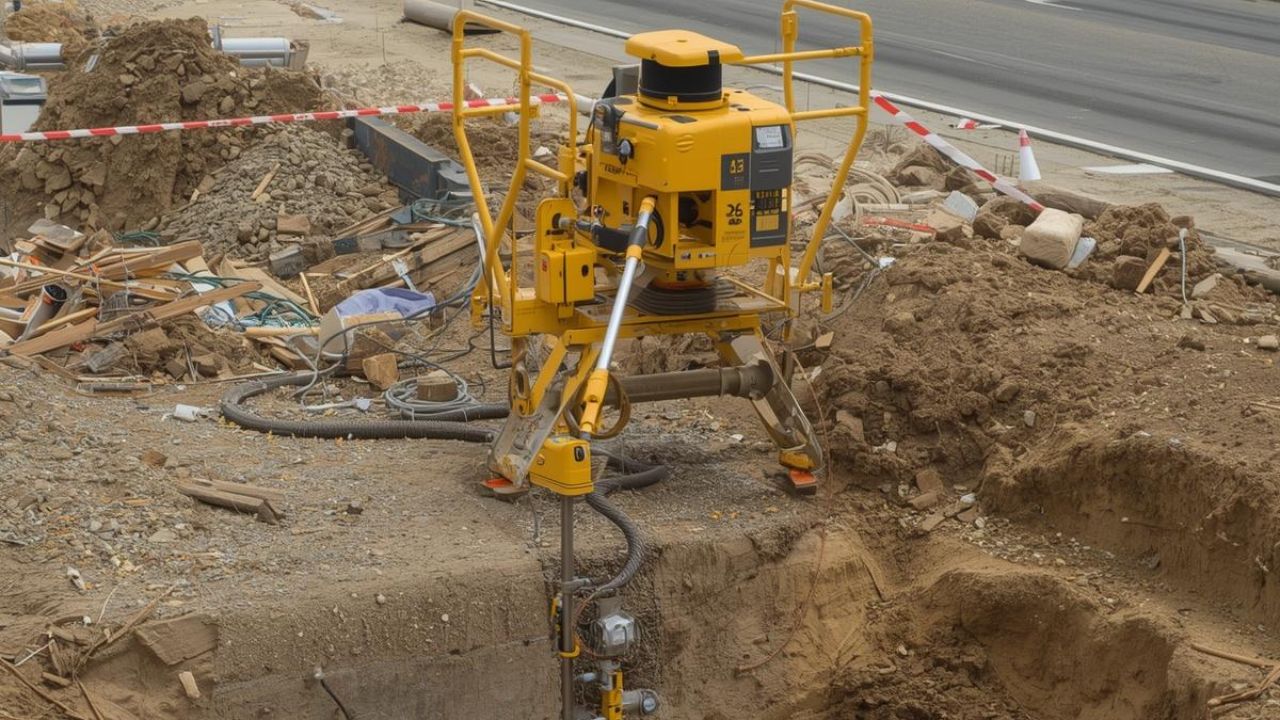
For both GPR and EM Locating, vacuum excavation or potholing can be used to safely expose utilities for direct inspection. This non-destructive method provides physical verification of the utility’s exact location, complementing the findings from GPR or EM Locating surveys.
Additionally, utility mapping through GPS and GIS technologies ensures that data collected during utility locating surveys is accurate, properly documented, and easily accessible. These tools are invaluable for long-term planning, especially in urban areas with complex underground infrastructure.
Making the Best Choice for Your Project
Choosing between Ground Penetrating Radar and Electromagnetic Locating depends on several factors, including the type of utility, soil conditions, depth, and your specific project needs. Bess Utility Solutions serving Phoenix and surrounding cities in Arizona, provides private utility locating services using the latest technologies to ensure your project runs smoothly, safely, and efficiently.
If you’re looking for reliable and accurate underground utility locating services, Bess Utility Solutions is here to help. Our advanced GPR and EM Locating methods, combined with our expert team and cutting-edge technology, will ensure your project is completed without delay or damage. Contact us today and take the next step toward smarter, safer utility management.