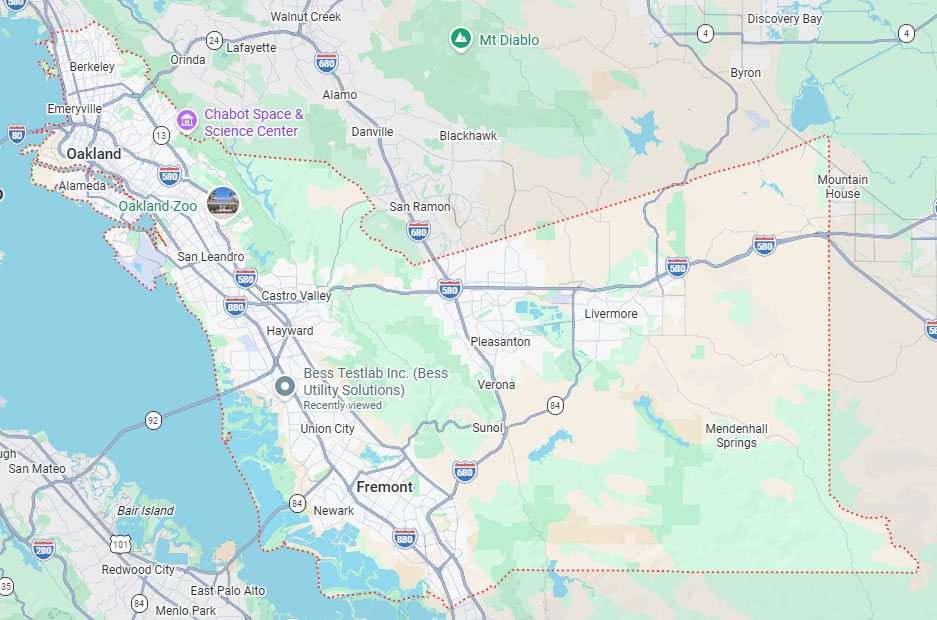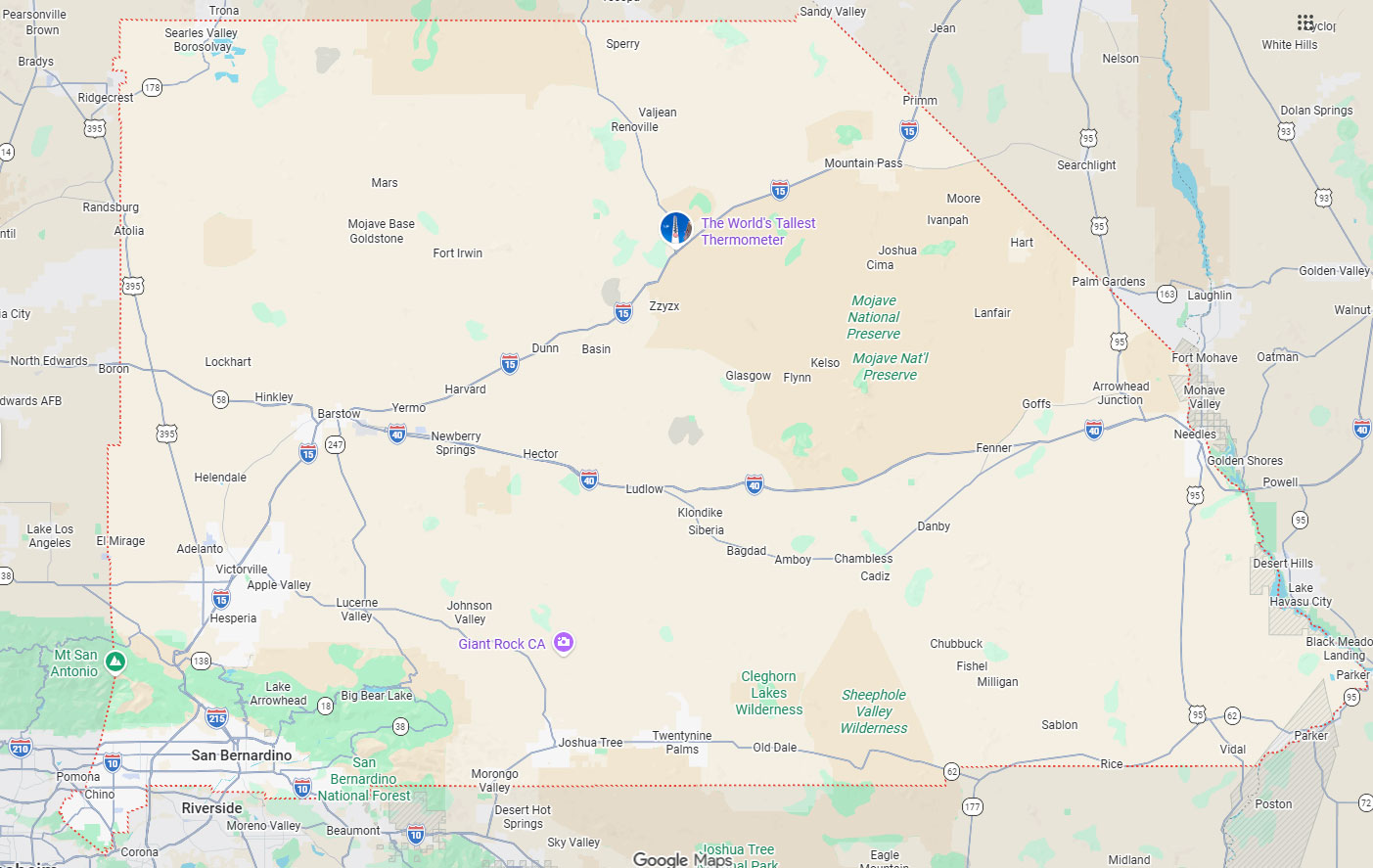
Hayward, CA
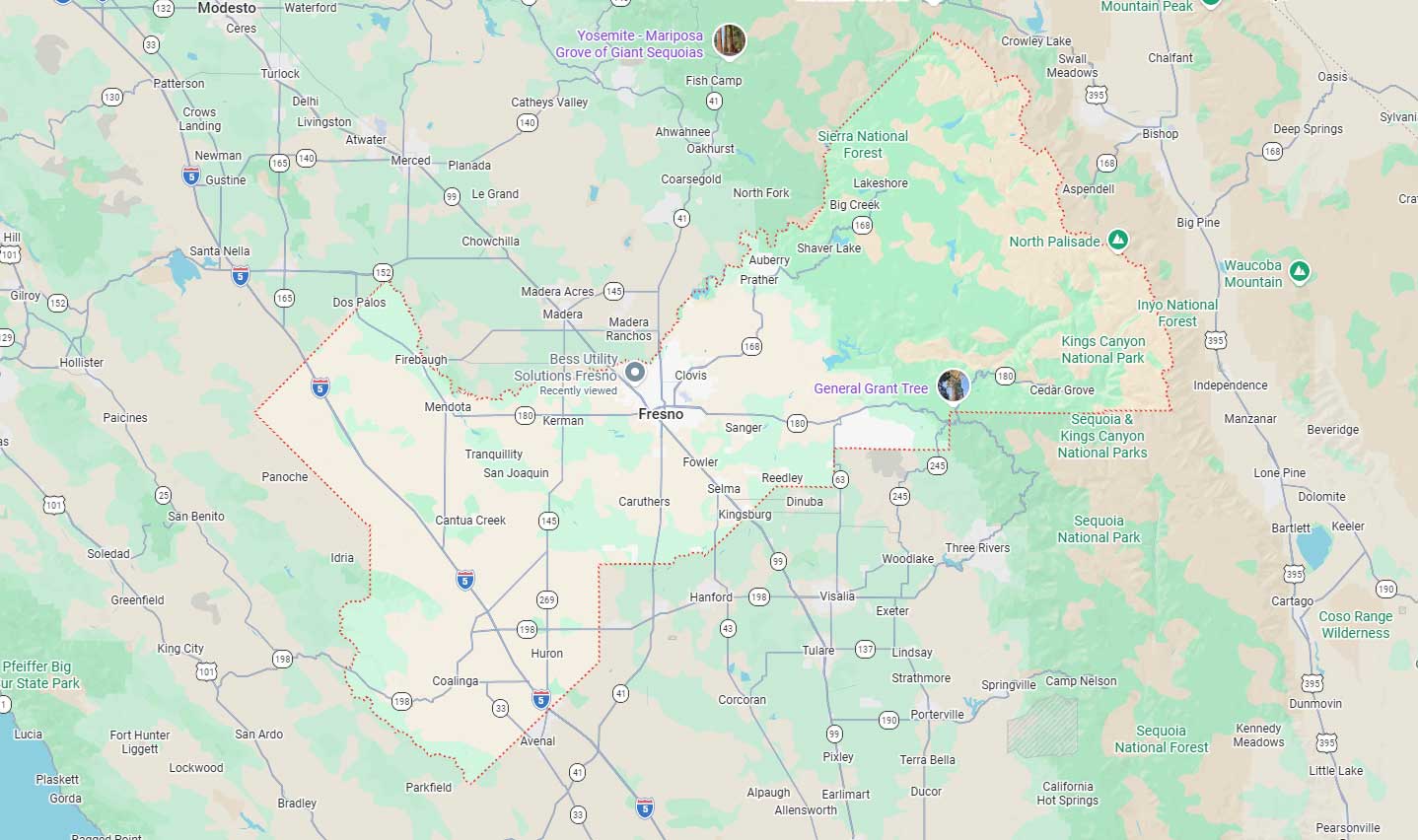
Fresno, CA
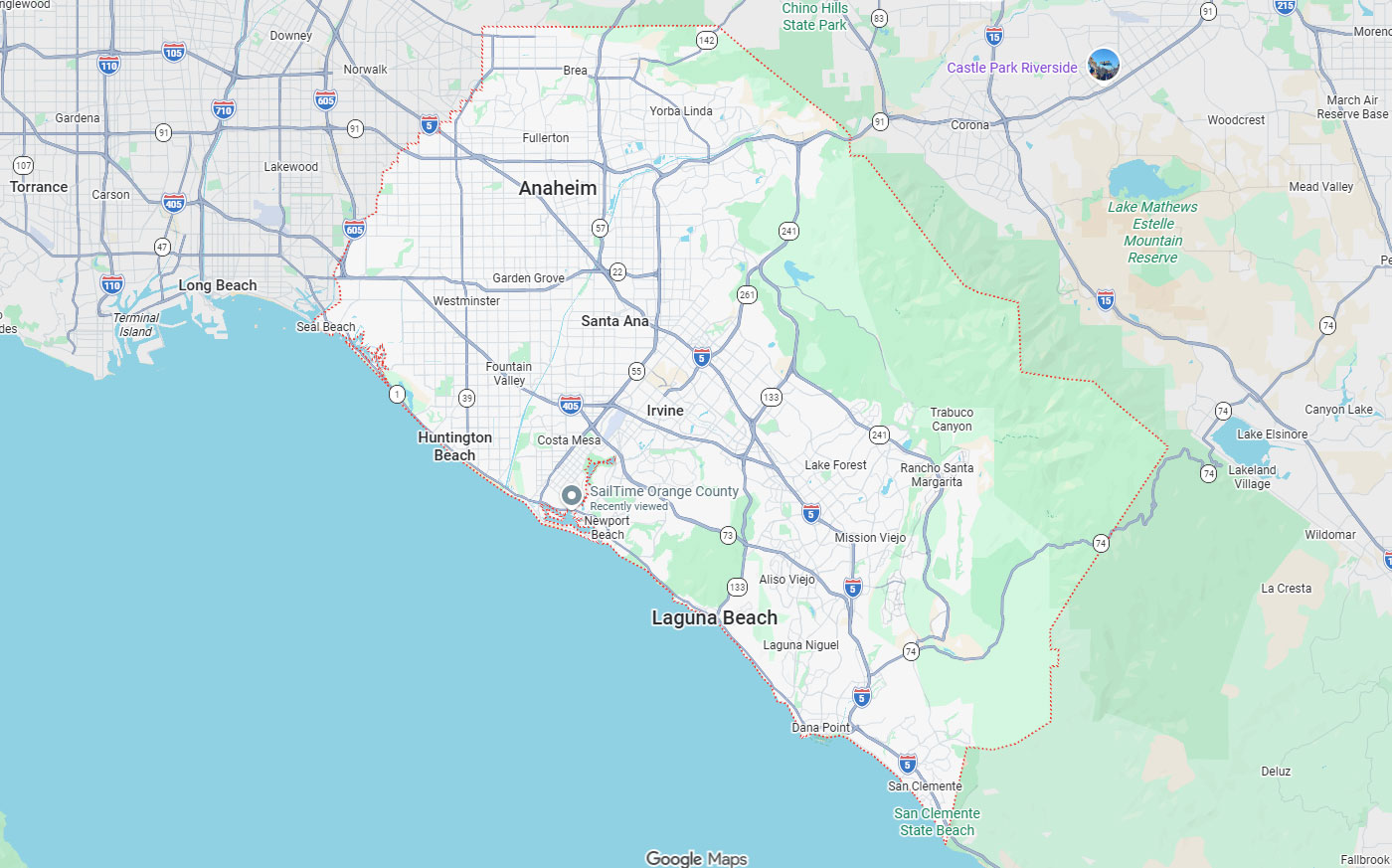
Orange, CA
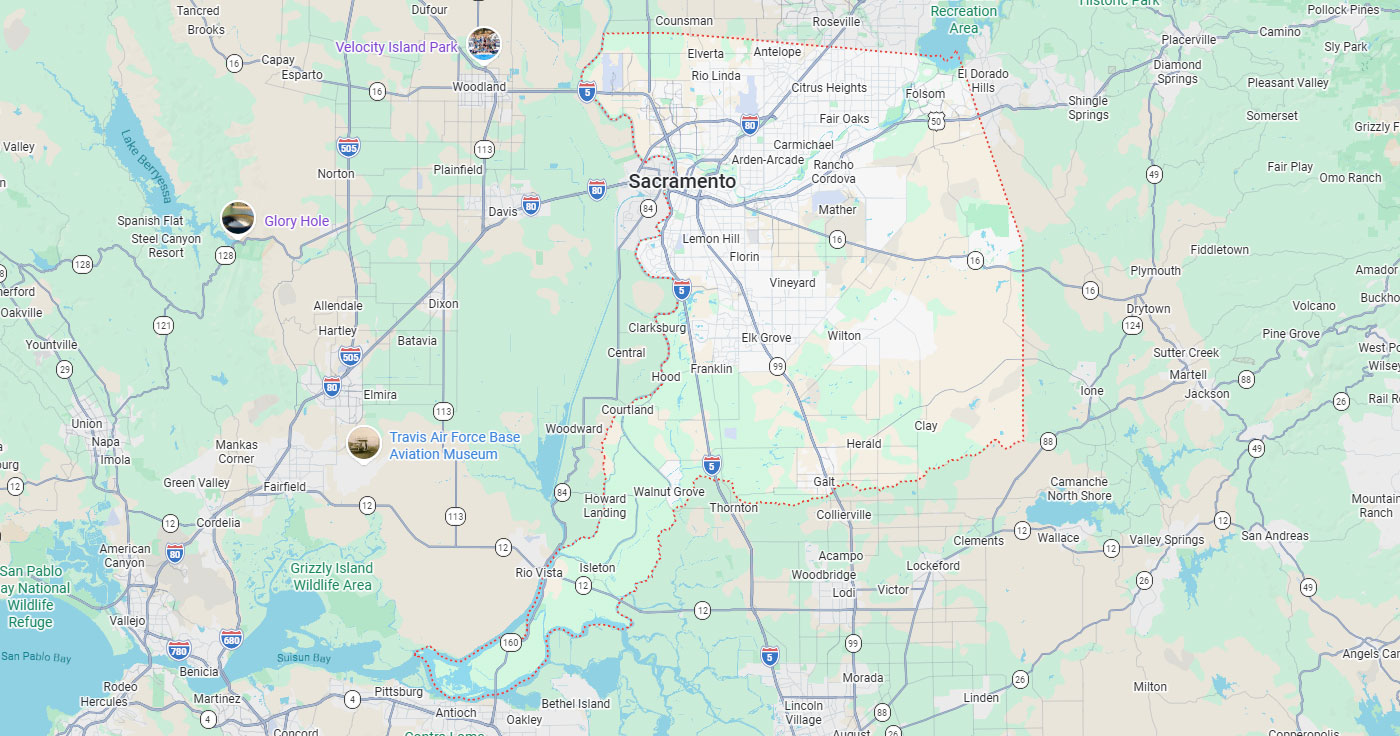
Sacramento, CA
Phoenix, AZ
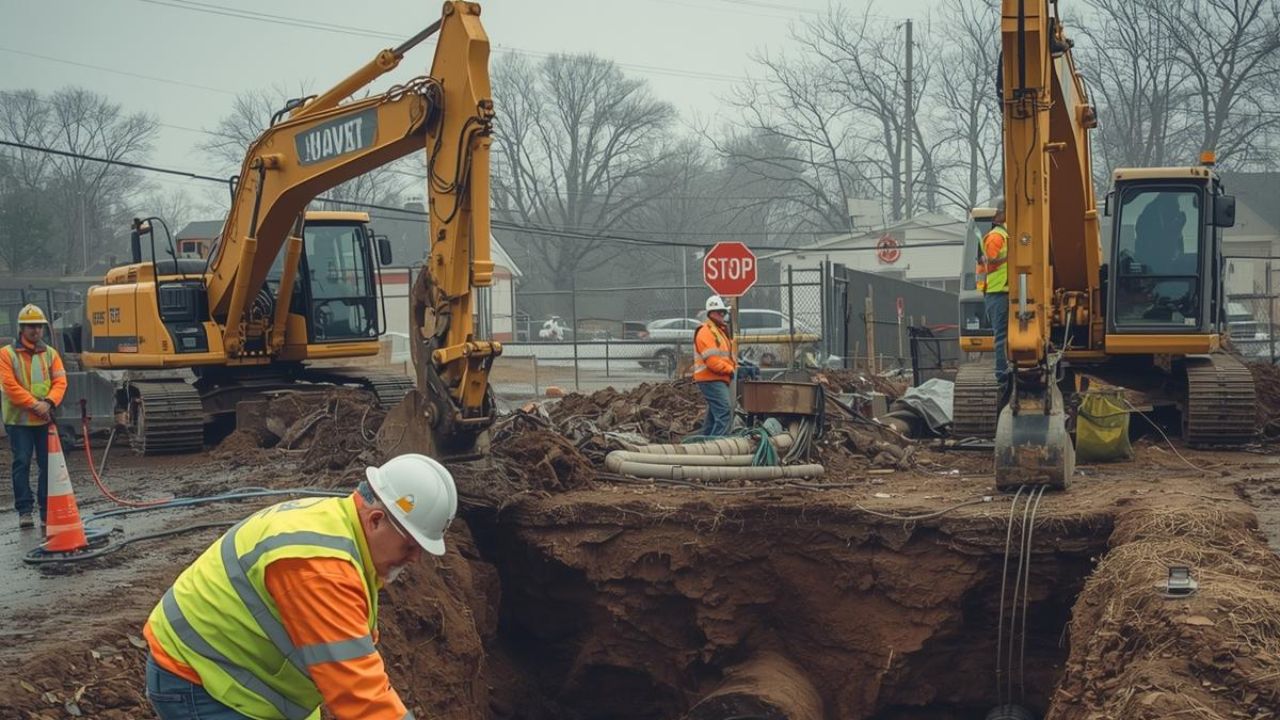
Utility strikes during excavation kill over 400 workers and injure 2,000+ more since 2000, costing the U.S. $30 billion annually. Yet 76% of these incidents are preventable through proper re-location procedures. Whether marks have expired, environmental conditions have shifted utility positions, or project delays have extended timelines beyond initial locate validity, knowing when and how to re‑locate utilities separates safe, compliant projects from catastrophic failures.
This guide covers the critical triggers requiring utility verification, regulatory requirements across federal and state jurisdictions, best practices for three-phase workflows, and the technologies that prevent strikes before excavation begins.
Key Takeaways
Utility re-location is the process of re-identifying and re-marking underground infrastructure after initial locate marks have expired or deteriorated. The process follows a three-phase workflow: Phase 1 uses electromagnetic (EM) and Ground Penetrating Radar (GPR) surveys to detect utilities; Phase 2 employs potholing and vacuum excavation to verify exact positions; Phase 3 involves monitored excavation with real-time tracking.
Utilities are marked using APWA color codes: red for electric, orange for telecom, yellow for gas, green for sewer, blue for water, purple for reclaimed water, pink for temporary or unknown facilities, and white for proposed excavation limits.
Between 400,000 and 800,000 utility strikes occur annually in the U.S., one to two strikes every minute. Since 2000, these incidents have caused over 400 fatalities and 2,000 injuries, costing the nation $30 billion per year. While average repair costs run $4,000 per incident, total expenses range from $5,000 to over $50,000 when accounting for property damage, medical costs, and service disruptions. Indirect costs are 29 times greater than direct repair expenses.
Most critically, 89% of utility locating errors stem from locator mistakes, incorrect markings, or outdated data, making proper utility verification a safety imperative.
Failed relocations create severe excavation safety hazards, including electrocution, explosions, fires, and toxic exposure. Service outages disrupt hospitals, emergency services, and critical infrastructure. Projects face work stoppages, idle crews and equipment, and missed deadlines. Financial penalties escalate quickly: OSHA fines range from $7,000 to $70,000 per incident, state fines from $500 to $10,000, and Pipeline Safety penalties reach $257,664 per day.
Contractors bear legal liability for over 75% of strike damages, including 83% of gas line damages and 92% of telecom damages in 2023.
Validity Period Expiration: State-specific timelines determine when marks expire, ranging from 10 to 45 days. For example, Alabama and New York have 10-day periods, while Oregon and Washington allow 45 days. In some states, marks remain valid as long as they’re visible.
Environmental Degradation: Rain, moisture, temperature fluctuations, heavy traffic, vegetation, and frost heave can alter utility positions, requiring re-location.
Project-Related Triggers: Delays, phased construction, scope changes, and timeline issues that cause mark expiration or alter excavation areas trigger re-location.
Immediate Re-location: Re-locate if unmarked utilities are discovered, there are conflicts between marks and actual positions, near-miss incidents occur, or after ground disturbances.
Horizontal tolerance zones extend 18-30 inches depending on state. ASCE Quality Level A achieves 0.04 ft horizontal and 15 mm vertical accuracy. Depth readings have a ±10-15% margin of error, especially near bends or electromagnetic distortion. GPR penetration varies by material and frequency, with deeper penetration in dry sand than wet clay.
OSHA 29 CFR 1926.651 mandates locating utilities before excavation and verifying positions near excavation zones. OSHA 29 CFR 1926.1408 sets power line clearance distances based on voltage. ASCE 38-02 defines four quality levels, with Level A being the most accurate. State laws require 811 notification 2-3 days before excavation.
Phase 1: Initial EM and GPR Surveys begin with pre‑construction checks, including pre-field research of utility records, 811 contacts, and private utility services. EM signal methods include conductive mode with direct connection (30-40 mA indicates a good signal), inductive clamp mode at access points like manholes and vaults, and inductive mode with the receiver positioned 40+ feet from the transmitter.
Frequency selection depends on conditions: low frequencies under 1 kHz for long distances and congested areas, medium frequencies 1-10 kHz for general use, high frequencies 10-100 kHz for small diameter lines, and very high frequencies above 100 kHz for sweeping and detecting gaps. GPR systems operate across 10 MHz to 2.6 GHz frequency ranges.
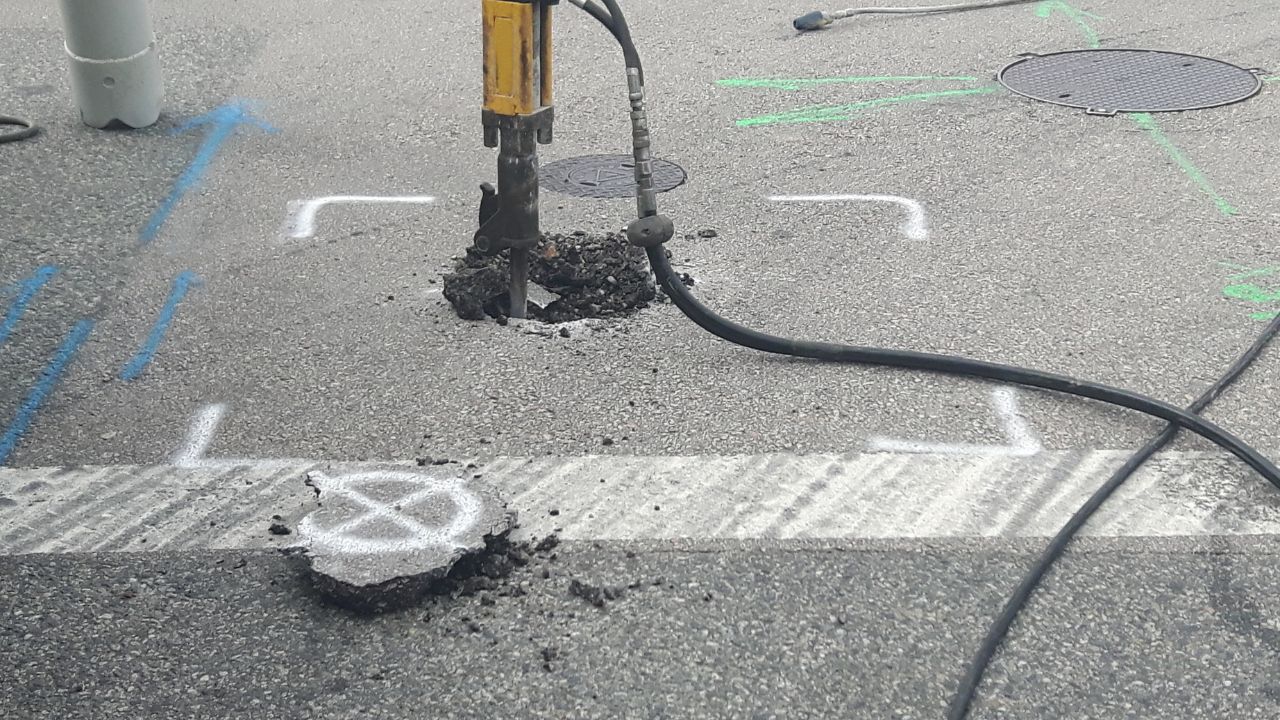
Phase 2: Potholing/Vacuum Excavation creates test holes extending at least 24 inches on either side of utilities and at least 24 inches below facilities. Vacuum excavation uses either hydro (water-based) or air (compressed air) methods with debris tanks holding 3 to 16 cubic yards. GPS/GIS integration with RTK GPS provides centimeter-level accuracy for precise mapping.
Phase 3: Monitored Excavation employs 811 ticket management platforms with real-time monitoring and automated alerts. Electronic tracking systems function up to 100 feet depth while proximity sensors detect utilities within 1 to 5 feet of excavation equipment.
| Tool/Technology | Function/Use | Advantages/Limitations |
| EM Transmitter & Receiver | Applies/detects electromagnetic signals; measures current (30-40 mA = good signal) | Advantages: Portable, accurate for conductive utilitiesLimitations: Requires current; non-metallic lines need tracer wires |
| GPR Systems | Radar pulses (10 MHz-2.6 GHz) image subsurface | Advantages: Detects metallic/non-metallic objects; 2-100 ft penetrationLimitations: High moisture reduces depth; needs smooth surfaces |
| Vacuum Excavators | High-pressure water/air loosens soil; vacuum removes debris | Advantages: Non-destructive; precise; 3-16 cu yd tanksLimitations: Equipment investment; wet spoils disposal |
| RTK GPS Systems | Centimeter-level positioning accuracy | Advantages: Precise mapping; instant GIS transmissionLimitations: Requires base station; equipment costs |
| LDR Excavate™ | GPR integrated into excavator bucket with real-time alerts | Advantages: Automatic strike prevention; detects multiple utility typesLimitations: Operator training required; initial investment |
Repeat scans update utility positions after marks expire or deteriorate due to environmental changes, moisture, temperature, ground movement, and utility shifts. They address detection limitations caused by electromagnetic distortion and interference from VFMs and VFDs. Most importantly, they catch errors from initial surveys, which contribute to 89% of locating failures.
Repeat scans confirm initial findings and reveal utilities missed due to field distortion or interference. Combining EM and GPR technologies enhances accuracy, with EM detecting conductive utilities and GPR identifying non-metallic infrastructure. Multiple depth readings improve reliability, maintaining ±10-15% accuracy.
Repeat scans should be conducted before state validity periods expire (10-45 days). Re-scan after environmental triggers like rain, temperature changes, frost heave, traffic damage, or vegetation growth. Project delays, scope changes, or construction phase transitions also require re-scanning. Best practice is to plan 4 weeks ahead of excavation to accommodate utility lead times.
Skipping repeat scans creates serious safety risks, including electrocution, explosions, and toxic leaks, leading to fatalities and injuries. Electromagnetic distortion can cause false positives, leading to wrong excavation sites. Financial impacts range from $4,000 to over $50,000 per strike, plus OSHA fines of $7,000 to $70,000. Legal consequences heavily affect contractors, who are responsible for most utility damages.
Conductive mode is preferred for relocation, direct connection to utilities produces strong signals up to 1 mile, with 30-40 mA indicating a quality connection. Inductive clamp mode works at access points like manholes and meters, reducing cross-coupling to adjacent utilities using medium frequencies (1-10 kHz). GPR verification detects non-metallic utilities with real-time feedback showing subsurface distortions. Vacuum excavation is the gold standard for critical utilities, achieving ASCE Quality Level A accuracy of 0.04 feet horizontal and 15 mm vertical.
Submit 811 notifications 2 to 3 business days minimum before excavation; complex projects require up to 4 weeks. Coordinate access to infrastructure, including vaults, manholes, and meters, for applying inductive clamps directly to utilities.
Contact private utility owners separately, as over 50% of utilities may be privately owned and not covered by 811 services. Proper utility relocation scheduling with comprehensive data collection reduces change orders by 60-75%. Establish emergency response planning with contact numbers, procedures, and assigned responsibilities before excavation begins.
OSHA 1926.651 mandates utility location before excavation begins. OSHA 1926.1408 establishes power line clearance requirements ranging from 10 to 45 feet based on voltage. State one-call laws require 811 notification with fines of $500 to $10,000 for violations. ASCE 38-02 provides industry-standard quality levels for subsurface utility data.
Contractors bear 75%+ responsibility for strike damages under legal liability frameworks. Documentation requirements include photographs, measurements, and dates for legal protection. Local codes often impose stricter requirements than state or federal standards. Nashville mandates 5 to 8 feet horizontal separation and 3+ feet vertical separation.
| Challenge | Specific Issues | Solutions/Mitigation |
| Soil Conditions | High moisture reduces GPR penetration (100 MHz: 40 ft wet clay vs 100 ft dry sand); Poor conductivity in dry/sandy/rocky soils | Use lower frequencies for depth; schedule during optimal moisture periods; combine EM + GPR |
| Weather | Rain scatters signals; temperature causes expansion/contraction; frost heave displaces utilities | Proactive re-notification; weather-resistant marking materials; document conditions |
| Traffic/Vegetation | Heavy traffic obliterates marks; vegetation obscures; roots move utilities | Physical barriers; multiple marking methods; increased re-locate frequency |
| EM Field Distortion | Nearby conductors, common bonding, VFMs/VFDs create interference; rebar causes false signals | Use lowest frequency; proper ground stake placement; Peak vs. Null verification; combine with GPR |
| Technology Limitations | Non-metallic lines need tracer wires; passive mode unreliable; induction mode 30 ft limitation | Mandate tracer wires; use conductive/clamp methods; combine technologies |
| Access Restrictions | Vaults, manholes, meters inaccessible | Coordinate with utilities/property owners; document limitations |
| Operator Experience | 89% errors from locator mistakes, incorrect markings, outdated data | Certification programs; adequate time; experienced operators for critical projects |
| Regulatory Body/Standard | Jurisdiction | Key Requirements |
| OSHA 29 CFR 1926.651 | Federal (USA) | Determine utility locations before excavation; contact utilities within response times; verify exact positions |
| OSHA 29 CFR 1926.1408 | Federal (USA) | Power line clearances: 10-45 ft based on voltage (up to 50 kV: 10 ft; 750-1000 kV: 45 ft) |
| ASCE 38-02 | National Standard | Quality Levels: QL-D (records), QL-C (visible features), QL-B (geophysics), QL-A (test-holing, 15mm vertical accuracy) |
| State One-Call Laws | State-specific | 811 notification 2-3 days before; validity periods 10-45 days; $500-$10,000 fines for violations |
| Pipeline Safety | Federal (USA) | Penalties up to $257,664/day for violations |
| APWA Uniform Color Code | National/ANSI | Standardized marking: Red (electric), Orange (telecom), Yellow (gas), Green (sewer), Blue (water) |
| Municipal Codes | Local | Often stricter requirements (e.g., Nashville: 5-8 ft horizontal, 3+ ft vertical separation; potholing mandates) |
| Advantages | Disadvantages |
| Safety: Prevents 400+ annual fatalities, 2,000+ injuries; eliminates electrocution/explosion risks | Private utility costs: $10-$100+ per locate, ~$250/hour |
| Financial: Prevents $30B annual costs; $4.62 saved per $1 spent; avoids $4,000-$50,000+ repair costs | Time requirements: Adds project time; validity constraints (10-45 days) require repeated efforts |
| Prevents penalties: OSHA ($7,000-$70,000), state ($500-$10,000), Pipeline ($257,664/day) fines | Equipment investment: RTK GPS, GPR, vacuum excavators require capital |
| Operational: Prevents delays; 60-75% fewer change orders with comprehensive data | Weather delays: Optimal conditions may not align with schedules |
| Accuracy: Catches 89% of initial errors; QL-A achieves 0.04 ft horizontal, 15 mm vertical accuracy | Inherent limitations: EM distortion, environmental interference persist |
| Legal compliance: Meets OSHA, state laws; reduces liability; demonstrates due diligence | Regulatory complexity: Varying state/local requirements create compliance challenges |
| Risk prevention: Prevents 76% of avoidable strikes; identifies conflicts early | Cannot eliminate all risk: Some utilities remain undetectable |
| Free 811 service: Public utility locating at no cost | Documentation burden: Photos, measurements, and records consume resources |
| Consequence Category | Specific Impacts | Associated Costs/Severity |
| Fatal Incidents | Electrocution, gas explosions, asphyxiation | CRITICAL: 400+ fatalities since 2000; criminal investigations possible |
| Serious Injuries | Burns, traumatic injuries, toxic exposure, crush injuries | SEVERE: 2,000+ injuries since 2000; permanent disabilities; workers' comp claims |
| Electrical Strikes | Power outages affecting hospitals/emergency services; arc flash incidents | HIGH: $10,000+/hour service interruption; $5,000-$50,000+ repairs; OSHA fines $7,000-$70,000 |
| Gas Line Strikes | Leaks, explosions, evacuations, environmental releases | CRITICAL: Pipeline penalties $257,664/day; property damage; environmental remediation |
| Water/Sewer Strikes | Flooding, contamination, service interruptions, soil erosion | HIGH: Cleanup costs; boil-water notices; foundation repairs; environmental violations |
| Telecom Strikes | 911 outages, business communication disruptions | MODERATE-HIGH: 92% caused by contractors (2023); service restoration; business interruption |
| Project Delays | Work stoppages, investigation periods, repair waiting times | HIGH: Idle crew/equipment; liquidated damages; contract penalties |
| Financial Penalties | OSHA, state, Pipeline Safety, municipal violations | HIGH: Combined fines $7,000-$70,000+ (OSHA); $500-$10,000 (state); $257,664/day (Pipeline) |
| Legal Liability | Utility lawsuits, property claims, personal injury suits | HIGH: 75%+ contractor responsibility; 83% gas, 92% telecom damages (2023); extended litigation |
| Reputation Damage | Loss of credibility, reduced bidding competitiveness | MODERATE-LONG TERM: Difficulty winning bids; industry blacklisting; revenue impacts |
Accuracy should be prioritized over speed, as utility strikes can cost $5,000 to $50,000, far exceeding time savings from rushed work. Achieve ASCE Quality Level A for critical utilities, using a combination of EM locators, frequency-specific approaches (under 1 kHz for distance, 1-10 kHz for general use, over 100 kHz for sweeping), GPR systems (10 MHz-2.6 GHz), and vacuum excavation. Plan 4+ weeks ahead for complex projects and proactively re-notify, accounting for state validity periods (10-45 days), environmental factors, and project changes. Document work thoroughly with photos, measurements, and 811 tickets.
Use a three-phase approach: Phase 1 (EM and GPR surveys with correct frequencies), Phase 2 (potholing for 0.04 ft horizontal and 15 mm vertical accuracy), and Phase 3 (real-time monitoring during excavation). Ensure operator competency through certification and training to reduce the 89% error rate from rushed work. Adapt techniques to environmental conditions and use multiple detection methods for verification.
Utility re-location before excavation is not optional; it's a life-saving, cost-preventing mandate that separates professional operations from catastrophic failures. The three-phase systematic approach combining electromagnetic locating, ground-penetrating radar, potholing verification, and real-time monitoring delivers accuracy that prevents the 400,000+ annual strikes plaguing the construction industry. State validity periods ranging from 10 to 45 days, environmental degradation from weather and traffic, project delays, and scope changes all trigger mandatory relocation requirements.
Regulatory frameworks from OSHA standards to state one-call laws and ASCE quality levels establish minimum thresholds, yet local codes often demand stricter compliance. The financial calculus is straightforward: every dollar invested in proper utility locating returns $4.62 in preventing damage and downtime, transforming minimal expenses into protection against $5,000 to $50,000+ strike costs, OSHA fines reaching $70,000, and Pipeline Safety penalties of $257,664 per day. Beyond finances, proper relocation prevents the electrocutions, explosions, and toxic exposures that have killed over 400 workers and injured 2,000+ more since 2000.
Prioritize accuracy over speed, maintain comprehensive documentation, coordinate with utility companies, and invest in certified operators using advanced technology. The 76% of strikes that remain preventable demand nothing less than systematic adherence to these proven protocols.
Protect your team and project with professional underground utility locating services, contact us today for expert re-location that prevents strikes before they happen.