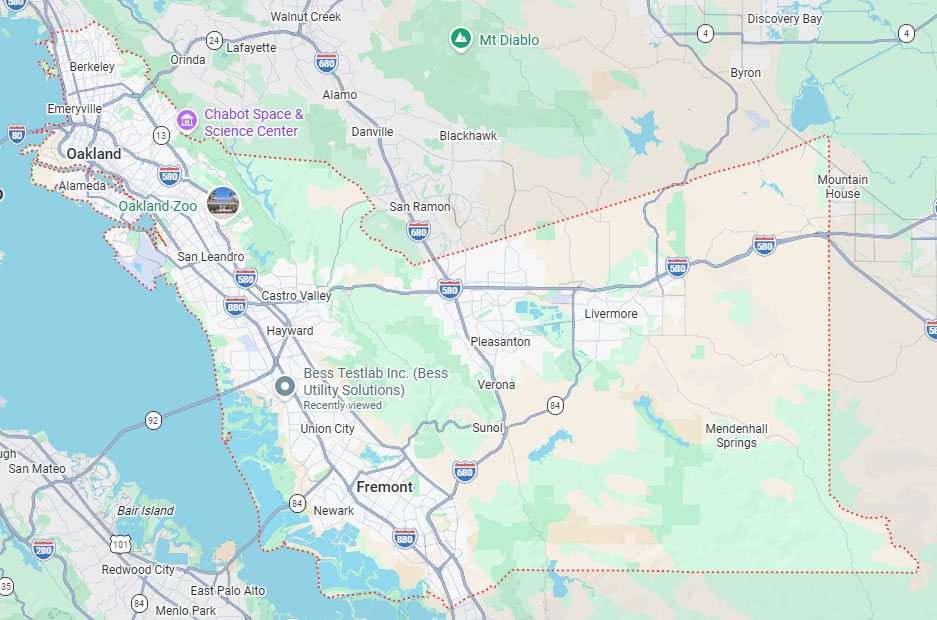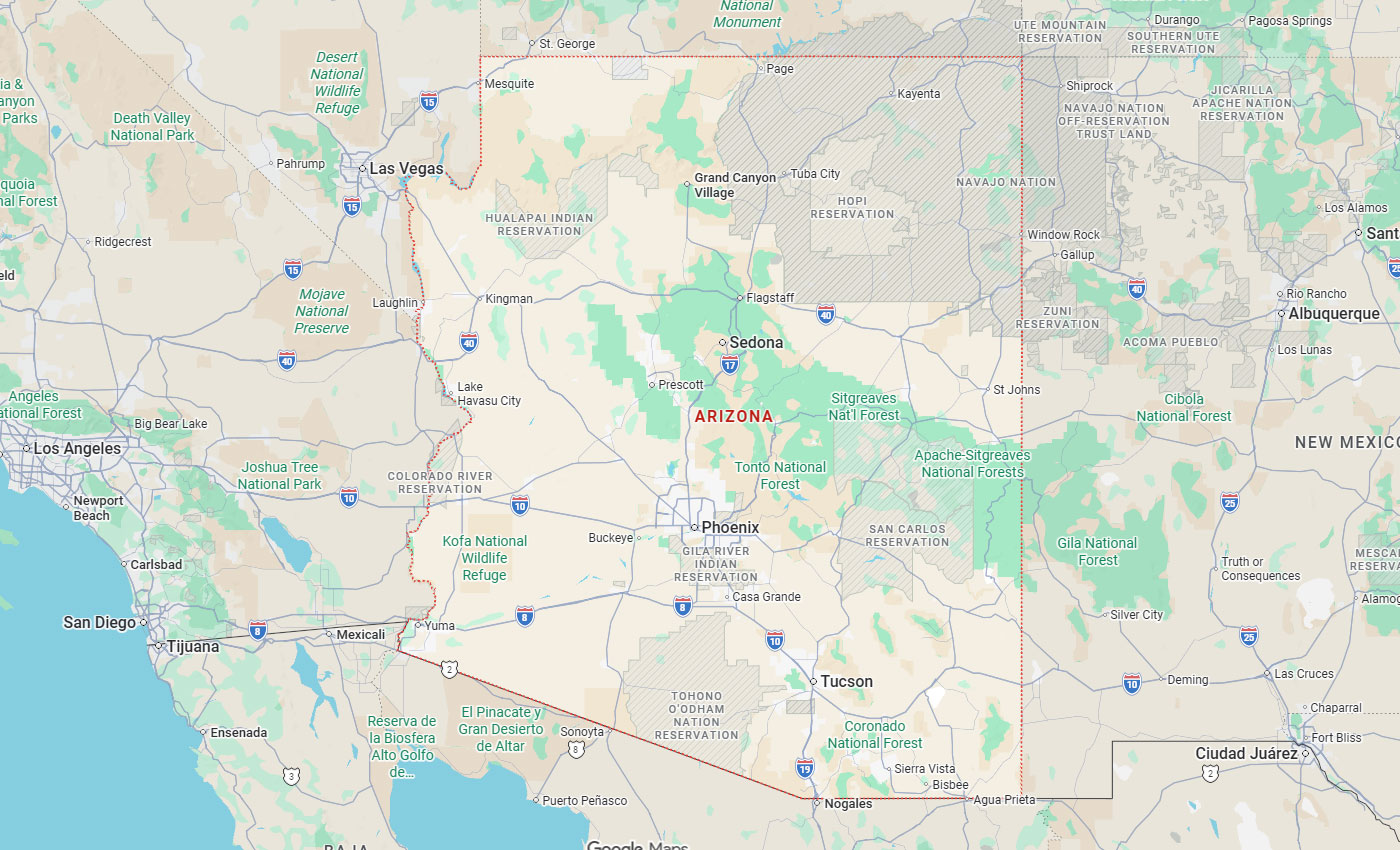
Hayward, CA
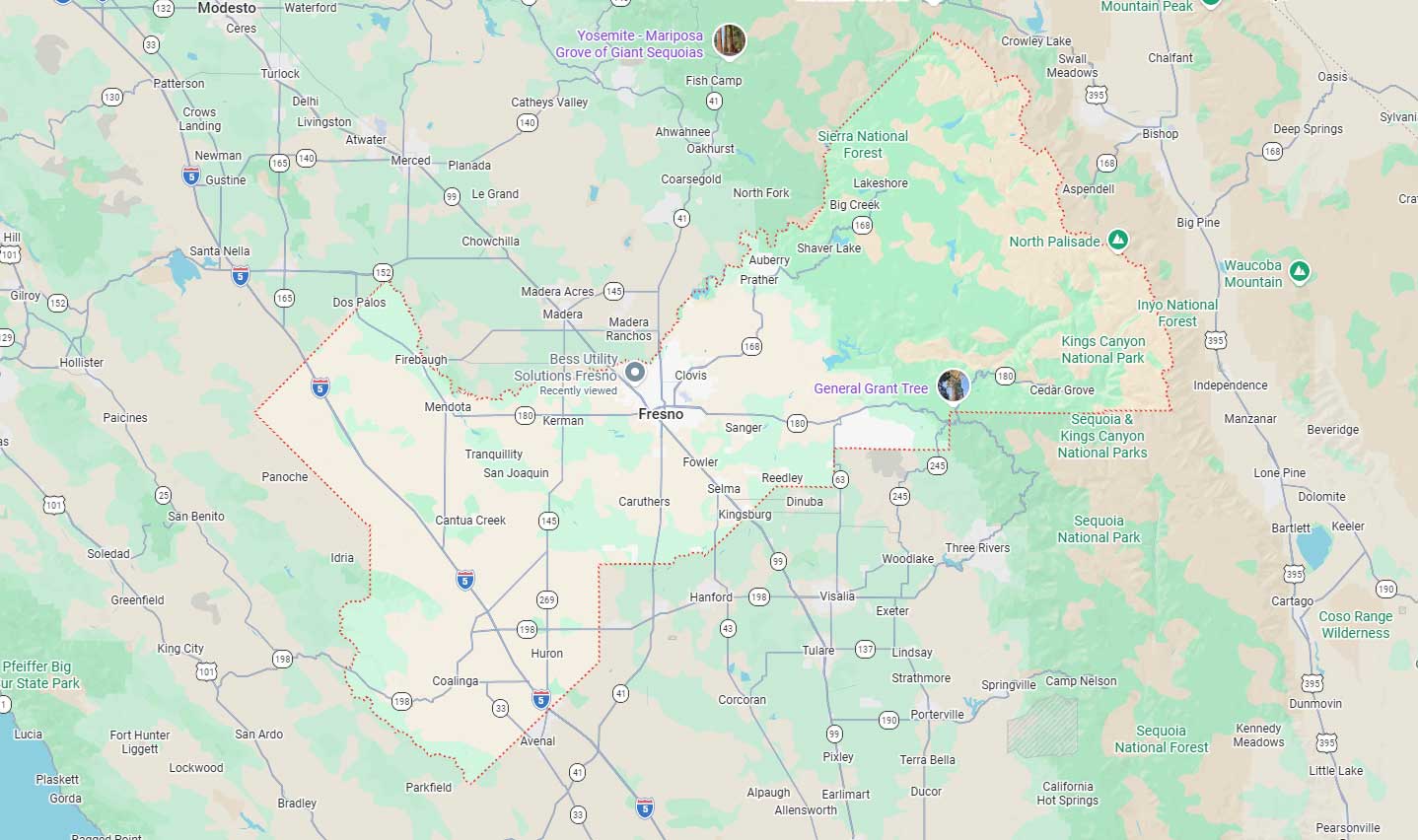
Fresno, CA
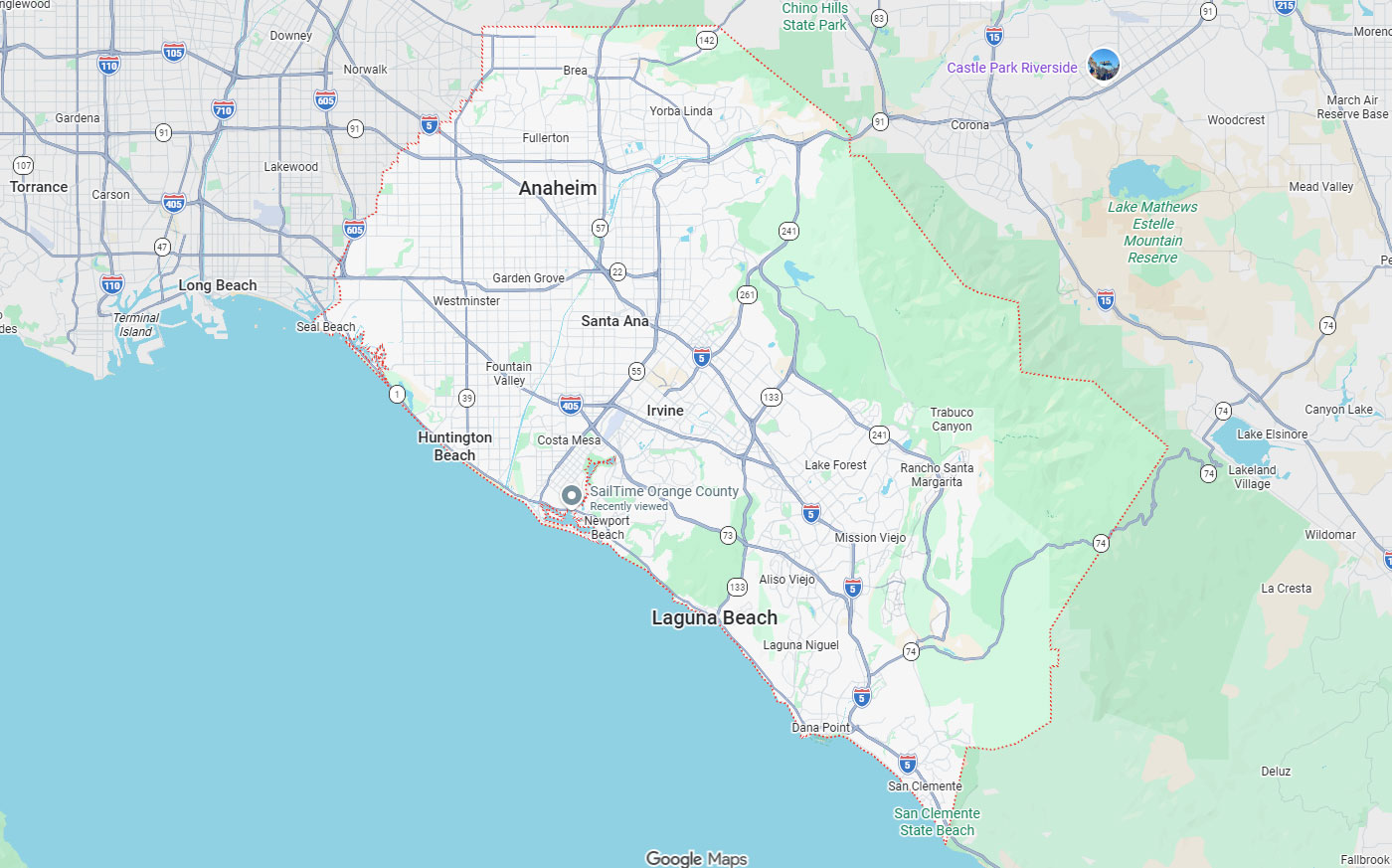
Orange, CA
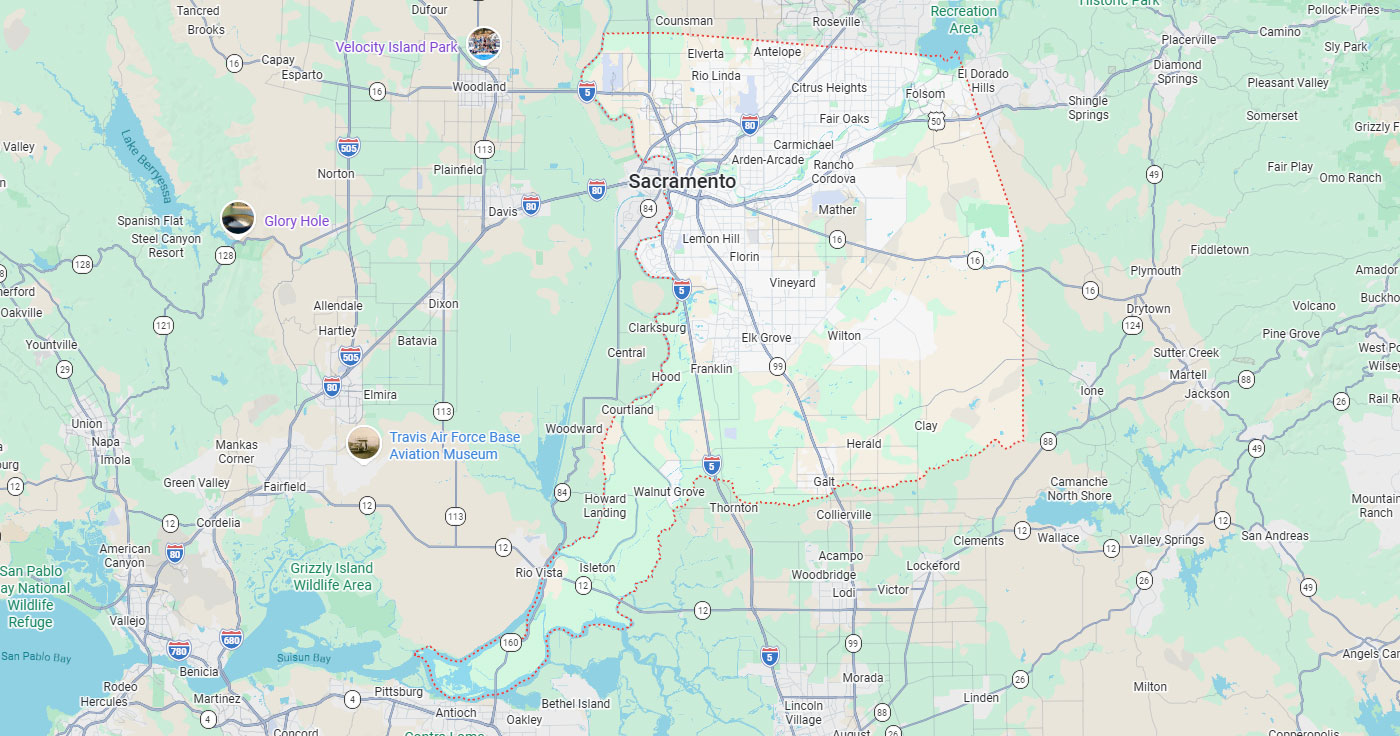
Sacramento, CA
Phoenix, AZ
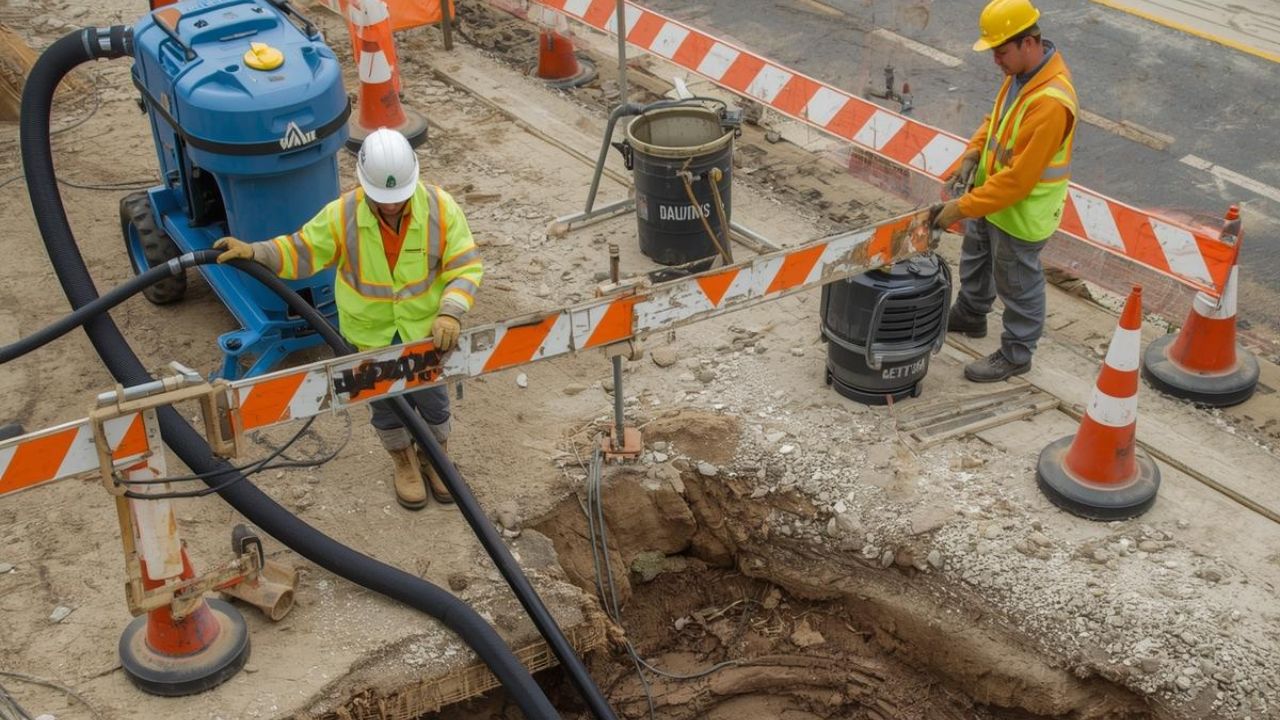
Urban construction faces an invisible threat: the increasingly congested subsurface infrastructure network buried beneath every project site. With 509,000 excavation-related damage events occurring annually in the U.S., the risks of inadequate utility verification extend beyond budget overruns to worker safety and public welfare. Potholing, also known as vacuum excavation or daylighting, has emerged as the definitive solution, providing the visual confirmation that geophysical methods cannot deliver.
This comprehensive guide explains why potholing is required for SUE Level A verification, the regulatory frameworks that mandate it, and the proven return on investment that makes it essential for project success.
Key Takeaways
Potholing is the only method that achieves Quality Level A, the highest standard for subsurface utility data. While records research and geophysical surveying provide approximations, potholing delivers visual confirmation of exact utility attributes. This direct observation eliminates the 18-24-inch tolerance zones inherent in electromagnetic and GPR methods, making it essential for high-risk excavation zones where sub-inch accuracy is required.
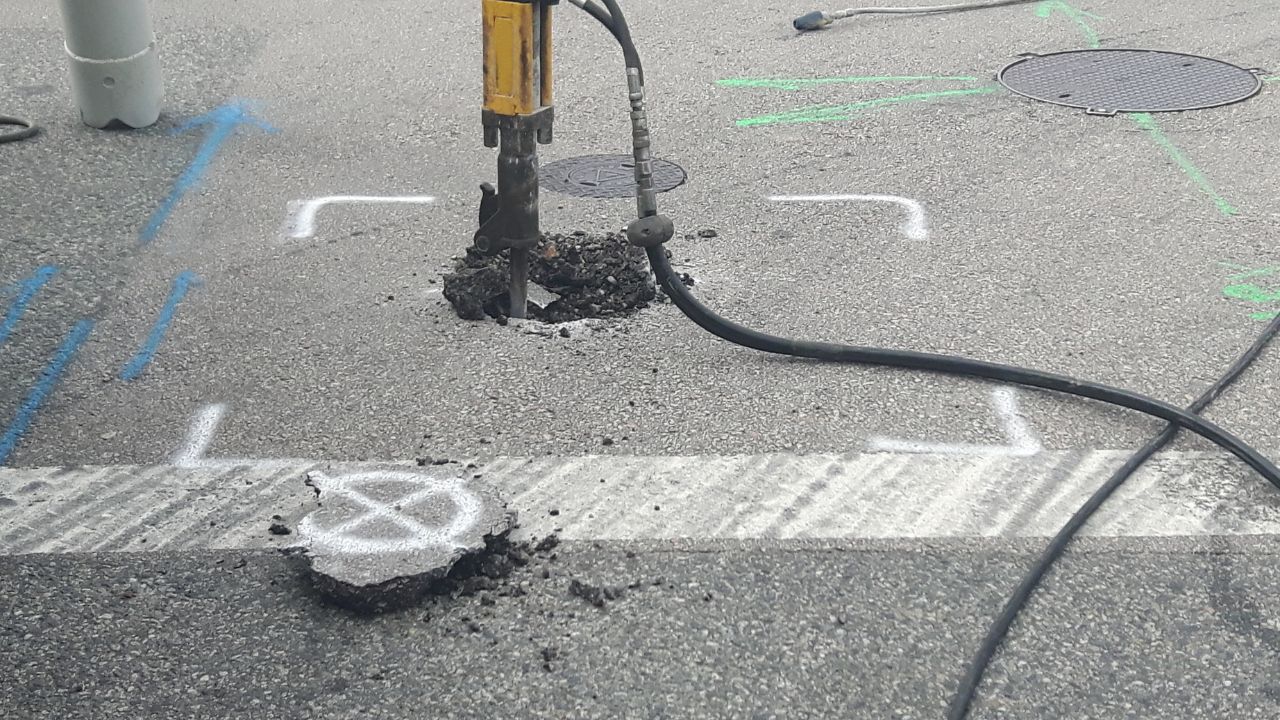
Potholing or vacuum excavation is a method to expose underground utilities without damage. Hydrovac trucks employ either high-pressure water or compressed air to disaggregate soil, which is then suctioned into a debris tank. This exposure method creates precise test holes that reveal utilities for direct inspection while leaving surrounding areas undisturbed.
SUE is an engineering discipline that manages risks associated with underground infrastructure. The ASCE 38-22 standard defines four quality levels of utility data, ranging from basic records research to physical exposure. SUE encompasses accurate mapping, coordination, relocation design, condition assessment, and data communication.
Quality Level A represents the highest accuracy tier in the ASCE 38-22 framework. It requires non-destructive excavation to physically expose utilities and document their precise horizontal and vertical position, material, size, and condition. QL-A achieves sub-inch accuracy compared to the 2-3 foot tolerance of geophysical methods (QL-B).
The four SUE quality levels progress from least to most accurate: QL-D uses existing records, QL-C surveys visible above-ground features, QL-B applies geophysical techniques for approximate horizontal position, and QL-A employs potholing for definitive three-dimensional data.
Geophysical methods alone create unacceptable risk. Electromagnetic and GPR locating have 18-24 inch tolerance margins, meaning a marked two-inch pipe could actually be anywhere within a 38-inch zone. These methods can't detect non-conductive materials without tracer wire and are compromised by soil conditions and operator skill.
Since 13.46% of annual U.S. utility damages result from insufficient clearance, visual confirmation through potholing is the only reliable way to verify exact utility location before excavation.
The potholing process follows a systematic workflow from preliminary research through documentation. Each step builds upon the previous one to ensure safe exposure and accurate data collection.
Potholing begins with site assessment, reviewing utility records, and initiating 811 protocols. Geophysical surveying with GPR and EM locators approximates horizontal positions, which are marked on the ground. Vacuum excavation then exposes underground utilities using either hydro excavation (for dense or frozen soil) or air vacuum excavation (for delicate utilities or sandy conditions). Following visual inspection, survey-grade GPS equipment documents exact coordinates, dimensions, material, and condition.
Vacuum truck systems form the core equipment, featuring debris tanks, vacuum pumps, and suction/discharge hoses with primary and secondary shutoffs. High-pressure water systems enable hydro excavation, while compressed air systems support air excavation. Survey-grade GPS equipment ensures accurate spatial documentation of exposed utilities.
Visual verification removes all uncertainty. Direct observation allows engineers to confirm exact position, measure precise depth, identify material composition, assess diameter, and evaluate structural condition, data that no surface method can provide.
Potholing reveals four critical attributes: exact three-dimensional coordinates, material composition (PVC, steel, copper), pipe diameter or conduit dimensions, and physical condition, including corrosion or damage. This detailed data integrates directly into CAD drawings, 3D models, and GIS systems, enabling conflict-free design.
Potholing's accuracy advantage stems from direct measurement rather than interpretation. While other SUE levels rely on inference, QL-A provides verifiable facts.
The accuracy gap between quality levels is significant. QL-D records are often wrong, QL-C only confirms above-ground features, and QL-B geophysical methods have 2-3 foot tolerances with no depth data. QL-A potholing achieves sub-inch accuracy and provides complete three-dimensional characterization, including material and condition, information unavailable at any lower quality level.
Rigorous documentation standards ensure data reliability. Each pothole generates photographs, precise GPS measurements, and detailed material descriptions. This enables engineers to design around existing infrastructure rather than relocating utilities, eliminating unforeseen conflicts during construction.
Geophysical methods cannot match potholing's precision. Electromagnetic locating stops at 10-15 feet depth, misses non-conductive materials without tracer wire, and provides no depth information. GPR performance degrades in clay or saline soils. Both methods create 18-24 inch tolerance zones, acceptable for preliminary planning but insufficient for final design.
Utility maps compound these limitations with outdated records and human error, making visual confirmation through potholing the only dependable verification method.
Below are several reasons why potholing is essential for maintaining safety and effective risk management:
Potholing eliminates the catastrophic risks inherent in blind excavation. The 509,000 annual excavation-related damage events in the U.S. demonstrate the scale of the problem. Visual confirmation prevents utility strikes that cause explosions, electrocutions, and floods while avoiding service disruptions to water, gas, electricity, and telecommunications.
Beyond immediate safety hazards, potholing mitigates project delays from redesign and rework, financial penalties from repairs and fines, legal liability, and environmental disruption, all while using a method that disturbs less landscape than traditional excavation.
Visual confirmation removes guesswork. By identifying and mapping all subsurface utilities during design, potholing allows engineers to address conflicts before construction begins. This proactive approach explains why projects using SUE and potholing experience 60-80% fewer utility-related change orders; the uncertainty that causes strikes simply doesn't exist.
Accurate utility verification protects lives and enhances construction safety. Potholing prevents worker injuries from catastrophic utility strikes, avoids public safety risks from service outages, and eliminates explosion, electrocution, and flood hazards. It also demonstrates due diligence in managing utility risks, providing legal protection alongside the physical safety benefits.
Multiple regulatory frameworks govern utility excavation. Understanding these requirements ensures both compliance and liability protection.
OSHA 29 CFR 1926, Subpart P mandates determining exact utility locations by safe means before and during excavation. ASCE 38-22 provides the industry framework for classifying subsurface utility data quality, while ASCE 75-22 standardizes data recording and exchange. SAE J3107 establishes safety requirements specifically for vacuum excavation equipment operation.
Federal, state, and local laws create a multi-layered regulatory environment. Most jurisdictions require 811 notification for utility marking and define tolerance zones of 18-24 inches around marked utilities. Within these zones, regulations typically mandate hand digging, soft digging, or vacuum excavation, effectively requiring potholing for safe compliance.
SUE Level A becomes mandatory in high-risk scenarios. Design-build projects require accurate data from the outset since design and construction overlap. Conflict matrices showing numerous potential clashes trigger QL-A requirements, as do high-risk zones with concentrated critical utilities and congested urban corridors where subsurface crowding makes conflicts likely.
Reliable data prevents costly mistakes. Potholing transforms utility information from approximation to fact, enabling confident decision-making throughout project lifecycles.
Proactive verification eliminates expensive surprises. By addressing utility conflicts during design rather than construction, potholing prevents redesigns, relocations, and emergency repairs that stop work and drain budgets. Projects stay on schedule, contractor claims for unforeseen conditions disappear, and the 10-30% budget overruns typical of utility conflicts are avoided.
Potholing provides the ground truth that corrects unreliable records. It reconciles discrepancies between mapped and actual locations caused by outdated information, data entry errors, and missing updates. This verified data integrates into CAD drawings, 3D models, and GIS systems, creating comprehensive subsurface representations that future projects can trust.
Precise three-dimensional data enables conflict-free design. Engineers can route new infrastructure around existing utilities rather than relocating them, optimize project layouts for efficiency, and finalize designs with confidence. This certainty in subsurface conditions eliminates the contingency planning and budget padding required when working with unreliable data.
Potholing delivers unmatched accuracy and financial returns. Sub-inch precision eliminates the 2-3 foot tolerance of geophysical methods, reducing utility-related change orders by 60-80% and preventing budget overruns of 10-30%. The financial case is compelling: studies show a $4.62 return for every dollar spent on SUE, with some projects achieving $206 per dollar invested. Beyond economics, potholing provides complete utility characterization, depth, position, material, size, and condition, while creating minimal environmental disruption through small, precise test holes.
It ensures utility safety by preventing explosions, electrocutions, and floods, and demonstrates compliance with OSHA and ASCE regulatory standards.
Cost and logistics present the primary challenges. Test holes run $500 to $2,000 each, and the systematic process requires specialized equipment and trained operators that not all contractors possess. Weather and soil conditions may dictate specific excavation methods, while site access limitations can restrict equipment placement.
The process creates a temporary disruption requiring backfilling, and unforeseen subsurface conditions occasionally complicate excavation. However, these challenges pale against the $5,000 to $50,000 cost of a single utility strike.
Project-specific factors drive potholing scope. Location and depth of utilities, site accessibility, available resources, regulatory requirements, and risk assessment all influence decisions. The key consideration is cost-benefit: while SUE Level A typically consumes 2-5% of the project budget, it prevents catastrophic strikes that can exceed project contingencies.
Strategic targeting of high-risk areas, congested zones, deep utilities, boring paths, and areas with unreliable maps maximizes value.
Timing determines potholing effectiveness. Early integration into the project workflow prevents costly redesigns and construction delays.
Potholing belongs in the design phase, after geophysical surveying but before construction begins. This sequence allows engineers to incorporate verified utility data into final designs, eliminating conflicts before ground breaks. Conducting potholing after SUE Quality Level B locating maximizes efficiency by targeting areas where geophysical methods identified potential utilities.
The locate-then-pothole workflow optimizes resources. Phase 1 uses geophysical methods to designate approximate utility locations across the entire project area. Phase 2 applies targeted potholing at critical conflict points identified by Phase 1 findings and proposed design. Strategic site selection focuses on congested areas, utilities deeper than four feet (where trench collapse risk increases), directional drilling paths, and zones with unreliable existing records.
Potholing integrates into a progressive data refinement sequence. Preliminary planning uses QL-D records research, preliminary design incorporates QL-B geophysical surveying, final design depends on QL-A potholing verification, and construction proceeds with complete confidence in subsurface conditions. Each phase builds accuracy, with potholing providing the definitive data that enables conflict-free construction.
Understanding cost structures enables informed investment decisions. Potholing expenses must be weighed against avoided losses.
Individual test holes cost $500 to $2,000, while complete SUE Level A services typically represent 2-5% of the total project budget. This investment prevents utility conflicts costing $5,000 to $50,000 or more per incident. The return is proven: average ROI reaches $4.62 per dollar spent, with exceptional projects achieving $206 per dollar, while preventing the 10-30% budget overruns typical of projects lacking adequate utility verification.
Eight primary factors drive potholing costs: utility depth and size (deeper requires more time), location (urban areas cost more), site accessibility (equipment access constraints increase expense), equipment type (hydro versus air excavation), labor rates and complexity, soil and weather conditions, number of required test holes, and documentation detail requirements. Each factor compounds or mitigates the others.
Cost variation follows predictable patterns. Rural areas with shallow utilities in sandy soil cost less than urban projects with deep utilities in frozen clay. Flat, accessible terrain with sparse utility networks requires minimal investment, while mountainous areas with congested subsurface infrastructure and numerous utilities demand comprehensive potholing programs.
Large infrastructure projects covering extensive areas naturally cost more than small residential developments, but the cost per conflict prevented remains favorable across all scales.
Potholing proves essential across diverse construction sectors. Its application spans road construction, foundation work, directional drilling, oil and gas operations, telecommunications infrastructure, municipal public works, design-build projects, and congested urban corridor developments, any project where subsurface conflicts threaten success.
Industry-wide adoption demonstrates potholing's value. Road construction projects use it to route new pavement and drainage around existing utilities. Foundation work depends on it to verify subsurface conditions before excavation. Directional drilling operations require potholing along boring paths to prevent catastrophic strikes. Design-build projects particularly benefit since overlapping design and construction phases demand accurate data from project inception.
Documented outcomes validate the investment. Projects implementing comprehensive SUE programs achieve 60-80% reductions in utility-related change orders and prevent budget overruns of 10-30%. The industry-wide potential is staggering: with 509,000 excavation-related damage events occurring annually in the U.S., widespread potholing adoption could prevent hundreds of thousands of utility strikes.
Individual project ROI ranges from $4.62 to $206 per dollar invested, with the most significant benefit being elimination of schedule-disrupting conflicts that keep projects on track and within budget.
Potholing represents the non-negotiable standard for utility verification. As the only method achieving SUE Quality Level A, it delivers sub-inch accuracy that eliminates the 18-24 inch tolerance zones of geophysical techniques. OSHA mandates it, ASCE 38-22 requires it for high-risk projects, and the data proves its value: 60-80% fewer utility-related change orders, prevention of 10-30% budget overruns, and ROI exceeding $4.62 per dollar invested. Beyond economics, potholing prevents the catastrophic utility strikes that endanger workers and the public.
While individual test holes cost $500 to $2,000, they prevent incidents costing $5,000 to $50,000 or more, making potholing not an expense but an investment in project success.
Subsurface utility management is no longer optional; it's fundamental to project success. The two-phase locate-then-pothole workflow provides cost-effective risk management by using geophysical methods for broad coverage and potholing for critical verification. Strategic targeting maximizes efficiency: prioritize congested areas, utilities deeper than four feet, directional drilling paths, and zones with unreliable records. Adherence to ASCE 38-22 standards demonstrates due diligence, mitigating liability while ensuring accurate data.
Most critically, visual confirmation through potholing eliminates the 13.46% of utility damages caused by insufficient clearance, protecting workers, preventing service disruptions, and enabling the confident decision-making that keeps projects on schedule and within budget.
Ready to protect your project with SUE Level A potholing services? Contact Bess Utility Solutions today to ensure accurate utility location, verification, regulatory compliance, and confident construction planning.