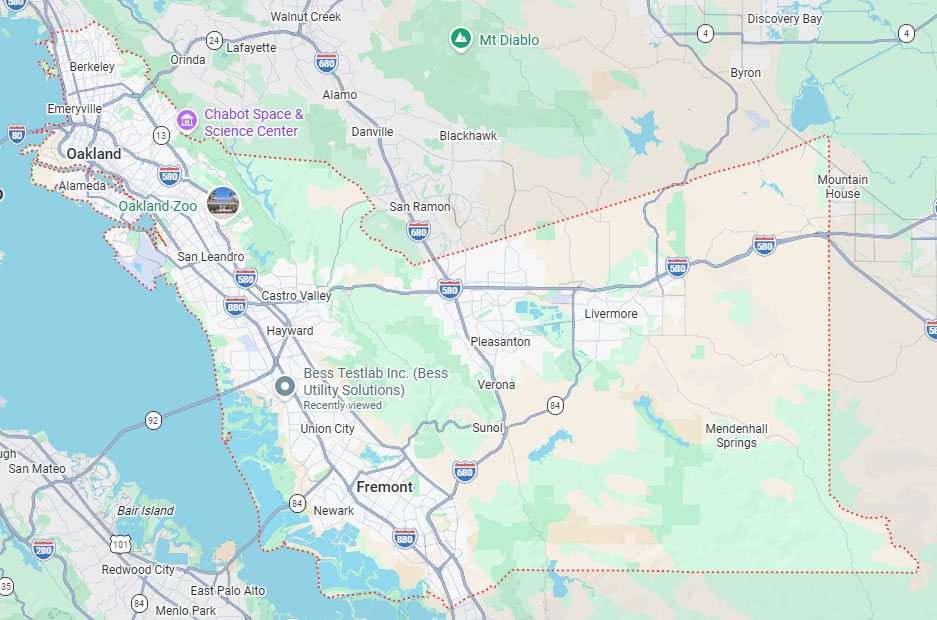
Hayward, CA
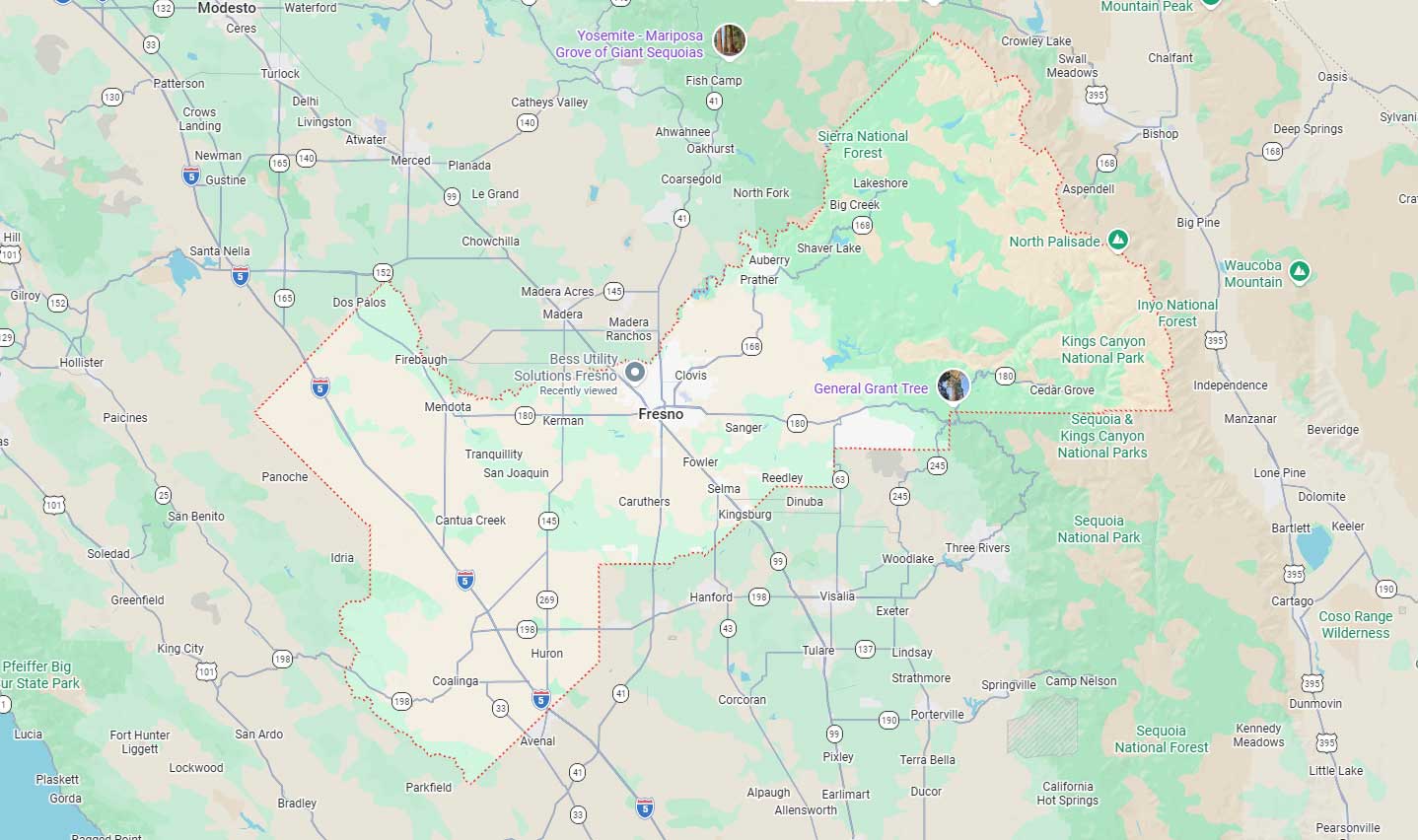
Fresno, CA
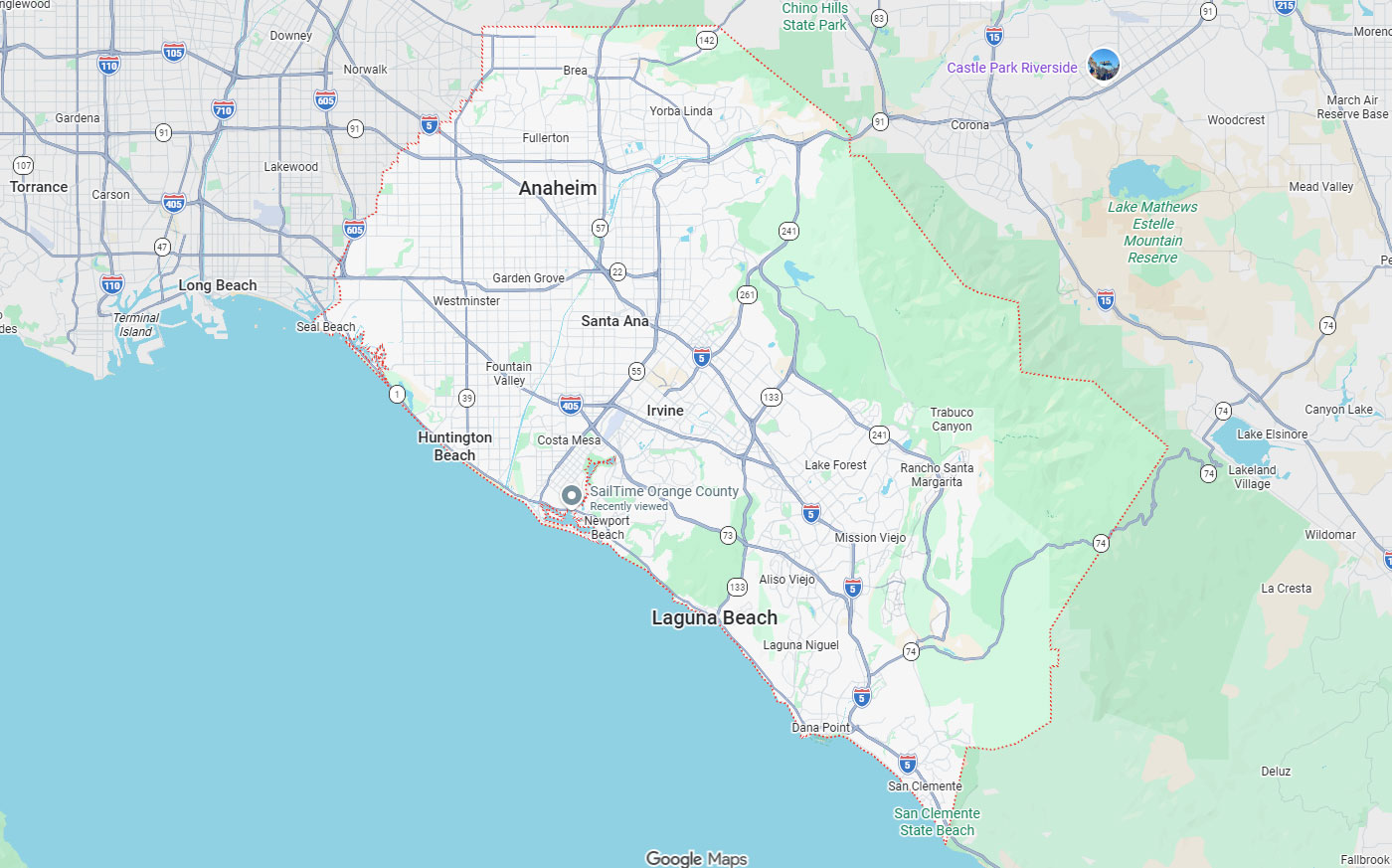
Orange, CA
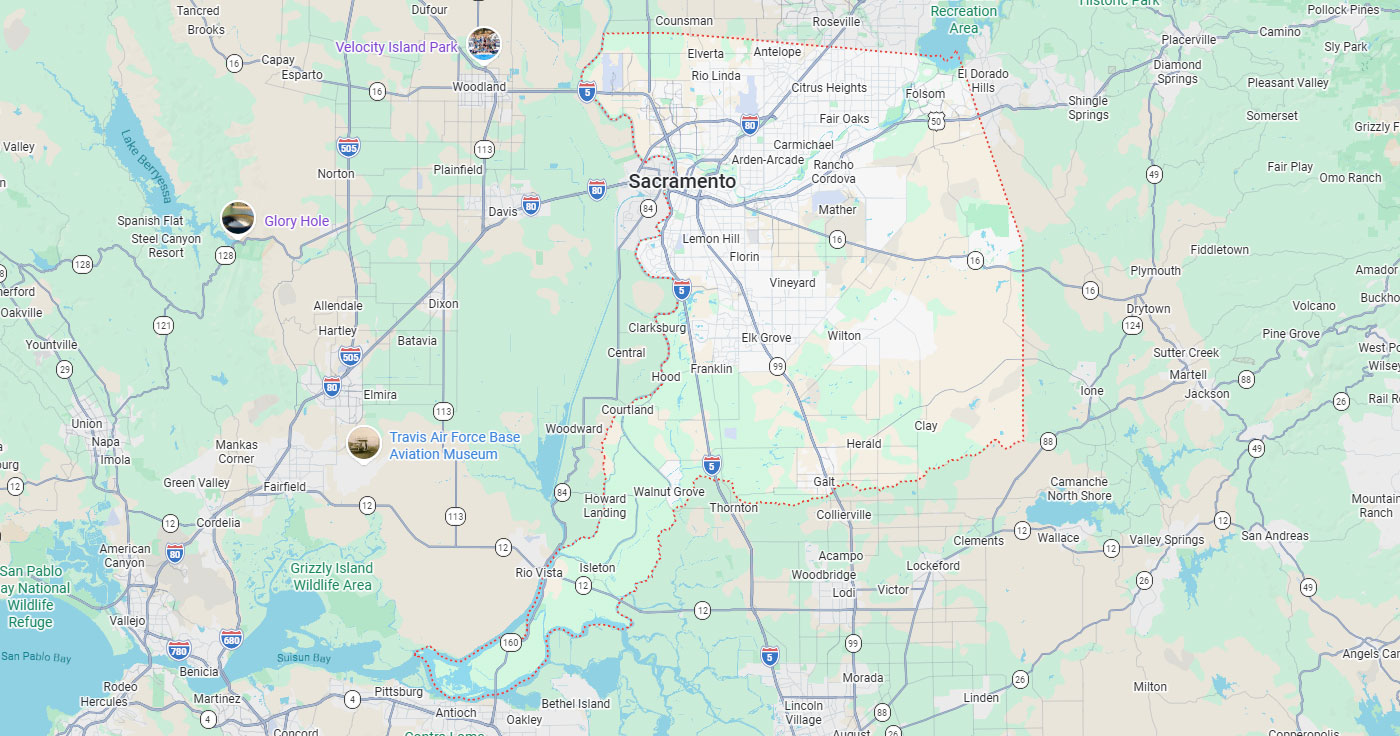
Sacramento, CA
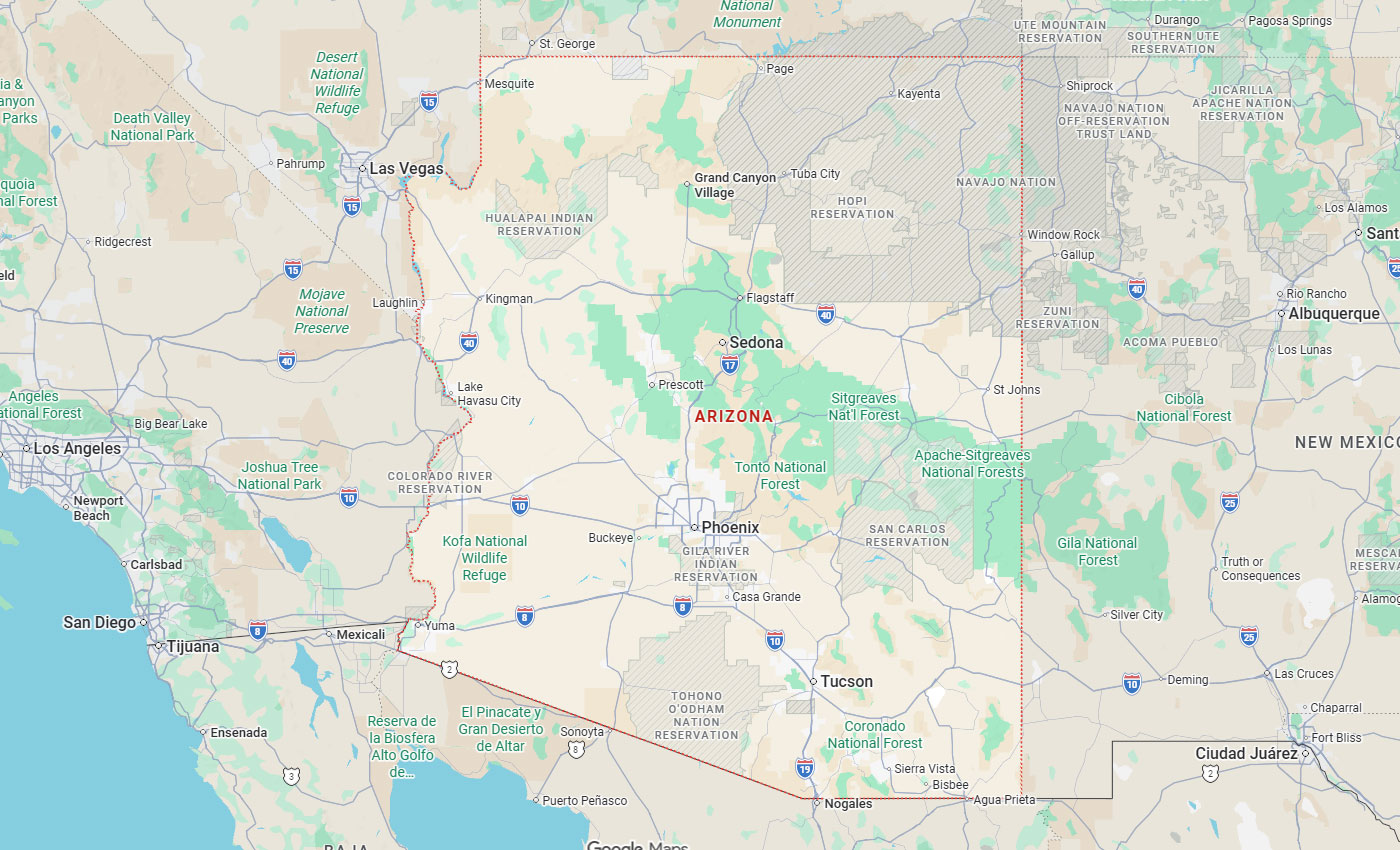
Phoenix, AZ
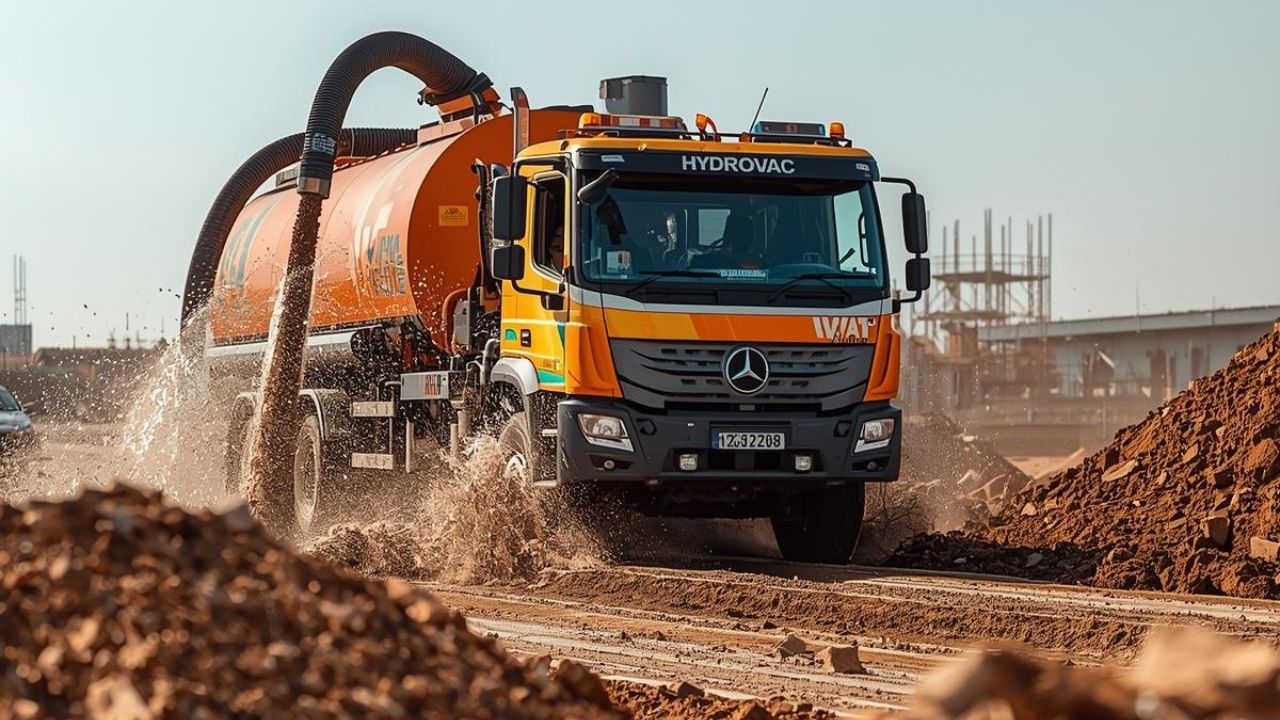
Choosing between hydrovac and air vacuum excavation can significantly impact your project's safety, timeline, and budget. Both non-destructive digging methods dramatically reduce utility strike risk compared to traditional mechanical excavation, but they serve different project needs.
Hydrovac uses high-pressure water to liquefy soil at speeds up to 300 cubic feet per hour, excelling in frozen ground and dense clay. Air vacuum uses compressed air to fracture soil without water, ideal for sensitive utilities and water-restricted sites. Understanding the technical differences, cost implications, and optimal applications of each exposure method ensures you select the safest and most efficient excavation technology for your specific utility exposure needs.
This comprehensive comparison examines performance data, equipment specifications, and real-world applications to guide your excavation method selection.
Key Takeaways
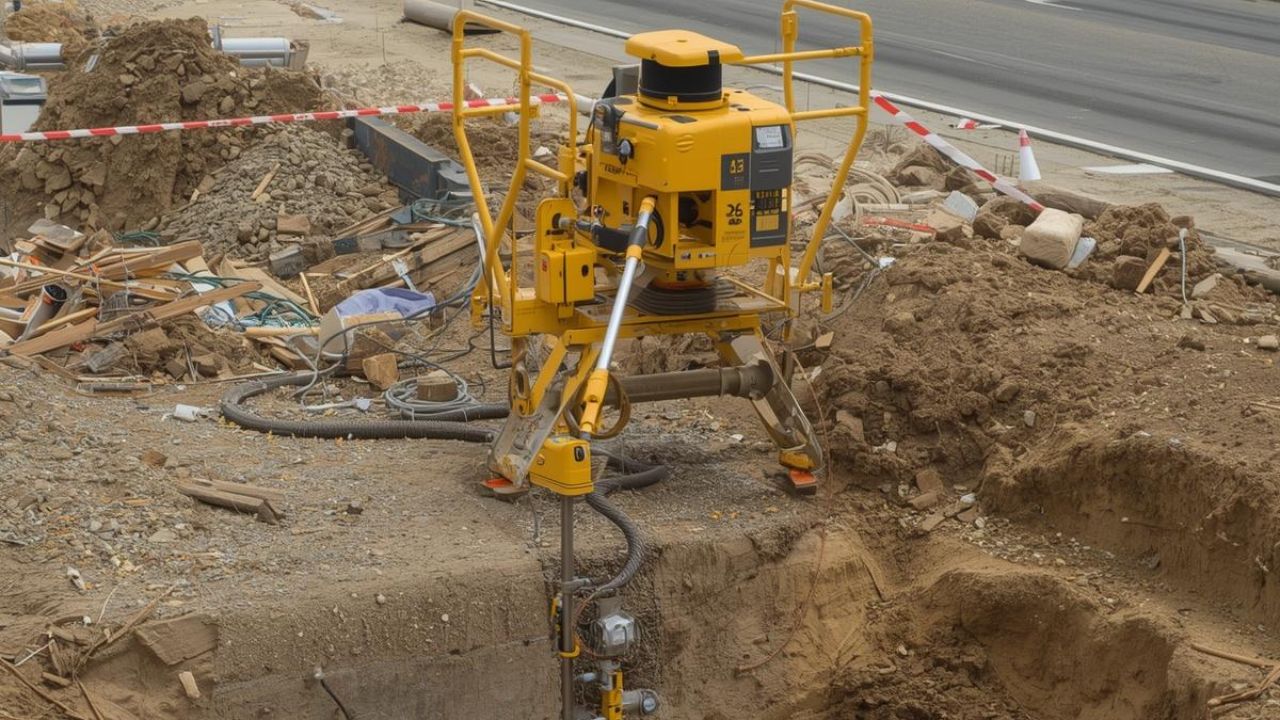
Hydrovac excavation is a non-destructive digging method that uses high-pressure water to break up soil and a powerful vacuum to remove the resulting slurry. This vacuum truck system combines water tanks, debris tanks, and vacuum equipment to safely expose underground utilities without mechanical damage risk.
The hydrovac process delivers pressurized water at 1,000-3,000 PSI through a handheld wand to liquefy soil. The water pressure adjusts based on ground conditions, handling everything from loose sand to frozen earth. A vacuum system with up to 6,000 CFM suction power removes the liquefied soil into a debris tank holding 800-1,200 gallons.
Equipment includes water tanks ranging from 300-800 gallons, with larger units holding up to 1,300 gallons. Operators typically dig for 3-5 hours before requiring water refills. The GTI standard sets maximum water pressure at 3,000 PSI with spinning nozzles to prevent utility damage while maintaining excavation effectiveness.
Hydrovac delivers superior speed at up to 300 cubic feet per hour, nearly double air excavation rates. The high-pressure water cuts through frozen ground (when heated), dense clay, and compacted soils that challenge other methods. This versatility makes hydrovac the fastest vacuum excavation option available.
The method requires only one truck versus multiple machines for traditional excavation, reducing equipment costs and site congestion. Water pressure breaks soil effectively while remaining safe for underground utilities. Precision targeting minimizes splashback and surrounding ground disturbance, enabling faster job completion with less cleanup.
Water dependency creates logistical challenges. Each job requires 300-800 gallons, with refill trips consuming productive time when sources aren't nearby. Remote locations face particular difficulties accessing adequate water supplies.
Cold weather introduces freezing risks for water systems, equipment, and hoses, requiring winterization procedures and heated water for frozen ground. The wet slurry cannot be reused for backfill, necessitating new material purchases and disposal site trips. Contaminated slurry increases disposal costs significantly. Equipment investment runs $300,000-$500,000 for new units. Muddy conditions limit suitability for interior or clean-environment projects.
Air vacuum excavation uses compressed air instead of water to break up soil, producing dry spoil that a vacuum system removes. This pneumatic method eliminates water requirements while maintaining non-destructive excavation capabilities, making it ideal for water-restricted sites and sensitive utility work.
Compressed air at 150-300 PSI flows through a specialized nozzle to fracture soil particles without water. The pressure breaks up most soil types safely without damaging underground infrastructure. A vacuum system with up to 8,000 CFM removes the dry spoil into a debris tank.
The water-free process allows continuous operation for entire days or weeks without refilling. Dry excavated material can be immediately dumped back into the same hole for backfill, eliminating separate material sourcing and reducing waste disposal needs.
Air excavation eliminates all water-related costs, acquisition, transport, and wastewater disposal. Extended operation without refilling maximizes productive time on site. Dry spoil serves as immediate backfill, cutting material costs and disposal trips while reducing the project's waste stream.
The method excels in loose, sandy, and softer soils, including loamy sand, topsoil, and certain clay formations. It's the preferred choice for sensitive fiber optic cables and delicate utilities where water introduction poses a damage risk. Clean, dry worksites suit interior projects and environmentally sensitive areas. Lower equipment costs ($250,000-$400,000) and reduced waste generation provide additional advantages. Archaeological applications benefit from the gentle, preservative approach to artifact exposure.
Air excavation operates at 150-200 cubic feet per hour, roughly half the hydrovac speed. Dense clay, compacted soils, and frozen ground significantly reduce effectiveness since compressed air struggles to fracture cohesive or frozen material. Wet, saturated conditions further diminish performance.
Slower excavation extends project timelines, particularly on large-scale jobs. Compressors require regular maintenance for optimal performance. Noise generation can be problematic in residential or noise-sensitive areas. Moderate dust production may require mitigation in certain environments.
Hydrovac and air vacuum excavation serve different project needs based on soil conditions, water availability, timeline requirements, and site constraints. Understanding their comparative performance guides proper method selection for specific applications.
| Soil Type | Hydrovac Performance | Air Vacuum Performance | Notes |
| Frozen Ground | Highly Effective (with heated water) | Poor/Less Effective | Hydrovac excels with heated water systems |
| Dense/Clay Soils | Highly Effective | Less Effective/Fair | High-pressure water liquefies clay effectively |
| Compacted Soils | Highly Effective | Less Effective | Water pressure breaks through compaction |
| Loose/Sandy Soils | Effective/Good | Highly Effective/Excellent | Air vacuum optimal for granular materials |
| Loamy Sand | Good | Excellent | Air excavation preferred |
| Topsoil | Good | Excellent | Air excavation preferred |
| Various Clay Formations | Excellent | Good | Both effective, hydrovac faster |
| Safety Factor | Hydrovac | Air Vacuum | Details |
| Utility Strike Risk | Very Low | Very Low | Both non-destructive methods |
| Worker Safety | High | High | Remote operation reduces manual digging injuries |
| Operating Pressure | 1,000-3,000 PSI | 150-300 PSI | Both designed not to damage utilities |
| Ground Disturbance | Minimal | Minimal | Both precision methods |
| Sensitive Utilities | Good | Excellent | Air ideal for fiber optics |
| Compliance | OSHA compliant | OSHA compliant | Both support safety regulations |
| Equipment Certification | Required | Required | Operator certification needed |
Both methods prioritize utility safety through non-destructive techniques. Hydrovac prevents damage to gas, water, and power lines through controlled water pressure, while air vacuum's lower PSI offers additional protection for sensitive infrastructure.
| Cost Factor | Hydrovac | Air Vacuum | Impact |
| Equipment Cost (New) | $300,000-$500,000 | $250,000-$400,000 | Initial investment difference |
| Water Acquisition | High | Low to None | Ongoing operational cost |
| Water Transport | High | None | Logistical expense |
| Wastewater Disposal | High (transport & fees) | Low to None | Regulatory compliance costs |
| Backfill Material | High (requires new) | Low (reuses spoil) | Material procurement |
| Labor Costs | Lower (faster excavation) | Higher (slower excavation) | Time-based expense |
| Refill Downtime | 3-5 hours operation | All-day/week operation | Productivity impact |
Hydrovac Environmental Factors: Water consumption runs high at 300-800 gallons per job, generating significant wastewater requiring regulated disposal. Ground disturbance remains minimal due to precision targeting. Dust generation stays low. Emissions and energy consumption decrease compared to traditional mechanical excavation.
Air Vacuum Environmental Factors: Water consumption and wastewater generation approach zero. Ground disturbance stays minimal through precision excavation. Moderate dust generation may require management in some settings. Immediate on-site backfill reuse eliminates waste and reduces transportation impacts from water delivery and disposal trips, creating a lower overall environmental footprint than hydrovac.
Hydrovac excavation is the optimal choice when speed, soil versatility, and deep digging capabilities drive project success. Its high-pressure water system handles challenging conditions that slow or stop air excavation methods.
Utility potholing represents Hydrovac's primary strength, verifying exact pipe and cable locations before mechanical digging begins. Vacuum excavation potholing provides the precision needed for safe underground infrastructure exposure. The method excels at slot trenching for new utility installation, creating narrow, precise pathways through varied ground conditions. Deep excavations leverage Hydrovac's superior digging power and speed advantage.
Frozen ground projects become manageable with heated water systems, maintaining productivity during cold weather when air excavation fails. Gas and electric utility exposure relies heavily on hydrovac for safe line verification in dense utility corridors. Speed-critical projects benefit from excavation rates reaching 300 cubic feet per hour.
Large area excavation favors hydrovac when on-site dumping is available and water sources are accessible. Municipal infrastructure projects, water/sewer maintenance, storm drain cleaning, street light installation, utilize hydrovac's efficiency in urban settings. Environmental remediation leverages the contained system to prevent contaminated soil spread during removal. Excavations larger than 4' x 4' demonstrate hydrovac's performance advantage over air methods.
Urban environments demand minimal disruption and maximum precision, both hydrovac strengths. Single-truck operation reduces traffic congestion versus traditional multi-machine excavation. Precision targeting protects underground utilities in dense corridor areas where multiple services run in close proximity.
Non-destructive excavation protects critical infrastructure in populated areas. Noise levels run lower than mechanical excavation, reducing disruption to residents and businesses. Quick setup and operation minimize project footprint duration. High water table conditions don't impede hydrovac performance. Difficult site access locations benefit from versatile equipment positioning. The contained system prevents contaminated soil spread in sensitive urban areas, maintaining environmental compliance during remediation projects.
Air vacuum excavation is the superior choice when water restrictions, sensitive utilities, or immediate backfill requirements define project parameters. The dry, clean process eliminates water-related complications while reducing environmental impact.
Telecommunications and fiber optic work demands air excavation's gentle, water-free approach to prevent cable damage. Water-restricted areas, whether due to regulations, availability, or site conditions, make air excavation the only viable vacuum option. Environmentally sensitive sites benefit from minimal disturbance and immediate backfill reuse.
Interior or clean-environment projects require dry conditions that only air excavation provides. Archaeological excavation preserves delicate artifacts through gentle pneumatic excavation. Work near sensitive electrical components eliminates water damage risk entirely.
Small test holes requiring backfill prove more efficient with air excavation when no local dump or water source exists. Dry spoil dumps directly back into holes, eliminating material sourcing and transport. Delicate utilities exposure uses air excavation's lower pressure (150-300 PSI) for fragile infrastructure. Projects without local debris disposal sites avoid transport costs through on-site backfill reuse.
Softer soil conditions, loamy sand, topsoil, certain clay formations, represent air excavation's performance sweet spot. High water table areas avoid adding more moisture to already saturated ground. Compact units access difficult or restricted spaces. Excavations in pavement and drilling mud collection show excellent air excavation suitability.
| Efficiency Factor | Hydrovac | Air Vacuum | Advantage |
| Excavation Rate | Up to 300 cu ft/hr | 150-200 cu ft/hr | Hydrovac 1.5-2x faster |
| Operational Time | 3-5 hours before refill | All-day/week operation | Air vacuum less downtime |
| Backfill Process | Requires new material delivery | Immediate reuse on-site | Air vacuum saves time |
| Travel Requirements | Water source & disposal trips | Minimal travel | Air vacuum more efficient |
| Setup Time | Moderate | Quick | Air vacuum faster deployment |
| Single-Hole Speed | Faster excavation | Slower excavation | Hydrovac wins individual holes |
| Overall Project Efficiency | Best for large areas | Best for small test holes | Context-dependent |
| Labor Productivity | Higher (speed advantage) | Lower (slower digging) | Hydrovac reduces labor costs |
Yes, hydrovac excavation excels at both trenching and utility installation. It's specifically ideal for slot trenching, creating narrow trenches for new utility installation. Hydrovac performs well for trenches less than 20 feet and shows superior performance for excavations larger than 4' x 4'.
The precision of hydrovac makes it particularly valuable for utility potholing, verifying exact pipe and cable locations before installation work begins. Its effectiveness across varied soil types and ability to work around existing utilities makes it a preferred choice for gas and electric utility installation projects.
| Cost Factor | Hydrovac | Air Vacuum | Cost-Effectiveness Winner |
| Initial Equipment Investment | $300,000-$500,000 | $250,000-$400,000 | Air Vacuum (lower upfront) |
| Per-Project Labor Costs | Lower (faster work) | Higher (slower work) | Hydrovac (less time on site) |
| Water/Disposal Costs | High | Minimal to None | Air Vacuum (eliminates water expenses) |
| Backfill Material Costs | High (new material required) | Low (reuses spoil) | Air Vacuum (on-site reuse) |
| Operational Downtime | 3-5 hr cycles (refills) | All-day operation | Air Vacuum (continuous work) |
| Transportation Costs | High (water & disposal trips) | Low (minimal trips) | Air Vacuum (reduced travel) |
| Best Cost Profile For: | Large areas, fast timelines | Small holes, backfill needs | Context-dependent |
Air vacuum has lower equipment and operational costs, making it more cost-effective for small test holes requiring backfill when no local water or disposal is available. Hydrovac is more cost-effective for large-area excavation when water/disposal are nearby, as its speed advantage (1.5-2x faster) reduces labor costs significantly.
| Equipment Component | Hydrovac System | Air Vacuum System |
| Primary Excavation Medium | High-pressure water pump (1,000-3,000 PSI) | Air compressor (150-300 PSI) |
| Vacuum System | Up to 6,000 CFM | Up to 8,000 CFM |
| Water Tank | 300-800 gallons (up to 1,300 on larger units) | Not required |
| Debris Tank | 800-1,200 gallons | Varies by unit |
| Boom Assembly | 22-25 foot tube-in-tube boom | Similar boom configuration |
| Specialized Features | Cyclone separators, full-tilting debris body, poly water tanks, optional 200-CFM air compressor | Compressor maintenance systems, dust control |
| Heating System | Optional water heater for frozen ground | Not applicable |
| Nozzle Type | Spinning water nozzle (max 3,000 PSI per GTI) | Specialized air nozzle |
| Truck Platform | Truck-mounted unit | Truck-mounted or portable units available |
| Additional Systems | Self-cleaning dump chutes, top-loading debris tank | Portable configurations for restricted access |
| Operator Requirements | Certification required | Certification required |
Hydrovac requires complete water management infrastructure (tanks, pumps, heating), while air vacuum systems focus on compressors and dust control technology, making air units potentially more mechanically complex but eliminating water logistics.
Both hydrovac and air vacuum excavation deliver very low utility strike risk, a dramatic safety improvement over traditional mechanical excavation. However, "most efficient" depends entirely on project-specific conditions rather than universal superiority.
Choose Hydrovac When:
Choose Air Vacuum When:
The choice isn't about universal superiority, it's about matching technology to specific requirements. Soil conditions, water availability, utility sensitivity, environmental constraints, and budget all factor into the optimal selection. By carefully evaluating these project parameters, you ensure safe, efficient, and cost-effective utility locating for your particular application.
Need expert guidance on which excavation method is right for your project? Contact Bess Utility Solutions today for a consultation tailored to your specific utility exposure requirements.