Hayward, CA
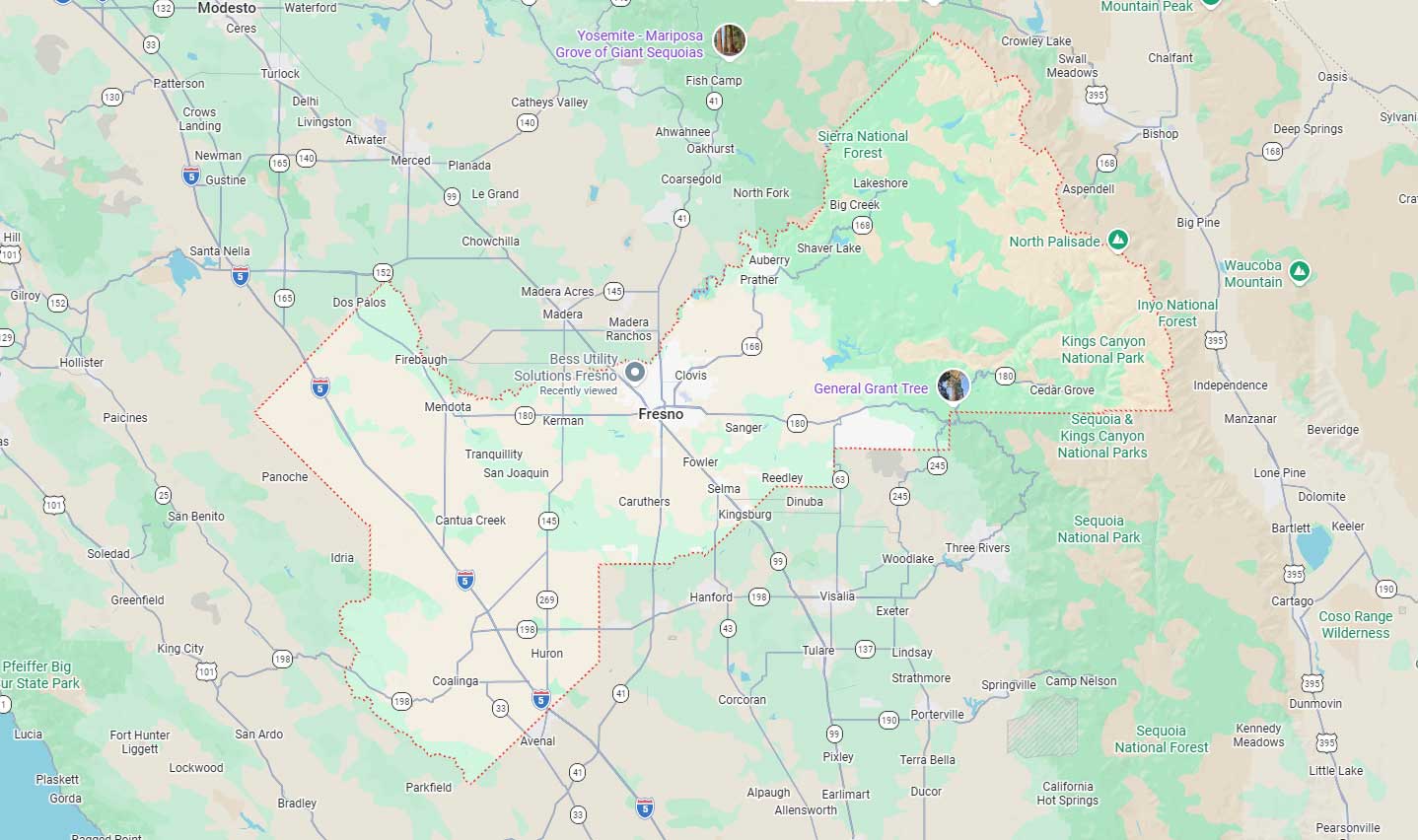
Fresno, CA
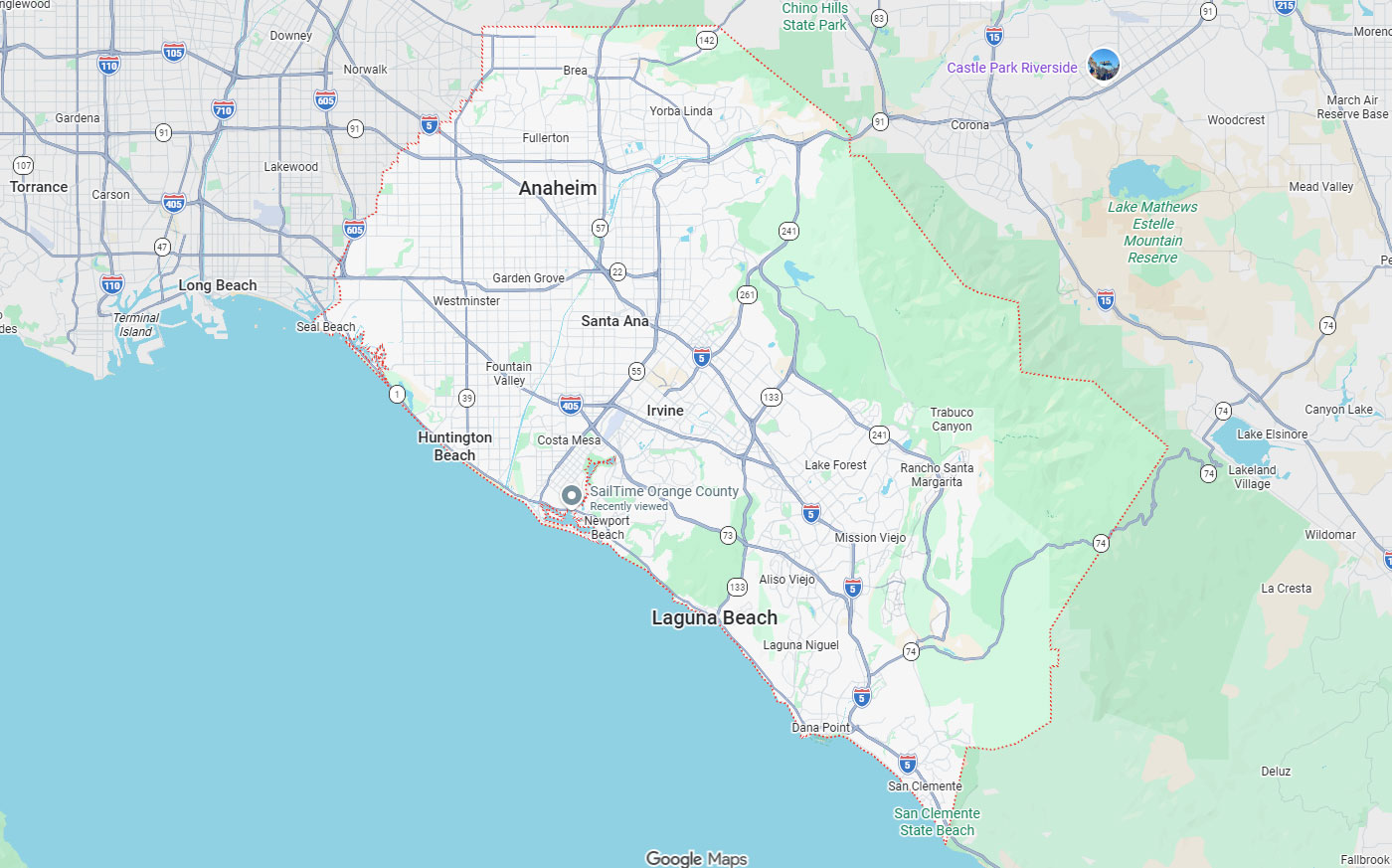
Orange, CA
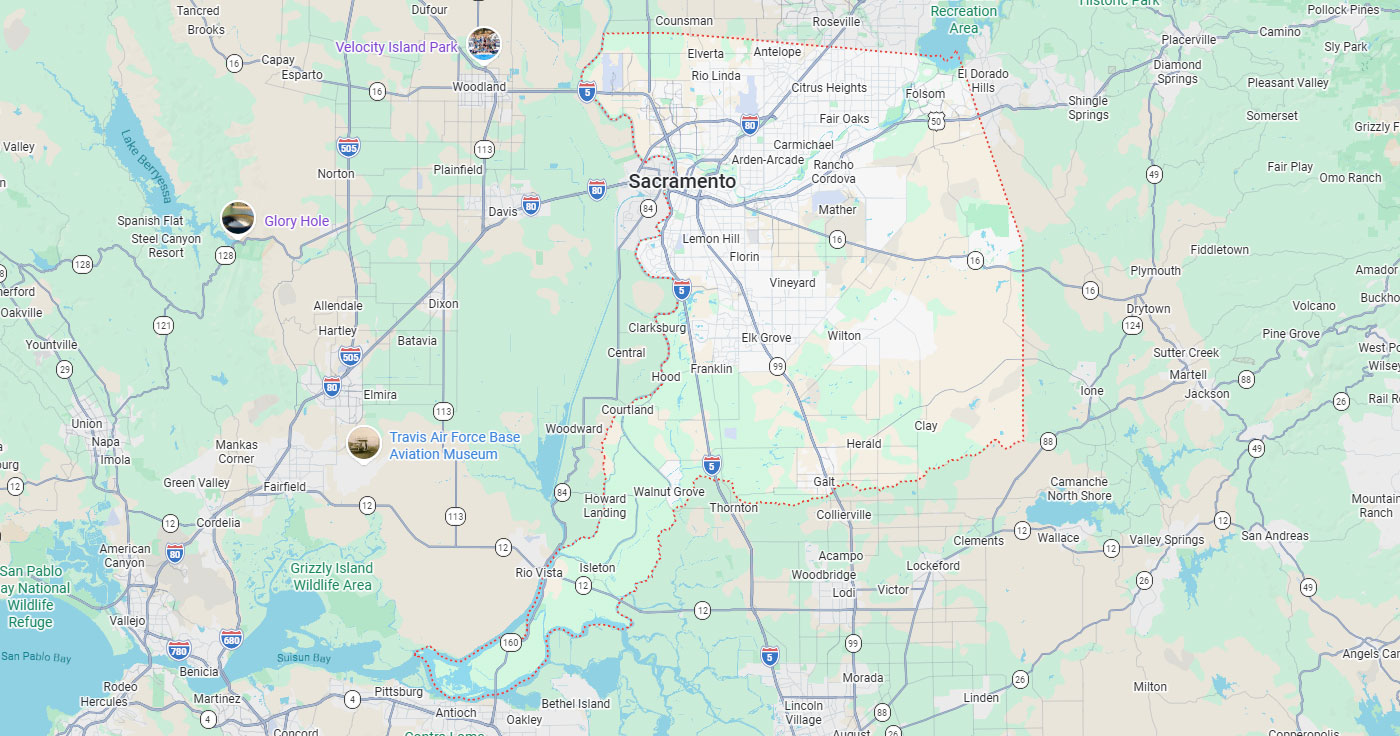
Sacramento, CA
Phoenix, AZ
Key Takeaways
Every 62 seconds, an excavator strikes an underground utility line somewhere in the United States. These incidents cost $30 billion annually in repairs, delays, and damages, not counting the 400 deaths and 2,000 injuries they've caused since 2000. Most are preventable.
Vacuum trucks have emerged as the industry's answer to this problem. By replacing mechanical force with pressurized water and vacuum suction, they expose buried utilities without the risk of striking them. This guide covers how the technology works, why regulators endorse it, and how it compares to traditional excavation in terms of safety, cost, and environmental impact.
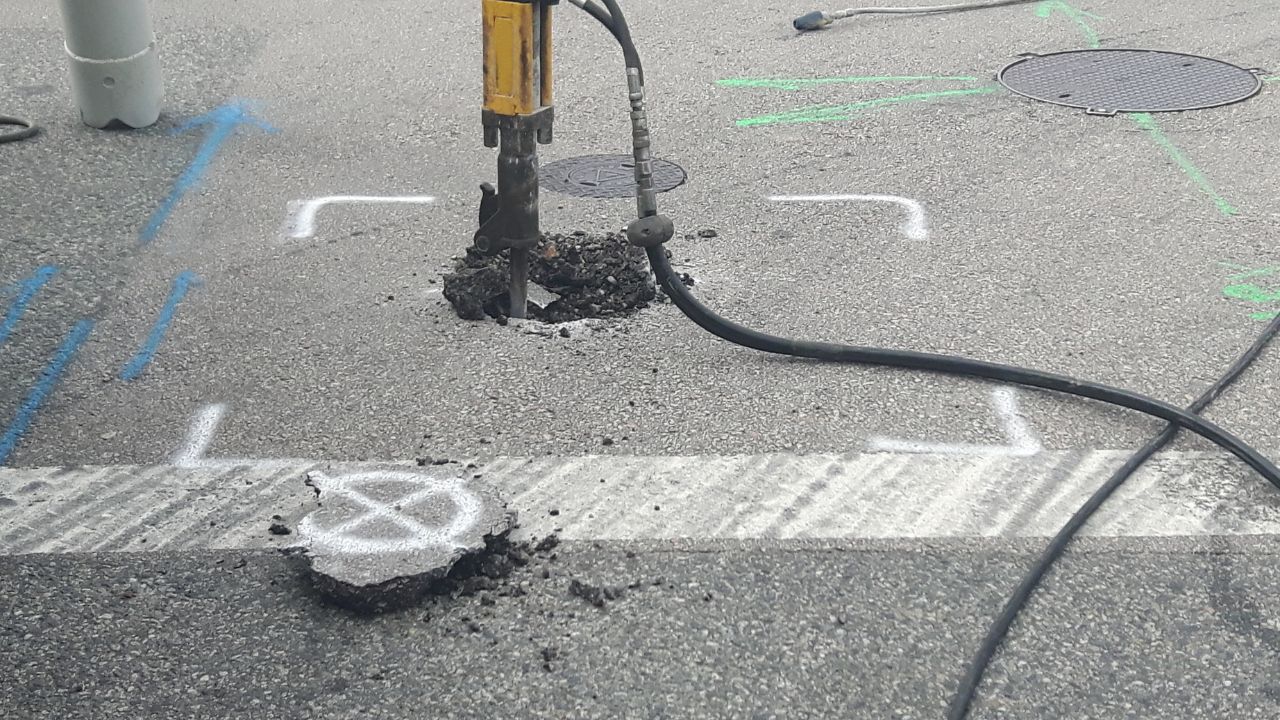
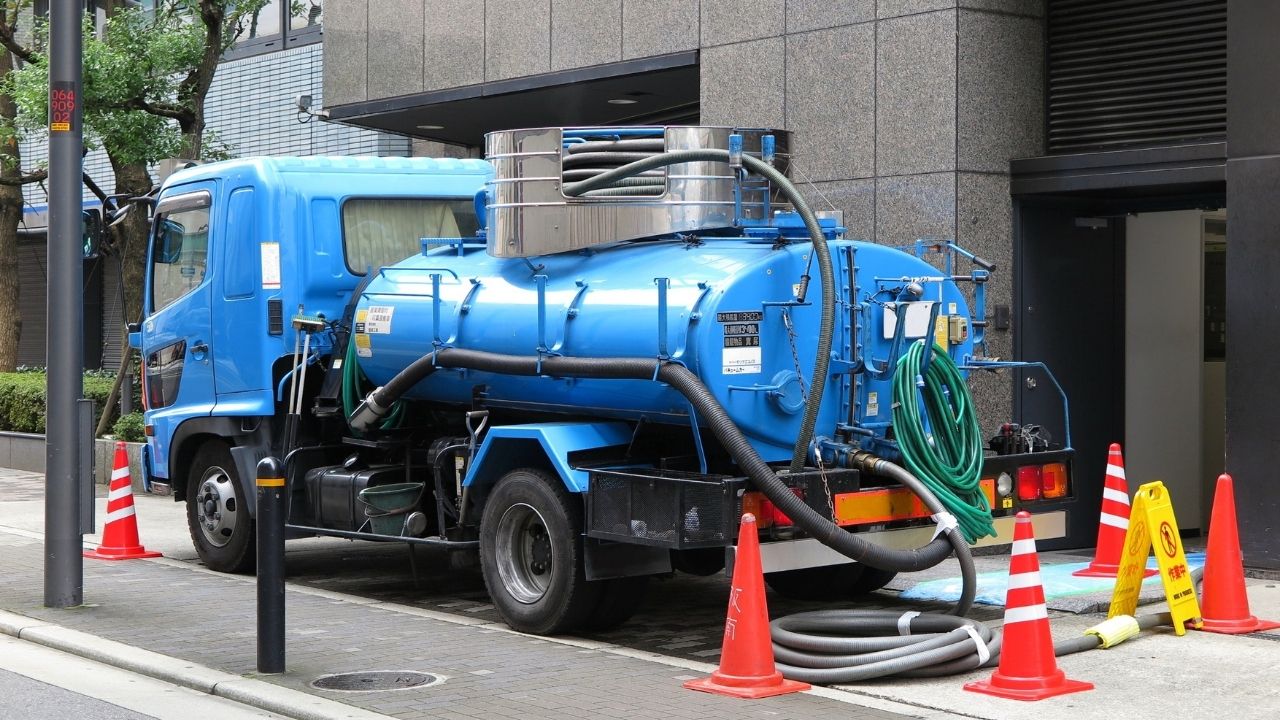
Vacuum trucks use pressurized water to break up soil while a powerful vacuum removes it. This combination, called hydrovac excavation, exposes buried utilities without mechanical contact. The excavated slurry gets stored in an onboard tank, leaving a clean work site.
| Component | Function |
| High-Pressure Water System | Water tank, pump, hose, and nozzle with heaters for cold-weather operation |
| Vacuum System | PD blowers for wet/heavy material over long distances, or fan systems for varied soil types |
| Debris Tank | Stores excavated slurry on-site, eliminating soil piles |
| Hydraulic Boom | Positions the vacuum hose precisely in hard-to-reach areas |
| Suction Hose | Large-diameter hose that channels vacuum suction to remove slurry |
Traditional excavation puts workers and infrastructure at serious risk. Vacuum trucks for utility locating solve the core problem: they remove soil without striking what's buried beneath it.
A utility line gets hit every 62 seconds in the U.S. That's 400,000 to 800,000 strikes per year.
The toll is severe. Since 2000, these incidents have killed over 400 people and injured more than 2,000. Each strike costs an average of $56,000 in direct expenses alone. Backhoes cause nearly 50% of equipment-related damages. Mechanical excavation accounts for over 53% of all utility damage incidents.
Vacuum excavation safety records are unmatched; the method causes only 0.2% of utility damages, making it roughly 250 times safer than a backhoe. OSHA officially recognizes it as an acceptable method for locating underground utilities under 29 CFR 1926.
The safety advantage comes from controlled, non-destructive digging. Water pressure adjusts down to 2,200 psi for sensitive gas lines. Operators maintain an 8-inch minimum distance between the nozzle and utilities. As soil clears, they get direct visual confirmation of each line's exact position and depth before any contact occurs.
Beyond safety, vacuum trucks outperform traditional methods in speed, cost, and environmental impact.
Hydrovac works up to 10 times faster than hand digging and is 4.1 times more cost-effective than shovel-and-backhoe combinations. One truck handles excavation and debris removal; no separate backhoe or dump truck is needed.
The ROI math is simple. Indirect costs of a utility strike run up to 29 times the direct repair bill. Any project with a greater than 1% strike probability breaks even by choosing hydrovac. Avoiding a single major strike justifies the cost of hundreds of test holes. Request a quote to compare costs for your next project.
Hydrovac generates 60% less waste than mechanical digging. It uses only water and vacuum pressure, no chemicals. A single unit replaces multiple machines, cutting fuel use and emissions. Projects finish faster with less equipment on site. Noise levels stay lower than those of traditional excavation. The contained debris tank prevents soil runoff and site contamination.
Vacuum trucks dig only what's necessary. This precision protects both the work site and the surrounding environment.
Pressurized water breaks up soil in a controlled stream, targeting just the area that needs underground utility exposure. The vacuum immediately captures excavated material, no dirt piles sitting exposed to wind and rain. This containment prevents erosion and preserves natural topography. Sites need less restoration work because less ground gets disturbed in the first place.
The targeted approach protects what traditional excavation destroys. Root systems stay intact. Soil structure remains stable. Vegetation around the dig site survives.
Contained waste removal eliminates runoff risk. No loose soil migrates into nearby streams, wetlands, or storm drains. This makes hydrovac the go-to method for sensitive locations, protected habitats, urban green spaces, areas near water sources. The process aligns with environmental regulations on soil disruption, water pollution, and habitat protection without requiring special accommodations.
Vacuum trucks aren't without limitations. Site logistics, operator requirements, and waste disposal all demand planning.
Equipment sizing matters. Units range from compact non-CDL trailers to full industrial trucks; the wrong choice creates access problems or capacity shortfalls. Operators must meet OSHA's Competent Person standard, which requires documented training on equipment operation, safety protocols, and emergency response.
Waste disposal adds complexity. Many landfills reject liquid slurry, so material often requires treatment before offloading. Operators must use approved facilities and maintain compliance documentation throughout the disposal chain.
Cold weather slows but doesn't stop operations. Onboard heaters keep water at working temperature even when excavating frozen ground. Saturated soils call for PD blowers, which handle wet, heavy material better than fan systems.
Every job needs a site-specific safety analysis covering weather risks. In erosion-prone conditions, crews may need to limit water flow or install barriers directing runoff away from sensitive areas.
The right truck matches your site conditions, project scope, and disposal logistics. Mismatches cost time and money.
Start with the vacuum system. PD blowers excel at pulling wet material over distance. Fan systems deliver high airflow for varied soil types. Tank capacity must align with project volume and how far you'll haul debris. Boom reach determines whether you can access confined or obstructed dig locations.
Water pressure adjustability is non-negotiable; different soils and utility types demand different settings. Accurate utility locating depends on matching equipment to site conditions. Finally, assess maneuverability. Tight urban sites need compact units. Open infrastructure projects can use larger, higher-capacity trucks.
| Specification | Smaller Trailers/Non-CDL Trucks | Larger Industrial-Grade Trucks |
| Tank Size | Smaller capacity, frequent offloading | High capacity for extended operations |
| Maneuverability | High, ideal for tight urban spaces | Lower requires more access room |
| Suction Power | Standard, suitable for routine potholing | High-powered for demanding projects |
| Boom Reach | Limited reach | Extended reach for hard-to-access areas |
| Typical Applications | Utility potholing, slot trenching, daylighting in residential/urban settings | Trenching, piling holes, large-scale utility exposure, high-stakes projects |
| Best For | Smaller projects, congested sites, access-restricted areas | Large infrastructure projects, deep excavations, land ong-distance material transport |
The industry is advancing on two fronts: smarter waste processing and tighter integration with utility management systems.
Waste recovery is getting a major upgrade. McLanahan Corporation's 2025 Hydrovac Waste Recovery Systems process slurry on-site, separating solids from liquids and washing materials for reuse. Advanced filtration treats water for recycling on future digs. Recovered gravel gets sold back into construction supply chains, creating a circular economy from excavation waste.
Equipment controls are getting more precise. Automated pressure systems adjust water and suction output in real time, improving hydrovac truck safety and reducing the risk of damage to sensitive utilities like electrical lines and coated pipelines.
Vacuum truck operations are connected to broader utility management platforms. This means better coordination with underground mapping, streamlined compliance tracking for OSHA and PHMSA requirements, and automated support for Ground Disturbance Policies, dig permits, 811 call documentation, and mark verification.
Remote monitoring is emerging as well, enabling real-time tracking of equipment performance and safety metrics. These developments target the five root causes behind 70% of utility damages: failure to call 811, digging before verification, failure to maintain clearance, and locator errors.
Vacuum trucks solve the core problem of underground excavation: exposing utilities without striking them.
Seventy-six percent of utility strikes are preventable with safe excavation methods. Vacuum excavation delivers that safety across every utility type. Gas line strikes risk explosions. Fiber optic damage triggers costly outages. Power line contact kills. Hydrovac mitigates all these scenarios through non-destructive, precision digging.
The technology works with cold water, protecting heat-sensitive materials like plastic pipes and pipeline coatings. Both OSHA and PHMSA recognize it as safe and acceptable for utility location work.
Vacuum trucks eliminate the steel-bucket impacts that cause most utility damage. They prevent the 2-3 month project delays that follow a strike. They reduce contractor liability, critical when contractors currently bear fault for 83% of gas line damages and 92% of telecom damages.
The results speak for themselves. Specialized hydrovac operators have documented over 17,000 prevented utility strikes. The method supports 811 compliance and enables proper mark verification through safe test holes. It makes utility exposure safer, faster, and more accurate, protecting workers, infrastructure, and the environment simultaneously.
Ready to eliminate utility strike risk on your next project? Contact Bess Utility Solutions to discuss your hydrovac excavation needs.